Dr. Clark
Dr. Clark occupies a quietly observed address on Bayard Street in Manhattan's Chinatown-adjacent corridor, where the dining conversation increasingly turns toward sourcing transparency and ethical production. The venue sits within a New York scene that has grown more serious about what sustainability means at the table, placing it in an interesting position relative to the city's better-documented fine-dining circuit.
Pearl is the En Primeur Club membership app — saves, bookings, and concierge access live there. Same editors, same standards.
- Address
- 104 Bayard St, New York, NY 10013
- Phone
- +1 917 426 4454
- Website
- drclarkhouse.com
- Directions
- Get directions
 Saves & bookings on Pearl
Bayard Street and the Ethics of the Plate
Dr. The blocks around Bayard Street in lower Manhattan sit at the intersection of Chinatown's working food culture and Tribeca's money-weighted ambition, a corridor that has resisted easy categorization even as the neighborhoods on either side have gentrified in opposite directions. Dr. Clark at 104 Bayard Street arrives in this context with a specificity of location that already signals something about its operating logic. Restaurants that choose this address are making a statement about where they want to be found, and by whom.
New York's serious dining rooms have shifted toward accountability over performance. Where a decade ago the highest-end rooms competed on the theatrics of service and the pedigree of wine lists, a smaller cohort has emerged whose credibility rests on supply chain decisions: which farms they name on menus, how they reduce kitchen waste, whether their sourcing can withstand scrutiny. Venues like Blue Hill at Stone Barns in Tarrytown built an entire identity around this approach, treating the farm as the restaurant's primary argument. Eleven Madison Park repositioned itself around a plant-forward commitment that put ethical sourcing at the center of its Michelin-starred proposition. Dr. Clark enters a conversation that these rooms have already been having for years.
What Sustainability Means at This Address
The sustainability story in American fine dining has evolved considerably from its early, sometimes earnest phase. Early iterations leaned heavily on pastoral imagery and vague claims about local sourcing. The more credible version now operating at the summit tier involves verifiable relationships with named producers, genuine waste-reduction systems in the kitchen, and menu structures that follow seasonal availability rather than simply listing seasonal ingredients as garnish. Single Thread Farm in Healdsburg operates its own farm as a direct input into the kitchen's daily decisions. Smyth in Chicago has built its reputation in part on a root-to-tip approach that treats production waste as a design problem. These are the standards against which any serious sustainability claim now gets measured in American fine dining.
What distinguishes particularly rigorous operations in this register is not rhetoric but structure. A kitchen that genuinely commits to waste reduction builds its menus differently: dishes emerge from what is available and whole, not from a concept working backward to its ingredients. The sequencing of a tasting menu at a sustainably oriented room should, in theory, reflect that logic, with courses that use the same product across multiple preparations and service decisions that minimize single-use packaging at every step. Lazy Bear in San Francisco has demonstrated that this kind of structural commitment can coexist with high-end ambition without sacrificing the precision that a sophisticated dining audience expects.
The Lower Manhattan Context
Bayard Street sits within walking distance of particularly price-compressed and volume-driven food in New York, which makes it an unusual home for a venue operating in a premium register. This is not the calculated contrast of a high-end room in a gritty neighborhood done for aesthetic effect. The area has a genuine working character that filters who arrives and how. Restaurants in this corridor do not benefit from the passive footfall that sustains venues in the Flatiron or around Columbus Circle. They depend on intentionality from their guests, a quality that tends to self-select for a more engaged dining audience.
For context on how New York's broader fine-dining circuit maps geographically, the key rooms span multiple neighborhoods. The Midtown anchors, including Le Bernardin and Per Se, operate in a different commercial and cultural register than lower Manhattan addresses. Atomix, in the Flatiron area, has demonstrated that serious tasting-menu ambition can thrive outside Midtown, though it operates in a neighborhood with a more established premium dining infrastructure than Bayard Street offers. Masa at Columbus Circle represents one extreme end of the price and intimacy spectrum, with a counter-seat format that insulates it entirely from neighborhood dynamics.
The American Ethical Sourcing Conversation, Placed
Across the United States, a small number of rooms have staked their identity on sourcing accountability in ways that go beyond menu language. Providence in Los Angeles has built a long record of sustainable seafood sourcing, working with certification bodies and adjusting its menu in response to stock availability. Addison in San Diego and The French Laundry in Napa have both invested in on-site growing programs that directly influence what appears on the plate. Internationally, Atelier Moessmer Norbert Niederkofler in Brunico has made Alpine regional sourcing the organizing principle of its entire tasting format, and Dal Pescatore in Runate demonstrates how multi-generational kitchen practice can sustain a coherent relationship with regional producers across decades.
The comparison matters because the sustainability story in fine dining is not monolithic. There is the farm-ownership model, the certification model, the zero-waste kitchen model, and the radical menu flexibility model that follows seasonal availability without a fixed structure. Each represents a different set of trade-offs between consistency of guest experience and fidelity to supply-side reality. Where Dr. Clark sits within that spectrum would clarify the nature of its commitment considerably. Absent that specific data, what the Bayard Street address and the emerging conversation around the venue suggest is a room that is operating outside the conventional signaling systems of New York fine dining, which is itself a meaningful editorial position. Emeril's in New Orleans and The Inn at Little Washington represent the older American model of chef-driven destination dining where sourcing was secondary to personality. The venues now drawing serious critical attention, including Frasca Food and Wine in Boulder, are the ones that have made the supply chain a legible part of the dining proposition.
Planning a Visit
The Bayard Street address places Dr. Clark in the Canal Street corridor of lower Manhattan, accessible by subway from multiple lines serving the area. The restaurant is open daily from 6 PM to 2 AM, and reservations are recommended. Guests orienting around the sustainability angle of the experience would do well to engage the room's team directly about current sourcing relationships, which at particularly credible operations in this register tend to shift with season and supply. The neighborhood rewards arriving with time to explore.
Cuisine-First Comparison
Comparable venues nearby, for context on price, style, and recognition.
| Venue | Cuisine | Price | Notes |
|---|---|---|---|
| Dr. ClarkThis venue — the venue you are viewing | Hokkaido Japanese | $$$ | Not listed |
| THE GALLERY by odo | Modern Japanese Small Plates & Sushi | $$$ | Midtown South-Flatiron-Union Square |
| Zenkichi | Modern Japanese Izakaya | $$$ | Williamsburg |
| Kissaki Sushi | Traditional Japanese Omakase | $$$ | East Village |
| Yakiniku Gen East Village | Authentic Japanese Yakiniku | $$$ | East Village |
| Sushi Sen-Nin | Traditional Japanese Sushi & Yakitori | $$$ | Midtown South-Flatiron-Union Square |
Continue exploring
More in New York City
Restaurants in New York City
Browse all →
Bars in New York City
Browse all →
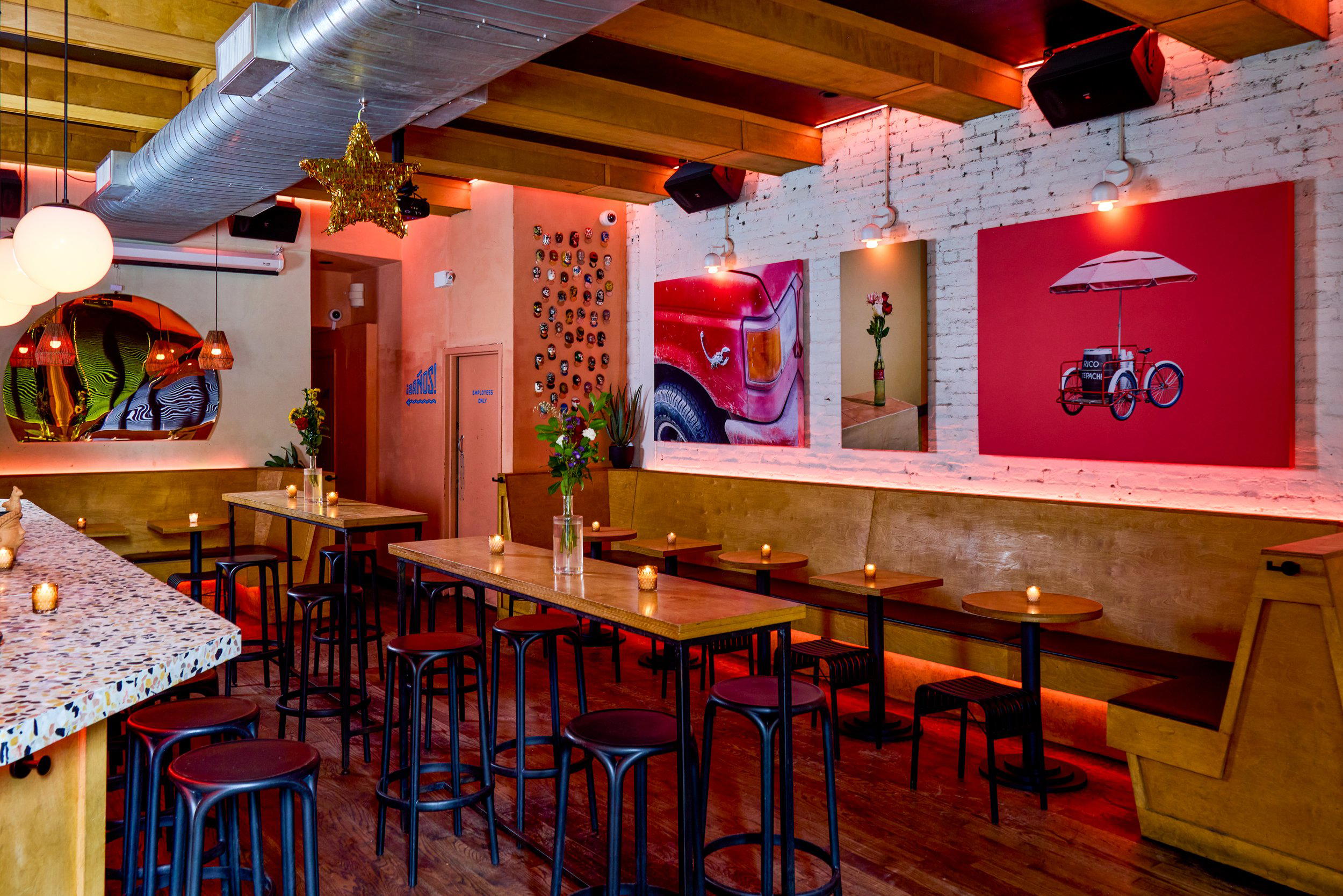
Hotels in New York City
Browse all →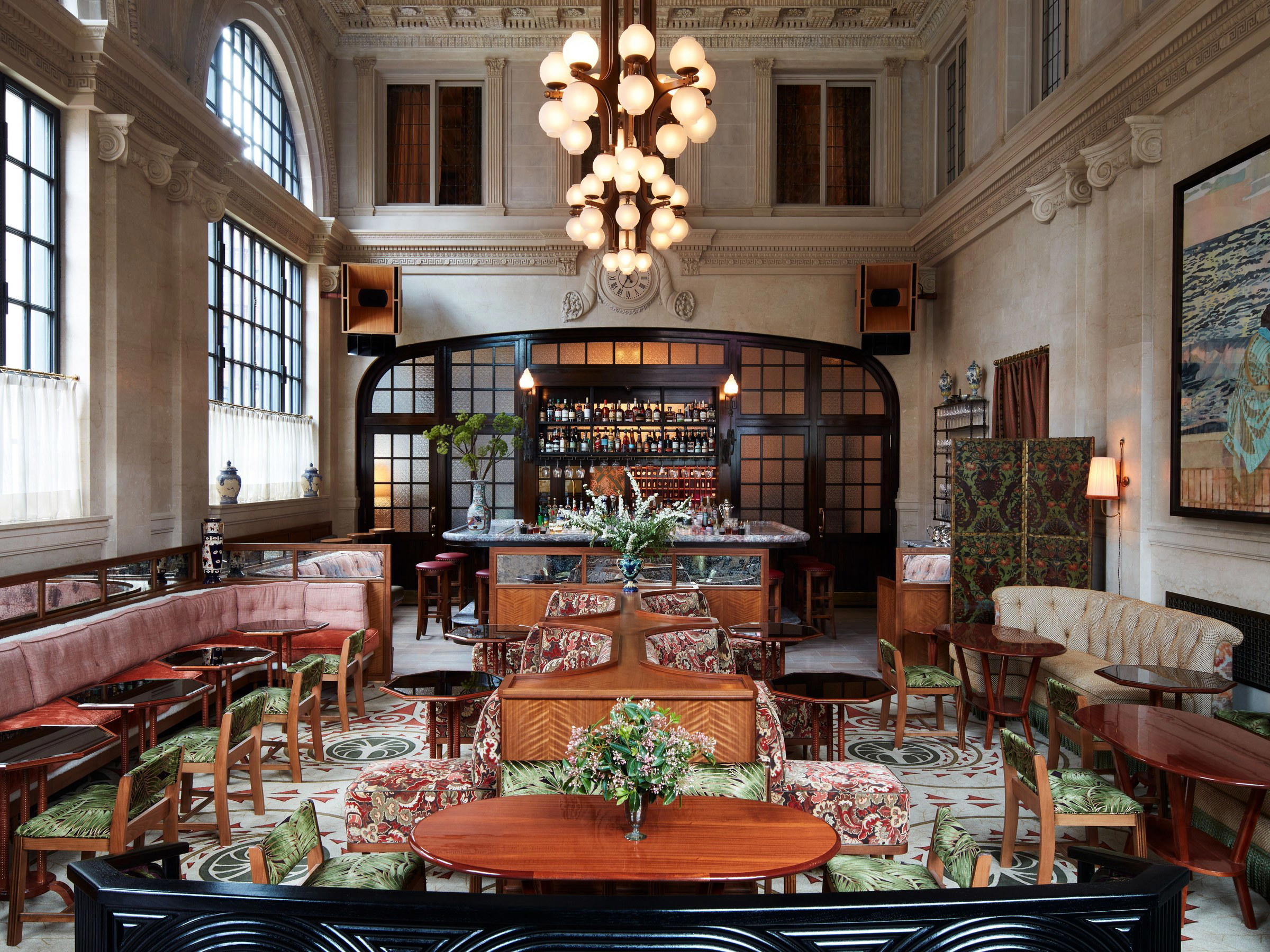

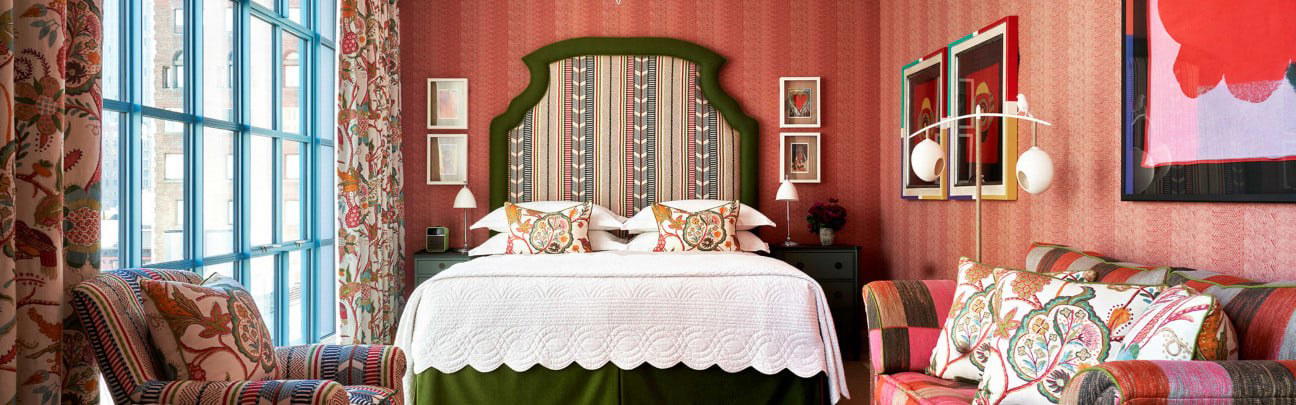
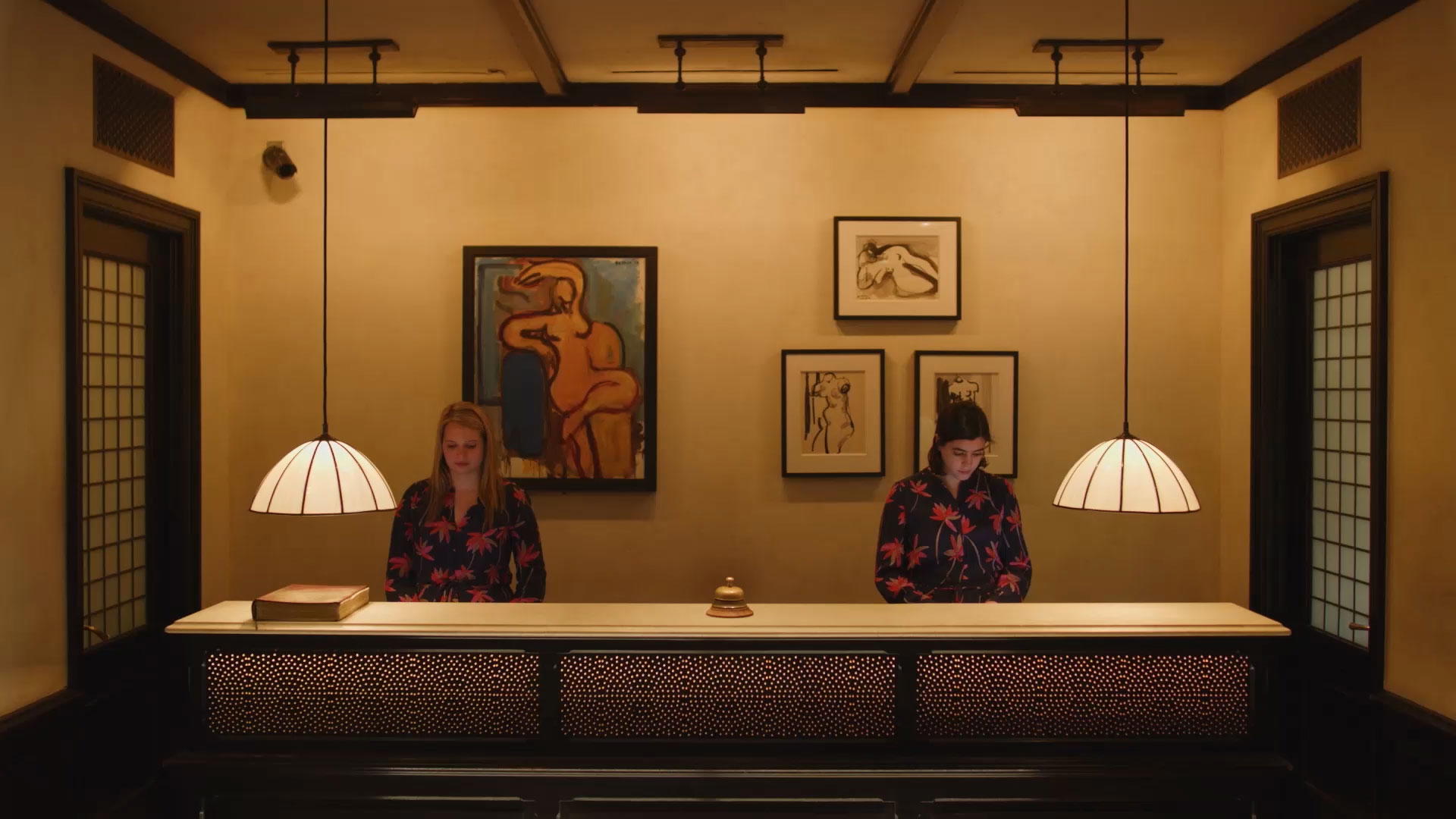





At a Glance
- Trendy
- Cozy
- Lively
- Date Night
- Group Dining
- Casual Hangout
- Late Night
- Open Kitchen
- Terrace
- Sake Program
- Craft Cocktails
Current opening hours
- Monday
- 6 PM–2 AM
- Tuesday
- 6 PM–2 AM
- Wednesday
- 6 PM–2 AM
- Thursday
- 6 PM–2 AM
- Friday
- 6 PM–2 AM
- Saturday
- 6 PM–2 AM
- Sunday
- 6 PM–2 AM
Hours can change for holidays and private events. Last verified .