Uminoie
On a quiet stretch of East 3rd Street in the East Village, Uminoie occupies a second-floor address that keeps it off the reflexive radar of most New York dining guides. The name translates loosely from Japanese as 'house by the sea,' a signal of culinary intent that positions it apart from the neighbourhood's louder competition. Booking strategy matters here as much as what you order.
Pearl is the En Primeur Club membership app — saves, bookings, and concierge access live there. Same editors, same standards.
- Address
- 86 E 3rd St # 2, New York, NY 10003
- Phone
- +16466541122
- Website
- downtownuminoie.com

A Second-Floor Address in a First-Floor City
New York has a long tradition of restaurants that reward the effort of finding them. Not the theatrical concealment of a speakeasy phone booth or a password at a diner counter, but the quieter friction of an upstairs room on a residential-scale block where foot traffic moves past without stopping. Uminoie at 86 East 3rd Street sits in that category: a second-floor space in the East Village, on a stretch that runs between two of downtown Manhattan's denser commercial corridors without quite belonging to either. The building number requires attention; the entrance does not announce itself.
That geography is relevant beyond atmosphere. The East Village has spent the better part of two decades absorbing waves of Japanese culinary influence, from the ramen counters on St. Marks Place to the izakaya-style rooms along the side streets of the East Teens. What the neighbourhood's dining culture has generally resisted is the kind of self-conscious destination positioning that defines the midtown omakase tier, where Masa and its peers price against scarcity and credential. Uminoie operates closer to the ground-level register of that tradition, on a block that still functions as a neighbourhood rather than a dining corridor.
The Booking Reality
The editorial angle on Uminoie is, at this moment, largely a logistics story. Reservations are best handled by walking in or checking locally for current contact details. This is not unusual for small, owner-operated Japanese rooms in New York, where word-of-mouth referral and a degree of insider routing serve as informal gatekeeping. It functions differently from the structured scarcity of a Michelin-starred omakase counter, where the barrier is explicit and the confirmation email is its own kind of currency.
For comparison: Atomix, the Modern Korean tasting counter in NoMad that holds two Michelin stars, operates a formal release system for its bookings, with windows that open weeks in advance and close within hours. Jungsik New York, another Korean-rooted fine dining address, is reachable through standard reservation platforms. Uminoie's lower profile means the mechanics of access are less documented, which is itself a useful piece of information for a traveller planning a week in the city. Build in flexibility and treat it as a walk-in candidate or a same-week call.
East Village as Culinary Context
The East Village dining scene operates on a different register from the white-tablecloth precincts of Midtown and the Upper West Side. Density of options is high; price points are generally more compressed; the room sizes tend toward small; and the cuisine range reflects decades of immigrant layering that has made this part of Manhattan one of the more genuinely plural food neighbourhoods in the country. Japanese food specifically has a strong foothold here, ranging from casual ramen and donburi counters to more considered omakase and kaiseki-adjacent formats that have appeared in the last decade as the broader New York appetite for Japanese cuisine has deepened and become more specific in its knowledge.
That specificity matters when thinking about where Uminoie sits. New York diners who follow Japanese food closely now distinguish between the high-formality omakase tier, mid-market izakaya-style rooms, and the smaller category of intimate Japanese dining that borrows selectively from both without fully occupying either. Uminoie is a Homestyle Japanese Izakaya. That ambiguity is part of what makes the place interesting to the kind of traveller who treats the act of discovery as its own value, rather than needing the credential of a star rating to validate the decision to walk up a flight of stairs.
For those whose New York week is already structured around confirmed destinations elsewhere in the country's restaurant hierarchy, the broader American fine dining context is worth noting. Venues like The French Laundry in Napa, Alinea in Chicago, and Blue Hill at Stone Barns in Tarrytown all operate with well-documented booking systems and clear cuisine identities. Uminoie belongs to a different register: local, small-scale, and dependent on proximity and timing in a way those venues are not.
What the Address Tells You
Second-floor restaurants in New York tend to cluster into two types: the ones that are upstairs because the ground-floor rent was prohibitive, and the ones that are upstairs because the operator made a deliberate choice to reduce foot traffic and control the pace of the room. The distinction shapes the experience significantly. A room that filters its clientele through a flight of stairs tends toward quieter service rhythms, lower ambient noise, and a guest mix that skews toward people who came specifically rather than people who wandered in. Whether Uminoie belongs to the first or second category is a matter of operational history that isn't publicly documented, but the address pattern itself has meaning in this city.
The East Village has seen a number of small Japanese rooms operate in this format with varying degrees of longevity. Some have developed cult followings without ever accumulating press coverage. Others have turned over quickly when the economics of a second-floor space on a residential block couldn't sustain the labour costs of a small kitchen. Uminoie's presence at this address makes it worth attempting on an East Village evening, particularly if you are already in the neighbourhood for other reasons. Treat it as a discovery-mode addition to a trip rather than its centrepiece.
For a fuller picture of where Uminoie sits within the broader Manhattan dining map, the EP Club New York City restaurants guide covers the city's dining scene with neighbourhood-level specificity. Those planning trips that extend beyond New York will also find useful reference points in our coverage of Lazy Bear in San Francisco, Providence in Los Angeles, Single Thread Farm in Healdsburg, Emeril's in New Orleans, Addison in San Diego, Bacchanalia in Atlanta, and The Inn at Little Washington. International travellers planning broader itineraries may also reference 8 1/2 Otto e Mezzo Bombana in Hong Kong and Alain Ducasse at Louis XV in Monte Carlo for peer-set context in the upper tiers of global dining.
Planning Your Visit
Location: 86 E 3rd St # 2, New York, NY 10003. Approach: Walk-ins are the most practical option.
A Minimal comparable set
Comparable venues nearby, for context on price, style, and recognition.
| Venue | Cuisine | Price | Notes |
|---|---|---|---|
| UminoieThis venue — the venue you are viewing | East Village, Homestyle Japanese Izakaya | $$ | |
| Tenjou | $$ | Midtown South-Flatiron-Union Square, Modern Japanese Comfort Food | |
| Momokawa | $$ | Upper East Side-Lenox Hill-Roosevelt Island, Traditional Japanese Sukiyaki & Sushi | |
| Fuji Hibachi - Times Square | Hell's Kitchen, Hibachi Japanese Grill | $$ | |
| Karazishi Botan | $$ | Carroll Gardens-Cobble Hill-Gowanus-Red Hook, New York-Style Ramen Diner | |
| Davelle | Lower East Side, Japanese Kissaten Cafe | $$ |
Continue exploring
More in New York City
Restaurants in New York City
Browse all →Bars in New York City
Browse all →Hotels in New York City
Browse all →At a Glance
- Cozy
- Rustic
- Intimate
- Hidden Gem
- Casual Hangout
- Date Night
- Solo
- Open Kitchen
- Sake Program
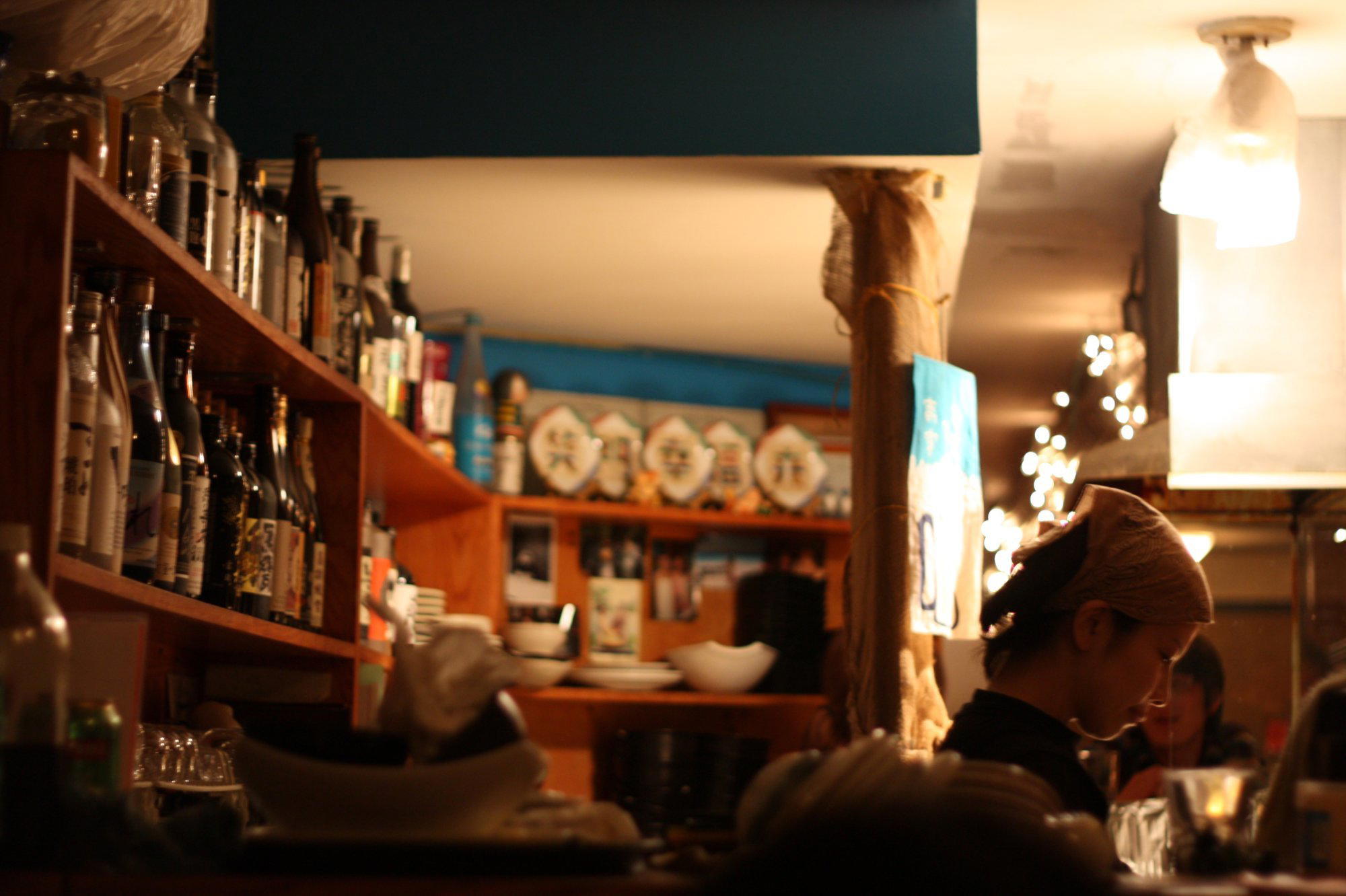
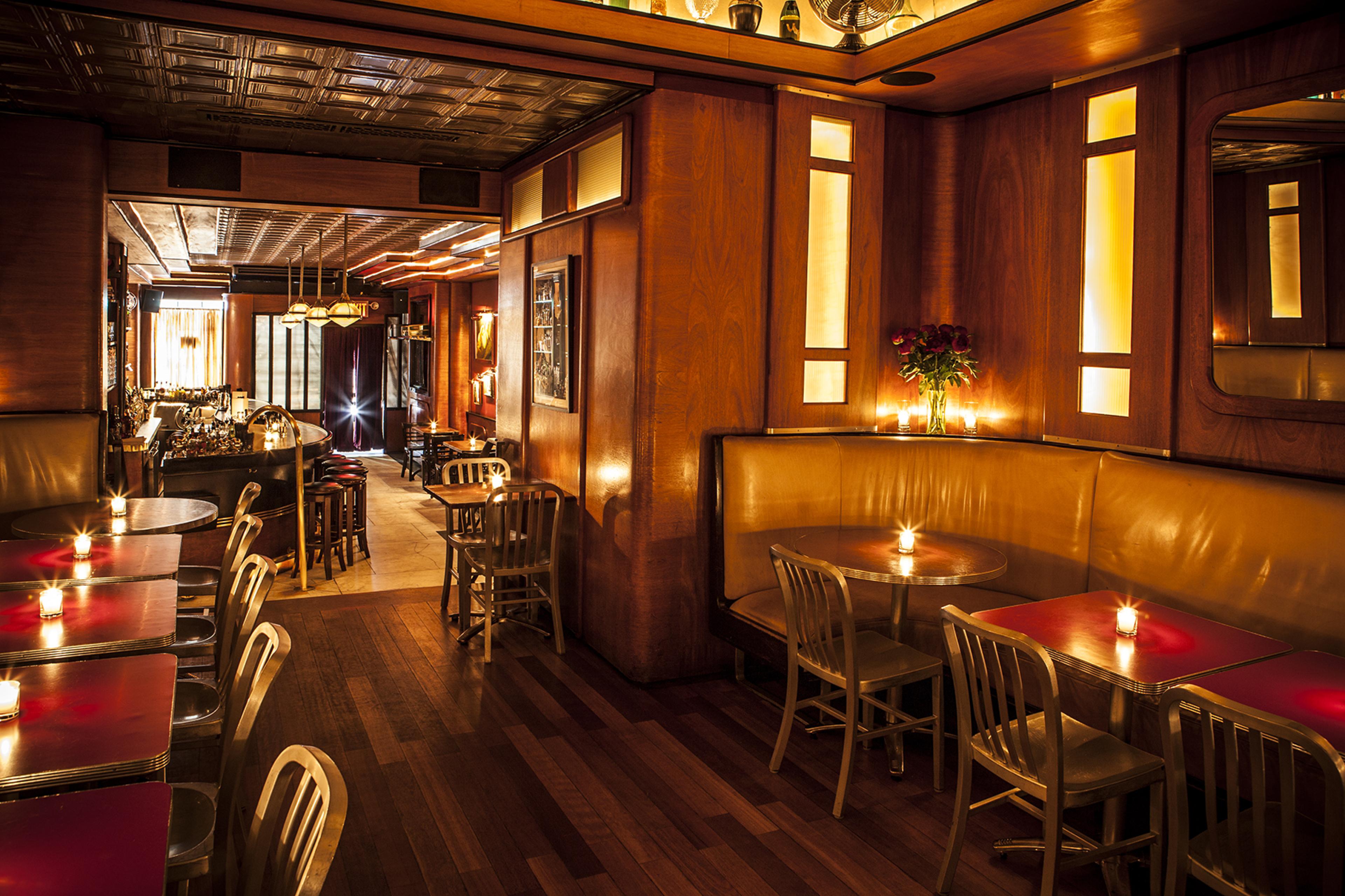
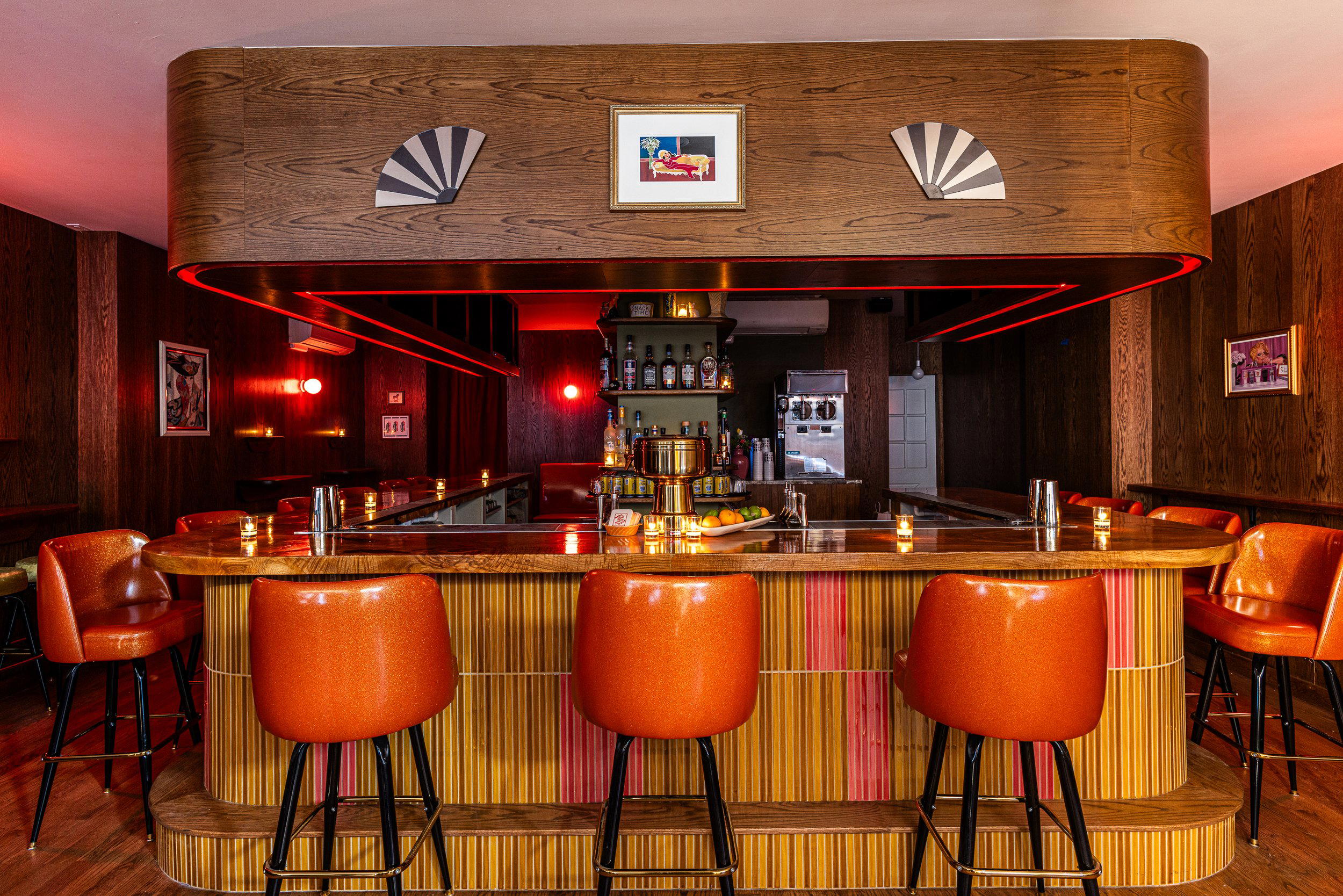
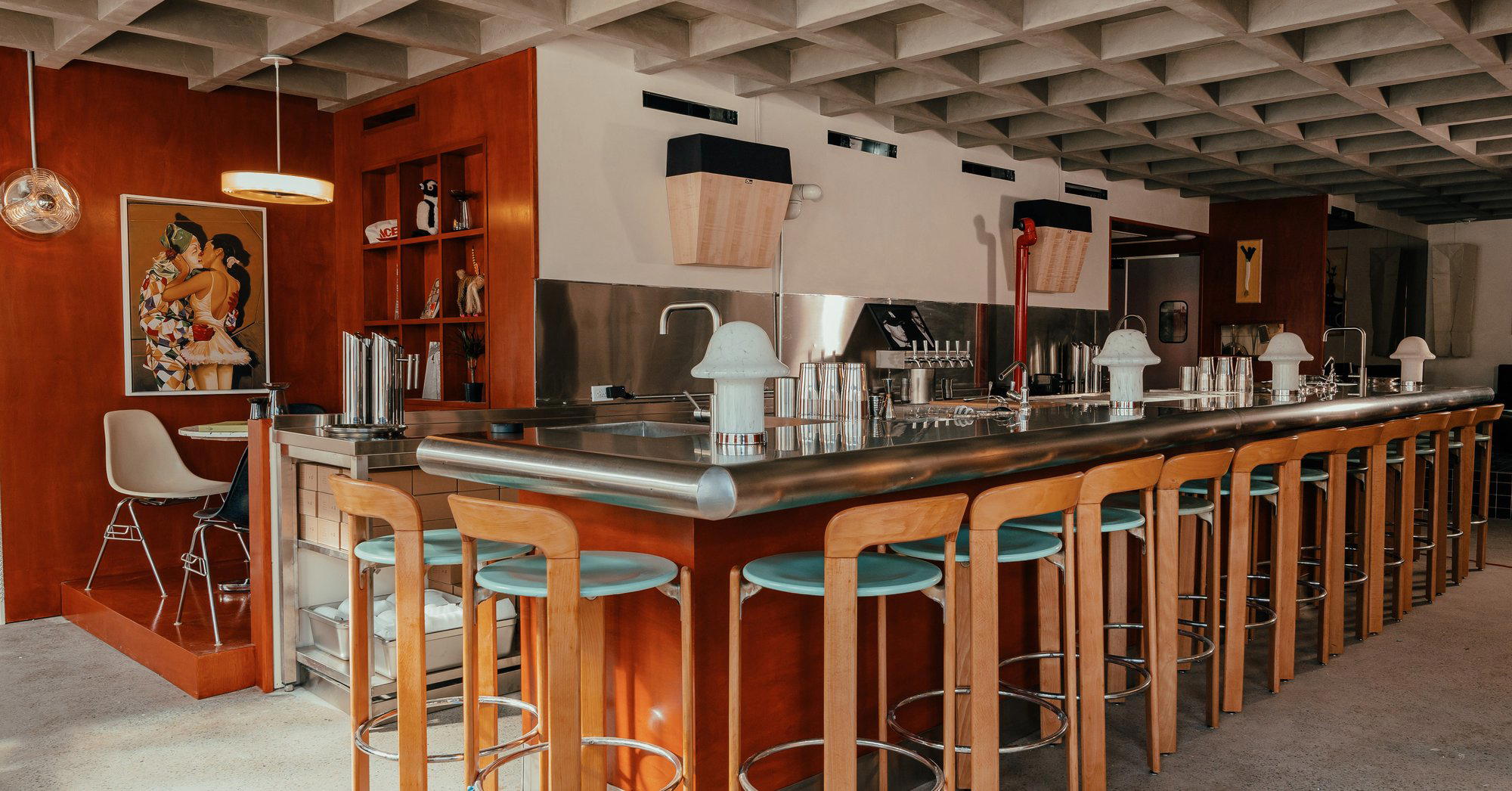
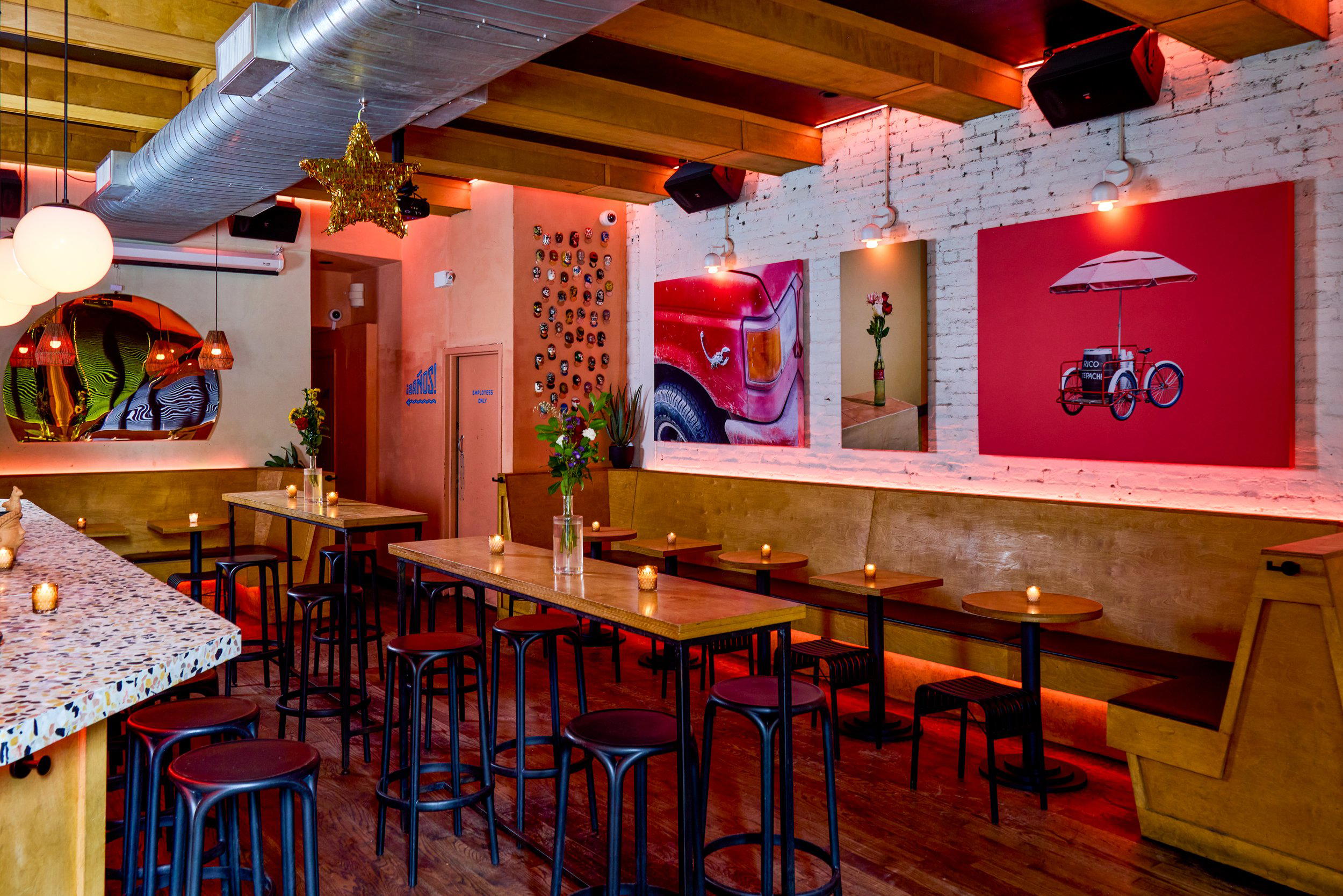
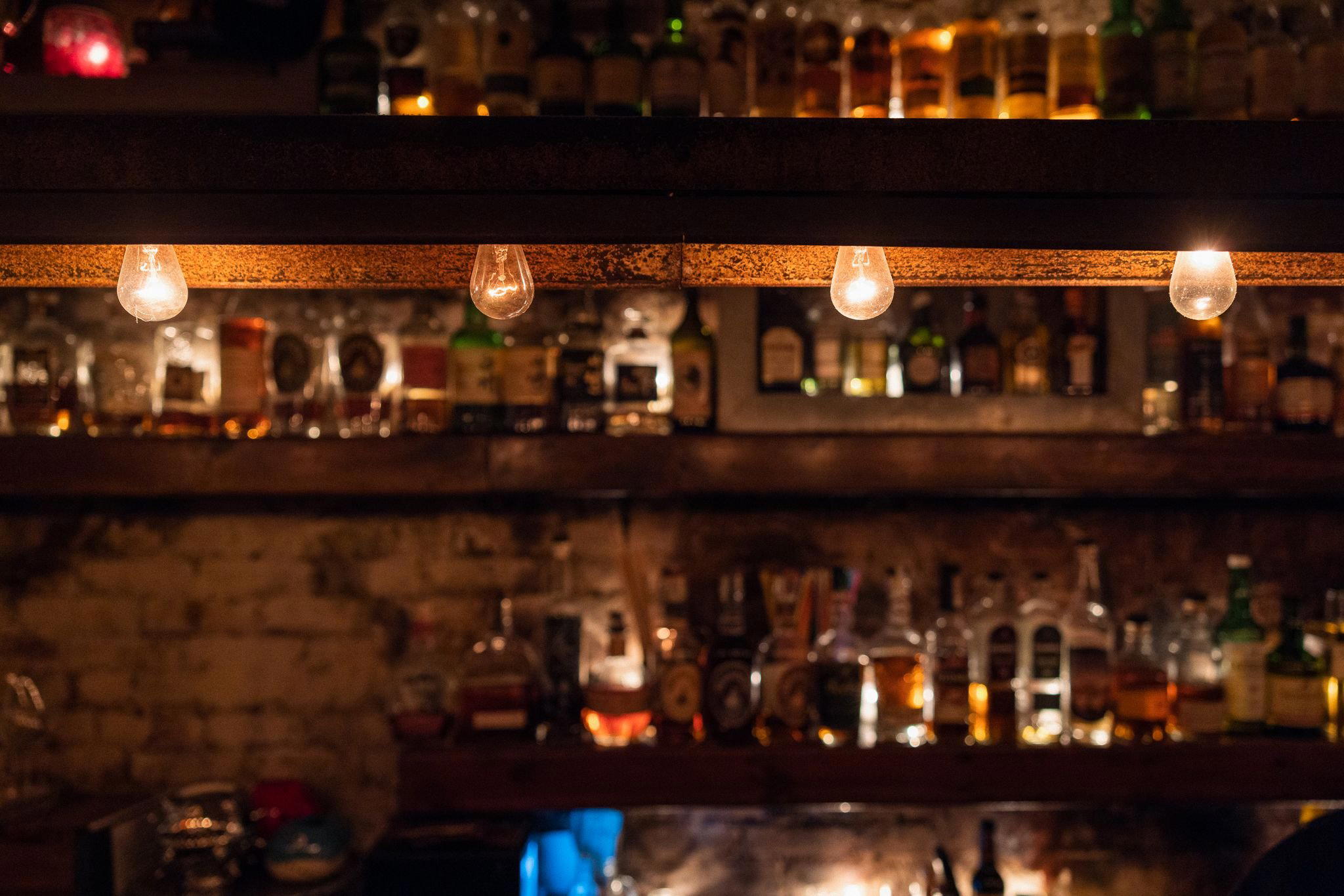
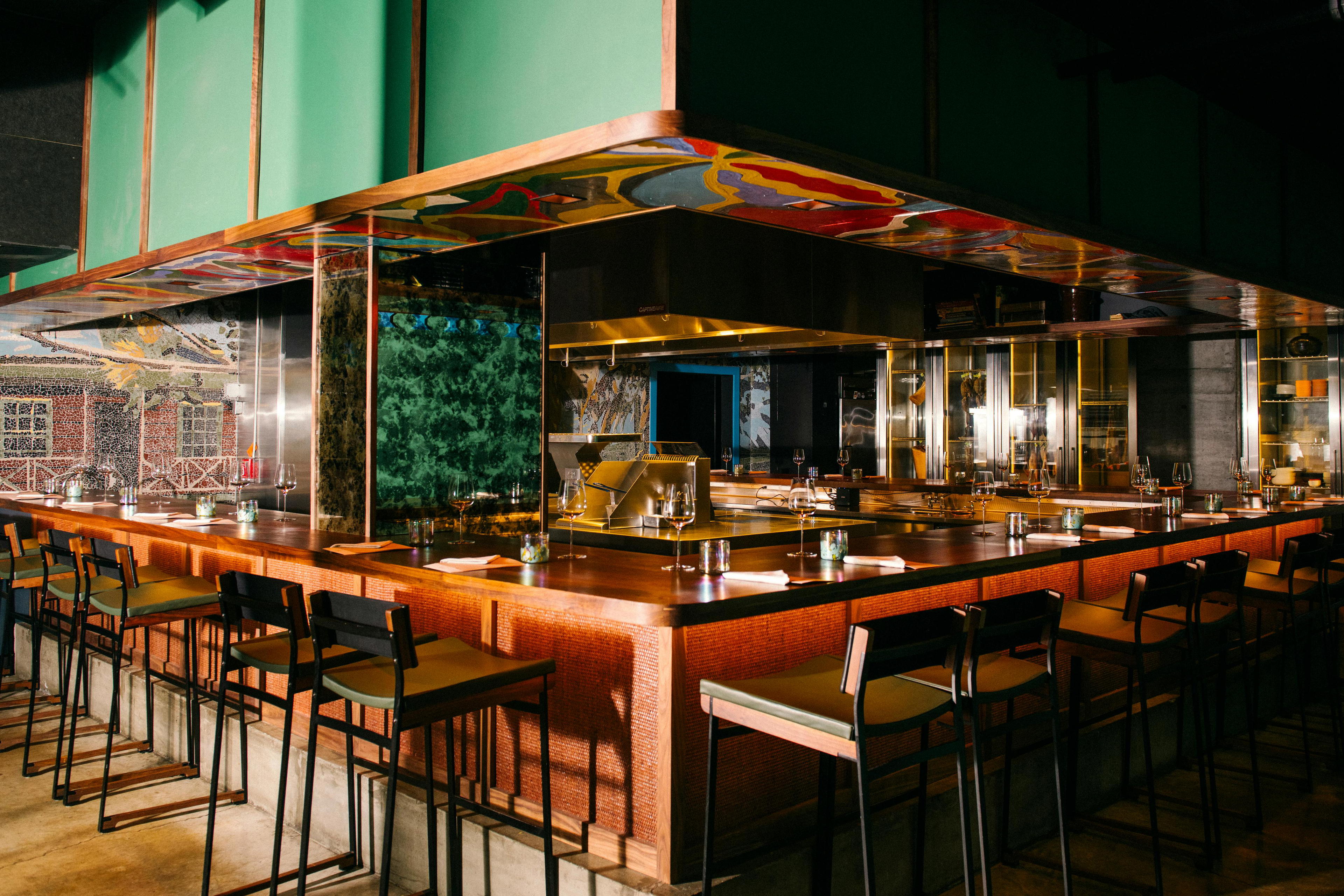
Cozy, homey atmosphere with a compact kitchen bar, quiet and casual like walking into someone's home filled with knickknacks.