Amber
On the Upper East Side, Amber occupies a corner of New York's fine dining scene where neighborhood ambition meets serious culinary intention. The address at 1406 Third Avenue places it within a residential stretch that has historically supported a different dining register than Midtown's trophy tables, making its presence a study in how premium restaurant culture has dispersed across the city's boroughs.
Pearl is the En Primeur Club membership app — saves, bookings, and concierge access live there. Same editors, same standards.
- Address
- 1406 3rd Ave, New York, NY 10075
- Phone
- +12122495020
- Website
- ambernewyork.com
- Directions
- Get directions
 Saves & bookings on Pearl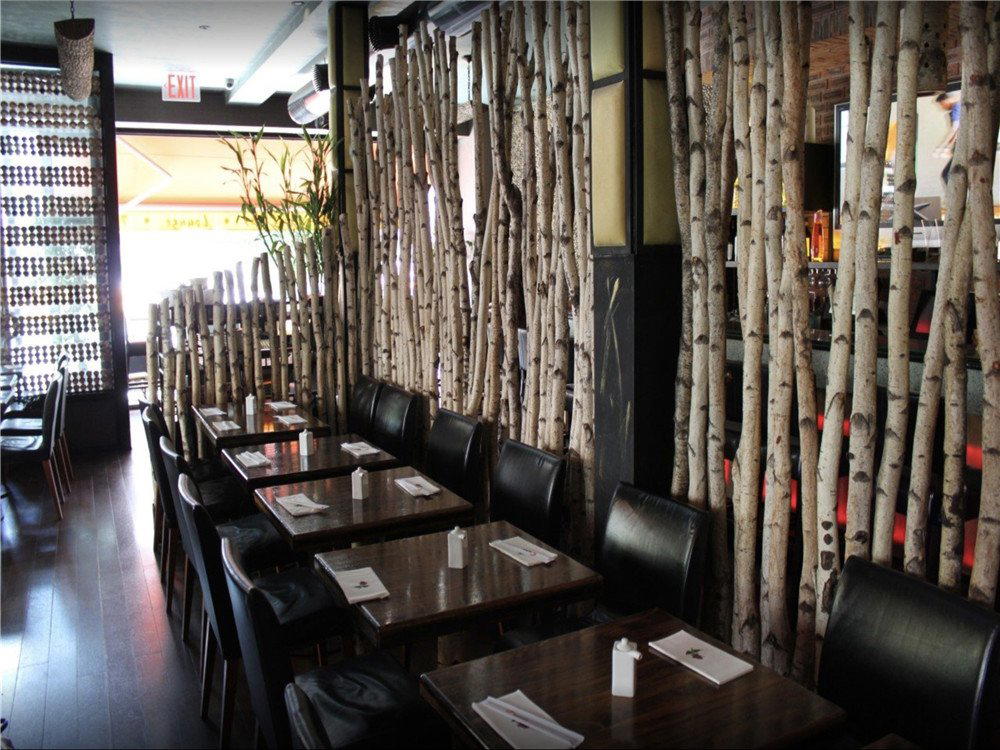
Upper East Side Fine Dining and the Question of Where Seriousness Lives
New York's fine dining map has never been static. The concentration of serious restaurants along a handful of Midtown blocks, the corridor that produced Le Bernardin and Per Se, defined the city's premium tier for decades. But over the past fifteen years, that geography has loosened. Neighborhoods that once supported only neighborhood bistros now hold rooms competing, credibly, with Midtown's established order. The Upper East Side is part of that shift, and Amber, at 1406 Third Avenue, sits inside that broader dispersal of ambition.
Third Avenue in the 70s is residential New York in the truest sense: a street of apartment buildings, dry cleaners, and the particular kind of local restaurant that survives because the neighborhood actually uses it. Running a dining room with serious intent on that block requires a different calculation than opening on West 51st Street, where expense-account traffic and tourist footfall provide a reliable floor. The venues that succeed here do so because they earn repeat local loyalty while still signaling enough credibility to draw destination diners from across the city.
The Evolution of Premium Dining on the Upper East Side
The arc of fine dining on the Upper East Side traces the broader evolution of the city's restaurant culture. Through the 1990s and early 2000s, this part of Manhattan hosted the kind of formal French rooms that served a specific social function: power lunches for the philanthropic set, anniversary dinners for old-money families who had lived within ten blocks for generations. The format was largely consistent, tablecloths, extensive wine lists, classical French or Continental technique, service hierarchies inherited from European models.
That format has been under pressure everywhere in American fine dining. The shift has not been a collapse but a renegotiation: formality has given way to what critics often describe as a studied relaxation, where the technical ambition remains but the codes of entry have softened. You see this pattern at serious rooms across the country, at Lazy Bear in San Francisco, at Alinea in Chicago, at Single Thread Farm in Healdsburg, where the cooking operates at the highest technical register but the service language has moved away from European formality toward something more conversational. The Upper East Side has not been immune to this pressure, and rooms that survived did so by finding a version of that balance that their specific clientele would accept.
Amber's position on Third Avenue places it in a neighborhood that has always valued continuity and familiarity alongside quality. The diners who support restaurants in this stretch are, in large part, people who live within walking distance. That dynamic shapes what a restaurant can and cannot do: it rewards consistency above spectacle, and it punishes the kind of concept-heavy reinvention that works in neighborhoods where diners arrive from across the city seeking novelty. The evolution of a restaurant in this context is quieter, more incremental, and in some ways more demanding for it.
Where Amber Sits in New York's Competitive Fine Dining Field
New York's upper tier of restaurant dining has compressed and intensified simultaneously. The arrival of Atomix and Jungsik New York, both operating at the $$$$ tier with serious critical recognition, reflects a broader diversification of what premium dining means in the city. Masa operates at the apex of the Japanese omakase format. These are not the same kind of room as a neighborhood fine dining address on the Upper East Side, but they define the field against which any serious New York restaurant is implicitly measured.
The comparison matters because it clarifies what a room in Amber's geographic position can reasonably be and what it need not try to be. The destination-dining conversation in New York increasingly belongs to rooms in lower Manhattan, the West Village, or specific Midtown addresses with international recognition. A Third Avenue address competes primarily on neighborhood terms, which is not a limitation so much as a different set of success criteria. The rooms that have lasted longest in this part of the city are those that understood this distinction clearly and built toward sustained local relevance rather than critical moment.
That is the tradition Amber operates within, whether or not it has sought that framing. The Upper East Side has produced durable restaurants precisely because the neighborhood demands durability. Compare this to the more transient dining culture of areas like the Meatpacking District or certain blocks in Williamsburg, where a restaurant's lifespan is often inversely correlated with the heat of its opening press.
For broader reference on how serious American dining rooms have handled the formality-versus-accessibility question over the past decade, rooms like Blue Hill at Stone Barns in Tarrytown, The French Laundry in Napa, Providence in Los Angeles, Addison in San Diego, The Inn at Little Washington, Bacchanalia in Atlanta, and Emeril's in New Orleans each represent a distinct regional answer to the same structural question. Internationally, rooms like 8 1/2 Otto e Mezzo Bombana in Hong Kong and Alain Ducasse at Louis XV in Monte Carlo show how different markets have sustained formal fine dining as a category while adapting its codes.
Planning Your Visit
Address: 1406 Third Avenue, New York, NY 10075. Reservations: Recommended. Dress: Smart casual. Budget: Moderate.
The Quick Read
Comparable venues nearby, for context on price, style, and recognition.
| Venue | Cuisine | Price | Notes |
|---|---|---|---|
| AmberThis venue — the venue you are viewing | Not listed | $$ | Not listed |
| Dai Hachi | Not listed | $$ | Long Island City-Hunters Point, Traditional Japanese Sushi |
| Shin Takumi Omakase | Not listed | $$ | West Village, Affordable Japanese Omakase |
| Fuji Hibachi - Times Square | Hell's Kitchen, Hibachi Japanese Grill | $$ | Not listed |
| Davelle | Lower East Side, Japanese Kissaten Cafe | $$ | Not listed |
| PacRim Sushi & Asian Cuisine | Not listed | $$ | East Midtown-Turtle Bay, Japanese Sushi and Asian Fusion |
Continue exploring
More in New York City
Restaurants in New York City
Browse all →
Bars in New York City
Browse all →
Hotels in New York City
Browse all →




At a Glance
- Modern
- Trendy
- Elegant
- Date Night
- Casual Hangout
- Open Kitchen
- Craft Cocktails
Current opening hours
- Monday
- 12–10 PM
- Tuesday
- 12–10 PM
- Wednesday
- 12–10 PM
- Thursday
- 12–10 PM
- Friday
- 12–10 PM
- Saturday
- 12–10 PM
- Sunday
- 12–10 PM
Hours can change for holidays and private events. Last verified .
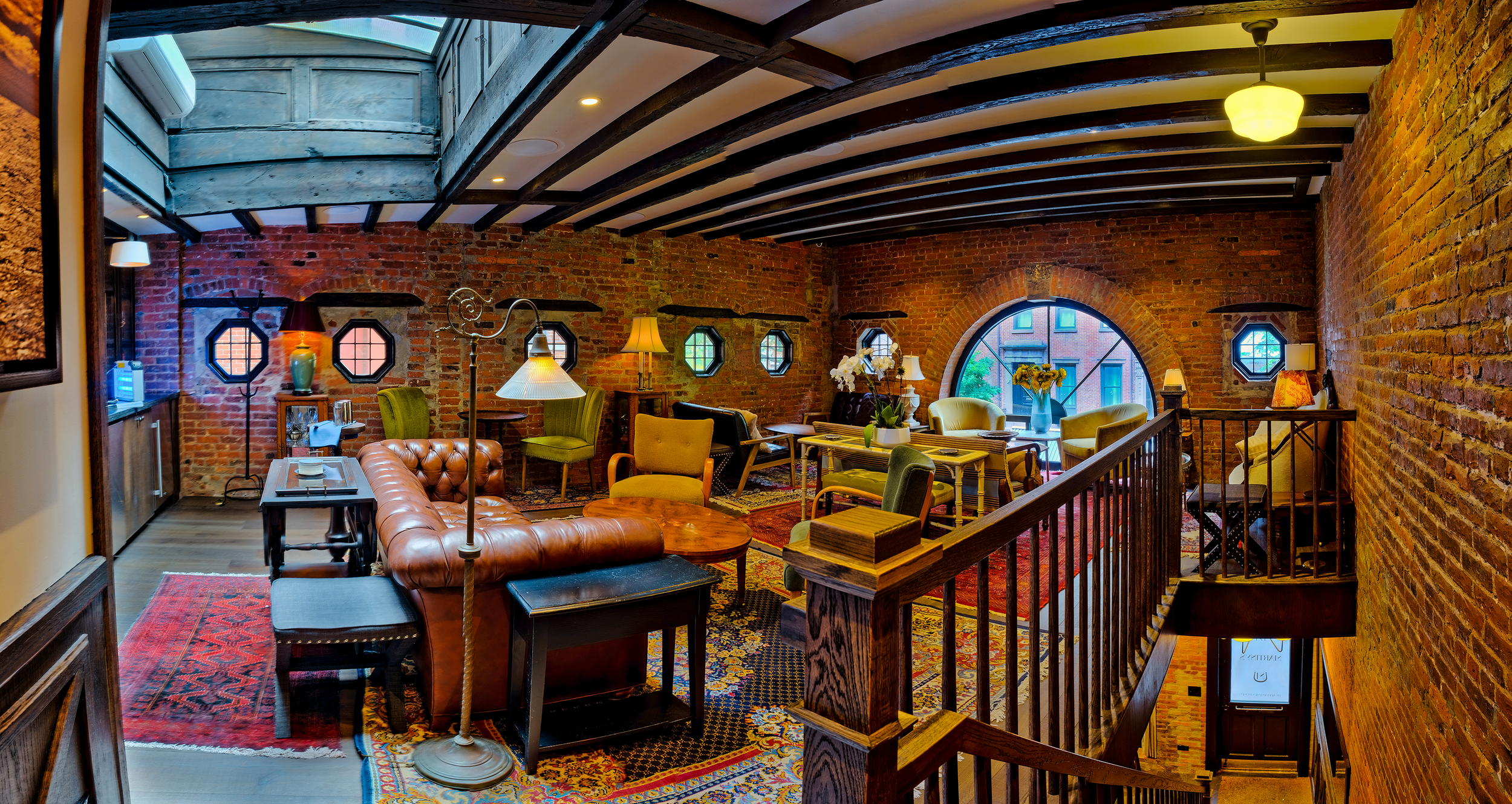
Stylish and comfortable with dim lights and exposed brick walls.