Davelle
On Suffolk Street in the Lower East Side, Davelle occupies a sliver of New York's café culture where the neighbourhood's layered immigrant history meets a quieter, more considered approach to coffee and space. The address puts it squarely in a stretch of Manhattan that rewards those who slow down enough to notice what's been there all along.
Pearl is the En Primeur Club membership app — saves, bookings, and concierge access live there. Same editors, same standards.
- Address
- 102 Suffolk St, New York, NY 10002
- Phone
- +1 646 988 1973
- Website
- davellenewyork.com
- Directions
- Get directions
 Saves & bookings on Pearl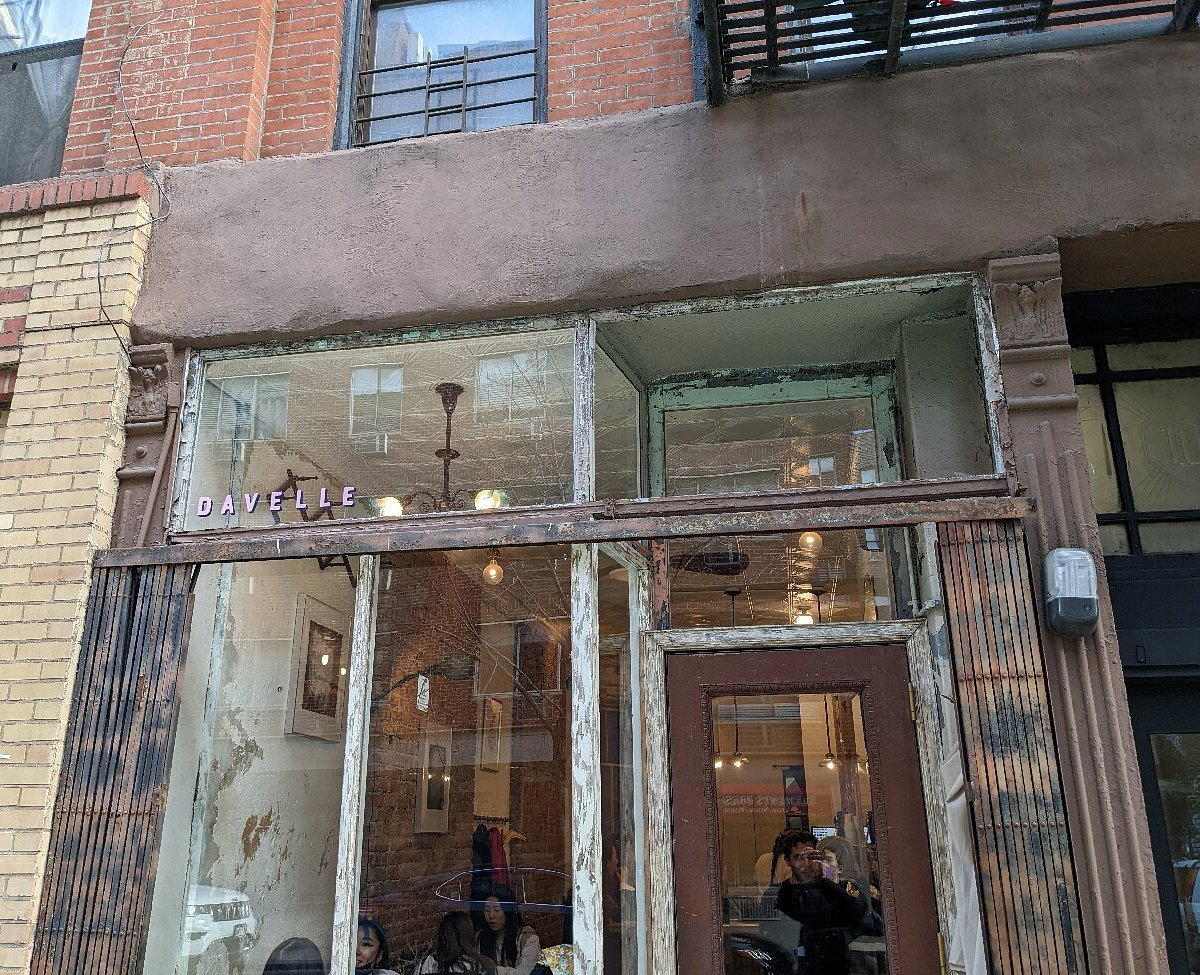
Suffolk Street and the Café as Breathing Room
There is a particular quality of light that finds its way into ground-floor spaces on the residential side streets of the Lower East Side, angled, unhurried, filtered through the kind of low-rise streetscape that Manhattan has mostly traded away. At 102 Suffolk Street, that quality of light is the first thing you register. The street itself sits in a neighbourhood that has absorbed successive waves of arrivals: Ashkenazi Jewish immigrants in the early twentieth century, Puerto Rican and Dominican communities through the mid-century decades, and more recently, the galleries, bars, and small restaurants that repositioned the area for a different kind of foot traffic. Davelle is a Japanese Kissaten Cafe at 102 Suffolk Street in New York's Lower East Side, and its casual, walk-in-friendly format fits the address well.
The Lower East Side café scene has evolved along lines distinct from the pour-over temples of Williamsburg or the espresso-counter efficiency of Midtown. Here, the expectation tends toward lingering. Tables are used for work, conversation that runs long, the kind of slow Tuesday afternoon that the rest of Manhattan seems structurally incapable of producing. Davelle sits within that tradition. Its address on Suffolk, between Delancey and Rivington, places it a short walk from the Tenement Museum and the steadily gentrifying stretch of Orchard Street, but far enough off the main commercial corridor to maintain a different register entirely.
What the Room Communicates
In a city where café design tends toward one of two poles, the aggressively minimal Scandinavian-influenced fit-out, or the reclaimed-wood-and-Edison-bulb formula, spaces that resist those templates are worth noting. The sensory character of a room like Davelle's is not incidental. The Lower East Side's residential density means that most visitors arrive on foot from within walking distance, which shapes the pace of the room differently than a destination café drawing transit commuters. The sounds are correspondingly different: conversations rather than orders barked over a queue, the ambient noise of a neighbourhood rather than a transit hub.
This matters editorially because New York's café culture is increasingly stratified. At one end, the specialty-coffee destination draws enthusiasts prepared to queue and pay accordingly; at the other, the corner bodega café serves pure function. The middle tier, café-as-social-infrastructure, the kind of space where the same faces appear across the week, is under real pressure from commercial rents, particularly below 14th Street. That Davelle occupies this tier on Suffolk Street is itself a contextual fact worth holding.
The Lower East Side in the Broader New York Dining Map
New York's dining geography rewards specificity. The neighborhoods that sit below Houston and east of the Bowery operate under different dynamics than the fine-dining corridors that define much of the city's international reputation. Le Bernardin in Midtown, Atomix in NoMad, Eleven Madison Park in the Flatiron district, Masa at the Time Warner Center, and Per Se overlooking Columbus Circle all anchor the upper bracket of the city's restaurant identity. The Lower East Side operates at a perpendicular angle to that axis. Its character is built from density, history, and the kind of informal sociability that formal dining rooms are designed to suppress.
That distinction is not a hierarchy, it is a difference in what the spaces are for. The café at Suffolk Street is not competing with the tasting-menu tier; it is serving a neighbourhood function that the tasting-menu tier explicitly is not. Across the United States, spaces that perform this neighbourhood-anchoring role are increasingly recognized as part of the broader dining and hospitality ecosystem, rather than as a lesser category. Lazy Bear in San Francisco, Smyth in Chicago, and Blue Hill at Stone Barns in Tarrytown each operate within specific community and geographic contexts that shape their identity as much as their menus do. The logic applies at every price point.
Planning Your Visit
Suffolk Street is accessible from the Delancey Street/Essex Street subway station, served by the J, M, and Z lines, placing the address inside a few minutes' walk. The Lower East Side is a neighbourhood leading approached with time to spare, the density of small businesses, the narrow residential blocks, and the adjacency to Chinatown and the East Village all reward a longer time frame than a targeted visit. Arriving without a fixed agenda and adjusting to the room on the day is the more reliable approach than planning around specific service windows. The space at 102 Suffolk is compact enough that timing, mid-morning on a weekday, for example, makes a practical difference to the experience of the room.
Awards and Standing
Comparable venues nearby, for context on price, style, and recognition.
| Venue | Cuisine | Price | Notes |
|---|---|---|---|
| DavelleThis venue — the venue you are viewing | Japanese Kissaten Cafe | $$ | Not listed |
| Ramen DANBO Park Slope | Fukuoka-Style Tonkotsu Ramen | $$ | Park Slope |
| Sushi Yasaka | Traditional Japanese Sushi | $$ | Upper West Side-Lincoln Square |
| Takahachi | Japanese Sushi | $$ | East Village |
| Kouzan | Traditional Japanese Sushi | $$ | Upper West Side (Central) |
| Hide-Chan Ramen | Hakata Tonkotsu Ramen | $$ | Hell's Kitchen |
Continue exploring
More in New York City
Restaurants in New York City
Browse all →
Bars in New York City
Browse all →
Hotels in New York City
Browse all →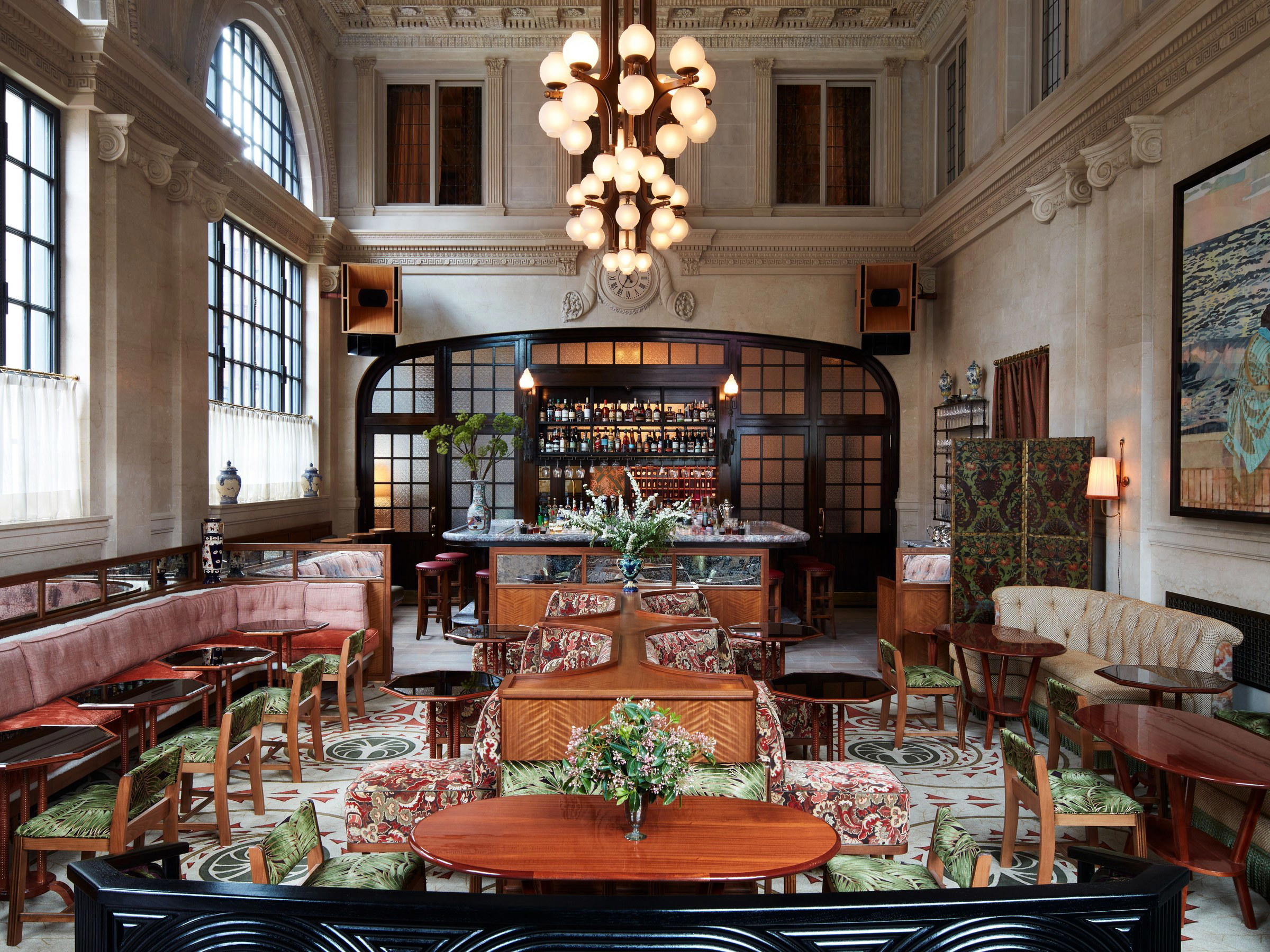






At a Glance
- Minimalist
- Cozy
- Trendy
- Intimate
- Solo
- Casual Hangout
- Sake Program
Current opening hours
- Monday
- 9:30 AM–4:30 PM
- Tuesday
- 9:30 AM–4:30 PM
- Wednesday
- 9:30 AM–4:30 PM
- Thursday
- 9:30 AM–4:30 PM, 7 PM–12 AM
- Friday
- 9:30 AM–4:30 PM, 7 PM–12 AM
- Saturday
- 9:30 AM–4:30 PM
- Sunday
- 9:30 AM–4:30 PM
Hours can change for holidays and private events. Last verified .
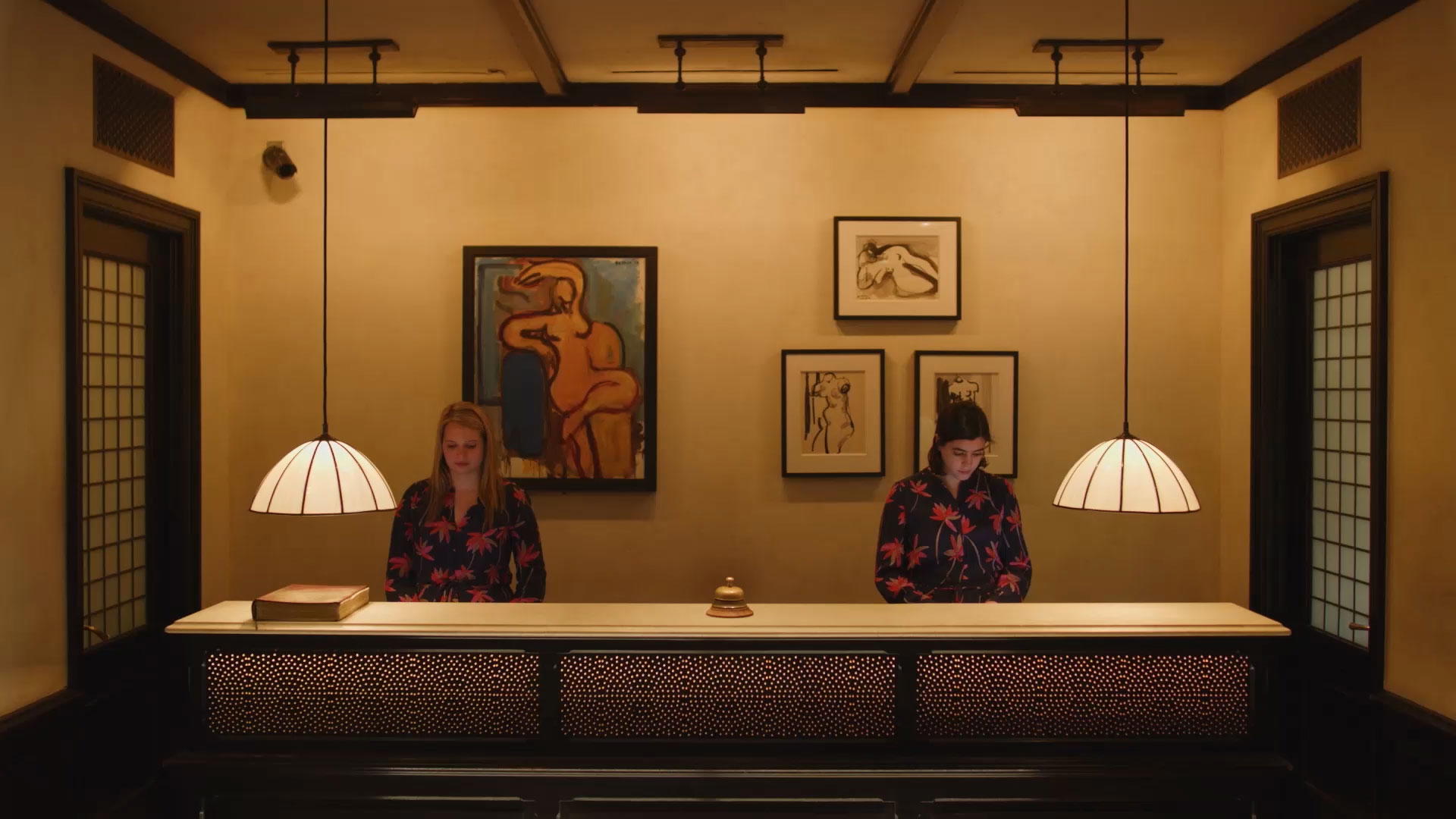
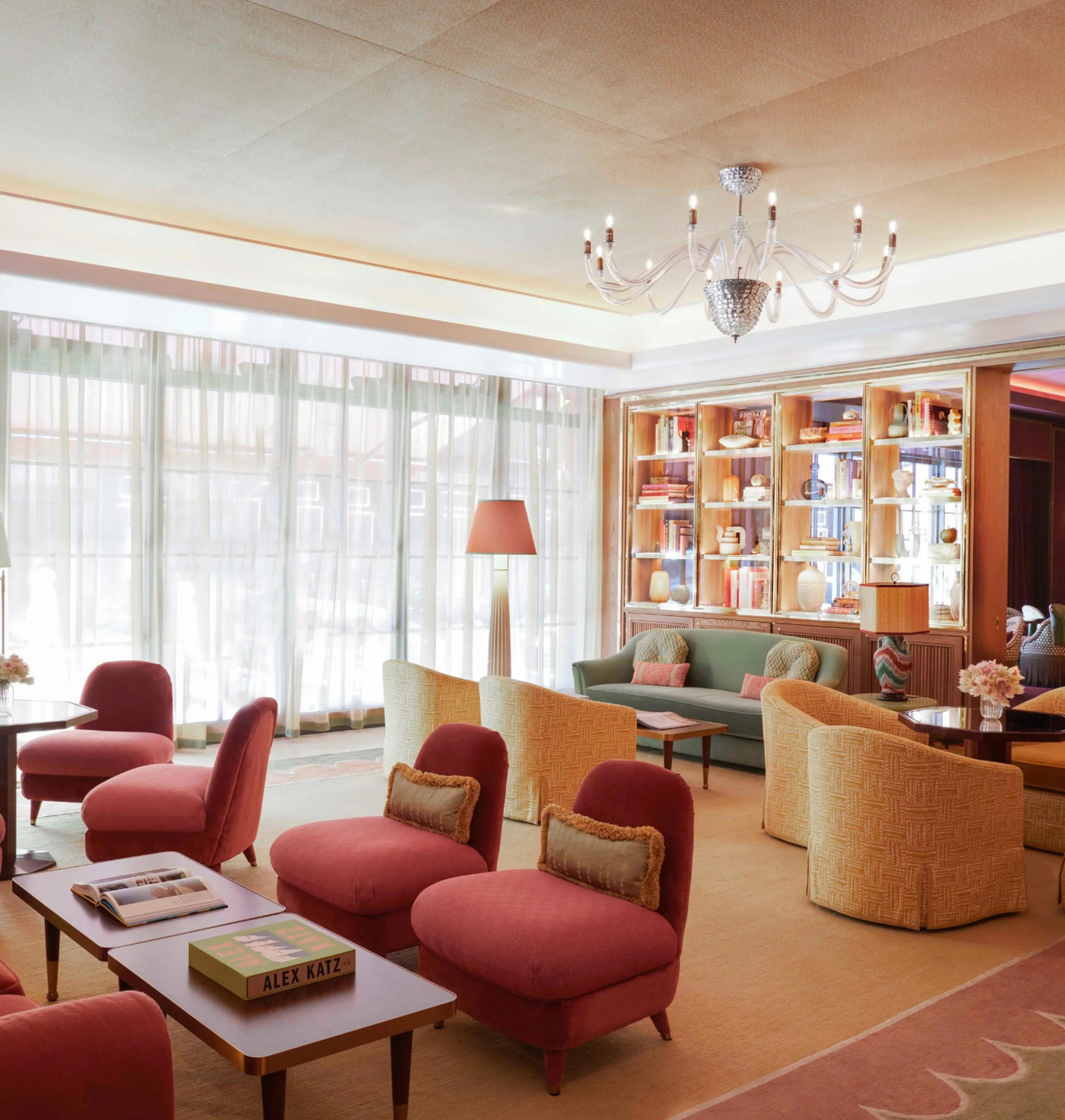
Intentionally minimalist interior with chic scratched mirrors, marble tables, chipped-paint window frames, and floral bouquets creating an elegant, camera-ready atmosphere.