Dai Hachi
Dai Hachi occupies a quiet stretch of Vernon Boulevard in Long Island City, sitting outside the Manhattan dining circuit that defines most premium New York conversations. The address places it in a neighbourhood undergoing steady transformation, where the East River waterfront pulls both residents and visitors across the bridge from Midtown. For those willing to make the trip, the venue represents a different register of the New York dining experience.
Pearl is the En Primeur Club membership app — saves, bookings, and concierge access live there. Same editors, same standards.
- Address
- 46-18 Vernon Blvd, Long Island City, NY 11101
- Phone
- +17182556260
- Website
- daihachinyc.com
- Directions
- Get directions
 Saves & bookings on Pearl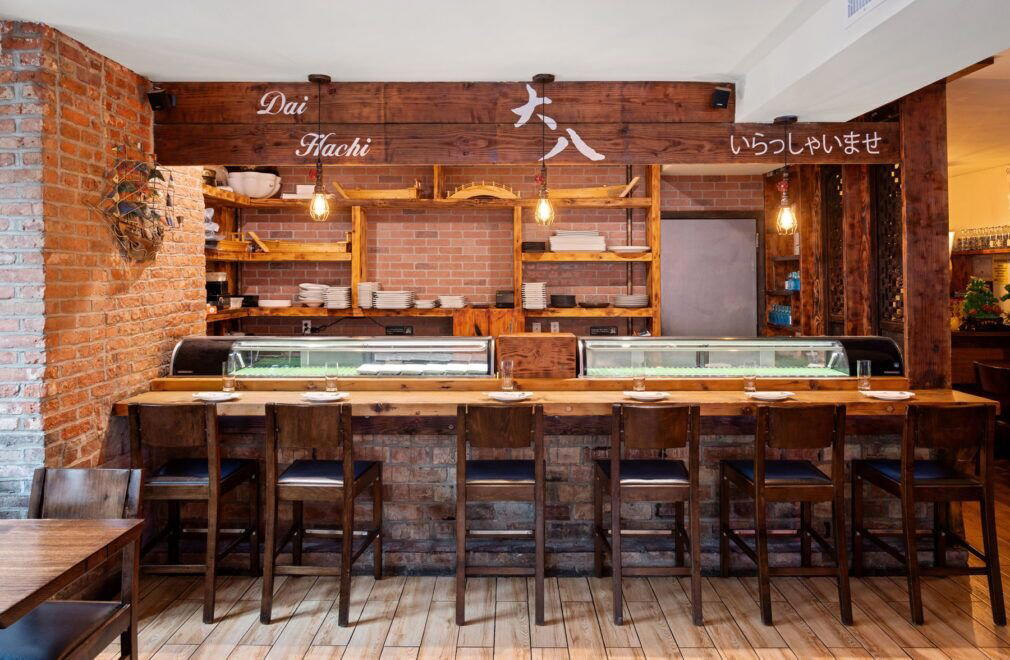
Across the River, Outside the Circuit
Long Island City has spent the better part of a decade repositioning itself. What was once a through-road to LaGuardia or a last stop before Queens becomes entirely residential is now a neighbourhood with its own dining gravity. Vernon Boulevard, which runs parallel to the East River waterfront, has attracted a cluster of independent operators who price and programme differently from their Manhattan counterparts, partly because the rent arithmetic allows it and partly because the audience they draw tends to be more deliberate. Dai Hachi sits in that context, at 46-18, roughly midway along a stretch that rewards the visitor who has done some homework before arriving.
The Scene Before the Meal
Approaching from the Vernon–Jackson subway stop, the neighbourhood signals its character plainly: converted industrial buildings, ground-floor retail that hasn't yet been homogenised, and a residential density that keeps foot traffic human-scaled. Venues in this corridor tend to operate as neighbourhood anchors rather than destination flagships, which shapes the atmosphere before you've looked at a menu. The room at Dai Hachi reflects that tendency. The address suggests a space that doesn't perform grandeur at you. This matters in a city where dining rooms from Per Se to Masa often sell the theatre of their own seriousness. Long Island City independents tend to operate with less ceremony, which can read as casual but more accurately reads as confident.
Team Dynamics and the Mechanics of a Good Room
In contemporary fine dining, the conversation about excellence has shifted away from the lone-genius chef model and toward the question of how a room functions as a collective. The venues that hold attention across multiple seasons are rarely those with a single brilliant technician in the kitchen; they're the ones where the kitchen, the floor, and the beverage programme move in coordination. This is the operating principle at venues like Atomix, where the service choreography is as discussed as the food, or at Le Bernardin, where the front-of-house has been calibrated over decades to function as an extension of the kitchen's precision. The question for any independent in a neighbourhood like Long Island City is whether the team has the depth to sustain that kind of internal coherence without the institutional infrastructure of a midtown flagship. When it works at this scale, the result is often more legible than at larger operations: you feel the collaboration rather than infer it from a press release.
The broader American dining scene has produced strong examples of this model operating at a remove from major urban centres. Single Thread Farm in Healdsburg built its identity around the synchronisation of farm, kitchen, and inn as a single system. Blue Hill at Stone Barns in Tarrytown made the farm-to-table relationship a structural feature of how the room communicates with guests, not a marketing footnote. These are large operations with significant backing, but the principle scales down. In a forty-seat neighbourhood room, the equivalent is a floor team that reads the table accurately and a beverage lead who knows when to guide and when to stay out of the way.
New York's Outer-Borough Dining Tier
Manhattan's premium tier has become increasingly compressed at the leading. The Michelin-starred and 50 Best-listed addresses, from Jungsik to Le Bernardin, price against an international comparable set and attract a corresponding audience. Below that tier, the mid-range has been squeezed by rising costs, and genuinely interesting cooking has migrated outward. Brooklyn made this move earlier and more visibly; Queens is in a comparable phase now, with Long Island City as one of its more accessible entry points for visitors arriving from Midtown. The dynamic parallels what has happened in other American cities: Lazy Bear in San Francisco and Alinea in Chicago both occupy positions where serious cooking operates in neighbourhoods that carry their own character independent of the restaurant. The address becomes part of the point. For New York visitors accustomed to routing their evenings through a Manhattan postcode, Vernon Boulevard represents a different kind of proposition, one that asks for a slightly longer journey in exchange for a different kind of atmosphere.
Comparable outer-borough logic applies to how a room like Dai Hachi prices. The economics of Long Island City real estate broadly allow operators to charge less than Manhattan equivalents for comparable kitchen effort. The visitor calculus, then, involves trading convenience for value and the specific texture of a neighbourhood that isn't yet fully written.
Placing Dai Hachi in a Wider American Context
The American dining venues that hold long-term critical attention tend to share a quality of conviction that reads across multiple seasons. The French Laundry in Napa, Providence in Los Angeles, Addison in San Diego, and The Inn at Little Washington all operate with clearly articulated identities that don't shift with trend cycles. At the other end of the scale, neighbourhood independents in transitional districts face a different test: they need to build a local audience quickly enough to survive the early years while maintaining enough specificity to attract the destination diner who has already been to the obvious addresses. Long Island City's developing restaurant density means that the restaurant competes for the same deliberate visitor alongside a small number of other serious operators, rather than against the volume of Manhattan alternatives. That is a more manageable competitive position, though it requires the room to perform consistently without the cushion of a recognisable brand or a major-guide placement to drive traffic automatically.
For diners who have worked through the Manhattan circuit and are looking for the next level of specificity, the outer-borough independent is increasingly where that search leads. Bacchanalia in Atlanta and Emeril's in New Orleans both demonstrate that serious cooking outside the traditional fine-dining postcodes builds audiences through reputation and consistency rather than address. The same principle operates in Queens, at a smaller scale and with a shorter track record.
Planning a Visit
The restaurant is located at 46-18 Vernon Boulevard in Long Island City, Queens, a ten-minute ride from Midtown Manhattan via the 7 train to Vernon–Jackson or a short cab across the Queensboro Bridge. The neighbourhood is walkable from the waterfront and from the main Long Island City dining cluster around Jackson Avenue. Current hours are Mon: 11 AM-10 PM; Tue: 11 AM-10 PM; Wed: 11 AM-10 PM; Thu: 11 AM-11 PM; Fri: 11 AM-11 PM; Sat: 11 AM-11 PM; Sun: 11 AM-10 PM, and reservations are recommended. Visitors arriving from destinations like 8½ Otto e Mezzo Bombana in Hong Kong or Alain Ducasse at Louis XV in Monte Carlo who are adding New York to a longer itinerary will find Long Island City a viable evening option when combined with afternoon time in the waterfront area or the MoMA PS1, which sits three blocks south.
Side-by-Side Snapshot
Comparable venues nearby, for context on price, style, and recognition.
| Venue | Cuisine | Price | Notes |
|---|---|---|---|
| Dai HachiThis venue — the venue you are viewing | Traditional Japanese Sushi | $$ | Not listed |
| Kouzan | Traditional Japanese Sushi | $$ | Upper West Side (Central) |
| Karazishi Botan | New York-Style Ramen Diner | $$ | Carroll Gardens-Cobble Hill-Gowanus-Red Hook |
| Shin Takumi Omakase | Affordable Japanese Omakase | $$ | West Village |
| Afuri ramen + dumpling | Modern Japanese Ramen + Dumplings | $$ | Williamsburg |
| wagamama, midtown, new york | Modern Pan-Asian with Signature Ramen | $$ | Midtown-Times Square |
Continue exploring
More in New York City
Restaurants in New York City
Browse all →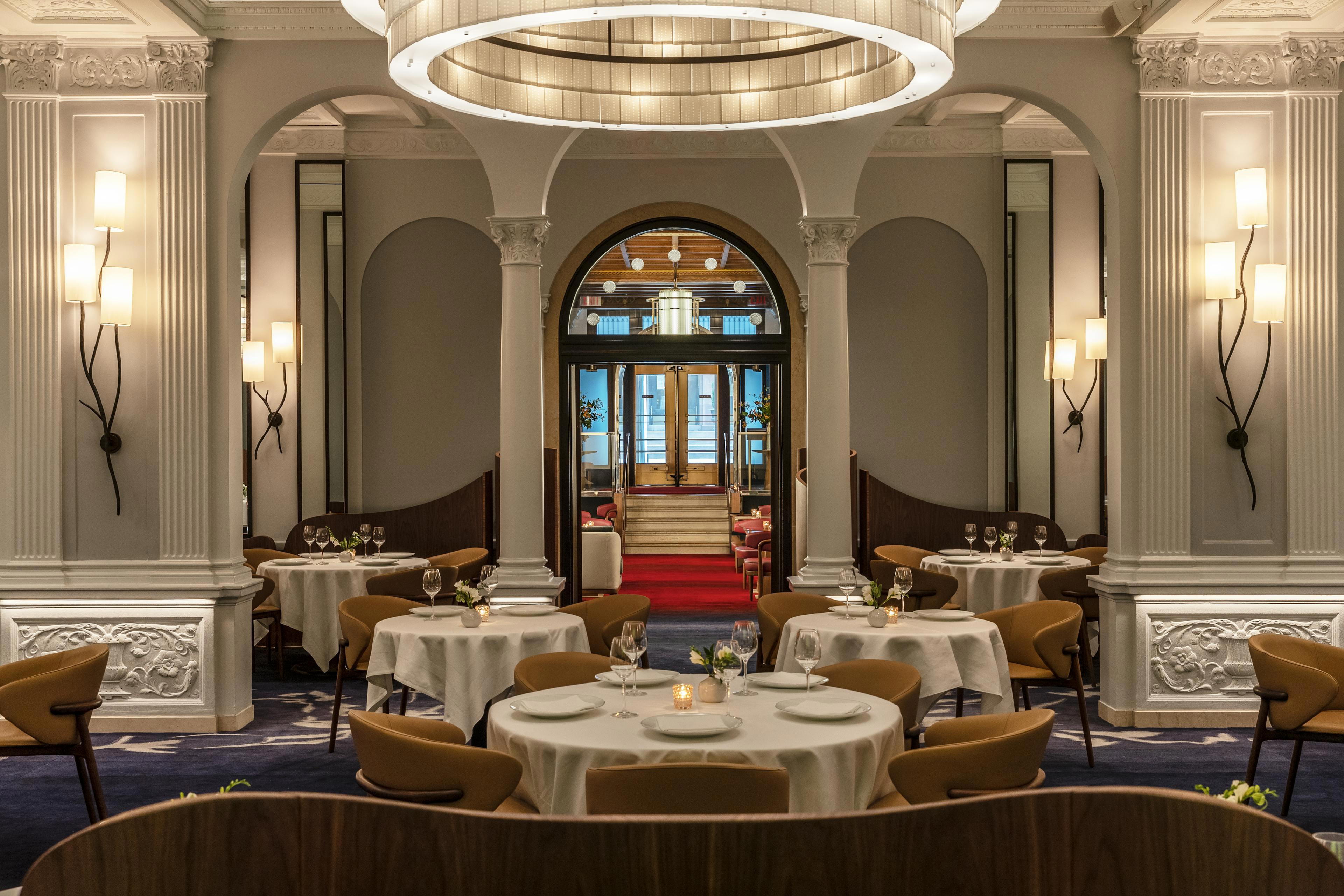
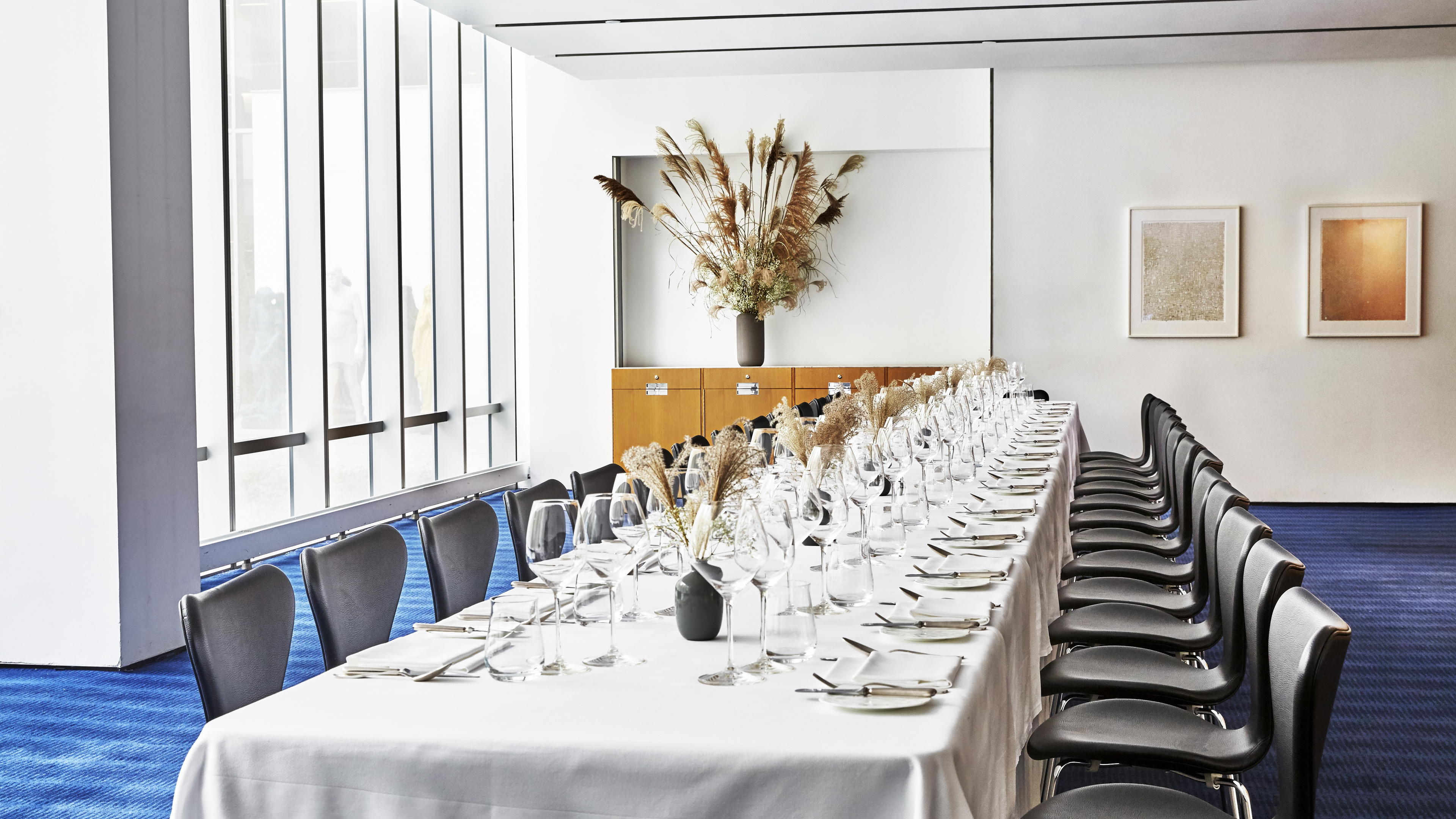
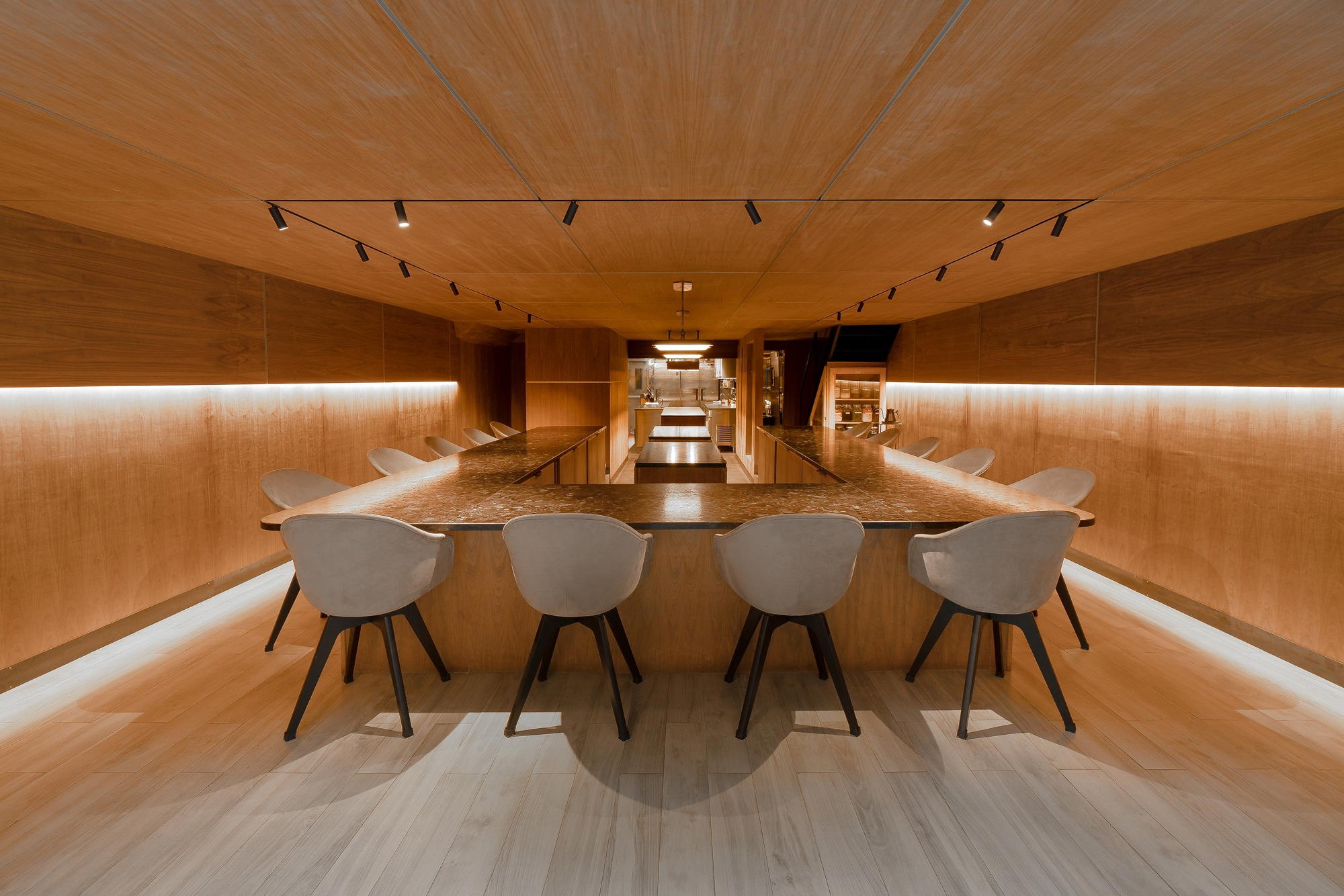
Bars in New York City
Browse all →

Hotels in New York City
Browse all →





At a Glance
- Cozy
- Casual Hangout
- After Work
- Sake Program
Current opening hours
- Monday
- 11 AM–10 PM
- Tuesday
- 11 AM–10 PM
- Wednesday
- 11 AM–10 PM
- Thursday
- 11 AM–11 PM
- Friday
- 11 AM–11 PM
- Saturday
- 11 AM–11 PM
- Sunday
- 11 AM–10 PM
Hours can change for holidays and private events. Last verified .
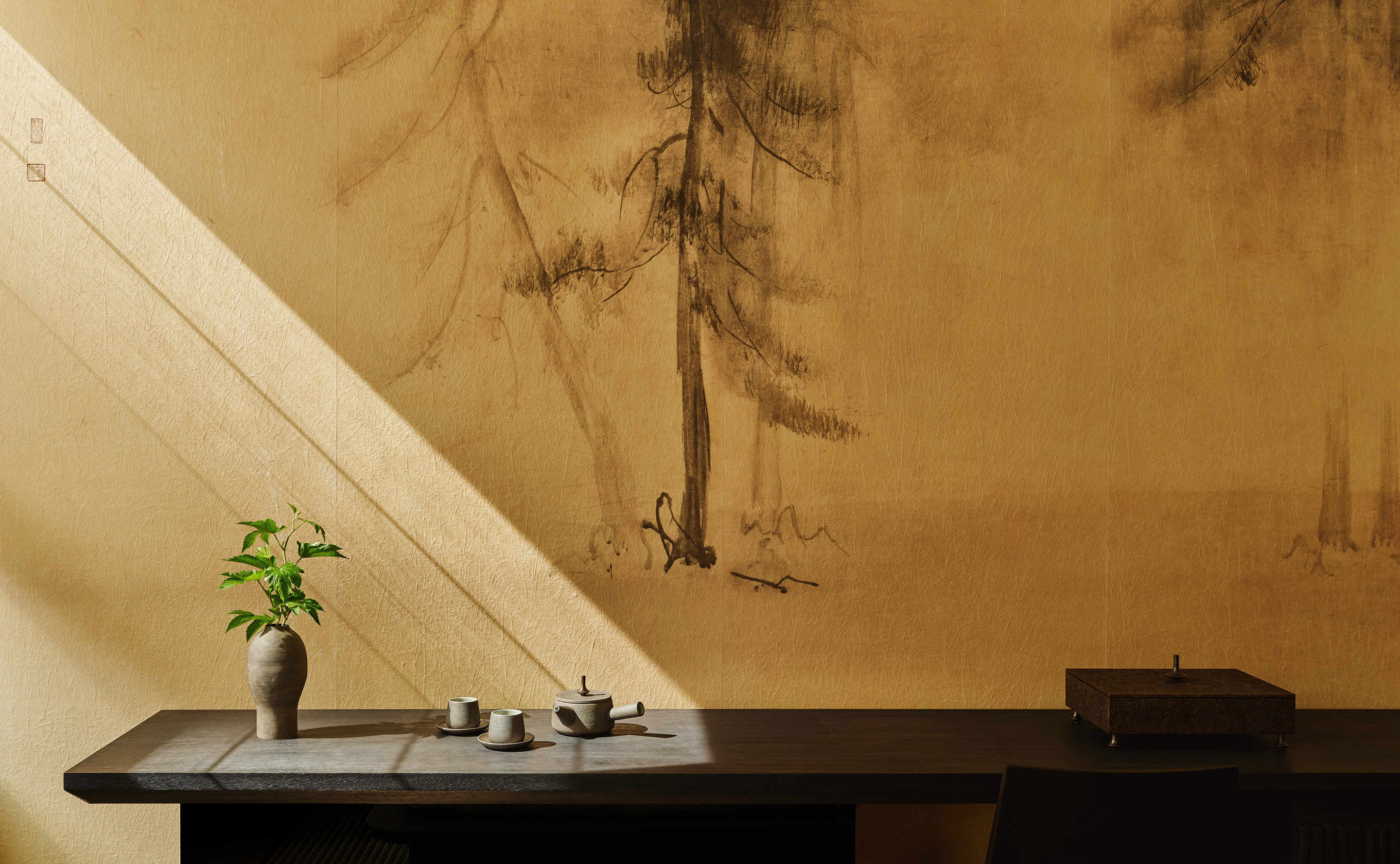
Warm and inviting classic Japanese-inspired interior with a cozy, local feel.