Umi sits within Manhattan's tightly competitive omakase tier, where counter dining has become the city's most formal expression of Japanese technique. The format is intimate and sequenced, placing it alongside New York's most rigorously structured Japanese restaurants. For those tracking the city's premium sushi scene, Umi represents a fixed point worth understanding before booking.
 Discover on Pearl
Pearl is the En Primeur Club membership app — saves, bookings, and concierge access live there. Same editors, same standards.
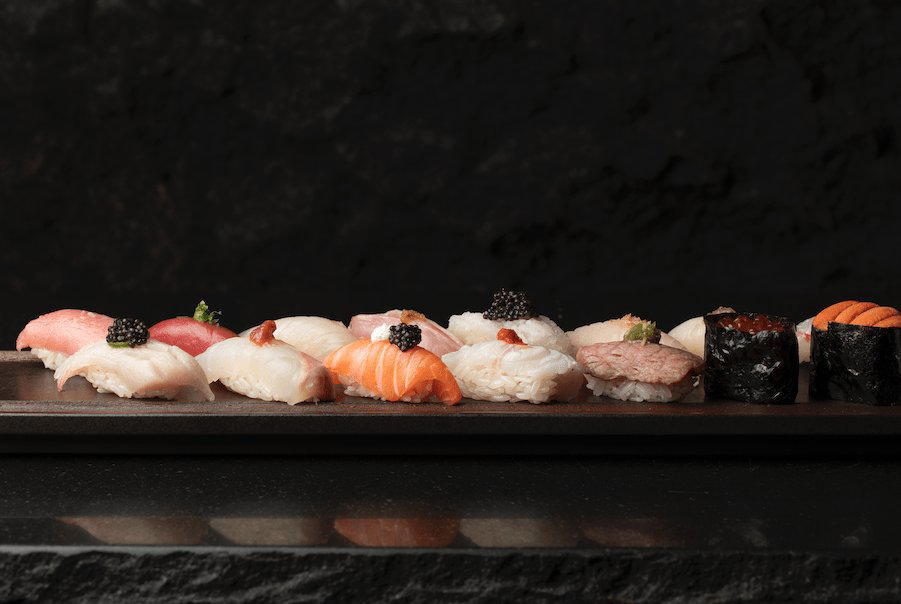
The Counter as Stage: Manhattan's Omakase Format
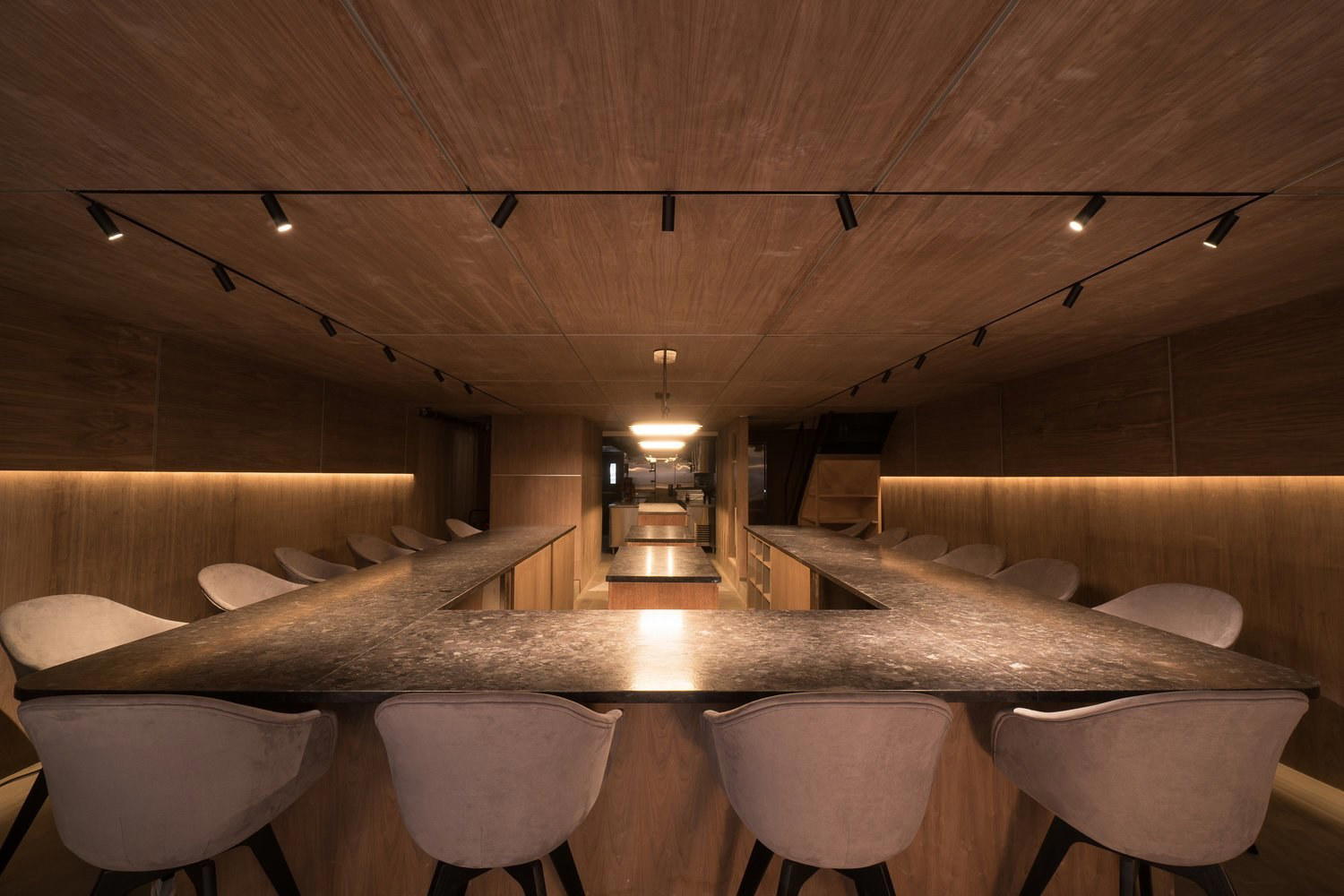
There is a particular kind of quiet that settles over a well-run omakase counter. Not silence exactly, but a reduction of noise to what matters: the sound of a knife on cutting board, the soft exchange between chef and guest, the understanding that the sequence will unfold on its own terms. Umi is a Japanese sushi restaurant in Manhattan, New York City, with a casual dress code and a walk-in-friendly reservation policy. Manhattan has developed one of the most concentrated omakase markets outside Japan, and within that market, Umi occupies the intimate counter tier where the format itself is the architecture. The room disappears. The counter is everything.
Japanese counter dining in New York has moved through several phases over the past two decades. The early 2000s saw a handful of high-end sushiya establish the template. By the 2010s, the format multiplied into a spectrum that now runs from affordable neighborhood counters to reservation-only rooms where a seat requires weeks of advance planning. Masa anchors the upper end of that market and prices accordingly. Umi positions within this competitive field as part of the mid-to-upper tier, where technical discipline and sourcing credibility are the expected baseline rather than the differentiator.
Omakase and the Social Contract
The word omakase translates roughly as "I'll leave it to you," and that act of delegation carries more social weight than the English translation suggests. In Japan, it implies trust, reciprocity, and a willingness to subordinate personal preference to the chef's judgment for the duration of the meal. At its finest, the format is closer to izakaya culture in spirit than to formal Western tasting menus: there is a directness to the interaction across a counter that high-back chairs and tablecloths tend to suppress. The chef sees the guest eat. The guest watches the chef work. Commentary, questions, and the occasional deviation from the set sequence are all understood as part of the exchange.
Manhattan's counter culture has absorbed this dynamic and adapted it. The leading rooms in the city have moved away from theatrical presentation toward something quieter and more technically precise. Where izakaya culture in Tokyo encourages repetition and familiarity, the New York omakase market tends toward the singular occasion, which changes the social register somewhat. Guests at counters like Umi arrive having researched the format; many have eaten at comparable counters and are calibrating this experience against others. That context shapes both the service dynamic and the kitchen's approach to the sequence.
Where Umi Sits in the New York Japanese Dining Scene
New York's Japanese restaurant market stratifies more sharply by format than by neighborhood. The city's most rigorous omakase rooms are not clustered in a single district the way Ginza counters concentrate in Tokyo; instead, they are scattered across Manhattan, with pockets in the West Village, Midtown, and the Upper East Side. What they share is a booking structure that functions as a price signal in itself: demand-driven reservation windows, prepaid formats, and in many cases, a no-menu approach that transfers decision-making entirely to the kitchen.
Within this tier, comparisons are inevitable. Masa and the Chef's Table at Brooklyn Fare have set the ceiling for Japanese counter dining in New York by sustained award recognition and critical attention. Below that ceiling, a cluster of counters competes on different axes: sourcing relationships, counter size, lineage of training, and the density of the seasonal program. Umi operates in this competitive middle ground, where the question for a potential diner is not whether the fish will be good but whether the room, the sequence, and the service register will justify the commitment over alternatives.
For a broader read on where Japanese dining fits into the city's premium restaurant map, the full New York City restaurants guide covers the spectrum from European fine dining anchors like Le Bernardin and Per Se through to the American tasting menu format at places like Saga and César.
The Rhythm of the Sequence
Omakase in the Japanese tradition does not mean a fixed tasting menu with a defined course count. It means the chef reads the guest, the season, and the available fish and builds a sequence in response. In practice, most high-end New York counters arrive at a relatively stable structure: a progression through lighter preparations toward richer cuts, with nigiri forming the core of the sequence and appetizer courses (sakizuke or tsumami) establishing the register early. The fish selection is where sourcing relationships show, and where counters at this level distinguish themselves from the tier below.
Aged fish, direct imports from Japanese markets, and lesser-known species alongside the reliable benchmarks of otoro and uni have become markers of ambition at this level. The counter format makes the sourcing legible in a way that a tasting room with plated courses does not: the ingredient sits in front of you, identified or described by the chef, and the preparation is minimal enough that the quality of the primary product is either confirmed or exposed. There is no sauce to hide behind.
Planning a Visit
Dining at this level in New York requires more planning than most restaurant categories. Comparable properties in the market, including Lazy Bear in San Francisco, Alinea in Chicago, and The French Laundry in Napa, all operate with advance booking windows of four to eight weeks as a baseline, and in many cases longer. Manhattan's leading omakase counters follow the same pattern, with some adding prepayment requirements that effectively close the booking the moment the reservation is made.
For hotels, the New York City hotels guide covers the relevant options at the same market tier. For pre- or post-dinner drinks, the New York City bars guide maps the cocktail scene. The experiences guide and wineries guide round out the broader visit for those spending several days in the city.
For international context, the format that Umi operates in can be benchmarked against counter-forward rooms in other markets. Providence in Los Angeles and Single Thread Farm in Healdsburg offer comparable commitment to sourcing and seasonal sequencing in a Western format. Further afield, 8½ Otto e Mezzo Bombana in Hong Kong and Alain Ducasse's Louis XV in Monte Carlo anchor the European and Asian equivalents of the same premium dining tier, useful reference points for guests who travel this circuit regularly.
Know Before You Go
- Format: Omakase counter, Japanese
- City: Manhattan, New York City
- Booking: Walk-in friendly
- comparable set: Sits within Manhattan's upper-tier omakase market alongside Masa and the Chef's Table at Brooklyn Fare
- Dress code: Casual
- Price tier: Moderate; about $25 per person
- Nearby dining references: Le Bernardin, Per Se, Masa
Reputation Context
Comparable venues nearby, for context on price, style, and recognition.
| Venue | Cuisine | Price | Awards | Notes |
|---|---|---|---|---|
| UmiThis venue — the venue you are viewing | Japanese Sushi | $$ | , | |
| Dai Hachi | Traditional Japanese Sushi | $$ | , | Long Island City-Hunters Point |
| IPPUDO NY | Hakata-Style Tonkotsu Ramen | $$ | , | East Village |
| Kura | Traditional Japanese Omakase | $$ | , | East Village |
| Wagamama | Modern Pan-Asian with Japanese Inspiration | $$ | , | Midtown South-Flatiron-Union Square |
| Ikyu Sushi II | Authentic Japanese Sushi | $$ | , | Upper East Side-Lenox Hill-Roosevelt Island |
Continue exploring
More in New York City
Restaurants in New York City
Browse all →
Bars in New York City
Browse all →
Hotels in New York City
Browse all →
Wineries in New York City
Browse all →
At a Glance
- Cozy
- Casual Hangout
- Family
- Sake Program
Cozy and welcoming with aesthetically pleasing decor.