Ikyu Sushi II
Upper East Side Sushi in Context Manhattan's sushi scene has stratified sharply over the past decade. At the leading sit a handful of omakase counters priced well above a hundred dollars per head, competing on provenance, knife lineage, and the...
Pearl is the En Primeur Club membership app — saves, bookings, and concierge access live there. Same editors, same standards.
- Address
- 1475 1st Ave, New York, NY 10075
- Phone
- +16468993549
- Website
- ikyu77.com
- Directions
- Get directions
 Saves & bookings on Pearl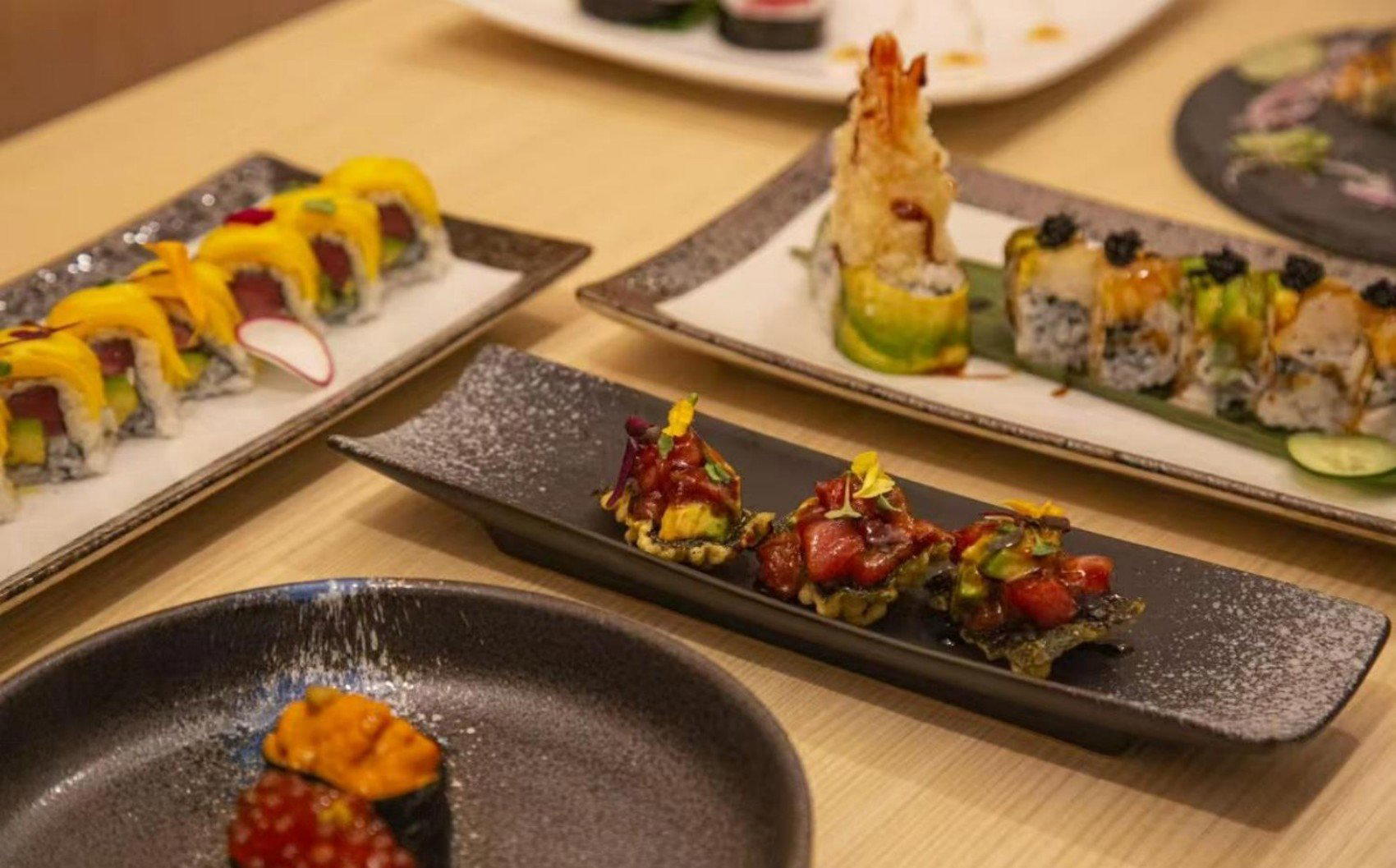
Upper East Side Sushi in Context
Manhattan's sushi scene has stratified sharply over the past decade. At the leading sit a handful of omakase counters priced well above a hundred dollars per head, competing on provenance, knife lineage, and the precision of their rice. Below that tier, a broader mid-market operates on à la carte formats in neighbourhood settings, serving a local clientele rather than a destination crowd. Ikyu Sushi II is an Authentic Japanese Sushi restaurant at 1475 1st Ave, New York, NY 10075. That neighbourhood logic shapes how a place like this earns its standing, and it is a useful frame for reading what Ikyu Sushi II represents in the city's wider sushi picture.
For comparison, the Michelin-starred counter at Masa operates at the absolute ceiling of New York's Japanese dining market, where the omakase format and near-total absence of a printed menu place the chef's judgment at the centre of the experience. Ikyu Sushi II sits in a different register, serving a community-facing audience in a part of the city where the dominant question is not who trained where, but whether the fish is fresh, the service is warm, and the room knows your name by the third visit. Those are different measures of success, and both are legitimate.
The Team Dynamic at the Counter
In the better sushi operations in New York, the interaction between whoever is working the fish, whoever is managing the floor, and whoever is handling the sake or wine list is not incidental: it is the mechanism through which a meal either coheres or doesn't. At the summit of the market, this is discussed explicitly. Atomix in Midtown, for instance, has built considerable recognition around the calibration between its kitchen team and its front-of-house programme, where the pacing and explanation of dishes is treated as a collaborative act rather than a one-way briefing. Le Bernardin has long operated on a similar principle, where the sommelier's role in shaping the arc of a meal is considered as important as any single course.
The same dynamic, operating at a neighbourhood scale, is what separates a serviceable sushi restaurant from one that earns loyalty. When the person taking an order knows which tables want cold sake poured from the start and which want to be walked through the menu slowly, and when the kitchen is calibrating the pace of nigiri to that rhythm, the result is a meal that feels considered rather than mechanical. It is, in any case, the right question to ask of any sushi room in this tier of the market.
First Avenue and the Neighbourhood Frame
The Upper East Side, and specifically the stretch of First Avenue in the mid-70s, is not where New York's food press tends to look for the next notable opening. The neighbourhood's dining character is shaped instead by density and repetition: a high residential population that eats out frequently, prefers proximity, and has preferences that solidify over time. In that environment, the relevant competitive set for a sushi restaurant is not the destination omakase counters downtown but the other neighbourhood Japanese operations within fifteen blocks.
That context matters when thinking about how to approach the restaurant as a visitor. It is the kind of place that rewards multiple visits more than a single high-stakes dinner, and where the experience likely improves as the room learns your preferences. Across the wider American dining market, the restaurants that have built the deepest reputations for that kind of hospitality intelligence include Blue Hill at Stone Barns in Tarrytown and The Inn at Little Washington, both of which operate at a different scale and price point but share an emphasis on the room knowing its guests over time. The principle scales down.
Placing Ikyu Sushi II in the Broader EP Club Picture
In New York alone, the upper tier of Japanese dining is anchored by destination omakase operations, while mid-tier neighbourhood sushi runs in parallel, largely invisible to the national food press. Nationally, the structural parallel holds in cities like San Francisco, where Lazy Bear has built a strong reputation on a community-facing model, and Chicago, where Alinea operates at the experimental extreme of the fine-dining spectrum. Neither is a direct comparison to neighbourhood sushi on the Upper East Side, but both illustrate how a city's dining identity is made up of multiple simultaneous registers, not a single ladder of prestige.
For the kind of guest who wants to understand New York's full sushi range, the comparison set should include Per Se and Jungsik New York as data points about what the city's highest-calibre tasting formats look like, and then the restaurant as a case study in what the neighbourhood layer looks like for Japanese food specifically. The two tiers are not in competition: they are answers to different questions.
Emeril's in New Orleans, Providence in Los Angeles, Addison in San Diego, Bacchanalia in Atlanta, and Single Thread Farm in Healdsburg. 8½ Otto e Mezzo Bombana in Hong Kong and Alain Ducasse at Louis XV in Monte Carlo illustrate how service coherence and team dynamic operate at the formal extreme.
Planning a Visit
The restaurant is located at 1475 First Avenue, New York, NY 10075, on the Upper East Side. Reservations are recommended. The restaurant is open daily from 11 AM to 10 PM.
At a Glance
Comparable venues nearby, for context on price, style, and recognition.
| Venue | Cuisine | Price | Notes |
|---|---|---|---|
| Ikyu Sushi IIThis venue — the venue you are viewing | Not listed | $$ | Not listed |
| Ippudo | Not listed | $$ | East Village, Hakata-Style Tonkotsu Ramen |
| Iron Chef House | Brooklyn Heights, Modern Japanese Sushi | $$ | Not listed |
| Jin Ramen | Not listed | $$ | Upper West Side (Central), Japanese Ramen |
| Zutto Nolita | Not listed | $$ | SoHo-Little Italy-Hudson Square, Japanese Ramen Sushi Bar |
| Umi | Graniteville, Sushi & Seafood Buffet | $$ | Not listed |
Continue exploring
More in New York City
Restaurants in New York City
Browse all →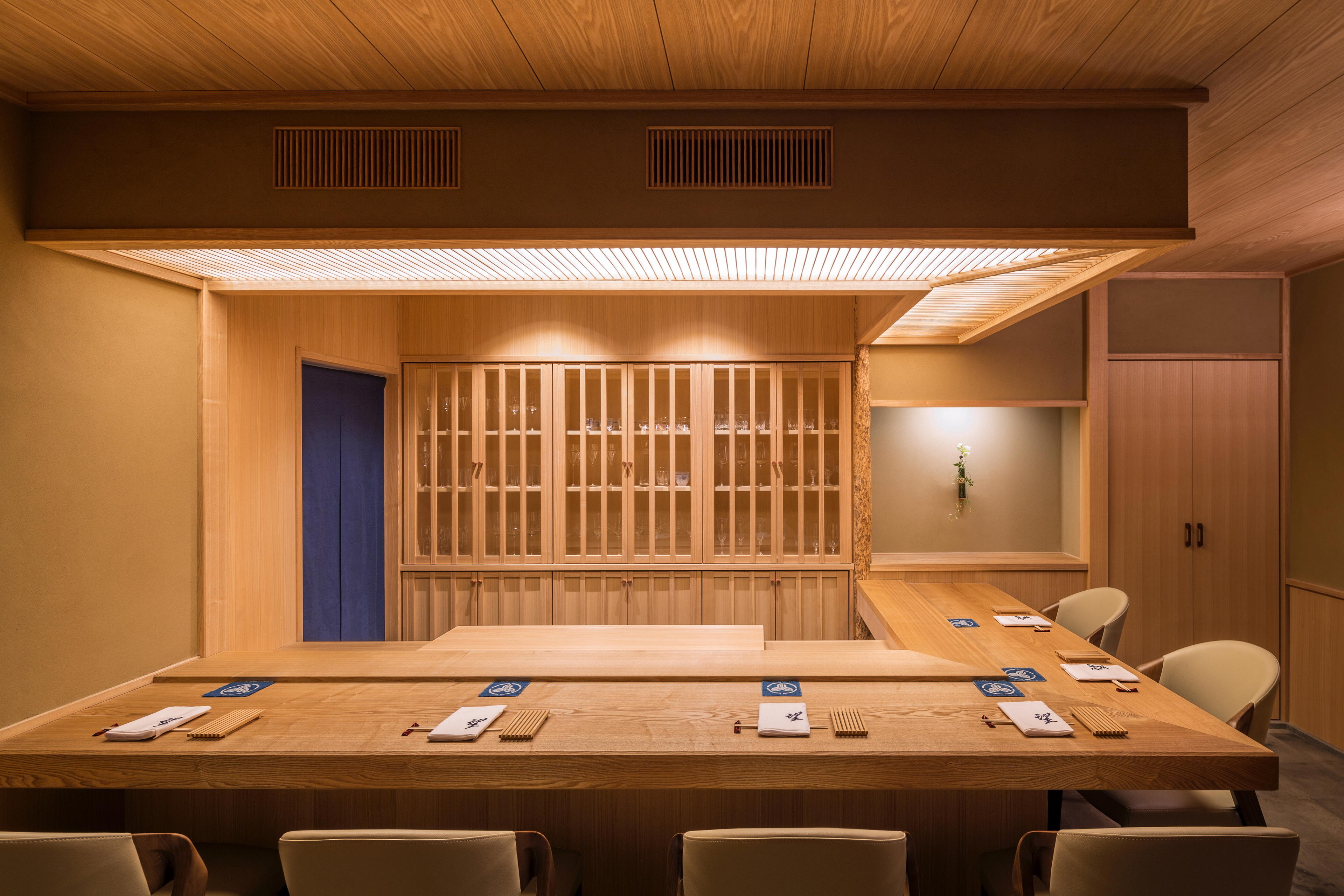
Bars in New York City
Browse all →
Hotels in New York City
Browse all →




At a Glance
- Cozy
- Sake Program
- Street Scene
Current opening hours
- Monday
- 11 AM–10 PM
- Tuesday
- 11 AM–10 PM
- Wednesday
- 11 AM–10 PM
- Thursday
- 11 AM–10 PM
- Friday
- 11 AM–10 PM
- Saturday
- 11 AM–10 PM
- Sunday
- 11 AM–10 PM
Hours can change for holidays and private events. Last verified .
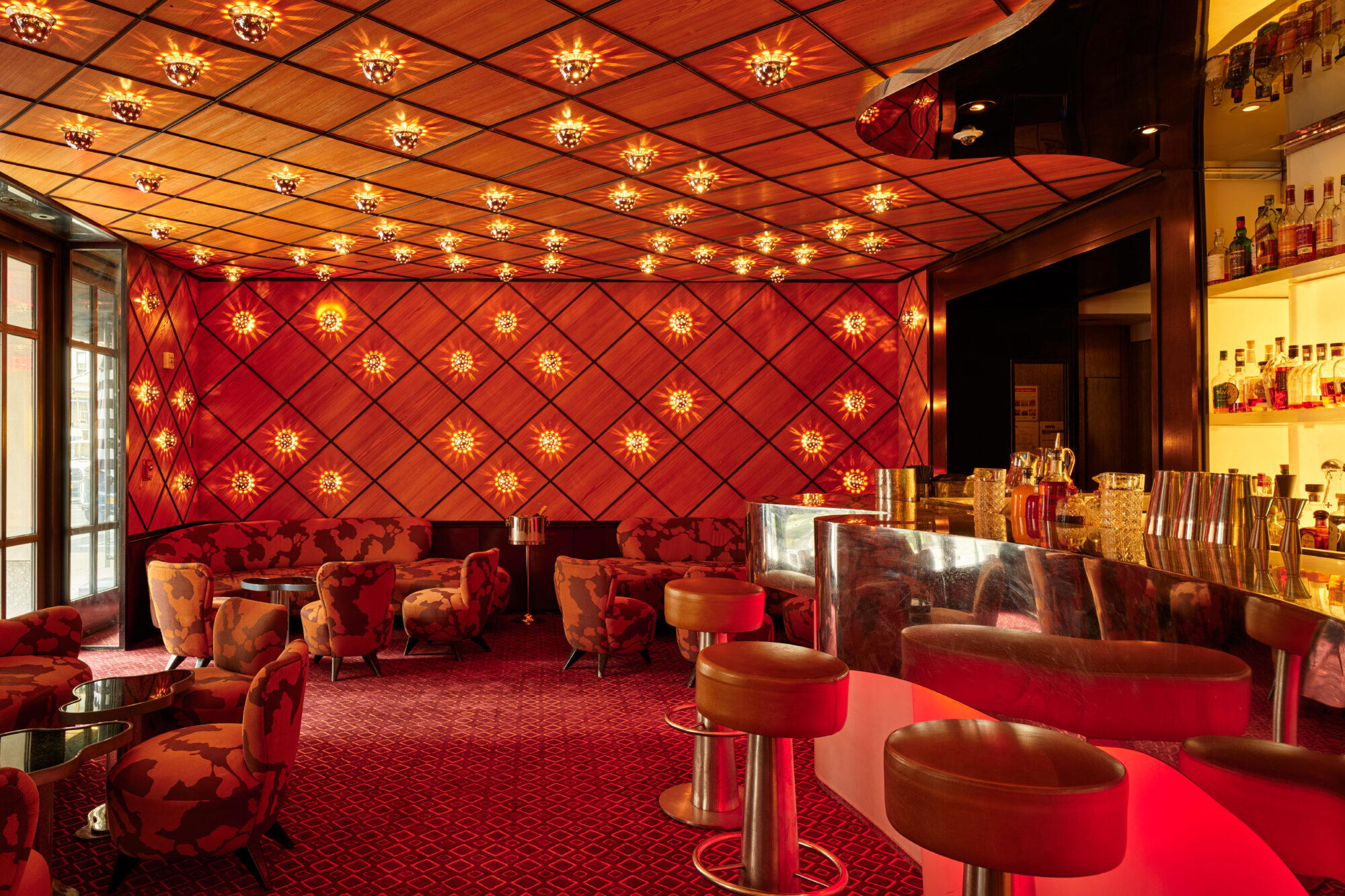
Cozy and welcoming atmosphere with wooden tables, chairs, large windows offering street views, and a sushi bar area.