
Kyoto’s sweet-shop culture rewards restraint: small portions, plant-based staples, and formats that fit between temple walks, shopping streets, and tea. Umezono Kawaramachi ten belongs to that everyday wagashi-cafe tier, with Tabelog 100 recognition for Japanese traditional sweets in western Japan and a central Nakagyo setting that makes it easier to fold into a Kyoto day than many destination counters.
Pearl is the En Primeur Club membership app — saves, bookings, and concierge access live there. Same editors, same standards.
- Address
- 234-4 Yamazakicho, Nakagyo Ward, Kyoto, 604-8032, Japan
- Phone
- +81 75-221-5017
- Website
- umezono-kyoto.com
 Saves & bookings on Pearl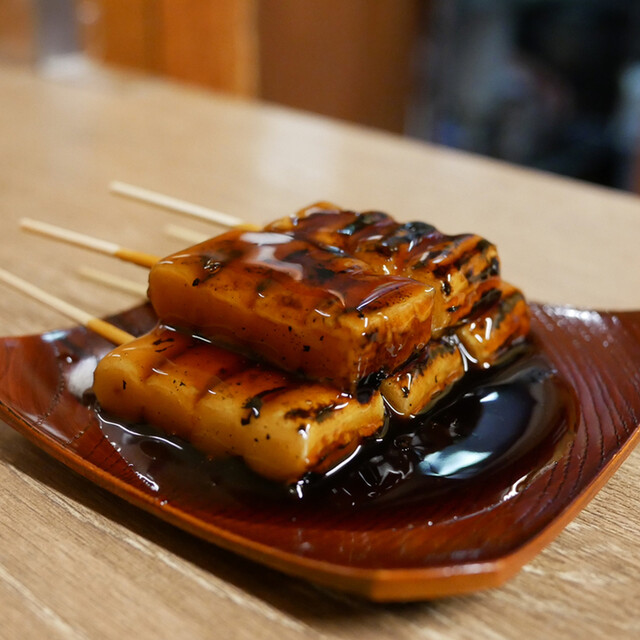
Kawaramachi’s shopping streets pull Kyoto into a faster rhythm: covered arcades, department-store foot traffic, school groups, visitors moving between Sanjo and the river. In that urban current, the city’s sweet shops play a different role from kaiseki rooms or reservation-only counters. They are pause points, built around tea, wagashi, and the old Kyoto habit of making a small order carry a sense of season, place, and craft without turning it into a long meal.
That is the useful frame for Umezono Kawaramachi ten. The shop sits in the city’s casual Japanese sweets-cafe category rather than the ceremonial end of tea culture, and its recognition on the Tabelog 100 Japanese traditional sweets / Japanese sweets cafe WEST list in 2023 places it among a curated regional group for wagashi and kanmi. The distinction matters because Kyoto has a deep field of sweets specialists; selection in this category signals consistency and local relevance, not luxury theatre.
Kyoto sweets as a lighter form of craft
Wagashi is often discussed as an aesthetic tradition, but its practical intelligence is just as important. Many classic Japanese sweets rely on beans, rice flour, agar, tea, and seasonal plant ingredients rather than heavy dairy or large protein portions. In a city where dining can swing from multicourse temple cuisine to grilled eel, this kind of cafe format offers a lower-impact, lower-commitment alternative: short sittings, modest portions, and take-out where available.
The sustainability story here should be read through tradition rather than slogans. Japanese sweets culture has long worked with compact formats, careful portioning, and seasonally legible ingredients. That does not make every shop an environmental case study, and it should not be overclaimed. It does make the category a useful counterpoint to contemporary travel dining, where excess often masquerades as value. In Kyoto, restraint is not a branding device; it is part of the grammar.
Umezono Kawaramachi ten sits inside that grammar as a cafe featuring Japanese sweets, with take-out listed as part of the service format and a non-smoking environment. The appeal is not a chef-driven narrative or a tasting-menu arc. It is the ability to treat wagashi as a daily pleasure rather than a museum object, which is exactly why central Kyoto’s sweets cafes remain relevant to residents as well as visitors.
How it fits Kyoto's central dining circuit
Kyoto’s centre is unusually good at supporting short-form eating. A traveller can move from coffee to sweets to noodles to sake without the day collapsing into transport logistics. In that sense, this address belongs to the same practical city map as long-running kissaten such as Rokuyosha Chika ten and Rokuyosha Coffee Ten, both part of Kyoto’s old cafe culture, though the sweet-shop lens is different from coffee-house nostalgia. Kissa Ashijima occupies another central cafe register, while Kyogoku Kaneyo represents a more meal-driven Kyoto classic built around freshwater eel. The comparison is less about ranking than use case: sweets cafe, coffee stop, or full lunch.
For readers building a Kyoto food day, EP Club’s broader Kyoto map is more useful than treating any single stop as the plan. Start with Our full Kyoto restaurants guide for the dining arc, then layer in Our full Kyoto bars guide if the evening moves toward cocktails or sake. The city also rewards category switching: Our full Kyoto hotels guide helps anchor neighbourhood choice, while Our full Kyoto experiences guide gives cultural structure to the hours between meals. Our full Kyoto wineries guide is a narrower lens, but useful for readers tracking Japanese wine and regional drinking culture beyond the restaurant table.
Nearby and related Kyoto entries show how broad the city’s casual dining band has become. 3TOKU6MI Shijo karasuma ten points toward a different central Kyoto rhythm, while 551蓬莱 belongs to a more direct comfort-food register. [ki:] and Abbesses show how the city absorbs contemporary and European formats without losing its local cadence. For a more explicitly old Kyoto sweet tradition, Aburi Mochi Honke Nemoto Kazariya pulls the conversation toward shrine-side mochi and longer historical memory.
The practical value of a sweets cafe in a high-demand city
Kyoto can punish overplanning. High-demand restaurants require advance work, temple routes are weather-sensitive, and popular districts compress sharply in peak seasons. A sweets cafe with reservations unavailable has a different kind of usefulness: it suits the gap between fixed bookings, especially when the day calls for something lighter than another full meal. The price band also keeps it in the everyday category, which is increasingly rare in a city where many culinary experiences are priced as travel events.
The target reader is not the diner seeking a long counter performance. It is the traveller who understands that Kyoto’s food culture is built from intervals as much as set pieces. A stop for Japanese sweets can make more sense after Nishiki Market than another savoury snack, or before an early evening bar reservation than a full dinner. Families and friends are explicitly part of the listed occasion profile, and children are welcome, which gives it a broader planning role than many small specialist venues.
For wider Japan context, EP Club’s restaurant coverage shows how different cities solve casual eating in distinct ways. -Grilled beef Sukiyaki- KAMAKURA TANUKIAN 鎌倉 たぬき庵 in Kamakura sits in a heavier meal tradition,. 鮪と炭火焼き うお炭 秋葉原店 in Tokyo reflects a metropolitan grill-and-seafood mode, and.cafe in Osaka belongs to a different urban cafe tempo. Farther out,.know in Kumamoto, (Shoku) Vietnam in Kawasaki, and [Curry Senmon Ten] Maruyama Kyoju. in Sapporo underline how local appetites shape informal dining. Even abroad, Japanese casual formats keep changing shape, from Jōdo Saké Bar in Los Angeles to Onigiri Time in Pasadena.
The editorial case for Umezono Kawaramachi ten is therefore measured, not inflated. It is a recognised Kyoto sweets cafe in a central district, useful for a lighter, plant-forward pause within a city that can otherwise push visitors toward elaborate meals. Its value lies in scale: compact, accessible, and tied to a tradition where restraint carries cultural weight.
Comparable Options
Comparable venues at the same tier for side-by-side context.
| Venue | Cuisine | Price | Notes |
|---|---|---|---|
| Umezono Kawaramachi tenThis venue — the venue you are viewing | Traditional Japanese sweets café | $ | |
| Rokuyosha Chika ten | Traditional Kyoto kissaten & coffee bar | $ | Nakagyō |
| Daigokuden Honpo Rokkaku ten | Japanese Sweets Cafe | $ | Nakagyō |
| Kansen Do | Traditional Japanese Wagashi & Sweets | $ | Higashiyama |
| Matsuya Tokiwa | Traditional Japanese Wagashi | $ | Nakagyō |
| Ajari Mochi Honpo Kyogashi Tsukasa Mangetsu Honten | Traditional Japanese Wagashi & Mochi Shop | $ | Sakyō |
Continue exploring
More in Kyoto
Restaurants in Kyoto
Browse all →
Bars in Kyoto
Browse all →
Hotels in Kyoto
Browse all →
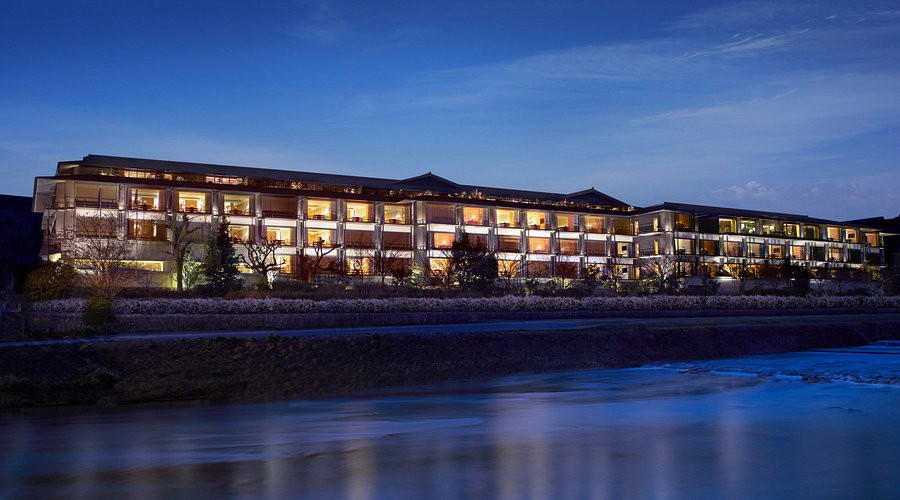
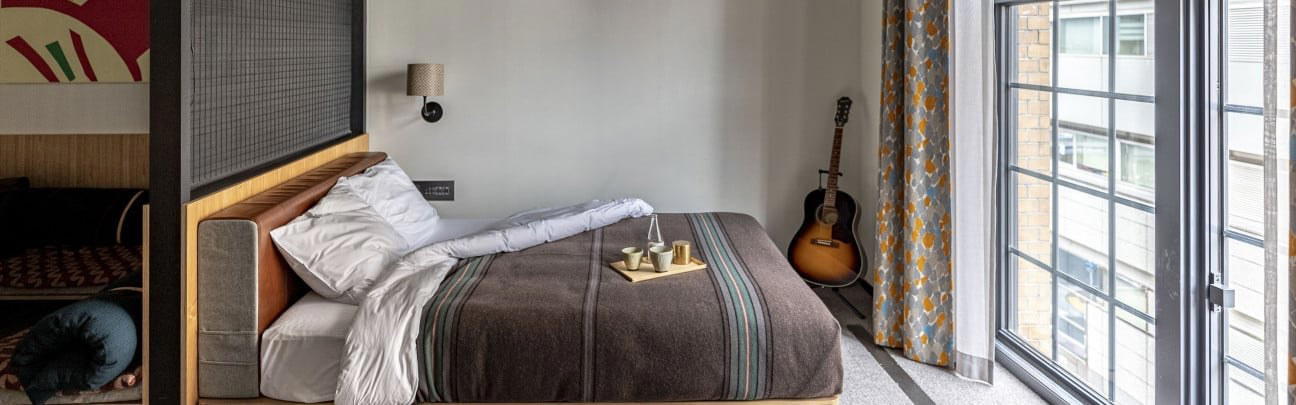
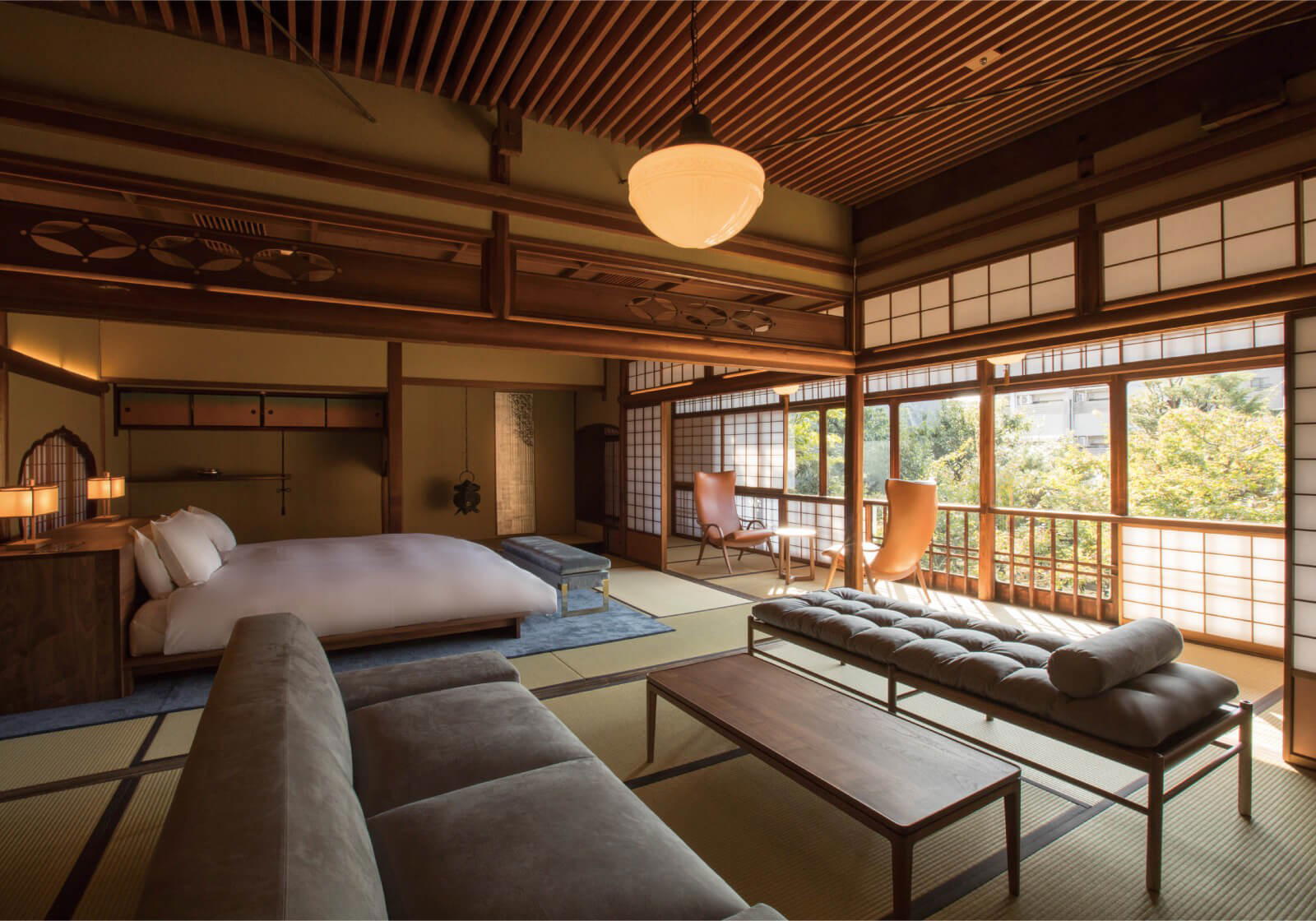
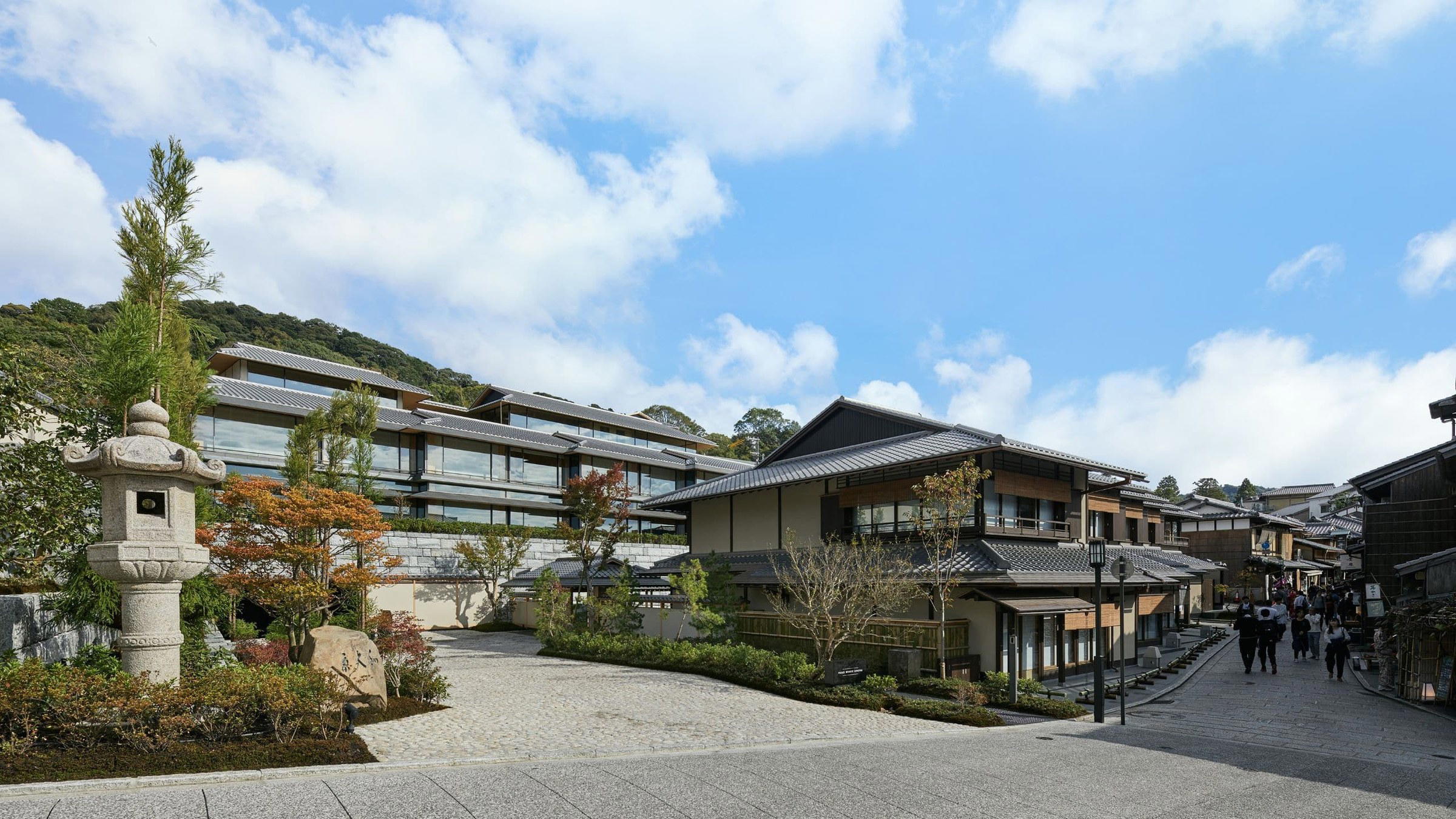
Wineries in Kyoto
Browse all →
At a Glance
- Cozy
- Classic
- Intimate
- Solo
- Family
- Casual Hangout
- After Work
- Standalone
- Historic Building
- Street Scene
Small, cozy, and traditionally styled Japanese sweets cafe with a calm, intimate atmosphere, used by locals and visitors as a quiet spot to rest and enjoy wagashi after walking around the Kawaramachi and Shinkyogoku shopping streets.