A long-running Vomero trattoria on Via Michele Kerbaker, Osteria Donna Teresa operates in the tradition of the Neapolitan family-run lunch house: short menu, daily ingredients, and a room where regulars hold court alongside first-time visitors. It represents the quieter, neighbourhood-facing side of a city whose restaurant conversation is often dominated by pizza and fine dining.
Pearl is the En Primeur Club membership app — saves, bookings, and concierge access live there. Same editors, same standards.
- Address
- Via Michele Kerbaker, 58, 80127 Napoli NA, Italy
- Phone
- +39 081 556 7070
- Website
- osteriadonnateresa.eatbu.com
- Directions
- Get directions
 Saves & bookings on Pearl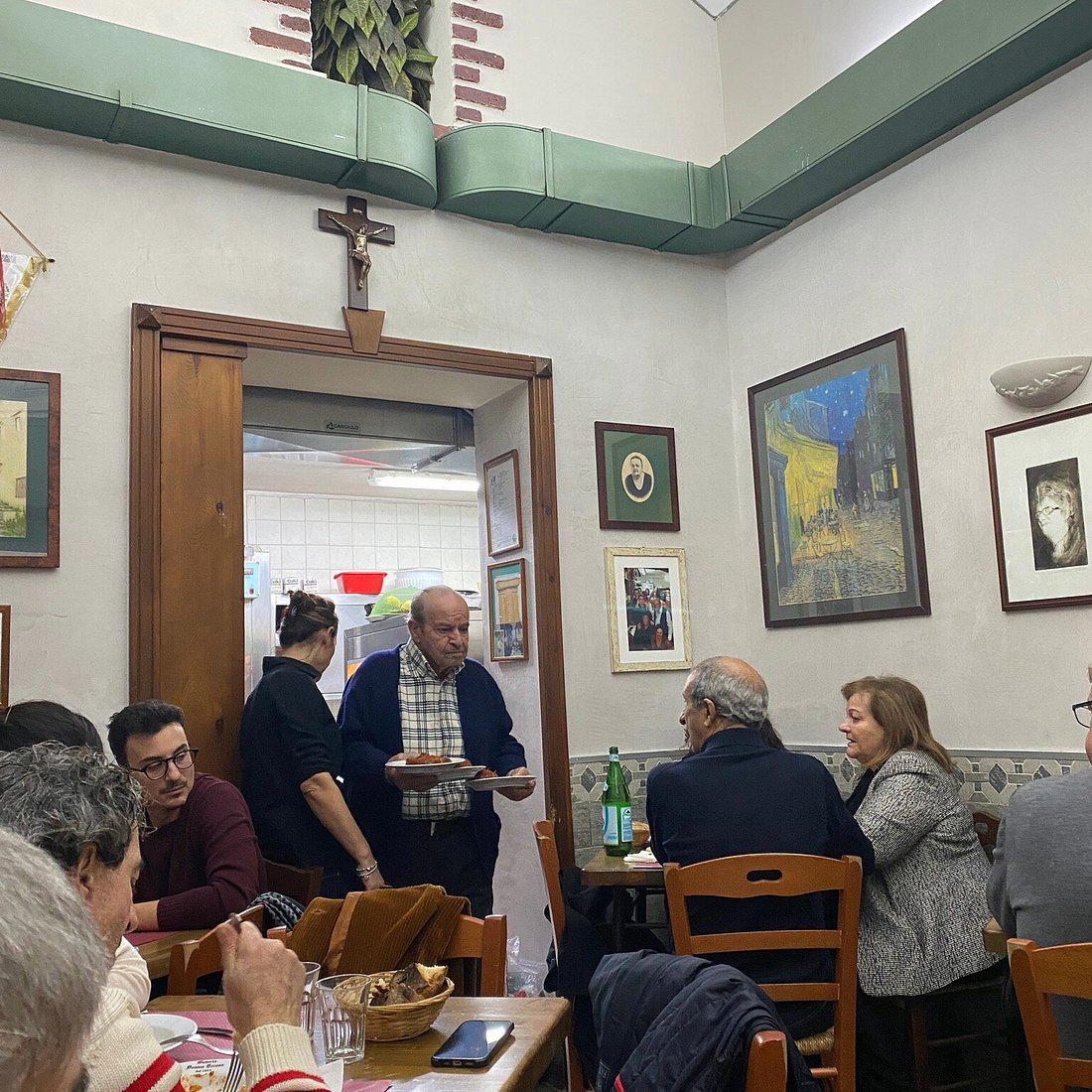
Vomero's Quiet Counter-Argument to the Tourist Trail
Naples positions itself, in most international coverage, around two poles: the ancient pizzerias of the centro storico and the newer wave of creative restaurants pushing Campanian produce into fine-dining territory. George Restaurant and Veritas occupy that latter category, operating at price points and ambition levels that read against a national comparable set. Osteria Donna Teresa sits somewhere else entirely: in the Vomero hill district, on Via Michele Kerbaker, serving Traditional Neapolitan Osteria cooking that the neighbourhood itself actually eats.
Vomero functions differently from the centro storico below it. Reached by funicular from Piazza Amedeo or Montesanto, it is a residential quarter of wide boulevards, independent grocers, and a lunch culture that runs on regulars rather than foot traffic. The trattorie here are not designed to capture a tourist walking between Spaccanapoli and the port; they are calibrated for the professional who descends to work and climbs back up for a midday meal that costs less than a taxi. Osteria Donna Teresa belongs to that ecosystem.
The Format That Defines the Room
The trattoria format, in its classical Neapolitan expression, operates on constraints that feel like efficiency from the inside. A short, rotating menu built around what arrived at the market that morning. A room where the number of covers is small enough that the kitchen can sustain quality without a brigade. Prices kept at a level that permits daily repetition, not just occasional visits. These are the structural rules of the format, and Donna Teresa follows them.
This places it in a different competitive conversation from Palazzo Petrucci or other contemporary rooms that have emerged in the city over the past decade. The comparison set is not other fine-dining establishments but other neighbourhood lunch rooms, where the kitchen team's ability to execute familiar dishes with daily consistency matters more than innovation. At that level, the front-of-house relationship with regulars becomes a meaningful differentiator: a room where the staff knows the table's preferences creates a different dining rhythm from one where every cover is anonymous.
Team Dynamic in a Small Operation
In a trattoria at this scale, the editorial angle of team collaboration reads differently than it does in a restaurant with a named sommelier programme and a structured front-of-house hierarchy. There is no division of labour between a beverage director curating a cellar and a chef building a tasting menu to match. Instead, the coherence of the experience depends on a smaller unit: whoever manages the room knowing the kitchen's output well enough to pace the meal correctly, and the kitchen producing at a tempo that the room can support without visible strain.
This is a form of collaboration that Italian neighbourhood restaurants have practised longer than the contemporary hospitality industry has theorised it. The service model at a place like Donna Teresa is not warm because a manual says so; it is warm because the same team serves the same customers across years, and the relational memory that accumulates in that kind of operation is not reproducible by a larger venue with higher staff turnover. For a diner accustomed to the more choreographed service of places like Le Calandre or Enoteca Pinchiorri in Florence, the register here will feel unpretentious. That is the point.
Neapolitan Cooking at Its Most Unreconstructed
The culinary tradition Donna Teresa operates within is technically demanding in Italy precisely because it refuses technique as a visible performance. Neapolitan home cooking, in its trattoria expression, demands that pasta be cooked and sauced at the correct moment, that seafood arrive from sources with demonstrable freshness, and that the kitchen resist the temptation to complicate dishes whose value lies in their directness. The ragù that takes hours and the fried fish that takes minutes share an identical standard: they must taste like what they are.
Campania's ingredient base makes this approach defensible at a high level. San Marzano tomatoes, fior di latte from the Agerola plateau, Cetara anchovies, and the seafood of the Tyrrhenian coast constitute a larder that serious kitchens across Italy spend considerable effort sourcing. A Vomero trattoria working with local suppliers has proximity advantages that Uliassi in Senigallia or Dal Pescatore in Runate would need to engineer logistically. At Donna Teresa the answer is yes by design.
Where This Fits in Naples's Wider Dining Map
Naples's restaurant conversation in international media tends to flatten into a few categories: the historic pizzerias, the street food of Via Tribunali, and the occasional coverage of fine dining. 1947 Pizza Fritta and 12 Morsi each serve a different portion of that conversation. The neighbourhood lunch room, by contrast, rarely travels beyond local word of mouth. Osteria Donna Teresa's presence in Vomero is less an exception to that pattern than a confirmation of it: these rooms persist because the neighbourhood sustains them, not because any external validation has arrived to do the work.
For context on what the city's fine-dining ceiling looks like, Italy's broader scene includes operations of a different scale and ambition: Osteria Francescana in Modena, Reale in Castel di Sangro, Piazza Duomo in Alba, and Atelier Moessmer Norbert Niederkofler in Brunico. Donna Teresa is not in that tier and makes no claim to be. It competes on different terms: consistency, proximity, value relative to ingredient quality, and the accumulated trust of a neighbourhood clientele. By those measures, the comparison set is local and the stakes are daily rather than seasonal.
Planning a Visit
The address, Via Michele Kerbaker 58, places Donna Teresa in the upper Vomero grid, accessible by the Chiaia funicular or a short walk from Piazza Vanvitelli. Midday, particularly on weekdays, is the natural hour for this format: the menu reflects what was purchased that morning, the room fills with locals on their lunch break, and the pace is set by a kitchen that has not designed the experience for a long evening service. Arriving without a reservation at a room of this size carries genuine risk during peak lunch hours; contacting the venue directly in advance is advisable. Comparably priced but differently formatted experiences can be found at Quattro Passi in Marina del Cantone or, for readers willing to travel further, at Enrico Bartolini in Milan and Lazy Bear in San Francisco for a sense of how different markets have interpreted the collaborative kitchen format at different price points.
Price and Positioning
Comparable venues nearby, for context on price, style, and recognition.
| Venue | Cuisine | Price | Notes |
|---|---|---|---|
| Osteria Donna TeresaThis venue — the venue you are viewing | Vomero, Traditional Neapolitan Osteria | $$ | Not listed |
| Antica Trattoria e Pizzeria da Donato | Not listed | $$ | Il Vasto, Authentic Neapolitan Trattoria & Pizzeria |
| Umberto | Not listed | $$ | Acquario, Traditional Neapolitan Trattoria & Pizzeria |
| Bro. Ciro e Antonio Tutino Pizzeria | Mercato, Contemporary Neapolitan Pizza | $$ | Not listed |
| Ventimetriquadri - Specialty Coffee | Vomero, Specialty Coffee & Cafe | $$ | Not listed |
| 1947 Pizza Fritta | Il Vasto, Neapolitan Fried Pizza | $ | Not listed |
Continue exploring
More in Naples
Restaurants in Naples
Browse all →
Bars in Naples
Browse all →
Hotels in Naples
Browse all →
At a Glance
- Cozy
- Rustic
- Intimate
- Classic
- Casual Hangout
- Family
- Historic Building
Current opening hours
- Monday
- 12:30–3 PM, 7:30–9:30 PM
- Tuesday
- 12:30–3 PM, 7:30–9:30 PM
- Wednesday
- 12:30–3 PM, 7:30–9:30 PM
- Thursday
- 12:30–3 PM, 7:30–9:30 PM
- Friday
- 12:30–3 PM, 7:30–9:30 PM
- Saturday
- 12:30–3 PM, 7:30–9:30 PM
- Sunday
- Closed
Hours can change for holidays and private events. Last verified .
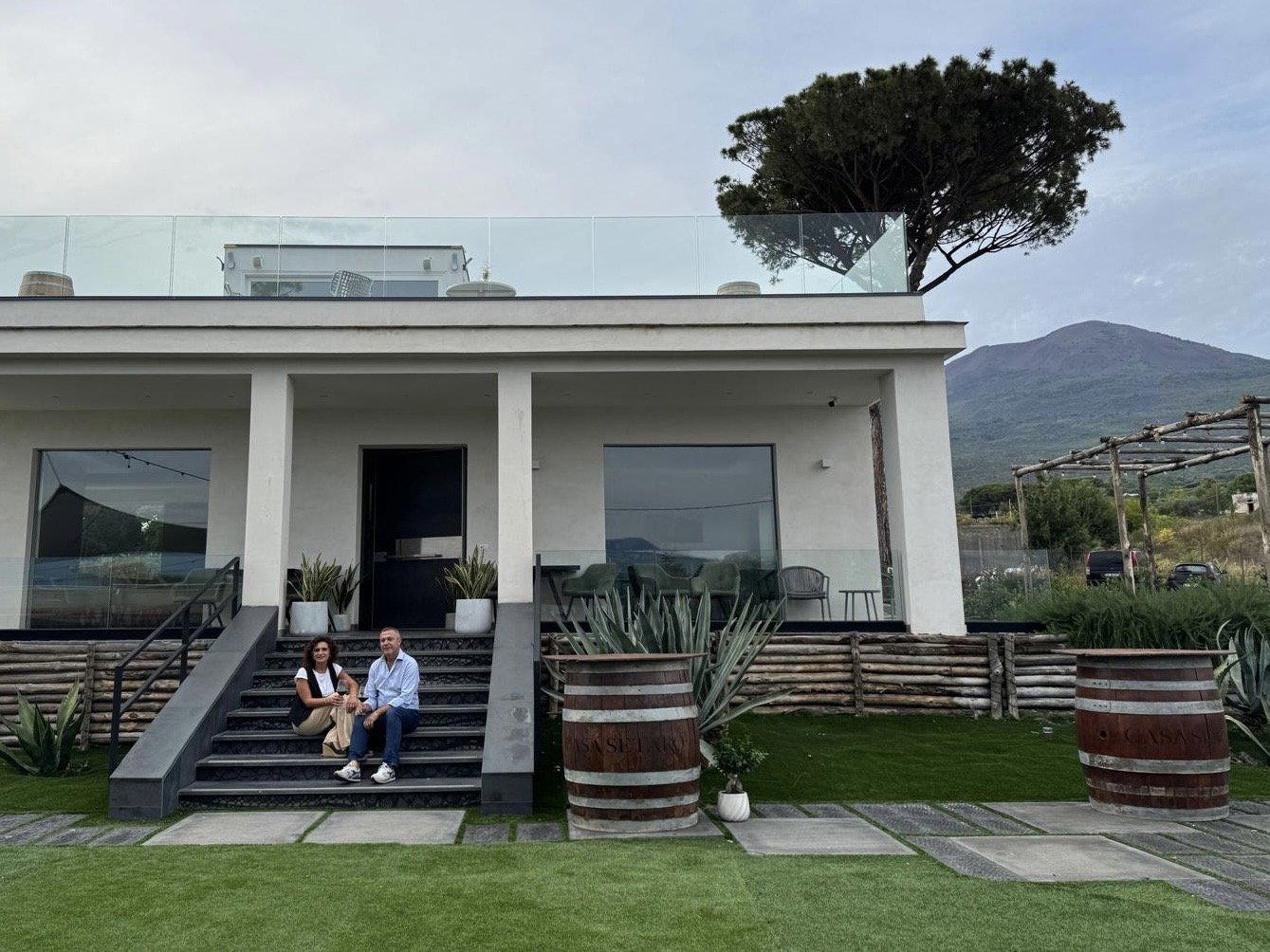
Cozy and homely with a simple, spartan atmosphere evoking dining at nonna's house.