Ult Coffee Roasters operates within Osaka's growing specialty coffee scene, where sourcing transparency and roasting craft have become the primary measures of quality. The roastery sits in a city better known for its restaurant density than its coffee culture, making it a reference point for how serious beverage programs are reshaping the Kansai region's daytime hospitality offer.
Pearl is the En Primeur Club membership app — saves, bookings, and concierge access live there. Same editors, same standards.
- Address
- Osaka, Japan
- Website
- ultcoffee.jp
 Saves & bookings on Pearl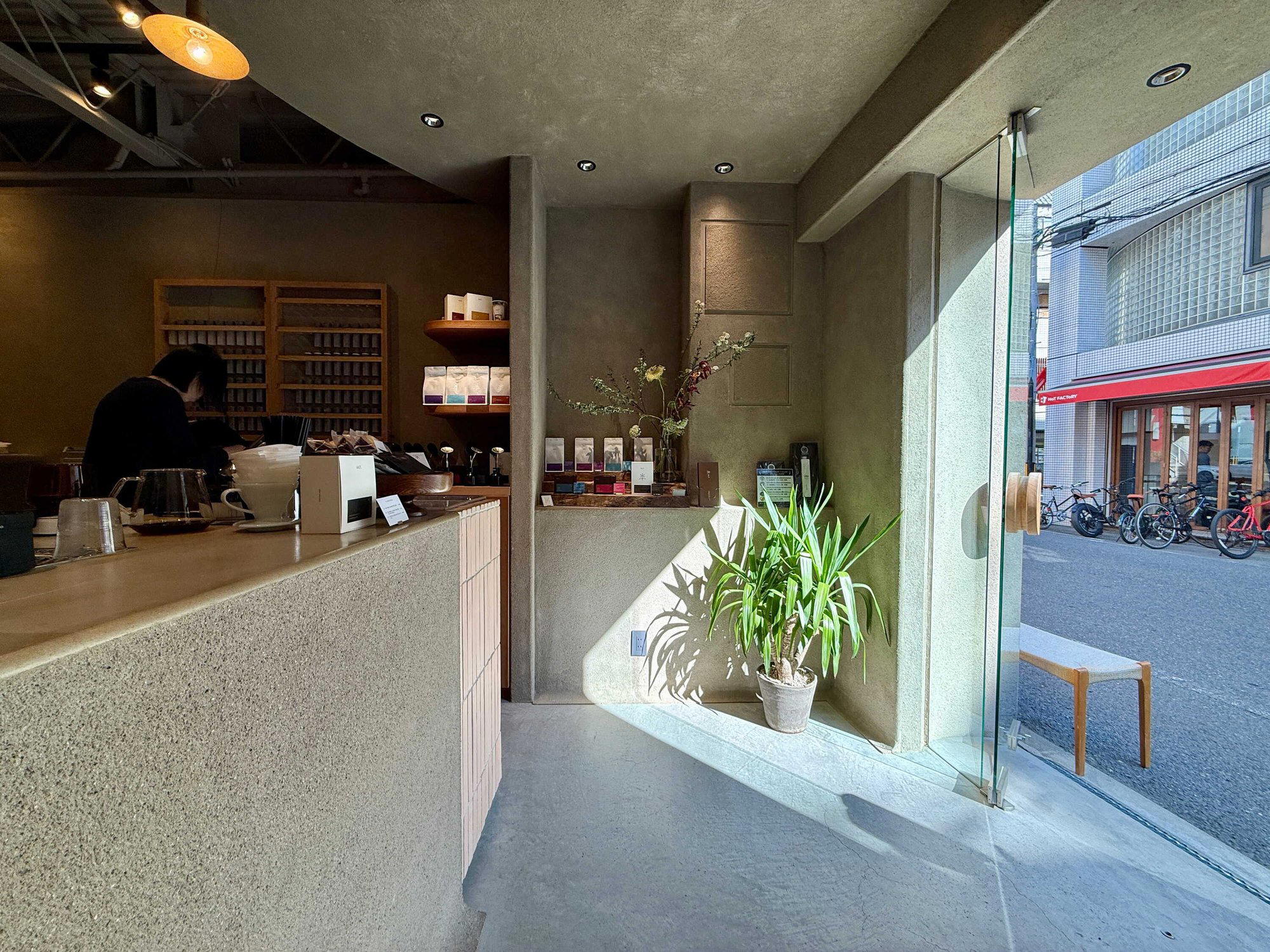
Where Osaka's Coffee Culture Is Heading
Osaka has long been defined by its eating culture, the density of kaiseki rooms, the standing sushi bars, the late-night kushikatsu counters, but its coffee scene has quietly shifted in the same direction that its dining did a generation ago: toward sourcing discipline and craft specificity. Specialty roasteries now occupy a different tier from the kissaten tradition that shaped the city's café habits through the twentieth century, and Ult Coffee Roasters sits inside that newer wave, where the conversation begins at the farm level rather than the cup.
The kissaten model prioritised consistency and atmosphere: deep chairs, jazz, a house blend that tasted the same in 1978 as it did in 2001. The specialty model inverts those priorities. Origin, processing method, and roast profile become the primary variables, and the roastery itself becomes a kind of editorial statement about what coffee should be. That shift is visible across Japan's major cities, in Tokyo's Shimokitazawa, in Kyoto's Nakagyo ward, in Fukuoka's Yakuin neighbourhood, but Osaka has been slower to accumulate roasteries at this tier, which gives each new entrant a degree of visibility that a comparable operation might not achieve in, say, Tokyo's more saturated market.
The Sourcing Argument
In specialty coffee, sourcing is not a marketing claim, it is the operative logic of the entire business. A roastery that traces its green coffee to specific farms, specific lots, and specific processing stations is making a claim that can be verified or falsified by anyone willing to cross-reference the paperwork. That accountability is what separates the specialty tier from the commodity tier, and it is the frame through which Ult Coffee Roasters should be understood.
Japan has become one of the most important markets for high-grade green coffee globally, in part because Japanese buyers have historically been willing to pay premiums for quality, and in part because the country's coffee culture rewards craft and restraint in ways that align with how specialty producers want their work received. Ethiopian naturals, Kenyan washed lots, and Panamanian geishas that might struggle for recognition in markets where coffee is treated as a utility item find serious audiences in Osaka, Kyoto, and Tokyo. The sourcing decisions a roastery makes, which origins it prioritises, which processing methods it selects for, whether it works with importers or builds direct relationships, define its identity more than any single drink on the menu.
Ult Coffee Roasters operates in this context. The name itself signals a position: a focus on what the roaster considers essential, stripped of the layered ceremony that can sometimes obscure rather than communicate quality. In a city where HAJIME and La Cime have raised the technical expectations of Osaka diners at the fine-dining level, and where Kashiwaya Osaka Senriyama and Taian demonstrate what ingredient rigour looks like in a kaiseki context, there is an audience primed to appreciate the same logic applied to coffee.
Osaka as a Coffee City
Understanding where Ult Coffee Roasters fits requires understanding what Osaka's coffee scene actually looks like. The city is not a coffee destination in the way that Melbourne or Copenhagen are, nor does it have the roastery density of Tokyo. What it has is a deeply embedded café culture rooted in the kissaten tradition, Osaka has some of Japan's oldest continuously operating coffee houses, and an increasingly sophisticated customer base that has been educated by travel, by social media, and by the diffusion of specialty culture from Japan's larger markets.
The Kansai region's dining scene is among the most competitive in the world by almost any measure: the combined Michelin density of Osaka and Kyoto rivals cities twice their size. That competitive intensity trains consumers to notice quality differences and to seek out producers who can articulate why their approach matters. The same consumer who pays attention to whether their sashimi comes from a specific fishing ground in Hokkaido is likely to notice whether their coffee comes from a specific washing station in Yirgacheffe. Fujiya 1935's ingredient-led innovation at the fine-dining level is a useful parallel: both operations make sourcing the foundation of the experience rather than the garnish.
Roasteries that have opened in this environment over the past decade tend to occupy small footprints, run limited production volumes, and communicate directly with their customers about what is in the bag and why it was chosen. That model aligns with patterns visible in other Japanese cities: Harutaka in Tokyo applies the same small-scale, sourcing-first discipline to its sushi counter, and Gion Sasaki in Kyoto demonstrates how a focused, deeply informed approach to ingredients can build a serious reputation without scale.
The Regional Picture
Specialty coffee is expanding across the Kansai region and further into Japan's secondary cities. Akordu in Nara and Goh in Fukuoka represent the broader pattern of craft-focused hospitality spreading beyond Tokyo, and coffee roasteries are following the same diffusion curve. Operations in smaller markets like Nanao and Sapporo are building their own specialty identities, while Osaka sits at a scale where it can support multiple serious roasteries without the market becoming as crowded as Tokyo's.
For visitors approaching Osaka through its food culture, perhaps anchoring their itinerary around the kaiseki rooms or the Michelin-recognised restaurants, a roastery like Ult Coffee Roasters offers a different register of the same underlying quality logic. The sourcing rigour that defines a kaiseki chef's relationship with a Kyoto vegetable farmer or an Akashi fisherman has a direct parallel in the specialty roaster's relationship with a coffee producer in Colombia or Ethiopia. Both are fundamentally arguments about traceability, transparency, and the idea that the person making your food or drink should be able to account for every step between origin and plate.
For a broader picture of where Osaka's food and drink scene sits, including the fine-dining rooms that contextualise the city's current appetite for craft, see our full Osaka restaurants guide. Comparisons further afield, Le Bernardin in New York City for sourcing-led fine dining at a global reference level, or Atomix in New York City for how Korean technique and ingredient specificity read in a Western market, help frame the international direction that Japan's craft food and drink culture is engaging with.
Planning a Visit
Ult Coffee Roasters is a casual, walk-in-friendly specialty coffee roastery in Osaka, with prices from about US$10 per person. Osaka is well-connected by the Midosuji and Tanimachi metro lines, and most of the city's specialty coffee operations are reachable without needing to move through the expressway network. If your visit to Osaka includes stops at the city's fine-dining rooms, and the city's concentration of Michelin-recognised tables makes that a reasonable priority, building a morning around a roastery visit before an evening reservation at venues like Birdland in Sakai or further afield at Bistro Ange in Toyohashi makes logistical sense given the region's transport links.
Comparable Spots, Quickly
Comparable venues nearby, for context on price, style, and recognition.
| Venue | Cuisine | Price | Awards | Notes |
|---|---|---|---|---|
| Ult Coffee RoastersThis venue — the venue you are viewing | Specialty Coffee Roasters | $$ | , | |
| Dojima Samboa | Classic Japanese cocktail bar | $$ | , | Kita |
| ELMERS GREEN CAFE | Coffee Shop & Bakery Café | $$ | , | Chūō |
| Whitebird coffee stand | Specialty Coffee Stand | $$ | , | Kita |
| OSORACAFE | Cafe / Dessert Cafe | $$ | , | Yodogawa |
| Kashmir | Japanese Curry | $$ | , | Chūō |









At a Glance
- Modern
- Minimalist
- Cozy
- Trendy
- Solo
- Casual Hangout
- Sake Program
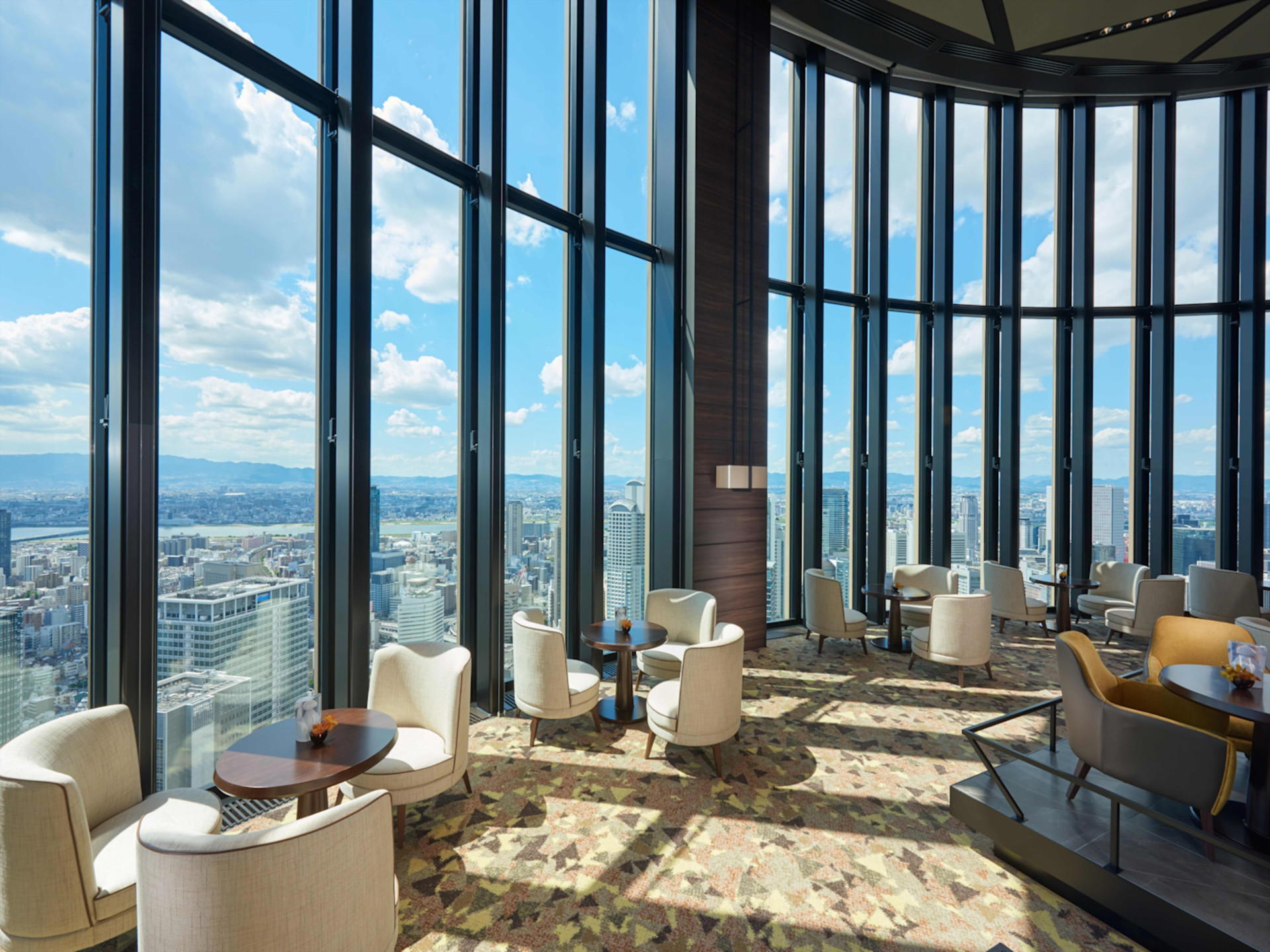
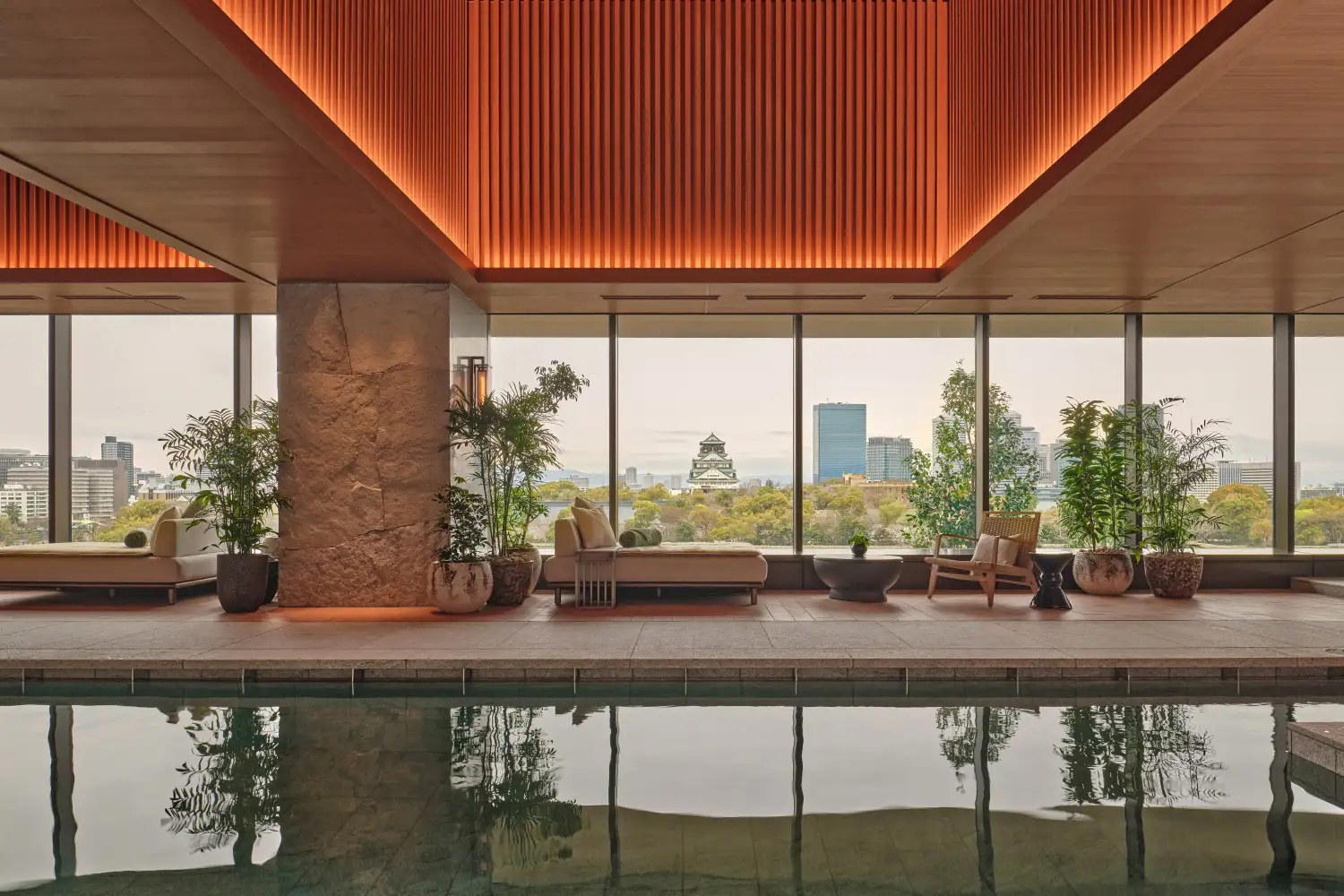
Beautiful space with calming earth tones and artisanal design details, offering a minimalist yet cozy atmosphere.[1][2]