

A longstanding name in Tokyo's teppanyaki circuit, Ukai-tei Omotesando occupies the fifth floor of Omotesando Hills' Gyre building, drawing a steady crowd across lunch and dinner service.
Pearl is the En Primeur Club membership app — saves, bookings, and concierge access live there. Same editors, same standards.
- Address
- Japan, 〒150-0001 Tokyo, Shibuya, Jingumae, 5 Chome−10−1 表参道ジャイル 5F
- Phone
- +81 3-5467-5252
- Website
- ukai.co.jp
- Directions
- Get directions
 Saves & bookings on Pearl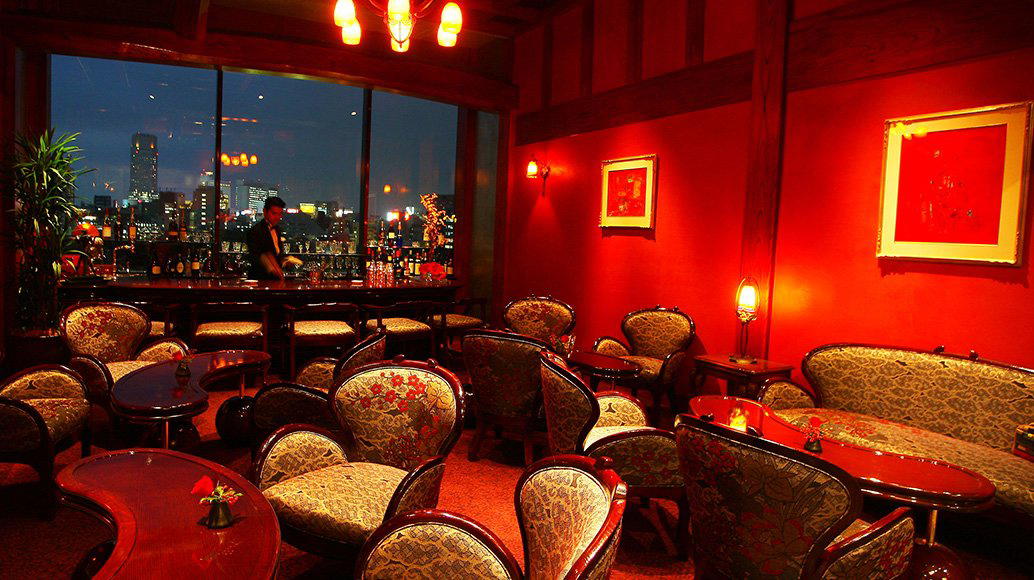
Tokyo's Teppanyaki Tier: Where Ukai-tei Omotesando Sits
Teppanyaki in Tokyo occupies a wider price and prestige range than most Western visitors expect. At the lower end, the format is casual and fast; at the upper end, it competes directly with kaiseki and French fine dining for the same serious-dining budget. Ukai-tei Omotesando operates at the summit of that range. Ranked #200 in Opinionated About Dining's Leading Restaurants in Japan for 2024, and moving to #247 in 2025, it stands apart for ingredient sourcing, counter craft, and a clientele that books well ahead for the teppan experience specifically, not as a fallback from a sushi reservation. For broader context on where teppanyaki ranks within Tokyo's wider dining hierarchy, our full Tokyo restaurants guide maps the category against sushi, kaiseki, and contemporary French formats.
The Format: What Happens at the Counter
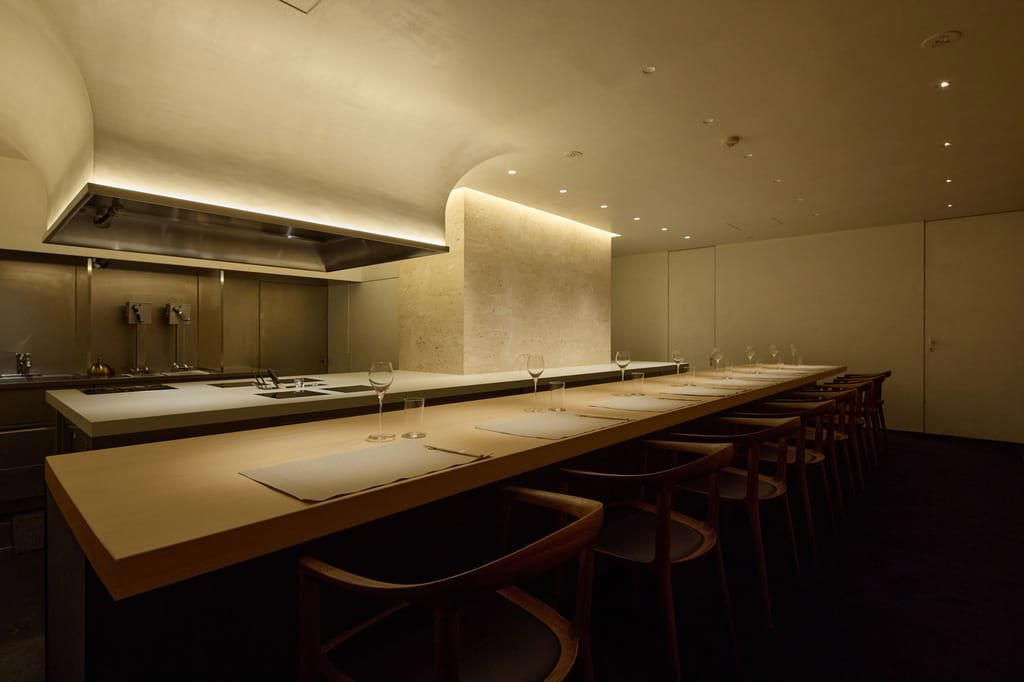
The teppan counter is one of the few fine-dining formats where the cook's technique is fully visible to the guest, closer in that sense to omakase sushi than to a kitchen-hidden kaiseki progression. In Tokyo's upper-tier teppanyaki rooms, that visibility sets an implicit standard: the iron surface, the heat management, the sequencing of proteins, and the resting and slicing of beef are all performed in front of the diner. At this level, the theatre and the substance are the same thing, not separate concerns. The Omotesando address places that format inside one of Tokyo's most design-conscious retail and hospitality districts, where the surrounding context, Gyre building, fifth floor, signals a particular kind of urban luxury without requiring explanation.
Lunch vs. Dinner: Two Different Arguments for the Same Address
The lunch and dinner divide matters more at a teppanyaki counter than at most other formats, because the variables that change between service, daylight, pace, price positioning, and the character of the crowd, are all amplified by the open-counter setting. At Ukai-tei Omotesando, both lunch and dinner service run Monday, Thursday, and Friday through Sunday, with lunch beginning at noon on weekdays and 11:30 am on weekends, and evening service opening at 5:30 pm across all operating days.
Lunch service here carries a different argument than dinner. Across Tokyo's high-end teppanyaki circuit, daytime seatings tend to attract a mix of local professionals, visitors working through a considered dining list, and couples or small groups who want a serious meal without the full weight of an evening occasion. The pace is typically quicker, the room brighter, and, where prix-fixe lunch sets exist, the price-to-quality ratio is often the sharpest entry point into a kitchen that charges considerably more after dark. This is a pattern consistent across Tokyo's serious dining rooms: RyuGin, Harutaka, and L'Effervescence all offer lunch formats that represent one accessible version of their respective kitchen's output.
Evening service shifts the register. The room carries more weight after dark, the booking list tends toward formal occasions and corporate entertaining, and the full beef-centred progression, wagyu grades, tableside presentation, the ceremonial pace of a teppan dinner, lands differently when the surrounding city has transitioned out of working hours. Neither service is superior; they are answers to different questions about how the diner wants to spend time and money at this address.
The Omotesando Location and Its Competitive Context
Omotesando is not Tokyo's most concentrated dining district, Ginza carries that distinction, but it is one of the few areas where architecture, retail, and restaurants operate at comparable levels of considered design. Ukai-tei's sister property, Ukai-tei Ginza, operates in Tokyo's most formal dining precinct, where the surrounding competition is dense and the clientele skews toward high-end corporate. The Omotesando branch occupies a different social register: slightly less formal, more design-led in its immediate surroundings, and better positioned for the visitor who is working through Tokyo's architecture and fashion district alongside its restaurants.
Within the teppanyaki category specifically, the Ukai group has built a multi-location presence that few Japanese teppanyaki operators have replicated. Comparison points exist further afield: JIBUNDOKI in Osaka and Hibana by Koki in Hanoi represent how the teppanyaki format translates across different Japanese cities and into Southeast Asia, but neither operates in quite the same design-commercial district context as Omotesando. Closer to home, Ishigaki Yoshida offers a reference point for Tokyo's premium beef counter in a different key.
Recognition and Standing
The Opinionated About Dining ranking is a useful calibration tool for this address. OAD rankings aggregate opinions from a global community of serious diners rather than a fixed critical panel, which means a sustained presence on the list, Highly Recommended in 2023, #200 in 2024, #247 in 2025, reflects continued guest conviction rather than a single year's critical attention. The slight rank movement between 2024 and 2025 reflects the list's competitive deepening as more Japanese venues enter the ranked pool, not a shift in the restaurant's own trajectory. For context on how this recognition level compares across Japan's wider dining scene, see our coverage of HAJIME in Osaka, Gion Sasaki in Kyoto, akordu in Nara, Goh in Fukuoka, 1000 in Yokohama, and 6 in Okinawa.
Planning the Visit: Know Before You Go
- Address: 5F, Omotesando Gyre, 5-10-1 Jingumae, Shibuya, Tokyo 150-0001
- Closed: Wednesday
- Lunch (weekdays): 12:00 pm – 4:00 pm
- Lunch (weekends): 11:30 am – 4:00 pm
- Dinner (all operating days): 5:30 pm – 10:00 pm
- Recognition: OAD Leading Restaurants in Japan #200 (2024), #247 (2025); Highly Recommended (2023) 6 from 904 reviews
- Booking: Advance reservation recommended, particularly for dinner and weekend lunch
- Sister property: Ukai-tei Ginza
Similar Picks
Comparable venues nearby, for context on price, style, and recognition.
| Venue | Cuisine | Price | Notes |
|---|---|---|---|
| Ukai-tei OmotesandoThis venue — the venue you are viewing | Teppanyaki | $$$$ | Not listed |
| Ishiyama | Premium Edomae Omakase | $$$$ | Chūō |
| Sushi Nakamura | Edomae Omakase Sushi | $$$$ | Minato |
| Nikusho Horikoshi | Premium Yakiniku Omakase | $$$$ | Minato |
| Kanjo | Modern Duck & Soba Kaiseki | $$$$ | Minato |
| Ozaki | Sushi Kaiseki | $$$$ | Minato |
Recognition history
Dated appearances from independent guides and award organizations, with the underlying list record or original source where available.
Opinionated About Dining Top Restaurants in Japan Recommended
Opinionated About Dining
Opinionated About Dining Top Restaurants in Japan Ranked #247
Opinionated About Dining
Tabelog 100 #6 · No. 6
Tabelog · Tabelog 100 - Steak / Teppanyaki - EAST - 2025
Opinionated About Dining Top Restaurants in Japan Ranked #200
Opinionated About Dining
Opinionated About Dining Top Restaurants in Japan Highly Recommended
Opinionated About Dining
Continue exploring
More in Tokyo
More from Chef Various
Browse all →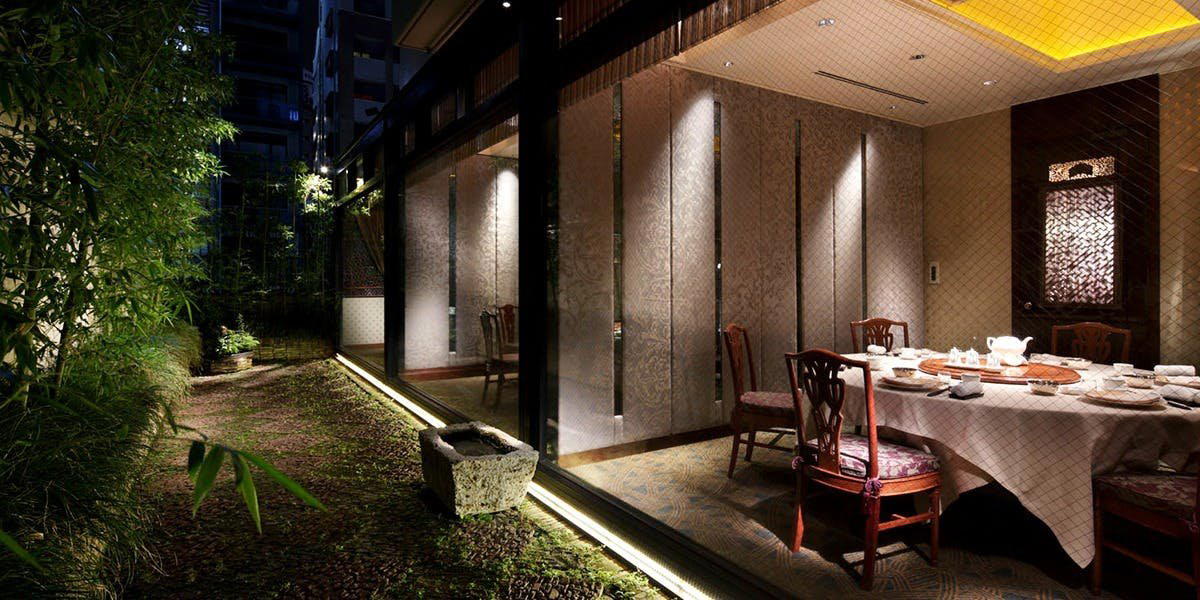
Restaurants in Tokyo
Browse all →


Bars in Tokyo
Browse all →







At a Glance
- Elegant
- Sophisticated
- Intimate
- Classic
- Date Night
- Special Occasion
- Business Dinner
- Private Dining
- Sake Program
- Street Scene
Current opening hours
- Monday
- 12–4 PM, 5:30–10 PM
- Tuesday
- Closed
- Wednesday
- Closed
- Thursday
- 12–4 PM, 5:30–10 PM
- Friday
- 12–4 PM, 5:30–10 PM
- Saturday
- 11:30 AM–4 PM, 5:30–10 PM
- Sunday
- 11:30 AM–4 PM, 5:30–10 PM
Hours can change for holidays and private events. Last verified .
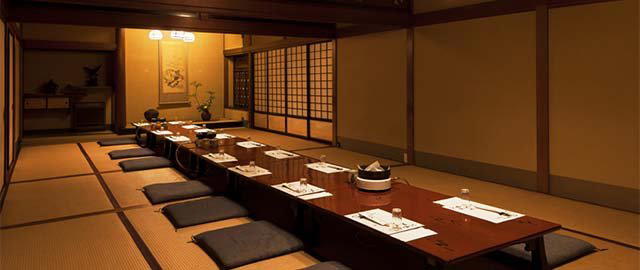
Museum-like atmosphere with lacquered beams, Bengala-vermillion plaster walls, and mosaic details; cozy private rooms and glass counter seats overlooking Omotesando Street.