An Imbiss counter on Frankfurt's Darmstädter Landstraße combining udon and Thai cooking in the city's small-format, neighbourhood-operator tradition. Without the destination-dining footprint of Sachsenhausen's better-known addresses, it functions on local repeat custom rather than tourist traffic. No reservations or online booking apply; walk-in is the format.
 Discover on Pearl
Pearl is the En Primeur Club membership app — saves, bookings, and concierge access live there. Same editors, same standards.
- Address
- Darmstädter Landstraße 35, 60598 Frankfurt am Main, Germany
- Phone
- +496966379714
- Website
- udon.cafelists.com
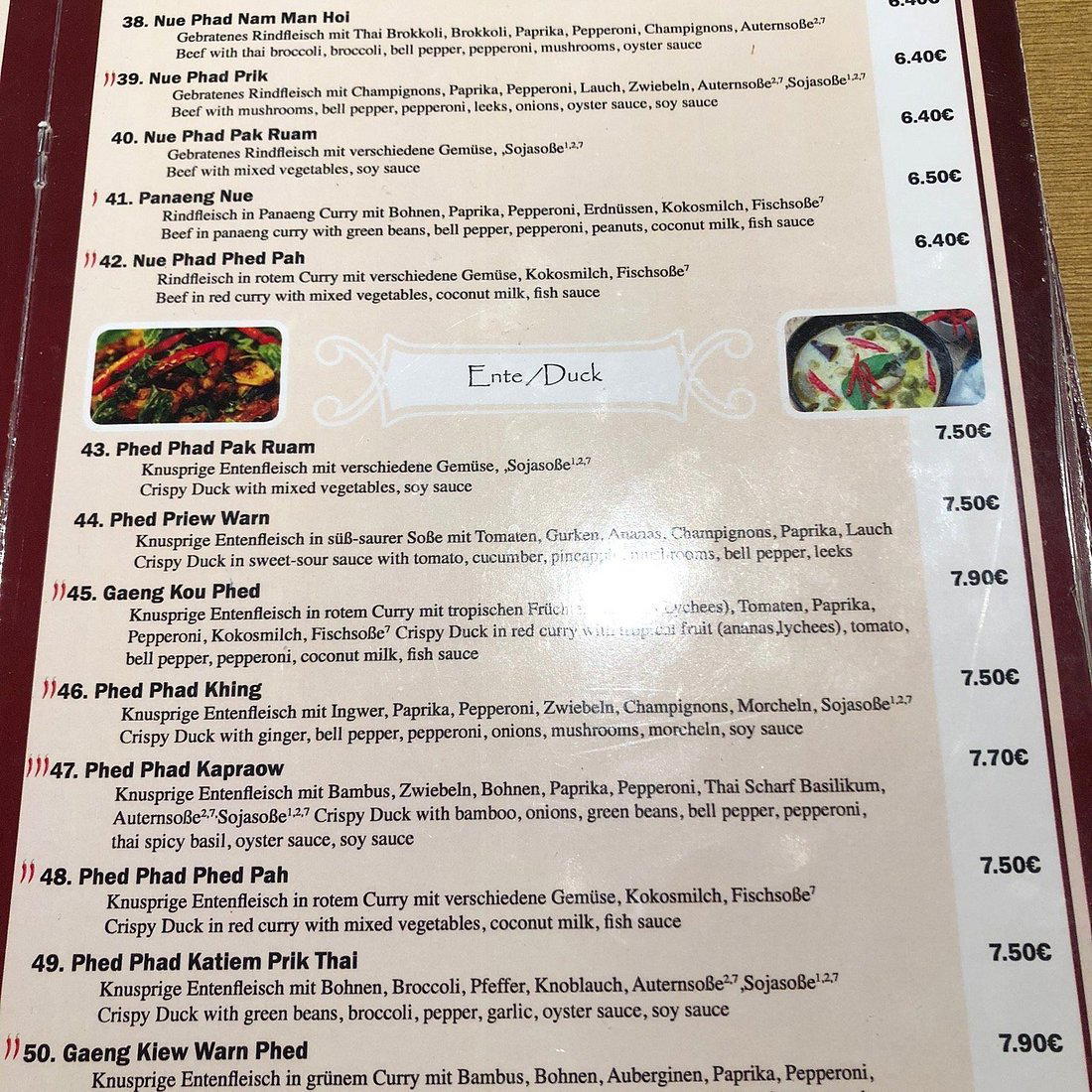
Frankfurt's Imbiss Tradition and What It Tells You About the City
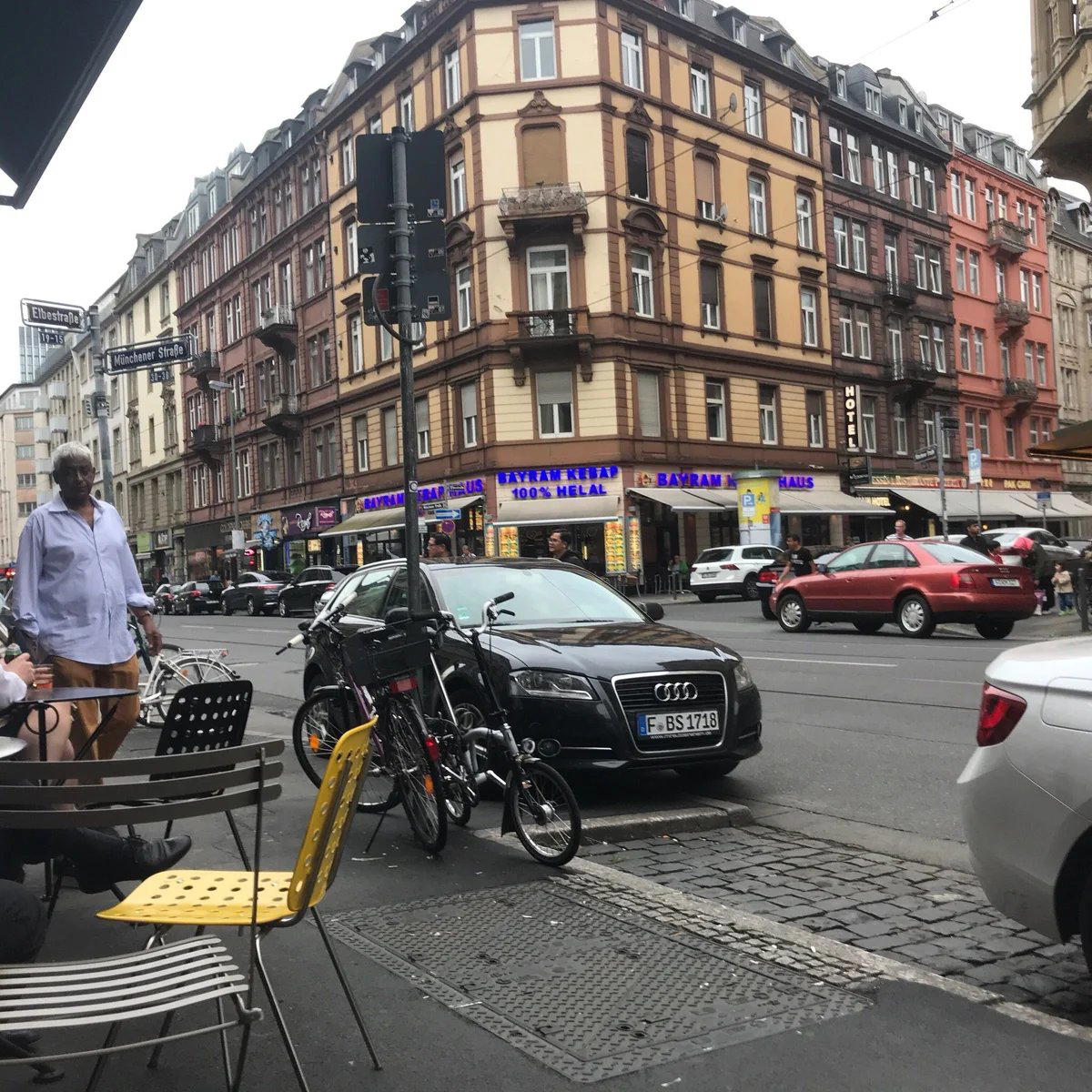
Frankfurt has always sustained two parallel dining cultures: the formal, finance-driven rooms near the Bahnhofsviertel and Sachsenhausen's expense-account tables on one side, and the neighbourhood Imbiss on the other. The Imbiss, a word that resists clean translation but roughly means a quick-service counter or small snack shop, is the city's unglamorous backbone. It feeds the people who live and work in Frankfurt's residential corridors rather than those passing through on business. Darmstädter Landstraße, the arterial road threading south through the 60598 postcode toward Sachsenhausen's edge, is precisely the kind of street where this tradition persists: a working neighbourhood strip where independent operators hold ground against the usual chain pressure.
Udon Thai Imbiss sits on that street at number 35, and its name signals exactly what it is: a crossing point between the Japanese udon tradition and Thai cooking, delivered through the informal Imbiss format. That combination is less eccentric than it sounds. Pan-Asian counter formats have proliferated across German cities over the past two decades as sourcing networks for Southeast and East Asian ingredients matured, making it commercially viable to run tightly focused, small-footprint operations with genuine regional specificity rather than the pan-Asian catch-all menus that characterised the 1990s wave.
The Sustainability Logic of Small-Format Asian Cooking
The editorial angle worth pressing here is not the venue itself but what small-format Asian cooking in a city like Frankfurt represents in terms of food-system efficiency. Udon and Thai cooking, particularly in their street-food and Imbiss registers, operate on fundamentally low-waste structural principles. Udon noodle programs generate minimal byproduct: the dough is simple, the broths are built from ingredients that would otherwise be discarded, and portion discipline is baked into the format. Thai cooking at the casual end similarly leans on aromatics, herb bundles, and vegetable-forward preparations that run leaner on protein volume than equivalent Western counter formats.
This is not incidental. Across Germany, the restaurants attracting serious sustainability attention tend to fall into two camps: the high-investment fine dining operations with dedicated sourcing programs, places like JAN in Munich or ES:SENZ in Grassau, and the small independent counters that achieve low-waste operation through format constraints rather than deliberate philosophy. A two-burner udon shop has fewer opportunities to be wasteful than a 60-seat European kitchen. That structural efficiency deserves recognition as its own category of sustainable practice, even if it rarely receives the certification language that accompanies more self-conscious programs.
For comparison, Germany's celebrated multi-Michelin houses such as Aqua in Wolfsburg, Schwarzwaldstube in Baiersbronn, or Vendôme in Bergisch Gladbach operate sustainability programs that are explicit, documented, and resource-intensive to maintain. A neighbourhood udon counter achieves a version of the same outcome through smaller footprint and shorter supply lines, without the administrative apparatus. Neither approach is superior; they operate in entirely different registers.
The Sachsenhausen Fringe and Where This Venue Sits
The 60598 postcode places Udon Thai Imbiss on the southern edge of Sachsenhausen, a district more commonly associated with Frankfurt's apple wine taverns, the Museumsufer riverbank, and a density of mid-range international restaurants that serve the area's mixed residential and tourist population. This is not the Bahnhofsviertel's concentrated international food corridor, where competition for the Vietnamese, Korean, and Japanese dining market is intense and turnover is rapid. Sachsenhausen's southern reach operates at a lower temperature: longer-established operators, less tourist traffic, a customer base weighted toward residents.
That positioning matters for how a venue like Udon Thai Imbiss functions in the city's dining ecology. Frankfurt's more prominent restaurant addresses, places covered in our full Frankfurt restaurants guide, tend to cluster closer to the river or in the Westend and Nordend. The Darmstädter Landstraße address is a neighbourhood address, and the Imbiss format reinforces that: this is a venue built for repeat local custom, not destination dining. That's a different value proposition than what you find at, say, Allgaiers Restaurant or Ariston, both of which carry more formal dining expectations.
For a broader read on Frankfurt's independent restaurant culture, venues like ALEJANDRO'S, Ambassel, and atm by Deli&Grape represent different points on the city's independent-operator spectrum. Internationally, the counter-format efficiency argument connects to venues as different as Atomix in New York City or Le Bernardin in New York City, though at an entirely different price tier and ambition level. Closer to the sustainable fine dining end of the German spectrum, Waldhotel Sonnora in Dreis, Restaurant Haerlin in Hamburg, Schanz in Piesport, Victor's Fine Dining by christian bau in Perl, and CODA Dessert Dining in Berlin each illustrate how differently the sustainability conversation plays out at higher price points.
What to Know Before You Go
The venue is located at Darmstädter Landstraße 35 in the 60598 postcode, reachable via Frankfurt's tram and bus network along the Darmstädter Landstraße corridor. Walk-in is the expected format. Regular hours are Tuesday through Saturday, 12 to 10 PM, and Sunday, 3 to 10 PM; the venue is closed Monday, and the price tier is moderate.
The Short List
Comparable venues nearby, for context on price, style, and recognition.
| Venue | Cuisine | Price | Notes |
|---|---|---|---|
| Udon Thai ImbissThis venue — the venue you are viewing | Sachsenhausen, Authentic Thai Cuisine | $$ | |
| Bangkok Restaurant | Roemerberg, Traditional Thai Cuisine | $$ | |
| Hummus Küch' | $$ | Sachsenhausen, Vegan Israeli Hummus Kitchen | |
| Bei Frau Nanna | $$ | Sachsenhausen, Mediterranean with Vegan Options | |
| Buffalo | Roemerberg, Argentine Steakhouse | $$ | |
| Hunky Dory | $$ | Roemerberg, Tapas-Style Cocktail Bar Snacks |
Continue exploring
More in Frankfurt
Restaurants in Frankfurt
Browse all →
Bars in Frankfurt
Browse all →
Hotels in Frankfurt
Browse all →

At a Glance
- Casual
- Cozy
- Hidden Gem
- Casual Hangout
- Solo
- Group Dining
- After Work
- Standalone
- Beer Program
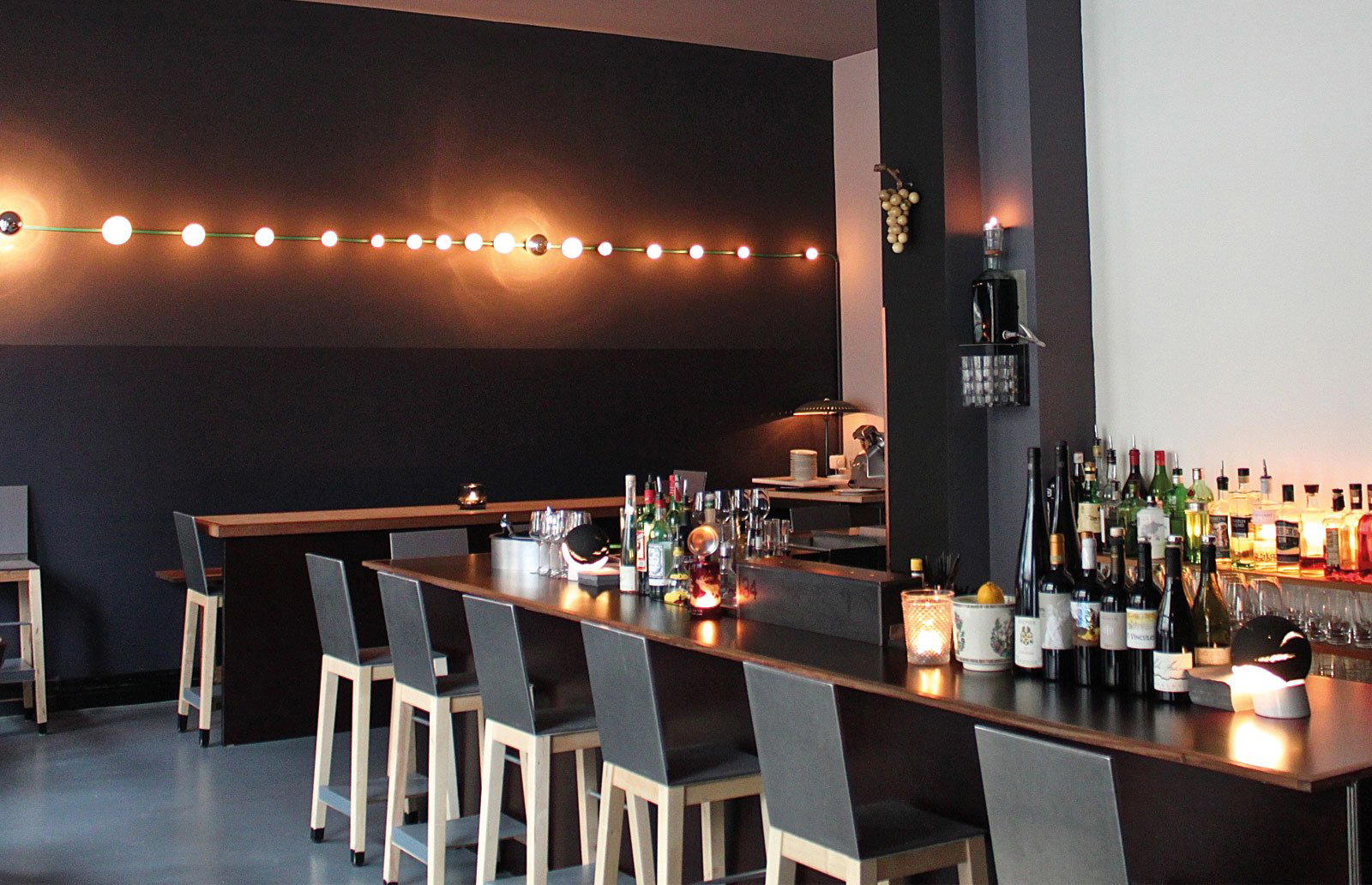
Casual imbiss-style setting with a two-seater bench at the bar and regular tables; can be loud and warm with occasional ventilation issues, but friendly and welcoming atmosphere.