On Textorstraße in Frankfurt's Sachsenhausen district, Hummus Küch' brings Middle Eastern chickpea culture to a city better known for Äpfelwoi and green sauce. The format is focused: hummus in its regional variations, built from properly sourced legumes and served with the conviction that simplicity, executed with care, outperforms novelty. It occupies a distinct lane in Frankfurt's increasingly diverse casual dining scene.
Pearl is the En Primeur Club membership app — saves, bookings, and concierge access live there. Same editors, same standards.
- Address
- Textorstraße 38, 60594 Frankfurt am Main, Germany
- Phone
- +494969622299
- Website
- ihummus.de
- Directions
- Get directions
 Saves & bookings on Pearl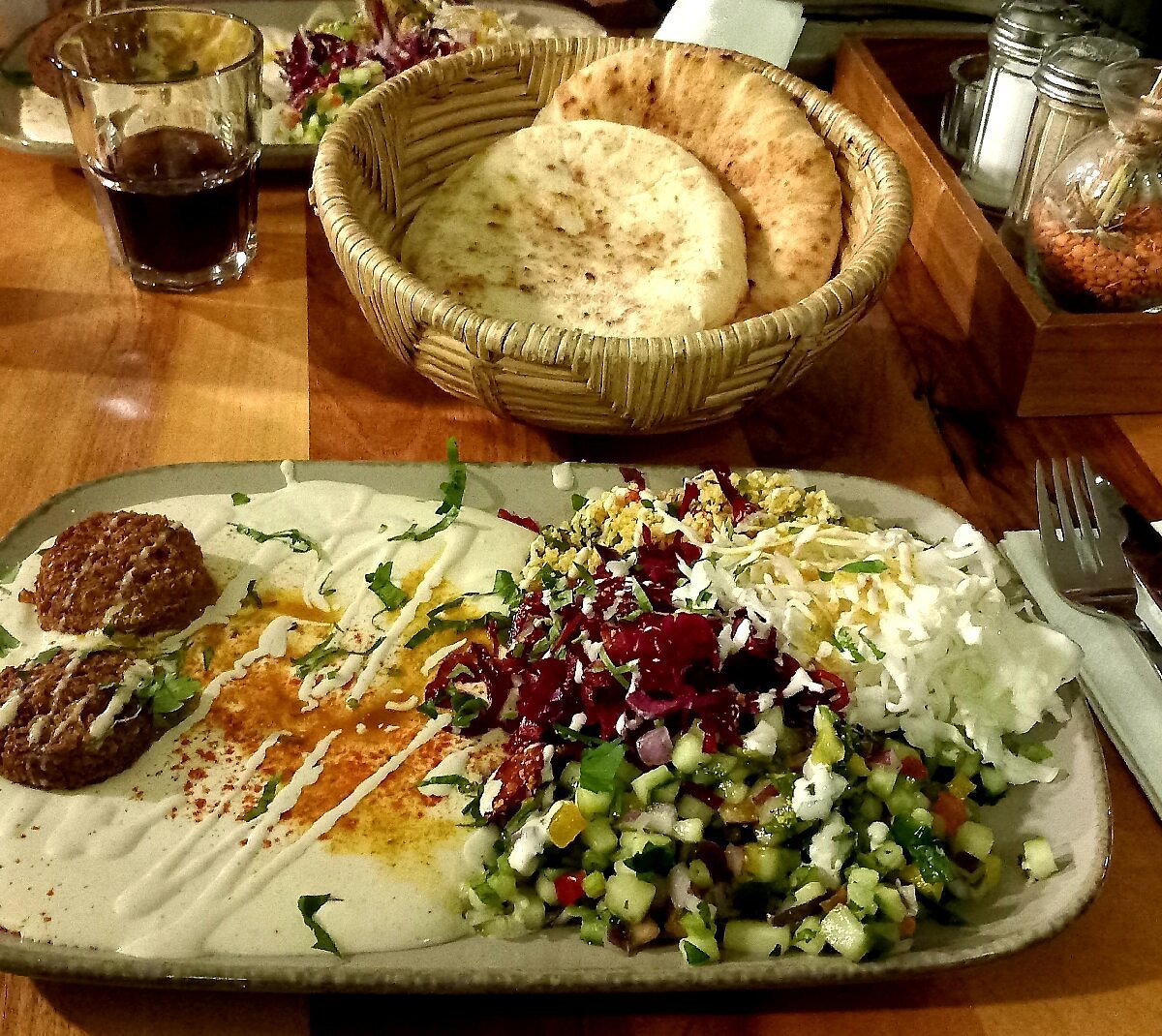
Sachsenhausen's Chickpea Counter
Textorstraße cuts through the southern bank of Frankfurt in a way that rewards slow walking. The street sits inside Sachsenhausen, a neighbourhood whose dining identity has shifted noticeably over the past decade, moving from apple-wine taverns and tourist-facing schnitzel houses toward a denser mix of independent operators with narrower, more confident menus. Hummus Küch' is a restaurant at Textorstraße 38 in Frankfurt am Main, serving vegan Israeli hummus kitchen fare at an accessible price point. It belongs to this newer cohort: a kitchen that has staked its reputation on a single ingredient category and has chosen depth over breadth as its competitive position.
That kind of restraint is increasingly legible to Frankfurt diners who have watched the city's casual segment evolve. Where the default Frankfurt meal once defaulted to Hessian tradition or broad Mediterranean menus, addresses like Hummus Küch' reflect a pattern visible across German cities: small operators with a specific culinary thesis, often drawing on Middle Eastern or Eastern Mediterranean sourcing traditions, building loyal audiences on the basis of ingredient quality and format discipline rather than scale or spectacle. For comparison, consider how ALEJANDRO'S or Ariston each carve distinct identities in Frankfurt's mid-market through focus rather than breadth.
Where the Chickpea Becomes the Subject
Hummus is among the more geographically contested dishes in the Eastern Mediterranean. Its variations are regional, political, and personal all at once: the ratio of tahini to chickpea, the temperature at which it is served, whether the chickpeas are skinned before blending, the exact acidity of the lemon, the quality of the olive oil poured over the leading. In the cities where hummus culture is most serious, from Tel Aviv's Abu Hassan to Beirut's neighbourhood foul-and-hummus shops that open at dawn and close by noon, the dish is judged by those details. Frankfurt is not one of those cities yet, which is precisely why a kitchen that takes the ingredient seriously occupies an uncrowded position.
The sourcing logic behind a credible hummus operation is more involved than it appears. Dried chickpeas vary significantly by variety and provenance: Seville-grown garbanzos, Syrian baladi chickpeas, and Turkish nohut each behave differently in texture and flavour after a long soak and slow cook. The tahini question is equally consequential, with Ethiopian and Levantine sesame producing different paste profiles. A kitchen that treats these decisions as meaningful rather than interchangeable is working in a different register from one that sources from a single commercial supplier and focuses effort on presentation alone.
Frankfurt's Casual Dining Tier and Where This Fits
Frankfurt's restaurant scene is often discussed through its fine-dining layer, a reasonable approach given the city's density of high-end addresses. Germany more broadly produces serious ambitious restaurants: Aqua in Wolfsburg, Schwarzwaldstube in Baiersbronn, and Vendôme in Bergisch Gladbach represent the upper tier, while CODA Dessert Dining in Berlin and ES:SENZ in Grassau demonstrate how format innovation has reached deeper into the country's dining culture. But fine dining is not where most Frankfurt meals happen, and the casual and mid-market tier is where the city's actual dining character is most visible.
Within Frankfurt's casual segment, addresses like Ambassel and atm by Deli&Grape; illustrate the range of registers available, from wine-forward neighbourhood rooms to focused deli formats. Hummus Küch' operates closer to the latter model: a kitchen with a clear product thesis, a Sachsenhausen address that attracts a neighbourhood rather than destination audience, and a price point that places it firmly in the accessible tier. Allgaiers Restaurant represents the more formal end of Frankfurt's mid-market, a useful contrast for understanding just how casual and food-first the Textorstraße operation positions itself.
The broader Frankfurt dining map, which you can explore in our full Frankfurt restaurants guide, shows a city that has diversified faster than its international reputation suggests. The financial-district identity and the traditional apple-wine culture both remain, but they share space with an expanding layer of independent operators making specific, considered choices about what they cook and how they source it.
What the Ingredient-First Approach Means in Practice
Kitchens that build around a single ingredient category face a particular credibility test: the dish itself becomes the standard of comparison, and there is no complexity of technique or breadth of menu to obscure a weak raw material. This is quite different from the position of a technically elaborate tasting-menu restaurant, where the architecture of the meal can compensate for individual components. At an address like Hummus Küch', the chickpea and the tahini are the argument, and they either make it or they do not.
This is the same logic that makes certain specialist restaurants in other cities compelling in ways that broader menus cannot replicate. The counter-service hummus shops of Jaffa or the foul spots of Cairo's working-class neighbourhoods earn loyalty not through ambition or variety but through consistency and the honesty of their sourcing. A Frankfurt address attempting that standard is operating against a benchmark set by dailiness and tradition rather than by innovation.
For diners who have eaten seriously in Israel, Lebanon, or Palestine, that benchmark is present and demanding. For Frankfurt's majority dining audience, the restaurant offers access to a food tradition that is rarely treated with this level of seriousness in German cities, and that relative scarcity gives the format a significance that a second Italian trattoria or a third modern Asian concept would not carry.
Getting There and Planning Your Visit
Textorstraße 38 sits in central Sachsenhausen, on the south side of the Main river, a direct walk from the Schweizer Platz U-Bahn station or a short crossing from the Altstadt over the Eiserner Steg footbridge. The neighbourhood is compact and walkable, and the street itself carries enough independent food and drink options to make an evening in the area viable without a fixed plan. Given the casual format and focused menu, this is an address that rewards a visit on the way to somewhere rather than as a standalone destination event. For those building a Frankfurt itinerary across registers, pairing a stop here with a more formal dinner elsewhere in the city creates a useful contrast. Frankfurt's own mid-market and fine-dining options are substantial, and our full Frankfurt restaurants guide covers the full range.
Where the Accolades Land
Comparable venues nearby, for context on price, style, and recognition.
| Venue | Cuisine | Price | Notes |
|---|---|---|---|
| Hummus Küch'This venue — the venue you are viewing | Vegan Israeli Hummus Kitchen | $$ | Not listed |
| Kish Restaurant | Persian & Iranian Cuisine | $$ | Messegelande |
| Gilgamesch | Persian Middle Eastern | $$ | Palmengarten |
| Babam | Traditional Persian | $$ | Roemerberg |
| Shalom Makkabi | Kosher Israeli-Mediterranean Grill | $$ | Palmengarten |
| Zarathustra | Persian | $$ | Palmengarten |
Continue exploring
More in Frankfurt
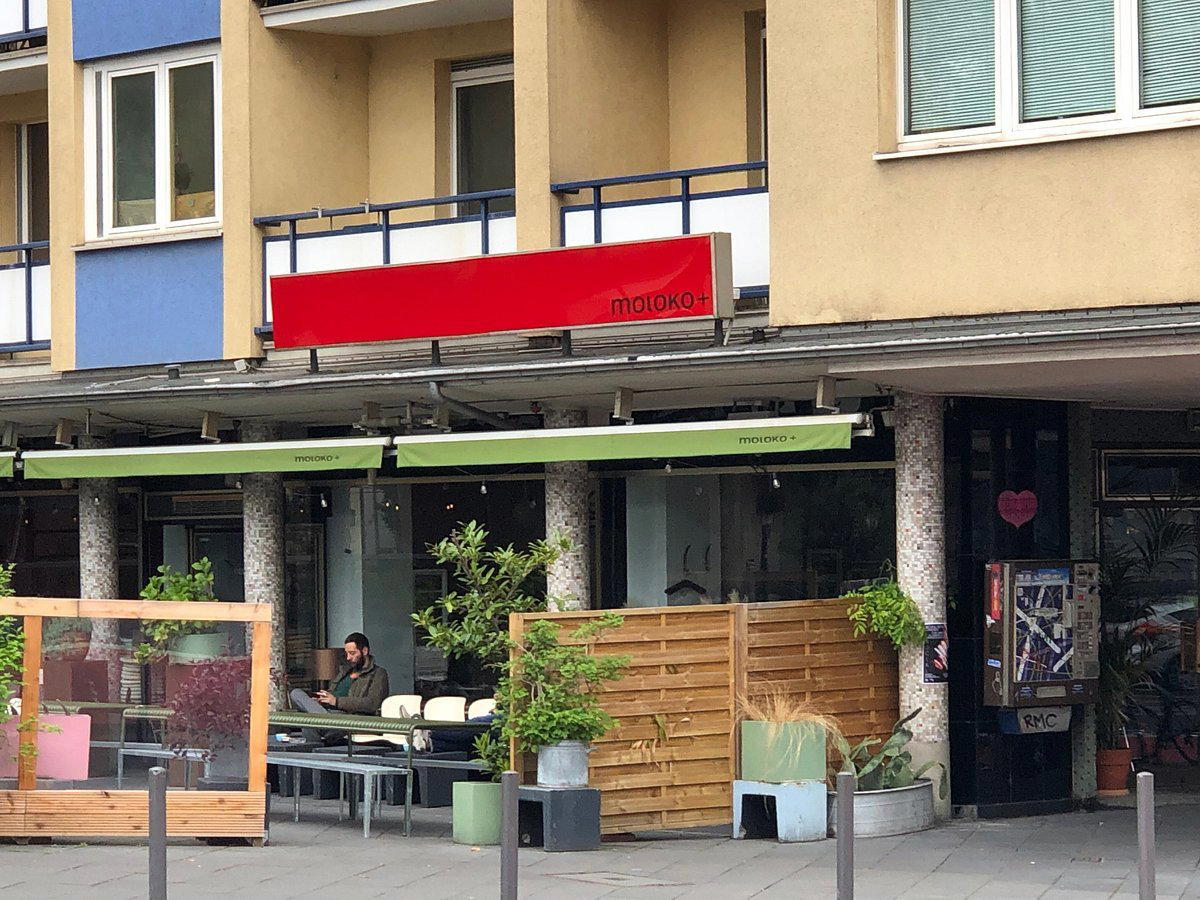
Restaurants in Frankfurt
Browse all →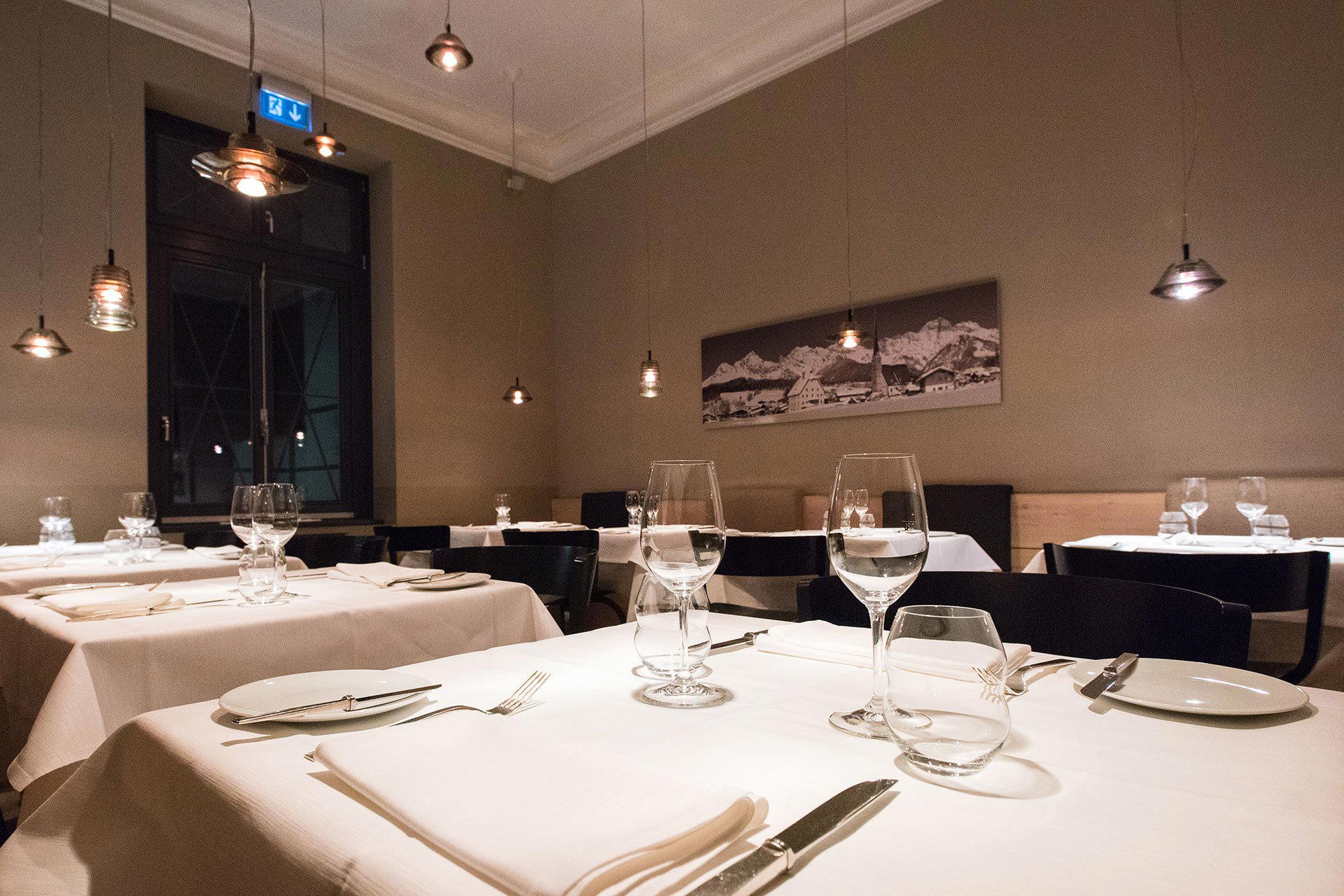
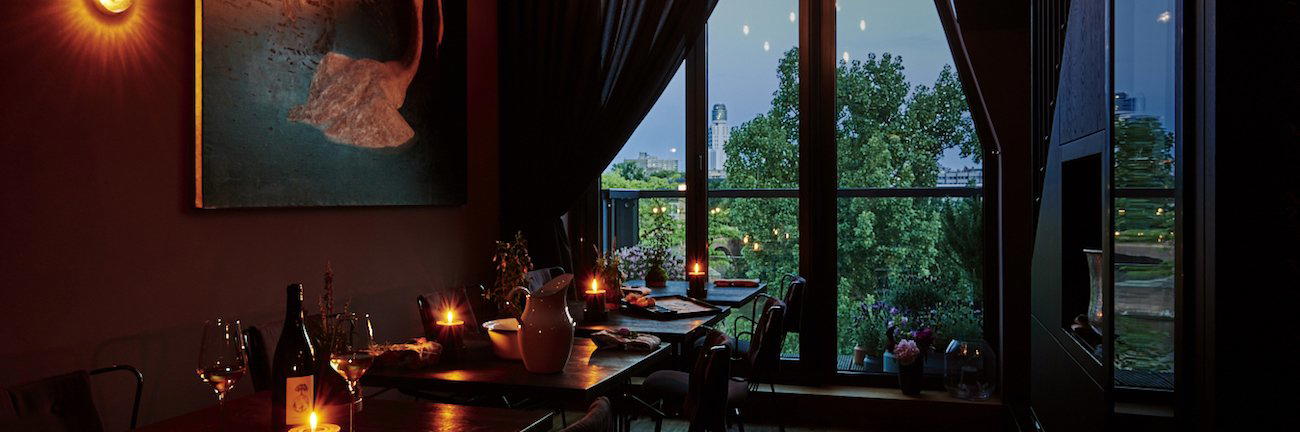
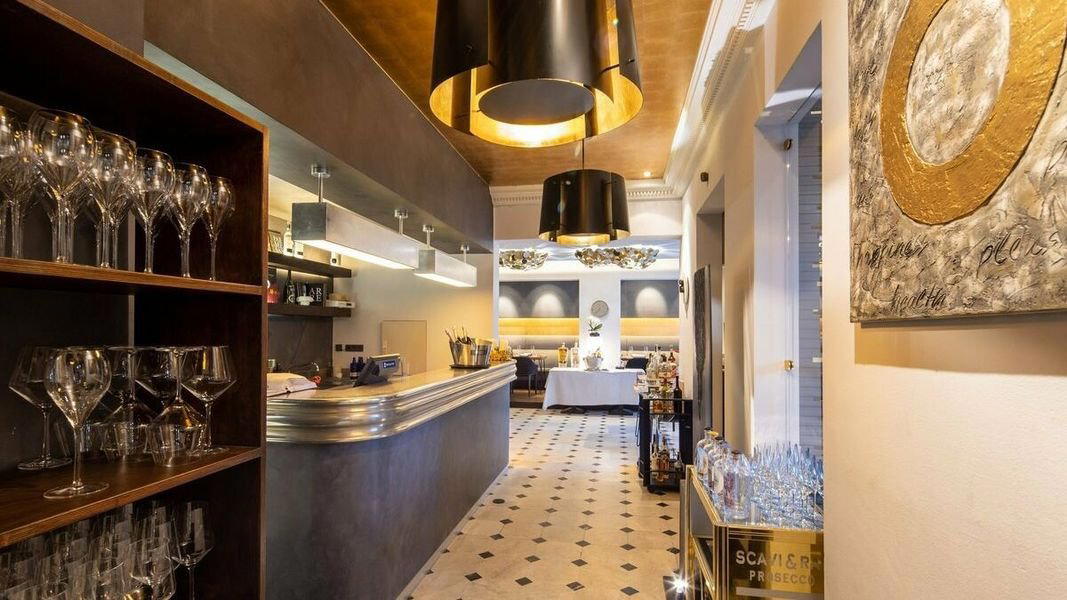
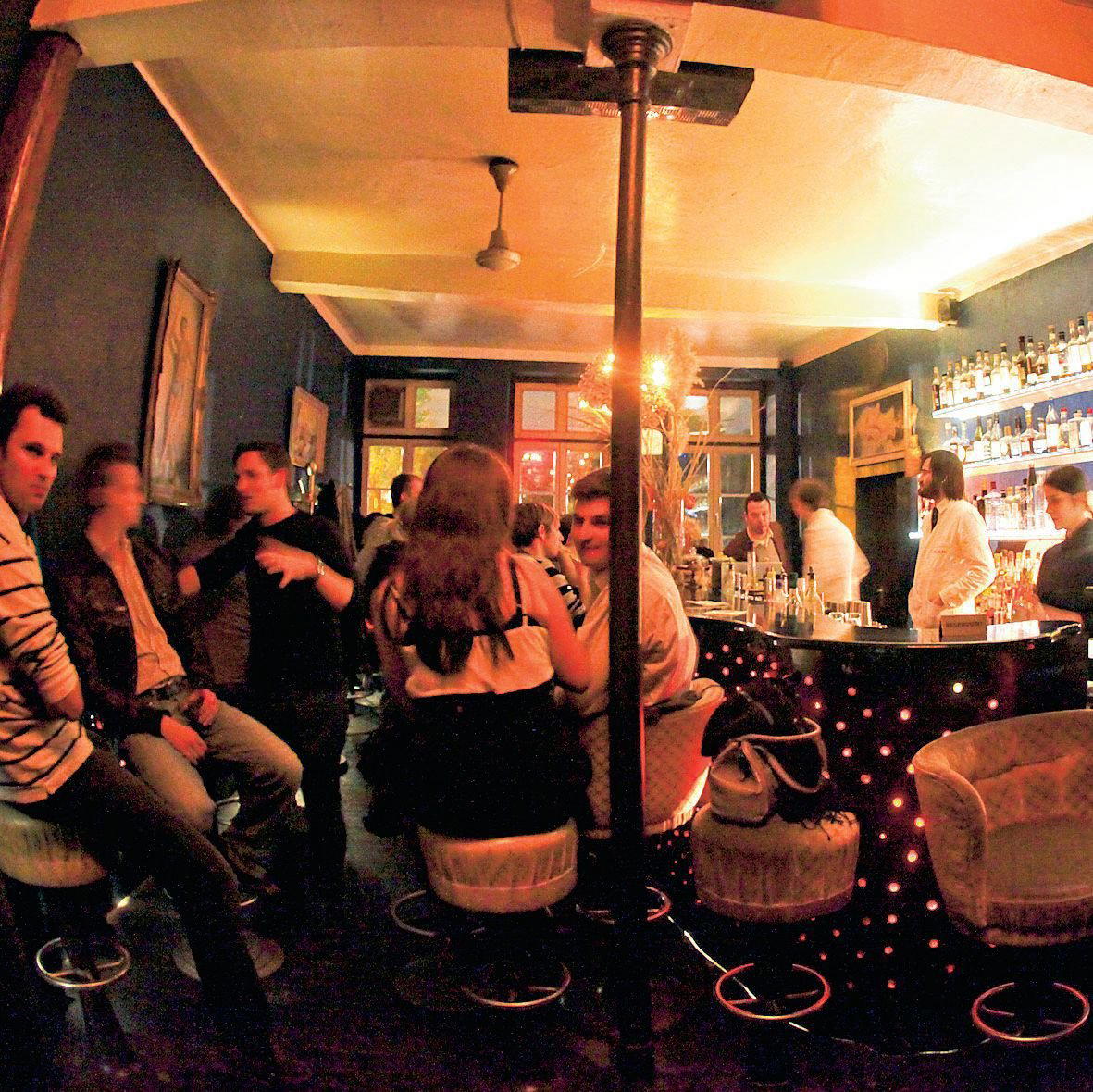
Bars in Frankfurt
Browse all →

Hotels in Frankfurt
Browse all →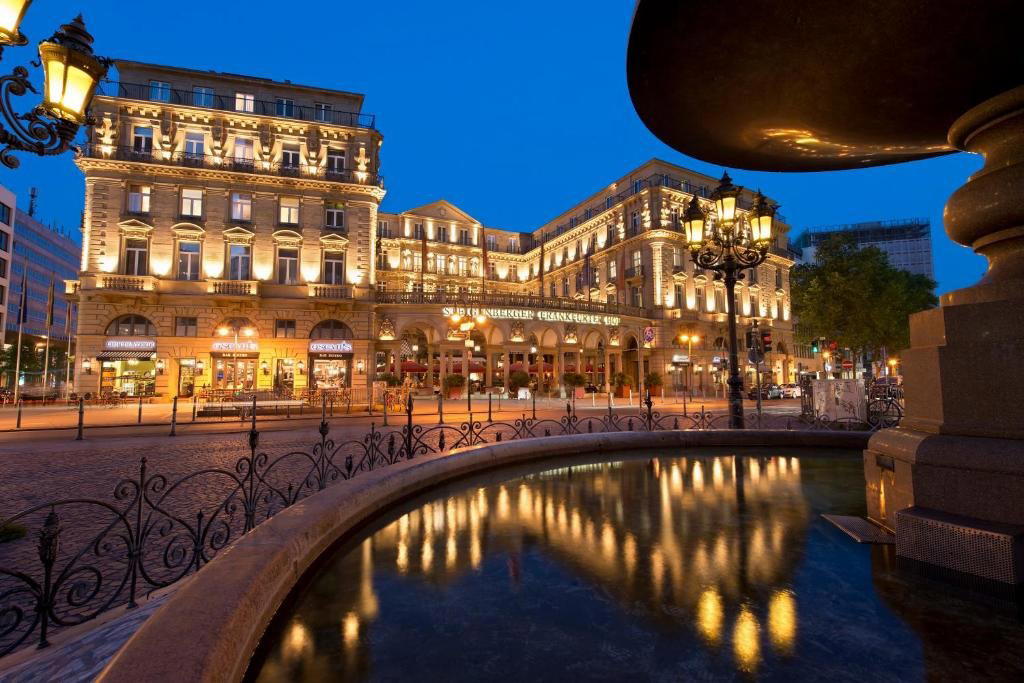

At a Glance
- Cozy
- Casual Hangout
- Group Dining
- Open Kitchen
Current opening hours
- Monday
- 11:30 AM–10 PM
- Tuesday
- 11:30 AM–10 PM
- Wednesday
- 11:30 AM–10 PM
- Thursday
- 11:30 AM–10 PM
- Friday
- 11:30 AM–10 PM
- Saturday
- 11:30 AM–10 PM
- Sunday
- 1–8 PM
Hours can change for holidays and private events. Last verified .
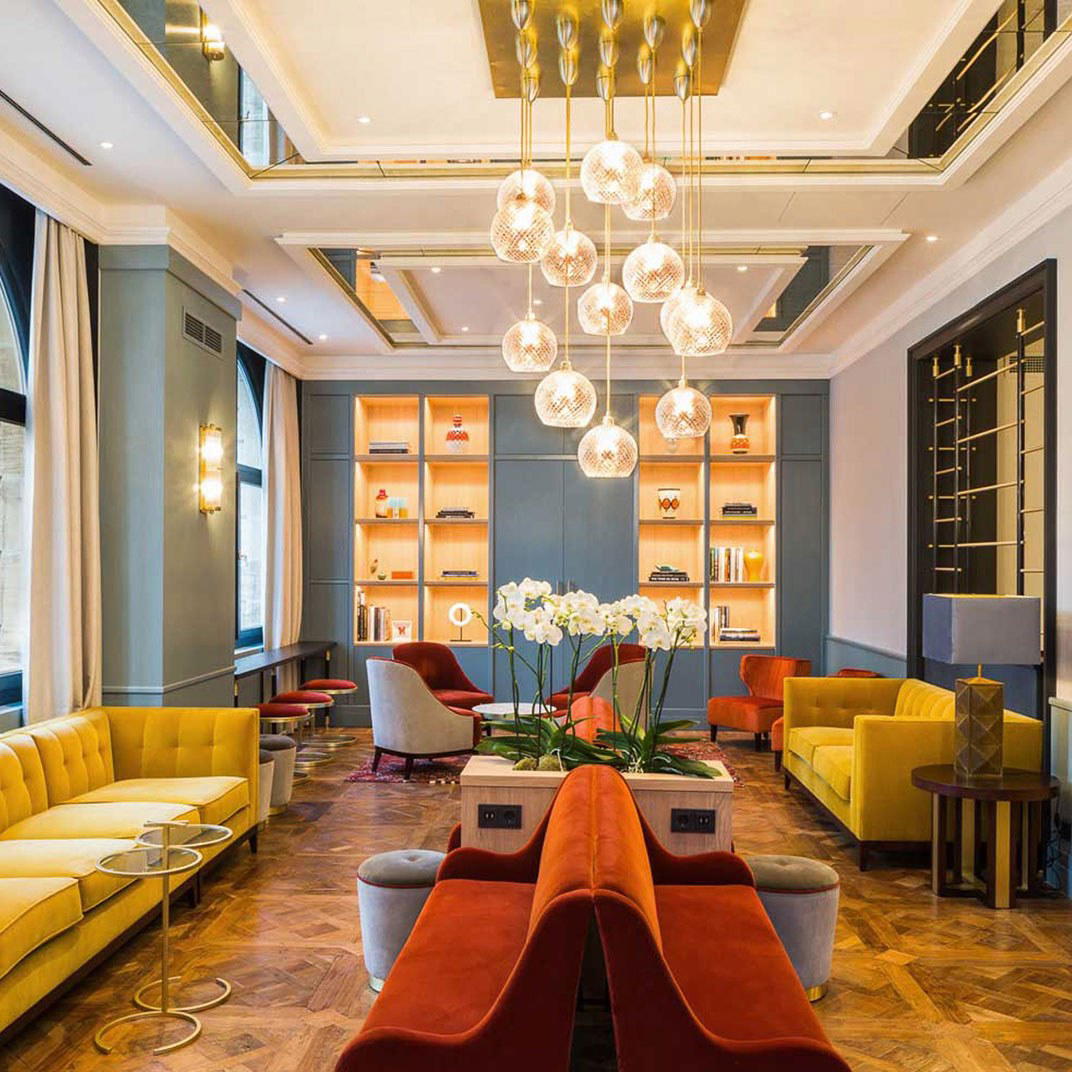
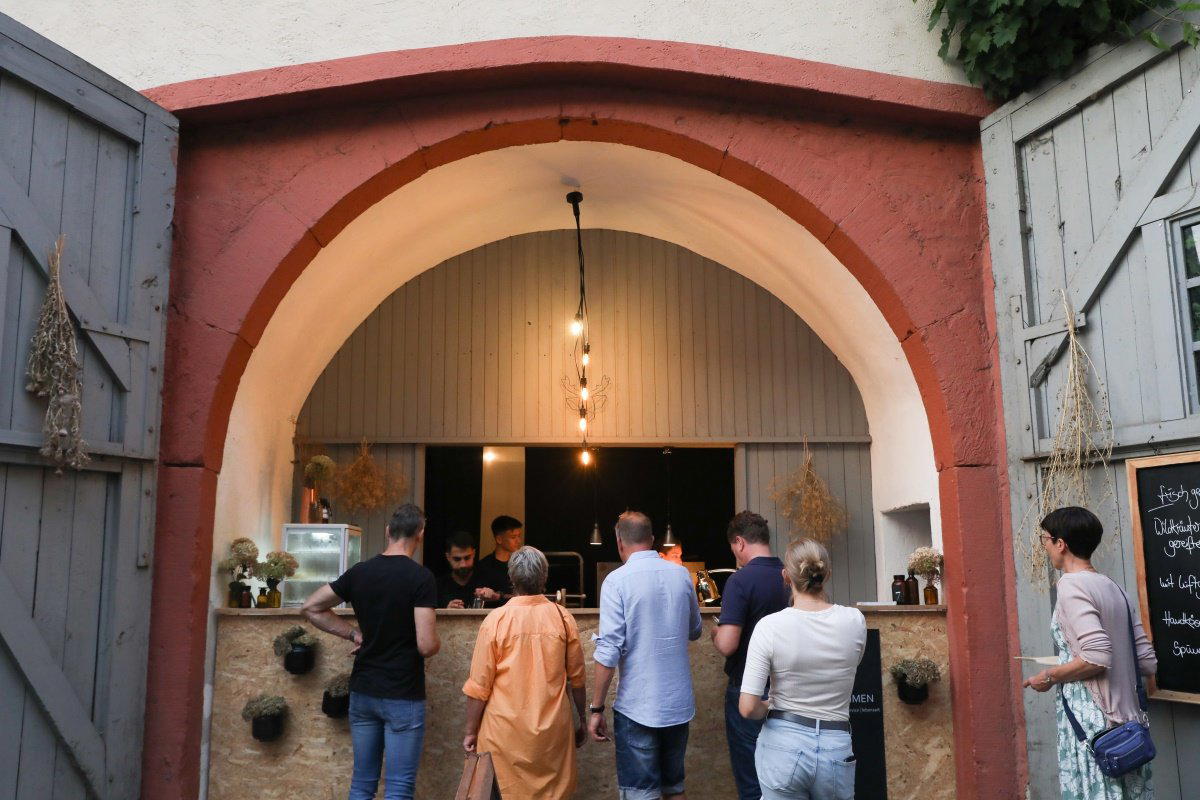
Cozy and homey atmosphere with high ceilings, spacious seating, and a welcoming vibe as described in guest reviews.