Tahdig brings Persian home cooking to Thierschstraße 35 in Munich's Lehel district, where the dish that names it, the prized crispy rice crust central to Iranian culinary tradition, signals the kitchen's priorities from the start. The restaurant sits at a mid-range price point within a city whose fine-dining conversation skews heavily French and German, making it a distinct address for those looking beyond the Michelin-approved consensus.
Pearl is the En Primeur Club membership app — saves, bookings, and concierge access live there. Same editors, same standards.
- Address
- Thierschstraße 35, 80538 München, Germany
- Phone
- +498924293180
- Website
- tahdig.de
- Directions
- Get directions
 Saves & bookings on Pearl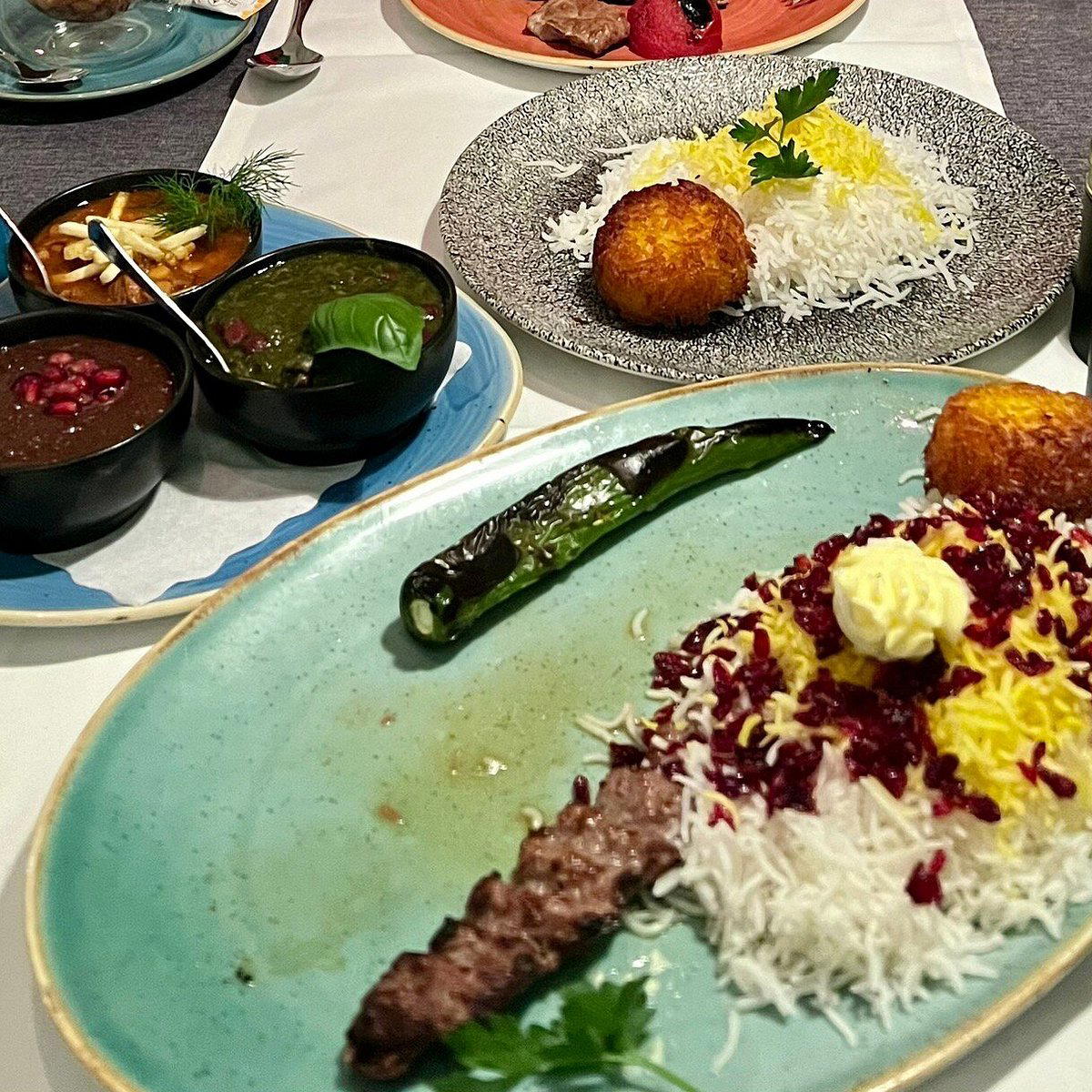
Where Lehel Meets the Caspian: Persian Cooking in Munich's Quieter Quarter
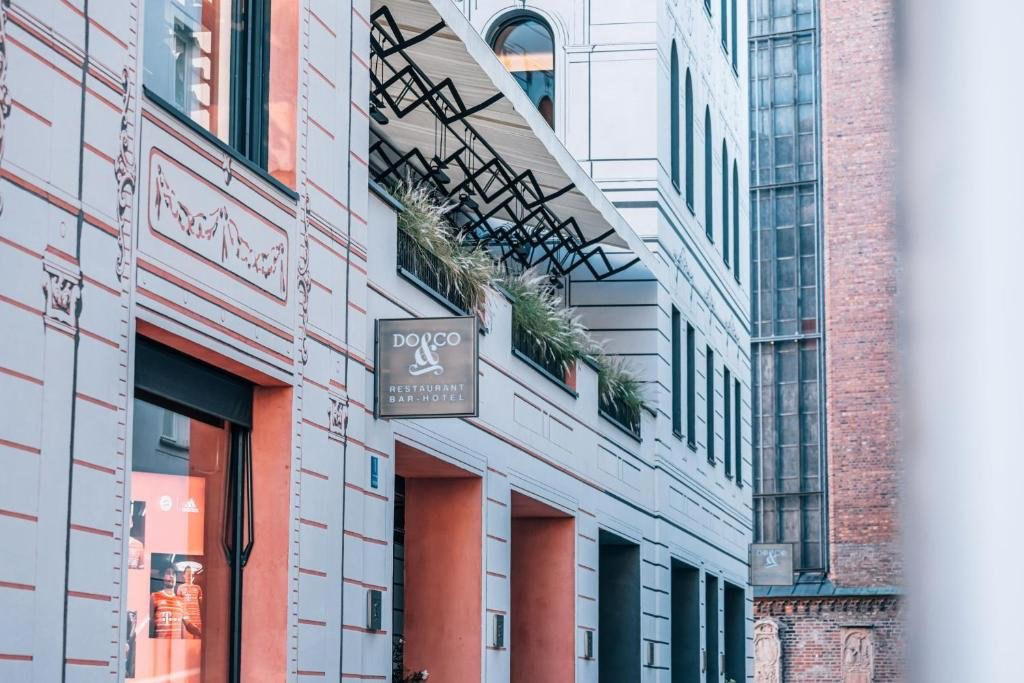
Thierschstraße runs through Lehel, one of Munich's more composed residential neighbourhoods, a short distance from the Isar and well east of the tourist circuits around Marienplatz. The street-level approach to number 35 gives little away, which is characteristic of the area: Lehel doesn't perform for visitors the way Schwabing or the Altstadt do. That restraint suits a kitchen built around Persian home cooking, a tradition that rewards patience and punishes theatrics. Iranian cuisine, at its leading, is about depth achieved through long preparation, saffron bloomed carefully, herbs balanced against dried fruit, rice tended with specific attention to the crust that forms at the bottom of the pot. That crust, tahdig, is the restaurant's namesake and its clearest editorial statement about what the kitchen values.
The Name Is the Argument
In Iranian households, tahdig is especially contested portion among the pot, the crispy, golden base layer of rice that forms during slow cooking and is considered the prize of the meal. Naming a restaurant after it is a deliberate signal: this is cooking that takes the unglamorous, labour-intensive detail as its point of pride rather than its finishing flourish. Munich's dining scene, dominated at its upper end by addresses like Tantris, Atelier, and Alois - Dallmayr Fine Dining, has a strong bias toward French and contemporary European technique. Persian cooking operates from a completely different vocabulary, one built on khoresh (braised stews), herb-heavy rice dishes, and a spice logic that draws on the overlap between the Arab world, Central Asia, and the Caucasus. Tahdig fills a gap that, in a city of Munich's size and international population, it is surprising took this long to be addressed seriously.
Lunch vs. Dinner: Two Different Registers
The gap between lunchtime and evening service at a Persian restaurant of this type tends to be wider than at comparable European kitchens, and that divide is worth understanding before you book. Daytime service in restaurants rooted in home-cooking traditions typically runs lighter: rice dishes, single stews, the kind of food that suits a working lunch or an unhurried midday meal without the expectation of a long table. The pace is faster, the menu more compact, and the value proposition sharpest, Persian cuisine's cost structure, anchored in dried legumes, herbs, and slow-cooked proteins rather than premium cuts or luxury ingredients, tends to make lunch an efficient entry point for first-time visitors.
Evening service shifts the register. Dinner at a restaurant built around this tradition tends to expand into fuller spreads: multiple small dishes in the meze style that opens an Iranian meal, the slower-cooked proteins that need the full day's preparation, and desserts built from rosewater, cardamom, and saffron that require time to set or steep. If you're visiting for the first time and want to understand the kitchen's range, dinner is the more complete argument. If you're returning, or if the goal is something closer to everyday Persian eating, lunch makes a strong case. Munich's broader dining culture, where lunch menus at even high-end places like JAN or Tohru in der Schreiberei represent genuine value compared to dinner, reinforces this pattern.
Persian Cooking in a German City: The Wider Context
Germany has a substantial Iranian diaspora, concentrated in cities like Frankfurt, Hamburg, and Munich. That population has sustained a range of Persian restaurants across the country for decades, but the category has historically occupied an informal, mid-market position, family-run rooms with long menus, generous portions, and prices well below the city's European restaurant tier. What's shifted in recent years is a generation of restaurants taking more editorial control: shorter menus, more attention to sourcing, and a willingness to present Iranian cooking as a serious subject rather than affordable ethnic catering. That shift mirrors patterns visible in other traditions, think of how Turkish cooking in Berlin, or Korean cooking in cities like New York (where Atomix now occupies stronger examples from the fine-dining conversation), has moved from informal to critically engaged. Tahdig sits somewhere in that transition in Munich: serious about the food without pitching itself at the price tier of CODA Dessert Dining in Berlin or the destination restaurants of Aqua in Wolfsburg.
Germany's broader fine-dining circuit, which includes three-star addresses like Vendôme in Bergisch Gladbach, Victor's Fine Dining by Christian Bau, and Waldhotel Sonnora in Dreis, operates in a completely different register. Tahdig isn't competing with those rooms, or with the French-accented formality of Schwarzwaldstube in Baiersbronn or the Moselle-side precision of Schanz in Piesport. Its competitive set is closer to Munich's mid-range international restaurants, and within that set it offers a cuisine that most of the city's other options don't touch. For the full picture of where Munich's dining sits across price tiers and cuisine types, the EP Club Munich restaurants guide maps the category clearly.
What to Know Before You Go
Persian cuisine is structurally generous: meals tend to arrive with bread and accompaniments before the main dishes, portions run large by European standards, and the expectation is a table that stays longer rather than turns quickly. That rhythm suits dinner more than a rushed lunch, but both services reward the unhurried approach. First-time visitors to Iranian cooking should be aware that the cuisine's flavour profile is aromatic rather than spiced in the way South Asian cooking is, saffron, dried limes, fenugreek, and barberries provide complexity without heat, and the herb mixes (sabzi) that appear in dishes like ghormeh sabzi are intensely green and fresh-tasting rather than cooked down. It is a cuisine that takes getting used to for palates trained on European baselines, but the learning curve is short and rarely punishing. Addresses like Restaurant Haerlin in Hamburg, Bagatelle in Trier, or ES:SENZ in Grassau serve a different tradition entirely, but they represent the breadth of serious eating available in Germany for those building a wider itinerary.
Reservations are recommended. Dress: Casual. Budget: About $25 per person. Location: Thierschstraße 35, 80538 München, Lehel district,
Accolades, Compared
Comparable venues nearby, for context on price, style, and recognition.
| Venue | Cuisine | Price | Notes |
|---|---|---|---|
| TahdigThis venue — the venue you are viewing | Authentic Persian | $$ | Not listed |
| Restaurant Ksara | Traditional Lebanese | $$ | Schwabing |
| Schmock | Israeli-Arabic Mezze | $$ | Theresienwiese |
| Eclipse | Israeli Grill & Mediterranean | $$ | Schwabing |
| Shandiz | Persian Grill | $$ | Neuhausen |
| Libanon | Lebanese Imbiss | $ | Schwabing |
At a Glance
- Cozy
- Modern
- Intimate
- Date Night
- Family
- Group Dining
- Casual Hangout
- Courtyard
- Beer Program
Current opening hours
- Monday
- 5:30–11 PM
- Tuesday
- 5:30–11 PM
- Wednesday
- 5:30–11 PM
- Thursday
- 5:30–11 PM
- Friday
- 5:30–11 PM
- Saturday
- 12–11 PM
- Sunday
- 12–11 PM
Hours can change for holidays and private events. Last verified .
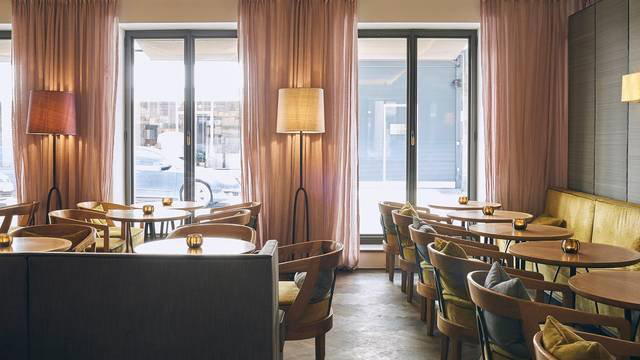
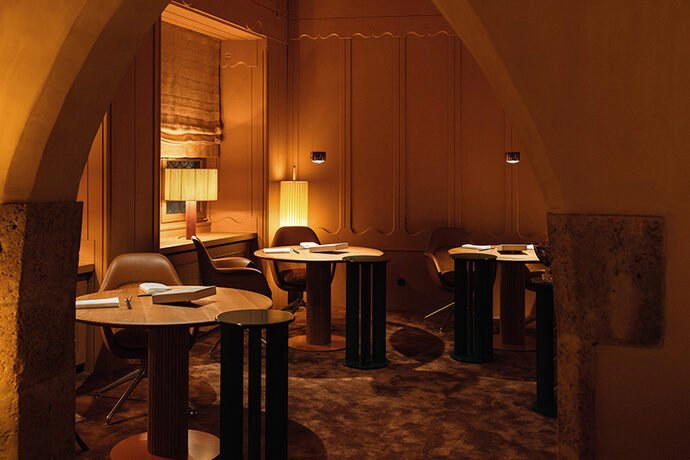
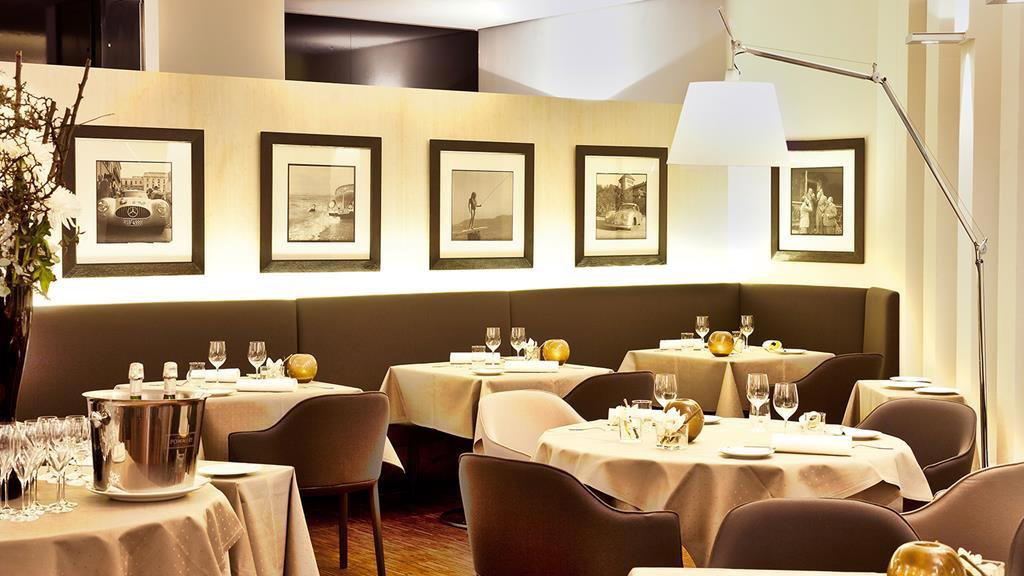
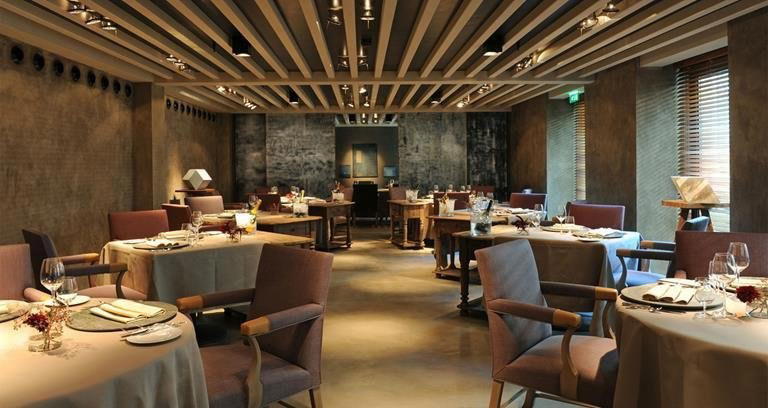
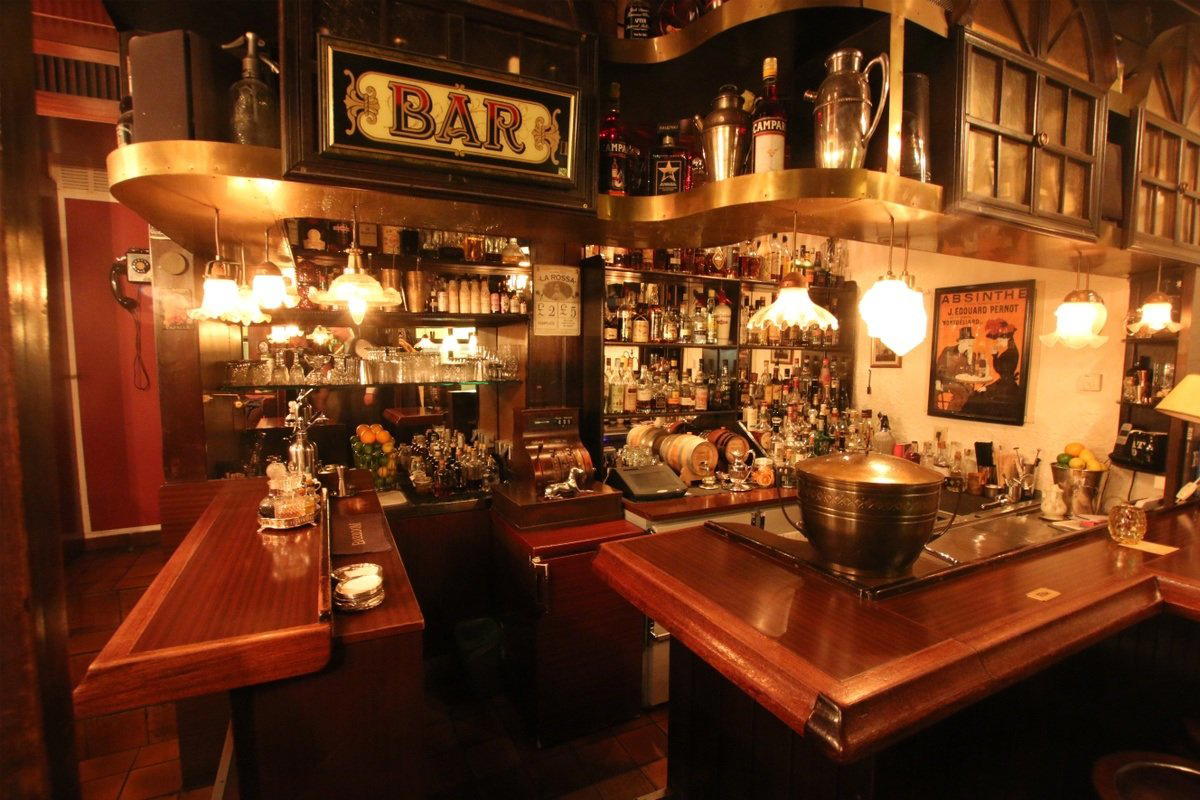
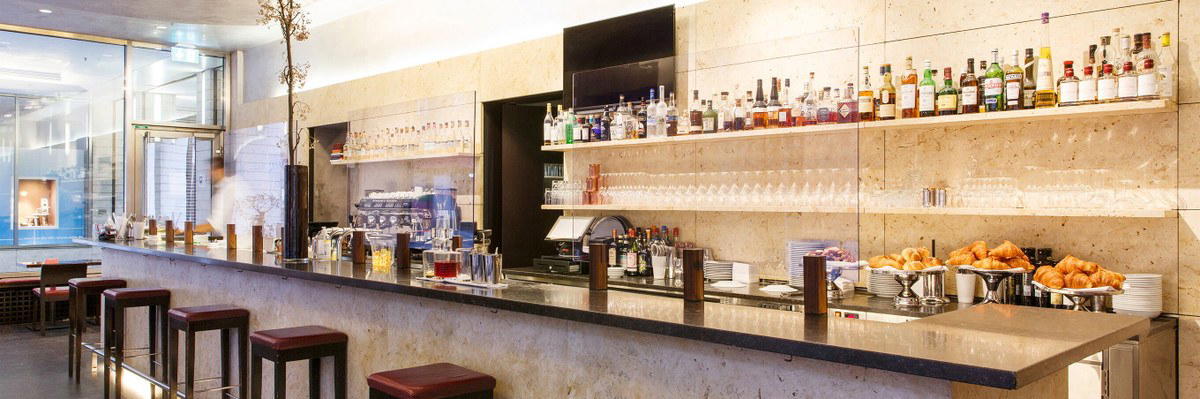
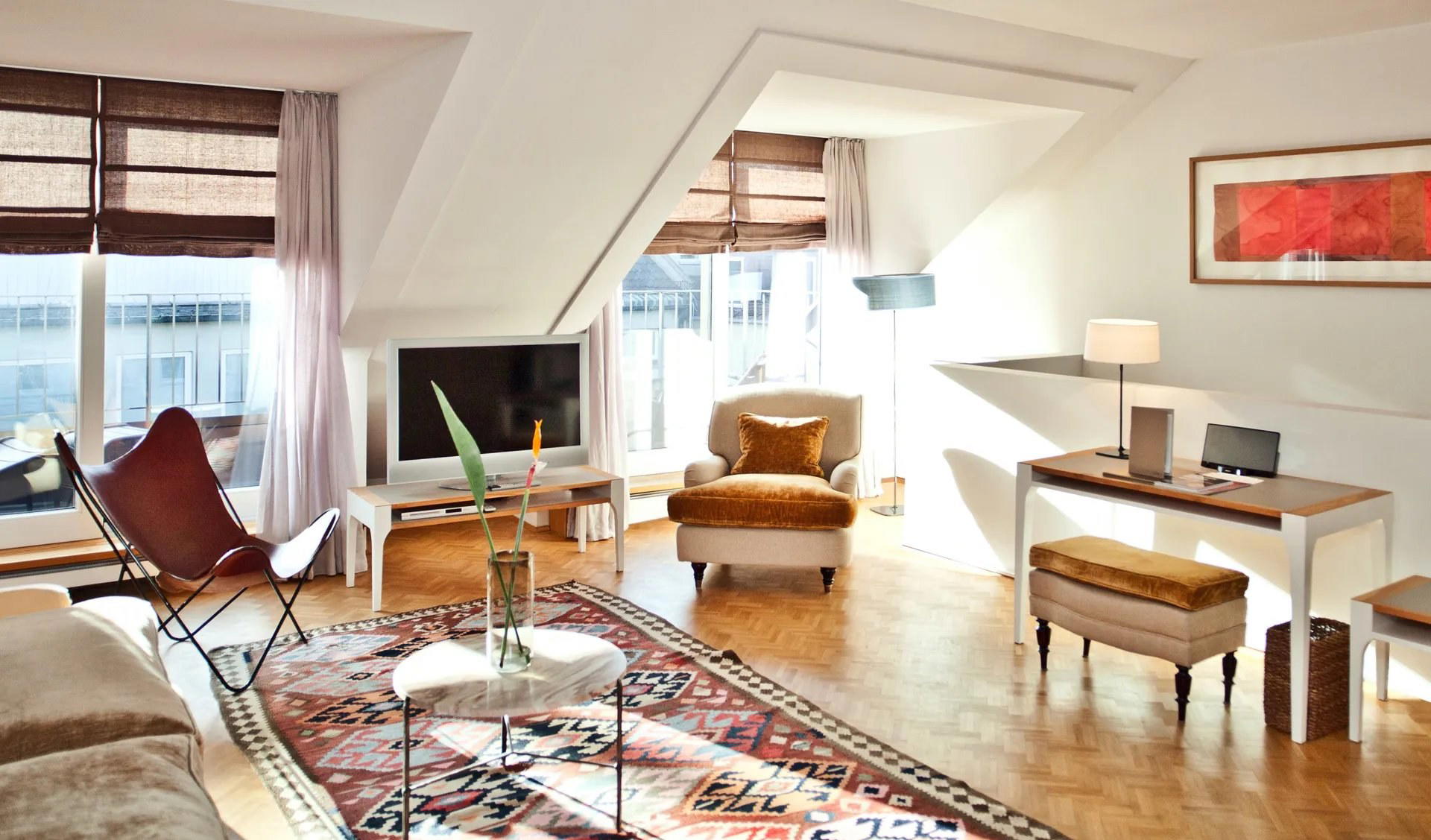
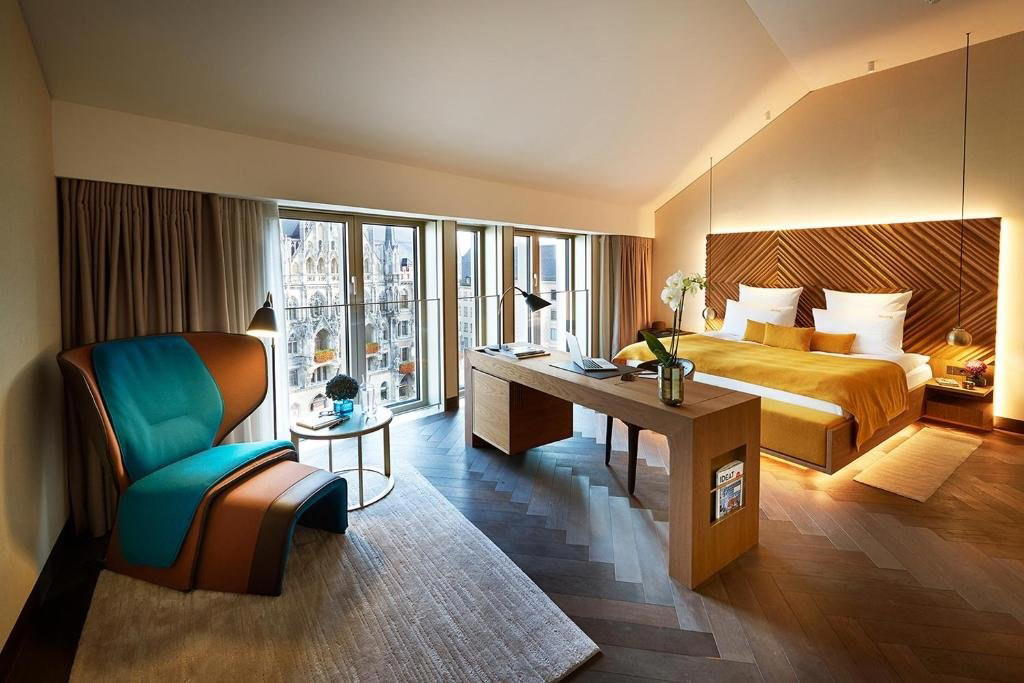
Historical/traditional oriental decor blended with modern furnishings, airy rooms with wide table spacing, subtle oriental background music, and cozy courtyard seating in summer.