Schmock sits on Tumblingerstraße in Munich's Isarvorstadt district, a neighbourhood where traditional Bavarian dining and younger, more experimental restaurants share the same streets. The address places it within a distinct tier of the city's mid-market dining scene, where the ritual of the meal matters as much as what arrives on the plate.
Pearl is the En Primeur Club membership app — saves, bookings, and concierge access live there. Same editors, same standards.
- Address
- Tumblingerstraße 29, 80337 München, Germany
- Phone
- +4915259606983
- Website
- schmock-muenchen.com
- Directions
- Get directions
 Saves & bookings on Pearl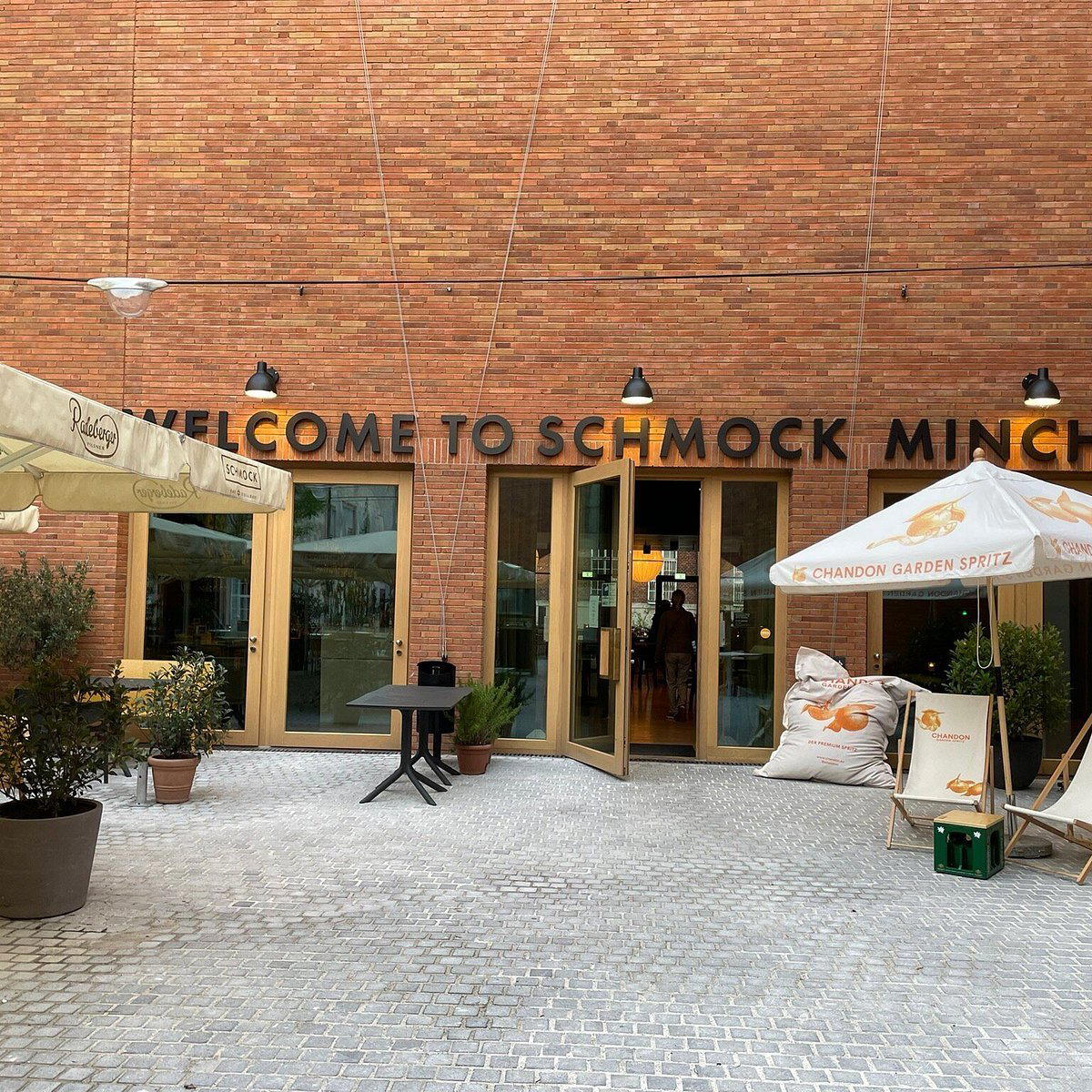
Where Isarvorstadt Sets the Rhythm
Tumblingerstraße runs through one of Munich's more lived-in quarters, a stretch of Isarvorstadt where the pace of the neighbourhood is set by residents rather than tourists. The streets here carry a low-key confidence: bakeries open early, wine bars stay open late, and the restaurants in between tend to earn their loyalty through consistency rather than spectacle. Schmock, at number 29, fits into that pattern. The address is not in the Altstadt, not in the hotel-corridor blocks around the Maximilianstraße scene where Atelier and Tantris operate, and not in the fine-dining tier occupied by Alois - Dallmayr Fine Dining. What the location signals, before you step inside, is that the meal here is going to be shaped by a different set of priorities.
Isarvorstadt has been Munich's creative-residential mixed zone for long enough that its dining culture has developed a character independent of the city's Michelin-tracked upper tier. The neighbourhood draws a mix of younger locals, working professionals, and the kind of visitors who already know that particularly telling meals in a city are rarely found in its most publicised postcodes. Schmock occupies that middle register, and the address at Tumblingerstraße 29 is specific enough to reward those who plan around it.
The Ritual of the Meal in Munich's Mid-Market
In any city with a serious dining culture, the way a meal unfolds varies considerably across price tiers. At the summit of Munich's restaurant hierarchy, tasting menus from Tohru in der Schreiberei or the creative ambition of JAN impose a structure on the evening: the pacing is set by the kitchen, the progression is fixed, and the diner's role is largely receptive. That format has its merits, but it represents only one mode of dining. The mid-market register that Schmock occupies operates differently. Here, the ritual is more negotiated. Guests tend to arrive with an intention to linger, and the rhythm of the meal is shaped by conversation and appetite in roughly equal measure.
This distinction matters more in Munich than in some other German cities, because the local culture around eating out carries a particular weight. Bavaria's own dining traditions, where table-sharing, long evenings, and unfussy but serious food are defaults rather than affectations, have shaped the expectations that mid-market Munich restaurants work against or alongside. A venue on Tumblingerstraße is not operating in a vacuum: it is positioned in relation to those embedded customs, and the way a meal unfolds there reflects that context.
Across Germany's broader fine-dining scene, there is a clear pattern of formality scaling with price tier. Venues like Aqua in Wolfsburg, Schwarzwaldstube in Baiersbronn, and Vendôme in Bergisch Gladbach operate with the kind of orchestrated service pacing that demands a full evening and a certain deference from the diner. Further down the price register, that formality dissolves, and what replaces it in the better venues is not informality for its own sake but a different kind of attentiveness: one that reads the table rather than executing a programme. That is the register where Schmock sits.
What the Address Implies About the Food
What the Isarvorstadt address and the broader Munich mid-market context do suggest is that the food is likely to operate in the zone between Bavarian tradition and the kind of contemporary central European cooking that has become a reference point across Germany's younger dining scene. Munich's neighbourhood restaurants at this tier tend to draw on local sourcing conventions while allowing the kitchen latitude to work outside strictly regional boundaries.
That approach mirrors patterns visible in other German cities. In Berlin, venues like CODA Dessert Dining have demonstrated how far a specific format can travel when executed with conviction. In smaller cities and towns, restaurants like ES:SENZ in Grassau and Schanz in Piesport show the appeal of focused, regionalist cooking at various price points. Munich's mid-market, by contrast, tends to be more pluralist, reflecting a city that receives international visitors but feeds, primarily, its own residents.
International reference points are also worth noting here. The discipline around service pacing and menu coherence that marks venues like Le Bernardin in New York City or the conceptual rigour of Atomix represents one end of a spectrum. Schmock's position at Tumblingerstraße 29 places it at a different coordinate on that spectrum, where the conversation at the table and the pace of the evening carry as much weight as the technical execution of any individual plate.
comparable set and Positioning
Munich's restaurant scene has a sharper upper tier than many European cities of comparable size, with multiple Michelin-recognised venues spread across the city's better-known dining districts. Restaurants like Restaurant Haerlin in Hamburg, Bagatelle in Trier, Waldhotel Sonnora in Dreis, and Victor's Fine Dining by christian bau in Perl represent the formal, destination end of German dining. Schmock does not compete in that tier, nor does the Tumblingerstraße address suggest any ambition in that direction.
The relevant comparison set is the neighbourhood restaurants of Munich's inner residential districts: places that have earned local loyalty over time, that tend not to feature prominently in international dining guides, and that serve as the actual day-to-day reference points for residents who eat out regularly. Within that comparable set, a consistent address in Isarvorstadt carries its own form of credibility. The neighbourhood has enough discernment in its resident population that longevity here is not incidental.
Planning Your Visit
Recognition, Side-by-Side
Comparable venues nearby, for context on price, style, and recognition.
| Venue | Cuisine | Price | Notes |
|---|---|---|---|
| SchmockThis venue — the venue you are viewing | Israeli-Arabic Mezze | $$ | Not listed |
| TUTU Kitchen | Levantine Mezze & Fish & Chips Fusion | $$ | Neuhausen |
| Roshan Restaurant | Authentic Afghan | $$ | Milbertshofen |
| Das Maria | Levantine Cafe with Oriental Influences | $$ | Isarvorstadt |
| Shandiz | Persian Grill | $$ | Neuhausen |
| Pivasta | Authentic Afghan | $$ | Isarvorstadt |
At a Glance
- Cozy
- Elegant
- Lively
- Date Night
- Group Dining
- After Work
- Open Kitchen
- Terrace
- Historic Building
- Beer Program
- Street Scene
Current opening hours
- Monday
- 11:30 AM–11:30 PM
- Tuesday
- 11:30 AM–11:30 PM
- Wednesday
- 11:30 AM–11:30 PM
- Thursday
- 11:30 AM–11:30 PM
- Friday
- 11:30 AM–12 AM
- Saturday
- 5 PM–12 AM
- Sunday
- 5–11 PM
Hours can change for holidays and private events. Last verified .
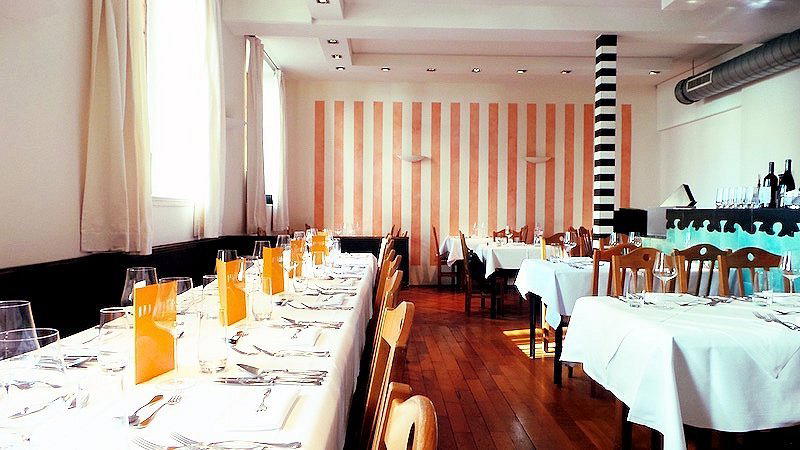
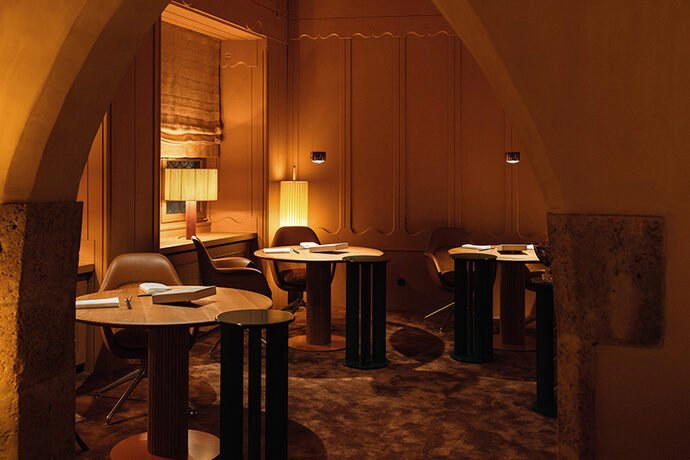
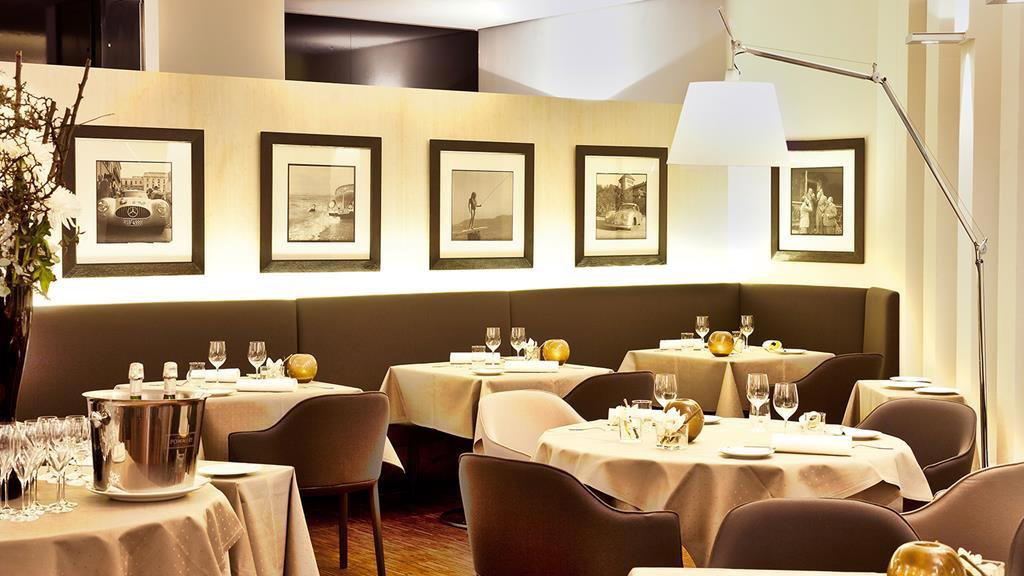
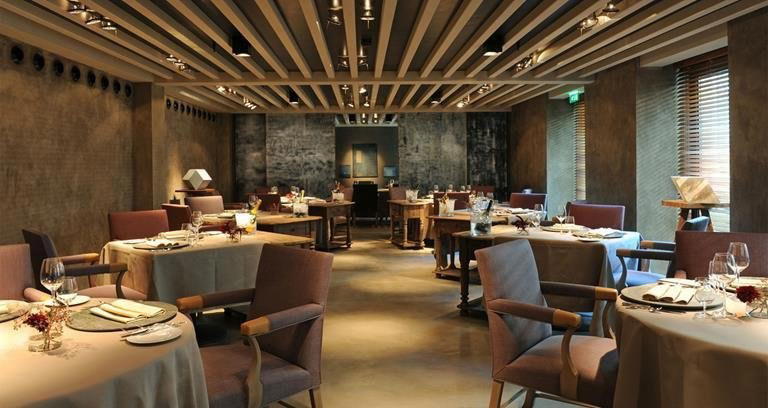
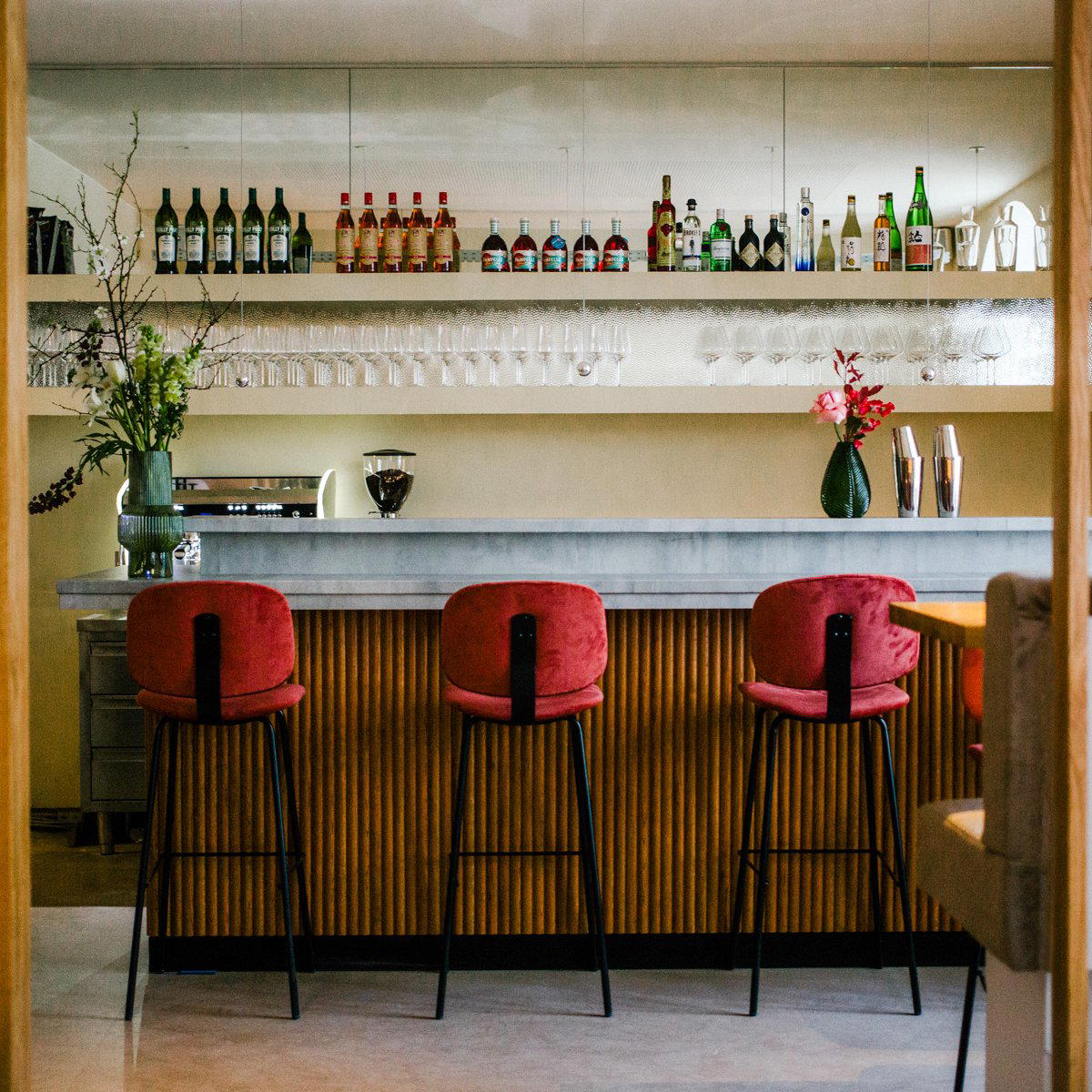
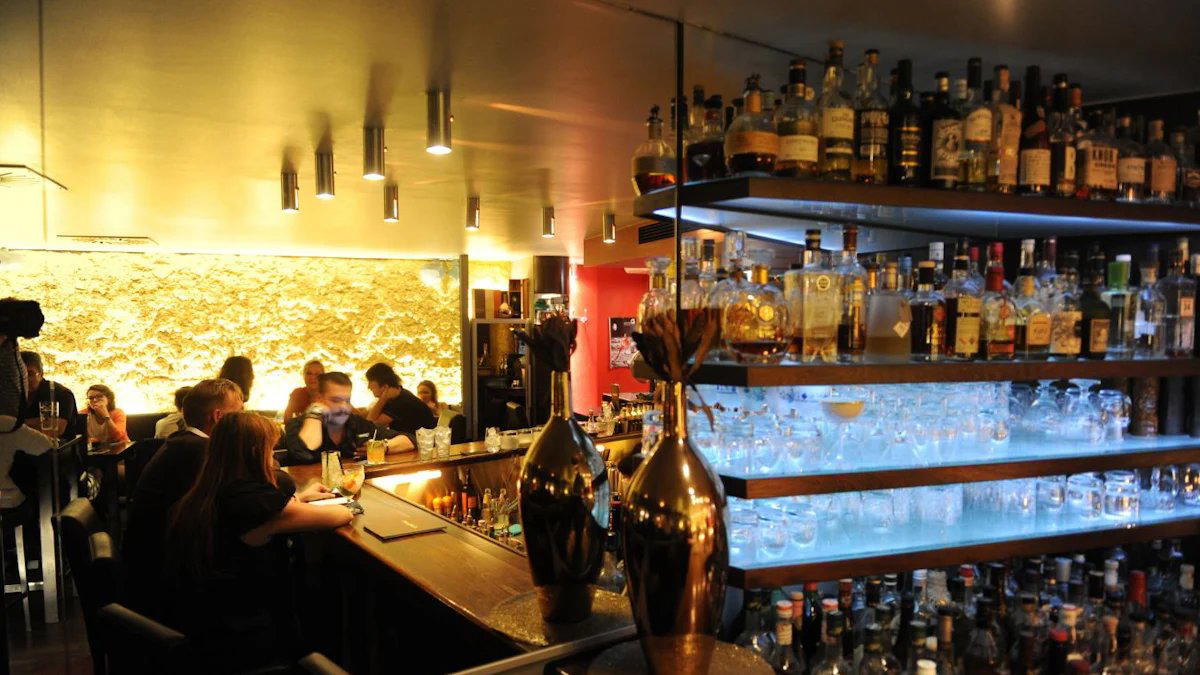
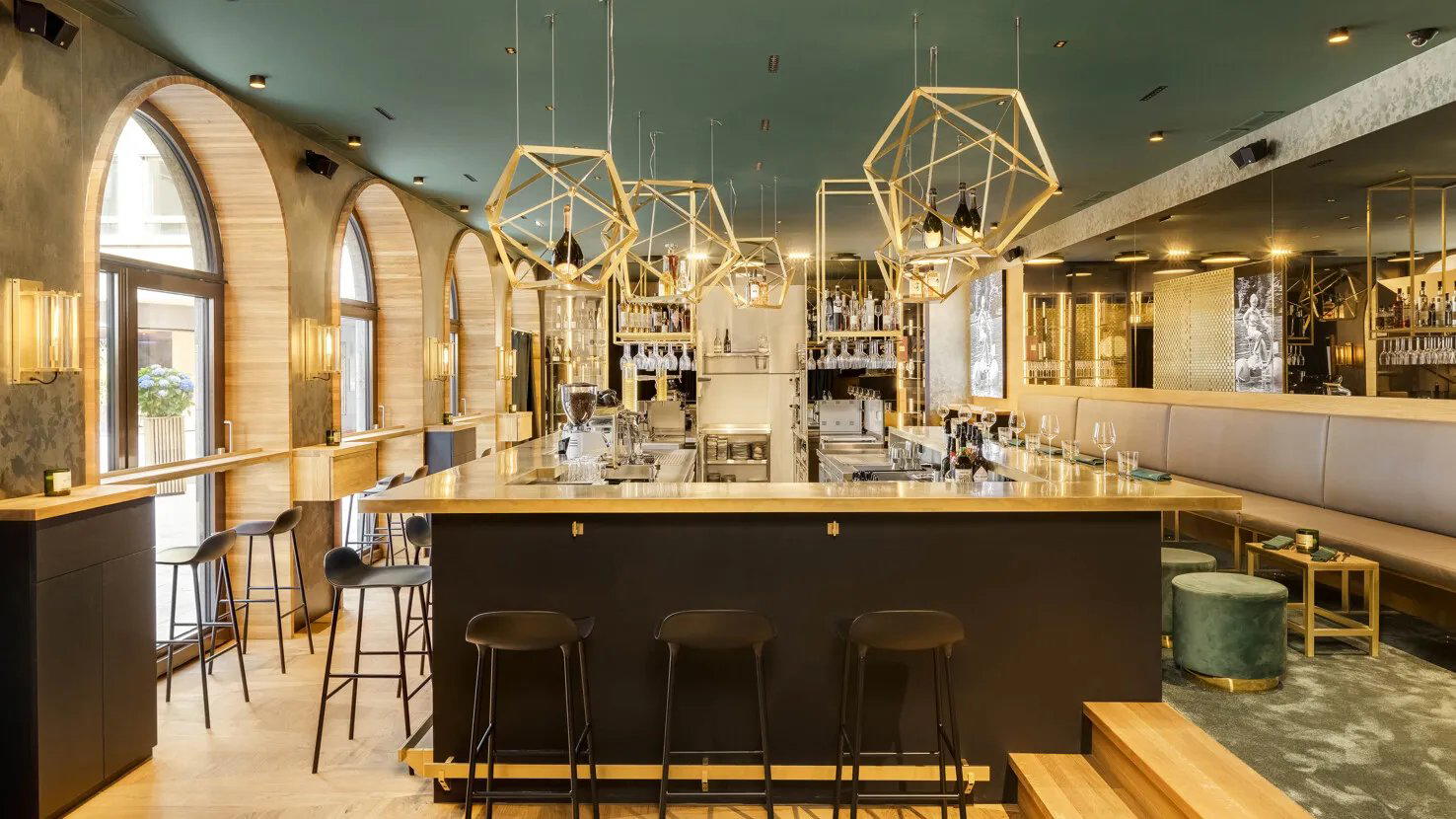
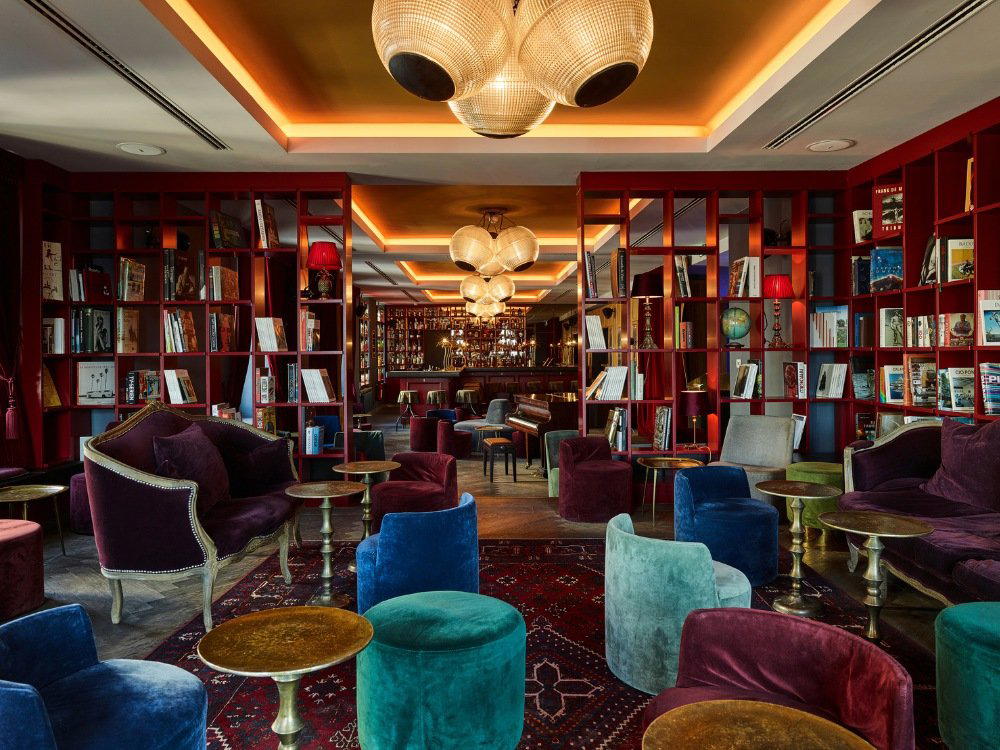
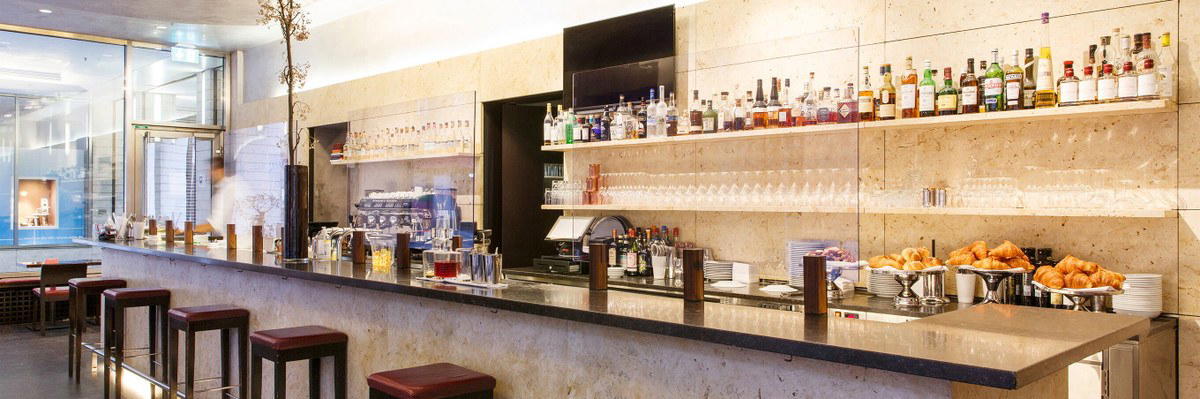
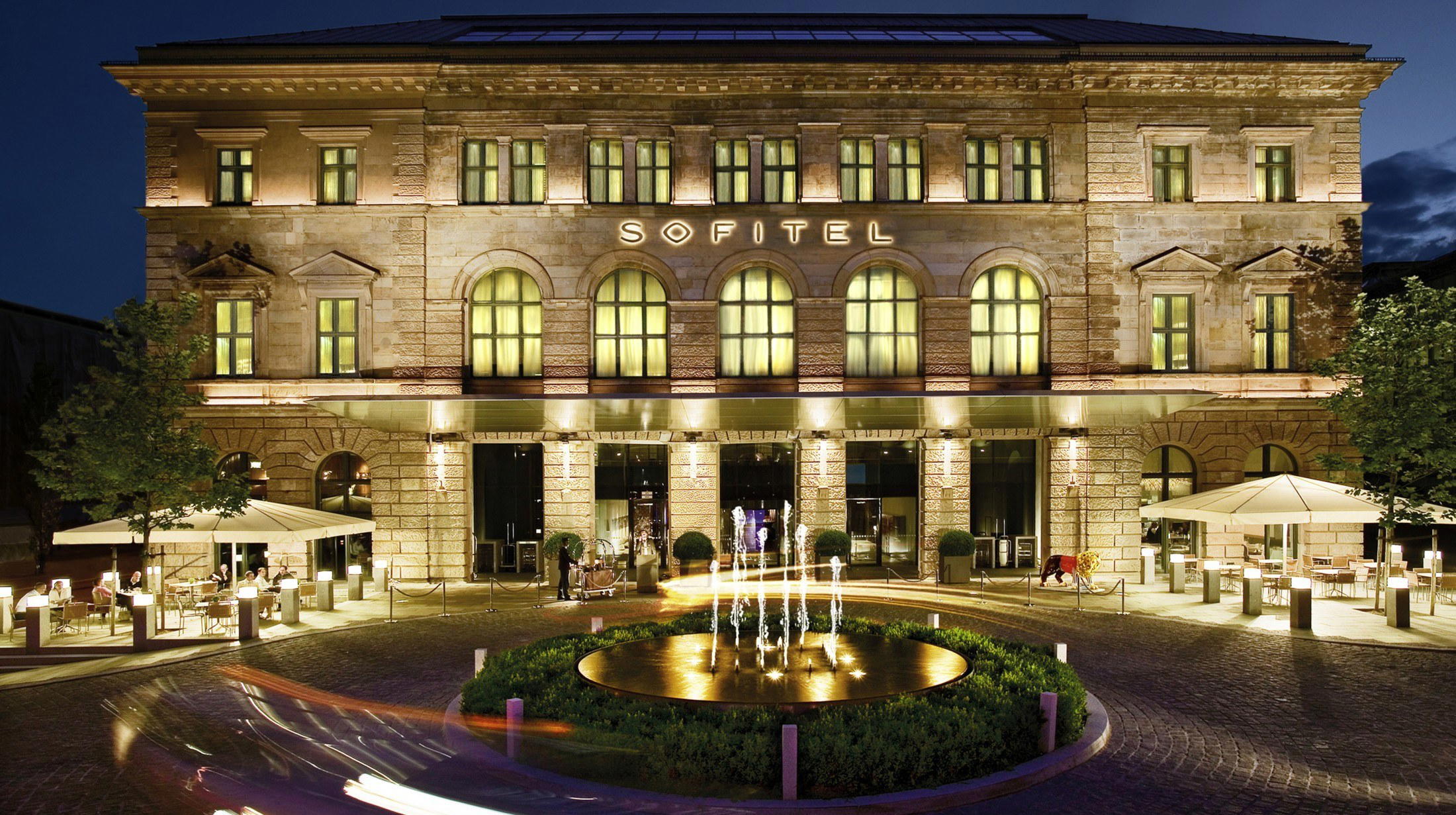
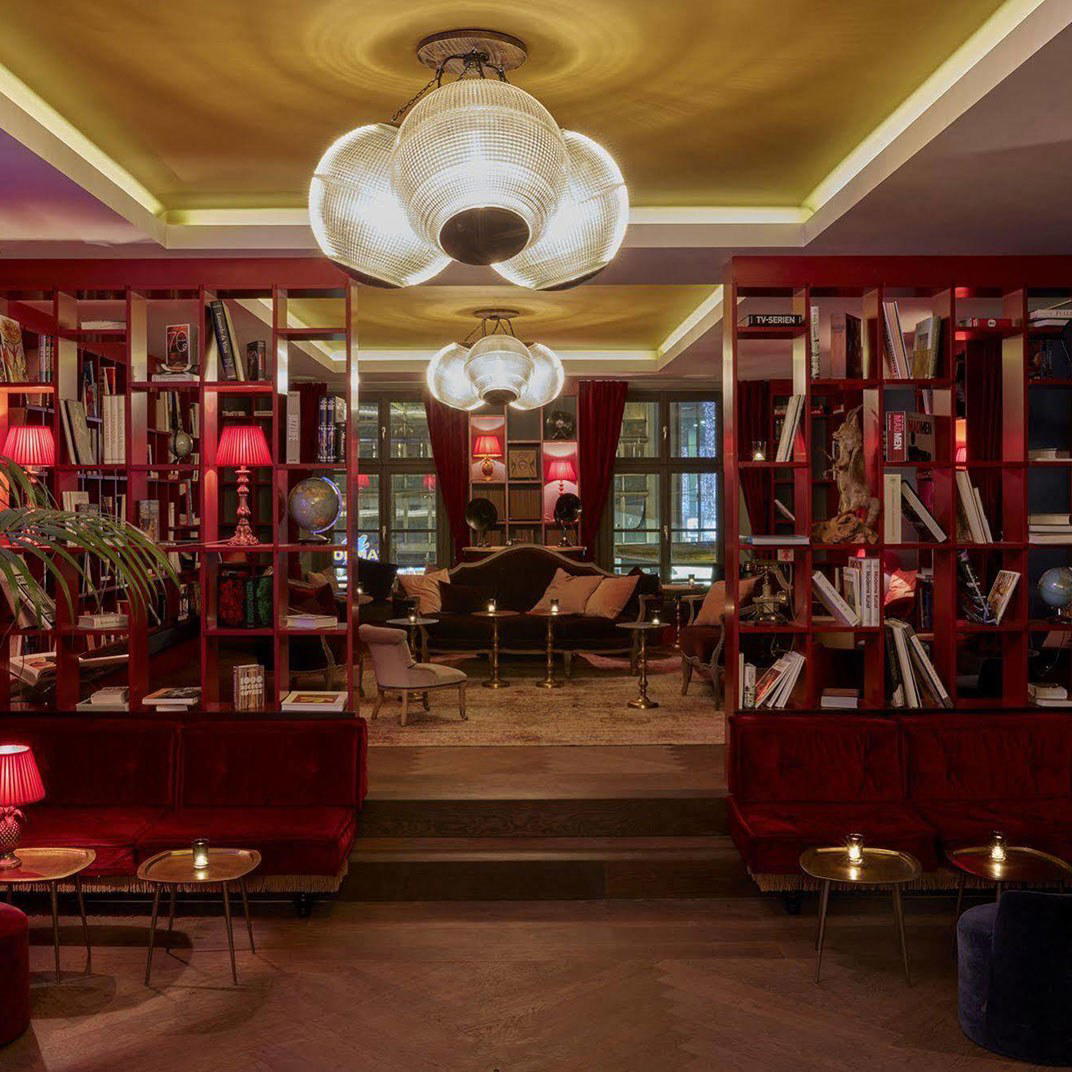
Inviting setting with improved lighting and acoustics, offering a cozy yet energetic atmosphere ideal for pre-theater dining.