Tub Ping

Michelin Plate
Our verdict
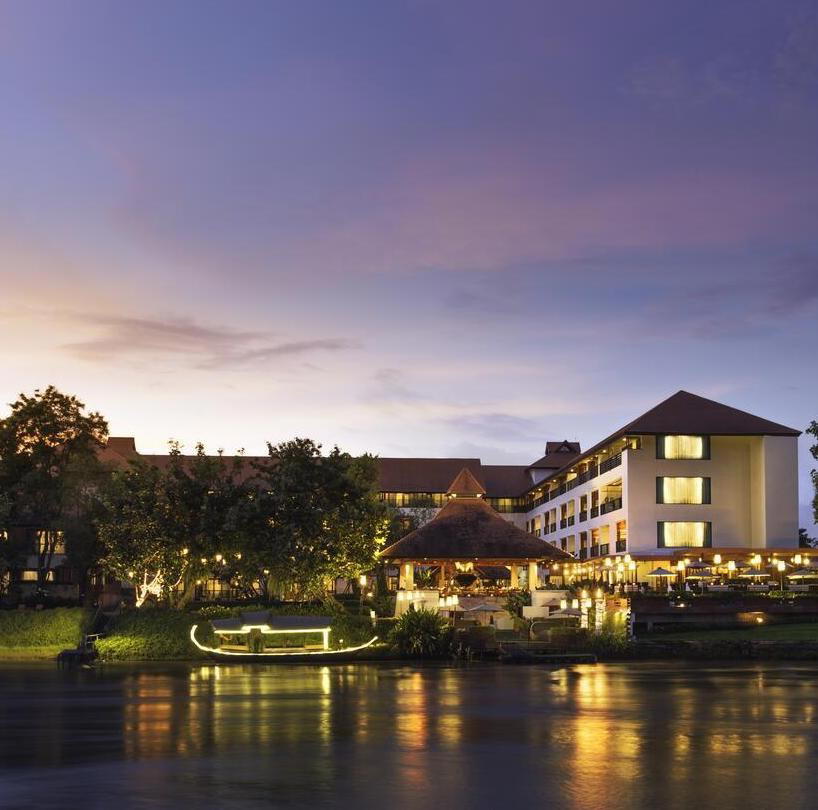
Tub Ping sits on the Ping River in Pa Daet, where a Thai-meets-European menu earned it a Michelin Plate in 2025. The kitchen fuses local Northern Thai ingredients with Western technique, producing dishes like red curry duck confit with lychee alongside penne with Thai sour pork sausage in pesto. The riverside terrace is the dining room's most compelling feature.

Pearl is the En Primeur Club membership app, where members save venues, book tables and use the concierge.
The menu
What to order
- Penne with Thai sour pork sausage in pesto
- Sai krok Isan with pesto and pasta
A River Table and a Kitchen That Crosses Borders
Chiang Mai's dining identity has long been anchored in Northern Thai tradition, khao soi, sai ua, laab meuang, and the city's better restaurants have historically earned recognition by refining that canon. What has changed over the past decade is the arrival of a smaller, more experimental cohort of kitchens that treat local ingredients not as heritage to preserve intact, but as raw material for cross-cultural technique. Tub Ping, positioned on the Ping River in Pa Daet, belongs to that cohort. Its 2025 Michelin Plate, awarded under the Michelin Thailand guide, signals that the approach has moved from novelty to credible culinary position.
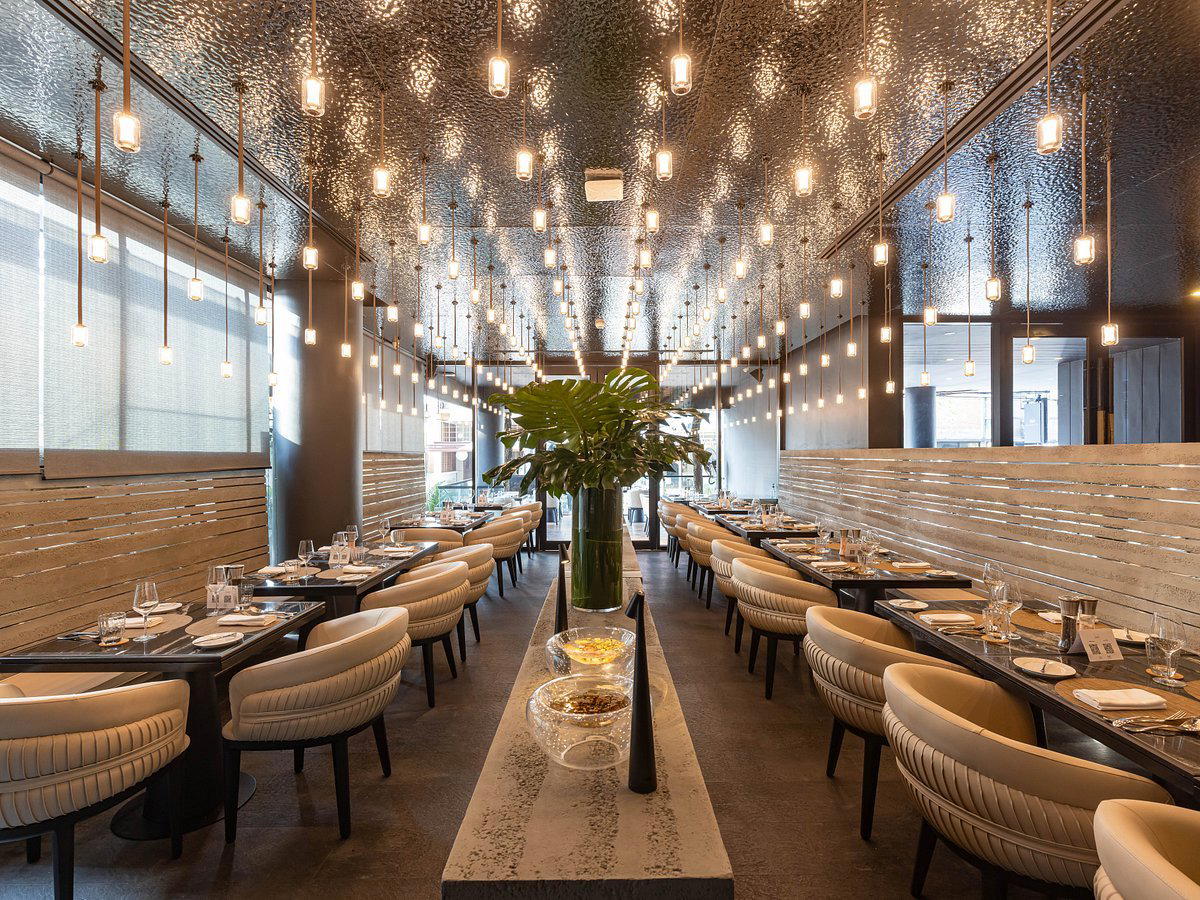
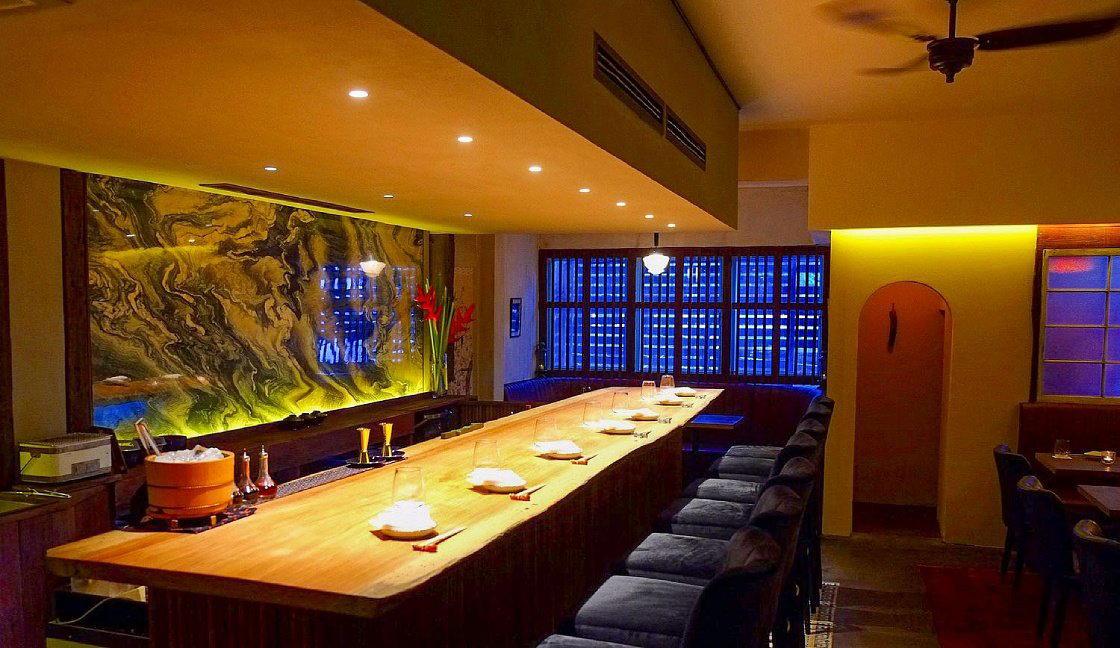
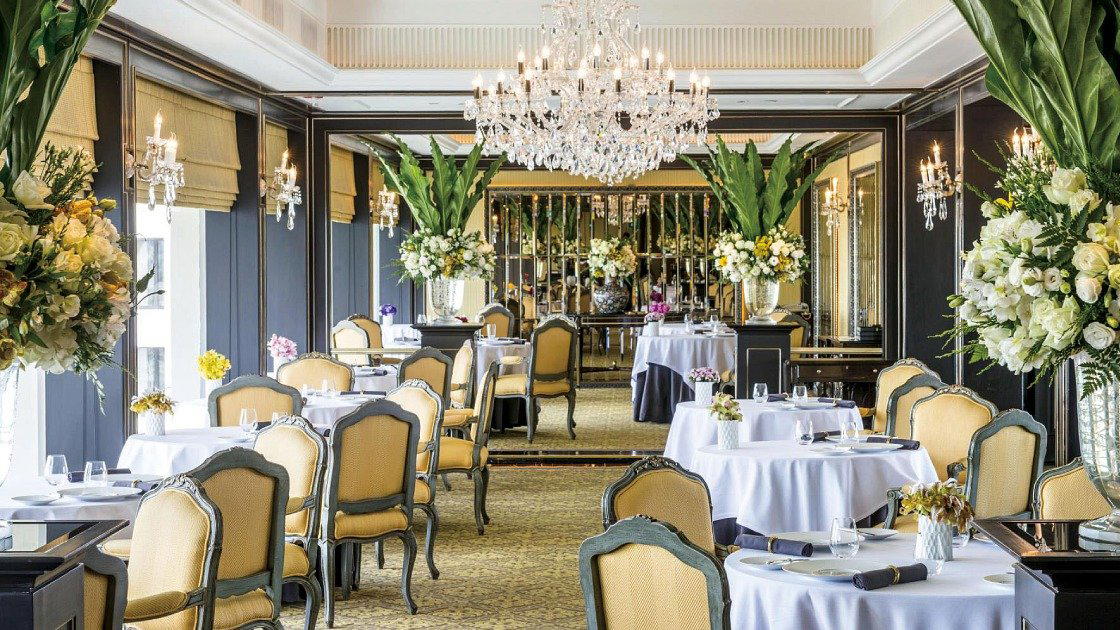
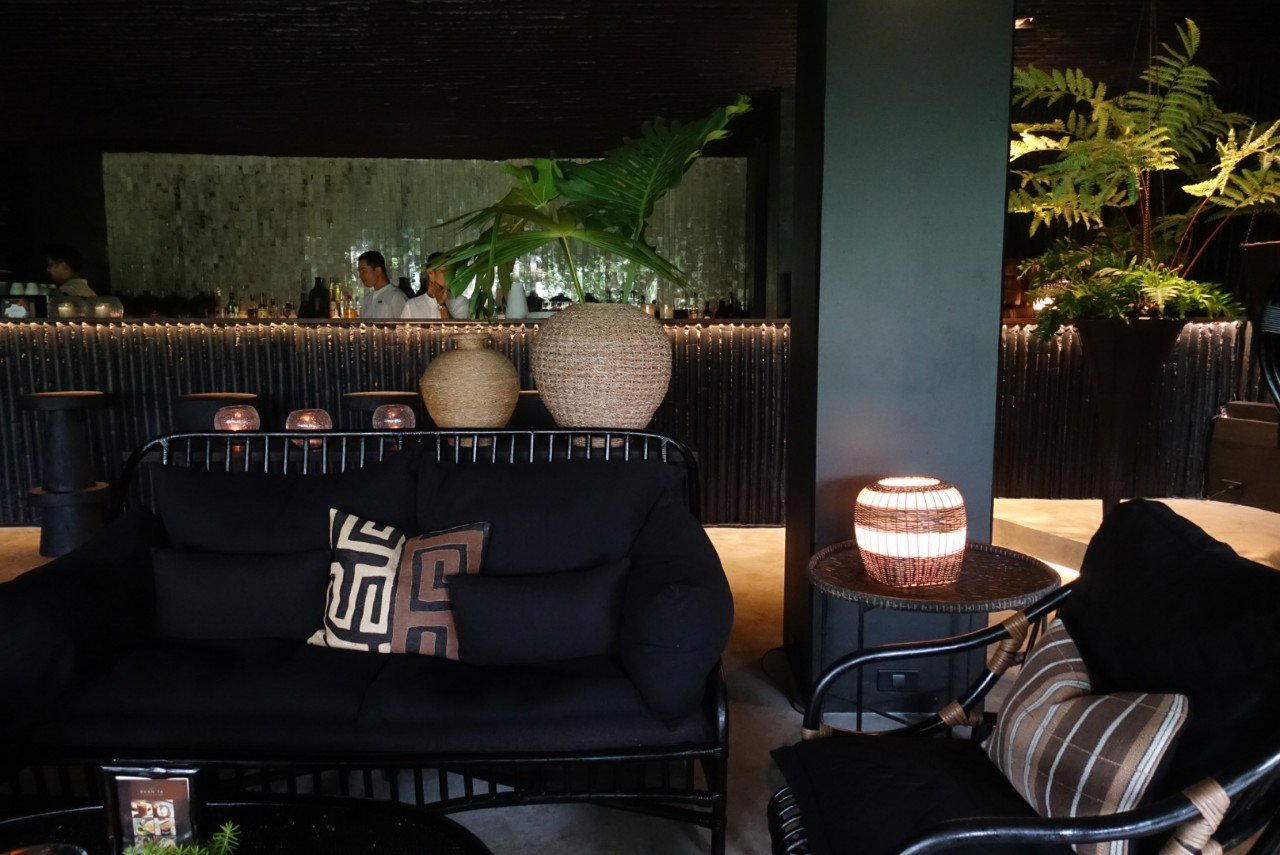
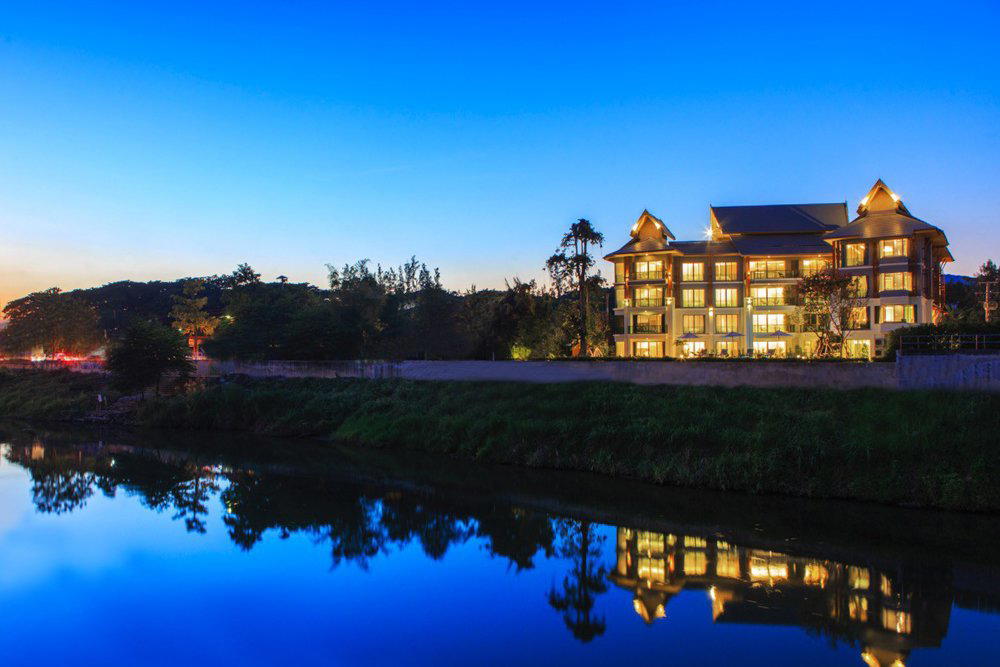
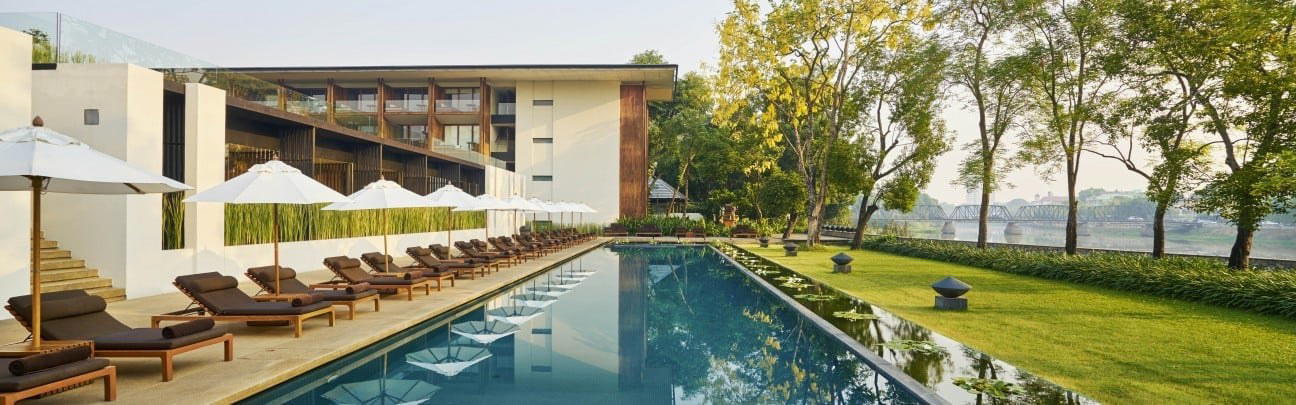
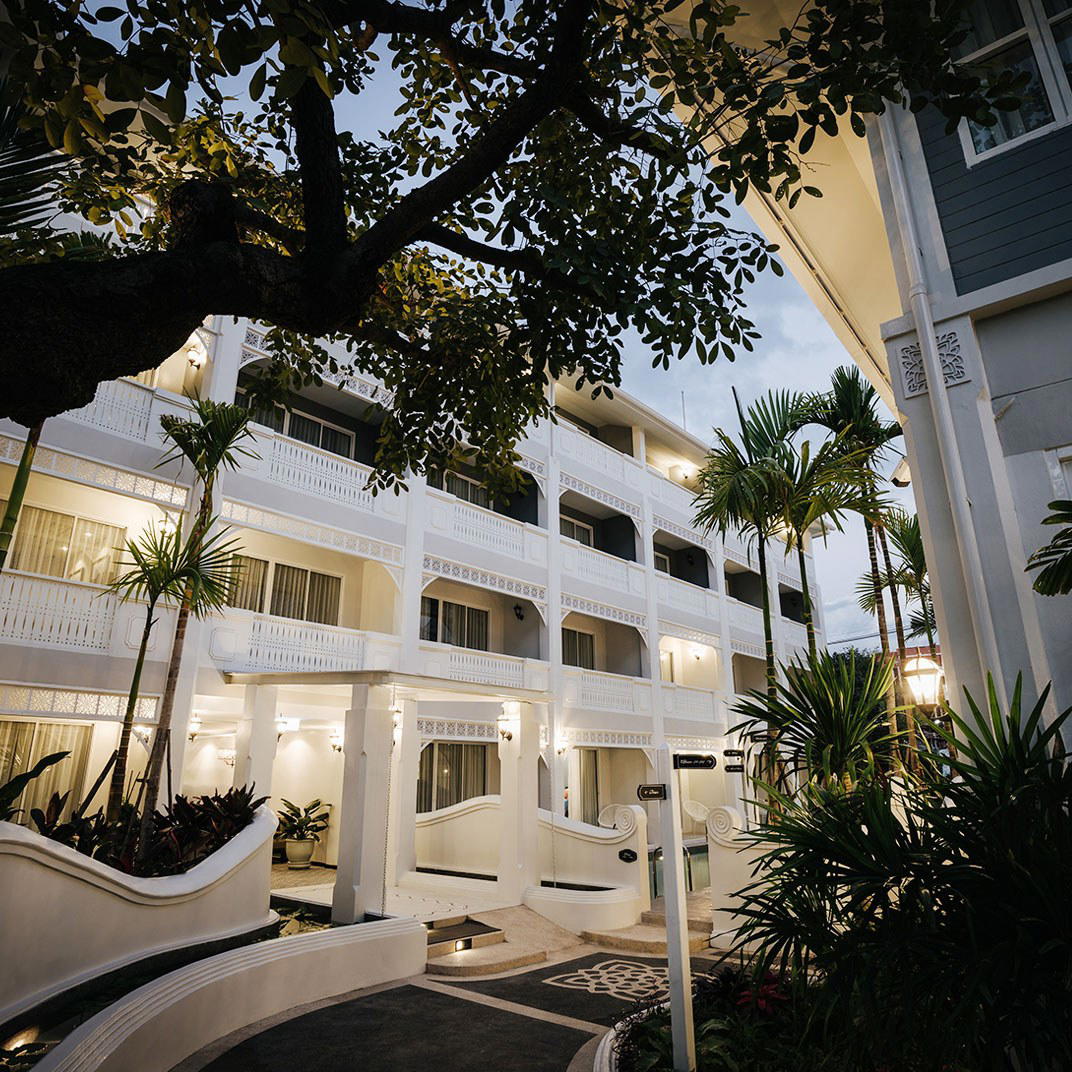
Approaching the restaurant, the building reads like a deliberate edit of Northern Thai vernacular architecture: warm wooden surfaces, exposed brick walls, high ceilings, and woven crafts that place the room firmly within the region's craft tradition rather than the generic pan-Asian aesthetic that has colonised Chiang Mai's tourist-facing dining strip. The riverside terrace extends that logic outward, with the Ping River providing a consistently textured backdrop, moving water, early evening light, the low ambient sound of a city that operates at a different pace from Bangkok.
How the Kitchen Position Has Shifted
The fusion model that Tub Ping operates within has a complicated history in Thailand. For most of the 1990s and 2000s, Thai-European crossovers occupied an awkward middle ground, neither rigorous enough technically nor honest enough about their Thai foundations to earn serious attention. That changed as a generation of Thai chefs trained abroad returned with genuine command of Western technique and a new appetite for using it to reframe familiar local ingredients rather than to replace them. Nationally, this trajectory is visible in kitchens like Baan Tepa in Bangkok and Wana Yook, also in Bangkok, where the editorial question is always how much local identity survives the technical transformation. In Chiang Mai, the same question plays out at a more modest price point and with less institutional infrastructure, which means the kitchen's sincerity is more exposed.
Tub Ping's position within the ฿฿ tier places it in company with restaurants like Rasik Local Kitchen and The Redbox, both operating in Chiang Mai's mid-range without the price signals that Bangkok's fine-dining contemporaries use to position themselves. At this tier, the Michelin Plate carries particular weight: it confirms that the kitchen is being taken seriously without the implicit claim of a star that would shift the restaurant's competitive set entirely.
The Menu as Evidence
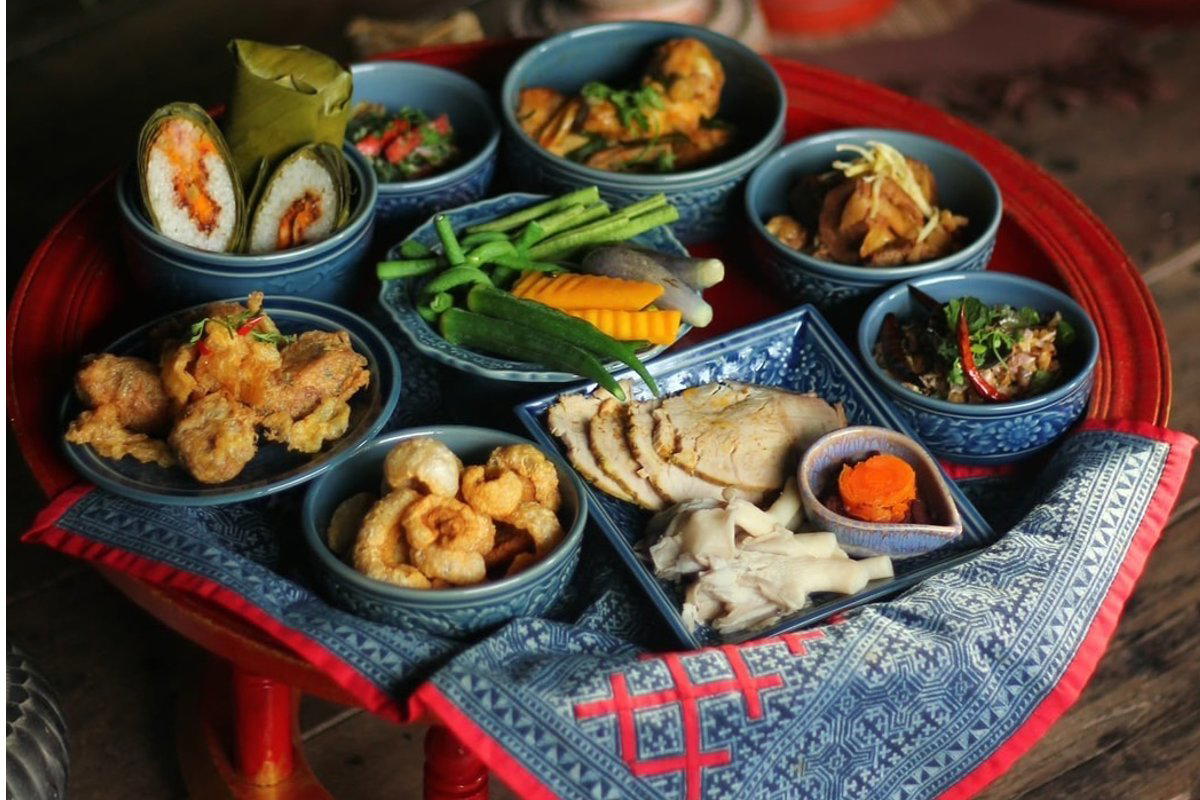
Two dishes from the current menu illustrate the kitchen's method more clearly than a general description could. Penne with Thai sour pork sausage in pesto frames a distinctly Northern Thai fermented meat product inside an Italian pasta format, asking both elements to remain legible. The sour pork, sai krok isan in its northeastern form, though Northern Thai variants carry different fermentation profiles, brings a funk and acidity that reframes the pesto rather than simply sitting alongside it. The second dish, red curry with crispy duck confit and lychee, takes the French technique of slow-rendering duck in its own fat and places it inside a red curry base sharpened with lychee's floral sweetness. Both dishes operate by the same logic: the European technique is the vehicle; the Thai ingredient is the point.
This approach is not without precedent in Thailand's Michelin-recognised tier. Sorn in Bangkok and PRU in Phuket represent different versions of the same argument, that Thai cuisine has enough depth to absorb and redirect outside technique without losing its identity. Tub Ping makes that argument at a smaller scale and without the formal tasting-menu architecture, which arguably makes the commitment clearer.
Within Chiang Mai's Broader Scene
Chiang Mai's restaurant scene has matured considerably since the city became a significant destination for longer-stay visitors and digital nomads in the early 2010s. The incoming population created demand for food that was neither purely traditional Thai nor purely Western, and a generation of local restaurateurs built kitchens to answer it. Some of that generation is now appearing in Michelin's Thailand guide for the first time, a pattern that mirrors what happened in smaller Thai cities as the guide's geographic coverage expanded beyond Bangkok and Phuket.
Within that context, Tub Ping occupies a distinct niche. It is not a Northern Thai heritage kitchen in the mode of restaurants like Aunt Aoy Kitchen, nor is it a vegetable-forward, diet-conscious venue like Aeeen. It sits closer to the European-inflected contemporary tier occupied by venues like Aquila, though with a notably stronger Northern Thai material base. The river setting adds a dimension that few of its peers can match: the terrace at Tub Ping functions as a genuine dining environment rather than an amenity bolted onto an indoor room.
For a broader sense of what Chiang Mai is producing at every price point and category, our full Chiang Mai restaurants guide maps the current scene in detail. Our full Chiang Mai bars guide covers the drinking side of the evening, and our full Chiang Mai hotels guide addresses where to stay. If you are extending across Thailand, AKKEE in Pak Kret, Agave in Ubon Ratchathani, and Angeum in Phra Nakhon Si Ayutthaya represent the Michelin-recognised tier in regions most visitors underestimate.
Planning a Visit
Tub Ping is located at 4/9 in the Pa Daet sub-district of Mueang Chiang Mai District, a riverside address that sits south of the Old City and away from the dense tourist concentration around Nimman and the Night Bazaar. The ฿฿ pricing means a full meal is accessible without advance financial planning; the Michelin recognition means demand has likely tightened. Arriving at the terrace before the evening light fades from the river is the clearest practical advice available, given that the outdoor setting is the room's primary asset. No booking contact details are currently published through EP Club's database, so approaching the venue directly or checking current availability through a local concierge is the most reliable path. For the broader logistical picture of moving around Chiang Mai, our full Chiang Mai experiences guide and our full Chiang Mai wineries guide cover adjacent territory worth mapping into a longer stay.
What Should I Eat at Tub Ping?
The two dishes most cited in Michelin's 2025 recognition are the penne with Thai sour pork sausage in pesto and the red curry with crispy duck confit and lychee. Both function as clear demonstrations of how the kitchen applies European technique to Northern Thai ingredients. The sour pork brings fermented depth to the pasta format; the lychee cuts the richness of the duck confit inside the curry base. These dishes also illustrate the kitchen's current direction most directly, making them the most useful starting point for a first visit. The riverside terrace is the recommended setting for both, weather permitting.
Frequently asked questions
What does dinner at Tub Ping typically cost?
Pricing at Tub Ping is listed as ฿฿.
Is Tub Ping Michelin-listed?
Tub Ping has received recognition including: This charming restaurant by the Ping River blends traditional and modern design, with warm wooden decor, brick walls and high ceilings. Woven crafts add a Northern Thai touch. Passionate about Western cuisine, the owner-chef fuses Thai ingr….
What should I eat at Tub Ping?
Two dishes anchor the menu and illustrate the kitchen's method: penne with Thai sour pork sausage in pesto, and red curry with crispy duck confit and lychee. Both pull European formats into contact with Northern Thai ingredients rather than treating either tradition as decorative. The kitchen holds a 2025 Michelin Plate, which adds context to the seriousness of that approach. If the terrace is open, take the riverside table, it changes the register of the meal.
How would you describe the cuisine at Tub Ping?
What's Tub Ping's location?
Tub Ping is located at 4 9, Pa Daet Sub-district, Mueang Chiang Mai District, Chiang Mai 50100, Thailand, Chiang Mai.
The Essentials
| Venue | Cuisine | Price | Awards | Notes |
|---|---|---|---|---|
| Tub PingThis venue (the venue you are viewing) | Northern Thai with European Fusion | $10–20 | Michelin Plate | Not listed |
| Busarin Cuisine | Northern Thai | $10–20 | Michelin Plate | ฿฿ |
| Chai | Authentic South Indian & North Indian Cuisine | $1–10 | Michelin Bib Gourmand | Street Food, ฿฿ |
| Dan Chicken Rice (San Sai) | Thai Hainanese-Style Chicken Rice | $1–10 | Michelin Bib Gourmand | Small eats, ฿ |
| Ekachan | Regional Thai Cuisine | $10–20 | Michelin Plate | Thai, ฿฿ |
| Khao Soi Mae Manee | Northern Thai Khao Soi | $1–10 | Not listed | Noodle Shop |
Recognition history
Dated appearances from independent guides and award organizations, with the underlying list record or original source where available.
Michelin Plate
Michelin
Full recognition history (2 entries)
Michelin Plate
Michelin