Chiang Mai Thai Shop
Our verdict
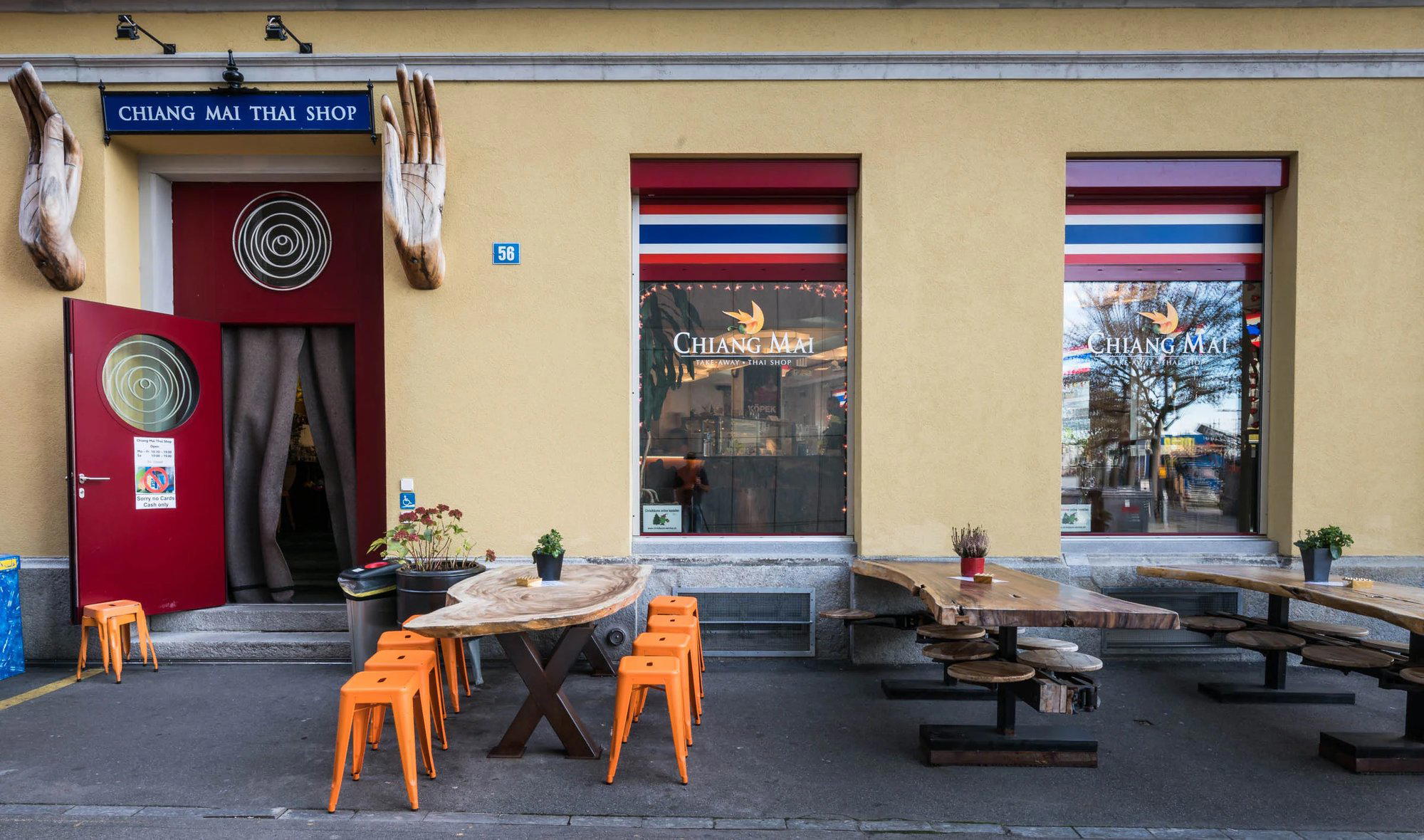
A Thai restaurant occupying a Zurich address that places it squarely in the city's growing appetite for Southeast Asian cooking beyond the tourist circuit. Located at Zollstrasse 56 in the District 5 neighbourhood, Chiang Mai brings the culinary traditions of northern Thailand to a dining scene more accustomed to Swiss-French formality and creative tasting menus. The address alone signals intent: this is Zürich West, where the city's more experimental dining energy concentrates.

Pearl is the En Primeur Club membership app — saves, bookings, and concierge access live there. Same editors, same standards.
- Address
- Zollstrasse 56, 8005 Zürich, Switzerland
- Phone
- +41442718252
- Hours
- Mon–Sat 11 AM–10 PMSun 12–10 PM
- Website
- chiang-mai.ch
- Directions
- Get directions
District 5 and the Drift Toward Southeast Asian Cooking in Zürich
Zürich's restaurant map has long been anchored by Swiss-French classicism and the high-wire creative cooking that earns Michelin attention at addresses like The Restaurant and The Counter. But District 5, the former industrial quarter that runs along the western bank of the Sihl, has been building a parallel identity for the better part of a decade. The neighbourhood's converted warehouses and low-rent ground floors attracted exactly the kind of operator willing to cook something other than what the city's formal dining establishment expected. Southeast Asian cooking, Thai cooking in particular, found an audience here among the international workforce and younger residents who grew up eating across more than one culinary tradition.
Chiang Mai, at Zollstrasse 56, sits inside that broader shift. The address puts it in the middle of District 5's pedestrian-friendly stretch, a few minutes from the Zürich HB transport connections that make the neighbourhood as accessible to visitors as it is to locals. The area has a lower threshold for formality than Zürich's older dining quarters, which shapes the kind of cooking that succeeds here: direct, ingredient-driven, and not especially interested in theatre for its own sake.
The Setting: What Zürich West Looks and Feels Like at Table
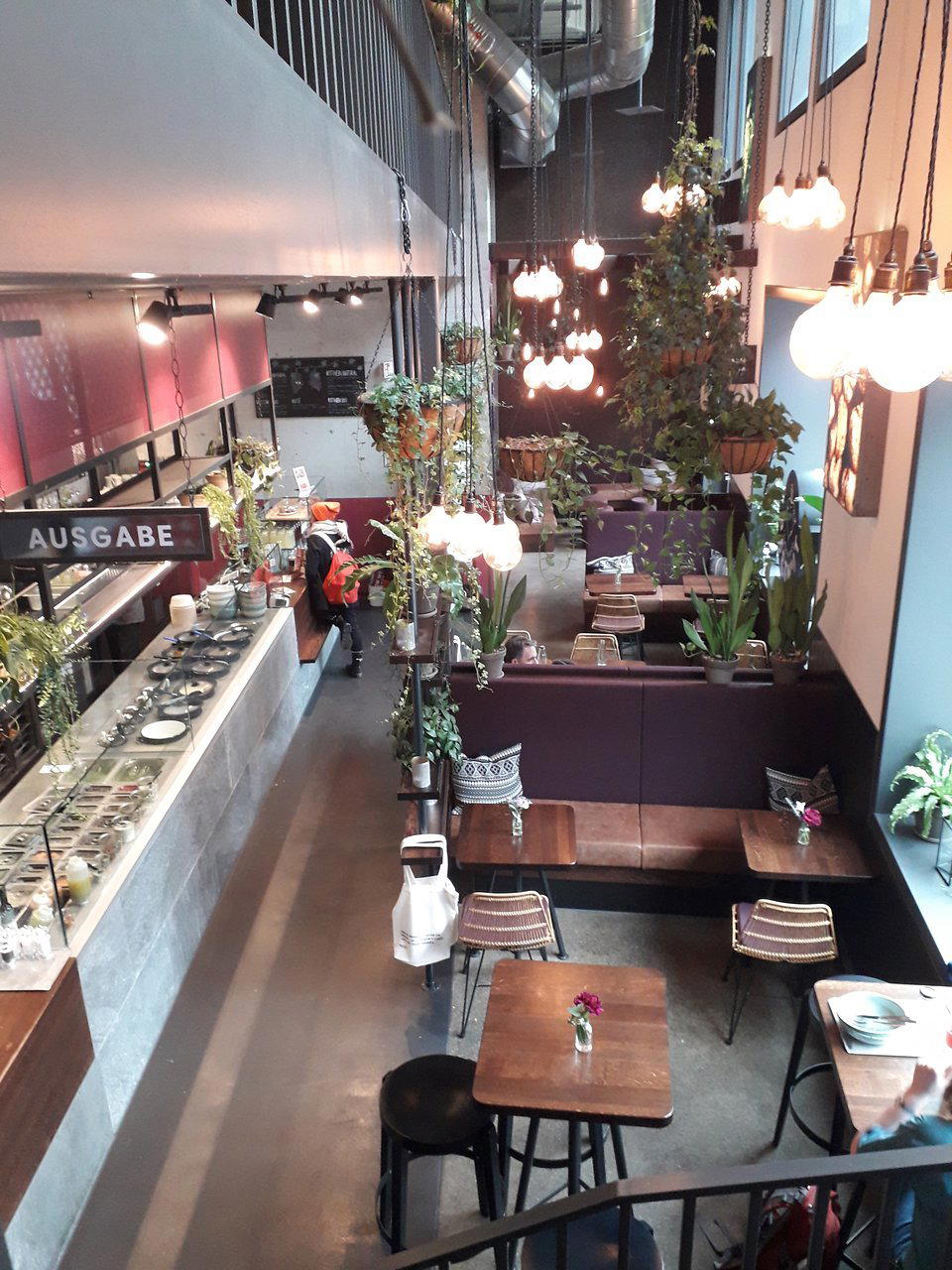
Approaching Zollstrasse from the direction of the main station, the character of the street shifts quickly from transit infrastructure to something more residential and low-key. This is not Bahnhofstrasse spectacle; the scale is smaller, the pace slower, and the restaurants and cafés embedded in ground-floor units that suggest neighbourhood permanence rather than trend-chasing turnover.
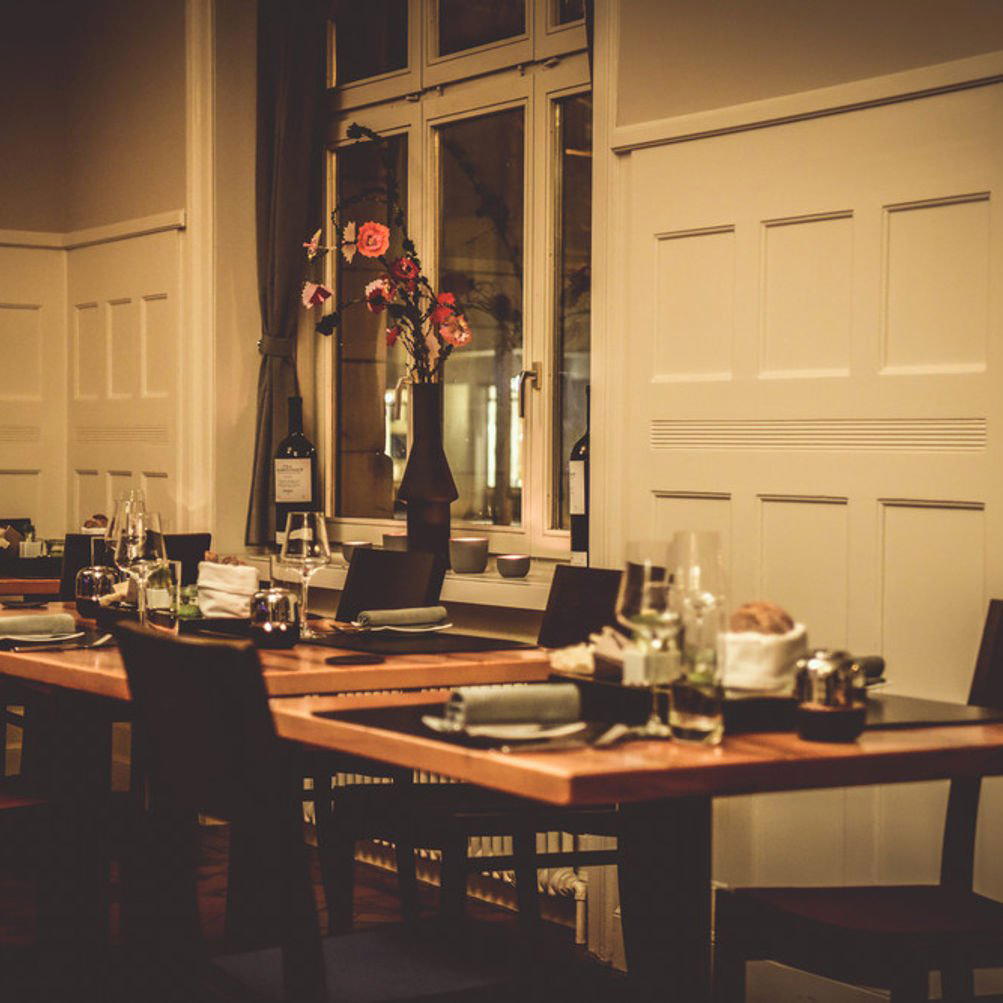
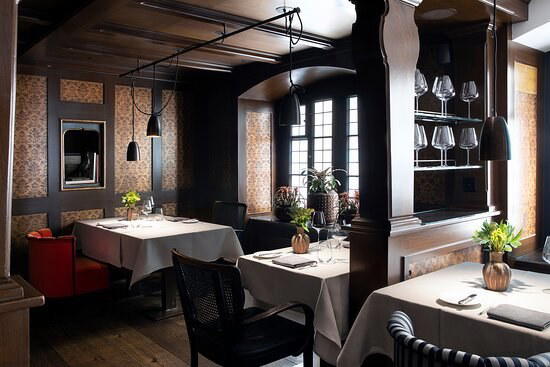
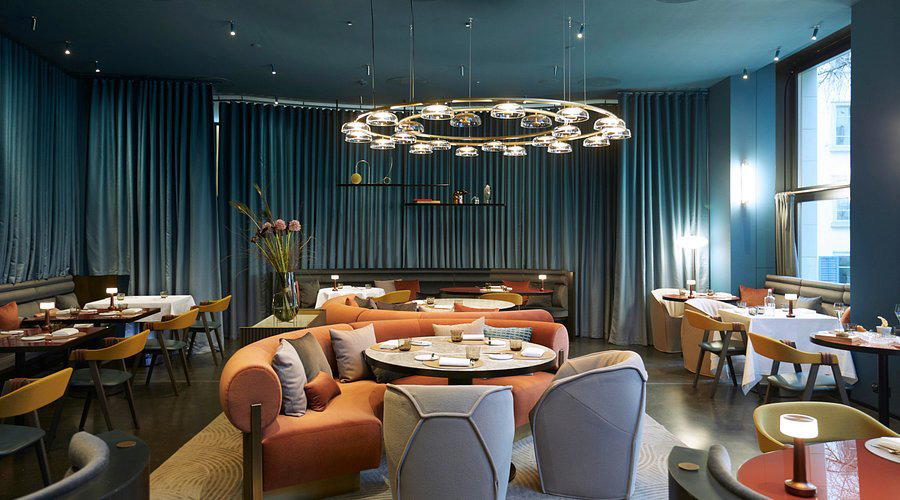
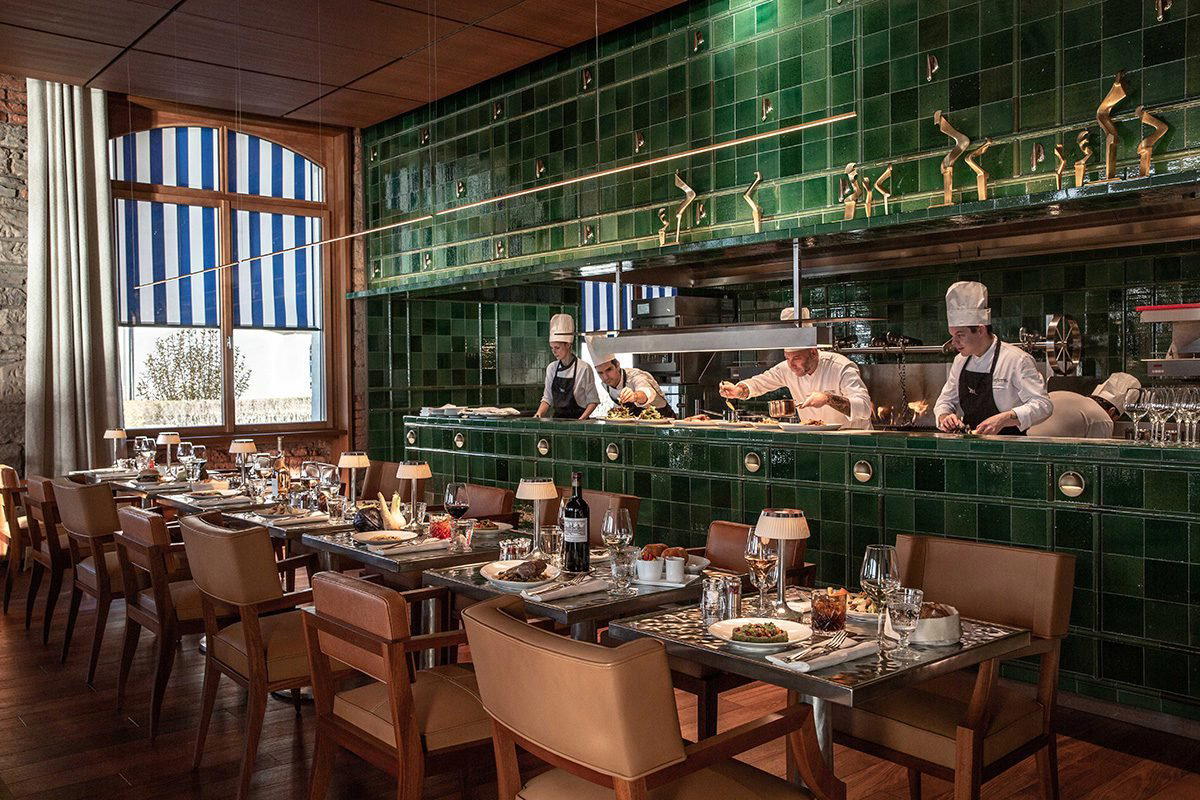
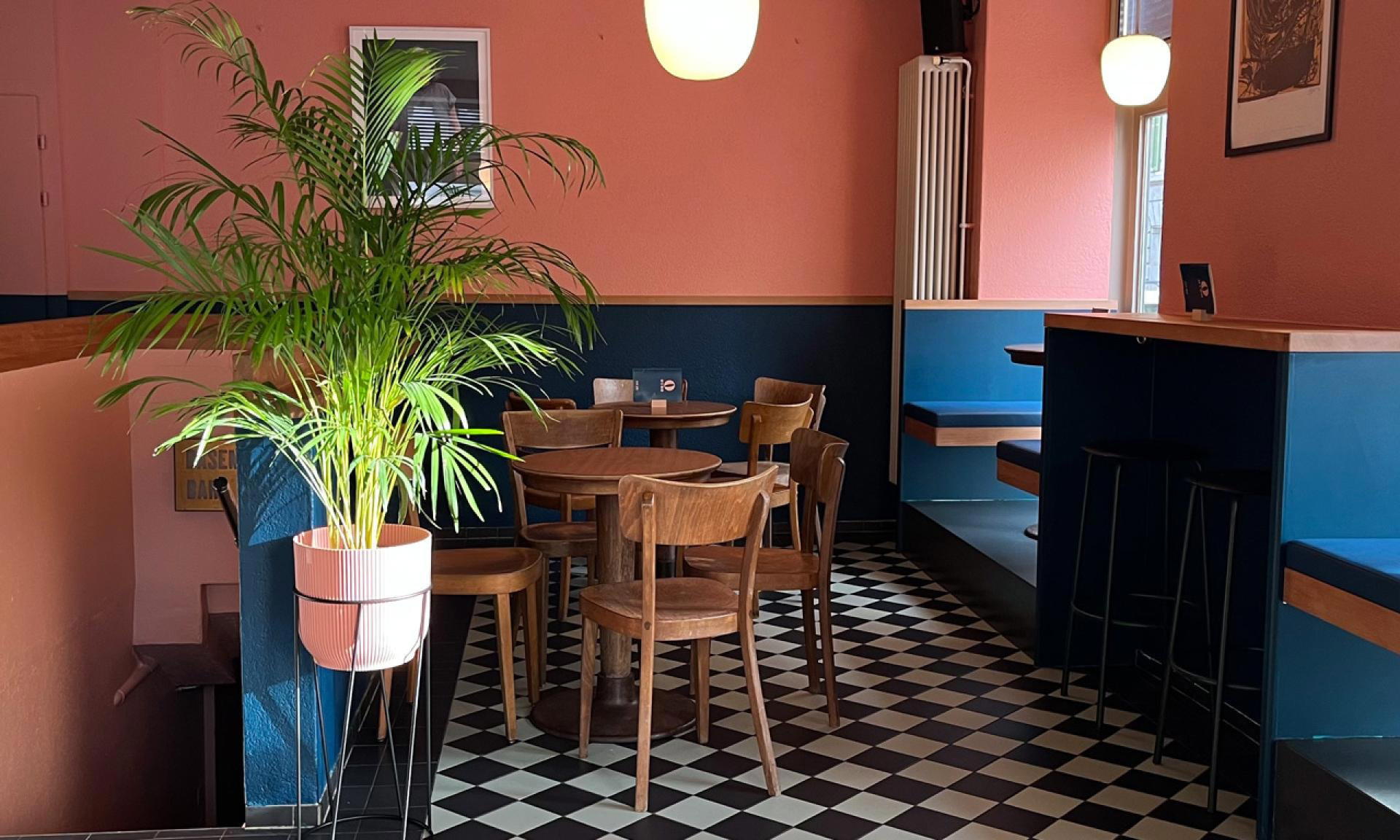
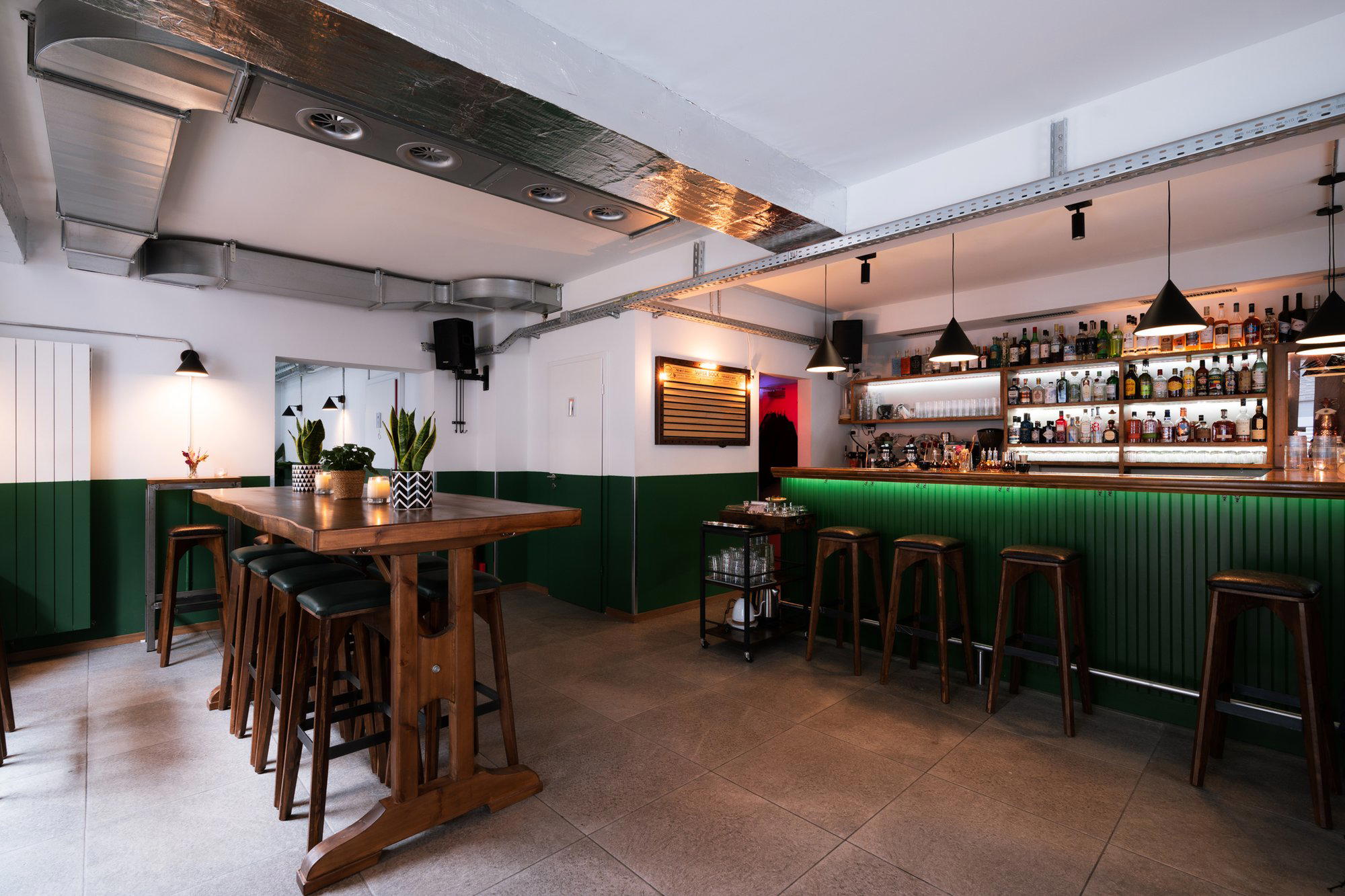
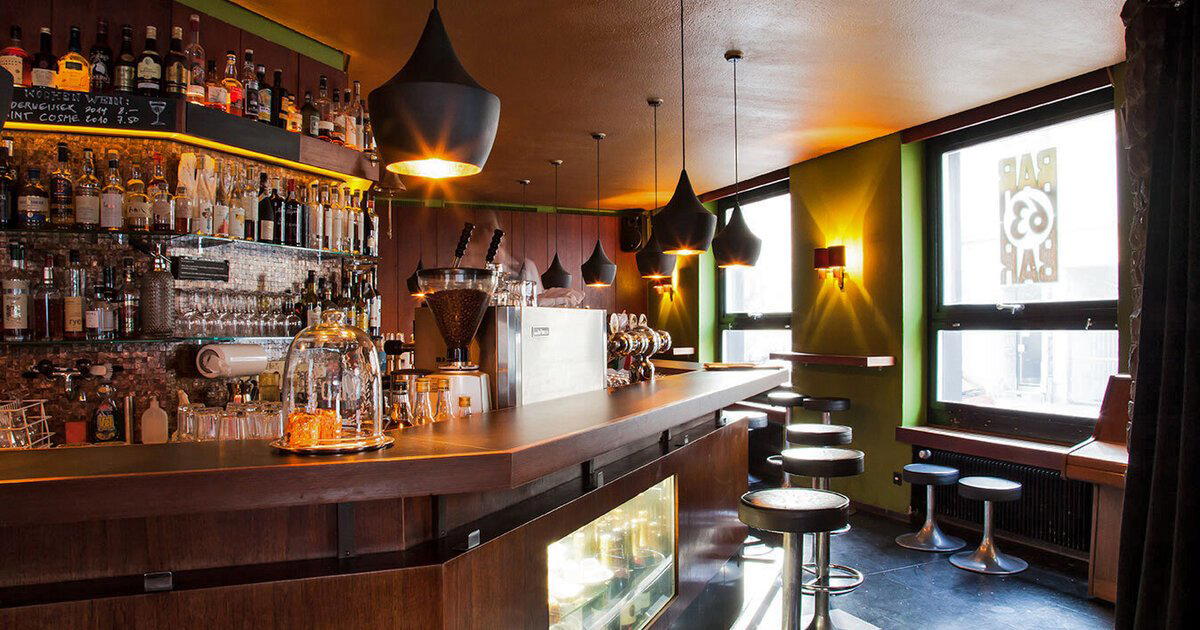
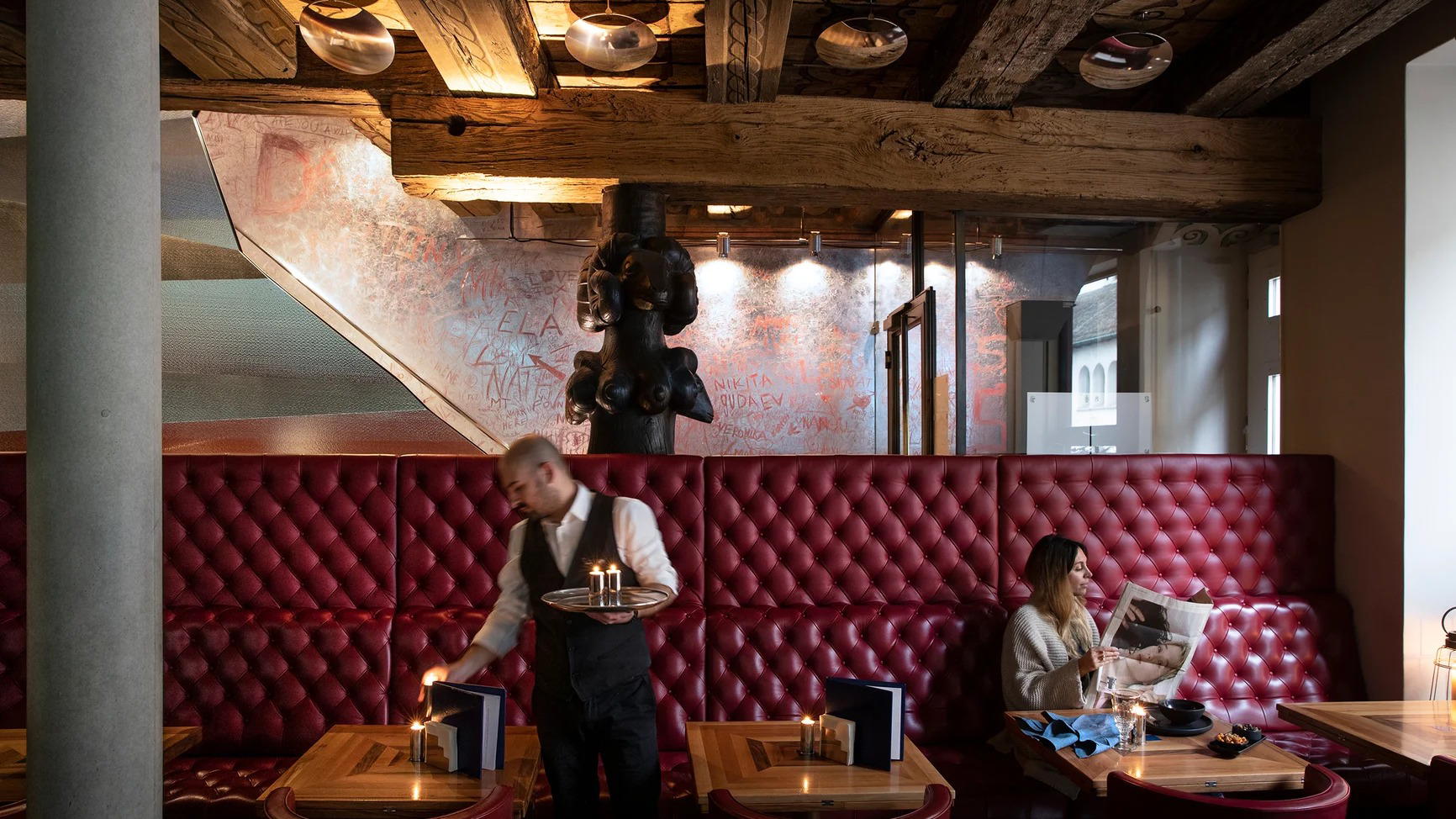
Inside a Thai restaurant operating at this level in a European city, the physical experience tends to follow one of two templates: the spare, modernist room that signals ambition and asks diners to take the cooking seriously on its own terms, or the warmer, more decorated space that uses visual cues to orient unfamiliar guests toward the cuisine's cultural context. Either approach can work. What rarely works in a city as price-conscious about dining as Zürich is the middle ground, where neither the room nor the cooking makes a clear enough argument for itself. The restaurants that hold in District 5 tend to have made a decision about which direction they face.
Northern Thai Cooking and What the Chiang Mai Name Signals
The city of Chiang Mai, in Thailand's northern highlands, represents a distinct culinary tradition from the dishes that dominate most European Thai restaurants. Northern Thai cooking is shaped by its landlocked geography and its historical connections to neighbouring Myanmar and Laos. Curries lean toward the drier, more aromatic styles that use fewer coconut-milk foundations than central Thai cooking. Fermented ingredients, fresh herbs, and chilli pastes ground into rough textural form carry more weight. Sticky rice displaces steamed jasmine rice as the default carbohydrate.
In the European context, a restaurant taking its name from Chiang Mai is making an implicit argument: that it is interested in something more specific than a generic pan-Thai menu. Whether that argument holds in the kitchen is the question any serious diner brings to the table. The northern Thai canon includes dishes that have almost no recognition in European dining, and a restaurant willing to serve them in recognisable form, rather than smoothing them toward a more familiar spice profile, is doing something more demanding than running a comfortable neighbourhood operation.
For context on where northern Thai cooking sits relative to other serious Southeast Asian registers, it is worth noting that the cuisine's complexity is frequently underestimated by European wine programs. Pairing Thai food with wine requires thinking across acidity, residual sweetness, and heat management simultaneously, the same multi-variable problem that the leading sommeliers at places like Le Bernardin in New York City or Lazy Bear in San Francisco have worked through in high-detail fashion for their own cuisines.
The Wine Consideration at a Thai Table in Switzerland
Switzerland's domestic wine production is substantial and largely consumed within the country, which means that Zürich restaurants have access to a range of Swiss whites and reds that rarely appear on wine lists outside the country's borders. For Thai cooking, the most useful Swiss options tend to sit in the aromatic white category: Chasselas, grown across the western cantons, offers the low-alcohol, mineral-inflected profile that handles heat without amplifying it. Pinot Gris from the German-speaking Swiss cantons provides a slightly richer alternative.
Beyond Swiss production, the wine conventions for Thai food in European restaurants have been shaped primarily by Alsatian and German Riesling, off-dry to medium-sweet, where residual sugar acts as a buffer against capsaicin. Gewurztraminer, with its lychee and rose petal aromatic range, has a long association with spiced Asian cooking precisely because the fruit register mirrors rather than fights the cuisine's own aromatic profile.
A Thai restaurant in Zürich that takes its wine list seriously faces a structural choice: stock toward the broad European population of visitors who default to Burgundy or Bordeaux regardless of what is on the plate, or curate toward the pairing logic that actually serves the food. The latter approach requires more sommelier work at the point of service, explaining to guests why a Mosel Spätlese is a better choice for a fermented shrimp paste dish than a Côte de Nuits village wine. Restaurants willing to make that argument tend to develop a regulars base that is disproportionately curious and return-prone.
Placing Chiang Mai in Zürich's Broader Dining Picture
Zürich's top-end restaurant market is anchored by Swiss-French and creative European cooking. Addresses like IGNIV Zürich by Andreas Caminada, Widder, and Eden Kitchen & Bar represent the city's investment in European culinary tradition at premium price points. At the national level, the highest-prestige Swiss dining scene extends to addresses like Hotel de Ville Crissier in Crissier, Schloss Schauenstein in Fürstenau, Memories in Bad Ragaz, Cheval Blanc by Peter Knogl in Basel, Maison Wenger in Le Noirmont, Einstein Gourmet in Sankt Gallen, Da Vittorio in St. Moritz, Mammertsberg in Freidorf, La Table du Valrose in Rougemont, and focus ATELIER in Vitznau.
Thai cooking occupies a different tier and a different competitive set entirely. In Zürich, it competes primarily on neighbourhood relevance, value relative to the city's high baseline costs, and authenticity signals that distinguish it from the more generic Asian restaurant category. District 5's profile helps: the neighbourhood draws a different crowd than Seefeld or the Altstadt, and the expectations around formality and price are calibrated accordingly. For a fuller picture of where Chiang Mai sits within Zürich's dining options, our full Zürich restaurants guide maps the city's categories and price tiers in detail.
Know Before You Go
- Address: Zollstrasse 56, 8005 Zürich, Switzerland
- Neighbourhood: District 5 (Zürich West), approximately 10 minutes on foot from Zürich HB
- Cuisine: Thai, with a name referencing the northern Thai culinary tradition
- Price range: Not confirmed; District 5 restaurants generally sit in the mid-range tier relative to Zürich's overall dining costs
- Reservations: Contact the restaurant directly; booking ahead is advisable for weekend evenings in this neighbourhood
- Wine approach: Swiss aromatic whites and off-dry German or Alsatian Riesling typically pair most effectively with the spice register of northern Thai cooking
Frequently asked questions
Is Chiang Mai okay with children?
Northern Thai cooking runs toward dried chillies, fermented pastes, and assertive herb profiles rather than the mild, sweetened sauces that children typically accept without complaint. Chiang Mai sits in District 5 on Zollstrasse 56, a neighbourhood geared toward adults eating with intention rather than family groups managing competing preferences. If your children eat adventurously and handle moderate to strong spice, the setting works; if not, a different Zürich address would serve the evening better.
How would you describe the vibe at Chiang Mai?
Zollstrasse 56 puts you in Zürich West, the city's former industrial quarter that has become the address of choice for residents who find the Altstadt too polished. The atmosphere here is driven by the neighbourhood itself: mixed, younger, less formal than the expense-account belt near Paradeplatz. Expect a room that feels like a regular local rather than a destination performance.
How does Chiang Mai in Zürich differ from other Thai restaurants in the city?
Most Thai restaurants in Swiss cities anchor their menus to central and southern Thai dishes, the style that travelled most successfully into European dining rooms over the past four decades. Chiang Mai on Zollstrasse 56 in District 5 positions itself around the northern tradition, which uses different pastes, different proteins, and a cooking logic that is more aromatic and less sweet than the Bangkok-influenced standard. That regional specificity is not common in Zürich's Thai restaurant category.
Where is Chiang Mai located?
Chiang Mai is located at Zollstrasse 56, 8005 Zürich, Switzerland, Zurich.
Do I need a reservation for Chiang Mai?
District 5 restaurants with an established local following tend to fill Thursday through Saturday without much lead time, particularly as Zürich West has grown denser with residents who eat out frequently. Booking ahead for weekend evenings is the practical approach.
What's the defining dish or idea at Chiang Mai?
The name itself is the programme. Chiang Mai, Thailand's northern highland city, represents a culinary tradition built on dried spices, fermented ingredients, and highland herbs rather than the coconut milk and fish sauce combinations that define central Thai cooking and dominate most European Thai menus. A kitchen invoking that name is making an argument for specificity over crowd-pleasing pan-Thai generalism, which is a relatively rare position for a Swiss restaurant to take.
Cuisine and Awards Snapshot
Comparable venues nearby, for context on price, style, and recognition.
| Venue | Cuisine | Price | Notes |
|---|---|---|---|
| Chiang MaiThis venue — the venue you are viewing | Authentic Thai Street Food | $10–20 | Not listed |
| Ah-Hua Brauerstrasse | Authentic Thai | Not listed | Aussersihl |
| Friedas Büxe | Nightclub Bar Snacks | Not listed | Aussersihl |
| Soi Thai | Authentic Thai Street Food | $20–30 | Fluntern |
| Vees | Modern Thai Bistro | $50–100 | Albisgutli |
| Sando | Japanese-Inspired Smashburgers | $20–30 | Oberstrass |