Siripanna Villa Resort & Spa, Chiang Mai
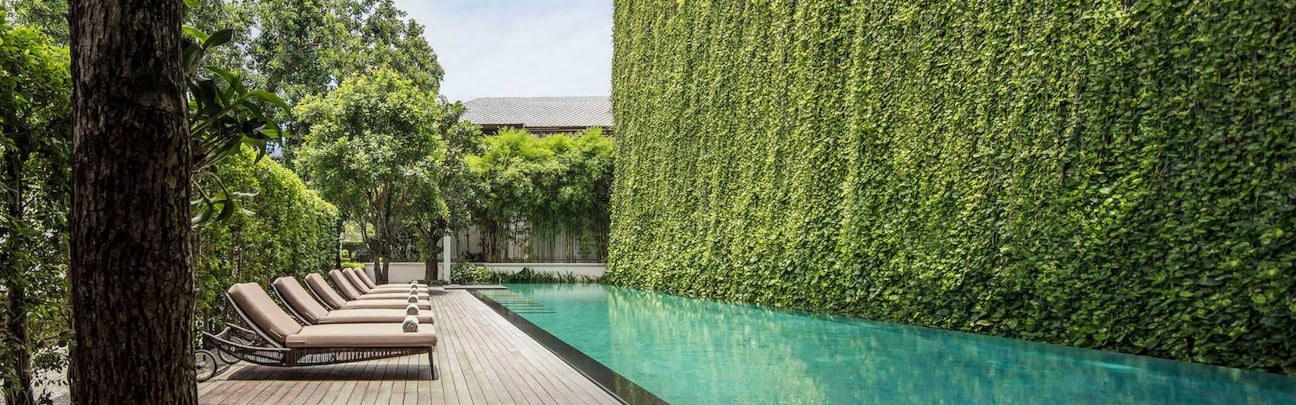
A garden-set villa resort on Rat Uthit Road, Siripanna occupies a quieter residential corridor of Chiang Mai, positioning itself within the city's smaller-scale, design-led property tier. The emphasis is on landscaped grounds, private pool villas, and spa programming that follows the slower rhythm of northern Thai wellness traditions rather than the pace of the old city's temple circuit.

Pearl is the En Primeur Club membership app, where members save venues, book tables and use the concierge.
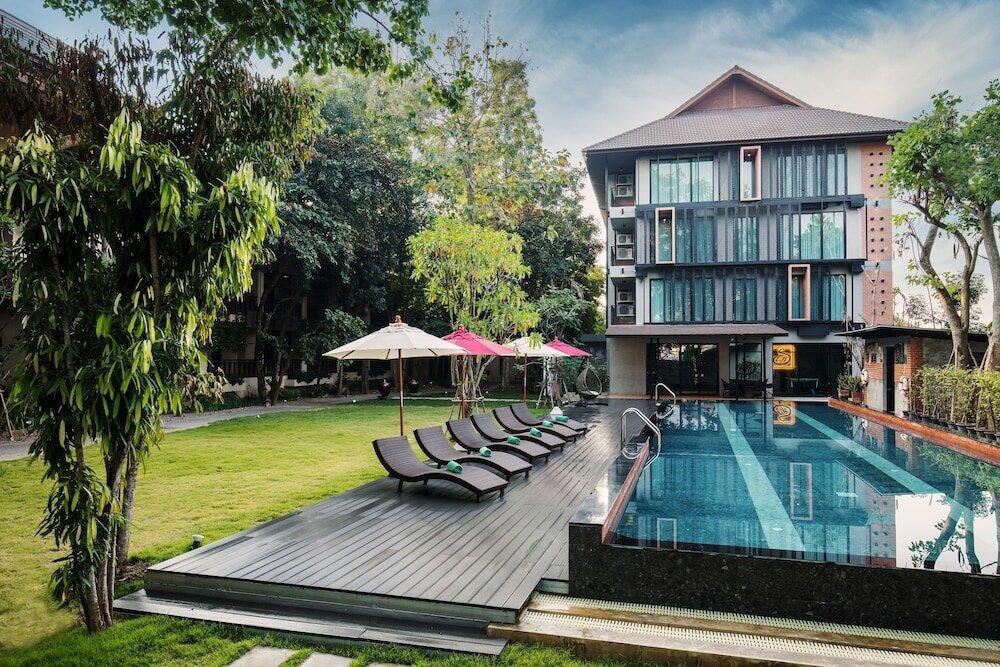
Where Chiang Mai Slows Down
Northern Thailand's premium hotel market has split clearly over the past decade. On one side sit the large international flagships, properties like the Anantara Chiang Mai Resort, the Chiang Mai Marriott Hotel, and the Le Méridien Chiang Mai, which anchor themselves to the Ping River or the Night Bazaar corridor and trade on brand recognition and full-service convention infrastructure. On the other side sit the garden-first, lower-key properties that position against pace rather than against scale. Siripanna Villa Resort and Spa sits in that second category, occupying a residential stretch of Rat Uthit Road where the density drops and the canopy thickens, giving the grounds a withdrawn quality that properties closer to the old city moat cannot replicate.
This separation from the central tourist circuit is the operative fact about Siripanna. Chiang Mai's old city and its ring road concentrate most of the visitor traffic, but a cluster of smaller villa resorts has grown up slightly further out, betting that a portion of travellers would rather trade proximity to temples for quieter grounds and a more deliberate pace of day. That bet has proven correct for the segment, and Siripanna competes within it alongside properties like Rachamankha and 137 Pillars House, each of which similarly privileges atmosphere over central location.
The Rhythm of the Stay
The dining ritual at villa resorts in northern Thailand tends to follow a particular grammar. Breakfast is long and unhurried, often served in open-sided sala structures where ceiling fans move the morning air and the garden provides a slow backdrop. Lunch is frequently poolside, positioned as optional rather than obligatory. The evening meal is where pacing becomes deliberate, with northern Thai cuisine, distinct from Bangkok-style central Thai cooking in its use of fermented ingredients, bitter herbs, and earthy spice profiles, offering a sequence of dishes that are better understood slowly than consumed quickly.
Chiang Mai's food culture reflects the Lanna kingdom's historically distinct culinary identity. Khao soi, the curried noodle soup that has become the city's most recognised dish nationally, is a useful shorthand for the difference: it is richer, less sweet, and more aromatic than southern or central Thai equivalents, built on a broth that requires time. That character, patience over efficiency, extends to how premium stays in the city are designed. The better villa properties programme their food and beverage offerings to match this tempo, with spa treatments sequenced around meals rather than competing with them.
For travellers arriving from Bangkok properties, where the speed and density of the hospitality offering often mirrors the city itself, the adjustment at a Chiang Mai villa resort is conscious. Properties like Aleenta Retreat Chiang Mai and AMANOR Hotel Chiang Mai compete on the same register, and all of them are asking guests to recalibrate their daily rhythm within the first twelve hours. That recalibration is the product being sold, as much as any individual room or dish.
The Property in Context
Chiang Mai's villa resort segment operates differently from the international-flag segment in one structurally important way: it competes on grounds and atmosphere first, and on brand recognition second. At the international-flag end, the Four Seasons Resort Chiang Mai on the Mae Rim valley floor sets the ceiling for the market, with rice paddies, open-air pavilions, and a scale of landscaping that smaller properties cannot match. Siripanna does not attempt to compete at that level. Its logic is different: a more contained property, closer to the city itself, that offers villa-format accommodation and spa access without requiring a 45-minute drive north from the old city.
That positioning makes it a different kind of useful. Guests who want to use Chiang Mai as a cultural base, visiting Doi Suthep, the Saturday and Sunday Walking Streets, or the craft villages of the San Kamphaeng corridor, will find the logistics simpler from a property on Rat Uthit Road than from a resort in the Mae Rim valley. The trade-off is obvious: the grounds are smaller, the rice paddy views absent, the sense of total seclusion reduced. What remains is a functional villa property with spa infrastructure and garden-set pools, positioned for travellers who want resort pace without resort distance.
Across Thailand more broadly, this middle tier of villa resort, present in strength in Chiang Mai, also appears in Koh Samui with Samujana Villas and in Phang Nga with Six Senses Yao Noi, though those properties operate with different site advantages, primarily ocean proximity, that change their competitive calculus. In Chiang Mai, where the landscape draw is mountains and cultural heritage rather than coastline, the garden villa format has to work harder on programming and atmosphere.
Spa as Structure
Northern Thai wellness traditions draw on a lineage that includes Lanna herbal medicine, massage techniques developed within the temple system, and ingredient-led treatments using local botanicals such as turmeric, lemongrass, and kaffir lime. Chiang Mai is the geographical centre of this tradition in Thailand, and the premium properties in the market all anchor their spa offerings to it with varying degrees of depth and authenticity. The Chiang Mai spa industry has, over the past two decades, professionalized considerably, moving from the simple foot massage shops of the old city to multi-treatment wellness facilities at villa properties that are structured as full-day or multi-day programmes.
At villa-format properties, the spa tends to function as an organising principle for the stay rather than an add-on. Treatments are long, often ninety minutes to two hours, and they change the pacing of the day around them in ways that a thirty-minute hotel spa treatment does not. This is a meaningful structural difference between villa stays in Chiang Mai and those at urban hotels in Bangkok, where the Mandarin Oriental Bangkok or the Grand Hyatt Erawan Bangkok offer spa facilities that complement an outward-facing city stay rather than anchoring an inward-facing retreat.
Planning the Visit
Chiang Mai's dry season runs from November through February, when temperatures sit between 15 and 30 degrees Celsius and the air quality is at its clearest. This is the period when demand across the premium accommodation market is highest and availability tightest, particularly around the Yi Peng lantern festival in November. The shoulder months of March and April bring heat and, in recent years, increasingly significant smoke haze from agricultural burning in the region's farming areas, which affects outdoor programming. Travellers sensitive to air quality should plan accordingly. The rainy season from June through October sees rates soften across most properties and the landscape turn intensely green, with afternoon storms that typically clear by early evening.
Access to Chiang Mai is direct from Bangkok via multiple daily flights on Thai Airways, Bangkok Airways, and low-cost carriers, with flight times around sixty to seventy-five minutes. The city's Chiang Mai International Airport is approximately seven kilometres from the old city moat. For travellers building a wider Thailand itinerary, Chiang Mai pairs naturally with the northern circuit that extends to Anantara Golden Triangle Elephant Camp and Resort in Chiang Rai, roughly three hours north by road. Alternatively, south-bound itineraries connect efficiently to coastal properties like Amanpuri in Phuket, Phulay Bay, A Ritz-Carlton Reserve in Krabi, or Pimalai Resort and Spa in Koh Lanta. A full guide to Chiang Mai's restaurant and hotel options is available in our full Chiang Mai restaurants guide.
Recognition Snapshot
| Venue | Price | Awards |
|---|---|---|
| Siripanna Villa Resort & Spa, Chiang MaiThis venue (the venue you are viewing) | Not listed | Not listed |
| Four Seasons Resort Chiang Mai | Not listed | 3 Michelin Keys · La Liste Top Hotels |
| Rachamankha | Not listed | 2 Michelin Keys · Mr & Mrs Smith Seal of Approval |
| 137 Pillars House | $300–500 | 2 Michelin Keys · La Liste Top Hotels |
| Aleenta Retreat Chiang Mai | Not listed | 1 Michelin Key · Travel + Leisure T+L 500 Hotels |
| AMANOR Hotel Chiang Mai | $100–200 | Michelin Selected · Small Luxury Hotels of the World Member |
Continue exploring
More in Chiang Mai
Hotels in Chiang Mai
All hotels in Chiang Mai →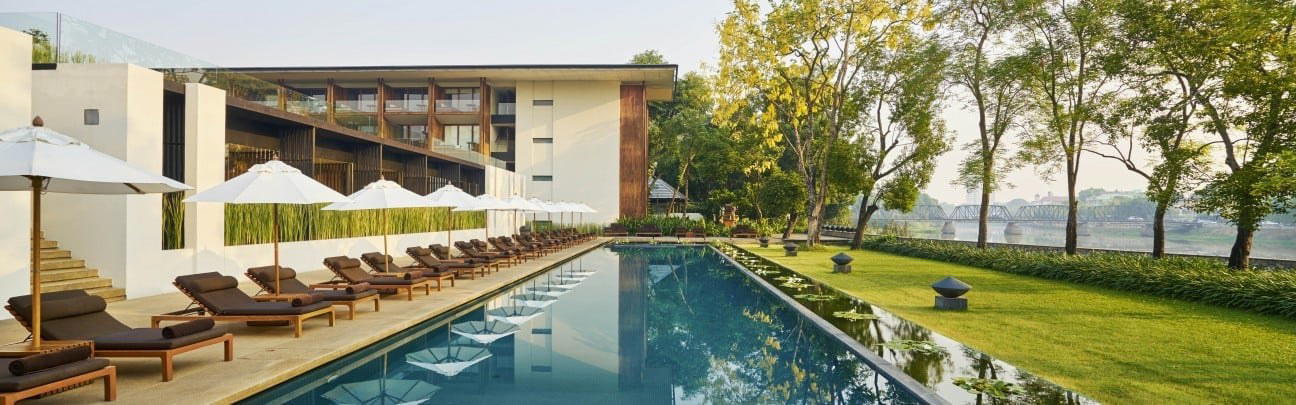
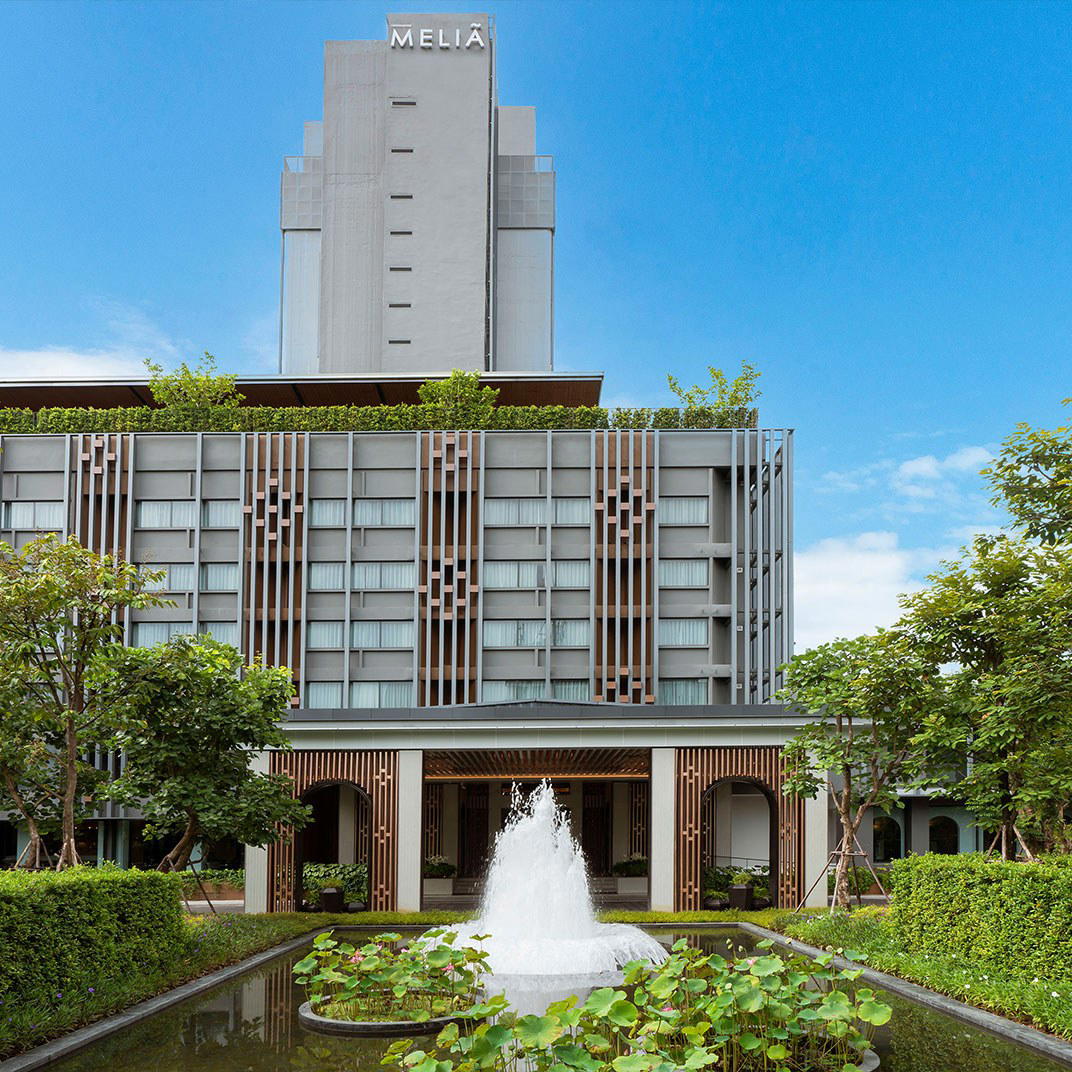
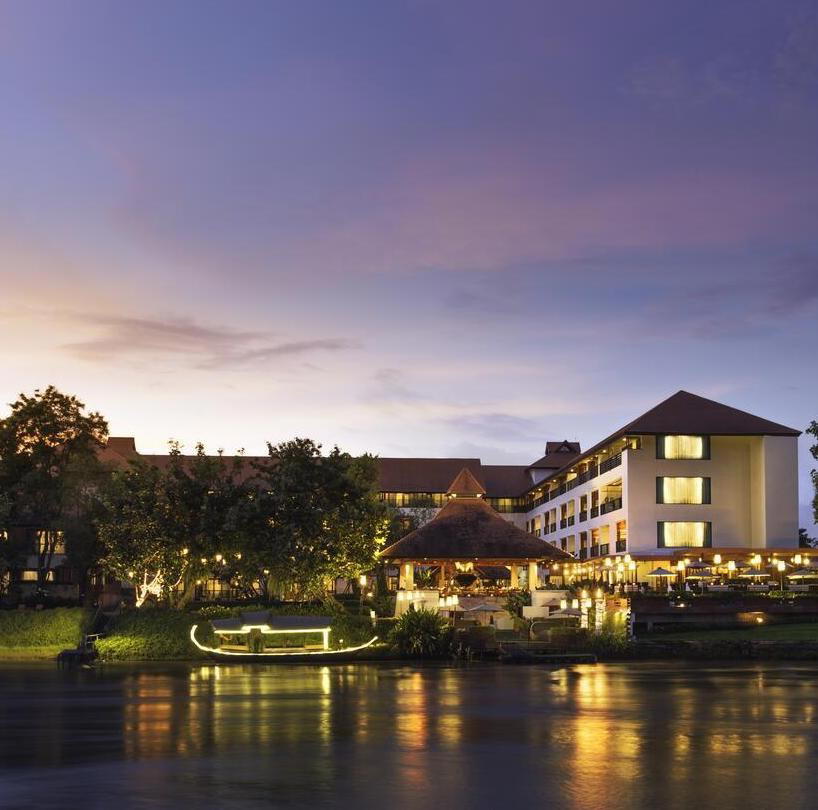
Bars in Chiang Mai
All bars in Chiang Mai →
Details
- Romantic
- Elegant
- Scenic
- Cozy
- Sophisticated
- Romantic Getaway
- Wellness Retreat
- Family Vacation
- Garden
- Pool
- Spa
- Fitness Center
- Room Service
- Concierge
- Business Center
- Wi Fi
- Kids Club
- Garden
- Wheelchair Accessible
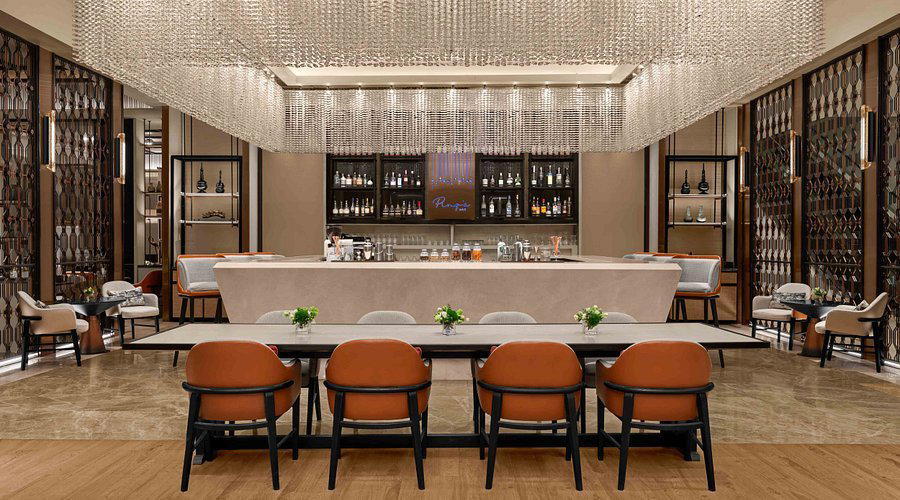
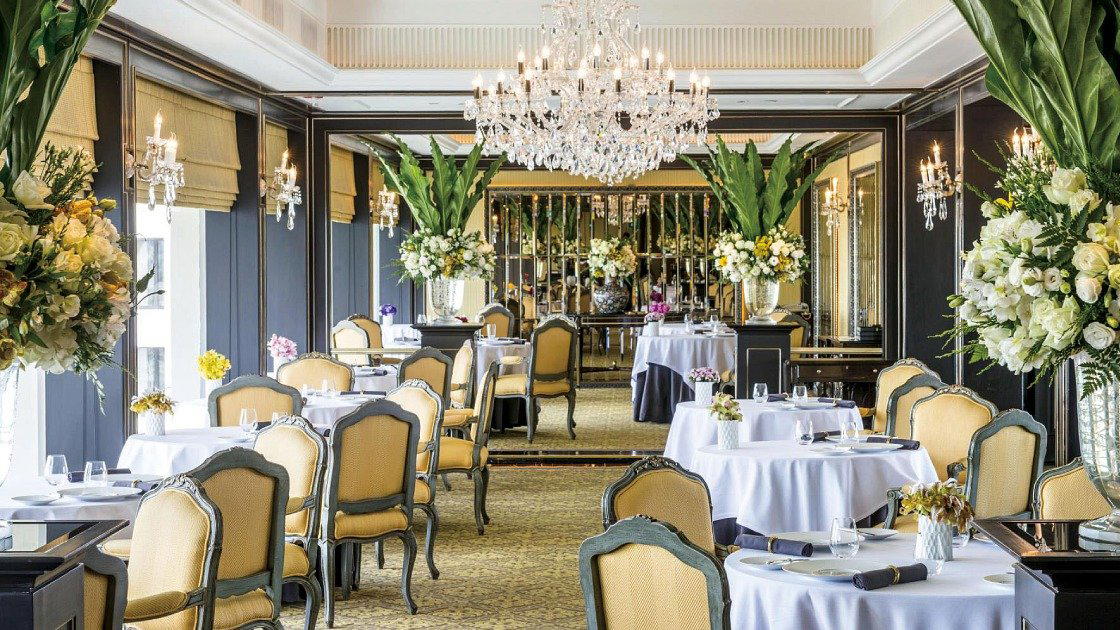
Serene and tranquil with lush greenery, traditional Thai elements, and peaceful natural surroundings.