The Chiang Mai Riverside Hotel
Positioned along the Ping River on Chiang Mai's southern fringe, The Chiang Mai Riverside Hotel occupies a stretch of the city where riverside accommodation has long traded on proximity to water and distance from the Old City's density. For travellers prioritising a quieter base with river orientation over central access, it sits in a distinct tier of the local market.

Pearl is the En Primeur Club membership app, where members save venues, book tables and use the concierge.
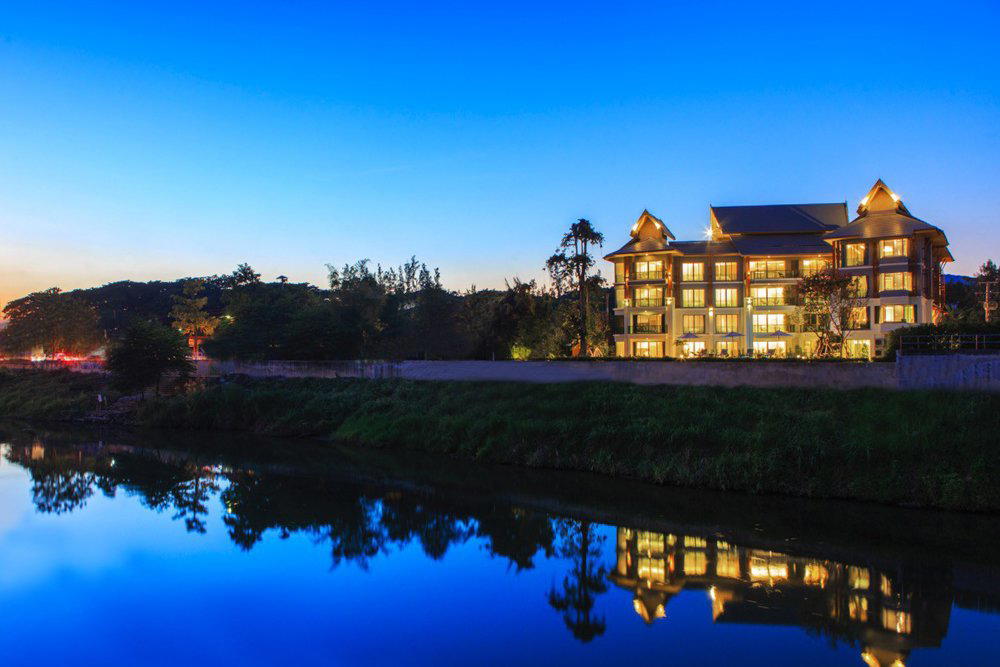
Where the Ping River Defines the Stay
Chiang Mai's relationship with the Ping River is older than its moat. Long before the walled Old City became the focal point for visitors, the river was the city's commercial spine, and the southern bank along Somphot Chiang Mai 700 Pi Road retains that quieter, less touristed character. The Chiang Mai Riverside Hotel sits in this zone, at address 111 หมู่ที่ 7 in the Pa Daet sub-district, a stretch that positions guests away from the Saturday and Sunday Walking Streets and further from the night bazaar traffic, in exchange for river proximity and a lower-density neighbourhood feel.
That trade-off defines the hotel's competitive position in Chiang Mai's accommodation market. The city now runs a wide spectrum of riverside and near-river properties, from the Anantara Chiang Mai Resort, which occupies a prime bend of the Ping near the Night Bazaar, to design-led boutique addresses like Rachamankha and 137 Pillars House, which trade on architectural heritage as much as location. The Riverside Hotel appeals to a different calculation: guests who want river orientation without the premium rates that come with a Ping-front address inside the city core.
Reading the Market Tier
Chiang Mai's hotel market has segmented sharply over the past decade. At the leading sit properties like the Four Seasons Resort Chiang Mai in Mae Rim, with its rice paddies and pool villas, and the Aleenta Retreat Chiang Mai, which has positioned itself in the wellness-led premium tier. The middle bracket, where The Chiang Mai Riverside Hotel competes, is crowded: large international brands like the Chiang Mai Marriott Hotel and Le Méridien Chiang Mai hold the centre, while independents and smaller boutique properties compete on character, price, or location specificity. The Riverside Hotel's address in Pa Daet gives it a geographic niche that separates it from that central cluster.
For travellers arriving from Bangkok, the comparison set broadens across Thailand's premium hotel spectrum. Properties like Mandarin Oriental Bangkok set a Ping-river reference point for what a flagship riverside hotel can mean. In the islands and resort zones, Amanpuri in Phuket, Six Senses Yao Noi in Phang Nga, and Phulay Bay, A Ritz-Carlton Reserve in Krabi have established what water-oriented luxury can look like when the product is fully invested. The Chiang Mai Riverside Hotel operates at a different point on that spectrum, making it relevant for a different kind of trip.
The Riverside Dining Context
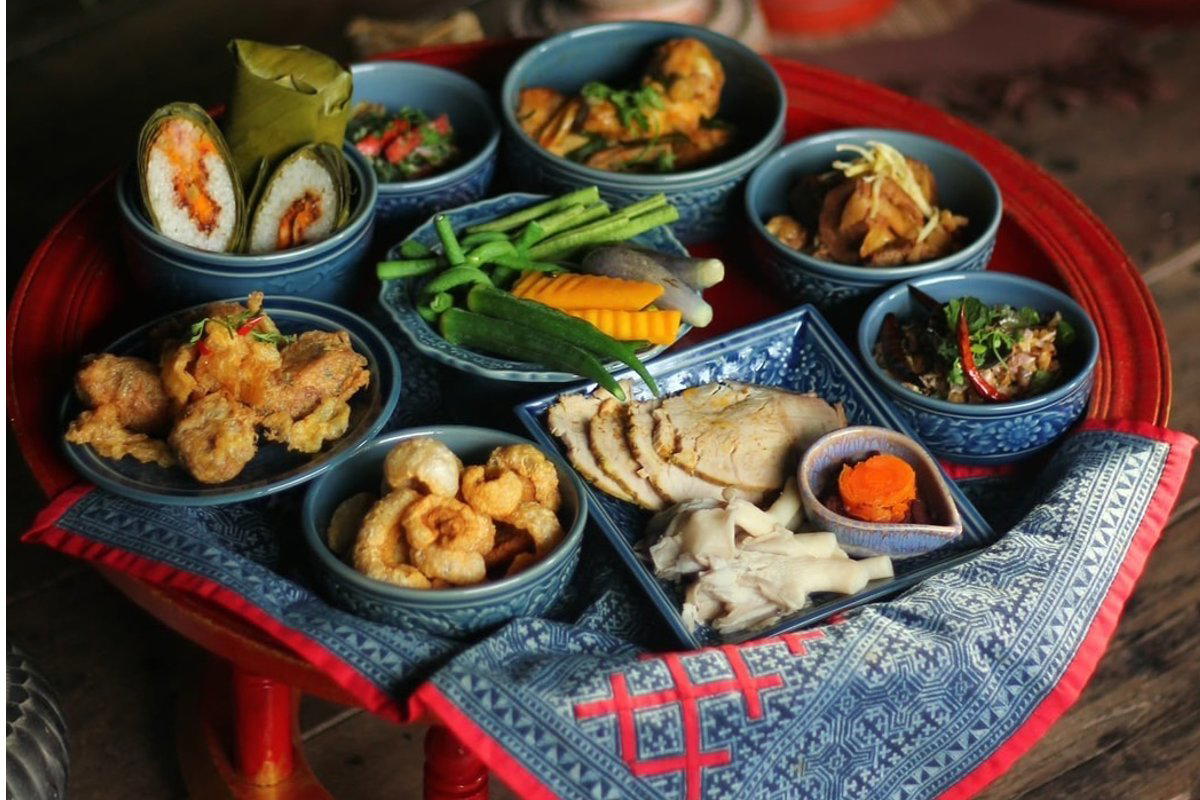
Chiang Mai's riverside dining culture has always been informal relative to Bangkok's river hotel restaurants. The Ping's southern stretches are lined with open-air restaurants serving northern Thai khao soi, sai oua, and larb dishes to a local and domestic tourist crowd, and that ambient food culture permeates the Pa Daet neighbourhood. A hotel in this location benefits from proximity to authentic northern Thai food at street level, which is a meaningful consideration given how central food geography is to the Chiang Mai experience. For a broader map of where to eat across the city, our full Chiang Mai restaurants guide covers the Old City, Nimman, and riverside zones with editorial depth.
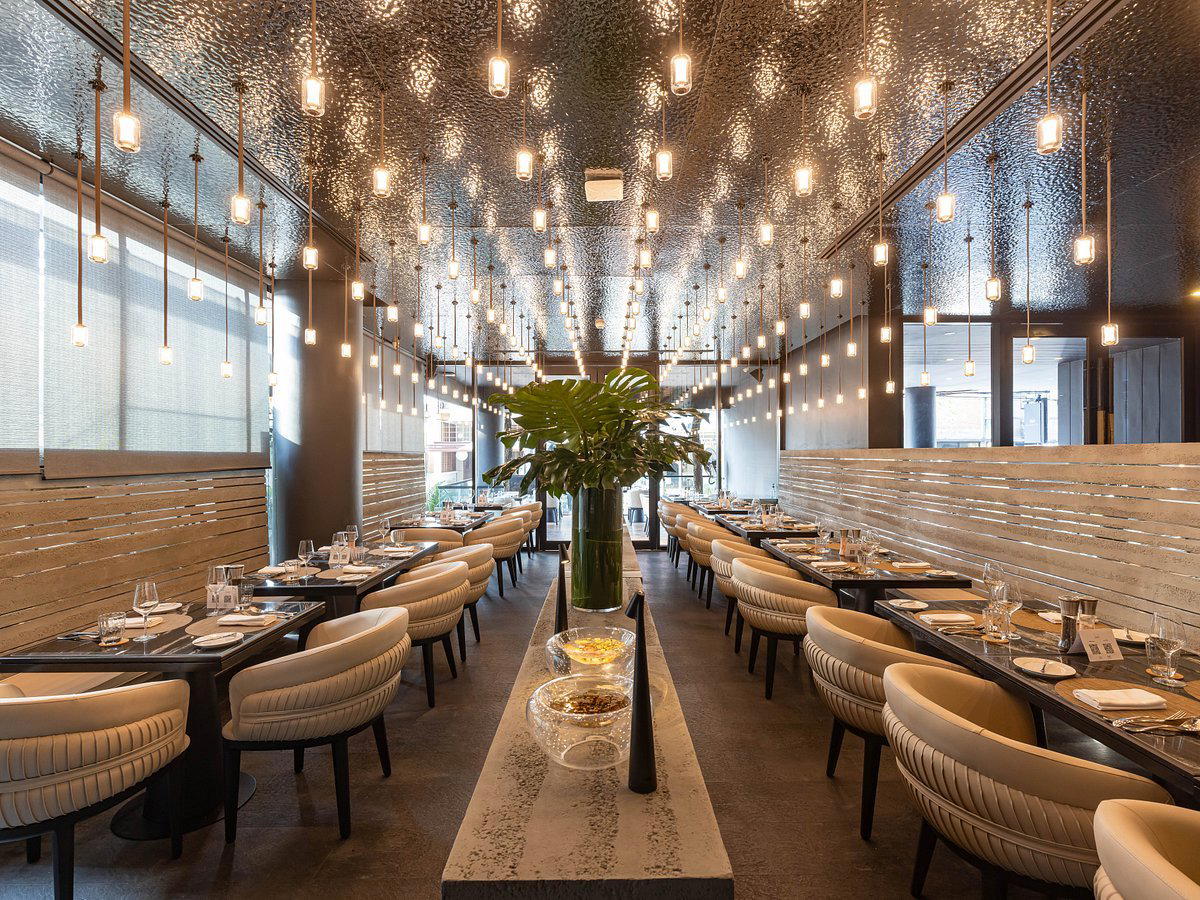
In-hotel dining at riverside properties in this tier typically follows a familiar structure: an all-day restaurant anchored by a breakfast programme, a pool or terrace bar with simplified food service, and a dinner menu weighted toward Thai staples alongside a short international selection. That architecture is designed for guests who will eat most dinners outside the hotel, using on-site dining mainly for convenience. It contrasts with the more elaborate in-house dining programmes at properties like AMANOR Hotel Chiang Mai or the curated restaurant experiences at the Four Seasons Mae Rim, where the dining programme is itself a reason to stay. At the Riverside Hotel, food is framing rather than focal point, which is appropriate for the neighbourhood and price tier.
Who This Hotel Serves
Riverside hotels at this location point in Chiang Mai tend to draw three overlapping groups: domestic Thai travellers on weekend escapes from Bangkok, international visitors on longer northern Thailand itineraries who are spending multiple nights in the city, and travellers moving between Chiang Mai and Chiang Rai who want a quieter base than the Old City's guesthouse density provides. The Anantara Golden Triangle Elephant Camp and Resort in Chiang Rai is a common next stop for that last group.
The Pa Daet sub-district location also appeals to travellers doing longer-stay wellness or retreat itineraries who want cooking class access, temple visits, and market proximity without constant exposure to the Old City's high-season crowds. That context places the hotel in a loose peer group with properties across Thailand that have carved out value through location specificity rather than flagship amenity depth: properties like Pimalai Resort and Spa in Koh Lanta and Samujana Villas in Koh Samui operate on a similar logic in their own markets.
Planning Considerations
Chiang Mai's peak season runs from November through February, when the northern climate is dry and cool and the city fills with visitors seeking relief from Bangkok's heat. That window drives the hardest booking pressure at well-reviewed riverside properties. The smoky season from late February through April is a deterrent for some, though room rates soften accordingly. Arriving outside peak months and booking direct or through a reputable channel tends to produce better room selection.
Getting to the Pa Daet address from Chiang Mai International Airport involves roughly 20 to 30 minutes by taxi or red songthaew depending on traffic, with airport taxi services readily available at fixed rates. The Old City and Nimman area are reachable by songthaew or grab in 15 to 25 minutes from this southern riverside position, making independent exploration viable without a hotel vehicle. Travellers extending into the wider region might look at properties like Anantara Rasananda Koh Phangan Villas or Anantara Hua Hin Resort and Spa for contrast with Chiang Mai's northern character.
| Venue | Cuisine | Price | Awards |
|---|---|---|---|
| The Chiang Mai Riverside HotelThis venue (the venue you are viewing) | This venue | $300–500 | Not listed |
| Four Seasons Resort Chiang Mai | Michelin 3 Key | Not listed | 3 Michelin Keys · La Liste Top Hotels |
| Rachamankha | Michelin 2 Key | Not listed | 2 Michelin Keys · Mr & Mrs Smith Seal of Approval |
| 137 Pillars House | Not listed | $300–500 | 2 Michelin Keys · La Liste Top Hotels |
| Aleenta Retreat Chiang Mai | Not listed | Not listed | 1 Michelin Key · Travel + Leisure T+L 500 Hotels |
| AMANOR Hotel Chiang Mai | Not listed | $100–200 | Michelin Selected · Small Luxury Hotels of the World Member |
Continue exploring
More in Chiang Mai
Hotels in Chiang Mai
All hotels in Chiang Mai →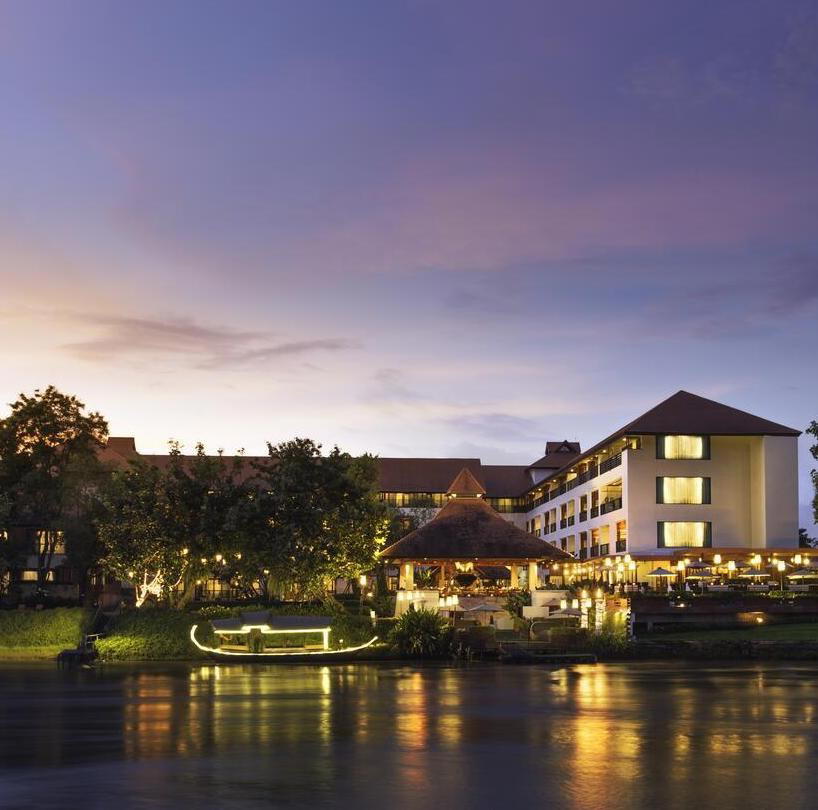
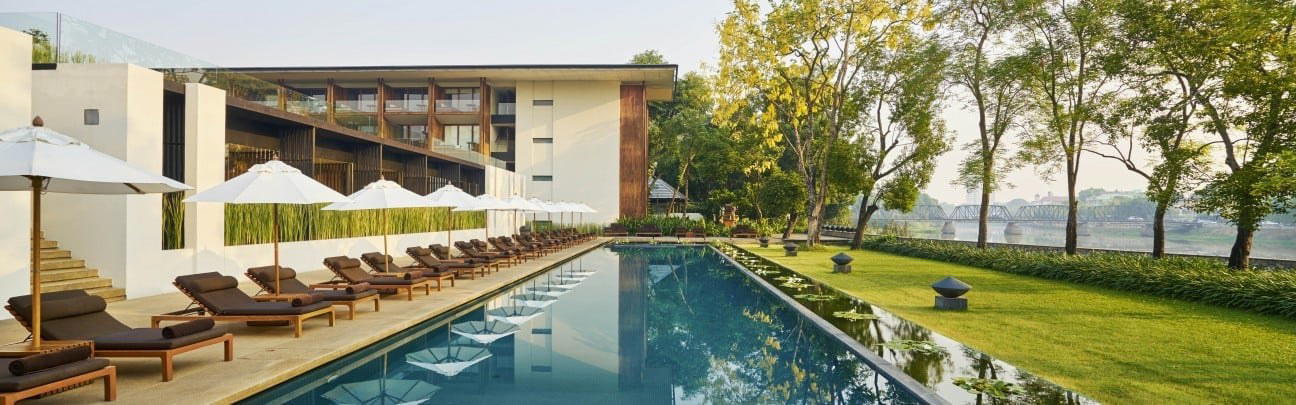
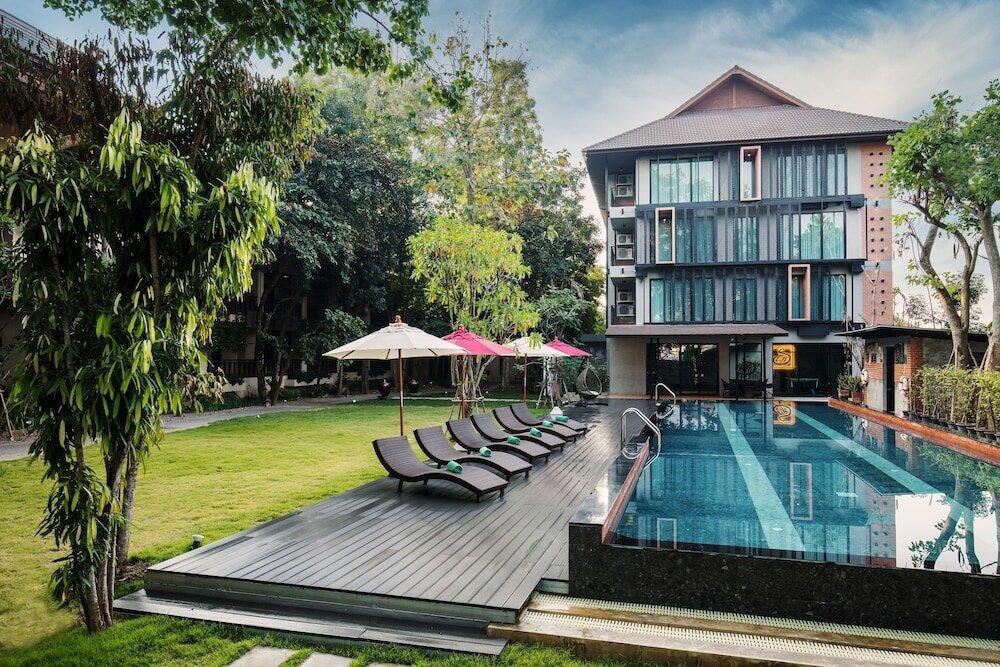
Bars in Chiang Mai
All bars in Chiang Mai →
Details
- Romantic
- Quiet
- Elegant
- Scenic
- Romantic Getaway
- Honeymoon
- Anniversary
- Wellness Retreat
- Waterfront
- Butler Service
- Garden
- Panoramic View
- Private Dining
- Destination Spa
- Wi Fi
- Pool
- Fitness Center
- Restaurant
- Bar
- Room Service
- Concierge
- Outdoor Pool
- Garden
- Waterfront
- Garden
- Wheelchair Accessible
- Elevator
- Accessible Restroom
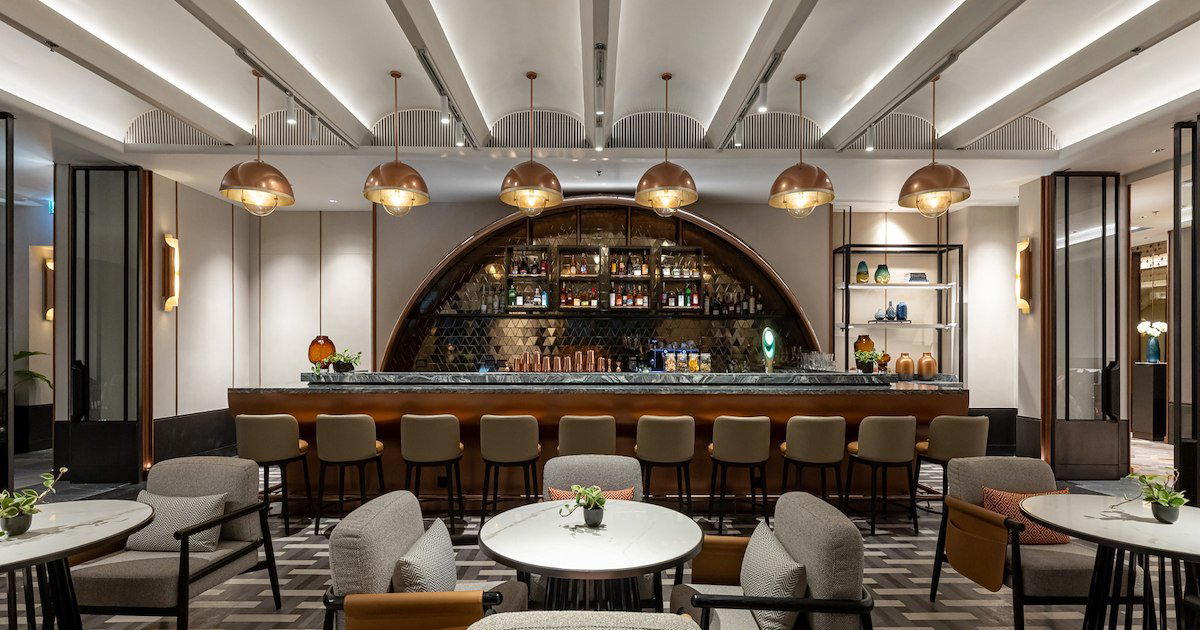
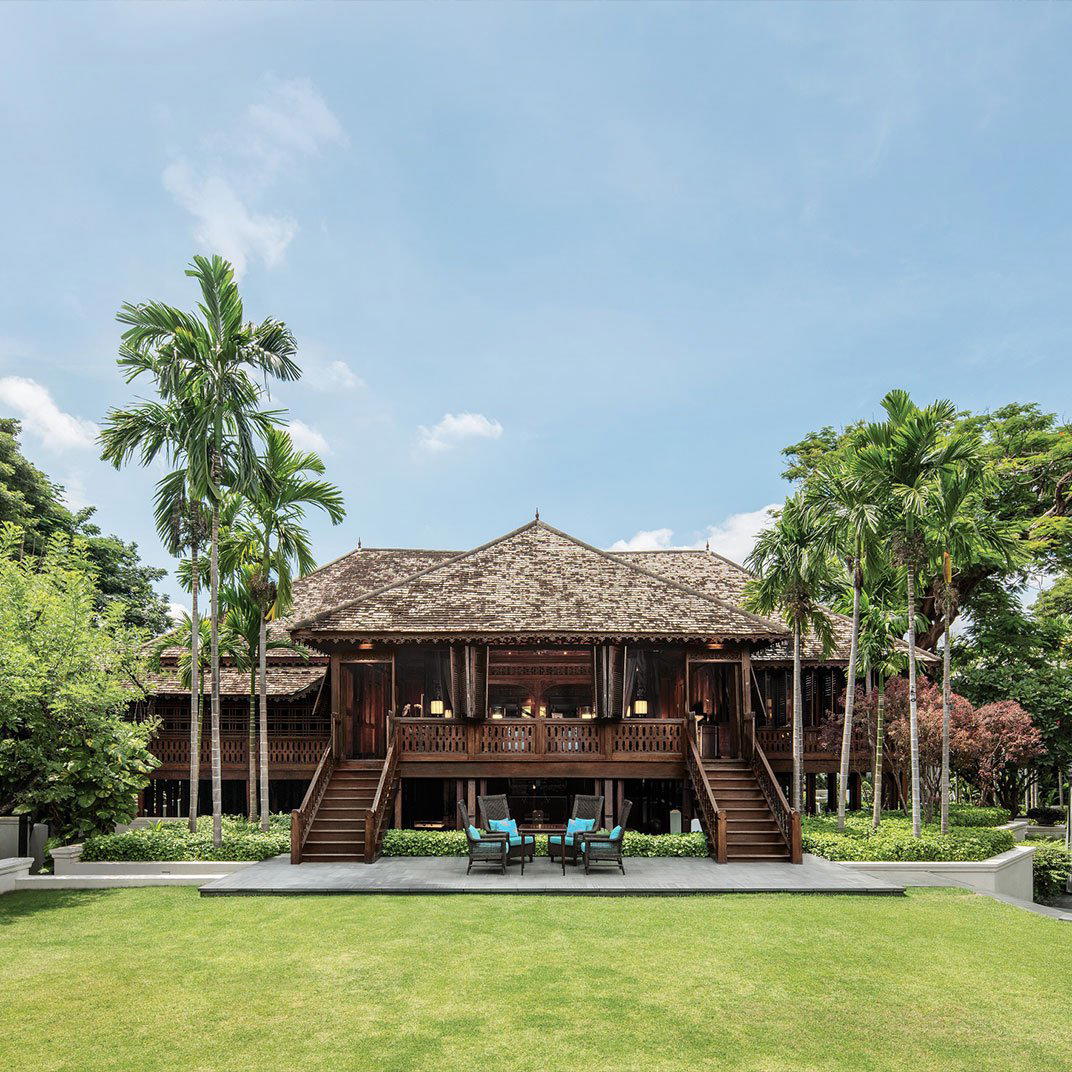
Serene and refined with natural light flooding through floor-to-ceiling windows, lush riverside gardens, and understated luxury blending traditional Northern Thai design with contemporary elegance.