Tsutenkaku sits on Kollergerngasse in Vienna's 6th district, a neighbourhood where Japanese restaurant culture has quietly taken root alongside the city's broader shift toward ingredient-led cooking. The address places it within walking distance of the Naschmarkt and its produce network, a proximity that shapes what appears on the plate and how it is sourced.
Pearl is the En Primeur Club membership app — saves, bookings, and concierge access live there. Same editors, same standards.
- Address
- Kollergerngasse 4, 1060 Wien, Austria
- Phone
- +434315866698
- Website
- tsutenkaku.at
- Directions
- Get directions
 Saves & bookings on Pearl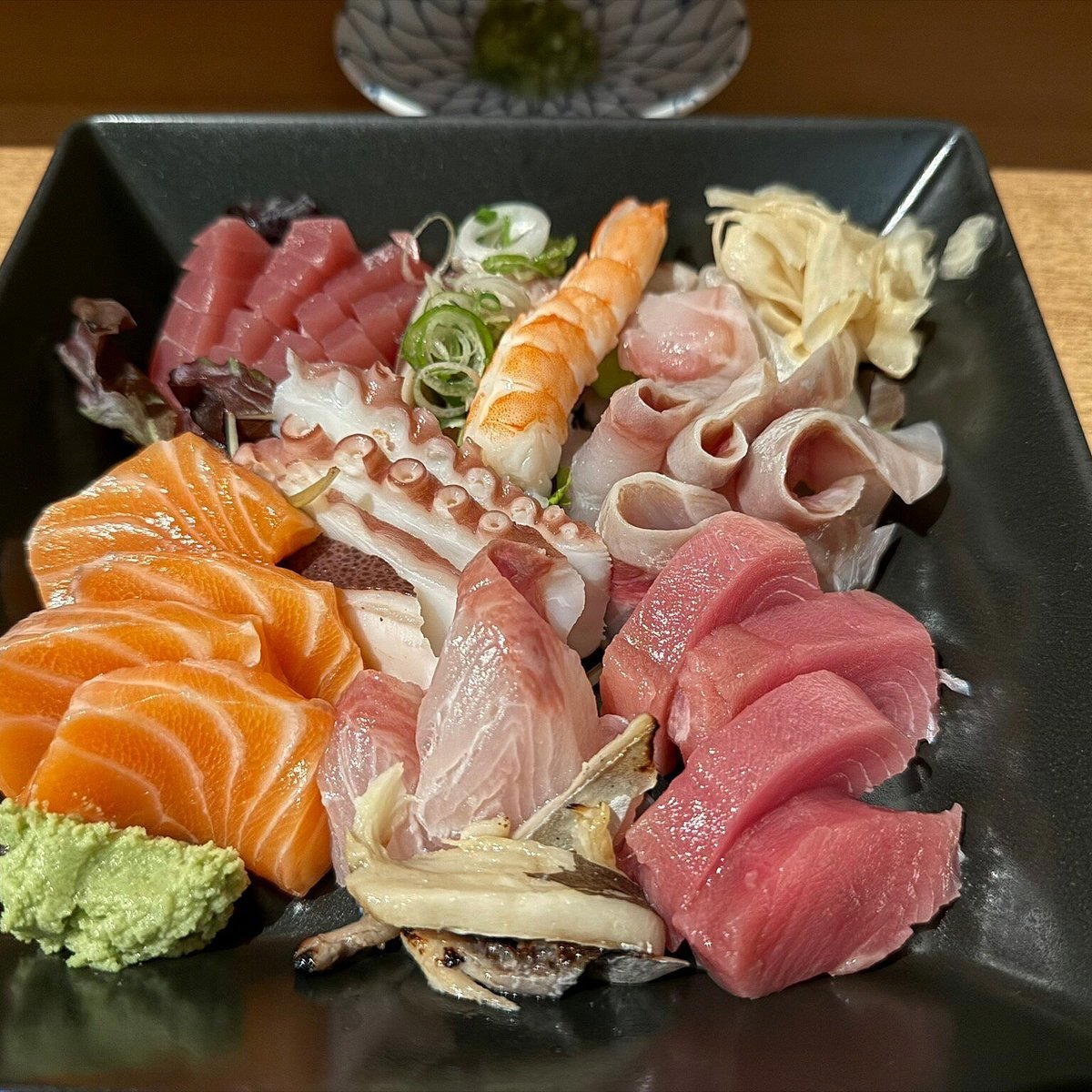
Japanese Restaurant Culture in Vienna's Sixth District
Vienna's relationship with Japanese cuisine has developed along a different axis than most Western European capitals. Rather than concentrating high-end Japanese dining in the first district alongside the grand hotels and Michelin-chasing European kitchens, the city has allowed a more distributed, neighbourhood-scale Japanese scene to emerge. The 6th district, Mariahilf, sits at the edge of that pattern. It is close enough to the Naschmarkt, Vienna's central produce market and one of the oldest continuous markets in Central Europe, to benefit from daily ingredient access, yet residential enough that restaurants there tend to answer to regulars rather than tourists. Tsutenkaku, at Kollergerngasse 4, occupies that position.
The name itself is borrowed from the Osaka tower, a reference that signals affinity with a particular strand of Japanese urban culture: the working-class, deeply local, food-obsessed character of Osaka rather than the refined formalism of Tokyo. Whether that framing shapes the food or simply the atmosphere is a question the menu answers more clearly than any descriptor could.
Ingredient Sourcing and the Naschmarkt Proximity
The sourcing question matters more for Japanese restaurants operating outside Japan than it does almost anywhere else in global dining. Japanese cuisine, particularly at its more precise registers, depends on a logic of ingredient integrity that is difficult to replicate when the supply chains are continental rather than domestic. Austrian chefs working in Japanese idioms have had to find their own solutions: sourcing fish through specialist importers connected to Tsukiji-successor networks in Tokyo, building relationships with Austrian farmers for vegetables that approximate the textural and sugar profiles required, and leaning on the Naschmarkt's international vendor network for daily produce.
Naschmarkt, running roughly a kilometre from the Kettenbrückengasse U-Bahn station toward the Rechte Wienzeile, includes vendors specialising in Middle Eastern, Balkan, and Asian produce alongside the conventional Austrian stalls. For Japanese-adjacent restaurants in the 6th district, this access is more than convenient; it is structurally important. The market's wholesale-adjacent pricing and early morning availability allow a cooking rhythm closer to what Japanese cuisine's seasonal responsiveness demands. Vienna's other high-end Japanese addresses, concentrated further inside the ring, rely more heavily on logistics networks rather than walk-in market relationships.
That difference in sourcing method tends to show up on the plate. Restaurants with direct market access typically rotate more frequently, carry shorter menus, and price individual components based on what arrived that morning rather than what a fixed menu requires. The trade-off is less predictability for the guest and more responsive cooking from the kitchen.
Where Tsutenkaku Sits in Vienna's Japanese Dining Tier
Vienna's Japanese dining scene now spans a wider range than it did a decade ago. The top tier is anchored by omakase counters and kaiseki-influenced tasting formats, where the comparison set includes restaurants like Steirereck im Stadtpark and Konstantin Filippou in the sense that they are all competing for the same limited pool of guests who book serious tasting menus weeks in advance. Below that sits a more accessible tier of Japanese and Japanese-influenced restaurants that operate without the formal tasting structure but maintain clear ingredient standards.
Tsutenkaku's Mariahilf address places it in the neighbourhood tier of that second group, which is not a diminishment. The neighbourhood tier in Vienna carries genuine culinary weight. The 6th and 7th districts have produced several restaurants that punch significantly above their postcode in ingredient quality and kitchen precision, without adopting the ceremony or price architecture of first-district tasting-menu operations. For context, the Austrian fine dining scene at the highest level, including the creative kitchens represented by Amador, Mraz & Sohn, and Doubek, sets a general benchmark for ingredient seriousness that has raised expectations across the city's dining culture, including in its Japanese restaurants.
The broader Austrian fine dining tradition, visible in venues like Landhaus Bacher in Mautern an der Donau and Obauer in Werfen, has long emphasised regional produce and seasonal discipline. That sensibility has filtered into Vienna's Japanese cooking, creating a hybrid approach where Austrian sourcing logic meets Japanese technique. This is a different trajectory from, say, the Japanese restaurants operating in New York, where Atomix sits at the apex of a scene built on imported Japanese ingredients and Korean-Japanese fusion, or where Le Bernardin defines a French-led standard for product-first seafood cooking. Vienna's Japanese restaurants are shaped by a Central European ingredient culture that has no direct parallel elsewhere.
The Wider Austrian Fine Dining Frame
Understanding Tsutenkaku requires some sense of where it sits relative to Austrian food culture more broadly. Austria's leading dining tier now extends well beyond Vienna. Restaurants like Ikarus in Salzburg, Döllerer in Golling an der Salzach, Griggeler Stuba in Lech, and Gourmetrestaurant Tannenhof in Sankt Anton am Arlberg have established that serious cooking happens throughout the country, not only in the capital. Herb-forward, mountain-influenced approaches at places like Kräuterreich by Vitus Winkler and ingredient-precise regional cooking at Restaurant 141 by Joachim Jaud in Mieming reflect a national commitment to sourcing specificity that makes Vienna's Japanese dining something other than an anomaly. It is, instead, part of a broader Austrian culinary culture that takes provenance seriously regardless of the cuisine's country of origin. Schwarzer Adler in Hall in Tirol and Ois in Neufelden extend this pattern further into the regions.
Planning Your Visit
Address: Kollergerngasse 4, 1060 Wien, Austria. District: Mariahilf, 6th district, a short walk from the Kettenbrückengasse U4 station and the Naschmarkt. Reservations: Reservations: essential. Hours: Mon: Closed; Tue: 6–10 PM; Wed: 6–10 PM; Thu: 6–10 PM; Fri: 6–10 PM; Sat: 6–10 PM; Sun: Closed. Budget: about $50 per person. Dress: casual.
A Quick Peer Check
Comparable venues nearby, for context on price, style, and recognition.
| Venue | Cuisine | Price | Notes |
|---|---|---|---|
| TsutenkakuThis venue — the venue you are viewing | Authentic Japanese Sushi | $$$ | Not listed |
| Benkei | Authentic Japanese Sushi | $$$ | Landstraße |
| Asahimoto | Authentic Japanese Sushi & Ramen | $$ | Kaiserebersdorf |
| NihonBashi | Authentic Japanese Sushi & Sashimi | $$$ | Staatsoper |
| Nikkai | Japanese Fusion | $$ | Inner City |
| OTTOYAMI | Asian Fusion Sushi & Grill | $$$ | Mariahilf |
Continue exploring
More in Vienna
Restaurants in Vienna
Browse all →![[aend] restaurant in Vienna](https://cdn.enprimeurclub.com/storage/v1/object/public/images/locations/recsVyRkMfzCxPmp0/hero2.jpg?width=3840&quality=75)
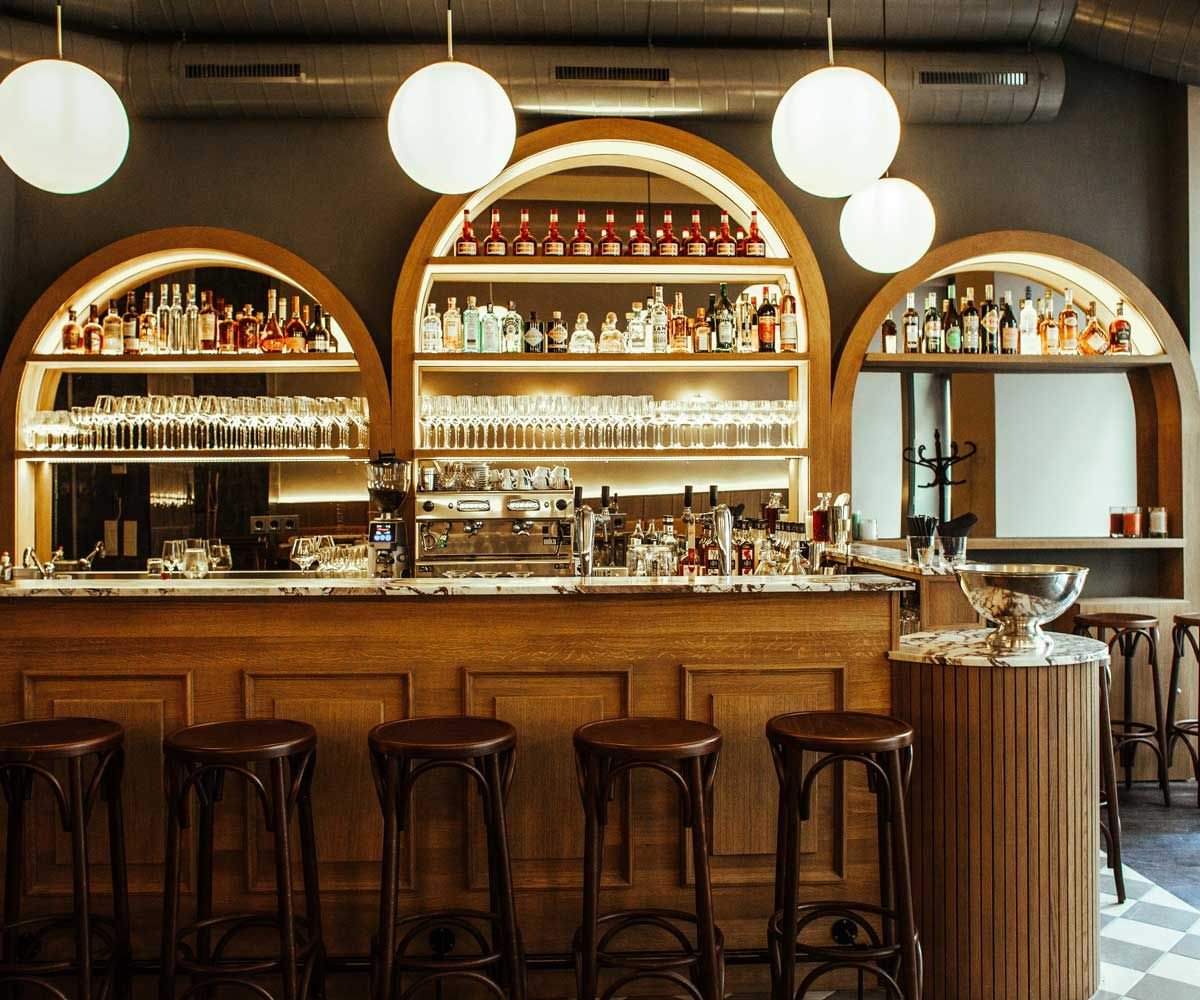
Bars in Vienna
Browse all →

Hotels in Vienna
Browse all →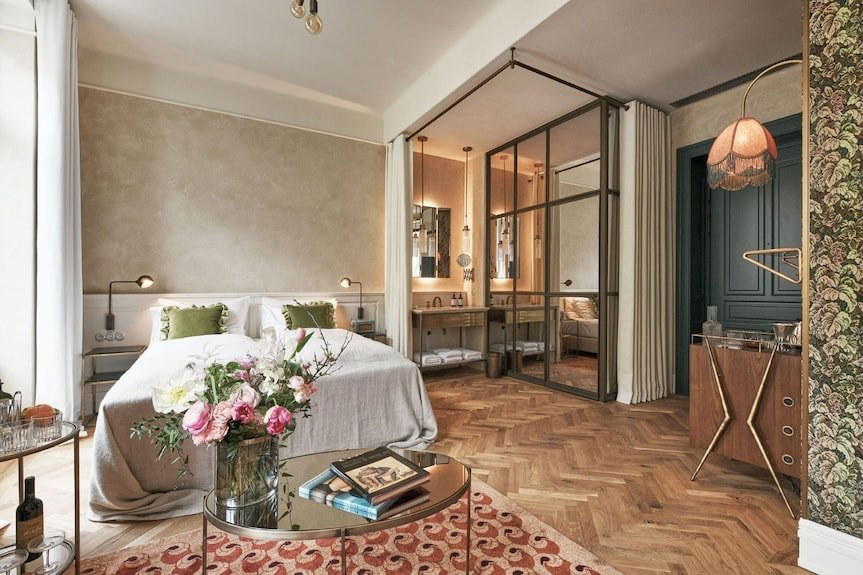

At a Glance
- Cozy
- Intimate
- Date Night
- Solo
- Sake Program
Current opening hours
- Monday
- Closed
- Tuesday
- 6–10 PM
- Wednesday
- 6–10 PM
- Thursday
- 6–10 PM
- Friday
- 6–10 PM
- Saturday
- 6–10 PM
- Sunday
- Closed
Hours can change for holidays and private events. Last verified .
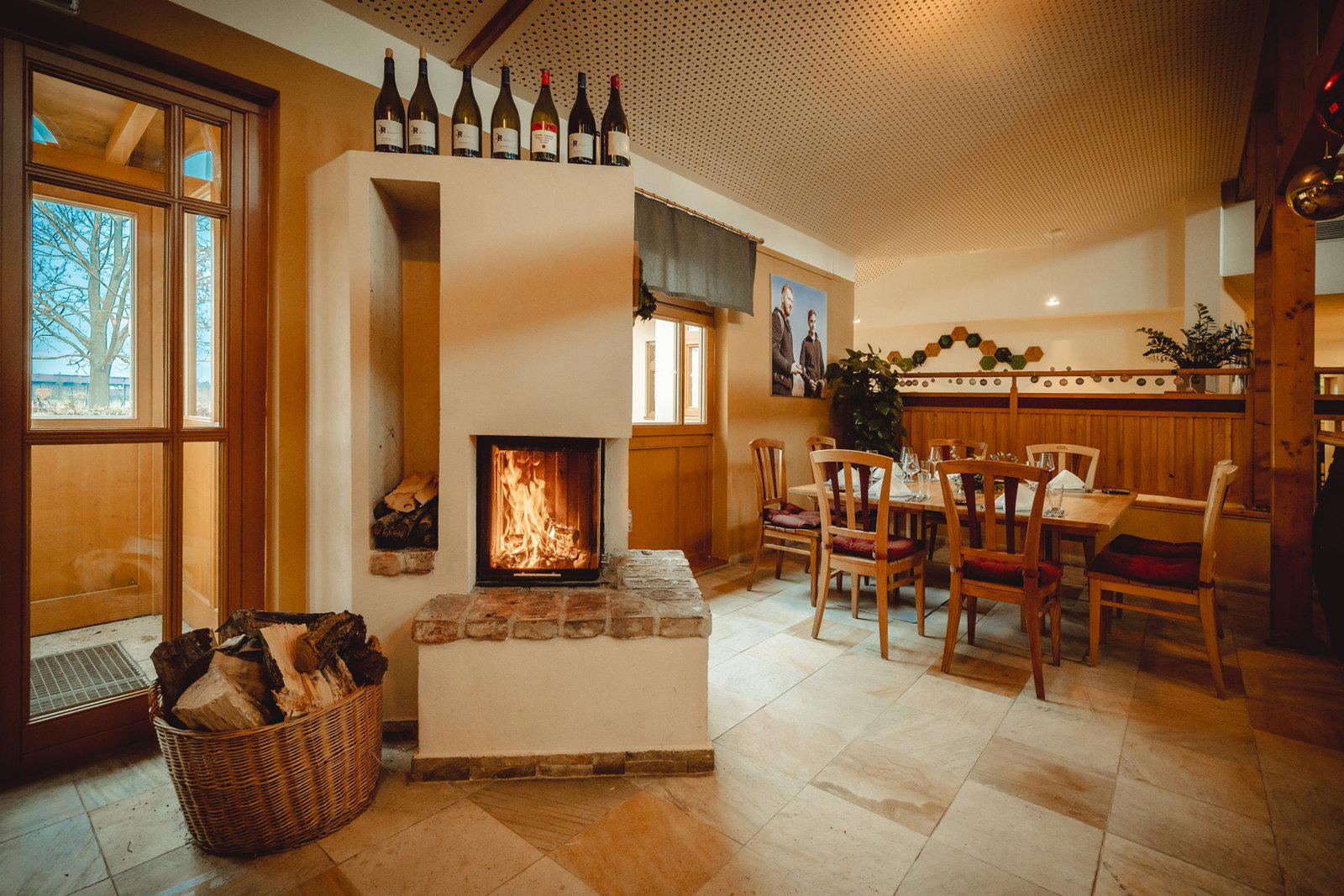
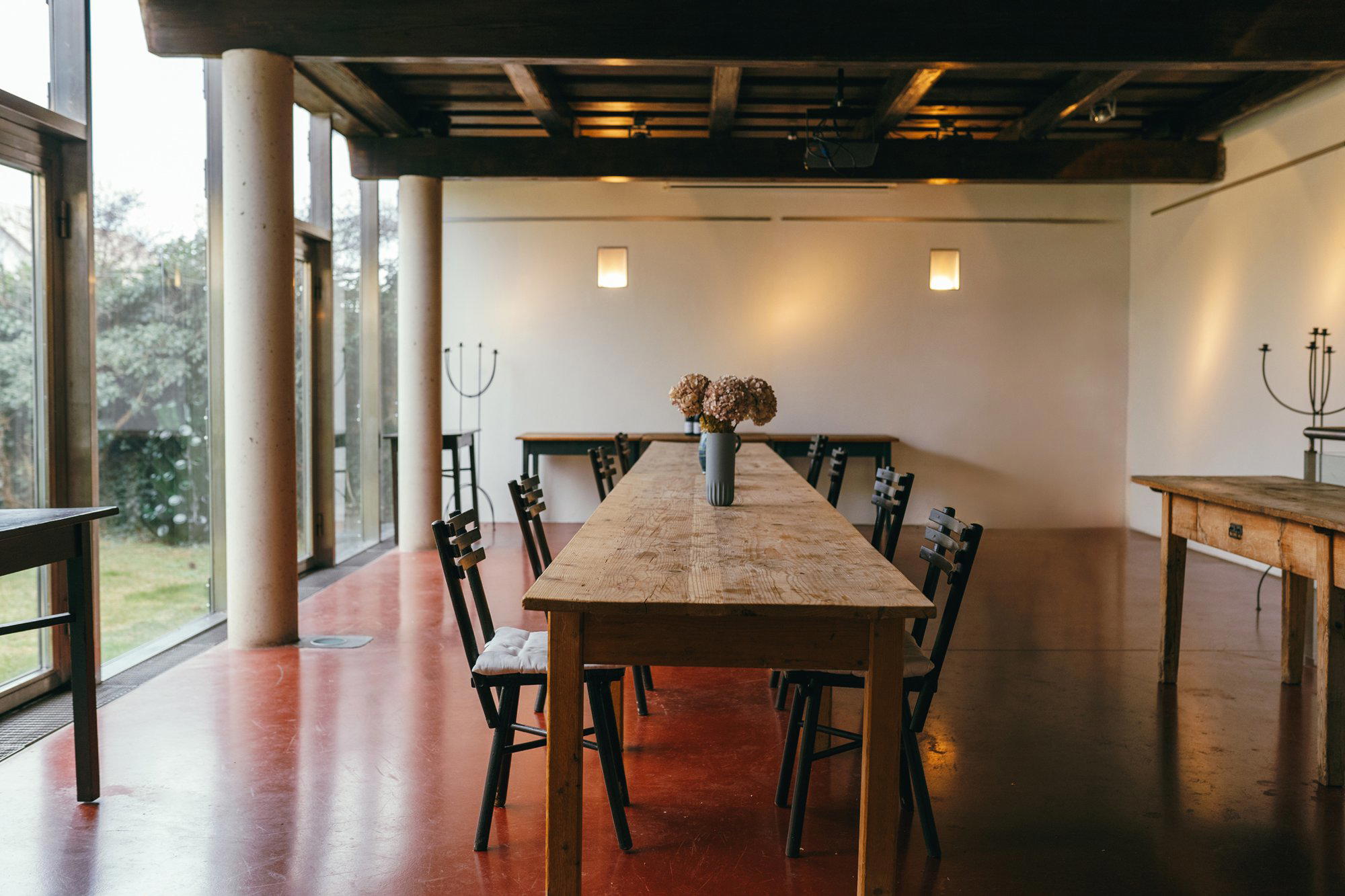
Simple, cozy, and unpretentious with a warm, welcoming atmosphere focused on the food.