
Tabelog Bronze #488
Our verdict
Tsunechan places Sakai’s yakiniku culture in a tighter, counter-led register: meat, tripe, smoke and drink pairings rather than downtown spectacle. Its Tabelog Award Bronze recognition in 2025 and 2026, plus repeated Tabelog 100 Yakiniku WEST selections, put it in a serious Kansai barbecue bracket without removing it from its local, Goryomae-side setting.

Pearl is the En Primeur Club membership app, where members save venues, book tables and use the concierge.
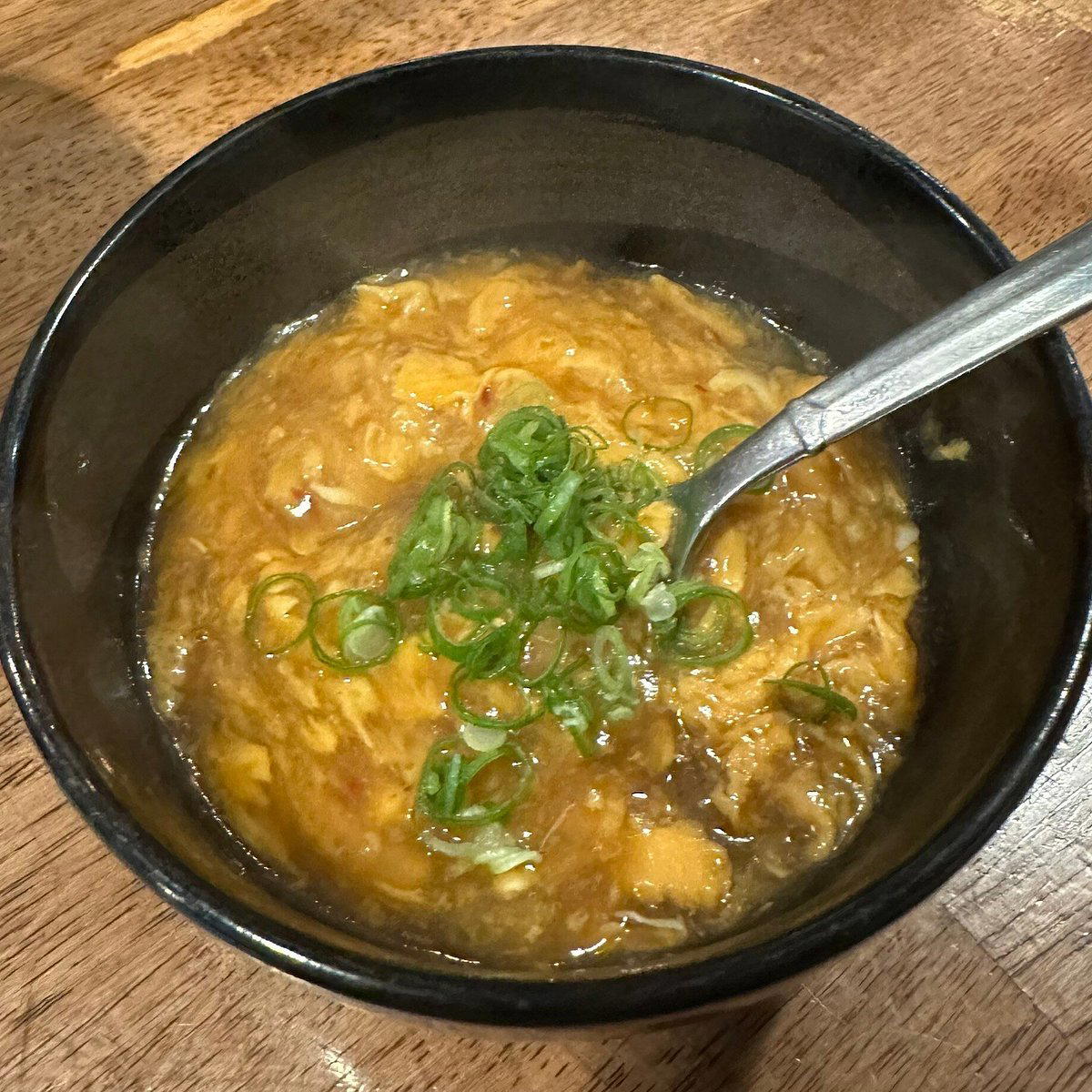
The menu
What to order
- Super Chateaubriand
- Kumamoto A5 Tongue
- Tan Mote
Approaching yakiniku in Sakai differs from central Osaka. The city’s southern edge has less station-front dazzle than Namba and Umeda, and more of the neighbourhood rhythm that suits grilled meat: regulars, counter seats, smoke, conversation and a kitchen able to make offal central, not an afterthought. Tsunechan belongs to that register, and its recognition matters in a category where Japan’s barbecue culture is judged by sourcing discipline and cut selection as much as comfort or theatre.
Osaka’s restaurant map is often flattened into takoyaki, kushikatsu and late-night ramen, but the better reading is granular. Sakai has its own gravity, historically separate from the city centre and still rewarding diners who leave obvious loops. For a broader view, Our full Osaka restaurants guide maps the city’s dining spread, while Our full Osaka hotels guide, Our full Osaka bars guide, Our full Osaka wineries guide and Our full Osaka experiences guide frame a trip built beyond one table.
Sakai yakiniku, judged at counter distance
Yakiniku is sometimes misread by visitors as casual grilling with better beef. In Kansai, the serious end is narrower and exacting. The meal depends on cut hierarchy, heat control, pacing and making beef variety intelligible without lecturing. Tripe also matters. In Osaka and surrounding cities, horumon culture gives texture, chew and bitterness a place beside marbled beef, separating a focused yakiniku house from a luxury meat parade.
Tsunechan’s public category listing is Yakiniku (Japanese BBQ) and Tripe, a pairing more telling than a generic meat label. The Tabelog Award Bronze listings in 2025 and 2026 place it in a tier rewarding sustained diner consensus, not novelty. Its repeated selection for Tabelog Yakiniku WEST 100 from 2022 through 2025 adds another signal: this is not a single-season attention spike. The 2025 Tabelog 100 Yakiniku WEST listing puts it within a western Japan field, not just a Sakai conversation, the right competitive frame for a serious Kansai grill counter.
The format matters. Counter seating changes the contract between diner and kitchen. At table-grill restaurants, the room can carry some of the experience; at a counter, sequencing, replenishment and handling each cut are harder to hide. Counter-led yakiniku can feel closer to sushi in structure than group barbecue. The point is proximity, not ceremony: the diner is close enough to notice timing, trimming and differences between lean muscle, fat, tongue and offal.
Why the Goryomae setting changes the meal
Location is not incidental. A Sakai address near Goryomae places the restaurant outside the city-centre pattern where visitors stack meals by neighbourhood efficiency. That filters the room toward diners choosing the destination, not passers-by after shopping, creating a more deliberate meal, especially for travellers used to itineraries around Dotonbori, Shinsaibashi or Umeda.
That contrast helps read Osaka’s dining culture. Central Osaka is excellent for breadth: bakeries, counters, snack-driven institutions and polished foreign-cuisine rooms within a short taxi ride. A day might move from 52CHO-ME BAKERY to 551 Horai (551蓬莱), then Italian at a canto (Italian) or Naples-minded pizza at 99 Pizza Napoletana Gourmet. A quieter cafe stop such as.cafe speaks to another Osaka rhythm. Sakai asks for narrower commitment, part of the appeal: the meal is not filler between landmarks.
Against the comparison set, the distinction is clear. Kan Bukuro and Honke Kojima sit in a lower-priced Osaka lane linked to lighter, casual spending patterns. Men Kui Yamachan works in a similarly accessible register. Sushi Oga belongs to another genre, where counter tradition is raw fish, rice and knife work rather than grill heat and beef anatomy. Tsunechan is not simply an “expensive Osaka dinner.” It occupies the premium yakiniku-and-tripe lane, with award recognition supporting the trip south rather than decorating it.
A meat counter for diners who care about category, not spectacle
The strongest reason to plan around this table is category fit. Diners chasing theatrical presentation may find more obvious drama elsewhere in Osaka; serious yakiniku pleasure is more technical and less photogenic. The meal asks attention to sequencing, fat, chew and smoke, with sake, shochu and wine sitting naturally beside the grill. Treat it as a focused meat dinner, not a general-purpose celebration venue.
Practical constraints shape the audience. The room is counter-only, private rooms are not part of the format, and the restaurant’s own guidance generally excludes customers under 19. Smoking is allowed. Those details define the experience as much as the awards: adult, compact, close to the grill and not designed for diners seeking a sealed-off private room. Payment is narrower than many international visitors expect, with listed card acceptance for JCB, AMEX and Diners, and no electronic money or QR-code payments.
The wider Japan map offers contrasts without confusing the choice. Beef-focused meals can mean sukiyaki elsewhere, as at -Grilled beef Sukiyaki- KAMAKURA TANUKIAN 鎌倉 たぬき庵 in Kamakura, while charcoal and tuna point a Tokyo meal elsewhere at. 鮪と炭火焼き うお炭 秋葉原店 in Tokyo. Regional cooking spreads through.know in Kumamoto, (Shoku) Vietnam in Kawasaki, [Curry Senmon Ten] Maruyama Kyoju. in Sapporo and [ki:] in Kyoto. Beyond Japan, Jōdo Saké Bar in Los Angeles and Onigiri Time in Pasadena show how Japanese formats mutate abroad. Tsunechan is useful because it resists that breadth: a specific Kansai answer to how much depth a compact yakiniku counter can carry.
The editorial read is clear: plan it for a meat-focused evening in Sakai, not a casual add-on to a central Osaka crawl. The award trail, counter format and yakiniku-tripe pairing point the same way. This is for diners who understand Osaka’s food culture is not only loud, fast and central; some sharper meals happen when the city thins out, the room gets smaller and the grill becomes the main argument.
Frequently asked questions
Is Tsunechan open every day?
Hours at Tsunechan: Mon, Thu, Fri, Sat, Sun 17:00 - 22:00 L.O. 21:30.
What part of town is Tsunechan in?
Tsunechan is located in Osaka.
What's the standout thing about Tsunechan?
Tsunechan’s clearest distinction is the format: counter seating only, with reservations available and a dinner range of JPY 15,000–JPY 19,999. That setup is backed by Tabelog Bronze recognition in 2025 and 2026, plus repeated selection in Tabelog’s Yakiniku WEST lists.
What is Tsunechan known for?
Tsunechan is primarily known for its core concept and execution in Osaka.
At a Glance
Nearby venues at a similar price tier for orientation.
| Venue | Cuisine | Price | Awards | Notes |
|---|---|---|---|---|
| TsunechanThis venue (the venue you are viewing) | Premium Yakiniku | $100–150 | Tabelog Bronze #488 | Not listed |
| Kan Bukuro | Traditional Japanese wagashi & kakigori | $1–10 | Tabelog 100 #68 | JPY 1,000 - JPY 1,999 - JPY 999 |
| Men Kui Yamachan | Udon and Tempura Shop | $10–20 | Tabelog 100 #5 | JPY 1,000 - JPY 1,999 |
| Sushi Oga | Sushi | Not listed | Not listed | Not listed |
| Oga | Premium Bluefin Tuna Omakase | $300–500 | Tabelog Bronze #331 | Not listed |
| Honke Kojima | Traditional Japanese Wagashi (Keshimochi) Shop | $1–10 | Tabelog 100 #31 | JPY 1,000 - JPY 1,999 View spending breakdown |
Recognition history
Dated appearances from independent guides and award organizations, with the underlying list record or original source where available.
Tabelog Bronze #488
Tabelog
Full recognition history (3 entries)
Tabelog Bronze
Tabelog
Tabelog 100 #65 · No. 65
Tabelog · Tabelog 100 - Yakiniku - WEST - 2025
Continue exploring
More in Osaka
Restaurants in Osaka
All restaurants in Osaka →


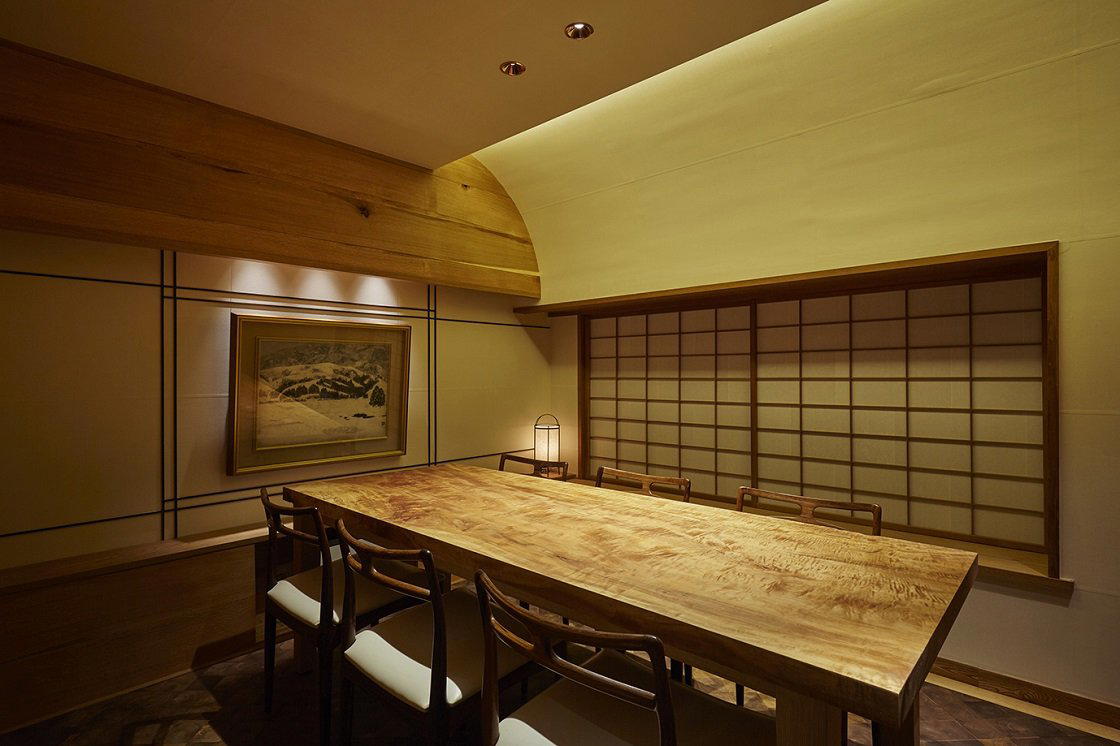
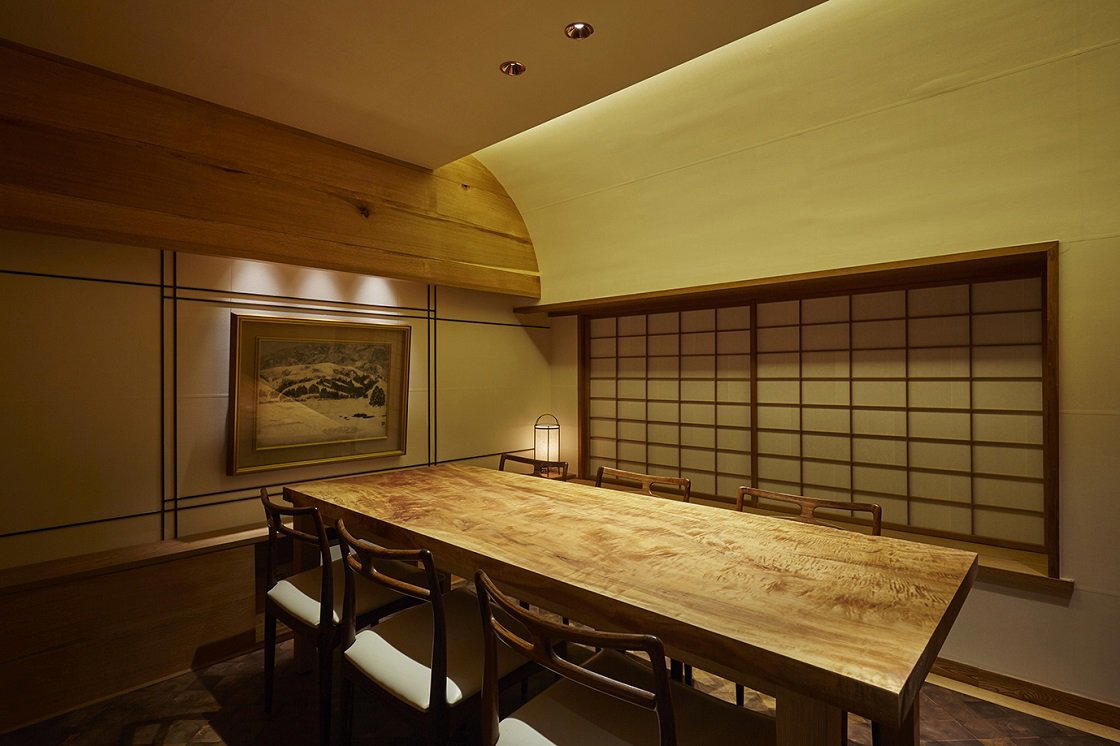
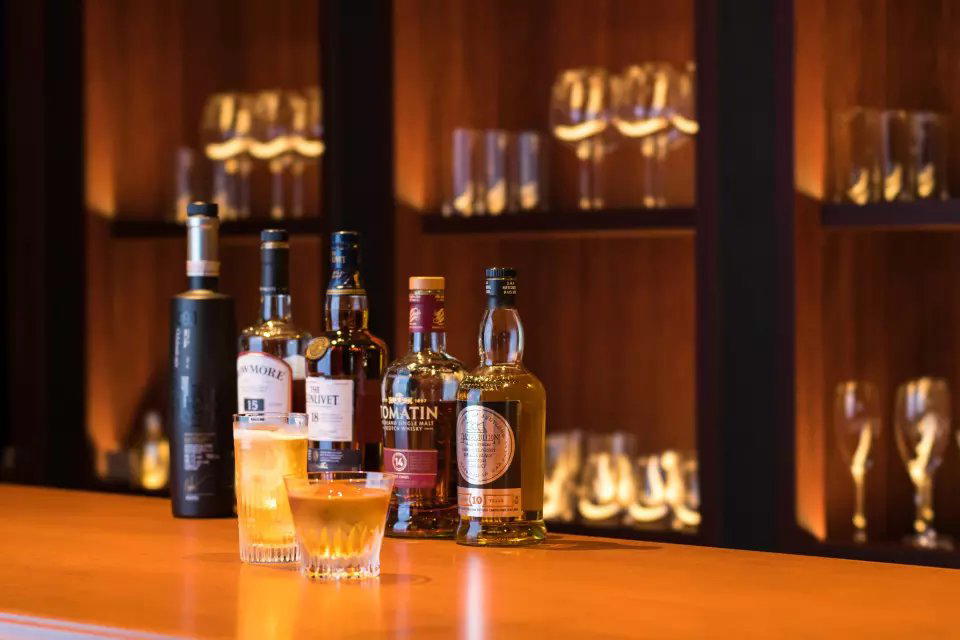
Bars in Osaka
All bars in Osaka →


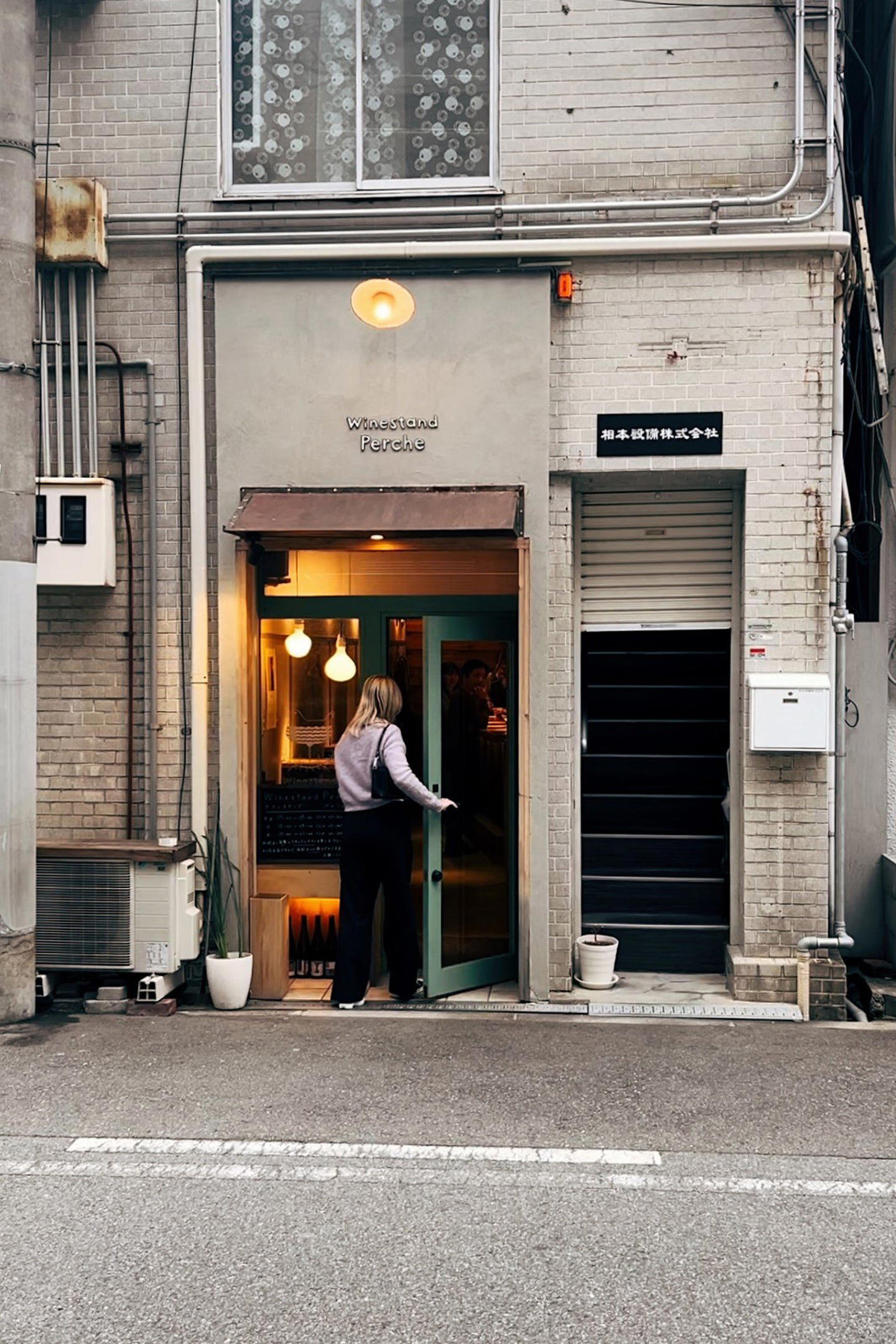
Hotels in Osaka
All hotels in Osaka →
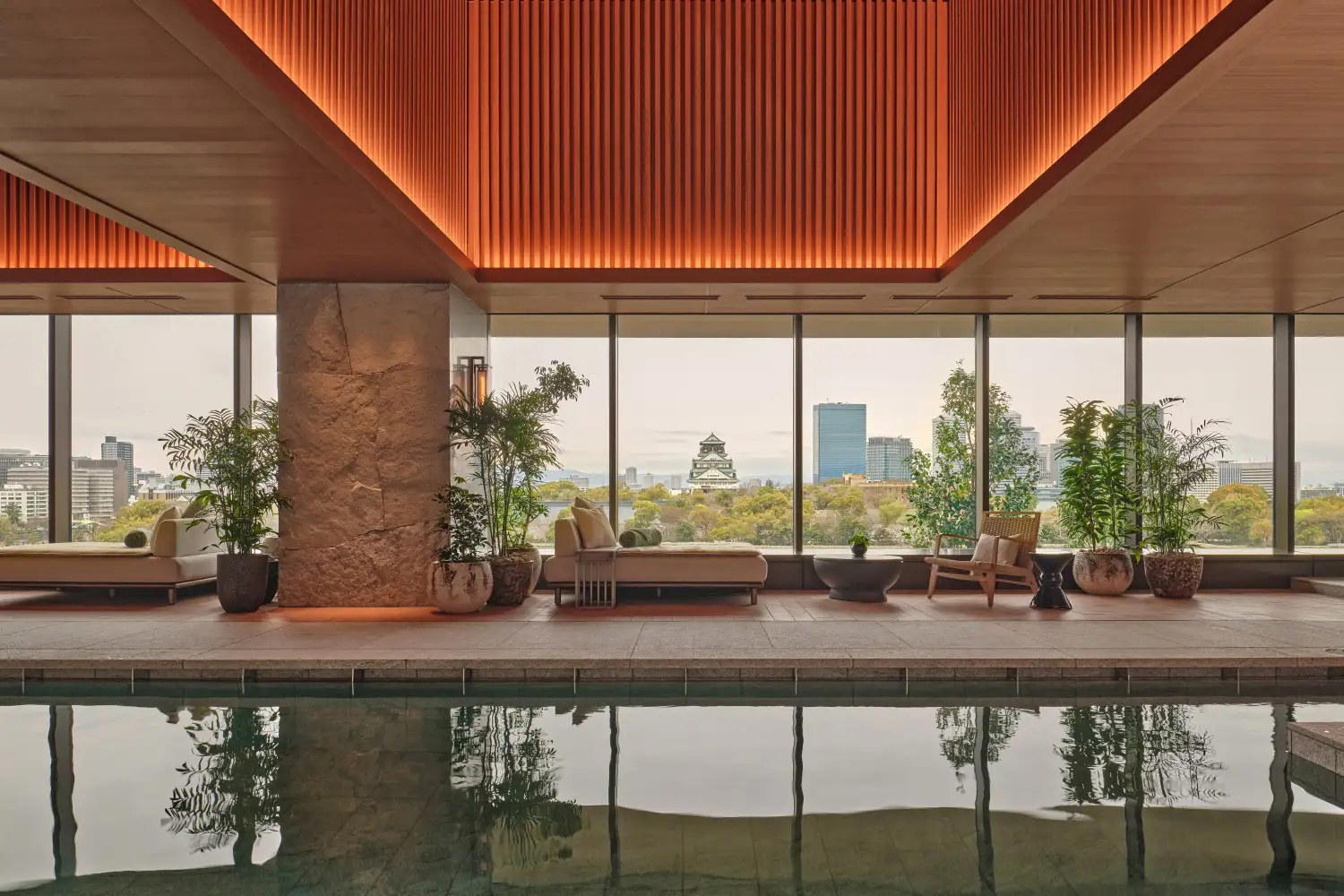



Wineries in Osaka
Browse all →
Details
- Intimate
- Cozy
- Special Occasion
- Date Night
- Chefs Counter
- Open Kitchen
- Sake Program
- Local Sourcing
- A La Carte
- Counter Dining
Current opening hours
- Monday
- 5–9:30 PM
- Tuesday
- Closed
- Wednesday
- Closed
- Thursday
- 5–9:30 PM
- Friday
- 5–9:30 PM
- Saturday
- 5–9:30 PM
- Sunday
- 5–9:30 PM
Hours can change for holidays and private events. Hours as of .
Counter-only seating with autographed walls, warm and welcoming atmosphere created by the owner and staff.