Tsunami
Tsunami at 1306 Fulton Street sits in the Western Addition, one of San Francisco's most historically layered neighborhoods. What draws visitors here is best understood through the neighborhood itself and how it compares to the city's more documented dining circuit.
Pearl is the En Primeur Club membership app — saves, bookings, and concierge access live there. Same editors, same standards.
- Address
- 1306 Fulton St, San Francisco, CA 94117
- Phone
- +14155677664
- Website
- tsunamipanhandle.com
- Directions
- Get directions
 Saves & bookings on Pearl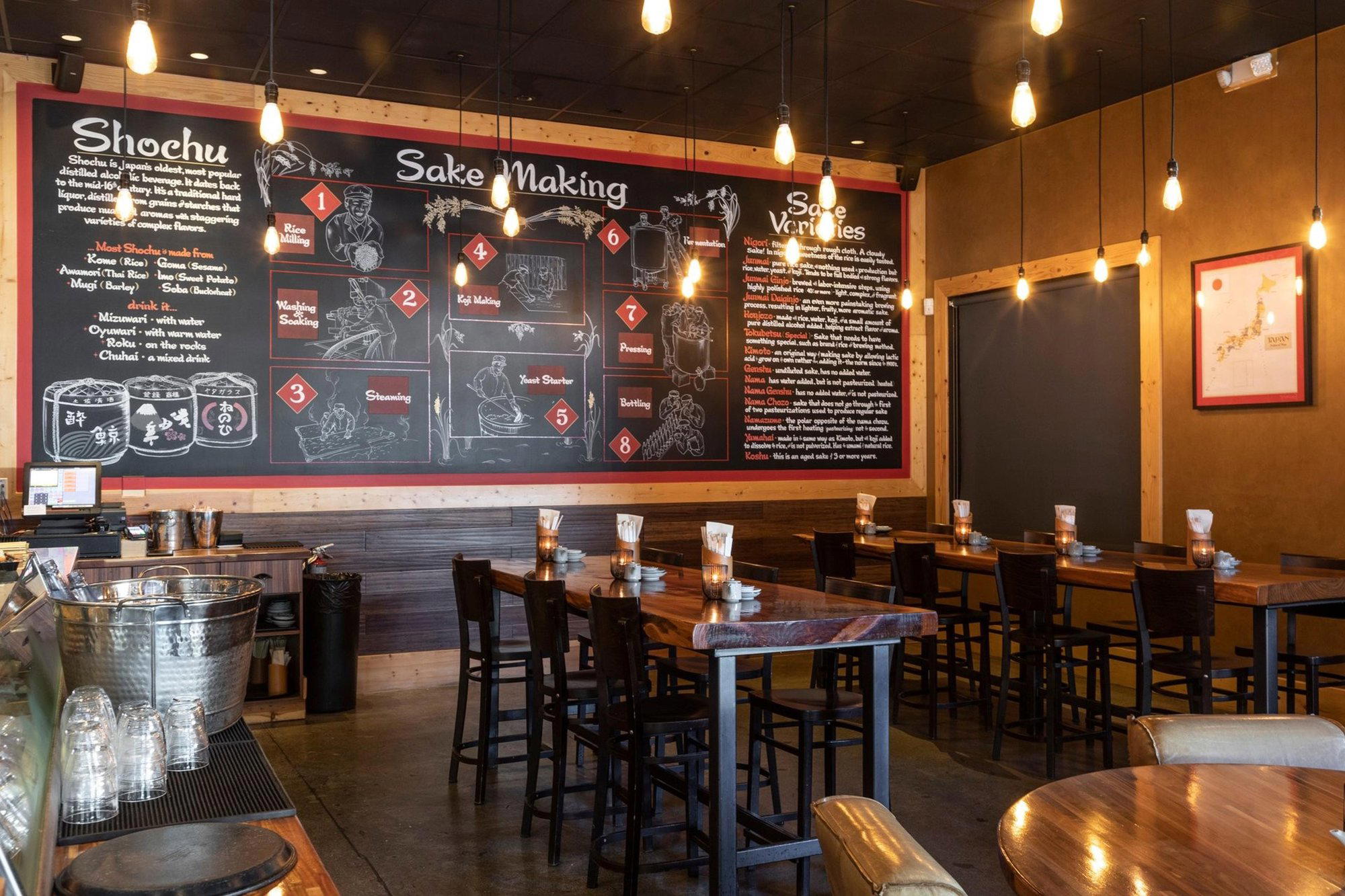
Where Fulton Street Fits in San Francisco's Dining Geography
San Francisco's restaurant scene has long sorted itself into readable tiers. At the leading, a cluster of tasting-menu destinations, Lazy Bear, Atelier Crenn, Benu, Quince, and Saison, compete with national heavyweights like The French Laundry in Napa and Single Thread Farm in Healdsburg for the attention of serious diners. Below that, a second tier of neighborhood anchors operates with less fanfare but often more consistency. Tsunami at 1306 Fulton Street, in the Western Addition, belongs to that second geography, a part of the city where restaurants tend to serve the community around them rather than drawing destination traffic from across the bay.
The Western Addition carries significant cultural weight in San Francisco. It was the center of the city's Black community through much of the twentieth century, shaped by the jazz clubs and social institutions that lined Fillmore Street before redevelopment altered its character in the 1960s and 1970s. That history gives the neighborhood a different texture from the more heavily touristed corridors of SoMa or the Financial District. Restaurants here answer to regulars first, which affects everything from format and pricing to how new visitors are received.
Planning a Visit: What the Booking Picture Looks Like
Tsunami presents a different set of considerations.
Calling ahead, or arriving with a flexible schedule, is one reliable approach.
The Western Addition Dining Context
Neighborhoods like the Western Addition tend to produce a different kind of restaurant than the ones that earn column inches in national food press. The dining rooms are smaller, the ambitions more local, and the relationship between kitchen and regular customer more direct. Across American cities, this neighborhood-anchor model has proven more durable than the high-concept tasting menu format during periods of economic pressure, a pattern visible in places like Bacchanalia in Atlanta, which built its reputation on consistency and community long before broader national recognition arrived.
San Francisco's Western Addition sits within walking distance of Alamo Square and the Panhandle, making it accessible on foot from several of the city's more residential neighborhoods. The foot traffic is primarily local rather than tourist-driven, which shapes the rhythm of service and the expectations around dress code and format. Visitors arriving from downtown or from hotel corridors near Union Square should expect a neighborhood register rather than a performance-dining one.
How Tsunami Compares in the Broader American Fine Dining Picture
San Francisco's position in American dining is well established. The city punches above its population weight at the leading end, with a concentration of Michelin stars that rivals New York and Chicago. Nationally, the conversation around serious American restaurants now includes addresses as varied as Le Bernardin in New York City, Alinea in Chicago, Emeril's in New Orleans, Providence in Los Angeles, Addison in San Diego, The Inn at Little Washington, Atomix in New York City, and Blue Hill at Stone Barns in Tarrytown. Internationally, the reference set extends to addresses like 8½ Otto e Mezzo Bombana in Hong Kong. Tsunami does not compete in that tier, nor does it appear to position itself there. Its address and neighborhood context place it squarely in the category of local institution rather than destination dining.
That distinction matters when setting expectations. Visitors who arrive at Fulton Street with the reference points of a Michelin-tracked tasting menu will be calibrating against the wrong comparable set. The more useful comparison is the neighborhood bistro model: consistent, approachable, and valued by the people who return to it regularly rather than those visiting once for a special occasion.
What to Know Before You Go
Tsunami serves Modern Japanese Sushi and Sake, is recommended for reservations, and is priced at about $60 per person. Confirm current operating hours before visiting. Verify hours and availability directly rather than assuming the address matches any third-party listing that may have been generated from outdated records.
The trade-off is less information available ahead of arrival.
Price Lens
Comparable venues nearby, for context on price, style, and recognition.
| Venue | Cuisine | Price | Notes |
|---|---|---|---|
| TsunamiThis venue — the venue you are viewing | Not listed | $$$ | Not listed |
| Dining Yamamoto | Not listed | $$$$ | South of Market, Japanese Cocktail Tasting |
| Chisai Sushi Club | Bernal Heights, Modern Omakase Sushi | $$$ | Not listed |
| Sanraku | Nob Hill, Authentic Japanese Sushi | $$ | Not listed |
| ICHI Sushi | Not listed | $$$ | Bernal Heights, Sustainable Japanese Sushi + Ni Bar |
| The Wild Fox | Not listed | $$ | Financial District/South Beach, Japanese Cafe |
Continue exploring
More in San Francisco
Restaurants in San Francisco
Browse all →
Bars in San Francisco
Browse all →
Hotels in San Francisco
Browse all →
At a Glance
- Modern
- Trendy
- Cozy
- Sophisticated
- Date Night
- Casual Hangout
- Late Night
- Open Kitchen
- Sake Program
- Sommelier Led
Current opening hours
- Monday
- Closed
- Tuesday
- 5:30–10 PM
- Wednesday
- 5:30–10 PM
- Thursday
- 5:30–10 PM
- Friday
- 5:30–10 PM
- Saturday
- 5:30–10 PM
- Sunday
- Closed
Hours can change for holidays and private events. Last verified .
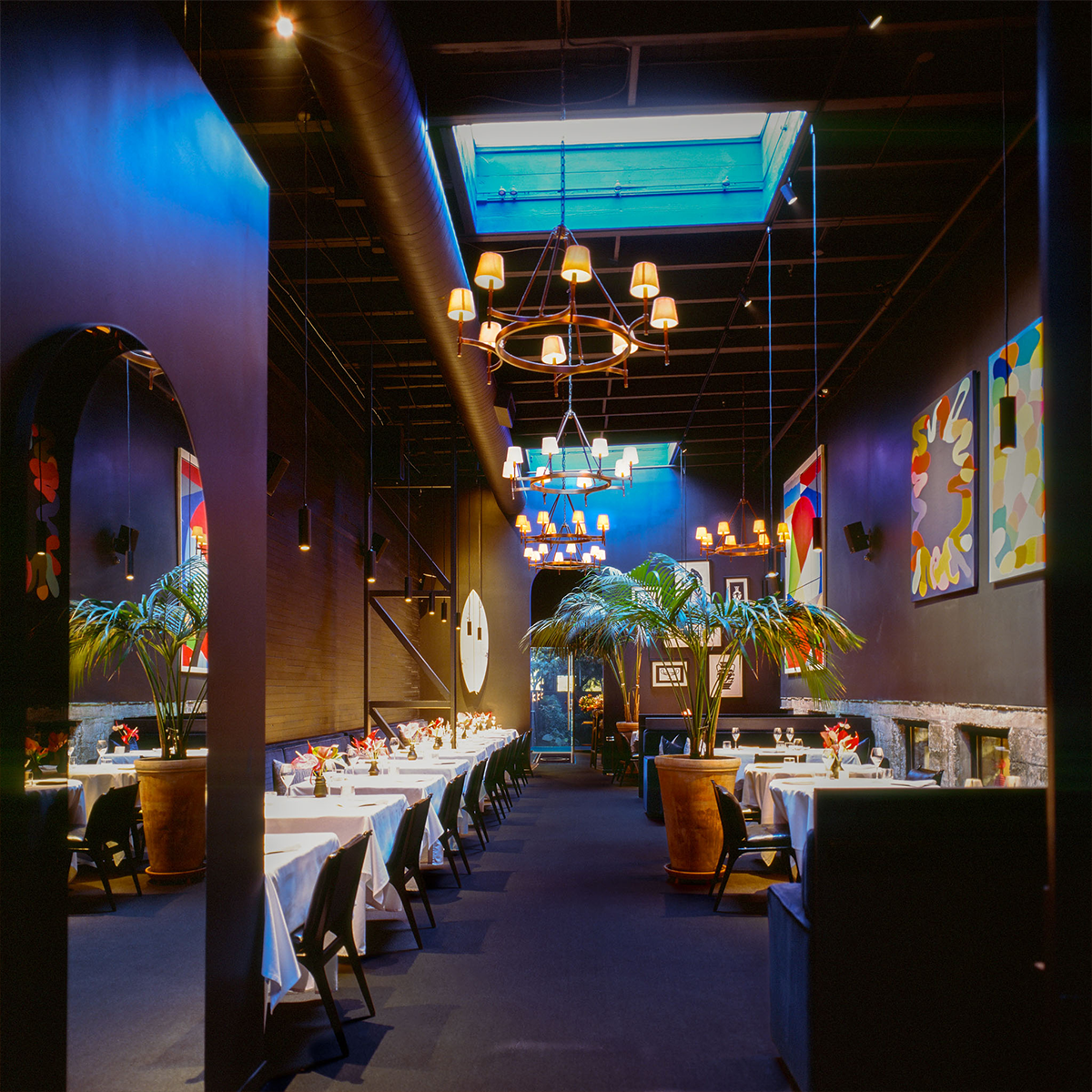
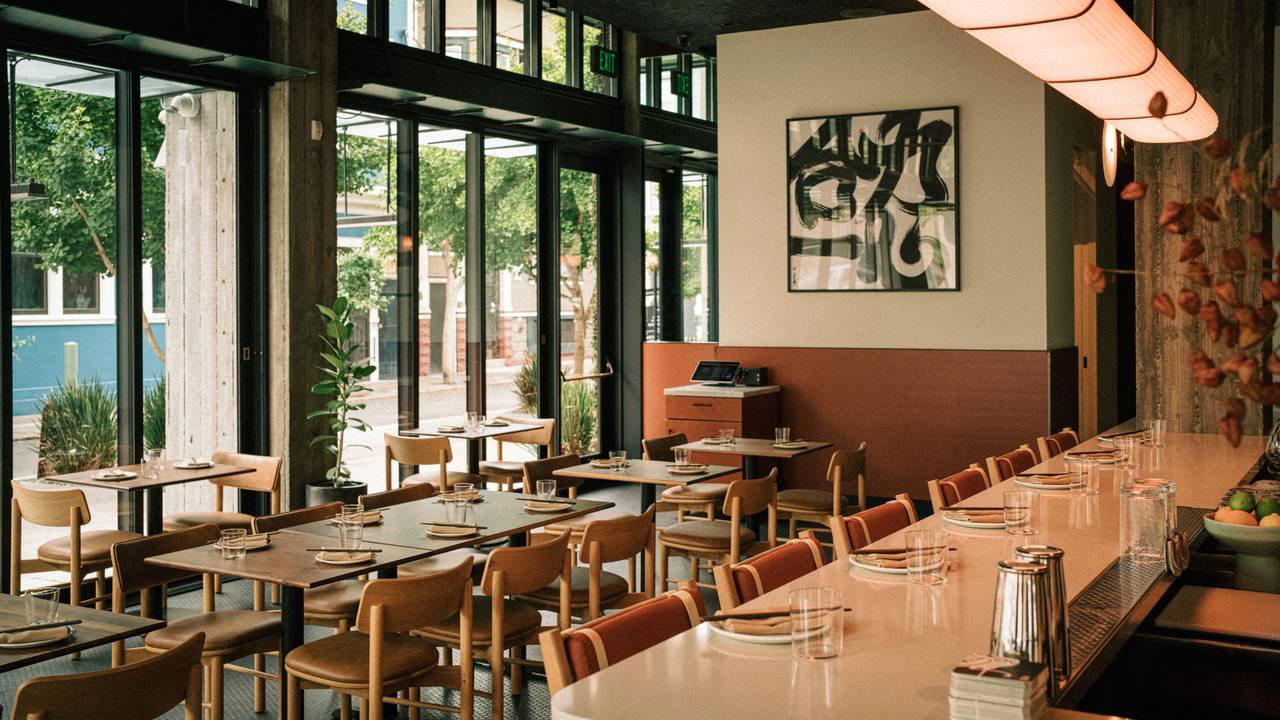
Dim lights, warm lighting, house music, and a cozy modern stylish space.