ICHI Sushi
Our verdict
On Mission Street in San Francisco's Bernal Heights, ICHI Sushi occupies a stretch of the city where neighborhood regulars and serious fish eaters converge. The format sits closer to the accessible end of the city's sushi spectrum than the Michelin-tier omakase counters downtown, offering a counterpoint to the formal tasting structures that define San Francisco's higher-priced Japanese dining tier.

This matters for how you read the experience. Sushi in a neighborhood context like this is not competing with the reservation queues or the prix-fixe architecture of spots like Quince or Single Thread Farm in Healdsburg to the focused neighborhood formats closer to home, reflects a dining public that is both demanding and catholic in its tastes. ICHI Sushi sits within that broader pattern: a place where the focus on fish quality is not incidental to the neighborhood format but central to it.
Sushi at the Accessible Tier: What the Format Implies
Across American cities with developed Japanese dining cultures, the accessible neighborhood sushi counter has become a distinct category. It is not entry-level in the sense of low standards; it is entry-level in the sense of format openness, no mandatory omakase, no lengthy tasting sequence, no dress expectation. Cities like New York have seen this tier refined at venues like Atomix, which operates in a different register entirely, and Los Angeles has its own version of the neighborhood-serious sushi spot at Providence.
At this tier, the rice-to-fish ratio, the fish temperature, the sourcing decisions, and the knife work carry the experience in the absence of a theatrical frame. These are not small things. They are, in fact, the whole point, and a counter that gets them right in a Bernal Heights strip-mall context is doing something more considered than it might appear from the outside.
Placing ICHI Sushi in the Wider American Sushi Conversation
American sushi has matured considerably. The omakase format, once confined to a handful of Japanese-born chefs in major cities, has spread and stratified.enprimeurclub.com/restaurants/le-bernardin">Le Bernardin in New York City or the produce-obsession at Blue Hill at Stone Barns in Tarrytown. Below that rarefied tier, a second layer of serious but accessible Japanese restaurants has emerged in residential neighborhoods across the country. That is a specific and defensible position in a city where the dining spectrum runs from the globally referenced tasting-menu tier to the taqueria counter without much in between. For current hours, booking policies, and menu details, checking directly with the restaurant before visiting is advisable, as neighborhood spots of this scale frequently adjust their schedules.enprimeurclub.enprimeurclub.com/restaurants/the-french-laundry">The French Laundry in Napa, Addison in San Diego, or Frasca Food & Wine in Boulder represent at the formal end of the West Coast dining register, useful context for calibrating where an accessible neighborhood counter fits in the wider picture.
Frequently asked questions
What do people recommend at ICHI Sushi? For current menu specifics, including any featured cuts or seasonal offerings, contacting the restaurant directly is the most reliable route, as neighborhood sushi menus at this tier tend to shift with market availability.Is ICHI Sushi reservation-only?What is ICHI Sushi known for? It occupies a different register from the city's formal omakase destinations but draws a loyal local following precisely because the commitment to the fish itself remains consistent with more expensive formats found elsewhere in the city.Can ICHI Sushi adjust for dietary needs? If specific dietary accommodation is a priority, reaching out to the restaurant in advance through their current contact details is the most direct approach, as policies vary by kitchen and service model.
Cost Snapshot
| Venue | Cuisine | Price | Awards | Notes |
|---|---|---|---|---|
| ICHI SushiThis venue (the venue you are viewing) | Sustainable Japanese Sushi + Ni Bar | Not listed | Not listed | Not listed |
| Lazy Bear | Modern American Tasting Menu | Not listed | 2 Michelin Stars · World's 50 Best #25 | Progressive American, Contemporary |
| Atelier Crenn | Contemporary French Fine Dining | $300–500 | 3 Michelin Stars · World's 50 Best #44 | Modern French, Contemporary |
| Benu | Modern Asian Fusion Fine Dining | $150–200 | 3 Michelin Stars · World's 50 Best #33 | French - Chinese, Asian |
| Quince | Contemporary Californian | $300–500 | 3 Michelin Stars · World's 50 Best #48 | Italian, Contemporary |
| Saison | Modern Fire-Forward Fine Dining | $300–500 | 2 Michelin Stars · World's 50 Best #22 | Progressive American, Californian |
Continue exploring
More in San Francisco
Restaurants in San Francisco
All restaurants in San Francisco →
Bars in San Francisco
All bars in San Francisco →

Details
- Trendy
- Modern
- Date Night
- Casual Hangout
- Open Kitchen
- Sake Program
- Sustainable Seafood
- Omakase
- A La Carte
- Sake
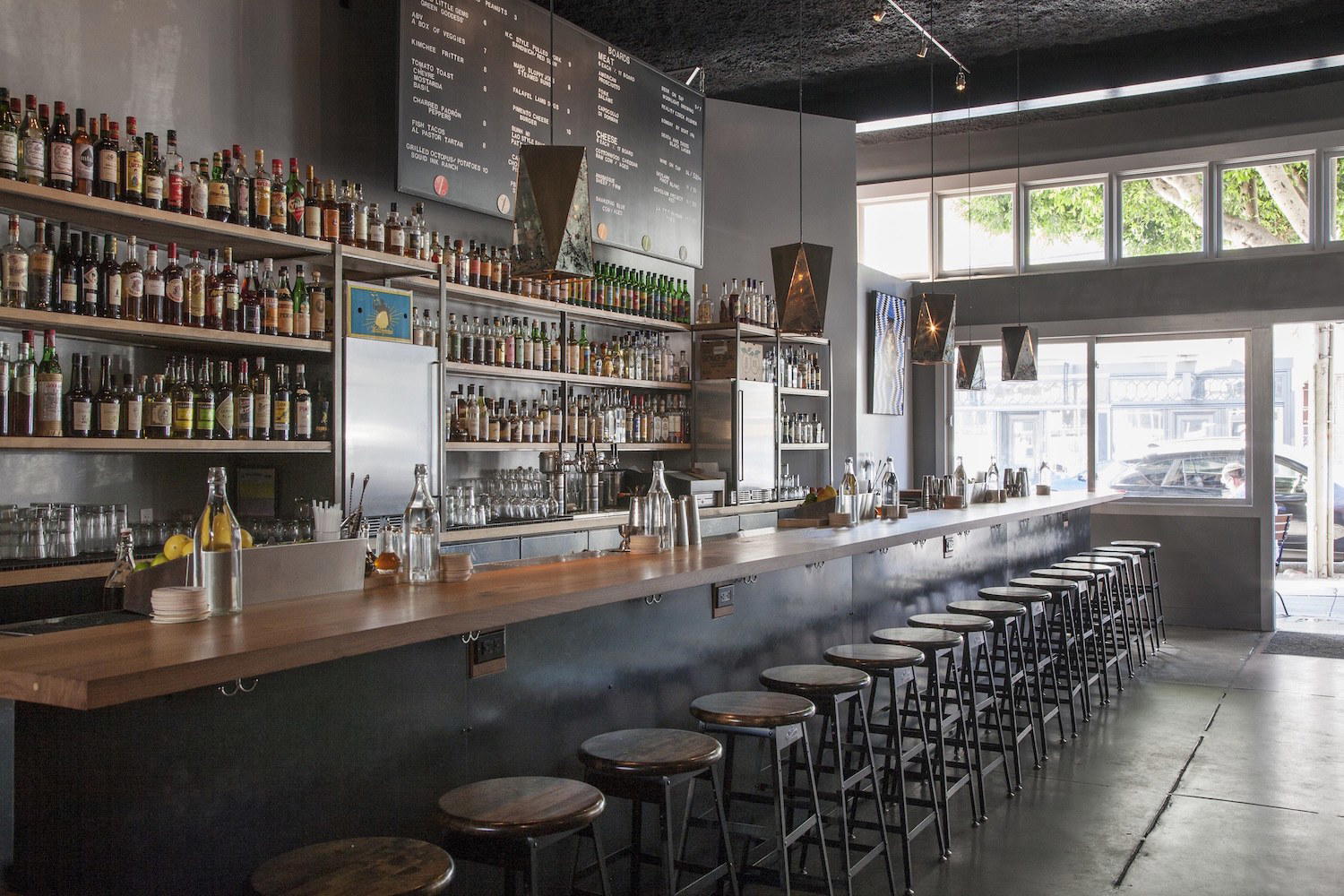
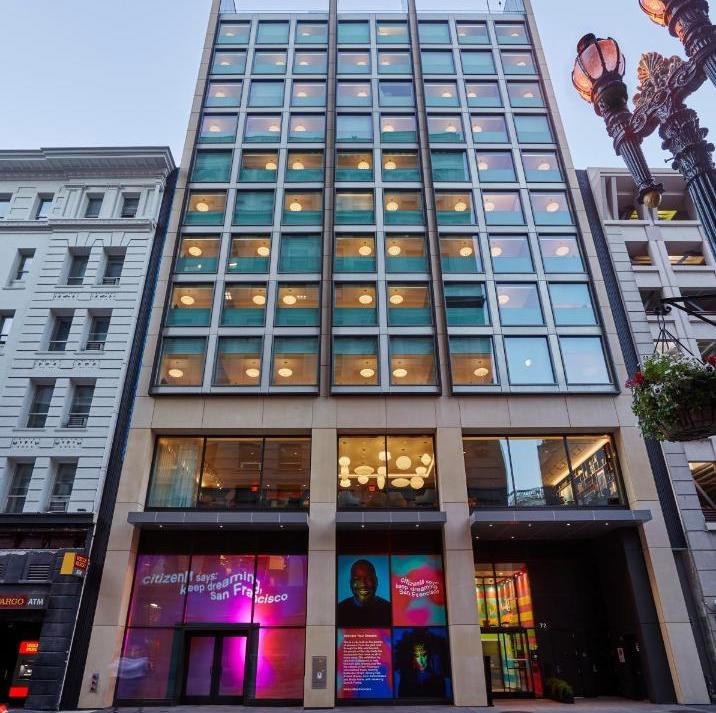
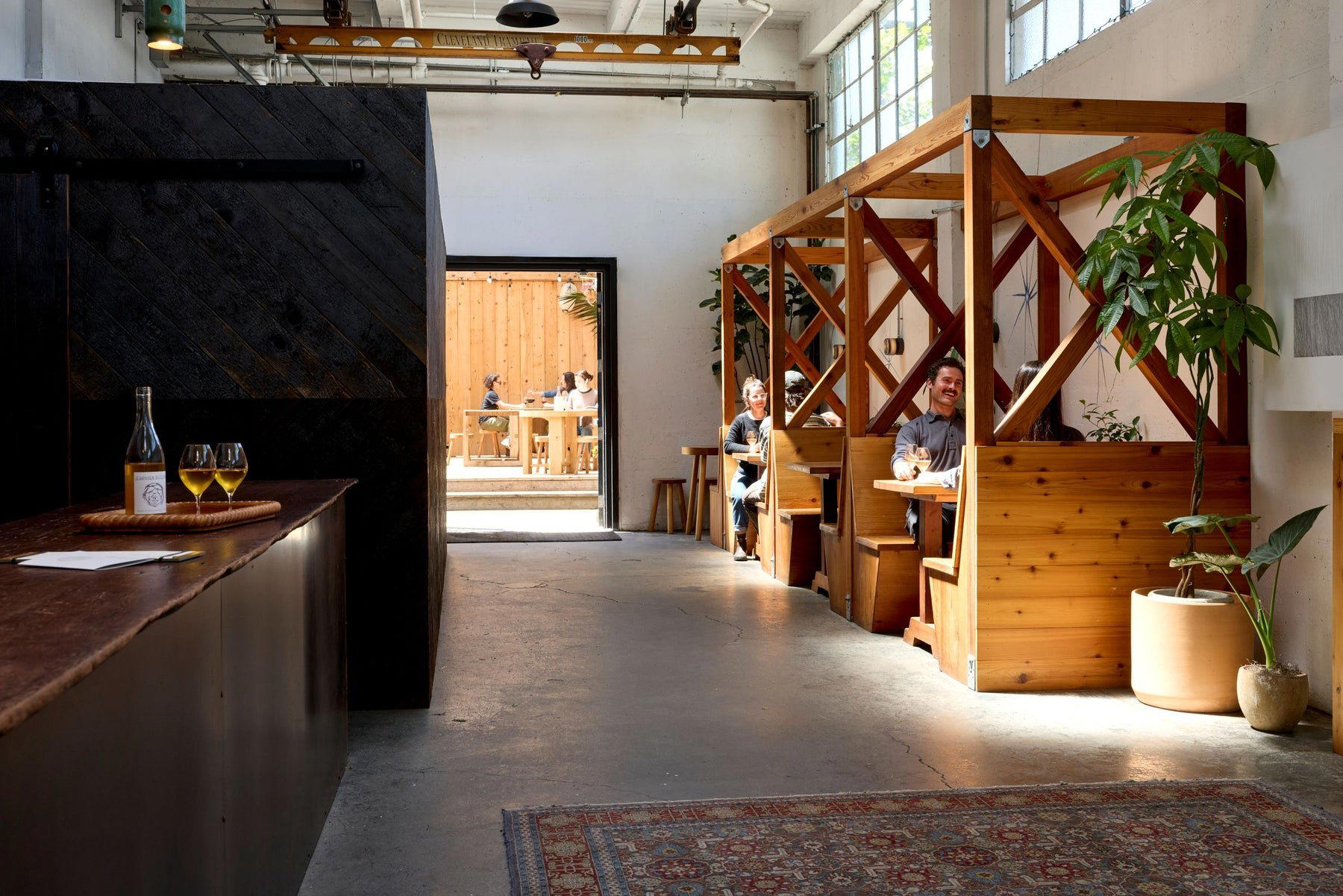
Casual neighborhood spot with a fun sushi-eating tutorial mural and intimate 30-seat bar area.