Sanraku
Sanraku at 704 Sutter Street sits within San Francisco's established Japanese dining tier, operating in a city where the conversation around sourcing, seasonality, and kitchen ethics has intensified alongside the rise of Michelin-tracked restaurants like Benu and Atelier Crenn. It occupies a position that rewards repeat visitors who value consistency and proximity to Union Square over the theatrics of the tasting-menu circuit.
Pearl is the En Primeur Club membership app — saves, bookings, and concierge access live there. Same editors, same standards.
- Address
- 704 Sutter St, San Francisco, CA 94109
- Phone
- +14157710803
- Website
- sanraku.com
- Directions
- Get directions
 Saves & bookings on Pearl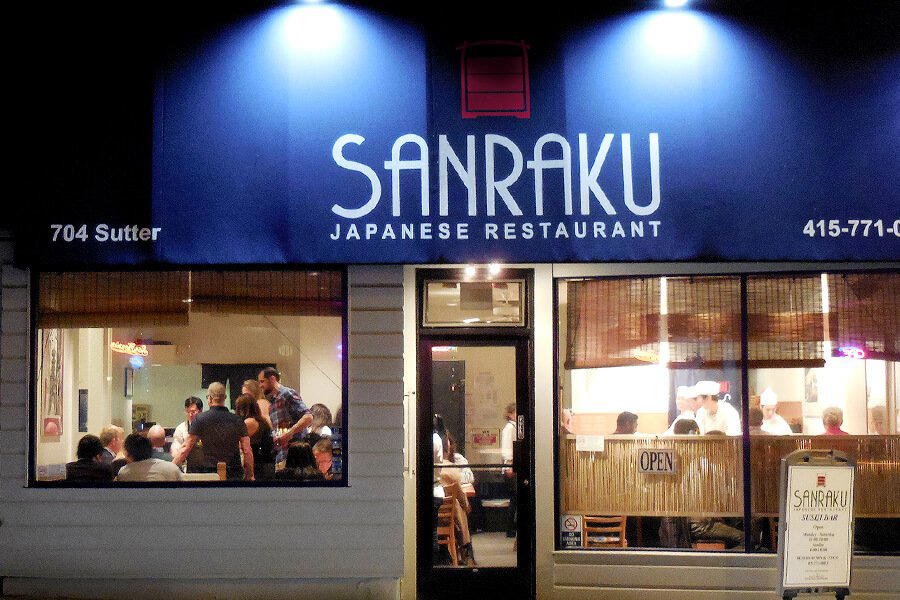
Sutter Street and the Quiet Shift in San Francisco's Japanese Dining Scene
Sanraku is a Japanese restaurant in San Francisco, known for authentic Japanese sushi and a casual dining room. The city sits at a geographic and cultural intersection that has, over decades, produced a Japanese-American dining culture distinct from the coastal omakase arms race playing out in New York or Los Angeles. On Sutter Street in the Tenderloin-adjacent corridor near Union Square, Sanraku operates within that longer tradition, a neighborhood where proximity to hotels, offices, and the city's transit spine means the dining room has always drawn a broader cross-section of the city than the destination restaurants further west or south of Market.
That geography matters for understanding what kind of restaurant Sanraku is, and what kind of restaurant it is not. The $$$$ tasting-menu tier in San Francisco, occupied by Benu, Atelier Crenn, Quince, Lazy Bear, and Saison, has pulled the editorial conversation toward prix-fixe theater, advanced booking windows, and highly choreographed sourcing narratives. Sanraku sits in a different register, one that the city has historically needed and that deserves its own critical frame.
Sourcing, Seasonality, and What Japanese Cuisine Demands of Its Ingredients
The sustainability conversation in San Francisco dining has sharpened considerably over the past decade. Restaurants operating in the Japanese tradition face particular pressure here, given that the cuisine's internal logic, freshness as a structural requirement, not a marketing position, makes sourcing ethics less optional than in other kitchen cultures. A kitchen working with raw fish and delicate seasonal produce cannot obscure ingredient quality behind sauce, smoke, or long cooking times. The ingredient is the dish.
This creates a distinct ethical and operational reality for Japanese-format restaurants. The conversations happening at Single Thread Farm in Healdsburg around farm-to-table integration, or at Blue Hill at Stone Barns in Tarrytown around regenerative agriculture, connect to questions that any serious Japanese kitchen must answer in its own terms: where does the fish come from, what season are we actually in, and what does responsible procurement look like when supply chains run from Hokkaido to the Bay Area? California's own seafood ecosystem, Dungeness crab, Pacific halibut, local sea urchin, gives kitchens in San Francisco a regional sourcing argument that their counterparts in landlocked American cities cannot make. Whether and how any given restaurant exercises that argument is the measure of its seriousness.
The Broader Context: Japanese Dining Ethics in an American City
Japanese culinary philosophy, at its structural core, is already aligned with what Western sustainability discourse is working toward. Mottainai, the ethic of zero waste, of using every part and respecting what would otherwise be discarded, predates the farm-to-table movement by centuries. Dashi is made from kombu and bonito scraps. Tsukemono turns surplus vegetables into long-keeping ferments. The precision of Japanese butchery wastes nothing. For Japanese restaurants in cities like San Francisco, the challenge is not adopting sustainability principles but articulating them in a format that Western diners recognize and value.
That articulation gap has consequences. Restaurants like Providence in Los Angeles, with its documented commitment to sustainable seafood certification, and Addison in San Diego, with its regionally anchored menus, have made those commitments legible through awards recognition and editorial coverage. Japanese-format restaurants in San Francisco face a similar opportunity, particularly as diners arriving from destinations like Le Bernardin in New York City or Alinea in Chicago bring increasingly calibrated expectations about ingredient provenance.
Where Sanraku Fits in the San Francisco Dining Map
The Union Square and Lower Nob Hill corridor has historically functioned as a first-tier access point for visitors and a practical neighborhood option for the city's working population. It is not the Mission's chef-driven casualness, nor Pacific Heights' white-tablecloth formality, nor the hyper-curated omakase counters of Hayes Valley or the Richmond. Restaurants here operate between those poles, serving a mix of hotel guests, local regulars, and workers on weekday schedules that don't accommodate two-hour tasting menus.
Within that context, Sanraku at 704 Sutter Street functions as a consistent Japanese option in a part of the city where Japanese cuisine of any depth is not densely represented. The address places it within easy walking distance of the Union Square transit hub, which is logistically relevant for visitors combining it with other parts of the city. For those building a broader San Francisco dining itinerary, our full San Francisco restaurants guide maps the city's dining neighborhoods and price tiers in detail.
Internationally, the comparison points for urban Japanese dining sit in cities like Hong Kong, where 8 1/2 Otto e Mezzo Bombana represents the fine-dining standard, or in New York, where Atomix has reframed Korean fine dining in ways that raise expectations across all Asian-format restaurants in American cities. Those reference points are useful not because they are direct competitors to Sanraku but because they illustrate how far the conversation around Asian cuisine, sourcing ethics, and dining format has traveled in the past decade, and what diners are now primed to look for regardless of price tier.
Planning Your Visit
Sanraku is located at 704 Sutter Street, San Francisco, CA 94109, in the Lower Nob Hill neighborhood near Union Square. The address is accessible from multiple transit lines and is within walking distance of several major hotels, making it a practical option for visitors staying in the central city. Sanraku is recommended for reservations and is open Monday through Thursday and Sunday from 11:30 AM to 9 PM, and Friday and Saturday from 11:30 AM to 10 PM. Those planning a wider San Francisco dining itinerary may also want to reference The French Laundry in Napa, Bacchanalia in Atlanta, and Emeril's in New Orleans for comparison points across American dining registers, or The Inn at Little Washington in Washington for a contrasting take on American fine dining tradition.
Quick reference: 704 Sutter St, San Francisco, CA 94109, confirm hours and reservations directly with the venue.
The Minimal Set
Comparable venues nearby, for context on price, style, and recognition.
| Venue | Cuisine | Price | Notes |
|---|---|---|---|
| SanrakuThis venue — the venue you are viewing | Nob Hill, Authentic Japanese Sushi | $$ | Not listed |
| Katana-Ya | Tenderloin, Japanese Ramen and Sushi | $$ | Not listed |
| Mamanoko | Marina, Japanese Izakaya & Sushi | $$ | Not listed |
| Sushi On North Beach | North Beach, Authentic Japanese Sushi | $$ | Not listed |
| Delica | Not listed | $$ | Financial District/South Beach, Japanese Deli Sozai |
| Sake Bomb | Mission, Japanese Sushi | $$ | Not listed |
Continue exploring
More in San Francisco
Restaurants in San Francisco
Browse all →
Bars in San Francisco
Browse all →
Hotels in San Francisco
Browse all →
At a Glance
- Cozy
- Lively
- Warm
- Classic
- Casual Hangout
- Sake Program
Current opening hours
- Monday
- 11:30 AM–9 PM
- Tuesday
- 11:30 AM–9 PM
- Wednesday
- 11:30 AM–9 PM
- Thursday
- 11:30 AM–9 PM
- Friday
- 11:30 AM–10 PM
- Saturday
- 11:30 AM–10 PM
- Sunday
- 11:30 AM–9 PM
Hours can change for holidays and private events. Last verified .
Warm and inviting with wooden decor and natural daylight from large windows, offering a cozy yet lively atmosphere.