Chisai Sushi Club
On Mission Street in San Francisco's Bernal Heights corridor, Chisai Sushi Club operates within a city tradition that prizes counter dining and the rhythms of omakase service. The address places it among a neighbourhood that has quietly built a serious dining identity, and the format signals a sushi experience oriented toward the ritual of the meal rather than spectacle.
Pearl is the En Primeur Club membership app — saves, bookings, and concierge access live there. Same editors, same standards.
- Address
- 3369 Mission St, San Francisco, CA 94110
- Website
- chisaisushiclub.com
- Directions
- Get directions
 Saves & bookings on Pearl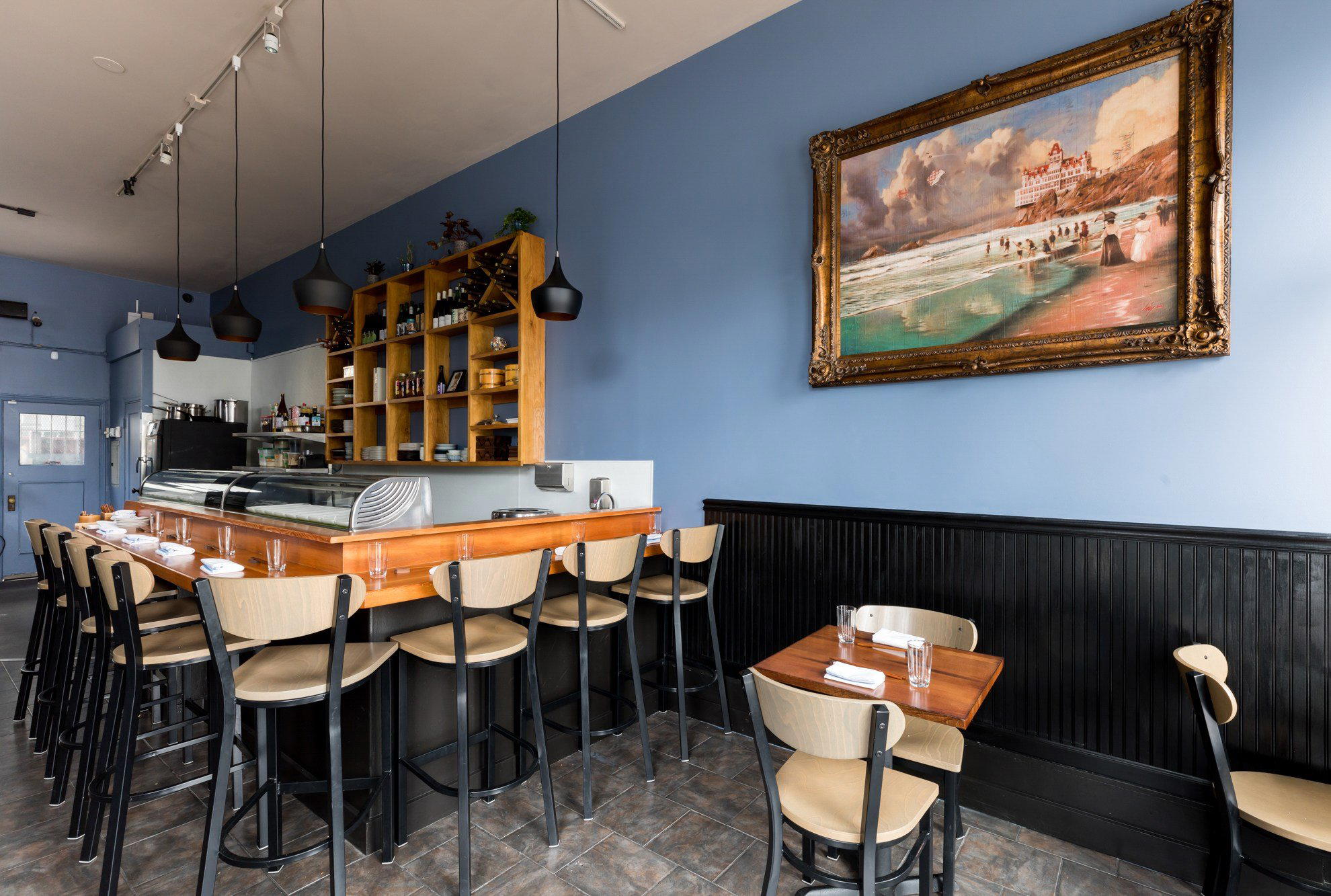
The Counter as Ceremony
Chisai Sushi Club is a modern omakase sushi restaurant on Mission St in San Francisco's Bernal Heights corridor. Mission Street at this stretch, past Cesar Chavez, deep into the 3300 block, is not where San Francisco's sushi conversation typically begins. The neighbourhood has historically been the city's Latin cultural corridor, but the last decade has brought a wave of independent restaurants that operate without the foot traffic calculus of the Ferry Building or Hayes Valley. A small sushi counter at this address is a deliberate choice, not a default location. That positioning tells you something about the format: places that open here are pitching to diners who seek them out, not diners who wander in.
Omakase and counter-format sushi in San Francisco sit in a particular cultural moment. The city has developed a credible tier of serious sushi programming that runs parallel to, and in some cases competes credibly with, the Tokyo-trained counters of Los Angeles. Locally, the reference points range from high-ceremony Japantown institutions to newer, more intimate counters that absorb Californian sourcing sensibilities without abandoning the structural discipline of the format. Chisai Sushi Club operates within that second category: smaller in scale, neighbourhood-anchored, and oriented toward the meal as a sequence rather than a series of individual dishes.
Ritual Over Spectacle
The defining logic of omakase is submission to sequence. Unlike à la carte dining, where the meal is assembled by the guest's preferences, a counter format transfers control to the kitchen. Pacing, temperature, the order of fish from lean to fatty, the placement of cooked elements against raw, these are editorial decisions made by the chef, not the diner. For guests accustomed to tasting-menu formats at places like Benu or Lazy Bear, the logic is familiar. What distinguishes a sushi counter is the physicality: the chef works directly in front of you, the interval between preparation and eating is measured in seconds, and the conversation, when it happens, is about the fish itself.
San Francisco diners have grown literate in this format. The city's broader fine-dining culture, shaped by years of progressive tasting menus at addresses like Atelier Crenn, Quince, and Saison, has produced a dining audience comfortable with long, course-structured meals and prepared to invest attention as well as money. That audience maps reasonably well onto what a sushi counter asks of you: patience, receptivity, and the willingness to let the sequence unfold without negotiation.
What the Format Demands of the Diner
Counter sushi at this level rewards a specific kind of engagement. Arriving early matters, the sequence is calibrated, and late arrivals disrupt a counter where every seat moves in parallel. Declining pieces without explanation is considered poor form at most serious counters; if there are dietary constraints, they are disclosed at the time of booking, not at the counter. Conversation with the chef is welcome but follows the chef's lead: during active preparation, attention belongs to the work.
These conventions are not distinctive to San Francisco. They trace back to Edo-period street stalls in Tokyo, where nigiri was fast food eaten standing at a counter, and the entire interaction was compressed into a few minutes of direct exchange. The modern omakase counter elongates that interaction but preserves its directness. At counters in New York, Atomix applies a comparable structural logic to Korean tasting menus, or at Michelin-recognised addresses like Le Bernardin, the guest's role is similarly defined: arrive prepared, pay attention, and let the kitchen do its work.
At Chisai Sushi Club, the Mission Street address suggests an operation that has opted out of the self-conscious formality that can calcify some counter experiences. The neighbourhood character, less corporate, more neighbourhood-facing, implies a room where the ritual is present but not performed. That is a specific register, and one that suits diners who want the discipline of the format without the theatre.
Placing Chisai in San Francisco's Sushi Tier
San Francisco's sushi scene is smaller than Los Angeles's but has developed a coherent identity. The city benefits from proximity to some of the leading Pacific seafood sourcing in the country, with Monterey Bay, Bodega Bay, and the broader Northern California coastline supplying product that doesn't need the cross-Pacific freight logistics of East Coast counters. That sourcing advantage shapes what is possible at a serious counter here in ways that distinguish the city's sushi from, say, landlocked fine-dining destinations.
In the broader American fine-dining context, the counter format has expanded significantly in the past decade. Destinations like Single Thread Farm in Healdsburg or Providence in Los Angeles have demonstrated that disciplined, ingredient-led tasting formats can build sustained reputations outside of major urban centres. The counter model, specifically, has proven that small seat counts and high prices per head are commercially viable when the format is executed with consistency. Chisai Sushi Club's address on Mission Street positions it as a neighbourhood-scale counter rather than a destination-dining address in the mode of The French Laundry in Napa or Blue Hill at Stone Barns, but the format carries the same structural commitment to sequence and craft.
For comparison within the US counter scene, operations like Addison in San Diego, Smyth in Chicago, or Frasca Food & Wine in Boulder each demonstrate that serious, format-driven dining can anchor itself in neighbourhoods that are not traditionally associated with fine dining. Mission Street fits that pattern: the location is a statement, not an accident.
Planning Your Visit
The restaurant is located at 3369 Mission St, San Francisco, CA 94110, in the Bernal Heights corridor south of Cesar Chavez Street. Street parking on Mission is available but variable; the 14 and 49 MUNI lines serve the address directly. Comparable small-counter international references include Atelier Moessmer Norbert Niederkofler in Brunico, which applies a similar small-seat, chef-led discipline to Alpine cuisine, and The Inn at Little Washington, where long-format tasting meals in a non-urban setting have defined a singular dining identity over decades. For Gulf Coast contrast, Emeril's in New Orleans represents a different American fine-dining tradition entirely.
Address: 3369 Mission St, San Francisco, CA 94110. Reservations: Essential. Dress: Smart casual. Budget: About $100 per person before drinks. Getting there: 3369 Mission St, San Francisco, CA 94110.
Accolades, Compared
Comparable venues nearby, for context on price, style, and recognition.
| Venue | Cuisine | Price | Notes |
|---|---|---|---|
| Chisai Sushi ClubThis venue — the venue you are viewing | Modern Omakase Sushi | $$$ | Not listed |
| Akiko’s Restaurant & Sushi Bar | Modern Japanese Omakase | $$$ | Nob Hill |
| ICHI Sushi | Sustainable Japanese Sushi + Ni Bar | $$$ | Bernal Heights |
| Zentarou | Modern Japanese Sushi & Omakase | $$$ | Tenderloin |
| Yakiniku Shodai 初代 | Authentic Japanese Yakiniku | $$$$ | Tenderloin |
| Live Sushi Bar | Fresh Japanese Sushi with Live Seafood | $$ | Potrero Hill |
Continue exploring
More in San Francisco
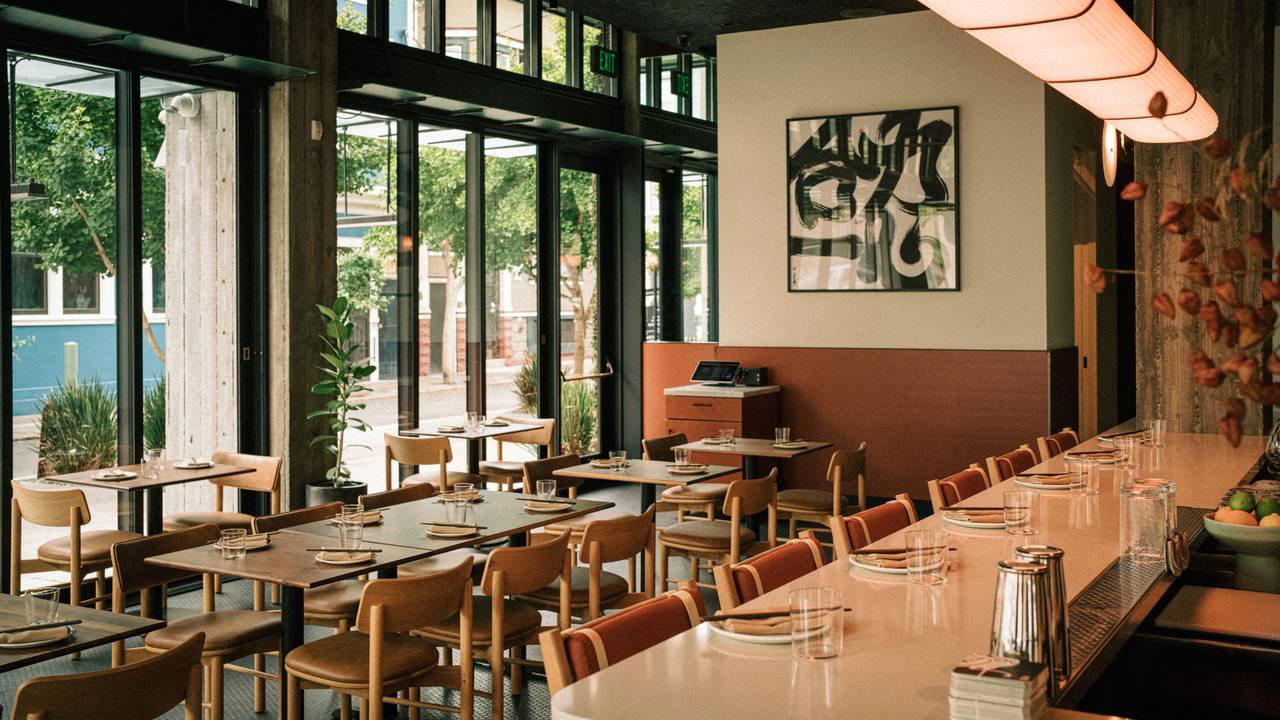
Restaurants in San Francisco
Browse all →
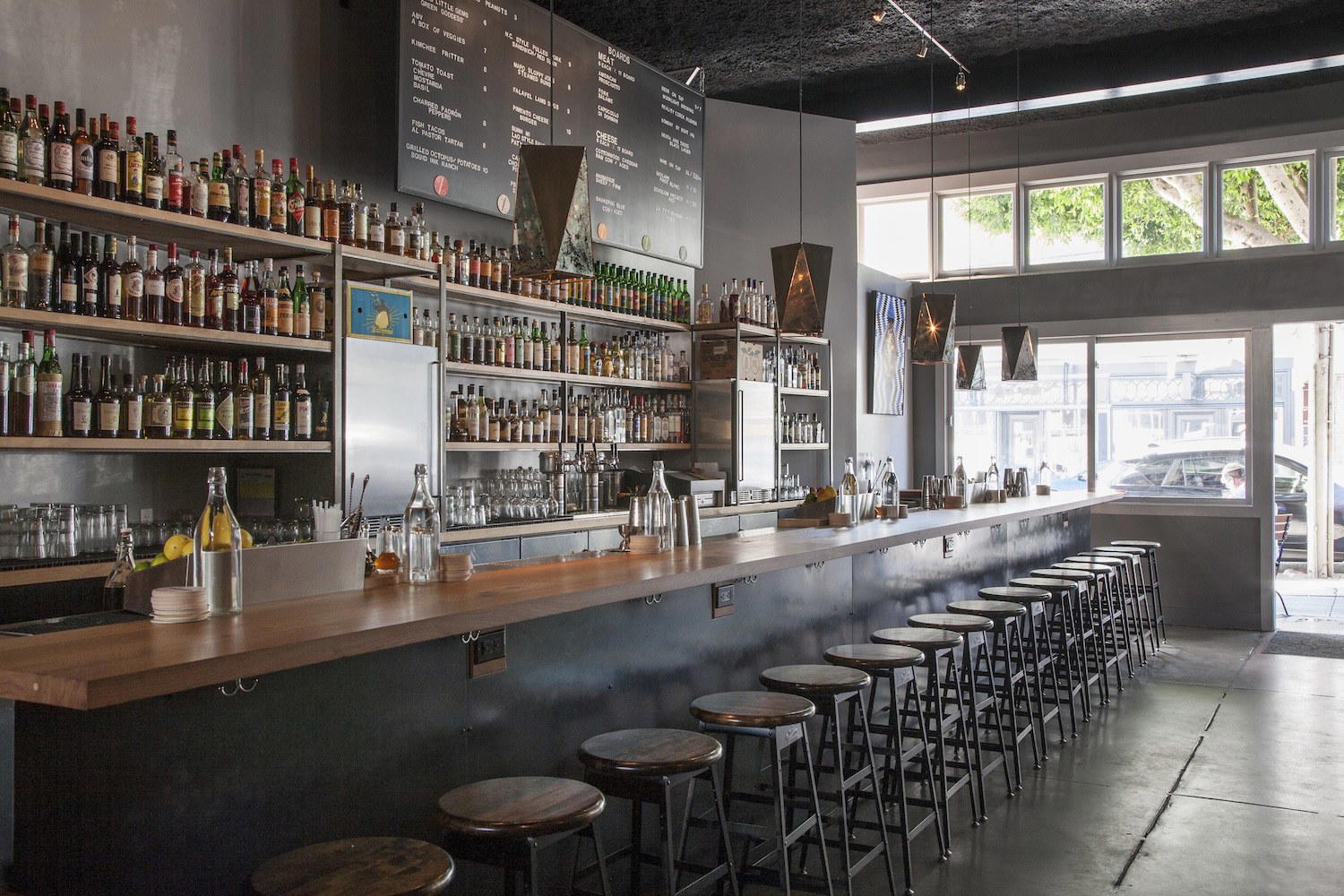
Bars in San Francisco
Browse all →
Hotels in San Francisco
Browse all →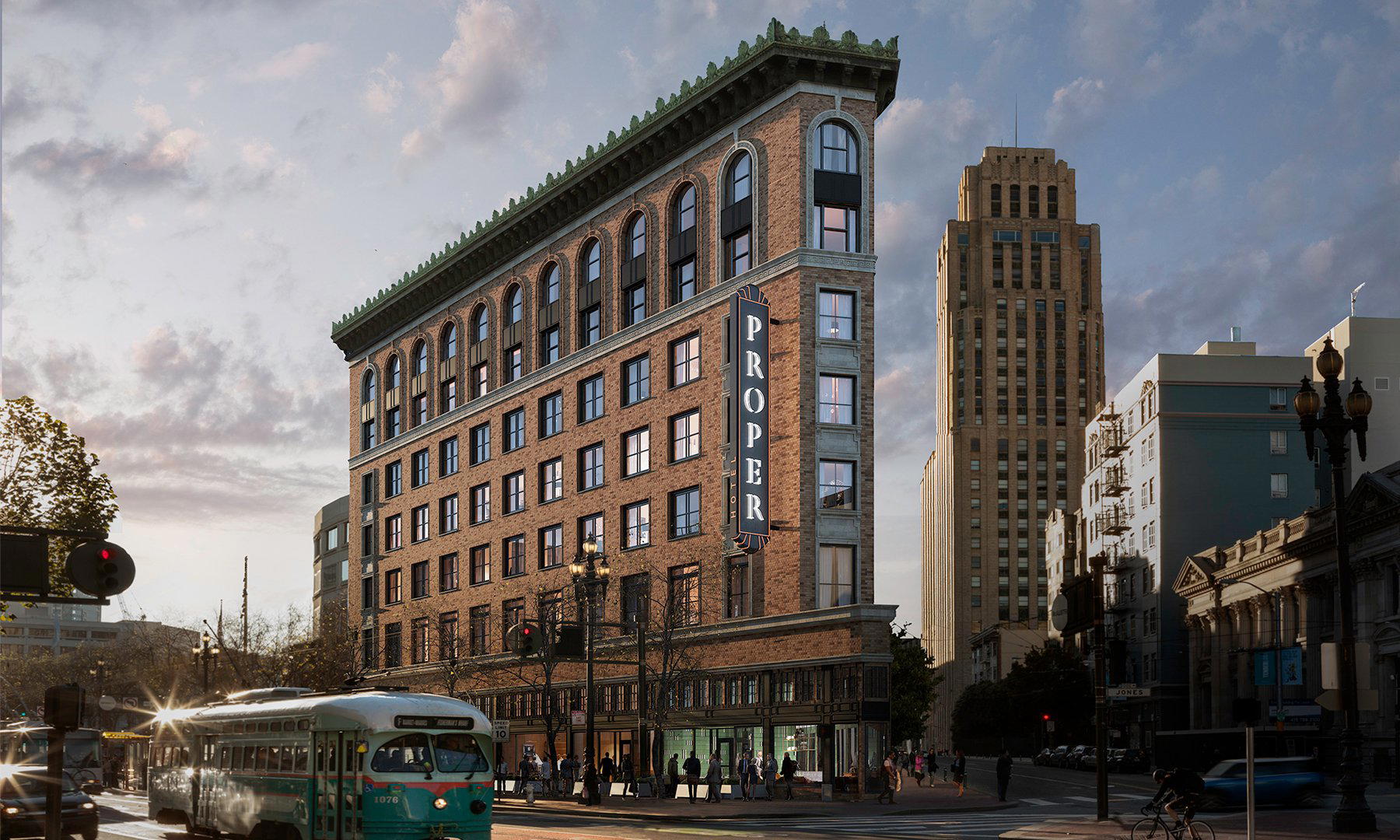
At a Glance
- Intimate
- Cozy
- Trendy
- Date Night
- Special Occasion
- Chefs Counter
- Sake Program
- Sustainable Seafood
- Local Sourcing
Current opening hours
- Monday
- 5–9 PM
- Tuesday
- 5–9 PM
- Wednesday
- 5–9 PM
- Thursday
- 5–9 PM
- Friday
- 5–9:45 PM
- Saturday
- 5–9:45 PM
- Sunday
- 5–9 PM
Hours can change for holidays and private events. Last verified .
Intimate and friendly neighborhood setting that feels like home, with approachable sushi bar and table seating.