
Takumi Mitsukoshi ten puts Nagoya curry culture into a department-store basement format: counter seating, compact pricing, and repeat recognition in Tabelog Curry EAST “Tabelog 100” for 2023 and 2024. Its appeal is less about ceremony than rhythm, the kind of Sakae stop regulars use for a focused curry meal between errands, work, and transit.
Pearl is the En Primeur Club membership app — saves, bookings, and concierge access live there. Same editors, same standards.
- Address
- 愛知県名古屋市中区栄3-5-1 名古屋栄三越 B1F
- Phone
- +81522521216
- Website
- nagoya-takumi.jp
 Saves & bookings on Pearl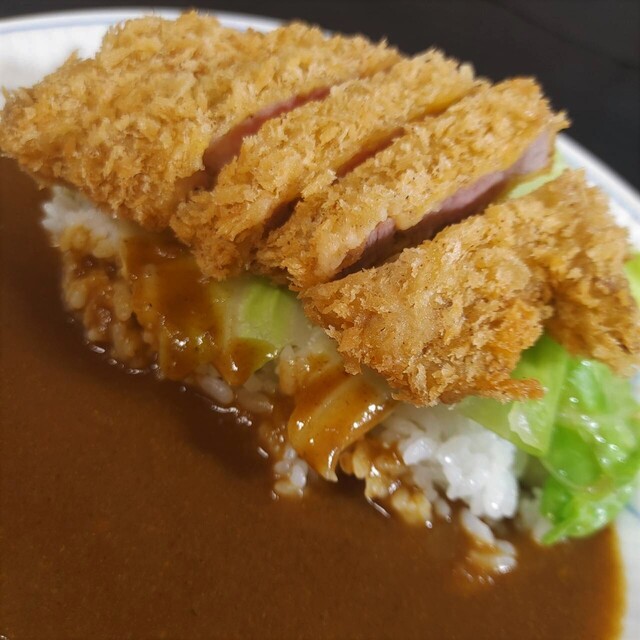
The approach is pure Sakae: underground circulation, department-store polish, and the quick compression of a meal that has to fit between shopping bags, train transfers, and an evening schedule. In Nagoya, curry does not need a grand dining room to signal seriousness. A basement counter can carry its own hierarchy, especially when the room is small enough that every seat feels like part of the working line.
That is the useful way to read Takumi Mitsukoshi ten. The address places it inside Nagoya Mitsukoshi Sakae, a setting that changes the curry experience from destination dining into urban routine. Regulars in this kind of room are not searching for spectacle. They return because the format is legible: sit, order, eat with minimal drift, and move back into the city. For travellers, that rhythm explains more about Nagoya’s everyday dining culture than another long tasting menu ever could.
A seven-seat counter inside Nagoya's department-store curry circuit
Japanese department-store basements are often treated as retail infrastructure, but in cities such as Nagoya they also function as serious food maps. The basement floor gathers takeaway counters, compact restaurants, seasonal food halls, and giftable regional products under one roof. Curry fits that ecosystem because it can be quick without being casual in the careless sense. The plate may arrive fast; the customer base is often exacting.
Takumi Mitsukoshi ten operates in that narrow lane. The room is counter-only, with 7 seats, so the experience is closer to a focused lunch counter than a lingering restaurant. That matters. A small counter changes the tempo: turnover, ordering confidence, and solo dining all become part of the meal’s grammar. In Sakae, where department stores, subway access, and office traffic overlap, this is a practical format rather than a compromise.
The recognition gives the compact setting more weight. Selection for Tabelog Curry EAST “Tabelog 100” in 2023 and 2024 places the restaurant within a curated curry field rather than the broader casual-dining pool. The Tabelog score sits at 3.60, a useful signal in Japan’s conservative rating culture, where numbers in the mid-threes can mark a place with a steady following. That combination, a tiny counter plus repeat curry-list recognition, is the reason this basement address deserves attention beyond convenience.
Price also sharpens the point. With lunch and dinner both listed in the JPY 1,000 to JPY 1,999 range, the restaurant sits well below many Nagoya special-occasion rooms. In the comparison set around the city, Toyo Ken Nagoya mitsukoshi ten is listed at JPY 2,000 to JPY 2,999, while China Hanten Shunju and Sumiyaki Chicken Kababu occupy far higher dinner brackets. Takumi Mitsukoshi ten belongs to a different decision category: not the celebratory table, but the dependable counter meal where recognition and access meet.
Why regulars read the format faster than visitors
The regular’s advantage here is not secret knowledge; it is fluency. A 7-seat counter rewards diners who understand the pace of a Japanese basement restaurant. Menus with photos reduce hesitation, takeaway service extends the use case beyond the seat count, and the setting makes sense for diners who already treat Sakae as a daily circuit rather than a sightseeing stop.
That explains the family-friendly designation as well. Curry in Japan often crosses age groups more easily than more formal cuisines, and this listing explicitly welcomes babies, preschoolers, and school-age children. The counter format still sets limits on sprawling meals, but the price band and department-store environment make the restaurant easier to fold into a family day in central Nagoya than a reservation-led dining room.
There is also a broader cultural point in the category. Japanese curry has split into several public forms: old-school yoshoku rooms, spice-curry specialists, station-adjacent counters, and department-store restaurants that polish the everyday. The Sakae branch sits in the last of those forms. It is not trying to behave like a luxury restaurant. Its strength is the disciplined middle: a recognized curry address with everyday pricing and a room built for repeat use.
For a traveller planning Nagoya meals, the contrast is useful. A city itinerary can carry one formal dinner and still leave space for places that reveal how locals actually structure a day. The broader Nagoya restaurant map includes compact counters, hotel dining rooms, and specialist formats; readers comparing options can start with Our full Nagoya restaurants guide, then branch into stays via Our full Nagoya hotels guide, drinks through Our full Nagoya bars guide, regional bottles in Our full Nagoya wineries guide, and cultural planning with Our full Nagoya experiences guide.
How it fits into a wider Japan itinerary
The appeal of a place like this becomes clearer when placed beside other compact Japanese dining formats. Nagoya has its own mix of curry, ramen, yoshoku, Chinese dining, and counter cooking, while other cities frame everyday food through different habits: Kamakura through small specialist restaurants such as -Grilled beef Sukiyaki- KAMAKURA TANUKIAN 鎌倉 たぬき庵 in Kamakura, Tokyo through tight urban formats including . 鮪と炭火焼き うお炭 秋葉原店 in Tokyo, Osaka through café culture at .cafe in Osaka, Kumamoto through small local rooms such as .know in Kumamoto, Kawasaki through regional cooking at (Shoku) Vietnam in Kawasaki, and Sapporo through curry specialization at [Curry Senmon Ten] Maruyama Kyoju. in Sapporo.
International comparisons should stay modest, but the pattern travels. Los Angeles and Pasadena have their own compact Japanese-adjacent food and drink formats, from Jōdo Saké Bar in Los Angeles to Onigiri Time in Pasadena. The shared idea is not sameness; it is scale. Small venues force a sharper decision about what a meal is for.
Within Nagoya, the restaurant is better understood as a repeat-use curry counter than as a grand dining target. That is not a demotion. In a city where Sakae compresses retail, transit, and office life into a dense centre, a recognized curry counter with modest pricing may say more about local appetite than a longer, louder meal. For further Nagoya comparisons, nearby editorial entries include 1022, 451, Aaron, Alan. and All Day Dining Montmartre.
A Credentials Check
Comparable venues at the same tier for side-by-side context.
| Venue | Cuisine | Price | Notes |
|---|---|---|---|
| Takumi Mitsukoshi tenThis venue — the venue you are viewing | Japanese Curry Counter by Nagoya Takumi | $ | Not listed |
| BUCYO COFFEE | Nagoya kissaten café with Ogura toast | $ | Nakamura |
| Nakamura So | Traditional Takayama ramen (chuka soba) | $ | Naka |
| Gokubuto Dakuryu Ramen La Keiko Honten | Thick Rich Ramen Shop | $ | Naka |
| Ramen Maze-soba Arashi Nishiki ten | Nagoya-style Taiwanese Mazesoba & Ramen Counter | $ | Naka |
| Noko Chuka Soba Sato | Rich tamari shoyu ramen | $ | Naka |
Recognition history
Dated appearances from independent guides and award organizations, with the underlying list record or original source where available.
Tabelog 100 #70 · No. 70
Tabelog · Tabelog 100 - Curry - EAST - 2024
Continue exploring
More in Nagoya
Restaurants in Nagoya
Browse all →
At a Glance
- Intimate
- Classic
- Cozy
- Solo
- After Work
- Casual Hangout
- Chefs Counter
- Standalone
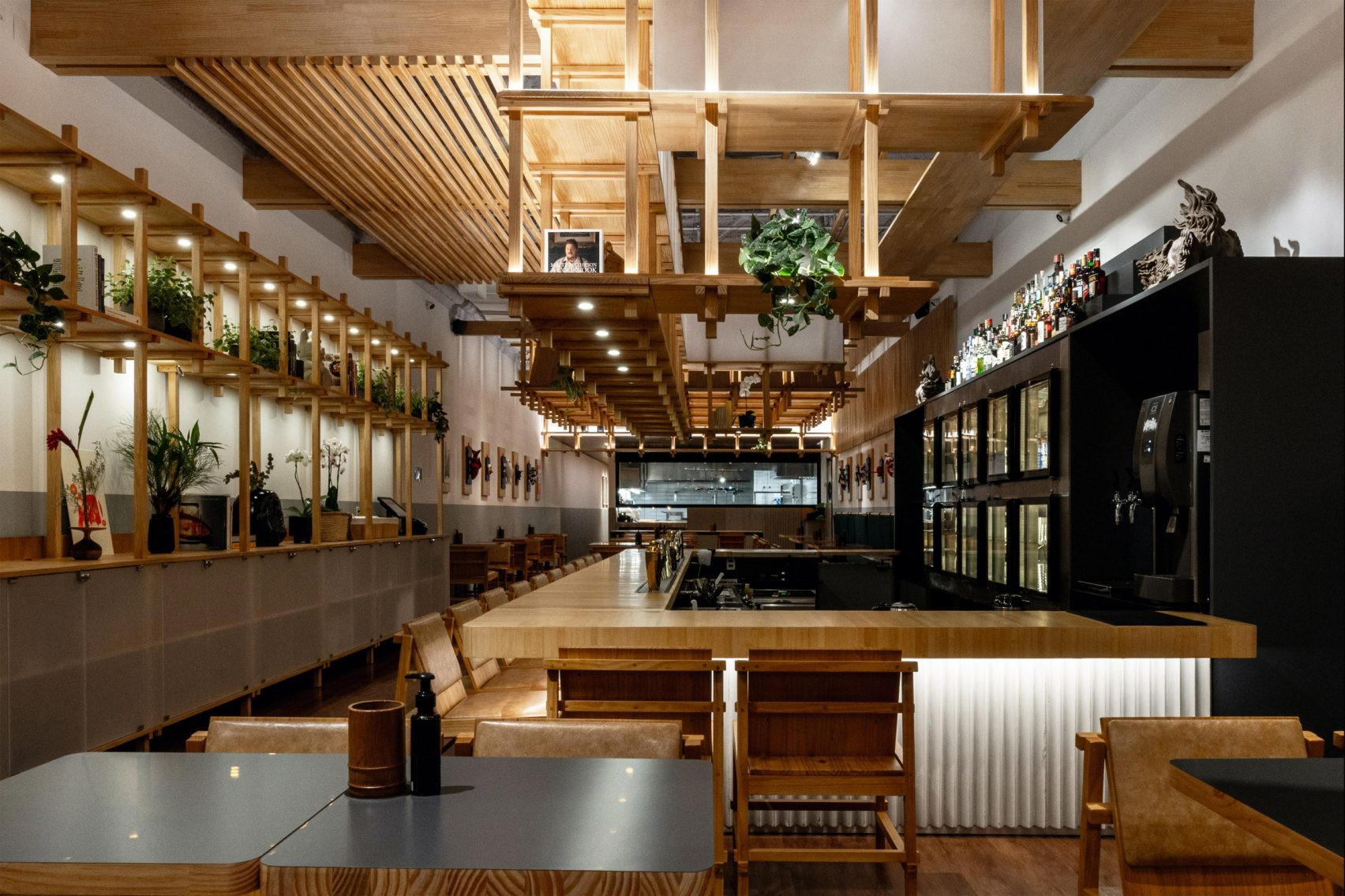
A small counter-only space in the basement of Nagoya Mitsukoshi with a retro Japanese feel, calm atmosphere, and simple décor that focuses attention on a carefully prepared, light and smooth curry.