Tschafon hut sits on the flanks of the Dolomites above Tiers, a working mountain refuge of the kind that defines Alto Adige's alpine eating tradition. The cooking draws on what the surrounding terrain produces: cured meats, aged dairy, and foraged ingredients shaped by altitude and season. It belongs to a category of hut dining that city-based restaurant culture rarely replicates.
Pearl is the En Primeur Club membership app — saves, bookings, and concierge access live there. Same editors, same standards.
- Address
- Weisslahn, 43, 39050 Tires BZ, Italy
- Phone
- +393478131152
- Website
- schutzhaus-tschafon.com
- Directions
- Get directions
 Saves & bookings on Pearl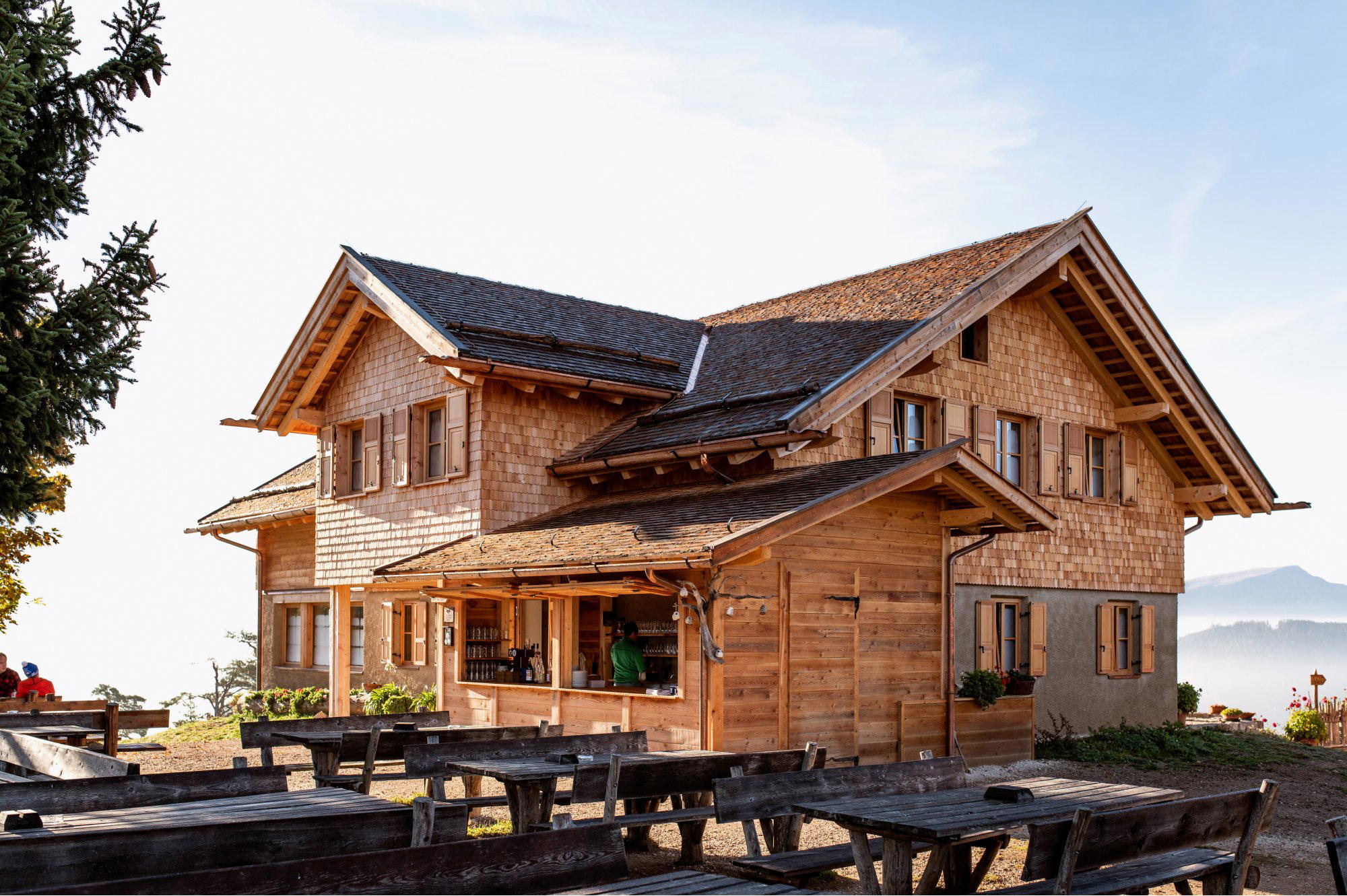
Where the Dolomites Set the Menu
Above the village of Tiers, at an address that reads simply as Weisslahn 43, the Tschafon hut occupies a position that is as much geographical argument as dining destination. Alto Adige's mountain refuges operate on a logic that reverses the usual restaurant model: the kitchen does not source ingredients to realise a concept, the terrain dictates what the concept can be. At this altitude, in the Dolomite foothills south of the Rosengarten massif, that means a larder shaped by grazing pastures, spruce forests, and a short but intense growing season. The food follows accordingly.
This is a category of alpine eating that Italy's headline restaurant circuit rarely captures. While three-Michelin-starred tables like Atelier Moessmer Norbert Niederkofler in Brunico or Osteria Francescana in Modena have built international reputations on the abstraction of regional ingredients, the mountain hut tradition works in the opposite direction: minimal mediation between land and plate, cooking shaped by what can be preserved, stored, or foraged within walking distance. For visitors arriving from Italy's more decorated dining rooms — Le Calandre in Rubano, Piazza Duomo in Alba, or Enoteca Pinchiorri in Florence — the Tschafon hut offers something structurally different: a meal whose authority comes from place rather than technique.
The Ingredient Logic of Alto Adige's High Pastures
Alto Adige sits at the convergence of Italian, Austrian, and Ladin culinary traditions, and its mountain huts carry that layered identity in practical form. Speck, the region's cold-smoked, dry-cured ham, is produced at altitudes that favour slow curing and natural ventilation. Hard mountain cheeses develop complexity over months in cool cellars. Bread and dumplings, Knödel in the German-speaking tradition that dominates this part of South Tyrol, are built from rye and spelt grown in high-valley conditions that produce grains with more concentrated flavour than lowland equivalents.
The foraging calendar at this elevation is compressed and precise. Wild herbs appear briefly in early summer, mushrooms follow in August and September, and the window for fresh alpine dairy closes with the autumn transhumance, when cattle descend from summer pastures. A hut kitchen that works with this calendar produces food that is inherently seasonal not as a marketing claim but as a practical constraint. That constraint is the point. The cooking at Tschafon hut sits within this tradition, in a region where the ingredient sourcing logic has remained relatively consistent for generations.
This contrasts sharply with coastal Italian fine dining, where the sourcing story involves fishing tradition and maritime supply chains. Restaurants like Uliassi in Senigallia, Quattro Passi in Marina del Cantone, and Gambero Rosso in Marina di Gioiosa Ionica each build their identity around proximity to the sea. The mountain hut operates on an entirely different axis: altitude, preservation, and animal husbandry rather than water, freshness, and catch.
Arriving at Tschafon
Tiers is a small municipality in the province of Bolzano, set in a valley below the Rosengarten group, one of the Dolomites' most photographed formations. The drive from Bolzano takes roughly 30 to 40 minutes depending on road conditions, and the final approach to Weisslahn, the hamlet where the hut is registered, involves mountain roads that narrow as the altitude rises. This is not a venue you arrive at casually. The physical approach is part of the experience's framing: by the time you reach the hut, the city reference points that calibrate restaurant expectations in Milan, Rome, or New York have been left well behind.
For travellers building an itinerary around Italy's serious dining scene, with stops at Reale in Castel di Sangro, Da Vittorio in Brusaporto, or Enrico Bartolini in Milan, the Tschafon hut represents a deliberate decompression point, where the evaluation criteria shift entirely. See our full Tiers restaurants guide for broader context on what the area offers.
The Format and What It Demands
Mountain refuges in the Dolomites operate within a format that differs from restaurant dining in ways that go beyond cuisine. Opening is tied to weather and season rather than fixed annual calendars. Access often requires physical effort, whether on foot or by vehicle on roads that are impassable in winter. Seating is communal or semi-communal in many cases, and the pace is set by the kitchen's rhythm and the hiker traffic, not by front-of-house choreography.
This format is the point of contact with a different kind of hospitality intelligence, one that venues like Villa Crespi in Orta San Giulio or Casa Perbellini 12 Apostoli in Verona have systematised and refined within a formal dining structure. The hut offers none of that systematisation, and that is precisely what positions it differently. Where restaurants like Dal Pescatore in Runate or La Pergola in Rome provide controlled environments with deep wine lists and tableside service, the alpine refuge keeps its complexity in the product and its directness in the service.
Visitors planning around the hut should account for seasonal closure periods common to high-altitude properties in the region, and should verify current opening status before building a trip around it.
Where Tschafon Sits in the Broader Conversation
The appetite for this type of experience has grown considerably as travellers with access to the world's most decorated restaurants have begun seeking out what formal dining cannot replicate. The alpine hut occupies a position that even technically accomplished restaurants operating at the highest levels, Le Bernardin in New York City or Atomix in New York City, cannot replicate: food produced within the specific constraints of altitude, climate, and tradition, served in the landscape that produced it.
Tschafon hut, at its address in Weisslahn above Tiers, belongs to that category. Its value is not measured against Michelin stars or tasting menu architecture but against the clarity of its ingredient sourcing and the directness of its relationship to the Dolomite environment it occupies.
Planning Your Visit
Tiers sits within the South Tyrol province, approximately 25 kilometres southeast of Bolzano. The hut is accessible by car via the Tires valley road, with the Weisslahn address serving as the navigation endpoint; mountain driving experience is advisable. Operating seasons for Dolomite huts typically run from late spring through early autumn, with the busiest period falling between June and September when hiking traffic peaks. The broader Tiers area offers accommodation options that allow for a multi-day stay, making a visit to Tschafon feasible as part of a longer Alto Adige itinerary rather than a standalone day trip from a distant city base.
Quick Comparison
| Venue | Cuisine | Price | Awards |
|---|---|---|---|
| Tschafon hutThis venue — the venue you are viewing | This venue | Not listed | Not listed |
| Atelier Moessmer Norbert Niederkofler | Italian, Creative | €€€€ | Michelin 3 Star |
| Dal Pescatore | Italian, Italian Contemporary | €€€€ | Michelin 3 Star |
| Enoteca Pinchiorri | Italian - French, Italian Contemporary | €€€€ | Michelin 3 Star |
| Enrico Bartolini | Creative | €€€€ | Michelin 3 Star |
| Le Calandre | Progressive Italian, Creative | €€€€ | Michelin 3 Star |
Continue exploring
More in Tiers
Restaurants in Tiers
Browse all →
Bars in Tiers
Browse all →
Hotels in Tiers
Browse all →
At a Glance
- Rustic
- Cozy
- Scenic
- Casual Hangout
- Panoramic View
- Historic Building
- Farm To Table
- Local Sourcing
- Mountain
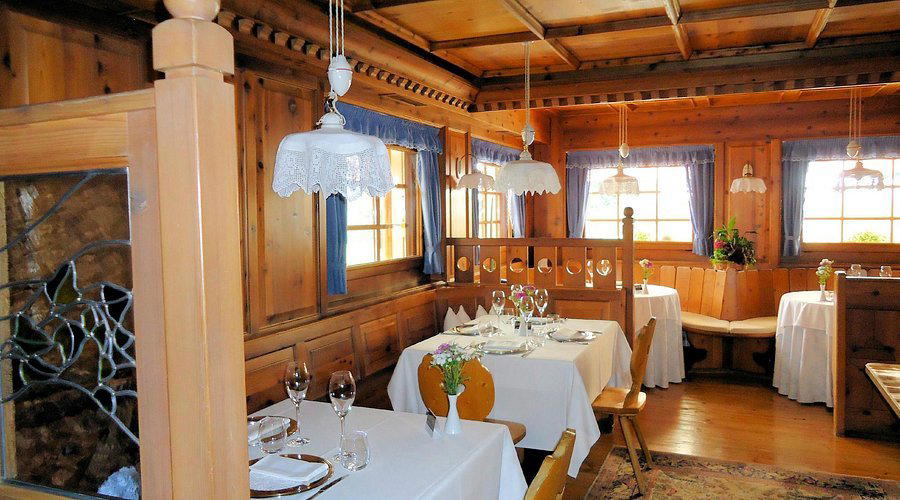
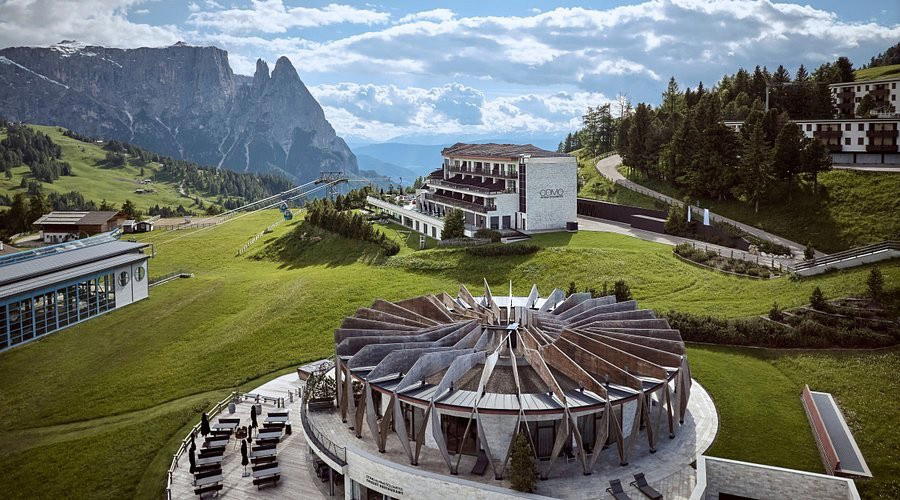
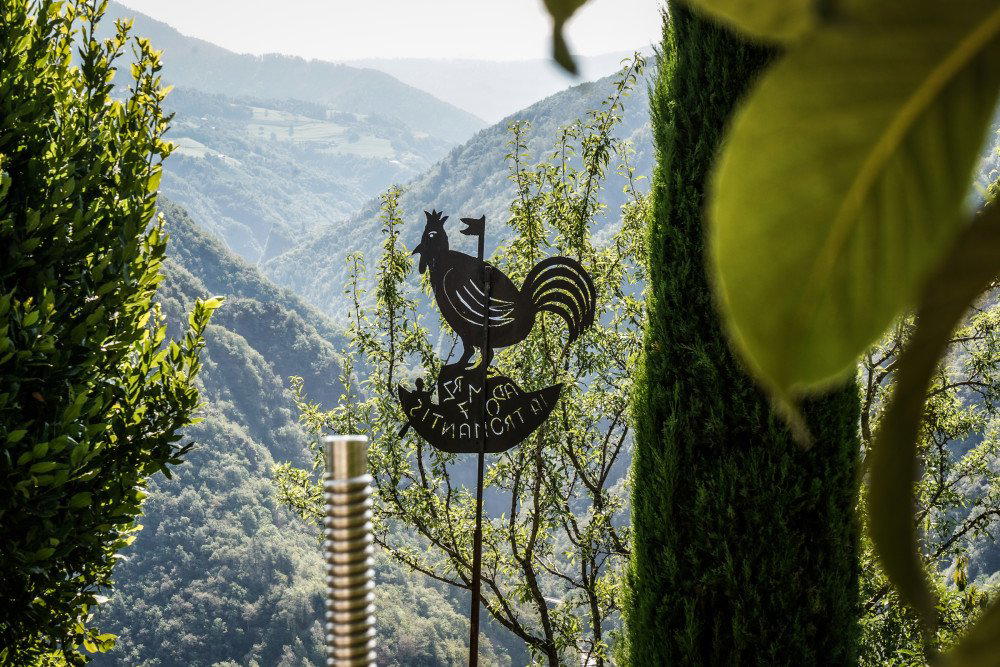
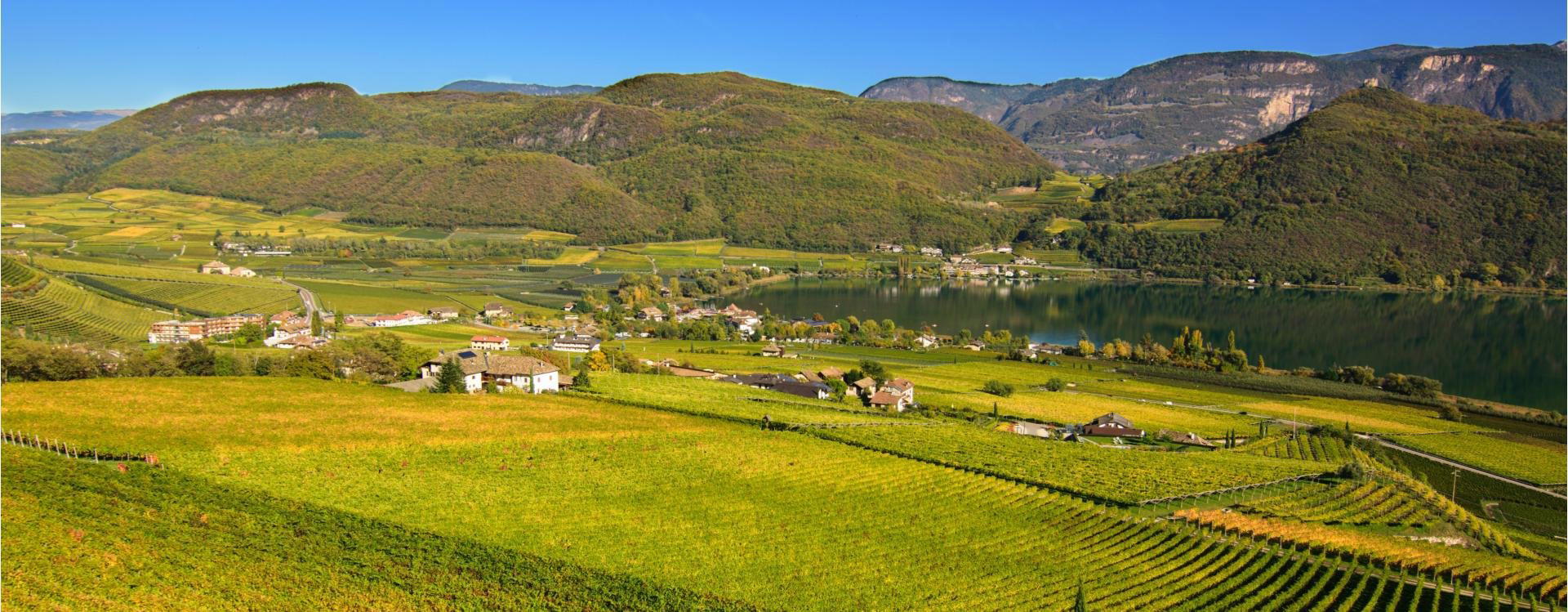
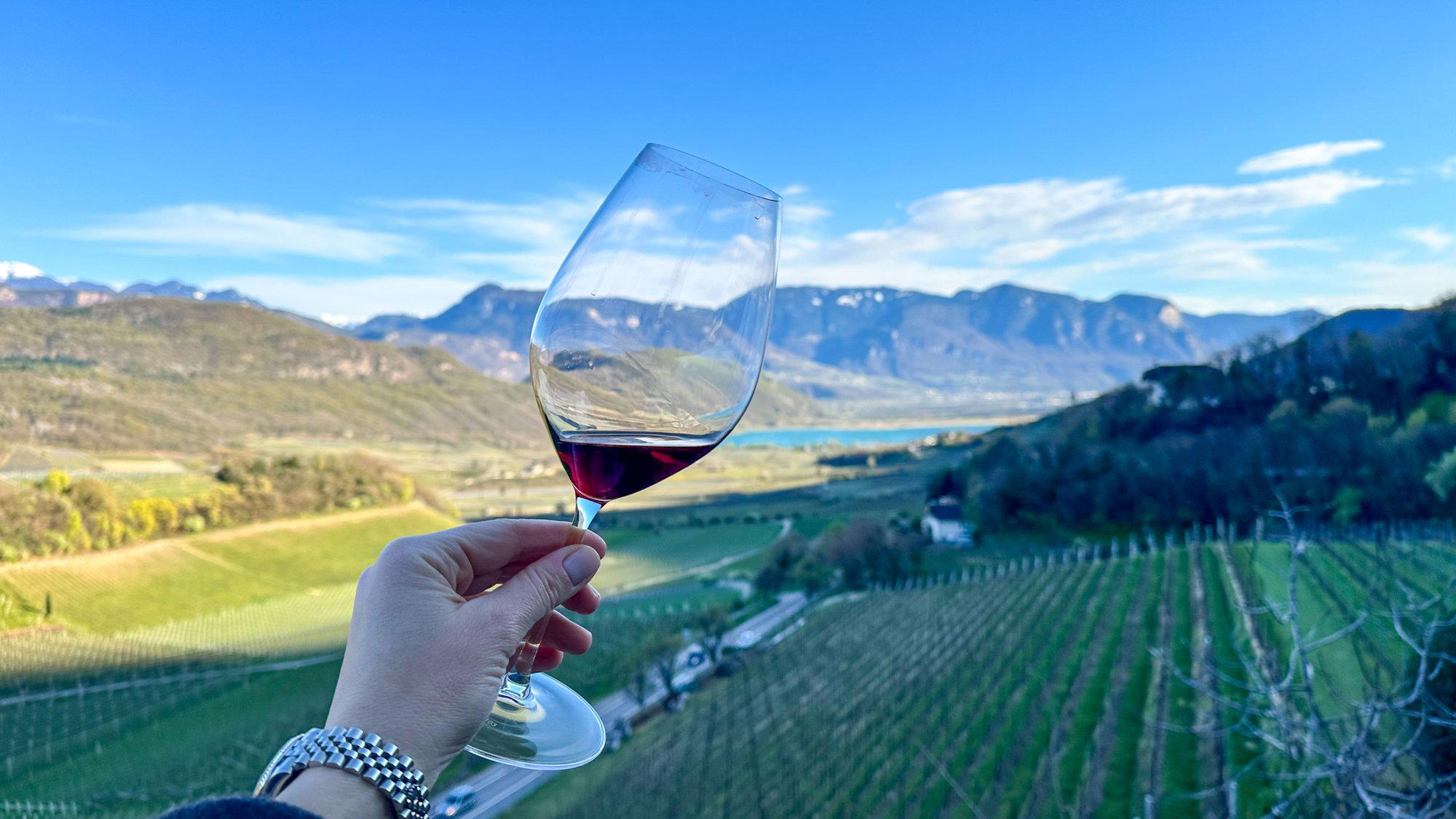
Rustic and romantic mountain refuge atmosphere with candlelit simple rooms and far-reaching panoramic views of the Dolomites.