Schlosshof Baumann
Set in the Schlern plateau village of Vols am Schlern, Schlosshof Baumann occupies a position where South Tyrolean agricultural tradition and Alpine dining culture converge. The address places it within one of Italy's most distinct regional food identities, where Germanic and Italian influences have shaped a cuisine rooted in altitude, pasture, and local harvest. For travelers moving through this corner of Alto Adige, it warrants serious attention alongside peers like Agriturismo Huberhof and Binderstube.
Pearl is the En Primeur Club membership app — saves, bookings, and concierge access live there. Same editors, same standards.
- Address
- Prösler Straße 3, Bozen, Provinz Bozen, 39050 Fié allo Sciliar BZ, Italy
- Phone
- +393755674454
- Website
- schlosshofbaumann.it
- Directions
- Get directions
 Saves & bookings on Pearl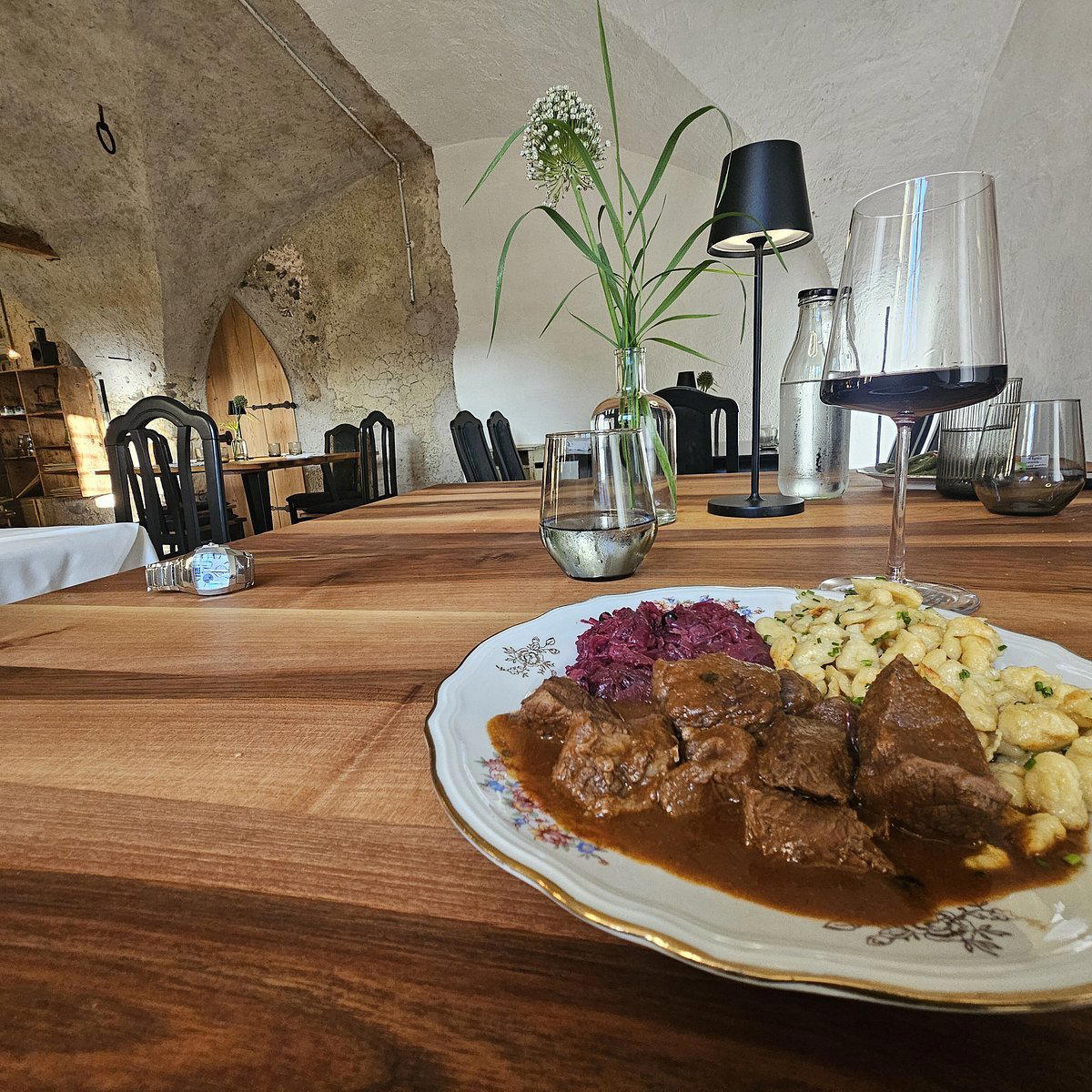
Where the Schlern Plateau Shapes What Reaches the Table
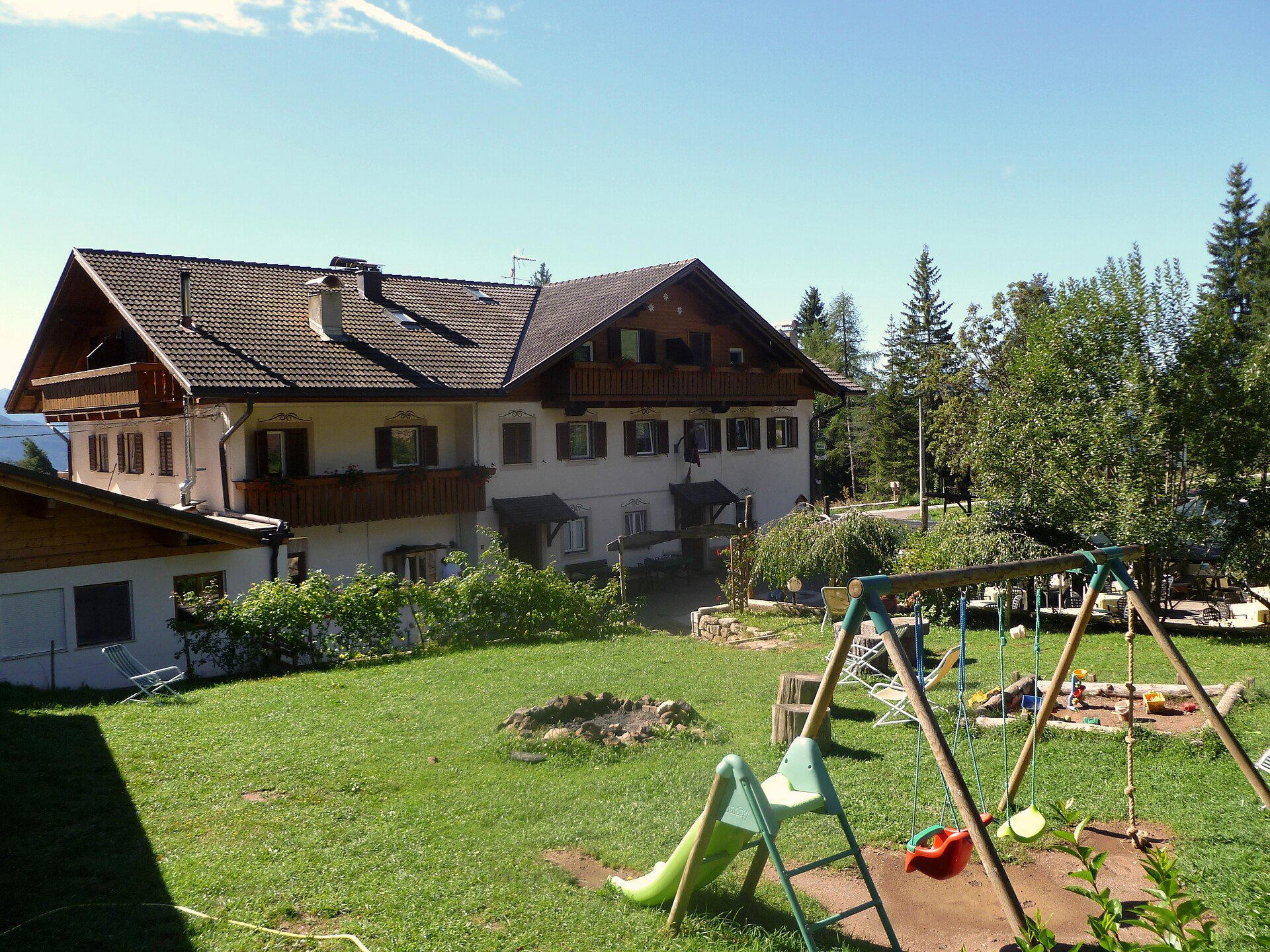
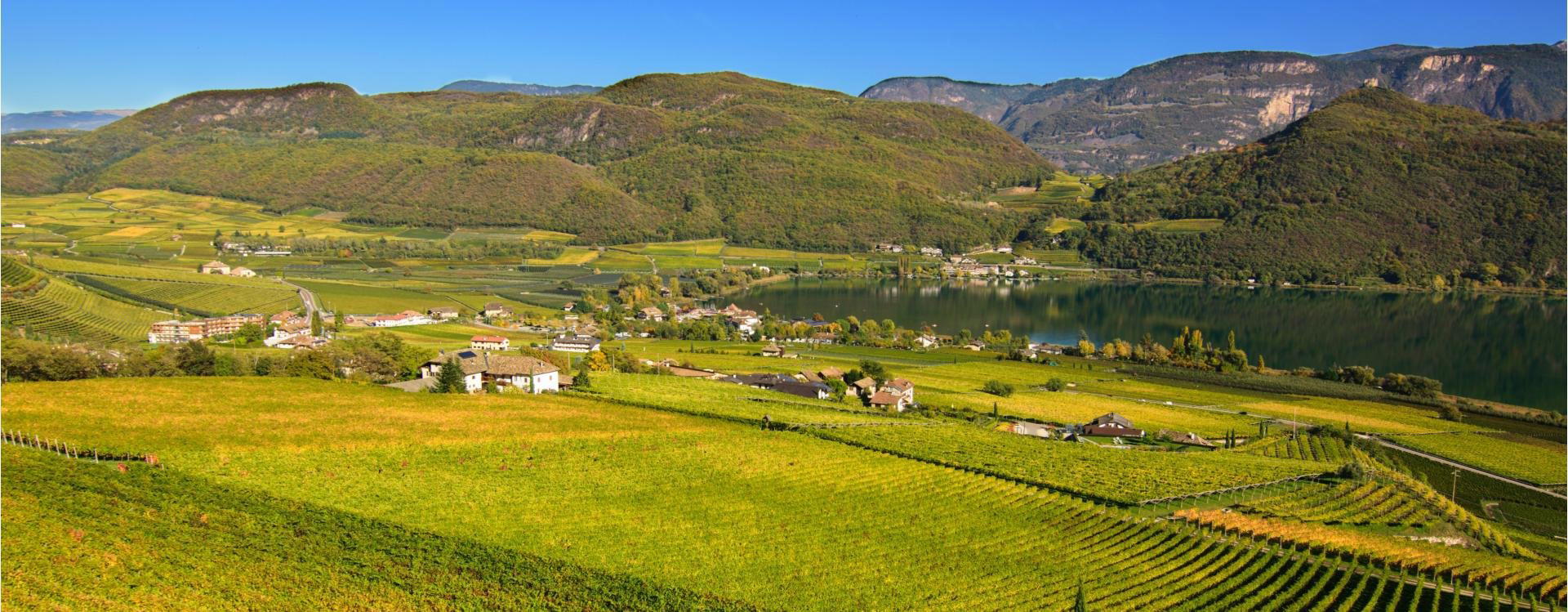
Approaching the Schlern plateau, the shift in altitude is immediate and legible. The air is drier, the pasture greener than the valley floor below, and the farmsteads that dot the road toward Vols am Schlern carry the functional gravity of working agricultural land. This is not a region where food culture was imported as a hospitality concept. It was already here, embedded in the cycle of what the land produces at 900-plus metres above sea level and what the long winters historically demanded in terms of preservation, fermentation, and storage. Schlosshof Baumann is a modern South Tyrolean restaurant in Fié allo Sciliar, rated 4.9 on Google from 77 reviews and priced around $25 per person. It sits inside that inherited context rather than at a remove from it.
South Tyrol is one of the few regions in Italy where the dining tradition draws from two distinct culinary heritages simultaneously. The Germanic inheritance, brought through centuries of Austro-Hungarian administration, gave the region its preference for cured meats, dense rye bread, dairy-forward preparations, and the kind of ingredient economy that leaves nothing unused from a slaughtered animal or a late-autumn harvest. The Italian influence layered in pasta traditions, wine culture, and the Mediterranean habit of treating fresh produce as a primary event rather than a supporting note. The result, across Alto Adige's taverns, agriturismi, and restaurants, is a cuisine that is both hearty and precise. Agriturismo Huberhof and Binderstube represent this same local current in Vols am Schlern, with each property grounding its offer in the agricultural character of the plateau.
The Sourcing Logic of Alpine Dining
In a region where livestock grazing calendars are dictated by snow cover, and where the short growing season concentrates flavor in ways that lower-altitude agriculture rarely replicates, the sourcing question is not a marketing decision. It is a structural one. South Tyrolean kitchens in villages like Vols am Schlern typically draw from a narrow geographic radius by necessity as much as principle. The plateau's dairy farms produce milk and cream at a fat content shaped by Alpine grass. The valley slopes below yield apples of a particular acidity. The forests supply game through tightly regulated seasonal hunting. These are not artisanal talking points; they are the actual supply chain that has defined local cooking for generations.
Restaurants operating at this level of geographic specificity tend to price and present themselves differently from destination fine-dining. The reference class for a venue like Schlosshof Baumann is not Osteria Francescana in Modena or Le Calandre in Rubano, where the culinary architecture is built around transformation and technical innovation. It sits closer to the agriturismo and Gasthaus tradition, where the measure of quality is fidelity to the raw material, not departure from it. That distinction matters when a traveler is deciding between a rural South Tyrolean table and Italy's recognized fine-dining tier, which includes addresses like Piazza Duomo in Alba, Uliassi in Senigallia, or Enoteca Pinchiorri in Florence. Those are different experiences serving different functions in an itinerary.
Vols am Schlern in the Wider Alto Adige Dining Circuit
Alto Adige as a whole has attracted significant international dining attention in recent years, in part because of the work done by chefs operating in its more prominent centres. Atelier Moessmer Norbert Niederkofler in Brunico brought Michelin recognition to a mountain-sourcing philosophy that was already embedded in regional cooking, giving it a formal fine-dining framework. That recognition made it easier for international visitors to take Alto Adige seriously as a food destination rather than a scenic detour. Vols am Schlern sits outside the-trafficked part of that circuit, which tends to concentrate around Bolzano and the Isarco Valley. The village's position on the Schlern plateau means it functions as a secondary destination, accessible primarily to travelers who have already committed to the area rather than those passing through.
For context, Fronthof is another local address representing the plateau's hospitality tradition, and the cluster of options in Vols am Schlern gives the area a dining identity coherent enough to sustain a short stay.
The Broader Italian Table, and Where This Fits
Italy's fine-dining conversation has never been monolithic. The coastal precision of Quattro Passi in Marina del Cantone, the Apennine intensity of Reale in Castel di Sangro, the Veneto classicism of Casa Perbellini 12 Apostoli in Verona, and the Bergamo family scale of Da Vittorio in Brusaporto all represent distinct regional traditions that share a national designation but not a common cuisine. South Tyrolean cooking adds another layer: a bilingual, bicultural food identity that draws on both the Italian peninsula and the Alpine German-speaking world.
For international visitors more accustomed to destination restaurant formats, the comparison point might sit closer to a tasting menu like Dal Pescatore in Runate, which also operates as a family-run institution in a rural setting, or the seafood-anchored technical ambition of Le Bernardin in New York City and Atomix in New York City, though those addresses occupy a fundamentally different price tier and format. The value of Schlosshof Baumann, placed in that wider frame, lies in what it represents as a point of access to a regional food culture that international fine-dining does not replicate. The Enrico Bartolini model in Milan is about contemporary Italian ambition. The restaurant model, as it reads from the available context, is about the Schlern plateau specifically.
Planning a Visit
The address at Prösler Straße 3, Fié allo Sciliar, places the restaurant in the administrative municipality that governs the Vols am Schlern area. Reaching the venue requires either a car or a connection through Bolzano, which is the nearest major transport hub in the region. Given the plateau setting, seasonal timing shapes the visit significantly: summer and early autumn bring the clearest access and the peak of local produce availability, while the winter calendar narrows options across most of the area's smaller venues.
Side-by-Side Snapshot
Comparable venues nearby, for context on price, style, and recognition.
| Venue | Cuisine | Price | Notes |
|---|---|---|---|
| Schlosshof BaumannThis venue — the venue you are viewing | Modern South Tyrolean | $$ | Not listed |
| Fronthof | South Tyrolean Farmhouse Tavern | $$ | Völs am Schlern |
| Agriturismo Huberhof | South Tyrolean Farm Cuisine | $$ | Völs am Schlern |
| Binderstube | Upscale South Tyrolean Italian | $$$ | Fiè allo Sciliar |
| Hotel Restaurant Alber | Italian Trattoria | $$ | Verano |
| Loosmannhof | South Tyrolean Farmhouse Tavern | $$ | Renon |
Continue exploring
More in Vols Am Schlern
Restaurants in Vols Am Schlern
Browse all →
Bars in Vols Am Schlern
Browse all →
Hotels in Vols Am Schlern
Browse all →
At a Glance
- Scenic
- Cozy
- Rustic
- Classic
- Casual Hangout
- Special Occasion
- Terrace
- Historic Building
- Standalone
- Local Sourcing
- Farm To Table
- Mountain
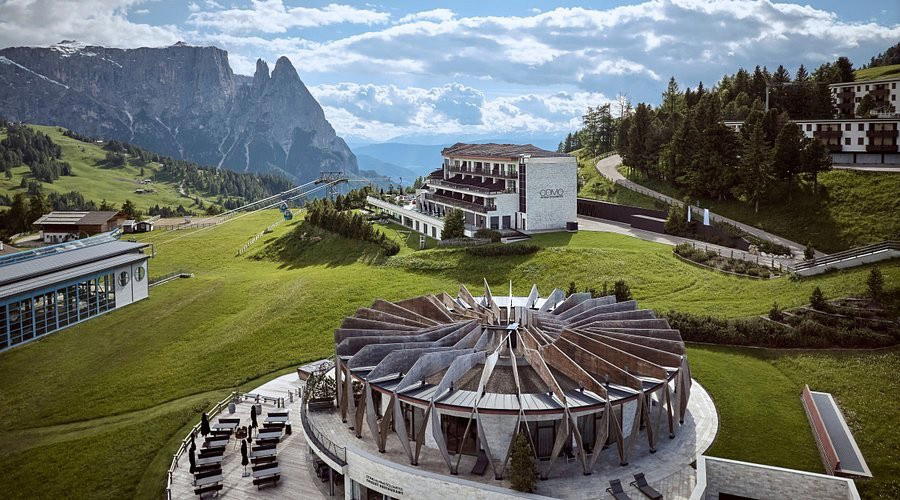
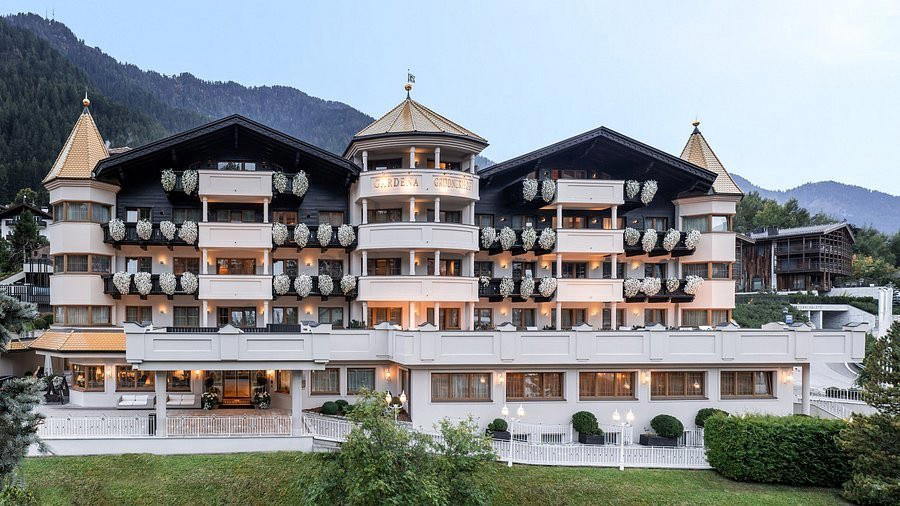
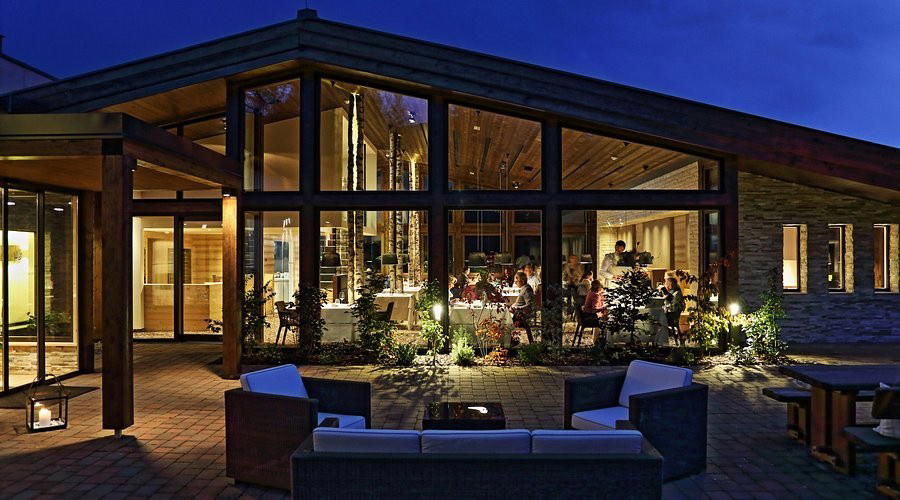
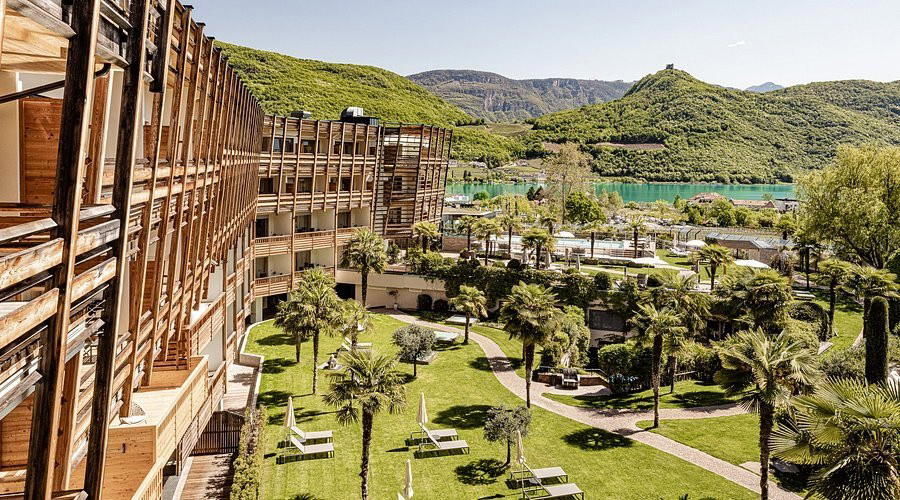
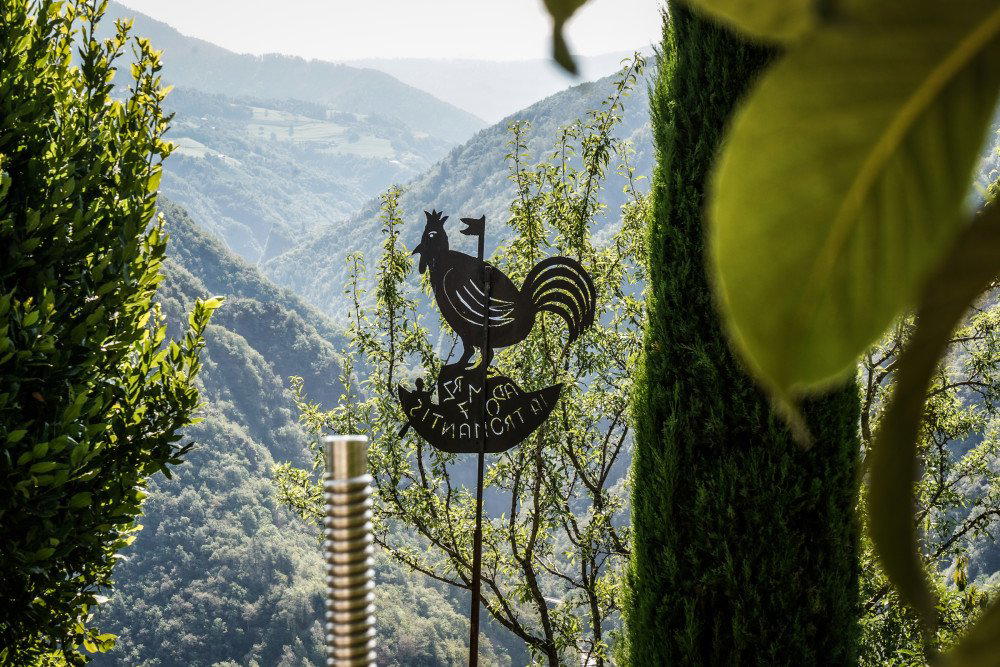
Atmospheric and welcoming, with a choice between a vaulted cellar and an airy terrace overlooking the mountains.