Agriturismo Huberhof
Agriturismo Huberhof sits in Vols am Schlern, a small South Tyrolean village on the Sciliar plateau above Bolzano, where working farm hospitality and mountain produce define the dining tradition. The property operates within a category where the distance between field and table is measured in steps rather than supply chains. For travellers interested in where Alto Adige agriculture and regional cooking converge, it represents a direct point of access.
Pearl is the En Primeur Club membership app — saves, bookings, and concierge access live there. Same editors, same standards.
- Address
- Via del Castello, 10, 39050 Fié allo Sciliar BZ, Italy
- Phone
- +39471725094
- Website
- huber-hof.com
- Directions
- Get directions
 Saves & bookings on Pearl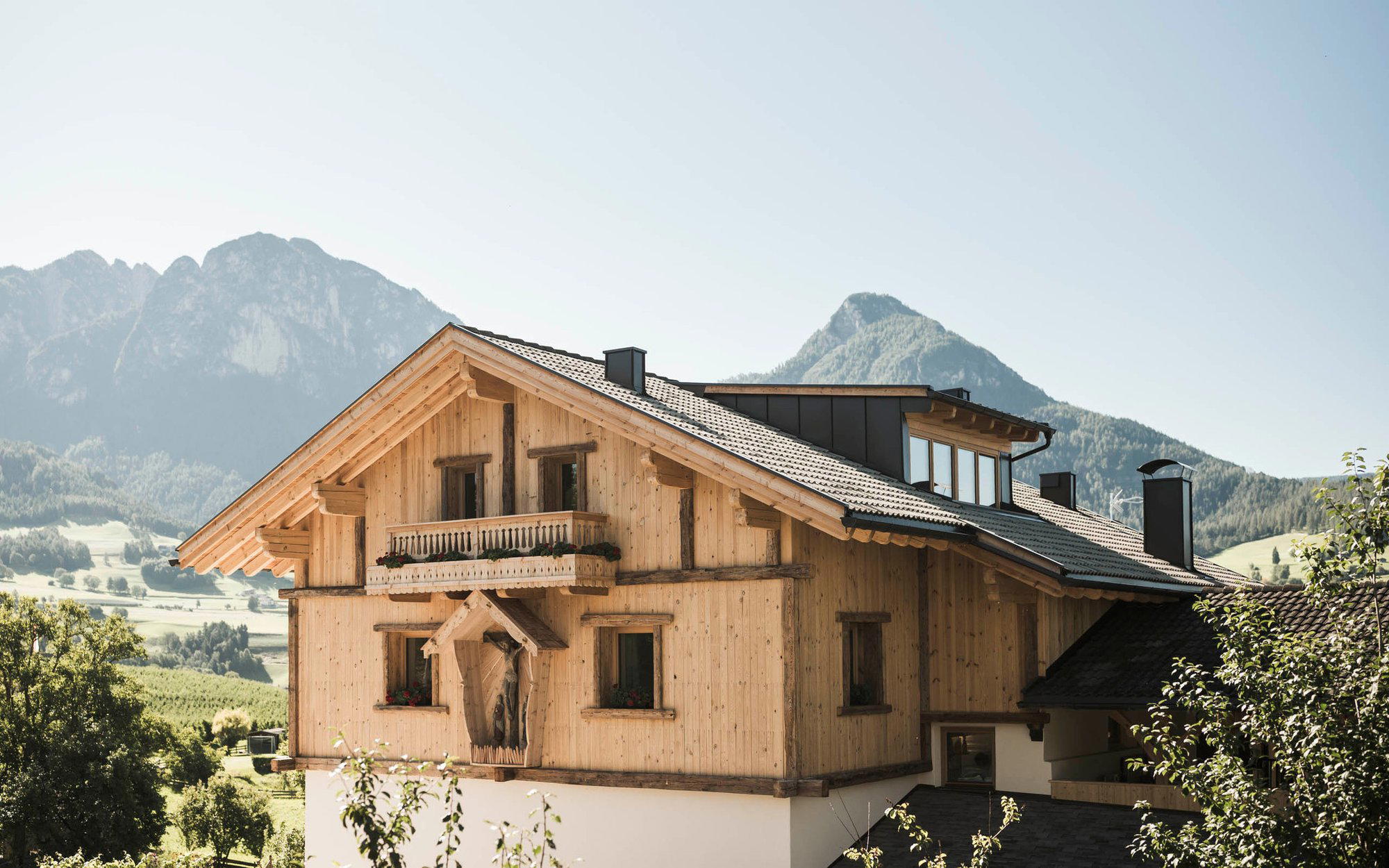
The Sciliar Plateau and What It Produces
South Tyrol's farming tradition sits at an unusual intersection: Germanic in language and food culture, Italian in administration, and Alpine in everything that actually matters at the table. The Sciliar plateau, which rises sharply above the Isarco valley and looks across to the Dolomite massif, has supported agriturismo culture for decades longer than the format became fashionable elsewhere in Italy. Farms here did not pivot to hospitality as a secondary revenue stream, many were receiving paying guests before the Italian agriturismo legal framework was formalised in 1985. Agriturismo Huberhof, located in Fié allo Sciliar, serves South Tyrolean farm cuisine in a casual setting with reservations recommended. Agriturismo Huberhof, addressed at Via del Castello 10 in Vols am Schlern (Fié allo Sciliar in Italian), sits inside this tradition rather than alongside it.
The village of Vols am Schlern is small enough that its dining options form a short list. Binderstube, Fronthof, and Schlosshof Baumann represent the other local options, each rooted in the same regional food culture. What separates an agriturismo from these neighbours is structural: the food is legally required to originate substantially from the farm's own production, which shapes the menu before any chef makes a single decision.
Ingredient Sourcing as the Menu's Architecture
The agriturismo model in Alto Adige operates under regional regulations that cap the proportion of outside ingredients a property can use while still qualifying for the designation. In practice, this means the plate is determined by the calendar and the land before it is determined by culinary ambition. Spring brings wild herbs from the surrounding meadows; autumn means cured meats from the farm's own pigs, apple-based preparations from orchards that have been worked continuously across generations, and aged dairy produced on the property. The Sciliar plateau sits at an elevation that slows growth and concentrates flavour in both pasture grasses and the animals that feed on them, a condition that South Tyrolean producers have long understood and that is increasingly recognised in broader Italian fine dining conversations.
This sourcing discipline places Huberhof in a different category from even ingredient-focused fine dining restaurants. Operations like Atelier Moessmer Norbert Niederkofler in Brunico have built significant critical reputations around mountain-sourced Alpine produce and strict locality principles, Niederkofler's Cook the Mountain philosophy has influenced how the region thinks about ingredient geography. An agriturismo operates from the same premise but removes the intermediary step entirely: the ingredient does not travel to the kitchen from a regional supplier; it comes from the field or barn attached to the building. That compression of supply chain is the format's defining claim, and it is either the reason you are there or it is not.
Reading the Room: Atmosphere on the Plateau
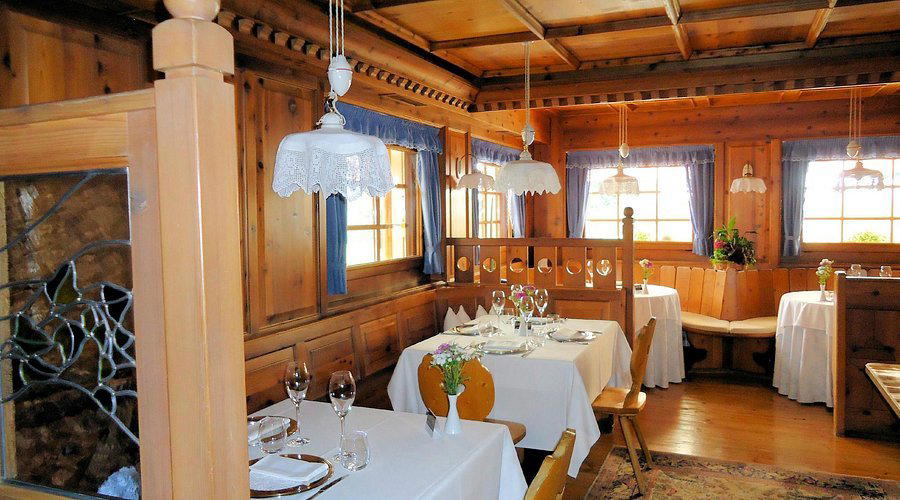
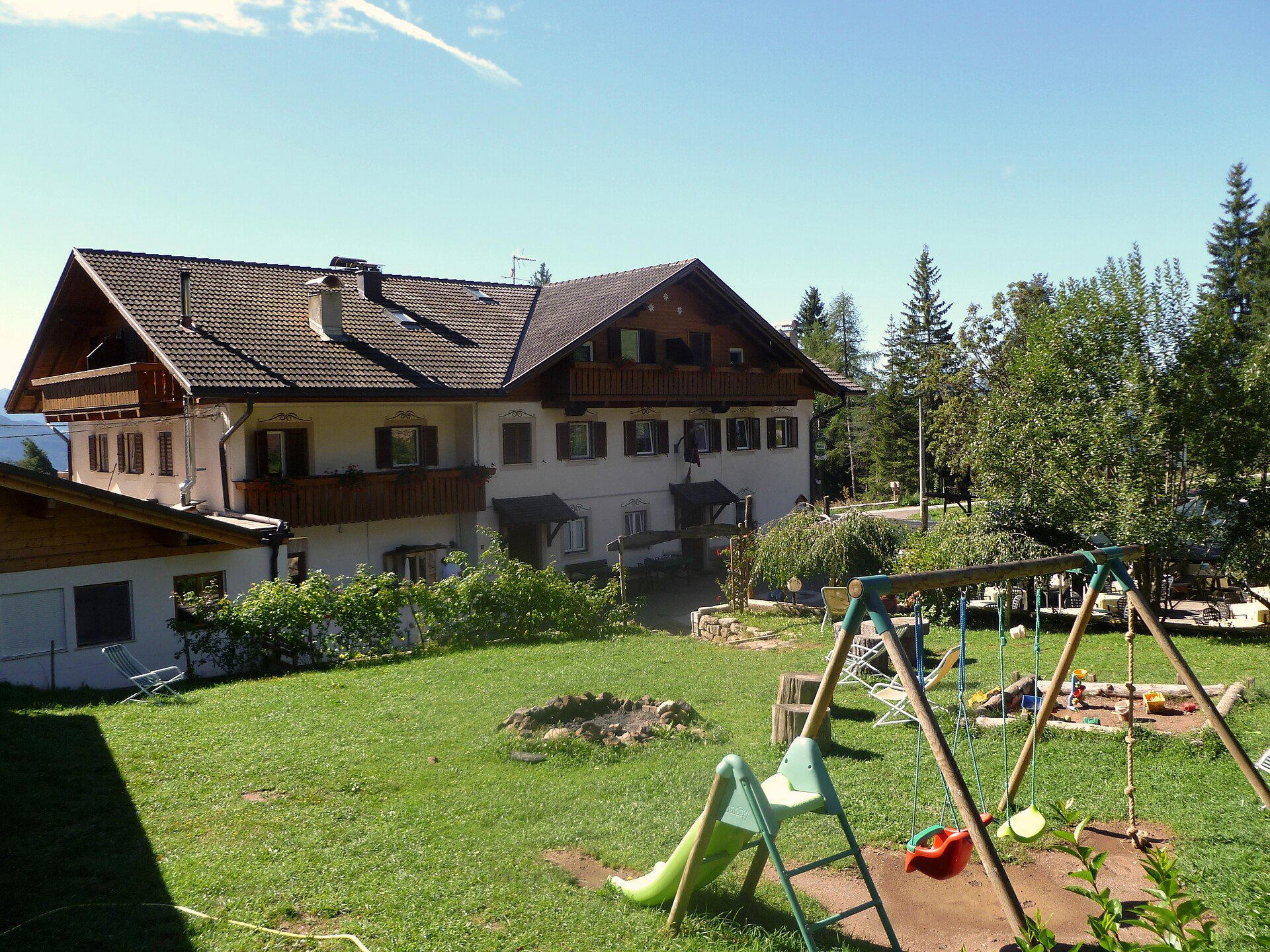
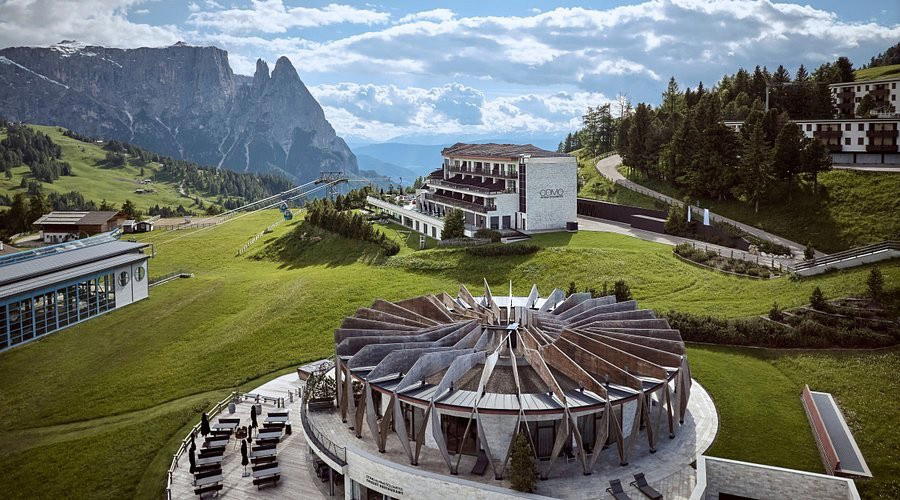
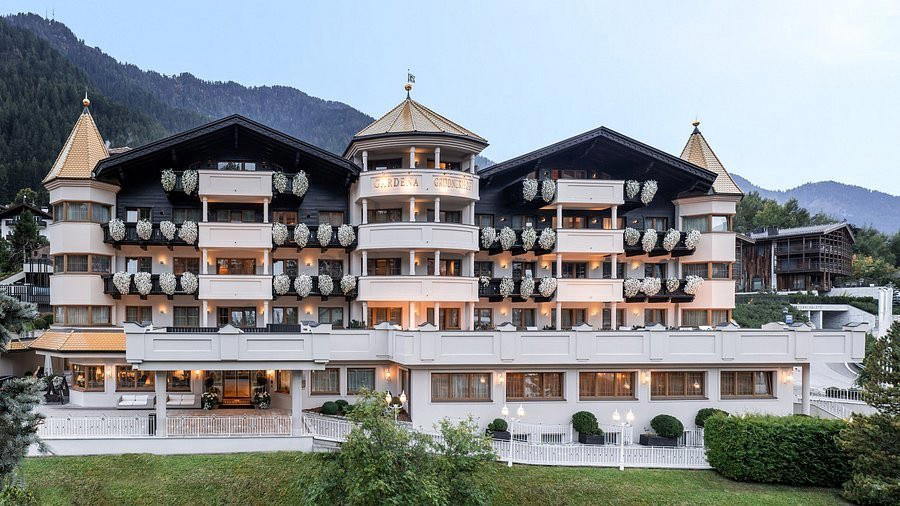
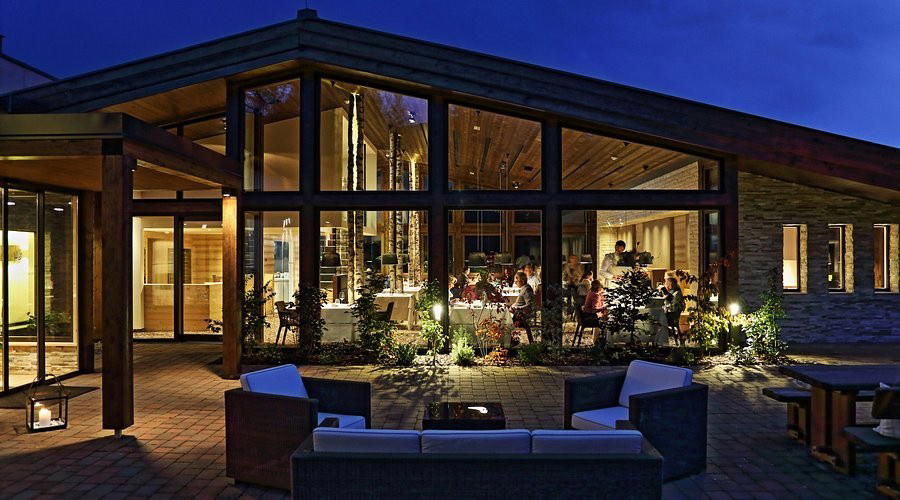
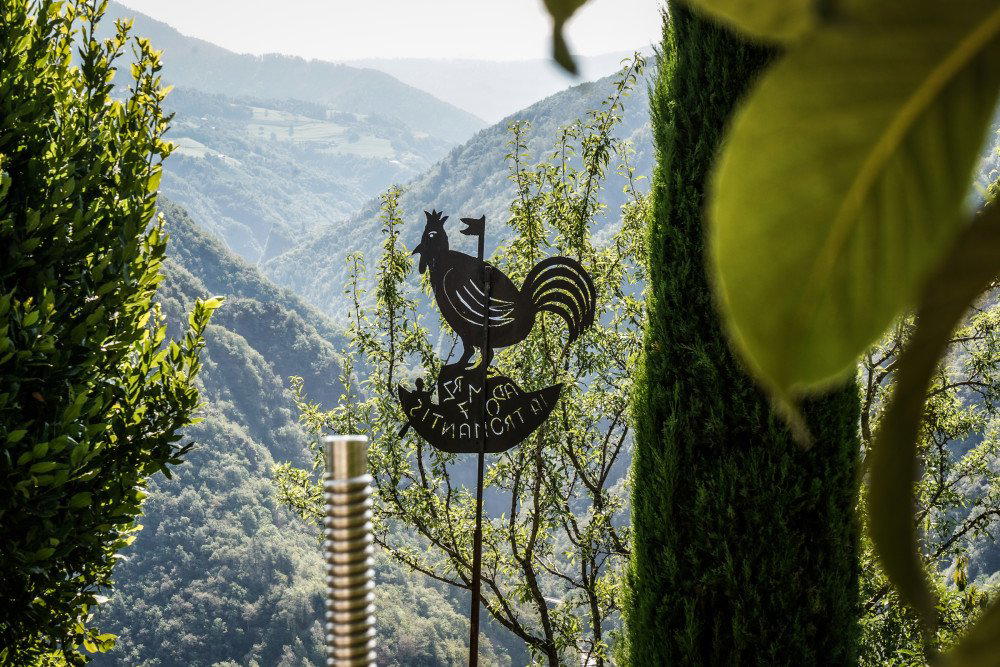
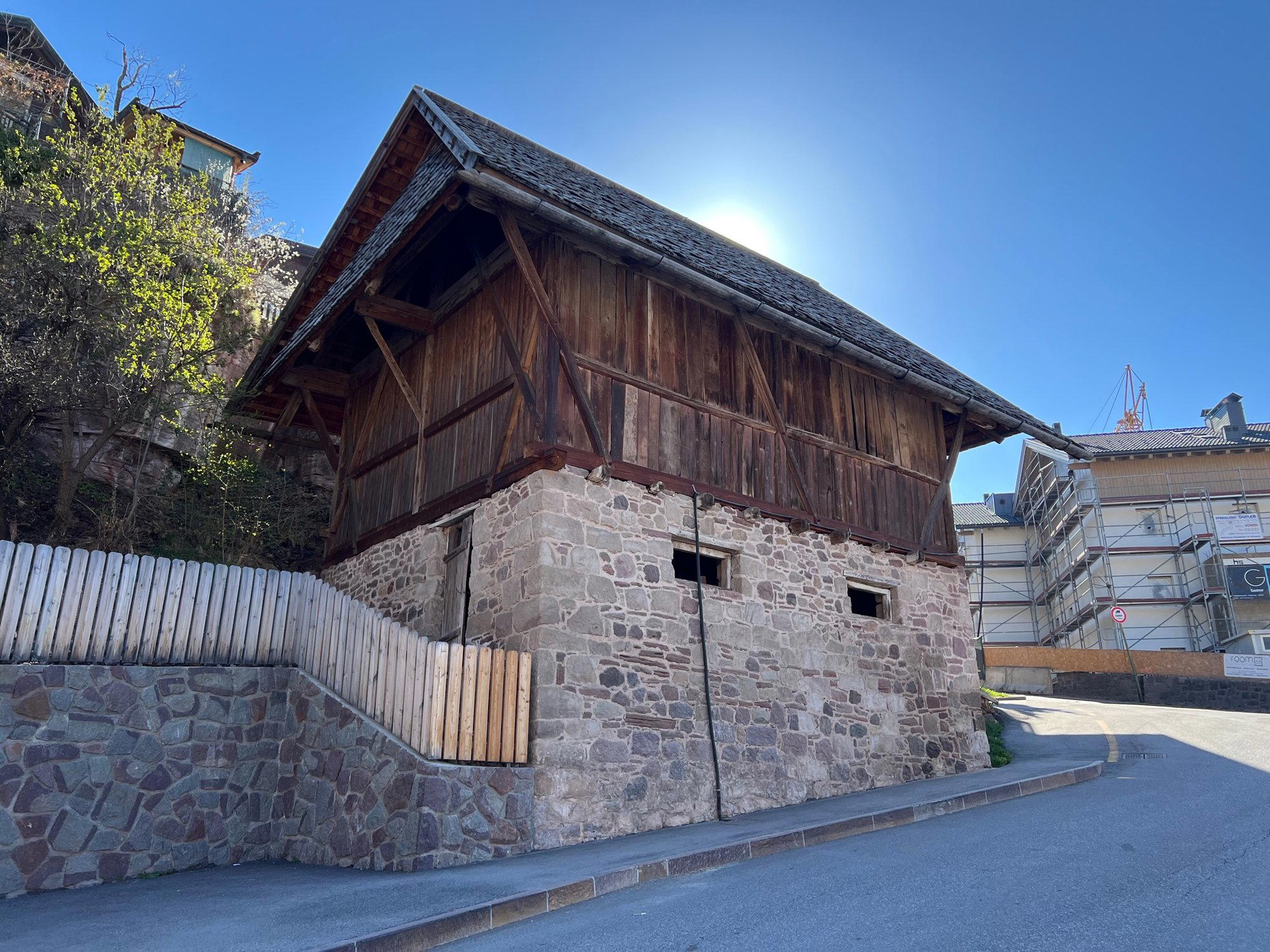
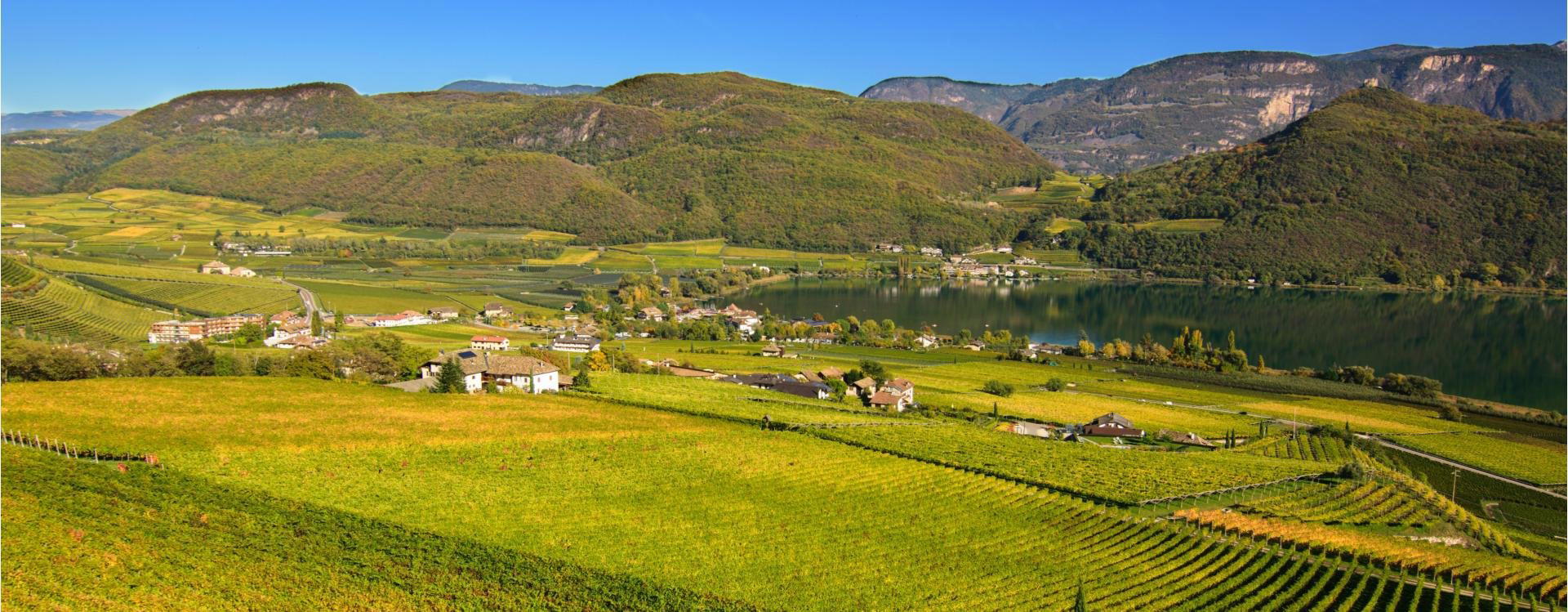
Approaching Vols am Schlern from the valley road, the plateau opens out in a way that the winding ascent does not prepare you for, grassland, farmhouses, and a horizon defined by the Sciliar massif rather than buildings. Agriturismo properties in this setting typically occupy converted farm structures with low-beamed interiors, dark timber that has absorbed decades of woodsmoke, and windows sized for insulation rather than views. The visual grammar is functional rather than designed: benches and tables built for families eating at regular hours, not for lingering tasting menus. The atmosphere at properties of this type in South Tyrol rewards the visitor who arrives with calibrated expectations, this is farmhouse hospitality, not mountain luxury, and the distinction matters. For the latter register in the broader Italian context, properties that blend fine dining ambition with landscape setting, such as Dal Pescatore in Runate or Piazza Duomo in Alba, occupy a different tier entirely.
South Tyrolean Food Culture in Brief
The cuisine of Alto Adige pulls in two directions simultaneously and does not fully resolve the tension, which is part of what makes it interesting. Canederli (bread dumplings) sit alongside pasta; Speck IGP cures next to bresaola; Gewürztraminer and Lagrein grow in the same valley. The agriturismo format tends to anchor firmly on the Germanic-Alpine side of this split: cured meats, rye bread, dairy preparations, and pork-centred secondi are the structural components of a typical meal. Seasonal vegetables appear as accompaniments rather than focal points. Wine, where served, reflects the notable concentration of quality production in the South Tyrol DOC, a designation that consistently punches above its geographic scale. Italy's broader fine dining circuit, from Osteria Francescana in Modena to Uliassi in Senigallia and Reale in Castel di Sangro, operates at considerable remove from this register, though the sourcing rigour that defines those kitchens finds a quieter, less celebrated parallel in the agriturismo tradition.
Planning Your Visit
Vols am Schlern is accessible from Bolzano via the SS12 and a plateau road, with the drive from the city centre taking approximately 30 minutes under normal conditions. Reservations are recommended.
Wider Italian Dining Context
Understanding where Huberhof sits within Italian dining requires acknowledging how wide that spectrum runs. At one end, Michelin-decorated addresses like Le Calandre in Rubano, Enoteca Pinchiorri in Florence, Enrico Bartolini in Milan, Da Vittorio in Brusaporto, Quattro Passi in Marina del Cantone, and Casa Perbellini 12 Apostoli in Verona represent the country's highest-complexity, highest-investment dining. Internationally, the equivalent ambition appears at places like Le Bernardin in New York City or Lazy Bear in San Francisco. Agriturismo Huberhof does not compete in that register and is not trying to.
Quick Comparison
Comparable venues nearby, for context on price, style, and recognition.
| Venue | Cuisine | Price | Notes |
|---|---|---|---|
| Agriturismo HuberhofThis venue — the venue you are viewing | South Tyrolean Farm Cuisine | $$ | Not listed |
| Binderstube | Upscale South Tyrolean Italian | $$$ | Fiè allo Sciliar |
| Fronthof | South Tyrolean Farmhouse Tavern | $$ | Völs am Schlern |
| Schlosshof Baumann | Modern South Tyrolean | $$ | Fie allo Sciliar |
| Pschnickerhof | Traditional South Tyrolean Farmhouse | $$ | Villanders |
| Pazeider Pizza Atelier | Neapolitan Pizza | $$ | Marling |
Continue exploring
More in Vols Am Schlern
Restaurants in Vols Am Schlern
Browse all →
Bars in Vols Am Schlern
Browse all →
Hotels in Vols Am Schlern
Browse all →
At a Glance
- Rustic
- Cozy
- Scenic
- Family
- Casual Hangout
- Historic Building
- Farm To Table
- Local Sourcing
- Mountain
rustic farmhouse atmosphere with authentic charm