Our verdict
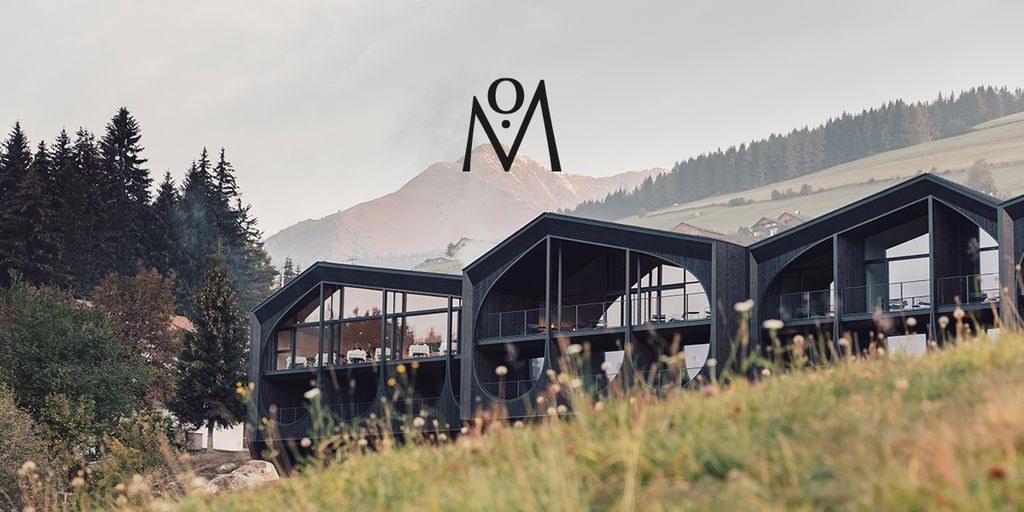
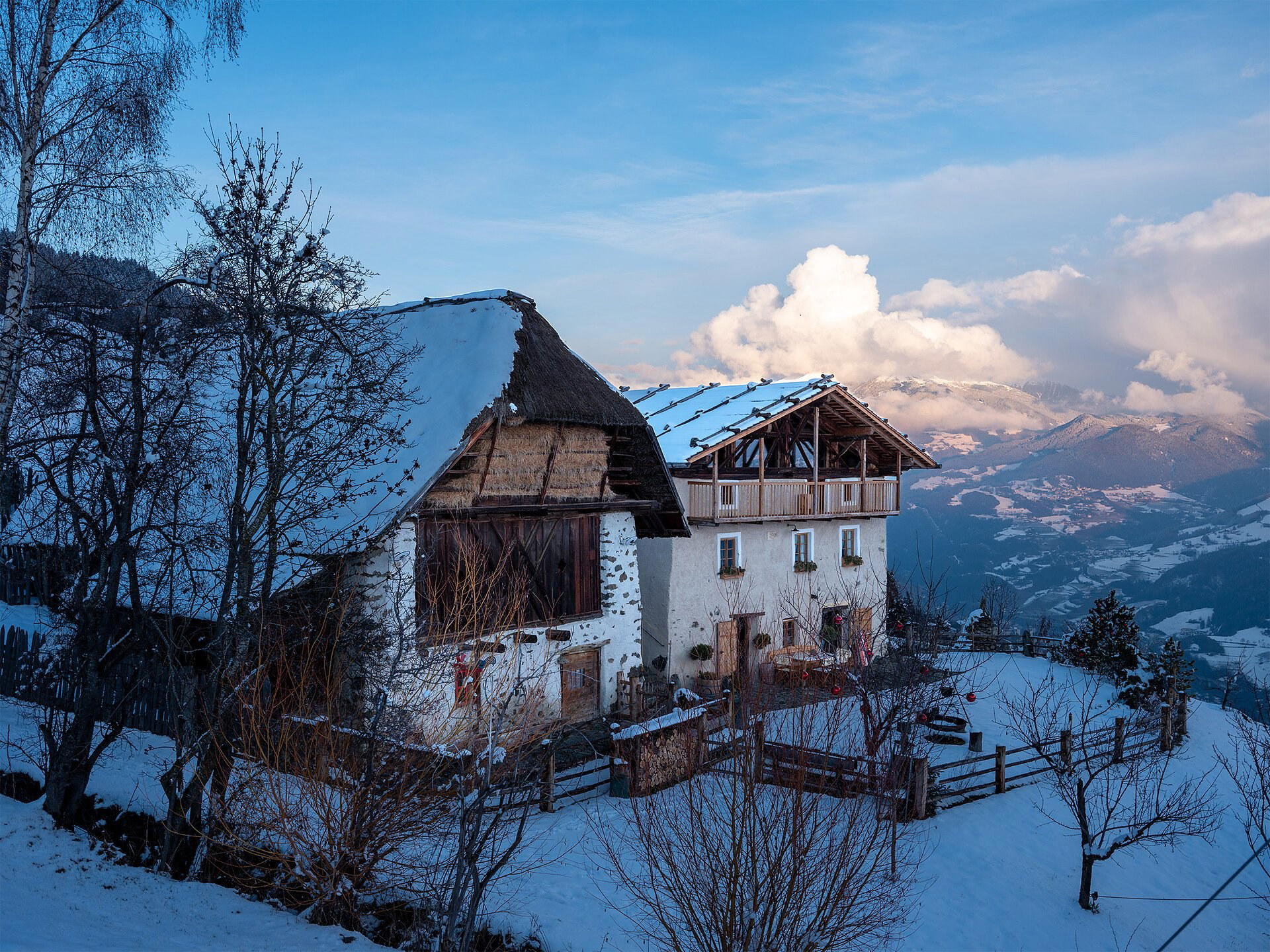
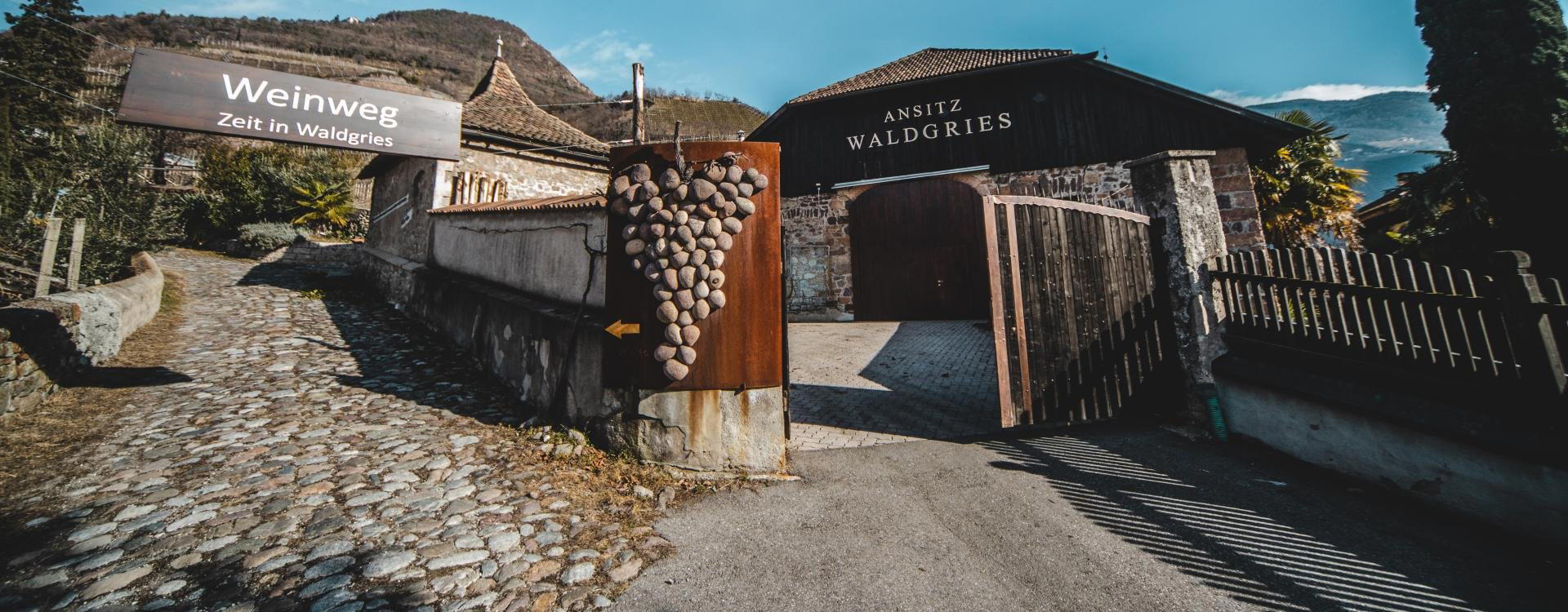
Huberhof pairs South Tyrolean Italian Buschenschank cooking with mountain views, a quiet, leisurely pace, and a historic building setting at Panoramahotel Huberhof.

Pearl is the En Primeur Club membership app, where members save venues, book tables and use the concierge.

Where the Eisack Valley Sets the Pace
Approaching Laugenstraße on a clear afternoon, the Dolomite ridgeline fills the space above the rooftops in a way that recalibrates your sense of time. Brixen (Bressanone in Italian) is one of those South Tyrolean towns where the built environment and the mountain backdrop operate in active conversation, and the dining rhythm here reflects that same unhurried logic. Meals are not events to be compressed; they are the architecture of an evening. Huberhof, at number 27 on Laugenstraße, occupies this tradition squarely.
South Tyrol sits at a crossroads that shapes its table culture more than any single ingredient or technique. The region is formally Italian, historically Austrian, and linguistically German, and restaurants here absorb all three registers. The result is a dining etiquette that prizes patience and sequence over novelty and spectacle. This is the frame through which Huberhof reads most clearly: not as a destination defined by a single celebrated chef, but as a place where the ritual of the meal carries structural weight.
The Dining Ritual in South Tyrolean Context
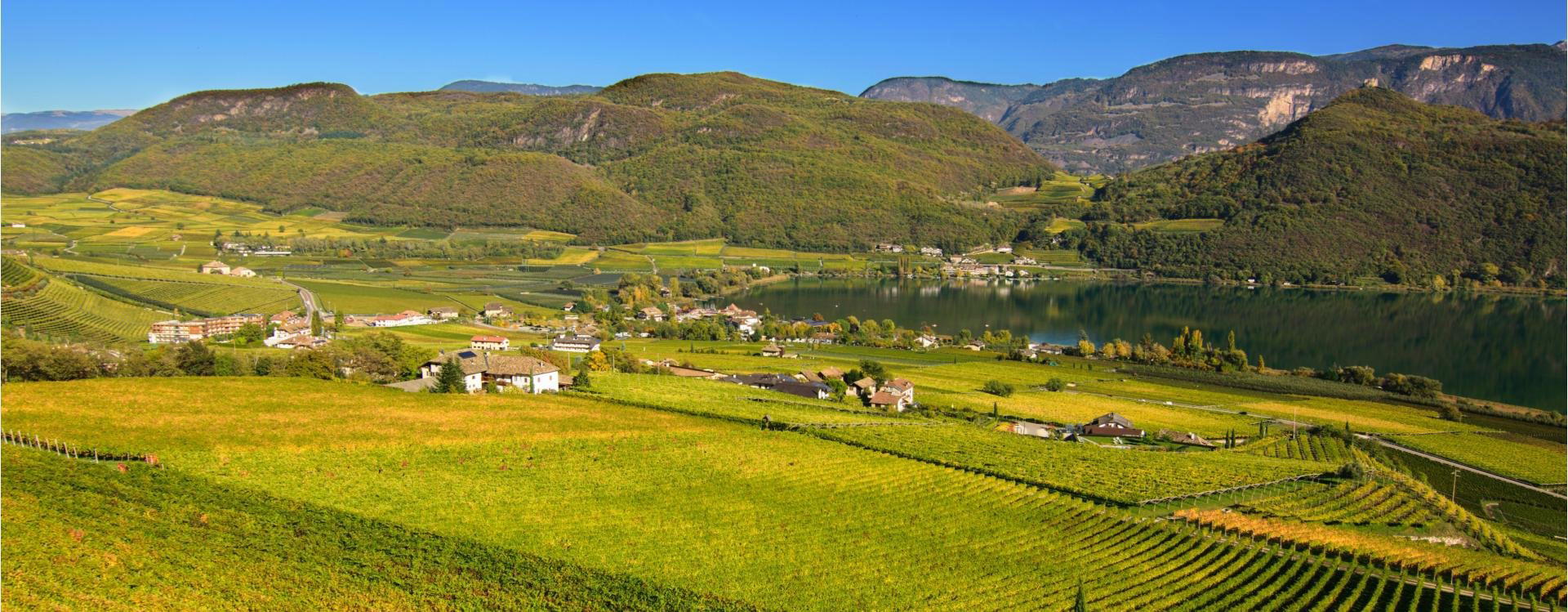
In towns like Brixen, the formal cadence of a sit-down meal differs meaningfully from Italian dining culture further south. You do not arrive expecting the table to be ceded quickly. Courses arrive with deliberate spacing. Wine choices are made with reference to both the Austrian tradition of structured whites and the indigenous Alto Adige DOC reds, particularly Lagrein and Vernatsch, which grow on terraced vineyards within visible range of the town. Bread, often rye or speck-laced, lands before any menu negotiation begins. These are not incidental touches; they are the scaffolding of how South Tyrolean hospitality understands itself.
Huberhof sits within a tier of Brixen dining that prioritises this ritual approach over the kind of theatrical tasting-menu format you find at venues operating further up the ambition register. For context, the upper bracket of South Tyrolean fine dining is defined by places such as Atelier Moessmer Norbert Niederkofler in Brunico, where the cooking is explicitly conceptual and the pacing is orchestrated to the minute. Huberhof is not competing in that space. It occupies the register where the tradition of the meal itself is the primary text, and the food serves that tradition rather than rewriting it.
Among Brixen's dining options, this places Huberhof in a different conversation from Apostelstube, which operates at the creative end of the local spectrum at the €€€€ tier, or Alpenrose, which anchors regional cuisine at a more accessible price point. Brix 0.1, Burgerhof, and Agorà21 each represent further variants of how Brixen absorbs different dining registers. The full picture of what this town offers is mapped in the EP Club Brixen restaurants guide.
Cuisine Traditions on This Latitude
The cuisine tradition that runs through establishments at this address in South Tyrol draws from a larder that is genuinely distinctive at the Italian national level. Speck Alto Adige IGP, the dry-cured, cold-smoked pork product made under specific protected conditions in this region, appears across menus here in ways that have no equivalent further south. So do knödel (bread dumplings) served in broth or alongside braised mountain meats. Gröstl, a pan-fried combination of potatoes, onion, and cured or leftover meat, is the kind of dish that defines the unhurried honesty South Tyrolean kitchens are known for.
This is not a cuisine that performs. It explains itself through portion and process. The comparison with Italy's broader fine dining circuit is instructive: the cooking at Osteria Francescana in Modena or Enoteca Pinchiorri in Florence operates through transformation and recontextualisation of Italian ingredients. In South Tyrol, the relationship between ingredient and plate is more declarative. What grows or grazes at altitude appears with its identity largely intact. At venues like Piazza Duomo in Alba or Le Calandre in Rubano, the creative language is metropolitan and international. South Tyrolean kitchens, including those around Laugenstraße, tend to operate in a register that is more strictly regional and less interested in external comparison.
The international frame extends further when you consider that the formal tasting-menu model at venues such as Atomix in New York City or the classical seafood discipline at Le Bernardin represents a fundamentally different set of expectations from the table. South Tyrolean dining answers to different criteria, where terroir specificity and ritual sequence take precedence over technique as spectacle. Venues such as Uliassi in Senigallia, Reale in Castel di Sangro, Quattro Passi in Marina del Cantone, and Dal Pescatore in Runate each carry significant formal recognition, and their cooking is shaped by coastal or Po Valley traditions that bear almost no resemblance to what you find at altitude in the Eisack Valley. Even Enrico Bartolini in Milan, operating within Italy's northern culinary axis, belongs to a different idiom. The point is not that one approach is superior; it is that South Tyrolean dining operates on its own logic, and understanding that logic is a precondition for reading any individual establishment here correctly.
Planning a Visit to Laugenstraße
Brixen is accessible by rail on the Brenner line, with regular services from Innsbruck to the north and Bolzano to the south; the station is a short walk from the old town. The town's compact centre means that most of its dining options are within easy reach of each other and of the main Piazza Duomo. For visitors combining Brixen with the broader South Tyrolean circuit, the town functions well as a base: day trips to Bolzano, the wine road along the Adige, and the Pustertal valley are all feasible. Given the limited number of covers that characterises restaurants at this address, and the fact that South Tyrolean dining is not structured around late seatings, confirming arrangements in advance is advisable, particularly during the summer walking season between June and September and around the Christmas markets in late November and December, which draw significant visitor numbers to the region.
Frequently asked questions
Where is Huberhof located?
Huberhof is located at Laugenstraße, 27, 39042 Bressanone BZ, Italy, Brixen.
Is Huberhof a good base for exploring South Tyrolean wine and food culture around Brixen?
Brixen sits on the Brenner rail corridor between Bolzano and Innsbruck, putting the Alto Adige wine roads and the Eisack Valley's agricultural producers within easy reach. Restaurants on Laugenstraße in Brixen have historically served as practical entry points into regional food culture for visitors arriving by train. Whether Huberhof specifically organises producer visits or wine pairings is not documented, so that detail warrants a direct enquiry.
What's the must-try dish at Huberhof?
The menu at Huberhof is not publicly detailed in current documentation, but kitchens at this address in Brixen typically anchor their offer in South Tyrolean staples: cured speck, barley soup, and game preparations drawn from the surrounding Alpine valley. The region's larder is distinct from Italian cooking further south, and any house speciality is likely to reflect that. Confirming current dishes directly with the venue before visiting is advisable.
Should I book Huberhof in advance?
Brixen is a compact town with a limited number of serious sit-down restaurants, and demand at established addresses on Laugenstraße tends to outpace casual walk-in availability, particularly in summer and the winter holiday period. Contacting Huberhof directly to check availability before arrival is the practical approach. No online booking platform is currently listed.
What's the defining dish or idea at Huberhof?
South Tyrolean cooking at this latitude operates on a logic shaped more by the Alpine calendar than by Italian culinary convention: preserved meats, root vegetables, and dairy from valley farms form the structural backbone of most menus. Huberhof's address in Brixen places it within that tradition.
Where It Fits
Comparable venues nearby, for context on price, style, and recognition.
| Venue | Cuisine | Price | Notes |
|---|---|---|---|
| HuberhofThis venue (the venue you are viewing) | South Tyrolean Italian Buschenschank | Not listed | Not listed |
| Gattererhof | South Tyrolean Buschenschank | Not listed | Brixen |
| Forestis Dolomites | Forest Cuisine | Not listed | Bressanone |
| Agorà21 | Neapolitan Pizza & Southern Italian | $20–30 | Bressanone Center |
| Wirt an der Mahr | Traditional South Tyrolean with Italian and German influences | $30–50 | La Mara |
| Brix 0.1 | Modern Italian Grill | $20–30 | Lido Park |
Continue exploring
More in Brixen
Restaurants in Brixen
All restaurants in Brixen →
Bars in Brixen
Browse all →

Details
- Rustic
- Cozy
- Family
- Casual Hangout
- Historic Building
- Local Sourcing
- Mountain
- A La Carte
Current opening hours
- Monday
- Closed
- Tuesday
- Closed
- Wednesday
- Closed
- Thursday
- Closed
- Friday
- Closed
- Saturday
- Closed
- Sunday
- 12–4 PM
Hours can change for holidays and private events. Hours as of .
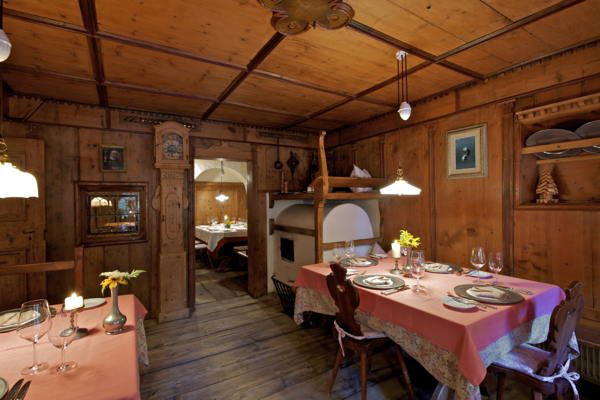
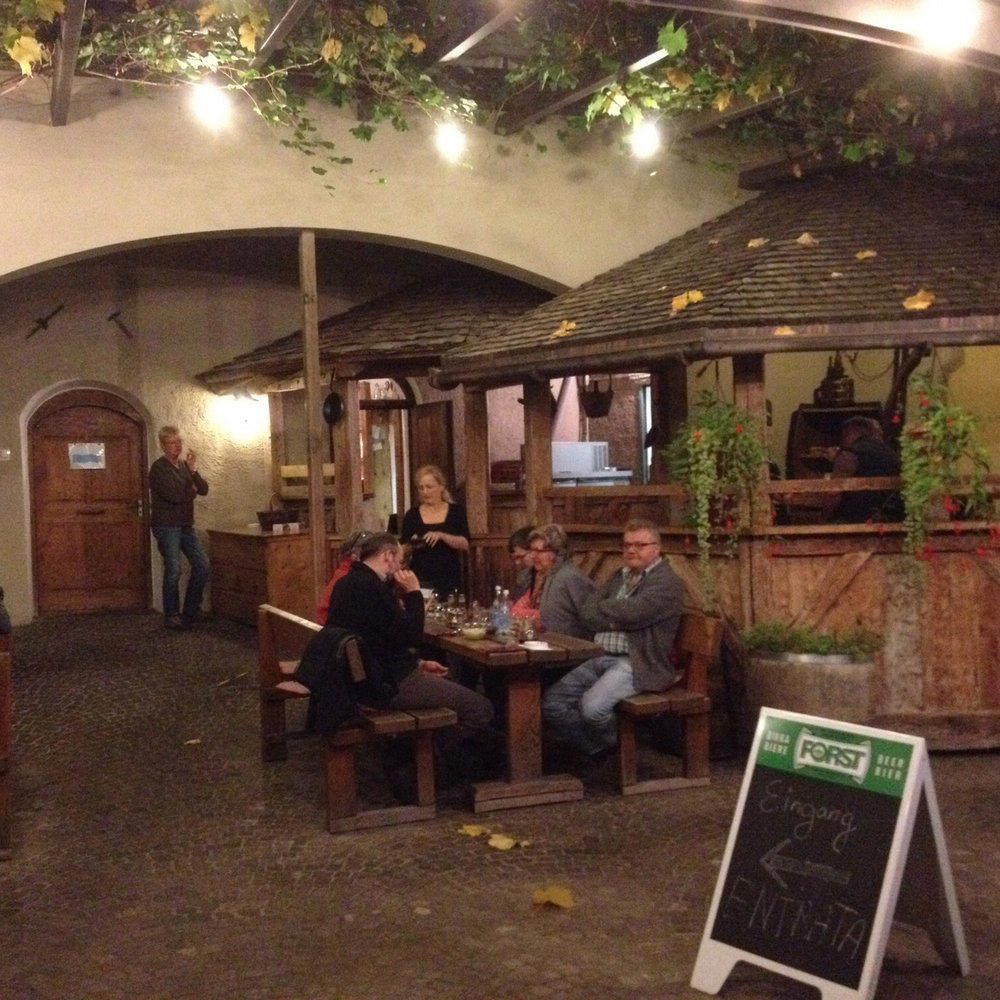
Cozy and rustic atmosphere in a traditional farm setting with family-friendly warmth.