
Nagoya’s chicken cookery has a serious local grammar, and Nagoya Cochin Kappo Torifuku works inside it with a reservation-only format built around regional chicken dishes, mizutaki and kappo pacing. The room is small, the counter matters, and its 2025 Tabelog 100 selection for chicken cuisine places it in a focused national category rather than a broad fine-dining race.
Pearl is the En Primeur Club membership app — saves, bookings, and concierge access live there. Same editors, same standards.
- Address
- Japan, 〒461-0001 Aichi, Nagoya, Higashi Ward, Izumi, 3 Chome−1−2 1F
- Phone
- +81 52-747-2942
- Website
- torifuku.co.jp
 Saves & bookings on Pearl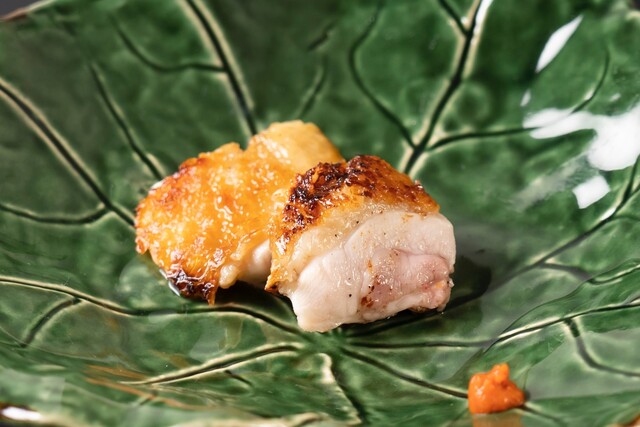
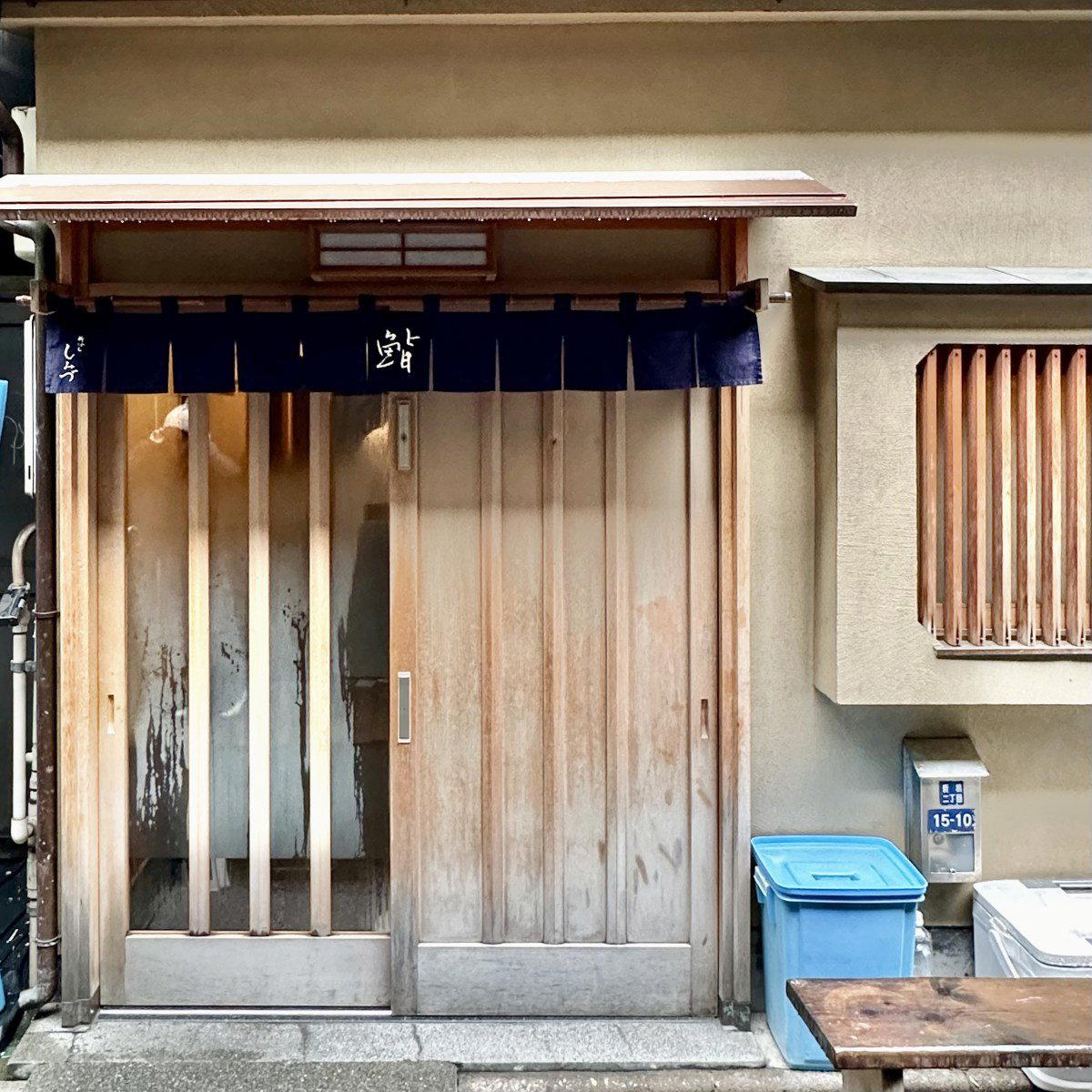
Izumi shows central Nagoya’s quieter face: apartment blocks, office edges, and restaurants revealed without theatrical frontage. That suits a chicken kappo room built for regulars, not spectacle. The appeal is not luxury ingredients flown in to prove a point, but Nagoya’s own bird, Nagoya Cochin, treated as a complete subject, with the counter less a stage than a workshop.
Chicken holds a different status in Nagoya than in cities where yakitori is the shorthand. Nagoya Cochin, one of Japan’s better-known jidori breeds, carries regional identity like miso katsu or hitsumabushi, but better restaurants handle it with discipline rather than civic slogan. Nagoya Cochin Kappo Torifuku sits in that serious lane: chicken dishes, mizutaki and regional cuisine, in a format rewarding diners attuned to pacing, aroma and the quiet hierarchy of parts.
Nagoya Cochin as a whole-bird language
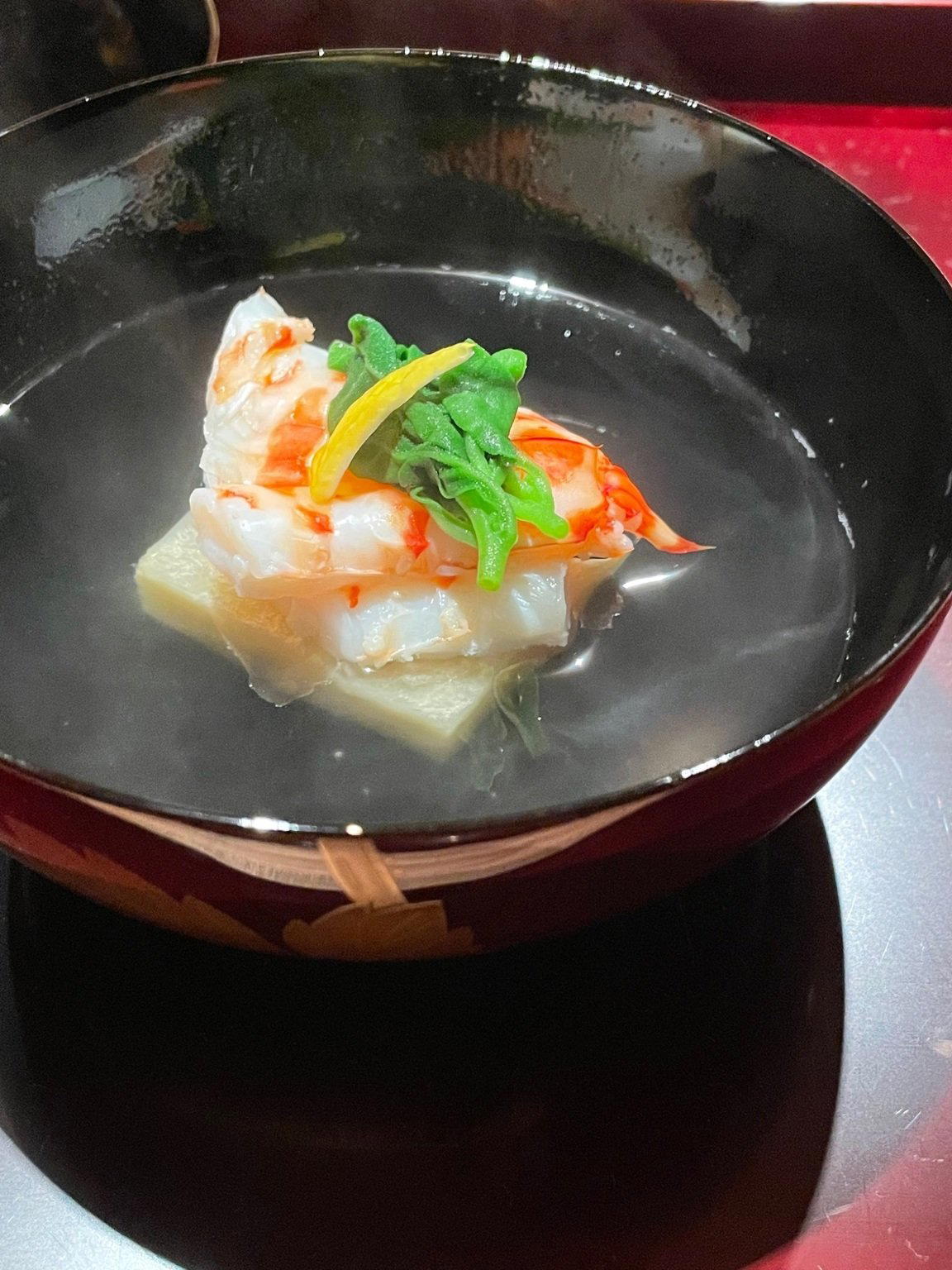
The regulars’ view matters because chicken kappo is not about chasing one famous plate. It is about returning for a sequence: cooked and raw-temperature contrasts where the kitchen permits, broth-led comfort, grilled or simmered textures, and confidence that the bird is used with intent. The restaurant centres on freshly prepared whole Nagoya Cochin, so the experience differs from a casual yakitori stop. In this room, the unwritten menu is fluency: breast, thigh, skin, liver, cartilage and stock are not supporting actors but separate arguments.
That is where mizutaki becomes more than a hot pot category. In western Japan, it can make chicken broth a study in extraction and restraint; in Nagoya, the breed adds local weight. Kappo service lets the kitchen move between cuts and preparations without becoming a rigid tasting-menu performance. The better comparison is a small Japanese counter where repetition builds trust: diners return because the sequence can change while the grammar holds.
Tabelog’s 2025 selection of the restaurant for its 100 chicken-cuisine list gives a useful external marker. It is not Michelin shorthand and should not be read as such, but it places the restaurant in a national conversation about toriryori specialists, a narrower, more revealing category than general Japanese dining. For Nagoya, that matters: the city’s strongest food identity often sits in everyday regional dishes, but here the local bird enters a more controlled kappo register.
The small-room advantage in Nagoya's chicken scene
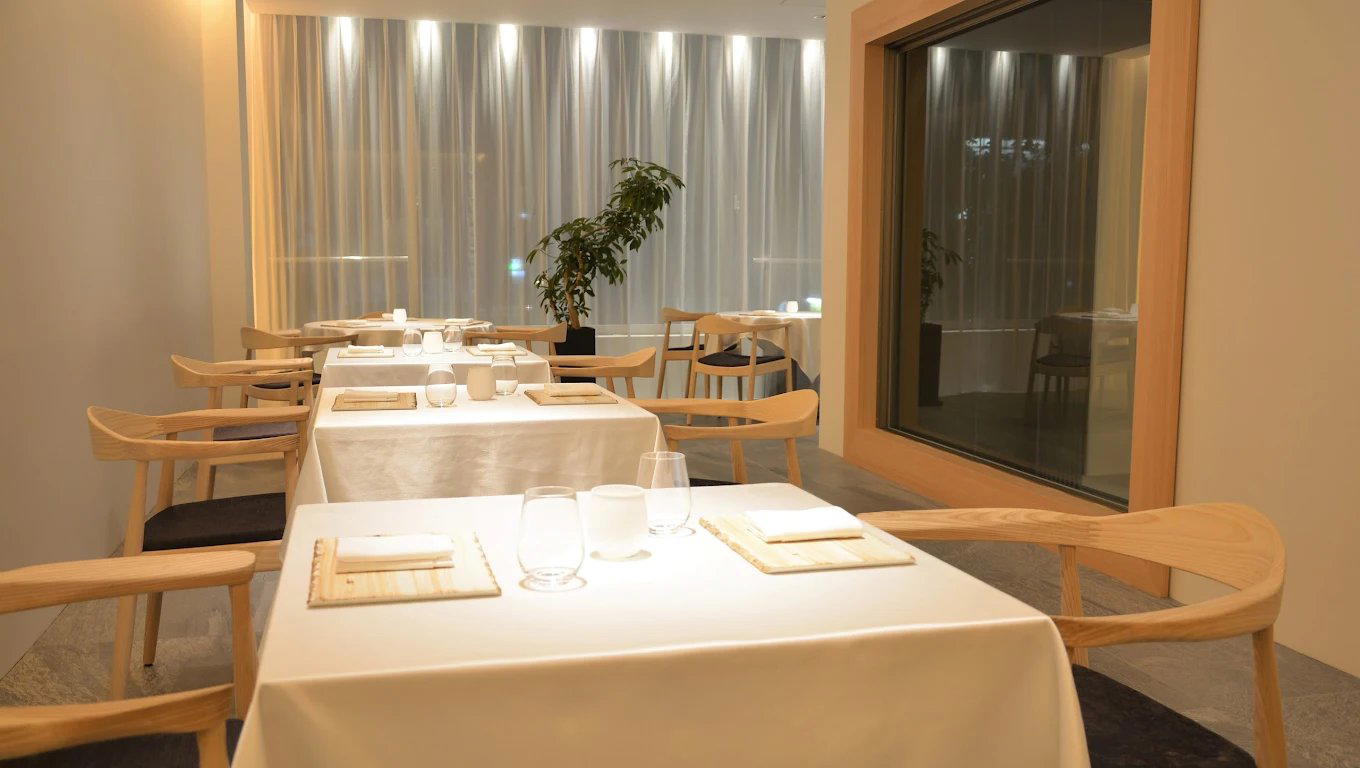
The room’s scale shapes the meal. Counter seating and limited table seating suit diners who want to watch timing and handling rather than disappear into a private-room dinner. It also explains why the scent policy is not cosmetic. Chicken broth, grilled fat and sake depend on aroma; heavy perfume can flatten the meal’s point. Regulars in Japan’s small specialist restaurants know these codes without drama. For visitors, reading the room is part of the reservation.
Within Nagoya’s comparable tier, the pricing and format place it above more casual local chicken counters such as Tori Ryori Masa and Kofukusai Kamekichi, both in a lower dinner band, and below higher-spend rooms such as Centro. Kizki occupies a different value position, with a lower dinner range and lunch availability. The decision is clear: this is neither the economical regional-dish stop nor a luxury tasting counter competing through rarity, but a compact specialist meal for diners who want Nagoya Cochin handled with more ceremony than a quick dinner allows.
The drinks direction fits. Sake, shochu and wine appear, with particular attention to sake. That range suits chicken kappo because the meal can move from clean broth to fat, char, offal and simmered depth. Regulars rarely need a grand pairing speech here; they need drinks that keep up with subtle changes in texture and heat. Compatibility matters more than cellar performance.
How to read the booking and the city around it
Reservation-only dining in a small Nagoya room changes the visitor’s calculus. This is not a fallback after Sakae or Nagoya Castle, but a planned dinner, especially for travellers building a trip around regional food rather than checklist sightseeing. The last-entry structure and expectation that parties arrive together point to a kitchen working to a tight sequence. Late arrivals are not minor in a whole-bird format; they disrupt the rhythm regulars pay for.
The location near Takaoka puts the restaurant in a useful pocket for central access without Sakae’s heavier nightlife feel. Izumi and Higashi Ward have long suited serious small restaurants: close to business districts, calmer after dark, and better aligned with regular clientele than transient foot traffic. For travellers, the neighbourhood context helps. Dinner here pairs better with a focused Nagoya food itinerary than with broad bar-hopping.
The audience is also defined by house rules. Attendance is limited to junior high school students and above, private rooms are not part of the format, and payment leans toward major credit cards rather than electronic money or QR systems. None is unusual for a small Japanese specialist restaurant, but it reinforces the tone: arrive on time, keep scents off clothing, and treat the meal as a compact kappo session rather than a flexible social booking.
For broader planning, Nagoya rewards category thinking. The city’s better meals are strongest when close to local identity, whether chicken, eel, miso, kishimen or late-night drinking food. Start with Our full Nagoya restaurants guide, then triangulate stays through Our full Nagoya hotels guide, drinks through Our full Nagoya bars guide, regional detours through Our full Nagoya wineries guide, and cultural planning through Our full Nagoya experiences guide. Other restaurant pages in the Japan and wider EP Club archive include 1022, 451, Aaron, Alan., All Day Dining Montmartre, -Grilled beef Sukiyaki- KAMAKURA TANUKIAN 鎌倉 たぬき庵 in Kamakura. 鮪と炭火焼き うお炭 秋葉原店 in Tokyo.cafe in Osaka.know in Kumamoto, (Shoku) Vietnam in Kawasaki, [Curry Senmon Ten] Maruyama Kyoju. in Sapporo, Jōdo Saké Bar in Los Angeles, and Onigiri Time in Pasadena.
Recognition Snapshot
Comparable venues for orientation by cuisine and category.
| Venue | Cuisine | Price | Notes |
|---|---|---|---|
| Nagoya Cochin Kappo TorifukuThis venue — the venue you are viewing | Nagoya Cochin Kappo & Mizutaki | $$$ | Not listed |
| Sushi Shimizu | Edomae Sushi Omakase | $$$ | Nishi |
| Yamanekoken | Traditional Japanese Kaiseki & Omakase | $$$ | Naka |
| Wagyu Yakiniku Jirouya Kai wagyu&sake Nagoya ekimae honten | Japanese Yakiniku / Wagyu BBQ | $$$ | Nakamura |
| 本郷おけい鮨 | Creative Japanese Omakase Sushi | $$$ | Meitō |
| Maruko | Traditional Wagyu Sukiyaki & Shabu‑shabu | $$$ | Naka |
Recognition history
Dated appearances from independent guides and award organizations, with the underlying list record or original source where available.
Tabelog 100 #45 · No. 45
Tabelog · Tabelog 100 - Chicken cuisine - 2025
Continue exploring
More in Nagoya
Restaurants in Nagoya
Browse all →

At a Glance
- Elegant
- Quiet
- Cozy
- Intimate
- Date Night
- Business Dinner
- Group Dining
- Special Occasion
- After Work
- Private Dining
- Standalone
- Sake Program
- Local Sourcing
Current opening hours
- Monday
- 5:30–10:30 PM
- Tuesday
- 5:30–10:30 PM
- Wednesday
- 5:30–10:30 PM
- Thursday
- 5:30–10:30 PM
- Friday
- 5:30–10:30 PM
- Saturday
- 5:30–10:30 PM
- Sunday
- Closed
Hours can change for holidays and private events. Last verified .
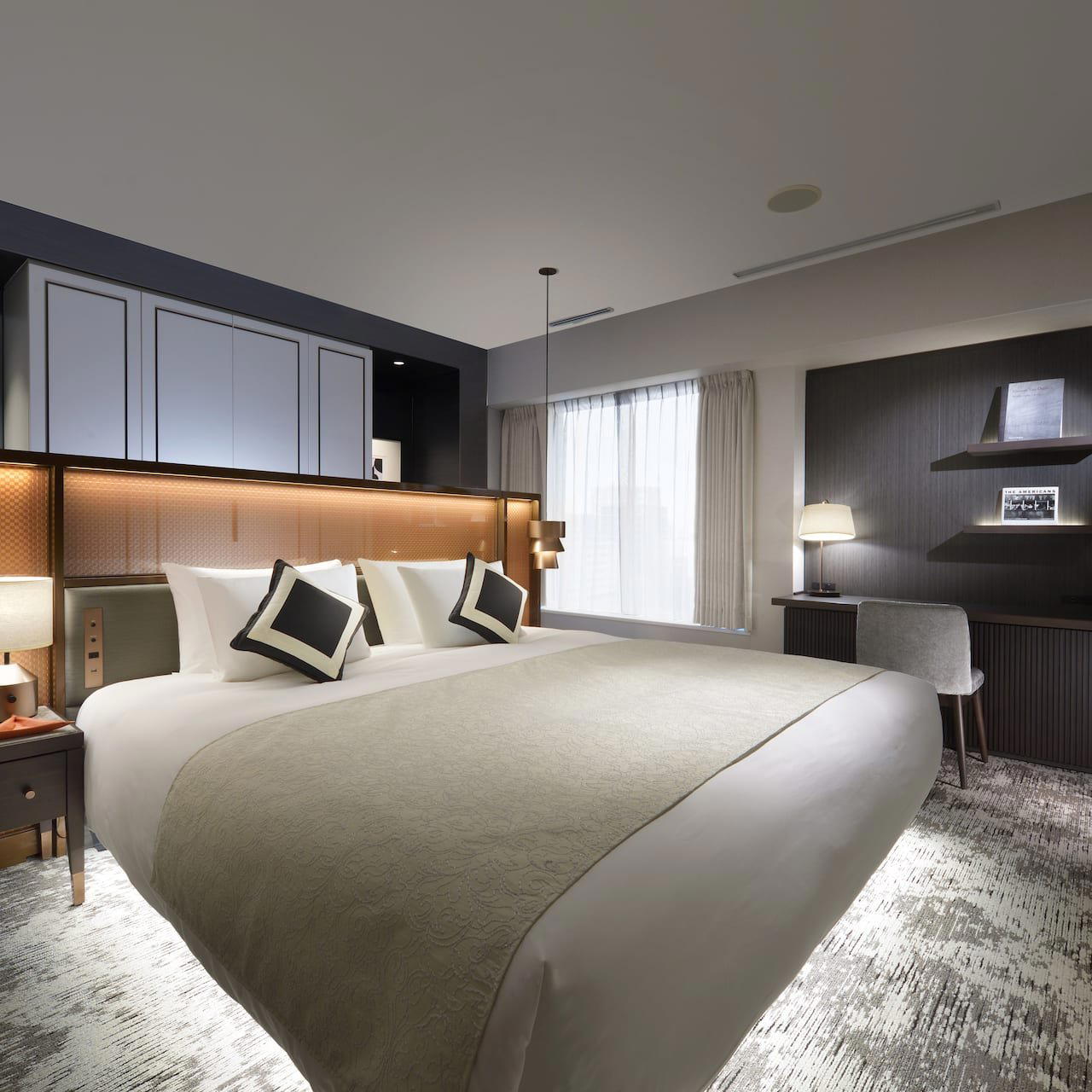
Calm and refined adult-oriented atmosphere with spacious seating and semi-private rooms, suited to leisurely, quiet meals rather than a lively izakaya setting.