
Tabelog 100 #48
Our verdict
Akasaka’s yakiniku scene rewards repeat diners who understand pacing, cuts, smoke, and the quieter value of private-room grilling. Yakiniku Horumon Kinju Hanare sits in that regulars’ bracket: a 25-seat yakiniku and horumon address selected for Tabelog 100 Yakiniku Tokyo 2025, with tripe, Korean cold noodles, sake, shochu, and wine shaping the meal beyond simple grilled beef.

Pearl is the En Primeur Club membership app, where members save venues, book tables and use the concierge.

The menu
What to order
- Assorted yakiniku platters
- Horumon (offal) selection
- Morioka-style cold noodles
- Beef tongue
Tokyo after dark has its own restaurant rhythm: office towers empty, side streets tighten, and smaller dining rooms matter more than street-level spectacle. In Tokyo, yakiniku is a regulars’ language, shaped by who controls the grill, how long the table lingers, and whether the room suits business, family, or a small celebration without turning dinner into performance.
Yakiniku Horumon Kinju Hanare fits the Tokyo category where the draw is not a chef’s manifesto or theatrical tasting sequence, but familiar grammar executed well enough to earn repeat custom. Yakiniku, horumon, tripe, and Korean cold noodles share the table, important in a city that has long supported Korean-influenced grilling alongside Japanese corporate dining, late dinners, and private entertaining. Selection for Tabelog 100 Yakiniku Tokyo 2025 gives it a public marker in a crowded field, while its Tabelog score of 3.64 places it in the city’s serious user-rated tier rather than the casual chain bracket.
Regulars read the room before they read the menu
The strongest Tokyo yakiniku rooms are judged not only by beef grade, but by flow: how quickly the table settles, whether the meal carries a long grill session, and how it accommodates different appetites without forcing one sequence. Here, the appeal is controlled and direct, suiting diners who want yakiniku’s heat and rhythm without a large hall’s noise or a heavily staged tasting format.
The regulars’ perspective matters because yakiniku has an unwritten second menu. A first-timer scans categories; a return diner thinks in arcs. Lean cuts, fattier pieces, offal, cooling noodles, and drinks need pacing. Horumon adds interest: offal-focused grilling rewards attention to texture as much as marbling, placing the restaurant closer to Tokyo’s specialist yakiniku culture than luxury beef tourism alone.
Tokyo offers price and format alternatives. Akasaka Ichiryu Bekkan, Cheongsol, and Akasaka Musashi help show how many ways a grill-focused meal can work in the city, while La Gloire and Shiono point to other dining moods in the same broader restaurant landscape. The spread is useful: Tokyo is not a single-occasion city. It supports quick meals, more formal rooms, confectionery-led stops, and grill-focused dinners for people who return often enough to compare rooms from memory.
For broader planning, EP Club’s Our full Tokyo restaurants guide places Tokyo’s grill culture beside other city modes, from casual visual theatre to curry specialists, yakitori counters, and the broader izakaya-grill register of other Tokyo dining rooms.
Yakiniku, horumon, and the Tokyo after-work table
Tokyo yakiniku has split into lanes. One sells rare beef as luxury theatre. Another focuses on value, speed, and group drinking. A third, more interesting for regular diners, treats the meal as a controlled sequence of grill work, offal, drinks, and finishing starch. Yakiniku Horumon Kinju Hanare sits in that third lane. Its listed categories, yakiniku, tripe, and Korean cold noodles, point to progression rather than one headline plate.
That distinction matters because horumon changes the meal’s social contract. It is less passive than ordering steak: diners watch timing, heat, and shared preference. The drinks side can broaden the table beyond a quick grill stop, but the core attraction remains the same: fat, salt, smoke, texture, and chilled noodles arranged into a meal that rewards pacing rather than spectacle.
The 2025 Tabelog 100 selection is a useful trust signal because Tokyo’s yakiniku field is dense and unforgiving. It does not make the room a formal fine-dining counter, and should not be read that way. It indicates recognition inside a specific category, among restaurants judged for yakiniku in Tokyo. For travellers, that is more meaningful than a generic popularity claim. For locals, it confirms the restaurant has moved beyond simple convenience into a competitive citywide conversation.
There is no need to inflate the room into ceremony. The practical reading is better: a Tokyo yakiniku address for diners who care about the full grill meal, not only premium beef. That makes it a strong fit after work, with family, or for a contained group dinner where the format matters as much as the order. In Tokyo, restraint in presentation can be a virtue. A room need not announce itself loudly if regulars know why the second visit will be better than the first.
How to place it in a Tokyo itinerary
For visitors, Tokyo is often treated through famous areas and destination reservations. That can undersell its quieter restaurant logic. Its strength is not one postcard dish, but dense adult, functional restaurants that work after meetings, theatre, hotel check-ins, and late city movement. A yakiniku dinner here pairs naturally with wider city planning, followed by other Tokyo dining or drinks. Travellers building a broader cultural schedule can cross-reference generic Tokyo experiences; wine-focused readers can keep wine planning separate, even if Tokyo is not a vineyard city in the usual sense.
The same logic applies outside the capital. Japan’s dining map is strongest when read by format and context, not isolated names. Beef-led meals, casual specialist cooking, cafe formats, and drinking-and-snack registers all shift depending on city, clientele, and occasion. Those comparisons are not substitutes for Yakiniku Horumon Kinju Hanare; they show how format, city, and regular clientele shape what a meal is for.
Within Tokyo, the editorial case is clear. This is not for diners seeking maximal ceremony or a chef-driven tasting script. It is a recognized yakiniku room in a city that values repeatability, privacy, and precise social usefulness. For diners who already know why horumon, cold noodles, and a flexible evening around the grill belong in the same meal, that is exactly the point.
At-a-Glance Comparison
Side-by-side context: comparable cuisine and price.
| Venue | Cuisine | Price | Awards | Notes |
|---|---|---|---|---|
| Yakiniku Horumon Kinju HanareThis venue (the venue you are viewing) | Yakiniku & horumon with Morioka-style cold noodles | $50–100 | Tabelog 100 #48 | Not listed |
| Kuriya Otona Kurogi | Japanese sweets & kakigori cafe | $20–30 | Tabelog 100 #81 | Ueno |
| Kasumitei Matsubara | Kaiseki | $150–200 | Not listed | Minato |
| New Shin Mikan | Sea urchin and oyster-focused Japanese izakaya counter | $50–100 | Tabelog 100 #58 | Minato |
| にしたに | Ginza Sushi | $100–150 | Not listed | Chiyoda |
| Tatsumi Soba Shimahei | Traditional soba kappo (multi-course buckwheat noodles) | $50–100 | Tabelog 100 #14 | Shinjuku |
Recognition history
Dated appearances from independent guides and award organizations, with the underlying list record or original source where available.
Tabelog 100 #48 · No. 48
Tabelog · Tabelog 100 - Yakiniku - TOKYO - 2025
Continue exploring
More in Tokyo
Restaurants in Tokyo
All restaurants in Tokyo →

Bars in Tokyo
All bars in Tokyo →

Details
- Cozy
- Lively
- Intimate
- Late Night
- Casual Hangout
- Group Dining
- After Work
- Celebration
- Date Night
- Standalone
- Beer Program
- Local Sourcing
- A La Carte
- Family Style
- Beer
- Sake
- Highballs
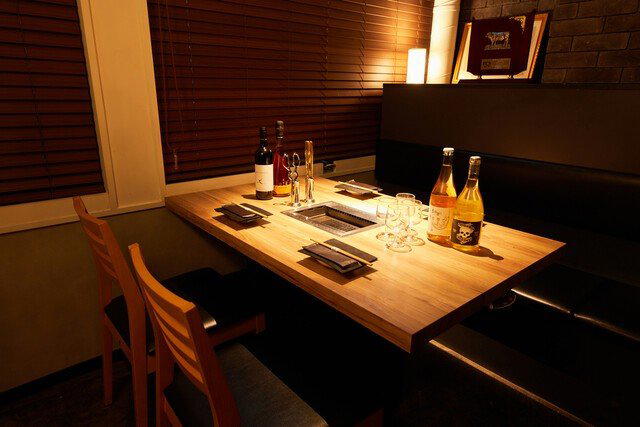
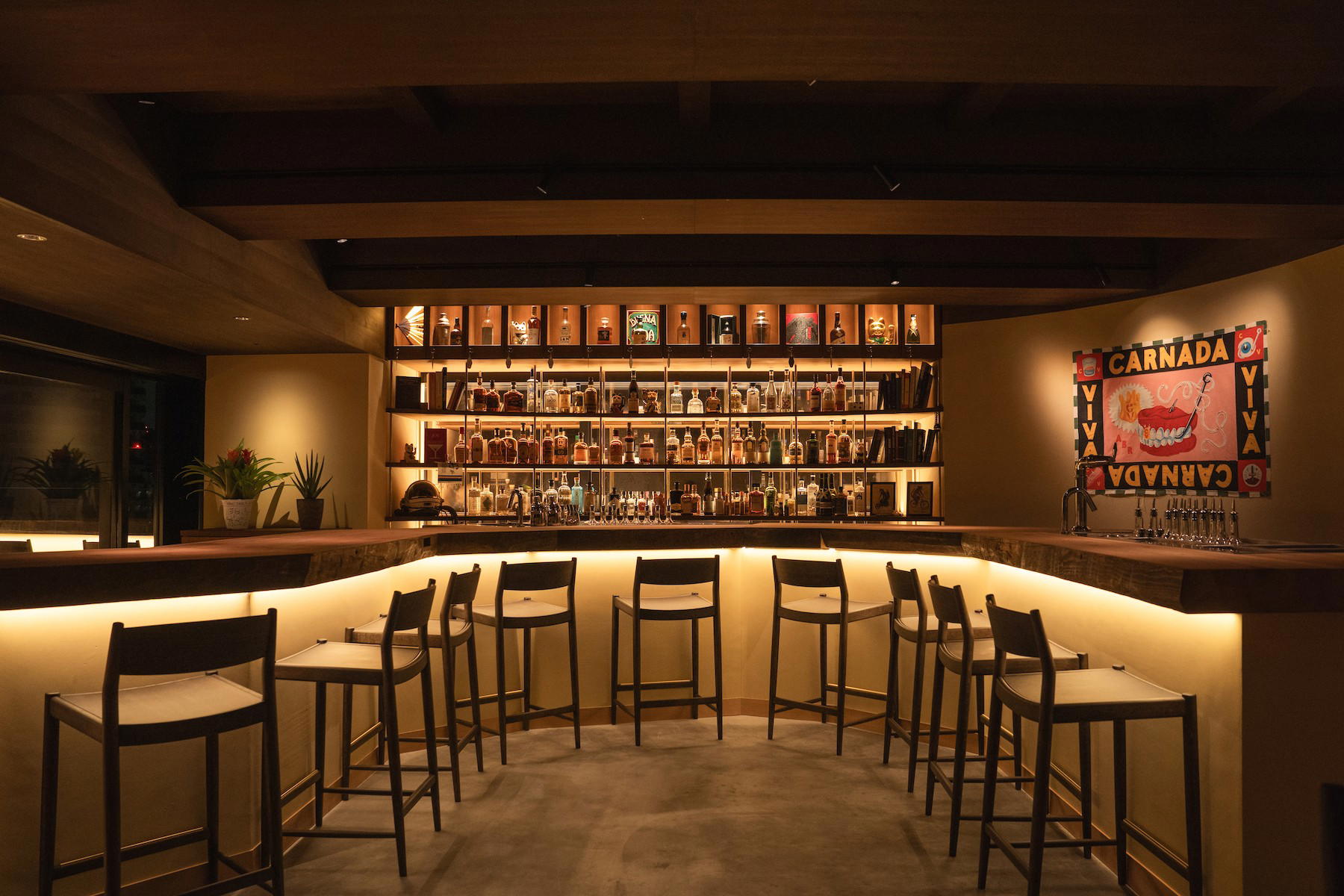
A compact second-floor yakiniku dining room with a calm, cozy atmosphere distinct from the busier main Kinju location, focused on friendly hospitality and relaxed, late-evening meals.