
Nagoya’s ramen culture rewards compact rooms, quick turnover and precise counter work, and Fujimi Tei Honten fits that grammar rather than the luxury tasting-menu model. Its selection for Tabelog Ramen AICHI “Tabelog 100” 2025 places it among the prefecture’s noted ramen addresses, with a counter-only format that suits solo diners and small groups.
Pearl is the En Primeur Club membership app — saves, bookings, and concierge access live there. Same editors, same standards.
- Address
- 15-21 Fujimicho, Naka Ward, Nagoya, Aichi 460-0014, Japan
- Phone
- +81 52-321-2835
- Website
- tabelog.com
 Saves & bookings on Pearl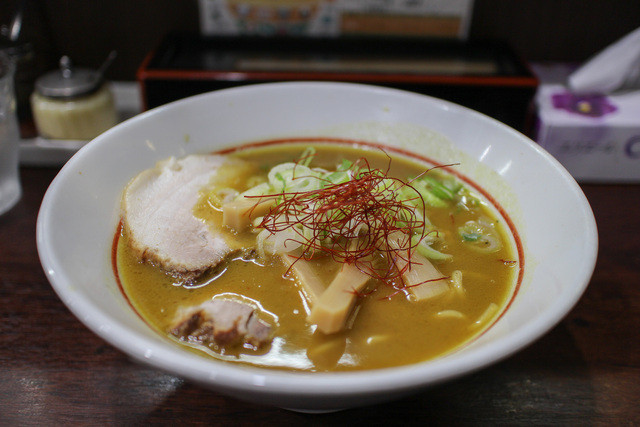
Approach ramen in Nagoya and the signal is rarely theatrical. The better rooms announce themselves through pace: a short line, narrow entrance, clatter of bowls, and a counter where kitchen and service must stay in sync. Fujimi Tei Honten belongs to that compact, workmanlike side of the city’s dining culture, built for concentration rather than ceremony.
That matters because ramen is one of Japan’s least forgiving formats. A tasting-menu restaurant can slow the room; a ramen counter cannot. Broth, noodles, toppings, payment, seating and turnover run on a compressed clock. Hospitality appears not through long explanations, but through timing, portion control, a clean counter, and resetting a seat without making the next diner feel rushed.
A compact ramen counter in Nagoya's serious middle tier
Nagoya’s restaurant scene is often read through miso katsu, kishimen and hitsumabushi, but its ramen culture has its own hierarchy. At one end are casual neighborhood shops for weekday repetition; at another are destination counters followed through prefectural rankings and review scores. Fujimi Tei Honten sits in the latter conversation without leaving ramen’s everyday price logic.
The trust signal is clear: selection for Tabelog Ramen AICHI “Tabelog 100” 2025. That list does not make the shop a luxury restaurant, nor should it be read like a Michelin tasting-menu badge. It does place the counter inside a documented Aichi ramen set, useful for travelers seeking a local benchmark rather than another generic bowl near a station concourse.
The counter-only structure sharpens the experience. With nine seats, the room cannot hide weak coordination behind distance or décor. The team dynamic is visible because every movement carries weight: seating the next guest, keeping bowls moving, clearing without interruption, and holding tempo when orders cluster. In ramen, that collaboration is the service style: no sommelier theater, no elaborate front-of-house choreography, just a small team managing heat, timing and turnover in public view.
Compared with Nagoya peers in the same casual bracket, Menya Kitara occupies a similar ramen price lane, while THE RISCO shows the city’s informal Western-leaning comfort food at comparable spend. Reconnaissance belongs to a higher-budget tier that changes expectations around pacing and service. Kanmidokoro Shibafuku and Masago point to Nagoya’s lower-cost snack and sweets culture. Fujimi Tei Honten is useful because it lands in the city’s serious ramen middle: not a splurge, not a convenience stop, but a focused counter with external recognition.
What the format tells you before the bowl arrives
Ramen shops reveal priorities before any menu language does. A counter-only room narrows the distance between cooking and eating, suiting bowls that depend on temperature and timing. It also changes the social contract. Solo dining is natural; small groups work when they accept the counter’s rhythm; lingering is not the point. Children are welcomed, but the format rewards diners who can eat within the cadence of a small ramen room.
Payment culture also defines the category. Cash remains common in Japanese ramen, but this shop also accepts PayPay while not taking credit cards or electronic money. That places it firmly in the local, everyday dining economy rather than the inbound-traveler convenience model. For visitors, the conclusion is simple: arrive prepared for a compact counter, a quick meal, and a format that values efficiency over extended table time.
The absence of private rooms and private-use dining reinforces the point. This is not a venue for negotiated hospitality or a special-occasion script. It is a public ramen counter, and the value lies in watching a tight operation do a narrow thing repeatedly. In Nagoya, that can reveal more than a room translating local food culture into a luxury vocabulary.
There is also a lesson in restraint. Many travelers arrive in Japan primed to chase famous names across Tokyo and Osaka, then treat regional ramen as secondary. Aichi’s Tabelog 100 ramen selections argue against that habit. They show a prefectural scene deep enough to reward targeted eating, especially for diners willing to move beyond the largest stations and accept smaller rooms with fewer English-language comforts.
How to place it in a Nagoya food itinerary
The restaurant works better as a precise lunch or early-evening ramen stop than as the anchor of a long dining night. The location near Higashi Betsuin keeps it within reach of central Nagoya without feeling like a station-mall compromise. Because reservations are not part of the format, the decision is less about securing a table than matching the shop’s cadence: go when a quick counter meal fits the day, not when a long conversation is required.
For a broader read on the city, pair this ramen counter with other Nagoya categories rather than stacking noodle shops back to back. The contrast is the education: sweets counters, casual Western-style rooms, higher-budget dining and neighborhood ramen all show different versions of local appetite. Start with Our full Nagoya restaurants guide, then map the rest of the trip through Our full Nagoya hotels guide, Our full Nagoya bars guide, Our full Nagoya wineries guide and Our full Nagoya experiences guide.
Readers comparing casual Japanese dining across cities can also look at 1022, 451, Aaron, Alan. and All Day Dining Montmartre. For a wider Japan-and-beyond comparison set, see -Grilled beef Sukiyaki- KAMAKURA TANUKIAN 鎌倉 たぬき庵 in Kamakura. 鮪と炭火焼き うお炭 秋葉原店 in Tokyo.cafe in Osaka.know in Kumamoto, (Shoku) Vietnam in Kawasaki, [Curry Senmon Ten] Maruyama Kyoju. in Sapporo, Jōdo Saké Bar in Los Angeles and Onigiri Time in Pasadena.
The editorial case is not that this counter rewrites Nagoya dining. It is that a small ramen room with Aichi-level recognition can explain the city’s appetite better than another broad survey meal. For travelers who read dining rooms as systems, the appeal is the discipline: a few seats, a tight service loop, and a bowl category with little margin for drift.
The Short List
Side-by-side context: comparable cuisine and price.
| Venue | Cuisine | Price | Notes |
|---|---|---|---|
| Fujimi Tei HontenThis venue — the venue you are viewing | Naka, Kourai-style tonkotsu ramen | $ | Not listed |
| Noko Chuka Soba Sato | Naka, Rich tamari shoyu ramen | $ | Not listed |
| Kounan JR sentoraru tawazu ten | Nakamura, Ramen & Gyoza Shop | $ | Not listed |
| Komugi to Yakiago Sugure | Mizuho, Ramen and Tsukemen | $ | Not listed |
| Baika Do | Not listed | $ | Chikusa, Japanese traditional sweets (wagashi) shop |
| Shin Suzume Honten | Not listed | $ | Naka, Traditional Japanese sweets (mitarashi dango) |
Recognition history
Dated appearances from independent guides and award organizations, with the underlying list record or original source where available.
Tabelog 100 #36 · No. 36
Tabelog · Tabelog 100 - Ramen - AICHI - 2025
Continue exploring
More in Nagoya
Restaurants in Nagoya
Browse all →

At a Glance
- Lively
- Cozy
- Classic
- Solo
- Casual Hangout
- After Work
- Late Night
- Standalone
Current opening hours
- Monday
- 11 AM–2 PM, 6–8 PM
- Tuesday
- 11 AM–2 PM, 6–8 PM
- Wednesday
- 11 AM–2 PM, 6–8 PM
- Thursday
- 11 AM–2 PM, 6–8 PM
- Friday
- 11 AM–2 PM, 6–8 PM
- Saturday
- 11 AM–2 PM, 6–8 PM
- Sunday
- 11 AM–2 PM
Hours can change for holidays and private events. Last verified .
Typical Nagoya neighborhood ramen-ya with a compact, functional interior, counter-focused seating, and an energetic, bustling atmosphere at peak times rather than a design-driven space.