
Taylor Tail puts Nagoya’s bakery-café culture into a small, design-led format: retail bread on the first floor, café seating above, and a scale that rewards intentional visits rather than long lingering. Its Tabelog Bread EAST “Tabelog 100” selection in 2022 places it within Japan’s serious bakery conversation, while the compact room keeps the experience closer to an urban atelier than a casual coffee stop.
Pearl is the En Primeur Club membership app — saves, bookings, and concierge access live there. Same editors, same standards.
- Address
- 愛知県名古屋市東区泉3-28-3
- Phone
- +81529305445
- Website
- terreaterre.info
 Saves & bookings on Pearl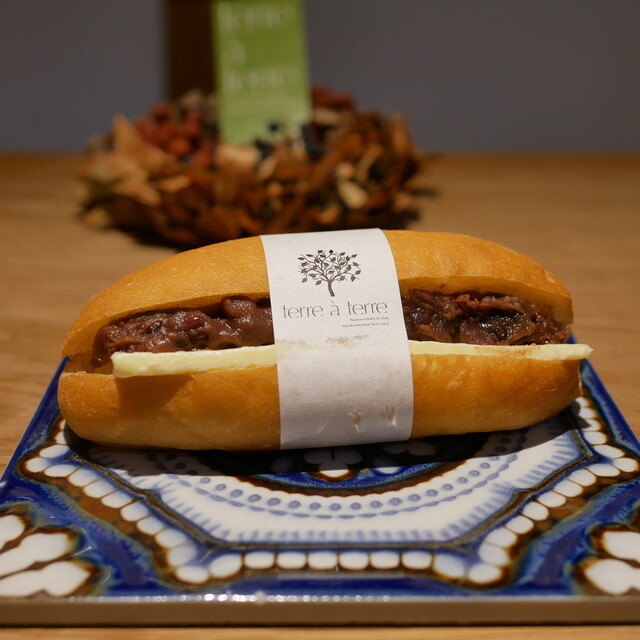
Approaching Taylor Tail in Higashi-ku, the cue is scale rather than spectacle. Nagoya’s stronger bakery addresses rarely announce themselves with grand dining rooms; they work through cabinets, counters, staircases, and customers deciding what travels home and what deserves a seat upstairs. Here the arrangement matters: a first-floor sales area, a second-floor café, and a compact footprint that makes the bread counter the centre of gravity.
That layout says much about modern Japanese boulangerie culture. In large cities, bread has moved beyond the department-store basement and neighbourhood milk-bread shop into a curated format where French technique, Japanese portioning, takeaway habits, and café use share a small room. Taylor Tail belongs to that tier. Its listing in Tabelog Bread EAST “Tabelog 100” 2022 is a credible marker in a category where everyday pricing and serious craft often overlap.
A compact bakery-café shaped by counter, stair, and pause
The split-level room creates two speeds. Downstairs is for choosing, buying, and moving with purpose; upstairs turns the same bakery logic into café time. That matters in Nagoya, a city with a strong morning and café tradition, but also a dining scene where high-spend reservations often draw outside attention. Compared with Nagoya rooms such as Onkui Sekio, Japanese cuisine Takamitsu, le Lotus, Kamisono, or rokuhachikyuujuuba, this is not a ceremonial meal built around courses and pacing. It is a low-cost, high-frequency format, showing how seriously a city can treat bread without turning it into fine dining.
The design is not merely decorative. A small bakery must manage friction: queues, tray movement, display sightlines, takeaway packaging, and the choice between standing in line or climbing to a café table. Taylor Tail’s 14-seat scale keeps the second floor from feeling like a general-purpose dining room. It reads as an extension of the bakery counter, so the experience is better understood through architecture than chef biography. The shop’s identity is built into customer movement.
Categories are plain, bread and café, and that simplicity is the point. Japan’s stronger bread specialists often avoid sprawling all-day menus, focusing on baked goods, coffee or café use, and takeaway. For travellers, the reward is precision: a quick stop can still carry the weight of a serious food address when the room is planned around display and flow rather than excess seating.
Where Nagoya's bakery culture meets the Hyakumeiten tier
Tabelog’s Hyakumeiten lists are useful in bakery categories because they capture a different excellence from Michelin-style dining. Bread is democratic by price and repetitive by habit; customers return because a shop fits daily life. Selection for Tabelog Bread EAST “Tabelog 100” in 2022 places the restaurant among bakeries with attention beyond their immediate neighbourhood. Earlier bread-category selections in 2017, 2018, 2019, and 2020 show this was not a single-season spike.
For visitors building a Nagoya food itinerary, this changes the day’s structure. A bakery-café can sit before a larger lunch, between galleries and shopping, or after a hotel breakfast when the aim is to understand local rhythm rather than consume another full meal. The value is not grand occasion dining, but seeing how a compact Japanese shop compresses craft, retail, and café behaviour into a short visit.
That position also explains why the restaurant should not be judged against tasting-menu restaurants. Nagoya has a deep serious-dining tier, and its premium Japanese and French rooms operate with reservations, longer meals, and higher budgets. Bakery culture asks another question: where does craft appear in the everyday city? In that frame, a Tabelog-recognised bread address with café seating becomes more than a snack stop. It becomes a useful reading of local taste.
How to fit it into a Nagoya day
The rhythm is simple: treat the visit as a small-format food stop, not a long meal. The nearest rail anchor is Takaoka Station, putting the shop within easy reach of central Nagoya itineraries. Takeaway service keeps it flexible, while the café level offers a short pause if seats are available. The setting is non-smoking, private rooms are not part of the format, and the small seat count means expectations should match a compact bakery rather than a sprawling café.
Payment options are broader than at many small Japanese food stops, with major credit cards and several QR payment systems accepted, though electronic money is not. There is affiliated paid parking with a small purchase-linked coupon, but rail access will be simpler for most visitors staying in central Nagoya. The shop opened in 2013, placing it within the wave of Japanese bakery-cafés that matured beyond novelty into regular urban habit.
For a wider Nagoya plan, pair this bakery stop with the city’s stronger restaurant, bar, hotel, and experience circuits rather than treating it as their replacement. Start with Our full Nagoya restaurants guide, then branch into Our full Nagoya hotels guide, Our full Nagoya bars guide, Our full Nagoya wineries guide, and Our full Nagoya experiences guide. Nearby editorial cross-checks in the restaurant archive include 1022, 451, Aaron, Alan., and All Day Dining Montmartre.
Across Japan and beyond, the same editorial question recurs: how does a small food format carry local identity without the machinery of a formal restaurant? Compare the logic with -Grilled beef Sukiyaki- KAMAKURA TANUKIAN 鎌倉 たぬき庵 in Kamakura. 鮪と炭火焼き うお炭 秋葉原店 in Tokyo.cafe in Osaka.know in Kumamoto, (Shoku) Vietnam in Kawasaki, [Curry Senmon Ten] Maruyama Kyoju. in Sapporo, Jōdo Saké Bar in Los Angeles, and Onigiri Time in Pasadena. The restaurant’s answer is architectural as much as culinary: a small room, a clear retail-to-café sequence, and bread treated seriously enough to earn national-category attention.
Local
Side-by-side context: comparable cuisine and price.
| Venue | Cuisine | Price | Notes |
|---|---|---|---|
| Taylor TailThis venue — the venue you are viewing | Japanese Bakery-Cafe | $ | Not listed |
| Kawaguchi Ya | Japanese confectionery shop | $ | Naka |
| Fujimi Tei Honten | Kourai-style tonkotsu ramen | $ | Naka |
| Joshin Ya | Classic Nagoya Ramen Shop | $ | Nakamura |
| Nakamura So | Traditional Takayama ramen (chuka soba) | $ | Naka |
| Shin Suzume Honten | Traditional Japanese sweets (mitarashi dango) | $ | Naka |
Recognition history
Dated appearances from independent guides and award organizations, with the underlying list record or original source where available.
Tabelog 100 #88 · No. 88
Tabelog · Tabelog 100 - Bread - EAST - 2022
Continue exploring
More in Nagoya
Restaurants in Nagoya
Browse all →
At a Glance
- Cozy
- Modern
- Solo
- Family
- Casual Hangout
- Standalone
- Organic
- Local Sourcing
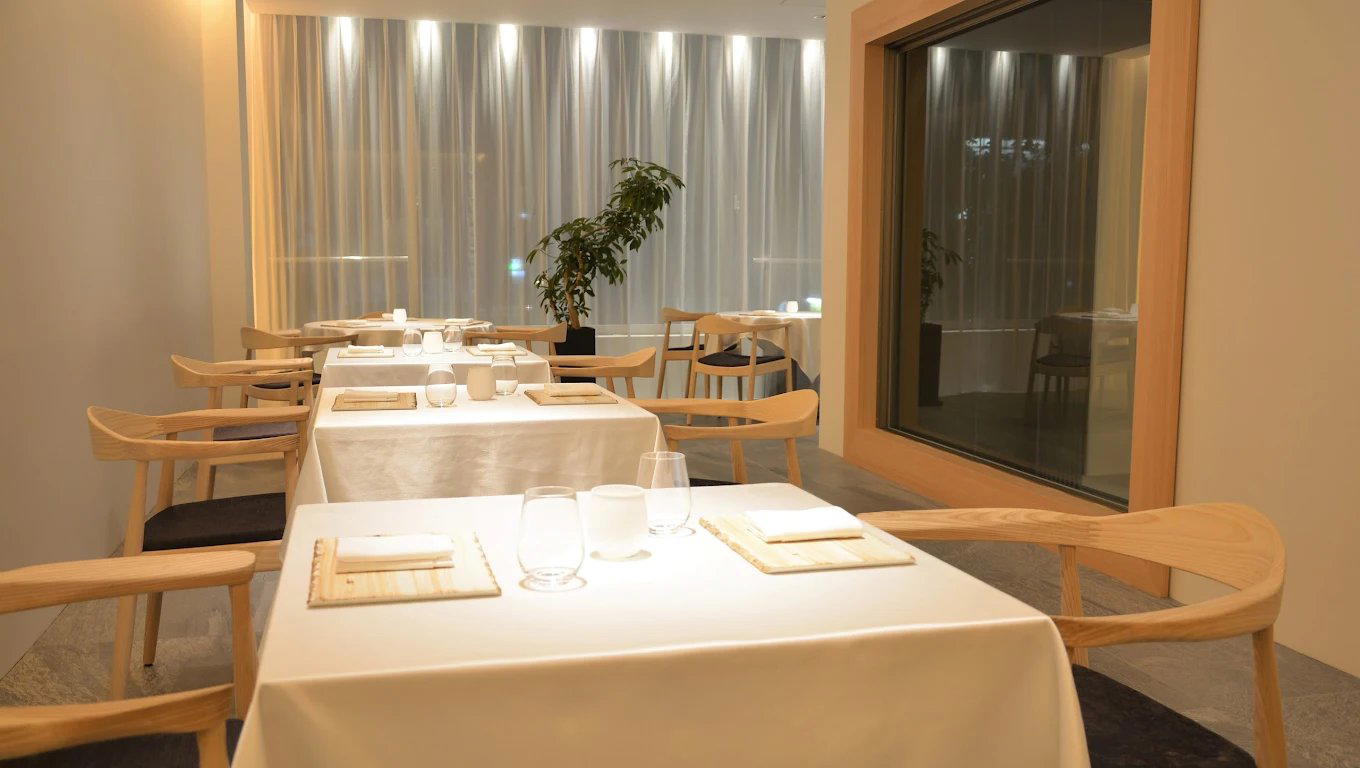
A cozy, stylish bakery-cafe atmosphere with a tucked-away feel and carefully displayed breads.