
An eight-seat counter in Nagoya’s Shirakabe district, Chuka Soba Shirakabe Aoi belongs to the city’s compact, regular-driven ramen tier rather than its formal dining circuit. Recognition in Tabelog’s Ramen AICHI 100 for 2025 gives it a clear signal, but the draw is the everyday discipline of ramen, abura-soba, and maze-soba served at close range.
Pearl is the En Primeur Club membership app — saves, bookings, and concierge access live there. Same editors, same standards.
- Address
- 愛知県名古屋市東区白壁1-36
- Website
- tabelog.com
 Saves & bookings on Pearl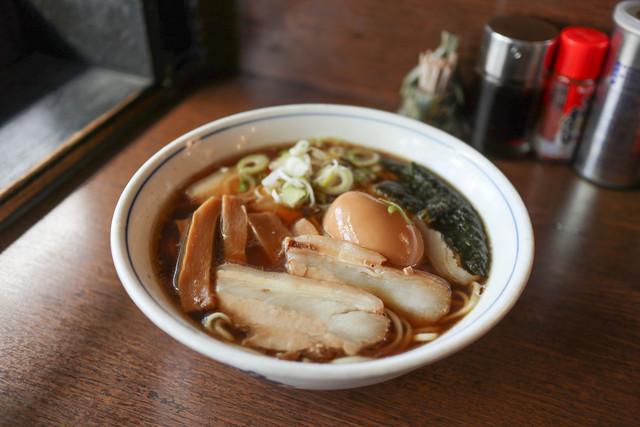
Shirakabe is not the Nagoya most visitors use as shorthand. The district is quieter, more residential, and less intent on spectacle than the station-side dining corridors or Sakae’s late-night circuits. That matters for ramen. In a room built around counter seating, the meal is stripped back to timing, turnover, and regulars who know exactly what kind of bowl they came for before they cross the threshold.
Chuka Soba Shirakabe Aoi sits in that local rhythm. The format is small enough that the counter defines the experience: no private rooms, no group choreography, no elaborate dining-room theatre. Nagoya’s ramen culture rewards that kind of precision. A shop does not need a luxury posture to carry weight; it needs repeat custom, a clear noodle identity, and enough consistency to survive comparison across a city where casual eating is taken seriously.
Shirakabe's ramen counter is built for repeat decisions, not ceremony
The menu categories tell the reader how to understand the place before any romantic language gets involved: ramen, abura-soba, and maze-soba. That range places the shop inside a modern Japanese ramen grammar where soup-based chuka soba shares space with oil-dressed and mixed-noodle formats. For regulars, that usually means the decision is less about exploring a long menu and more about choosing texture, richness, and temperature of the meal.
Nagoya is often discussed through miso katsu, hitsumabushi, kishimen, and tebasaki, but its noodle culture is broader than the tourist checklist. Ramen counters here compete on lunch practicality as much as destination status. A small counter can become part of a weekly routine precisely because it is compact, direct, and inexpensive compared with the city’s kaiseki and French dining rooms. The difference between a ramen regular and a tasting-menu guest is behavioural: one studies a calendar, the other reads the room and the queue.
That regulars’ perspective is useful because it keeps the analysis honest. A shop in this tier does not need to imitate the formality of Nagoya names such as 料亭 香楽, か茂免, ラ・グランターブル ドゥ キタムラ, La Violetta, or Shimizu. Those venues belong to different spending patterns and different expectations of pacing. Ramen asks a sharper question: can the counter deliver a focused meal often enough that locals return without needing novelty as the hook?
The answer is supported by one concrete signal. Chuka Soba Shirakabe Aoi was selected for Tabelog’s Ramen AICHI 100 in 2025, with a listed Tabelog score of 3.59. For Japanese casual dining, that is a meaningful form of recognition because ramen shops sit in a dense field of, where small differences in broth style, noodle handling, and service rhythm are debated by diners who eat this category often.
What the format says about Nagoya's casual dining hierarchy
The eight-seat counter puts the shop in a low-capacity category where every seat has economic weight. That changes the social contract. This is not a lingering room, and it is not designed for long tables, bottle service, or ceremonial pacing. It is closer to the logic of sushi counters than to the logic of cafés: concentration, quick turnover, and close proximity to the work.
That comparison should not be overstated. Ramen is democratic in price and direct in service; sushi at the upper end has become a reservation economy. But both categories reward counters where the guest can read the tempo of the meal. In ramen, that tempo is usually faster, louder, and more practical. The pleasure comes from a shop knowing its lane and refusing to overcomplicate it.
For travellers using Nagoya as more than a rail stop, this is the kind of address that helps correct the city’s reputation as a place defined only by regional specialties. It shows the everyday side of Nagoya dining: compact rooms, exact categories, and a clientele that values repetition. The right comparison is not a luxury restaurant with a longer bill; it is another small shop where a local diner can form a habit.
Readers planning a broader Japan itinerary can place this against casual and specialist formats elsewhere, from [Curry Senmon Ten] Maruyama Kyoju. in Sapporo to (Shoku) Vietnam in Kawasaki, .cafe in Osaka, .know in Kumamoto, and . 鮪と炭火焼き うお炭 秋葉原店 in Tokyo. Outside Japan, the same logic of tightly defined format can be seen in places such as Jōdo Saké Bar in Los Angeles and Onigiri Time in Pasadena, though the cultural stakes are different.
How to fit it into a Nagoya eating day
The smart way to read Chuka Soba Shirakabe Aoi is as a precision stop, not the anchor of a formal night. Its category and scale make it better suited to a day built around neighbourhood movement, museums, shopping, or a second meal elsewhere. The absence of a large dining room is part of the point. Small ramen shops compress the city’s eating habits into a short encounter, and that brevity is where much of the appeal sits.
Shirakabe’s location also pulls attention away from Nagoya’s louder dining zones. For visitors who only eat around Nagoya Station, the city can feel overly functional. Moving into Higashi-ku changes the frame: quieter streets, a more local pace, and a dining choice that feels less tied to transit convenience. That shift is valuable for anyone trying to understand how Nagoya residents actually use the city.
For wider planning, start with Our full Nagoya restaurants guide, then build the rest of the trip through Our full Nagoya hotels guide, Our full Nagoya bars guide, Our full Nagoya wineries guide, and Our full Nagoya experiences guide. Other restaurant pages worth using for contrast include 1022, 451, Aaron, Alan. All Day Dining Montmartre, and -Grilled beef Sukiyaki- KAMAKURA TANUKIAN 鎌倉 たぬき庵 in Kamakura.
The editorial case is simple: this is a low-price, low-capacity ramen counter with recognised standing in Aichi’s ramen field. For travellers who care about the way Japanese cities eat between formal meals, that combination says more than a longer menu or a heavier design budget would.
A Credentials Check
Comparable venues by cuisine and category.
| Venue | Cuisine | Price | Notes |
|---|---|---|---|
| Chuka Soba Shirakabe AoiThis venue — the venue you are viewing | Traditional Japanese Ramen & Maze-soba | $ | Not listed |
| Sapporo Ramen Ezo Men Rock Shinsakae ten | Sapporo-style Ramen | $ | Naka |
| Kanmiya Sawada Shoten | Japanese Kakigori & Sweets Café | $ | Naka |
| Menya Hayabusa Meieki ten | Modern seafood ramen | $ | Nakamura |
| Ebi Soba Hiiro | Shrimp-focused Ramen | $ | Mizuho |
| Tonkatsu Shokubo Atsumaru | Tonkatsu | $ | Moriyama |
Recognition history
Dated appearances from independent guides and award organizations, with the underlying list record or original source where available.
Tabelog 100 #20 · No. 20
Tabelog · Tabelog 100 - Ramen - AICHI - 2025
Continue exploring
More in Nagoya
Restaurants in Nagoya
Browse all →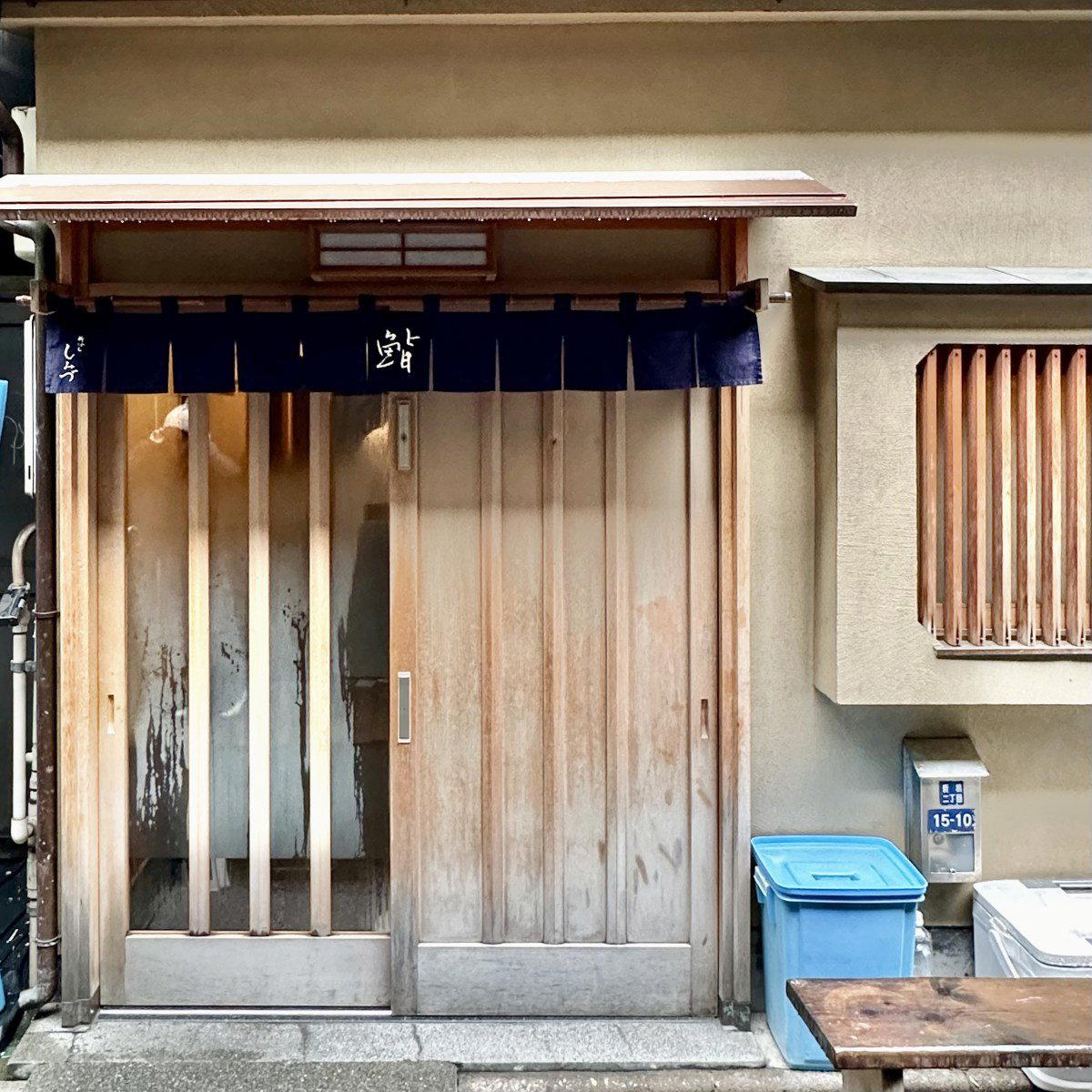

At a Glance
- Cozy
- Classic
- Solo
- Family
- Casual Hangout
- After Work
- Standalone
A compact, counter-only house restaurant with a simple, traditional ramen-shop feel; casual and efficient, suited to solo diners and families looking for a quick, focused bowl rather than a long sit-down meal.