A mountain refuge in the Val Senales high above Karthaus, TONZHAUS sits in the tradition of South Tyrolean alpine hospitality where the surrounding terrain defines what ends up on the plate. The approach here is shaped by altitude, season, and proximity to pastoral farming rather than urban supply chains. For travellers making the ascent into this remote valley, it represents a different register of Italian mountain dining.
Pearl is the En Primeur Club membership app — saves, bookings, and concierge access live there. Same editors, same standards.
- Address
- Frazione Madonna, 27, 39020 Madonna di Senales BZ, Italy
- Phone
- +39473669688
- Website
- tonzhaus.com
- Directions
- Get directions
 Saves & bookings on Pearl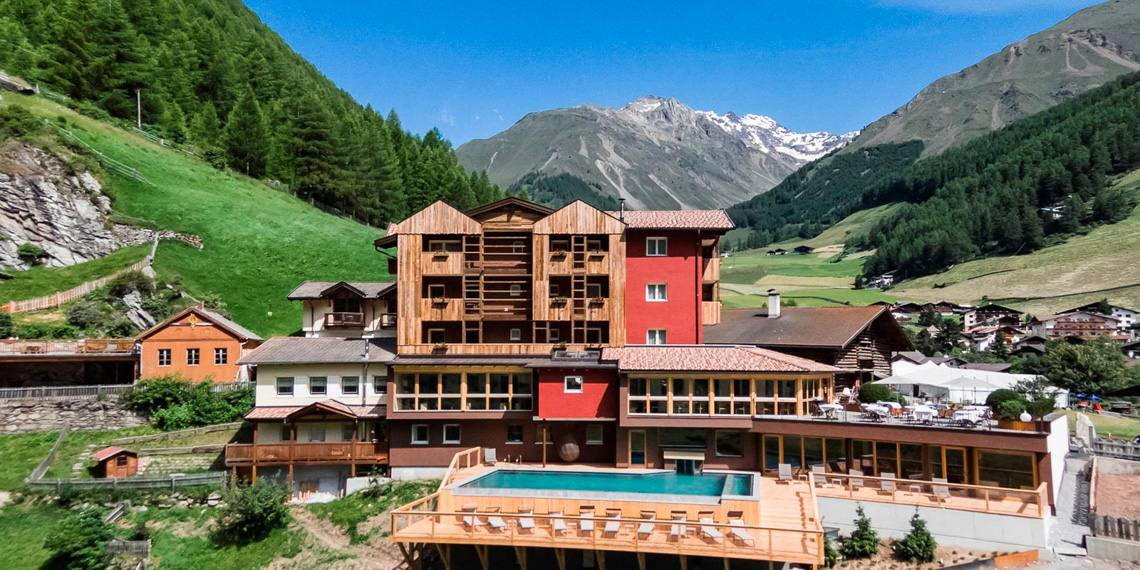
Where the Valley Dictates the Menu
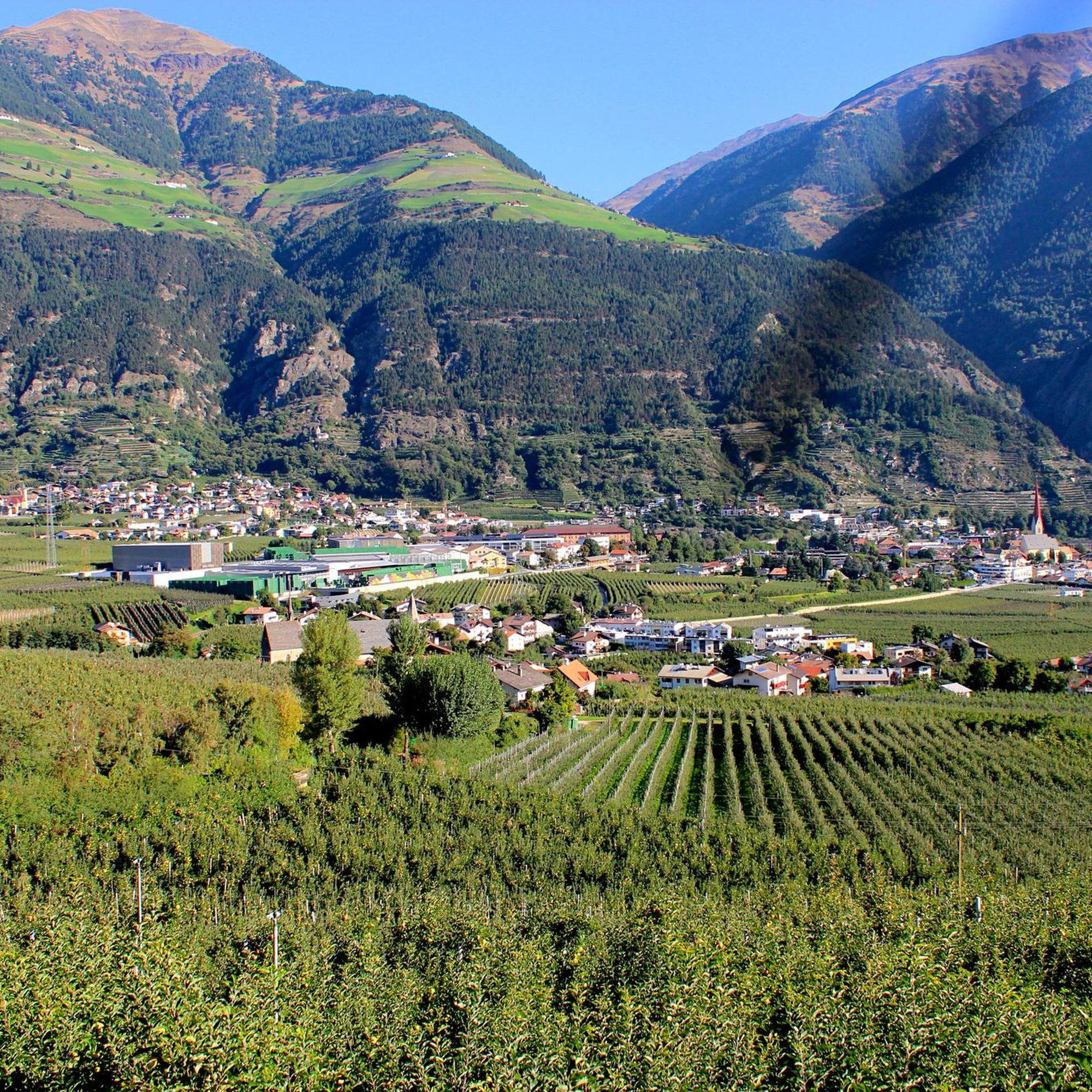
The road into Val Senales climbs steeply through a sequence of switchbacks, passing timber-framed farmhouses and grazing pasture before the village of Madonna di Senales comes into view at around 1,500 metres. At this altitude, the question of ingredient sourcing is not a marketing posture. It is a logistical reality. What grows, grazes, or can be preserved through a South Tyrolean winter is what you eat. TONZHAUS, a South Tyrolean Italian pizzeria in Madonna di Senales, sits within that constraint.
South Tyrol sits at the intersection of Italian and Austrian culinary traditions, and mountain communities in the Val Senales have long developed food cultures that reflect both. Rye bread, speck, dairy from high-altitude pasture, and foraged herbs shaped the diet before any restaurant existed here. The better dining rooms in this part of the Ötztal Alps do not import a foreign sensibility and apply it to the landscape. They read what the landscape produces and build accordingly. That editorial discipline, common to the alpine farmstead tradition, is what separates credible mountain hospitality from scenery-led tourism.
The Logic of Altitude Sourcing
At elevations above 1,200 metres, the growing season in the Vinschgau and its lateral valleys compresses to roughly four to five months. What that produces tends toward intensity: smaller fruits, denser root vegetables, grasses that yield distinctively flavoured milk and cheese. South Tyrolean speck, cured according to a method that combines dry-salting with light cold smoking and extended air-drying, carries EU Protected Geographical Indication status. Local cheese production in the upper Senales valley draws on centuries of transhumance, with cattle moving between valley-floor and high-pasture grazing according to season. These are not artisanal boutique products. They are the functional output of an agricultural system adapted to extreme conditions over several hundred years.
For travellers familiar with Italy's celebrated fine-dining addresses, the multi-course tasting menus at Osteria Francescana in Modena, the technique-driven rooms like Le Calandre in Rubano or Enrico Bartolini in Milan, the Val Senales approach represents a different axis entirely. The reference point is not the urban tasting counter but the alpine refuge, where the kitchen's first obligation is to the terrain rather than to a genre. Atelier Moessmer Norbert Niederkofler in Brunico is one celebrated example of South Tyrol cooking that takes this territorial obligation seriously at fine-dining scale, but the ethic runs across a wider range of establishments in the region, including smaller houses operating at lower price points and more informal registers.
Atmosphere and Setting
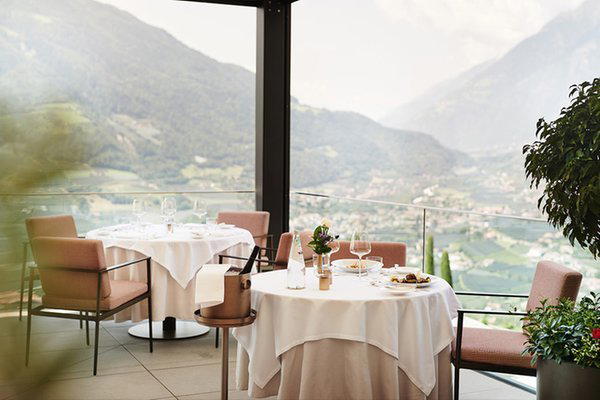
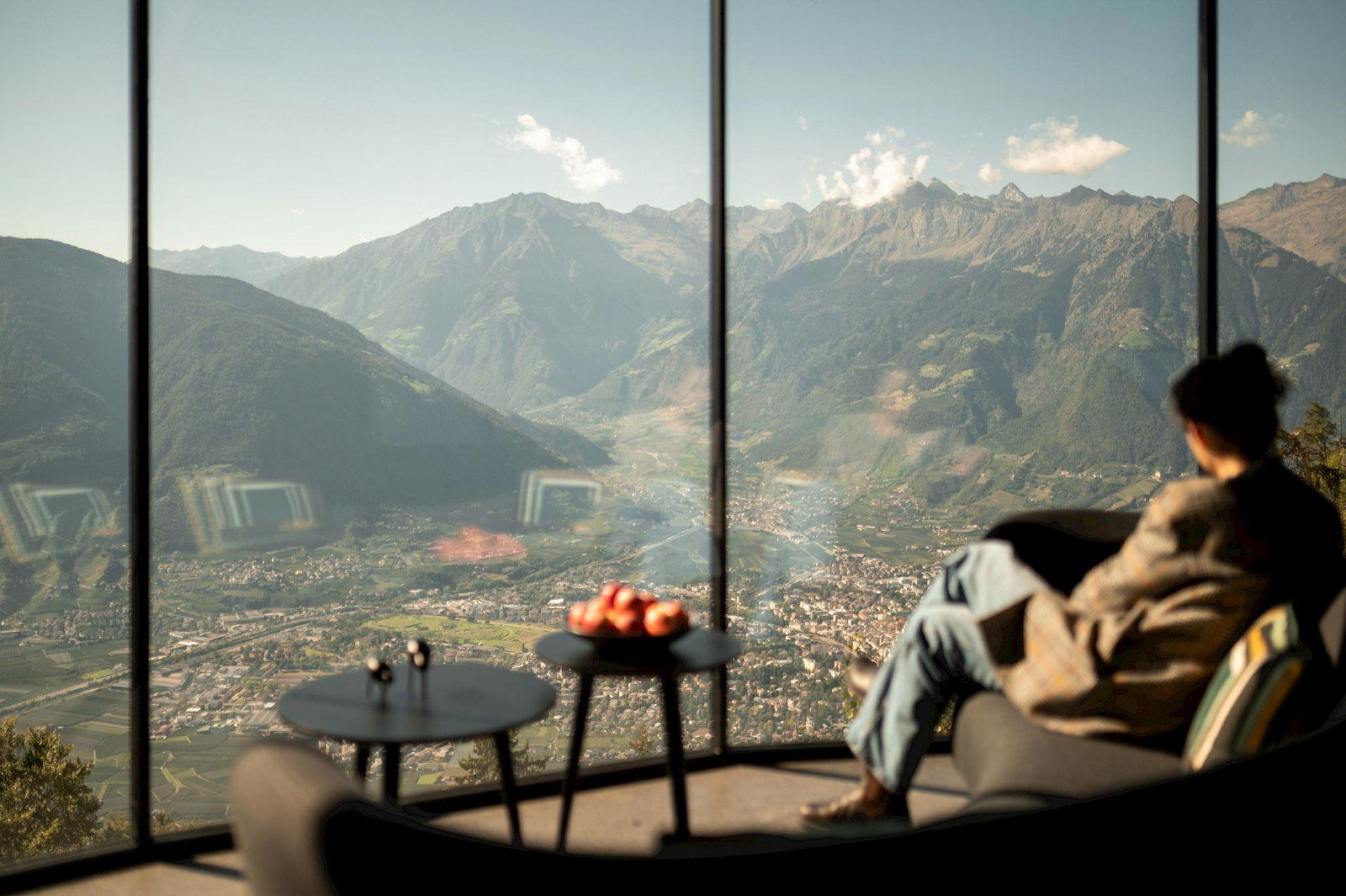
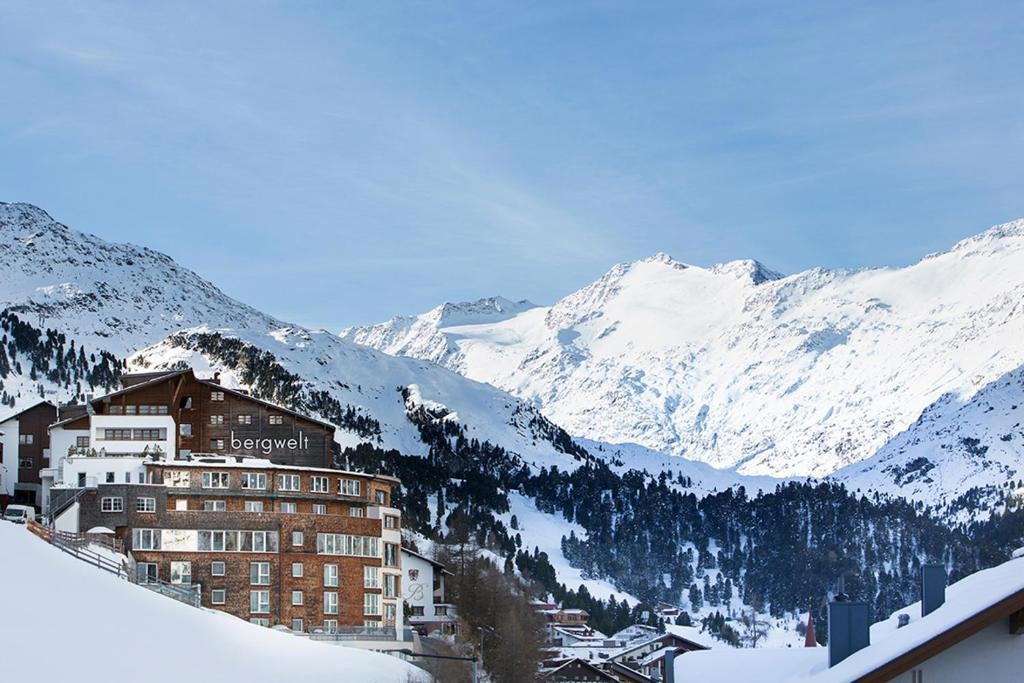
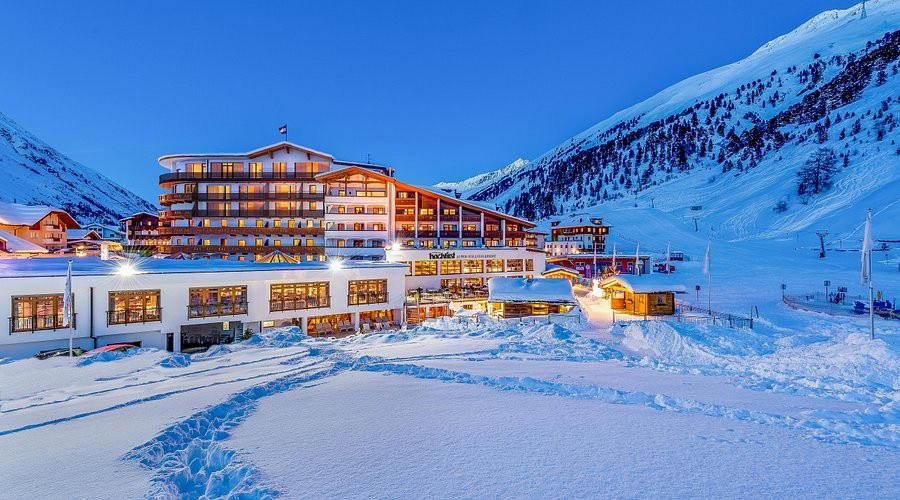
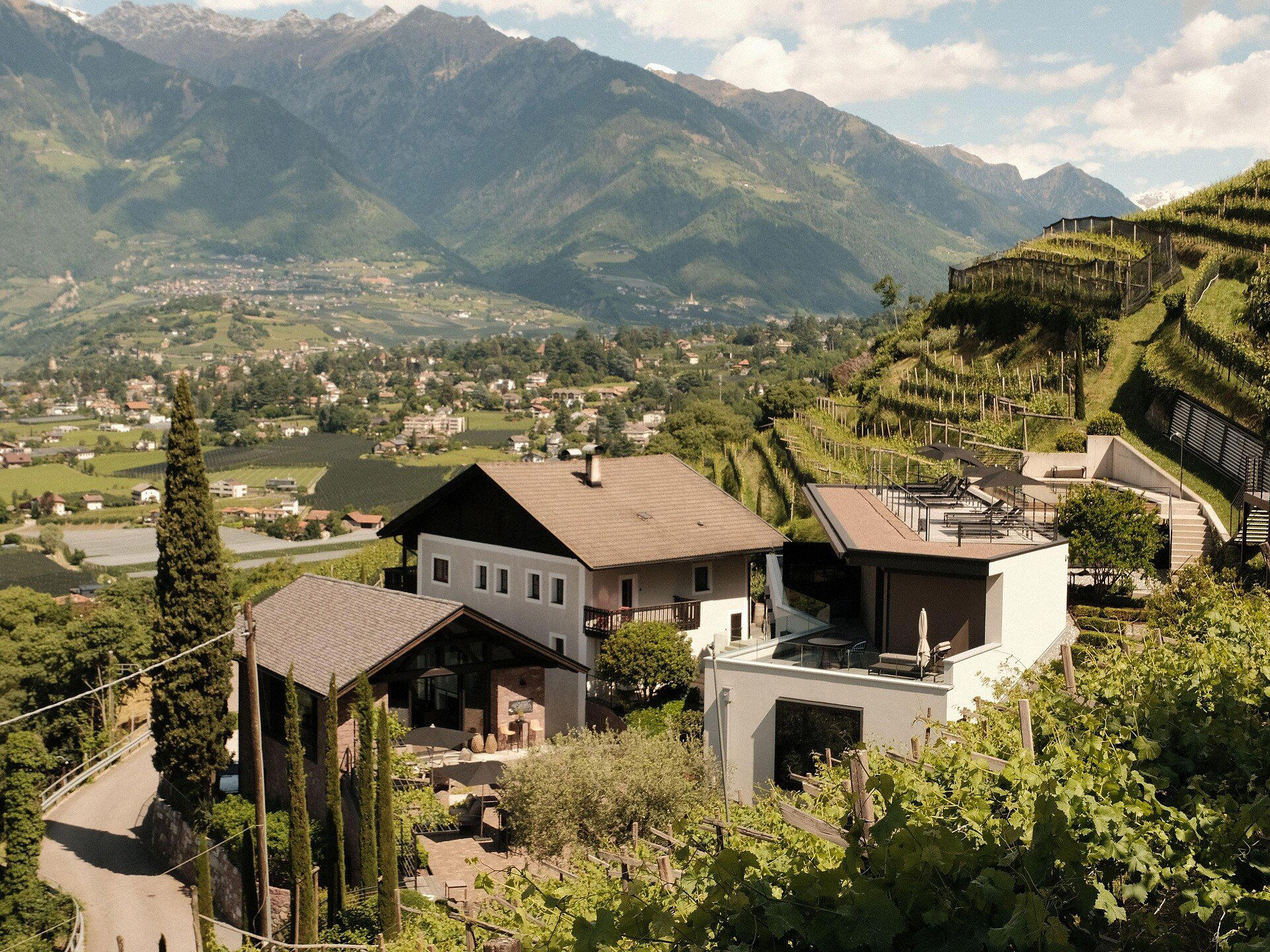
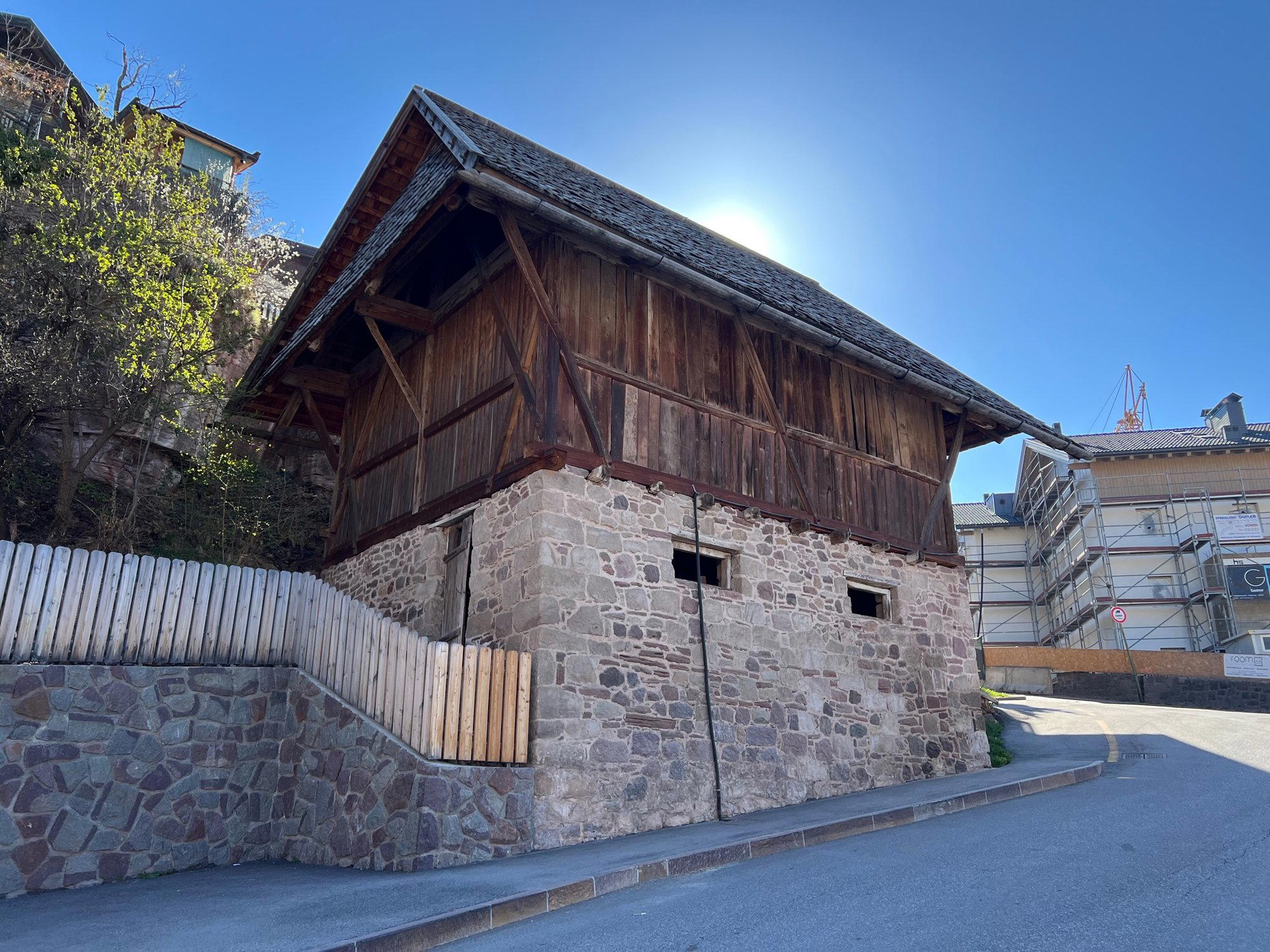
Alpine refuges and mountain guesthouses in this part of South Tyrol tend to share certain architectural habits: load-bearing stone or heavy timber construction, south-facing windows that collect winter sun, interiors kept warm and low-ceilinged. The frazione of Madonna di Senales, where TONZHAUS sits, is a small cluster of buildings at the head of the valley. The surrounding landscape is defined by the Weisskar glacier above and the meadows and forest that descend toward Karthaus below. Seasonality is visible from the window in a way it rarely is in a city restaurant: the same valley looks categorically different in July, when the pasture is green and cattle graze above the treeline, and in February, when snow covers the ground at every elevation and the road itself requires preparation to drive.
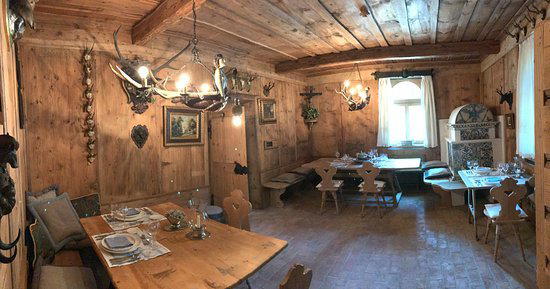
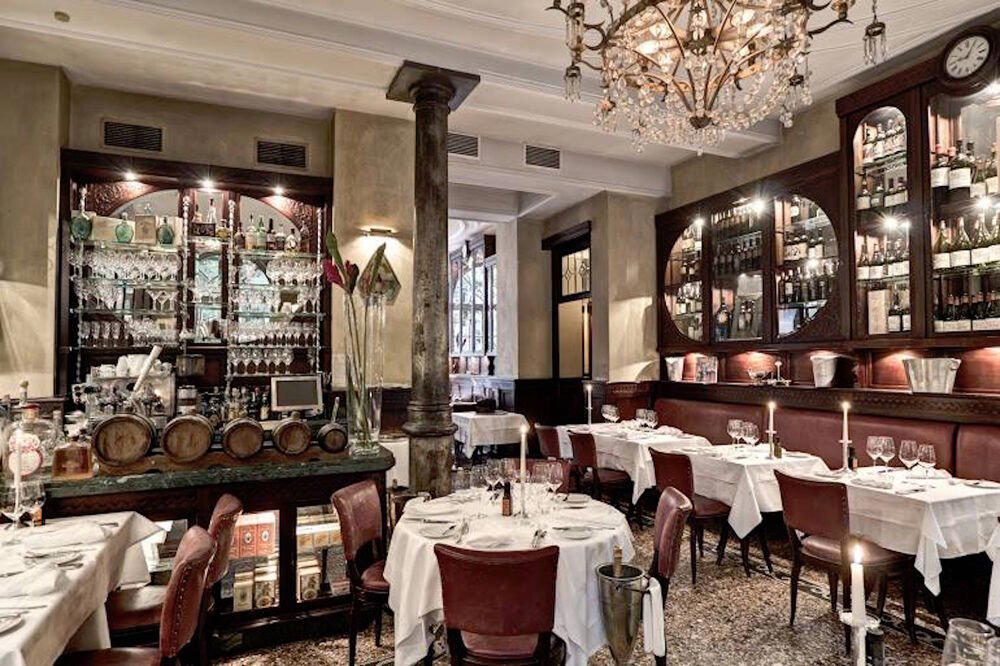
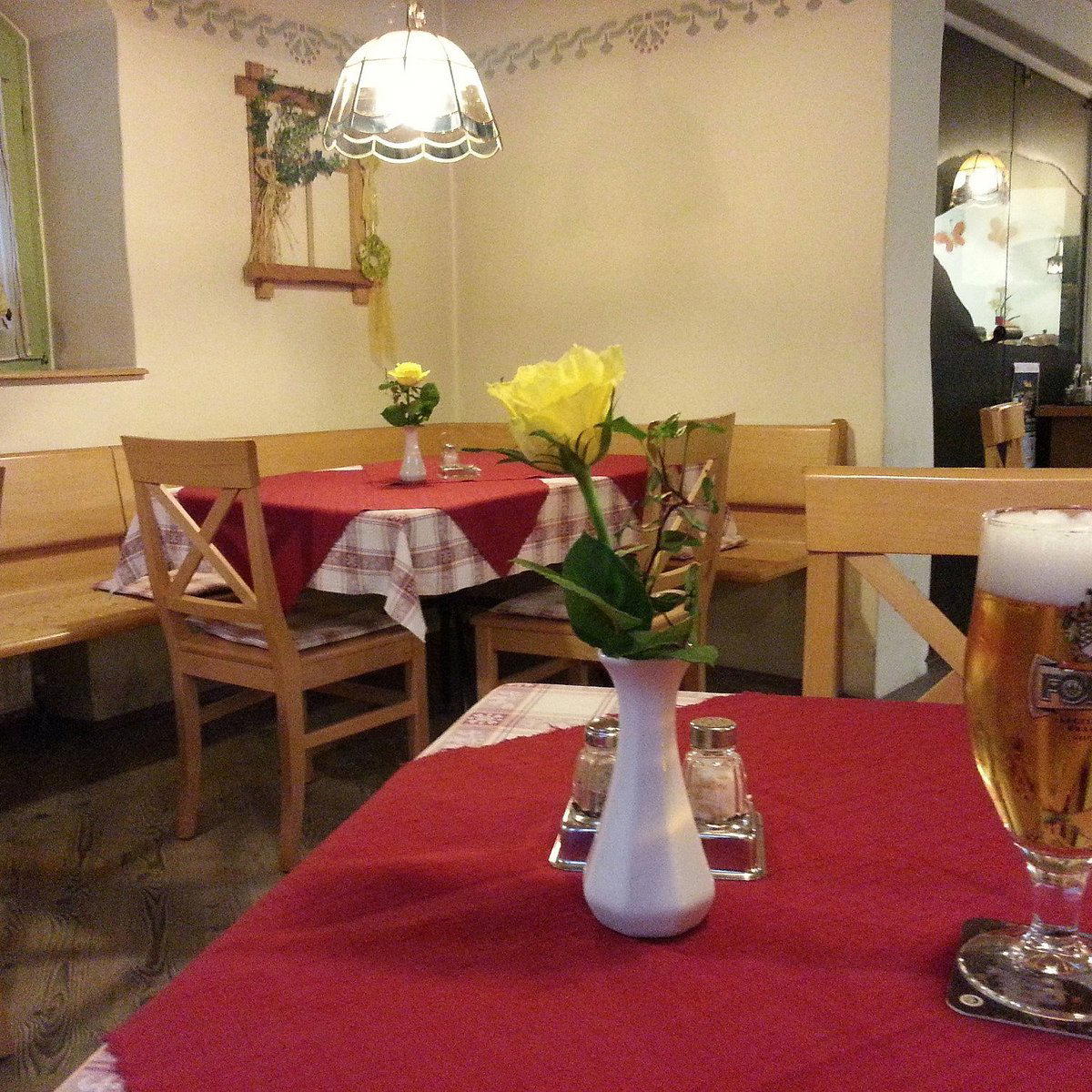
That physical context conditions the atmosphere inside. Mountain hospitality in this tradition is warm without being performative. It does not require the choreographed distance of a white-tablecloth service room, nor does it reduce to the informality of a tourist café. The register is closer to what you find at well-run agriturismi or small family-operated rifugi: attentive but grounded, with the rhythm of the meal set by what the kitchen is producing that day.
The Val Senales in the Broader Italian Mountain Dining Context
Italy's mountain dining scene rarely receives the same attention as its coastal or urban counterparts. Addresses like Quattro Passi in Marina del Cantone or Uliassi in Senigallia trade on proximity to the sea and the produce it yields. Rooms like Piazza Duomo in Alba or Dal Pescatore in Runate work within the agricultural richness of the Po Valley and the Mantovano. The high-altitude Val Senales produces neither truffles nor branzino. What it produces is dairy, cured meat, foraged plants, game, and grains suited to cold climates. That narrower palette, when handled with discipline, generates a cooking style with real specificity, one that cannot be easily replicated at lower elevations or in warmer climates.
South Tyrol has increasingly been recognised as one of Italy's most coherent regional food cultures, distinct from both the Veneto to its south and the Trentino to its west. The density of Michelin recognition across the province reflects that coherence at the upper end of the market. TONZHAUS is not in the starred tier, but it occupies terrain, literally and figuratively, that the starred tier considers its foundational reference material.
For those building a broader Italian itinerary, the Val Senales sits logically within a northern arc that might also include Villa Crespi in Orta San Giulio, Da Vittorio in Brusaporto, or Casa Perbellini 12 Apostoli in Verona. The register is different in each case, but the northern Italian culinary tradition connects them. Internationally minded travellers who have eaten at Le Bernardin in New York City or Atomix in New York City and want to understand how a geographically constrained European tradition operates at its source will find the alpine South Tyrolean experience instructive in ways that a more cosmopolitan Italian address cannot offer.
Planning a Visit to TONZHAUS
Karthaus and the wider Val Senales are most accessible between late spring and early autumn, when the mountain road is fully clear and the surrounding trails are open. The valley is a genuine destination rather than a transit stop: the nearest major transport hub, Merano, sits roughly 30 kilometres to the south, with the upper valley road adding significant driving time due to gradient and switchbacks. Visitors staying in the valley typically use Karthaus as a base, with Eishof representing another dining option in the immediate area. For full context on what the village and surrounding area offer, our full Karthaus restaurants guide covers the local scene in detail. Advance contact is advisable before making the journey, particularly during the summer hiking season.
Side-by-Side Snapshot
Comparable venues nearby, for context on price, style, and recognition.
| Venue | Cuisine | Price | Notes |
|---|---|---|---|
| TONZHAUSThis venue — the venue you are viewing | South Tyrolean Italian Pizzeria | $$ | Not listed |
| Eishof | South Tyrolean Alpine | $$ | Pfossental |
| Gasthaus Rafflerhof | Traditional South Tyrolean Italian | $$ | Lana |
| The Lido | Italian Lakeside Pizzeria & Beach Club | $$ | Cernobbio |
| Karrner | South Tyrolean Italian Tapas | $$ | historic center |
| Walther's | Italian Pizza with Tyrolean Influences | $$ | Piazza Walther |
Continue exploring
More in Karthaus
Restaurants in Karthaus
Browse all →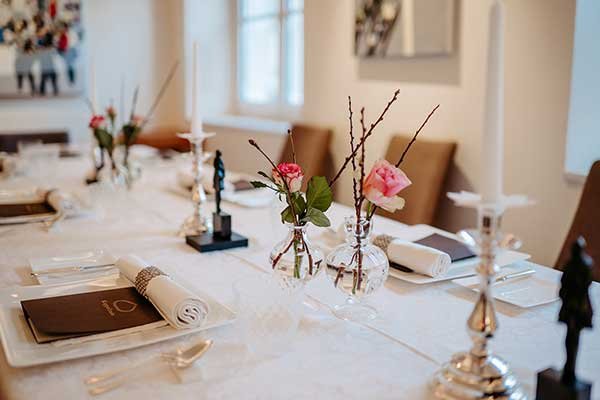
Bars in Karthaus
Browse all →

Hotels in Karthaus
Browse all →
At a Glance
- Rustic
- Cozy
- Scenic
- Family
- Casual Hangout
- Terrace
- Local Sourcing
- Organic
- Mountain
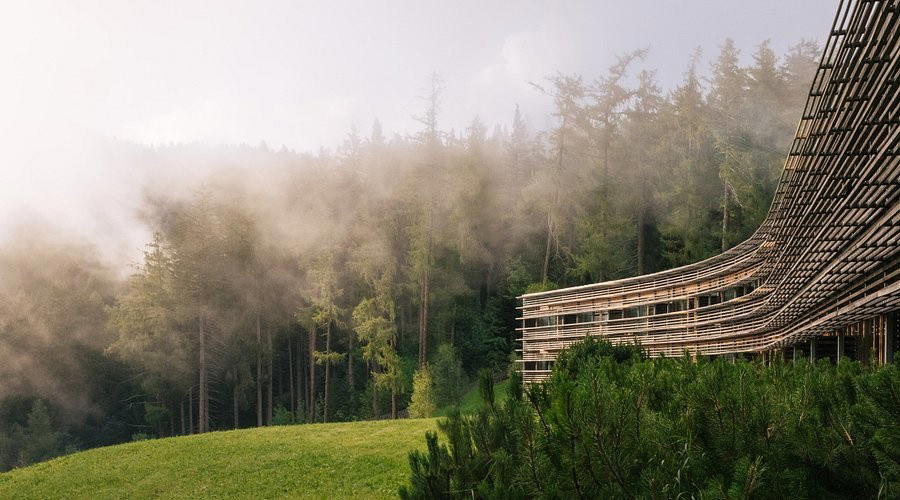
Tranquil alpine chalet atmosphere surrounded by wooded mountains with rustic or modern styling and panoramic views.