Eishof sits in the Schnalstal (Val Senales) valley above Karthaus, where altitude and isolation shape both the produce on the plate and the mood at the table. This is Alpine South Tyrolean cooking at its most grounded, drawing on high-pasture ingredients that reflect the particular ecology of one of Italy's most remote valleys. The setting alone demands a deliberate journey.
Pearl is the En Primeur Club membership app — saves, bookings, and concierge access live there. Same editors, same standards.
- Address
- Katharinaberg, Località Val di Fosse, 1, 39020 Senales BZ, Italy
- Phone
- +39473420524
- Website
- eishof.com
- Directions
- Get directions
 Saves & bookings on Pearl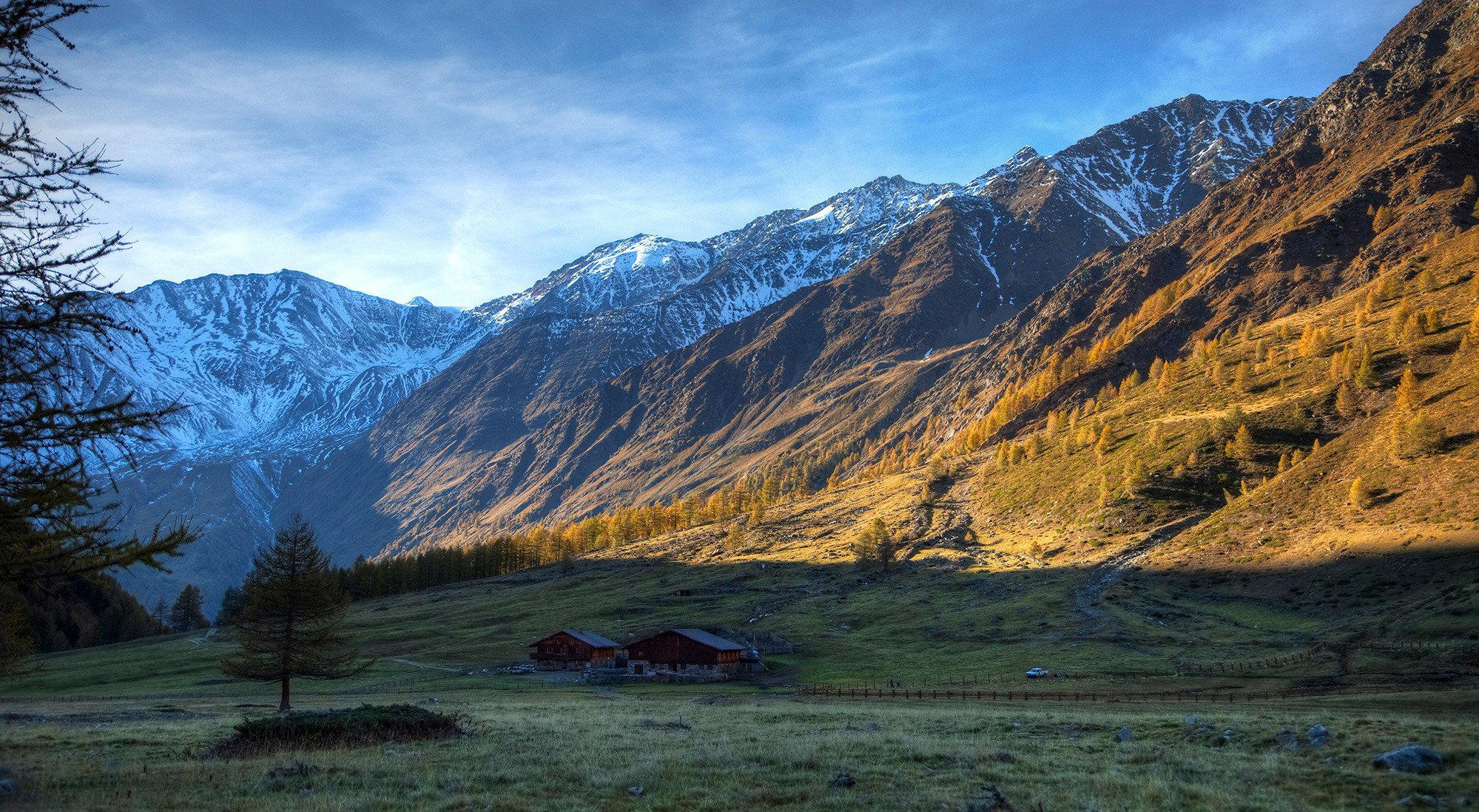
Where the Valley Decides the Menu
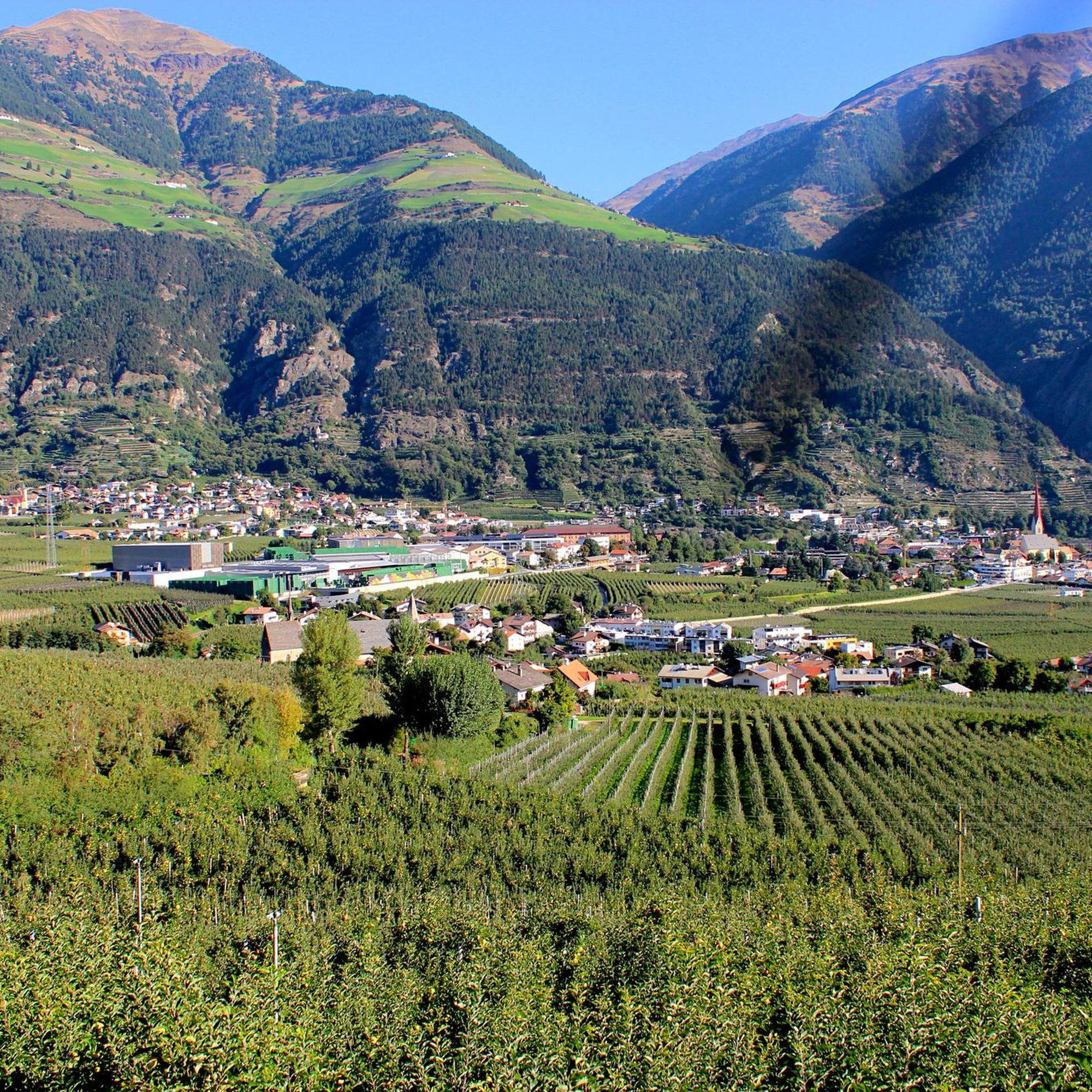
The Schnalstal valley above Karthaus is not a place you arrive at by accident. The road climbs through a succession of tight bends past scattered farmsteads, with grazing land pressing in on both sides and, in season, cattle whose bells you hear before you see them. By the time you reach the upper reaches of Val di Fosse, where Eishof sits at Katharinaberg, the altitude has already done most of the editorial work. The valley's short growing season, high-pasture grasslands, and relative isolation from lowland supply chains shape ingredient sourcing in practical terms. What grows or grazes here is what reaches the kitchen. That constraint, repeated across generations of Alpine farmhouse cooking, is the story that Eishof tells at the table.
South Tyrol has become one of Italy's most closely watched dining regions over the past two decades, partly because of the concentration of Michelin recognition in a territory with fewer than 600,000 inhabitants, and partly because chefs here have found a productive tension between Alpine tradition and contemporary technique. Atelier Moessmer Norbert Niederkofler in Brunico represents the region's headline tier, where that tension is resolved through precision and formal ambition. Eishof operates in a different register: closer to the farmhouse source, closer to the valley's own ecology, and less concerned with placing itself in a national conversation.
High-Pasture Sourcing and What It Means on the Plate
Alpine South Tyrolean cooking draws its character from a specific set of ecological conditions: short summers at altitude, soils that favour root vegetables and hardy brassicas, and livestock that graze on mountain grasses rather than farmed feed. These conditions produce dairy with a fat profile and mineral character that lowland milk cannot replicate, and meat from animals that have walked enough terrain to develop genuine flavour in the muscle. Across the Vinschgau and Schnalstal, farms operate on a scale where a single family might maintain a small herd, produce their own speck, and sell surplus directly. The distance between animal and kitchen is often measured in walking time rather than trucking hours.
This sourcing model shapes a cooking style that is dense with preserved and fermented preparations: speck, aged cheeses, pickled vegetables, rye-based breads that keep well through winter. These are not nostalgic gestures; they are the logical output of a food system designed around altitude, cold, and limited seasonal windows. Across Italian Alpine dining more broadly, from the Aosta Valley to the Trentino, particularly credible kitchens are those where preservation technique reads as continuity rather than affectation. Eishof's position in the upper Val di Fosse places it squarely within that tradition. The nearby TONZHAUS approaches a related corner of the same valley's cooking character.
The Setting as Context, Not Backdrop
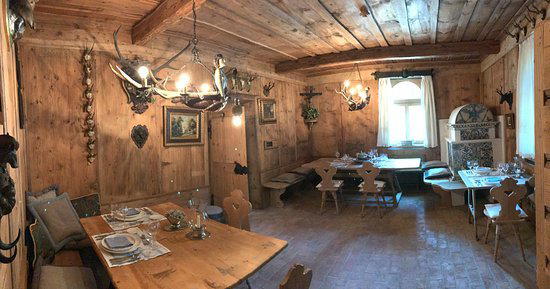
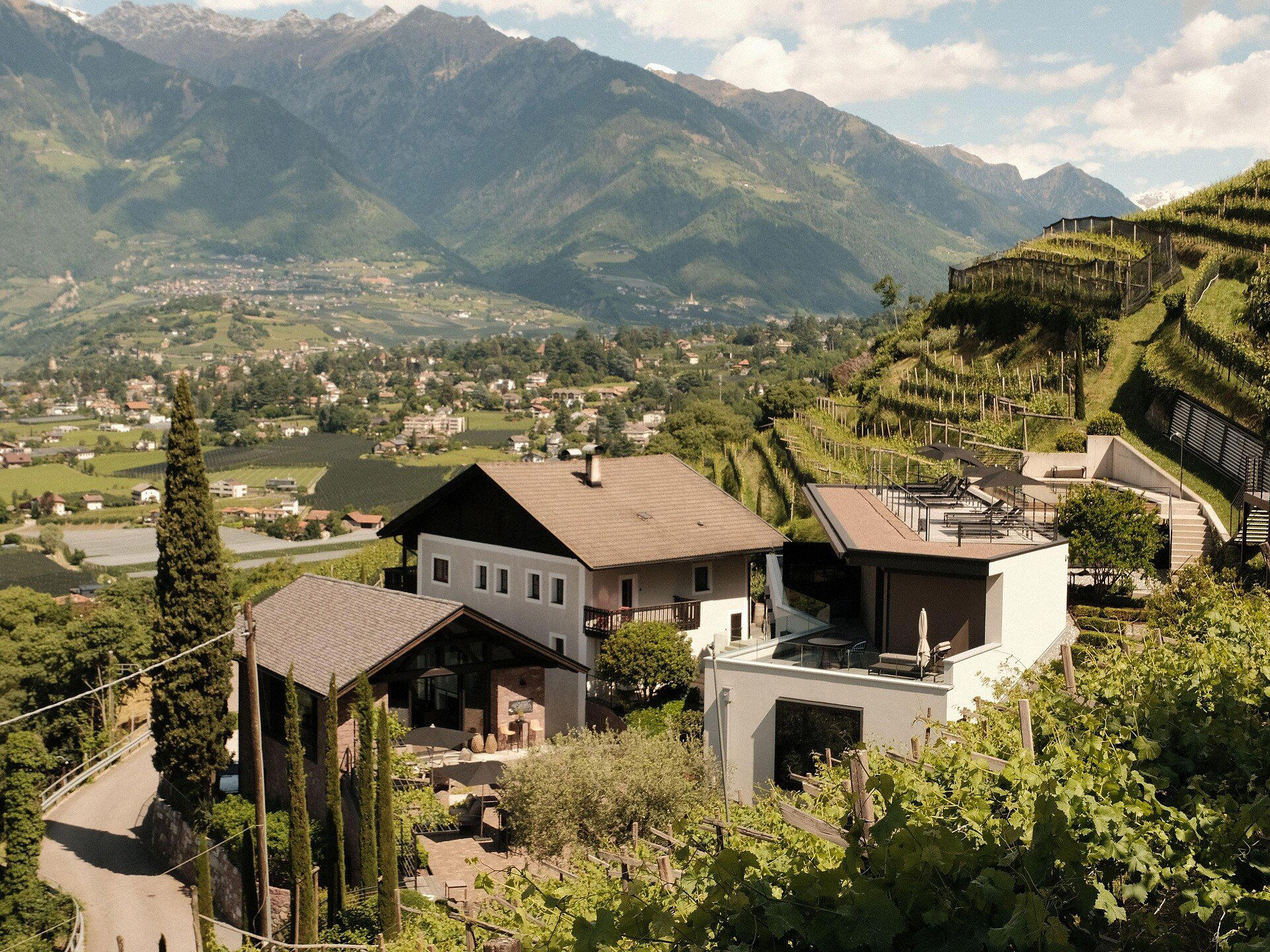
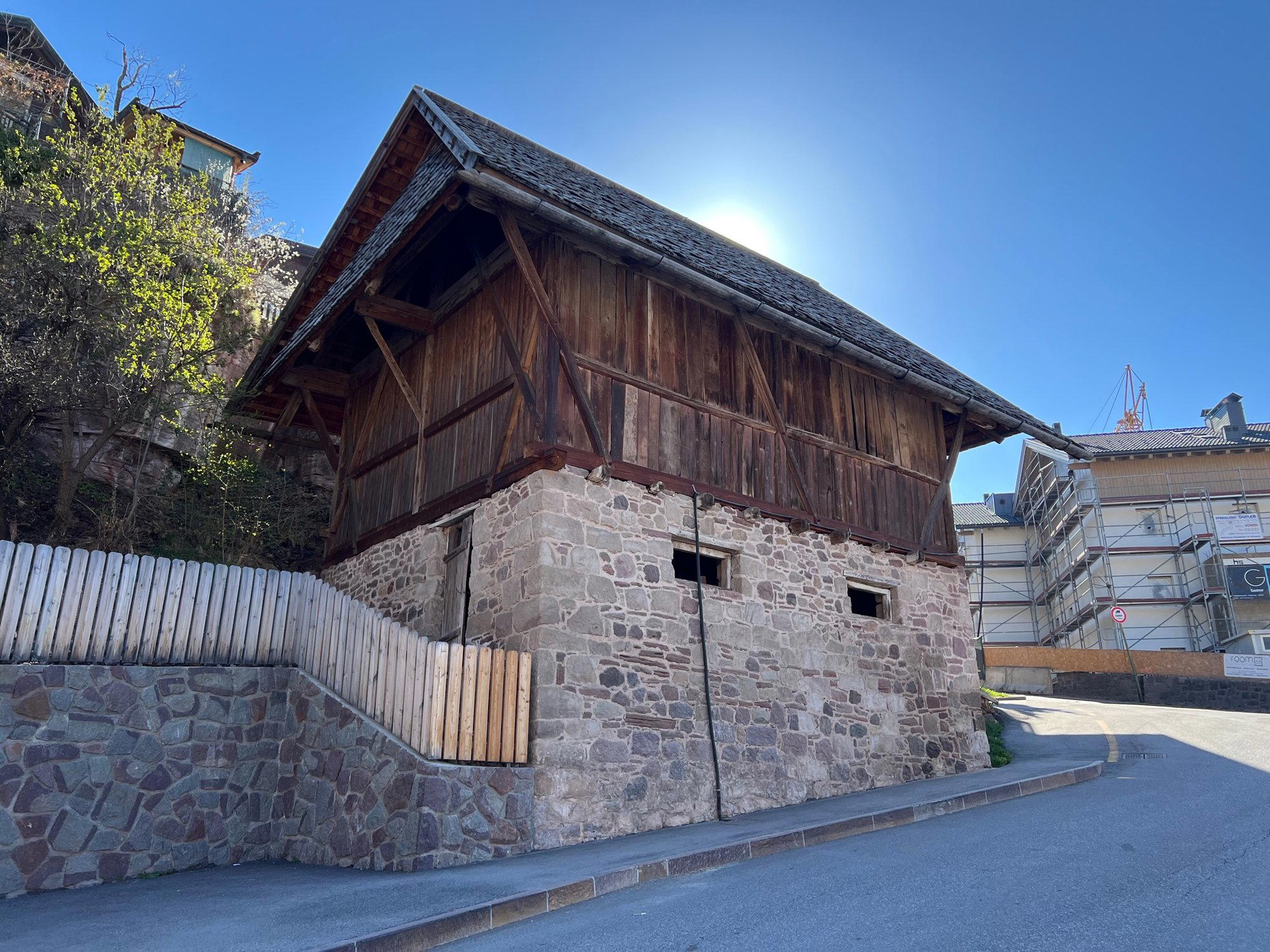
Alpine farmhouse dining in South Tyrol follows a spatial logic that differs from urban restaurant design. The building is rarely built for the restaurant; the restaurant occupies a building built for something else, typically a working or former working farm. Low ceilings, exposed timber, small windows that frame a specific view of pasture or rock face: these are not decorative choices. They are the physical record of a vernacular architecture designed for warmth retention and practical farm function. At this altitude, the building itself communicates something about the conditions that produce the food inside it.
The atmosphere that results tends toward quiet concentration rather than social spectacle. Parties who make the drive up from the valley floor arrive with enough intention that the room tends to fill with people who are there specifically, not incidentally. That self-selection produces a particular dining mood, one that rewards slowing down. The seasonal rhythms are pronounced, and the summer and autumn windows when the pastures are in use are also when the kitchen has much to work with. Timing a visit to align with late summer, when high-pasture grazing produces its richest dairy and the first cold nights begin concentrating flavour in root crops, is sensible.
Eishof in the Wider Map of Italian Fine Dining
Italian cooking at its most ambitious currently occupies a wide range of registers, from the coastal Mediterranean precision of Quattro Passi in Marina del Cantone and the Adriatic creativity of Uliassi in Senigallia, to the inland intensity of Reale in Castel di Sangro and the Piedmontese authority of Piazza Duomo in Alba. Further along the spectrum sit the long-established formal institutions: Dal Pescatore in Runate, Enoteca Pinchiorri in Florence, Osteria Francescana in Modena, and Le Calandre in Rubano. Against that range, Alpine farmhouse cooking occupies a niche defined less by technical ambition than by ecological specificity. The question it asks is not how refined a technique can be, but how precisely a kitchen can express a particular valley's food system.
That is a different competition entirely. When placed alongside urban Italian fine dining establishments such as Enrico Bartolini in Milan, Villa Crespi in Orta San Giulio, Casa Perbellini 12 Apostoli in Verona, or Da Vittorio in Brusaporto, the Schnalstal cooking tradition reads as genuinely different in kind, not merely in geography. For readers who have come from the global fine dining circuit, including destinations as far afield as Le Bernardin in New York City, Lazy Bear in San Francisco, or La Pergola in Rome, a meal in the upper Val di Fosse shifts expectations about what a restaurant can deliver.
Planning a Visit
Reaching Eishof at Katharinaberg, Località Val di Fosse, requires driving into the Schnalstal from the main Vinschgau road and ascending toward the upper valley. No public transit serves this point reliably; a hire car or a pre-arranged transfer from Merano or Naturns is the practical approach. The seasonal access window matters: the upper valley's roads are subject to winter closure, and visiting between late spring and early autumn gives the leading combination of accessibility and produce quality. Reservations are recommended.
Side-by-Side Snapshot
Comparable venues nearby, for context on price, style, and recognition.
| Venue | Cuisine | Price | Notes |
|---|---|---|---|
| EishofThis venue — the venue you are viewing | South Tyrolean Alpine | $$ | Not listed |
| TONZHAUS | South Tyrolean Italian Pizzeria | $$ | Val Senales |
| Oberpartegger | South Tyrolean Farmhouse Italian | $$ | Villanders |
| Hubenbauer | Traditional Italian Tyrolean with Brewery | $$ | Varna |
| Stube Ida | Modern South Tyrolean | $$ | Lana |
| Pschnickerhof | Traditional South Tyrolean Farmhouse | $$ | Villanders |
Continue exploring
More in Karthaus
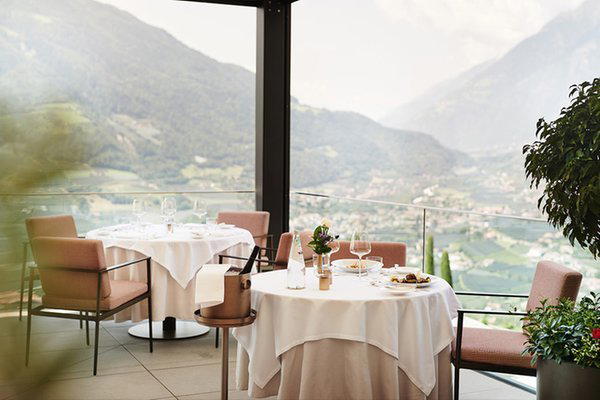
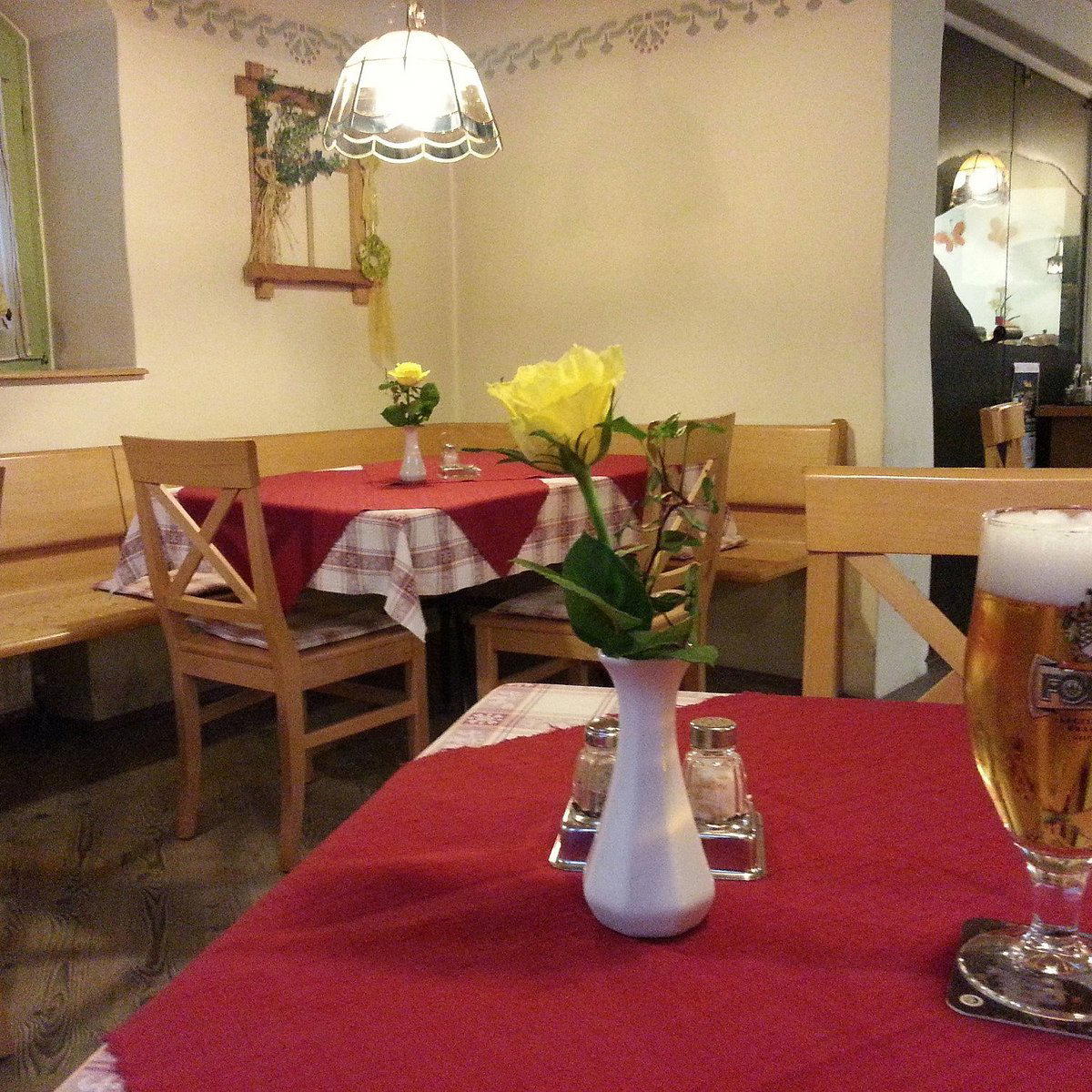
Restaurants in Karthaus
Browse all →
Bars in Karthaus
Browse all →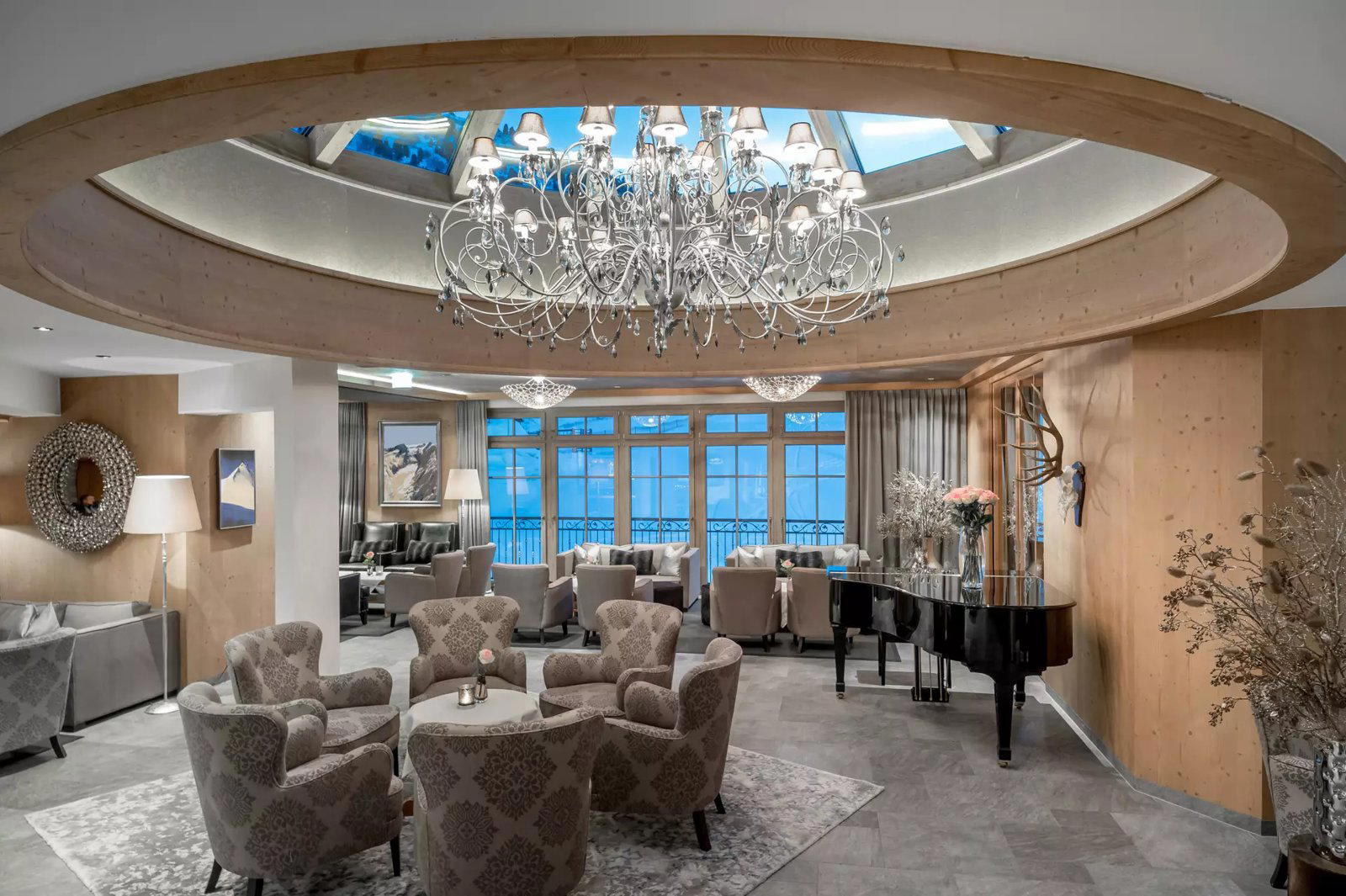
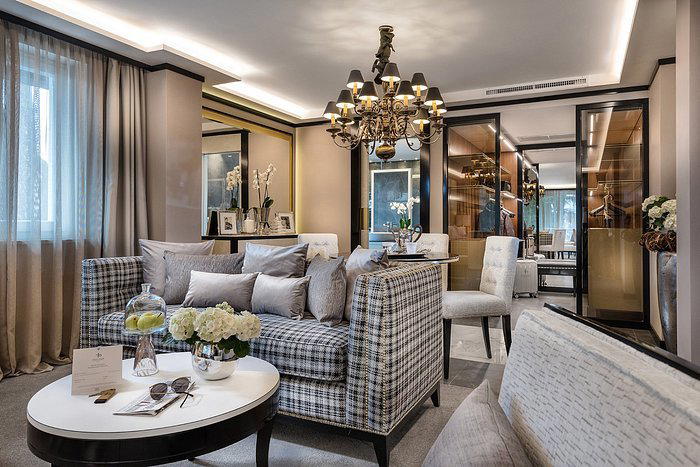

Hotels in Karthaus
Browse all →
At a Glance
- Scenic
- Rustic
- Cozy
- Casual Hangout
- Group Dining
- Family
- Standalone
- Historic Building
- Local Sourcing
- Mountain
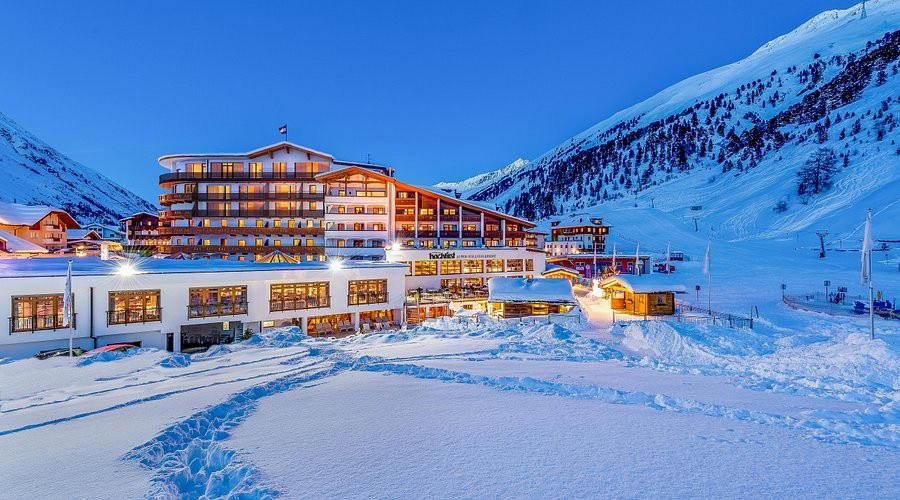
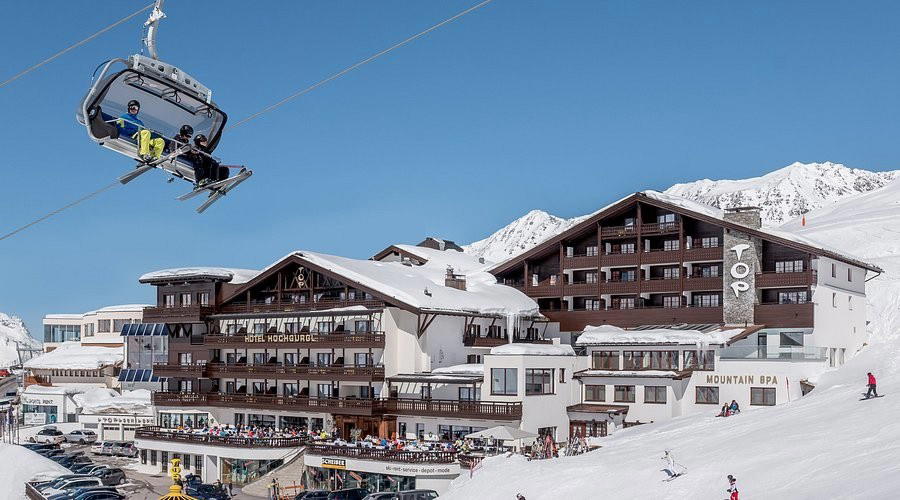
Authentic, passionate alpine inn atmosphere with a cozy mountain gathering feel, set above 2,000 meters in a scenic valley landscape.