
Menya Kitara is a Nagoya ramen counter in Tachibana, recognised in Tabelog 100 Ramen AICHI 2025 and priced in the everyday ramen band rather than the special-occasion tier. The draw is cultural as much as practical: ramen, abura-soba, maze-soba and tsukemen under one compact roof, with counter seating and a format that suits solo diners as easily as families.
Pearl is the En Primeur Club membership app — saves, bookings, and concierge access live there. Same editors, same standards.
- Address
- Japan, 〒460-0016 Aichi, Nagoya, Naka Ward, Tachibana, 1 Chome−28−6 近藤ビル 1F
- Phone
- +81 52-332-5515
- Website
- instagram.com
 Saves & bookings on Pearl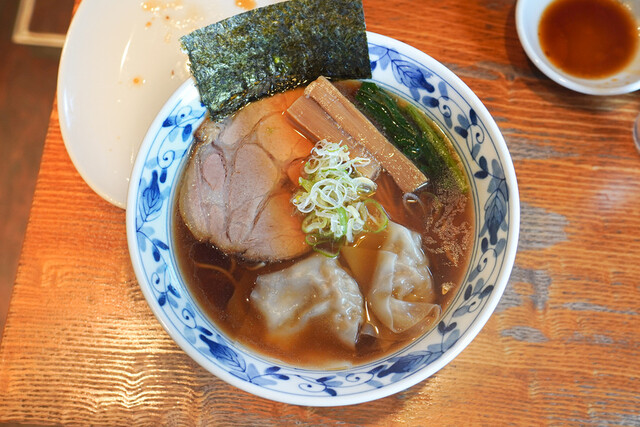
The approach to a serious ramen counter in Nagoya is rarely theatrical. The cues are smaller: a compact frontage, a short service rhythm, a room built around counter seating, and the quick turnover of diners who know exactly what they came for. Menya Kitara belongs to that everyday-but-ranked category, where a bowl can sit in the low four-figure yen range and still carry enough local credibility to appear on Tabelog 100 Ramen AICHI 2025.
That matters in Nagoya, a city whose food identity is often reduced from the outside to miso katsu, hitsumabushi and kishimen. Ramen here has a quieter competitive culture than Tokyo’s queue-heavy districts, but it is no less exacting. The local scene rewards shops that can hold a regular audience across lunch and evening service without turning the meal into ceremony. In that context, Menya Kitara reads as a practical expression of Nagoya ramen culture: compact, specialist, and judged by repetition rather than spectacle.
A Nagoya ramen counter built around choice, not ceremony
Ramen shops in Japan often specialise tightly, but Nagoya’s stronger everyday counters tend to leave room for adjacent formats. Menya Kitara lists ramen, abura-soba, maze-soba and tsukemen, which places it in the broader family of noodle houses where broth, sauce and dipping formats coexist. That range is not just menu breadth; it reflects how contemporary ramen culture has moved beyond soup alone. Abura-soba and maze-soba shift attention toward tare, oil and noodle texture, while tsukemen separates noodle and broth into a slower, more deliberate eating style.
The absence of a tasting-menu posture is part of the point. Nagoya has restaurants such as Reconnaissance operating in a far higher dining bracket, while Ozashiki Tempura Ayame sits in a formal special-occasion tier. Ramen counters play a different civic role. They are places for precision at speed, and the comparison is less about luxury than about how much culinary signal can be carried in an everyday format. The restaurant’s price band keeps it closer to Fujimi Tei Honten and other casual Nagoya dining rooms than to the city’s reservation-led restaurants.
The Tabelog 100 Ramen AICHI 2025 recognition gives the shop a clear trust signal inside that casual category. It is not a Michelin-style hierarchy, and it should not be read like one. Its value is local sorting: among the many bowls in Aichi, this is a counter that has entered a named ramen selection rather than relying only on neighbourhood habit. For travellers using Our full Nagoya restaurants guide, that distinction is useful because it identifies a low-cost meal with credible local attention.
Where ramen fits into a Nagoya itinerary
For a food-focused trip, ramen does a different job from sushi, kaiseki or tempura. It fills the slot between stations, hotel check-ins and late-afternoon wandering, yet it can reveal as much about a city’s dining priorities as a longer meal. Nagoya’s better casual counters tend to be leaner in presentation than tourist-facing dining rooms, and the experience depends on understanding the format: order decisively, eat while the noodles hold their texture, and treat the counter as a shared working space.
That rhythm also explains why solo dining is culturally natural at ramen shops. Counter seating removes the pressure of a full table, and a bowl can be both a complete meal and a short pause in the day. Families are not excluded from the format either; the restaurant is marked as children welcome, which makes it more flexible than many small Japanese counters. The setting is still compact, so the better expectation is functional rather than leisurely.
Within Nagoya, the address in Tachibana puts the shop away from the hotel-lobby version of the city. That is useful for travellers who want a meal tied to ordinary neighbourhood movement rather than a dining district engineered for visitors. Nearby planning can sit alongside broader city coverage through Our full Nagoya hotels guide, Our full Nagoya bars guide, Our full Nagoya wineries guide and Our full Nagoya experiences guide, but the ramen stop itself is best treated as a focused meal rather than a long evening plan.
How to read the recognition without overreading it
Japanese user-driven restaurant culture can be difficult for visitors to interpret. A casual noodle shop with a modest price band and limited seating may carry more local weight than a polished dining room with English-facing presentation. The restaurant’s selection for Tabelog 100 Ramen AICHI 2025 places it inside a regional ramen conversation, while its counter format keeps the experience grounded in speed, repetition and regulars.
The useful comparison is not with a single famous shop, but with the range of choices a traveller faces in Japan. Nagoya’s ramen counter culture shares DNA with casual noodle and rice traditions across the country, from regional curry specialists such as [Curry Senmon Ten] Maruyama Kyoju. in Sapporo to compact everyday formats like Onigiri Time in Pasadena and sake-adjacent Japanese dining abroad such as Jōdo Saké Bar in Los Angeles. The shared lesson is that Japanese dining culture often carries seriousness through narrow formats rather than grand rooms.
For readers comparing Nagoya options, the city’s dining spread is broad enough to require discipline. A snack stop such as Kanmidokoro Shibafuku, a noodle shop such as Teuchi Menpo Maruichi, and a recognised ramen counter all answer different needs. The restaurant is strongest when the decision is specific: a compact ramen meal, priced for ordinary use, with enough recognition to justify a detour within the city rather than a full evening built around it.
Further restaurant browsing can run through Nagoya and beyond: 1022, 451, Aaron, Alan. All Day Dining Montmartre, -Grilled beef Sukiyaki- KAMAKURA TANUKIAN 鎌倉 たぬき庵 in Kamakura. 鮪と炭火焼き うお炭 秋葉原店 in Tokyo.cafe in Osaka.know in Kumamoto and (Shoku) Vietnam in Kawasaki. Against that larger field, this is the kind of Nagoya stop that earns attention through format discipline rather than polish.
Cost Snapshot
Comparable venues by price and recognition.
| Venue | Cuisine | Price | Notes |
|---|---|---|---|
| Menya KitaraThis venue — the venue you are viewing | Naka, Nagoya ramen shop | $$ | Not listed |
| Shunsai Tempura Shinra | Nakagawa, Seasonal Tempura Course Dining | $$ | Not listed |
| Tonkatsu Tsuchimoto | Chikusa, Aged Premium Pork Tonkatsu | $$ | Not listed |
| Gyoza Sakaba Issei Ichidai Honten | Naka, Gyoza-focused Japanese Izakaya | $$ | Not listed |
| 右江田 | Not listed | $$ | Nakagawa, Nagoya-style Unagi Hitsumabushi |
| Taniya | Nishi, Handmade Soba & Izakaya | $$ | Not listed |
Recognition history
Dated appearances from independent guides and award organizations, with the underlying list record or original source where available.
Tabelog 100 #62 · No. 62
Tabelog · Tabelog 100 - Ramen - AICHI - 2025
Continue exploring
More in Nagoya
Restaurants in Nagoya
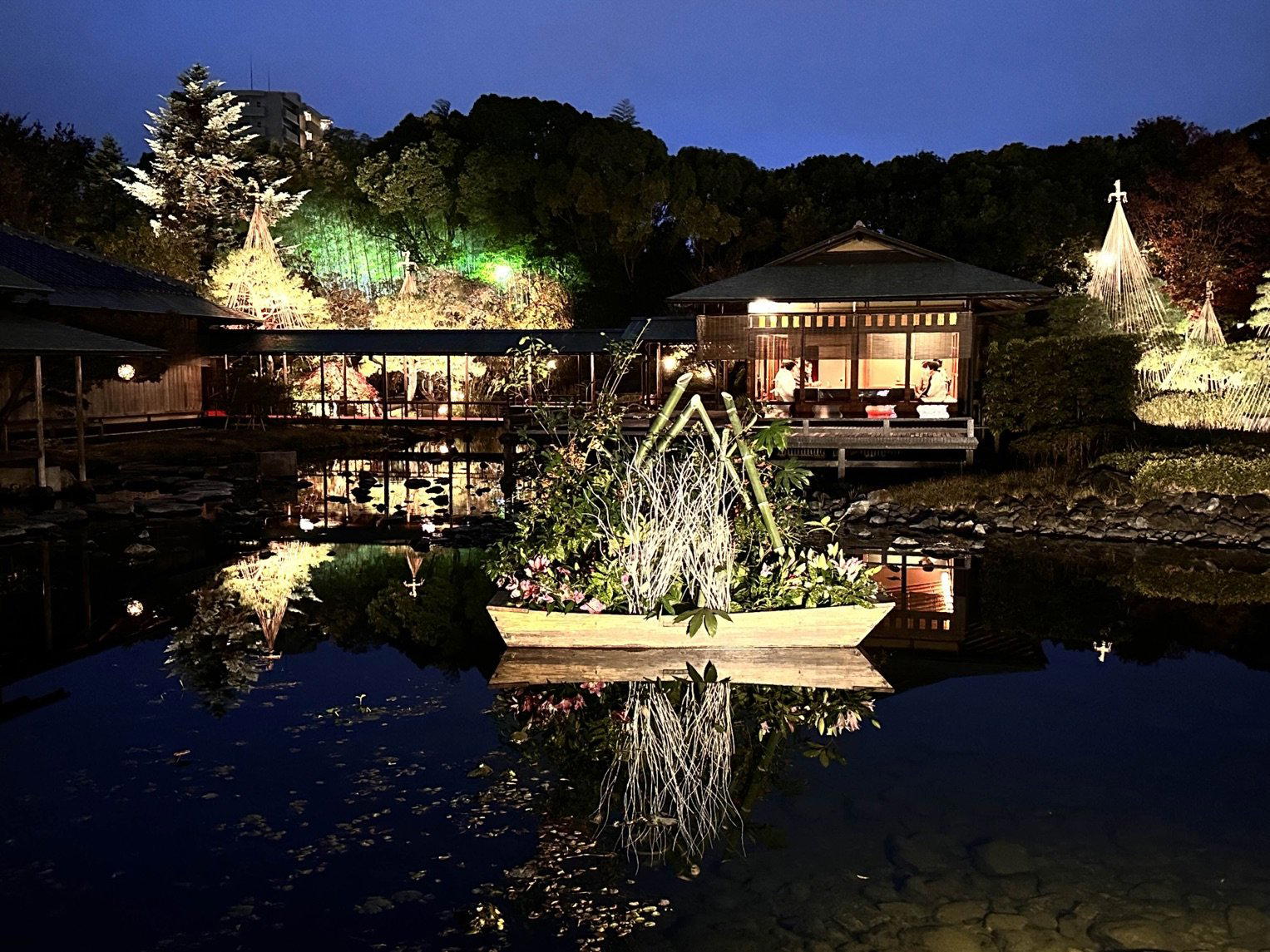
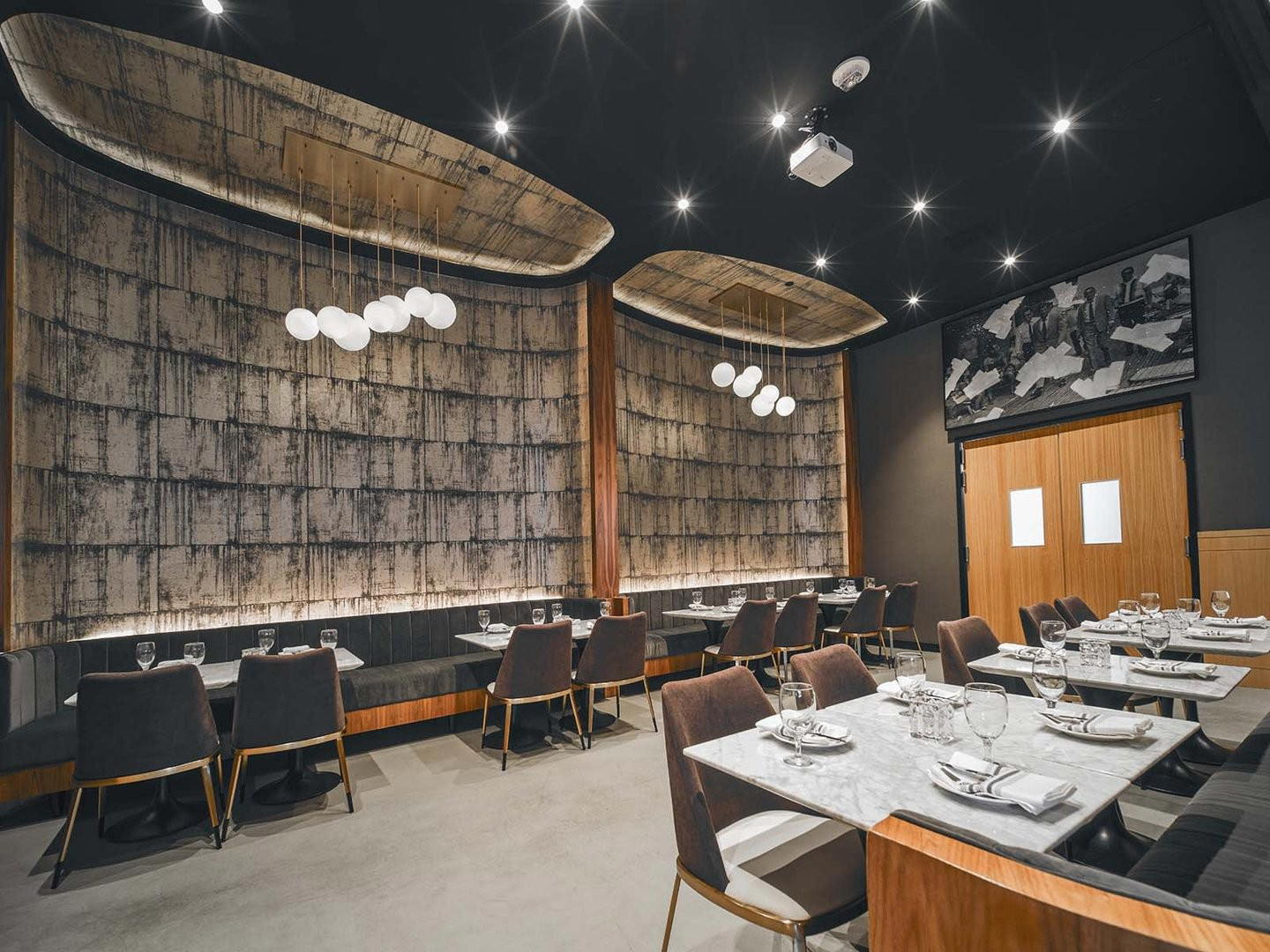
Browse all →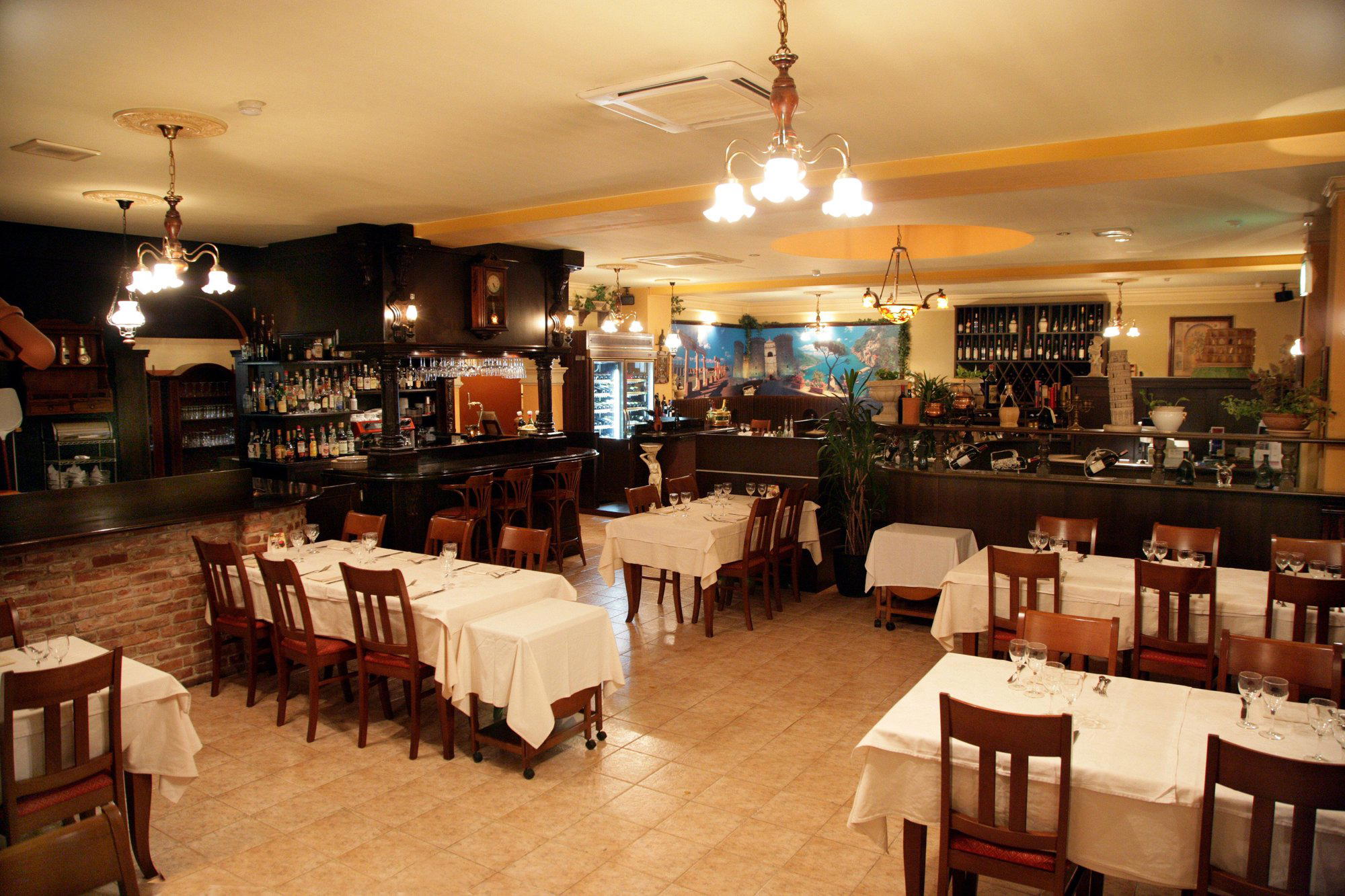
At a Glance
- Cozy
- Quiet
- Solo
- Casual Hangout
- Late Night
- Standalone
Current opening hours
- Monday
- Closed
- Tuesday
- 11 AM–1:45 PM, 6–7:45 PM
- Wednesday
- 11 AM–1:45 PM, 6–7:45 PM
- Thursday
- 11 AM–1:45 PM, 6–7:45 PM
- Friday
- 11 AM–1:45 PM, 6–7:45 PM
- Saturday
- 11 AM–1:45 PM, 6–7:45 PM
- Sunday
- 11 AM–1:45 PM, 6–7:45 PM
Hours can change for holidays and private events. Last verified .
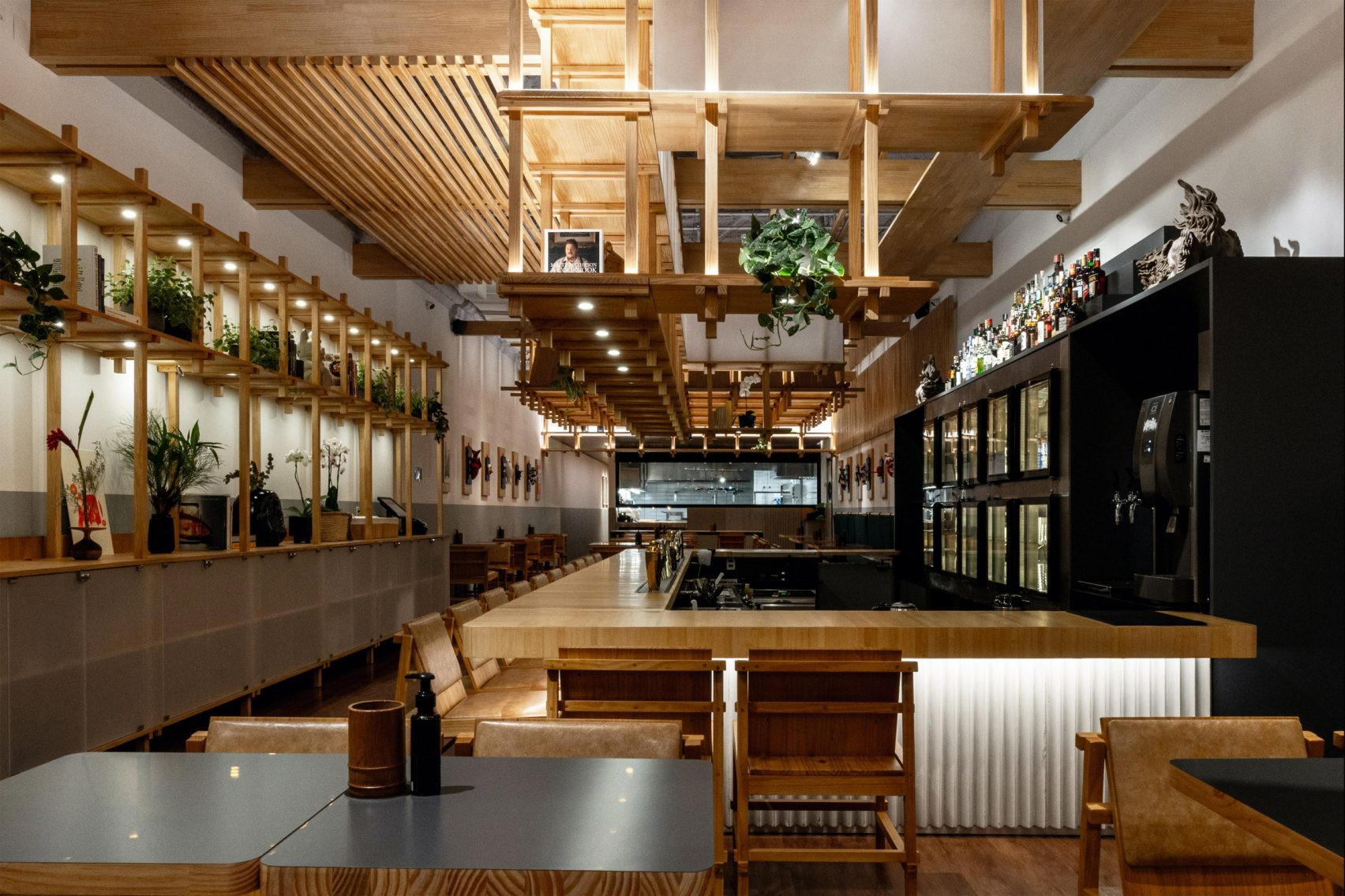
Reviews describe a tranquil, café-style ramen shop with soft jazz or mellow background music, simple counter-focused seating, and a relaxed, unhurried feel compared to busier ramen spots.