Michelin Plate · Tabelog Bronze #466
Our verdict
An eight-seat counter in Shinbashi that has earned Tabelog Bronze Awards in both 2025 and 2026, alongside three consecutive Tabelog Sushi Tokyo 100 selections. Chef Naoto Fukasaku serves generous cuts of fish over Hokkaido rice cooked in a traditional hagama pot, with dinner averaging JPY 30,000–39,999. Reservation-only and solo-dining friendly.

Pearl is the En Primeur Club membership app, where members save venues, book tables and use the concierge.
The menu
What to order
- Large nigiri
- Uni nigiri
- Akazu shari
Eight Seats, Thick Cuts, and a Counter That Keeps Getting Noticed
Tokyo's premium sushi scene has long sorted itself into a clear hierarchy: the rarefied Ginza omakase counters charging upwards of ¥50,000 per head, the mid-tier neighbourhood spots that punch above their price point, and a smaller category of reservation-only counters that earn serious recognition without the theatrics of fine-dining packaging. Tomidokoro, operating from a first-floor address in Shinbashi since November 2018, belongs to the third group. Its eight-seat counter books by reservation only, its dinner spend runs JPY 30,000 to JPY 39,999, and its Tabelog score of 3.90, alongside Tabelog Bronze Awards in both 2025 and 2026, and three consecutive Tabelog Sushi Tokyo 100 selections in 2021, 2022, and 2025, positions it firmly inside Tokyo's recognised sushi tier, operating one bracket below the city's ¥¥¥¥ counters such as Harutaka.
The Logic Behind Large-Cut Nigiri
In contemporary Tokyo omakase, the dominant aesthetic has trended toward precision and restraint: fish sliced thin, rice packed with minimal body, the overall effect one of refinement over satiation. Tomidokoro takes a different position. The kitchen emphasises thick cuts of fish, allowing the flavour and texture of each piece to register fully before it disappears. The rice servings are generous to match, the shari prepared using ancient varieties of Hokkaido rice, sourced in keeping with Chef Naoto Fukasaku's Obihiro roots, cooked in a broad-rimmed hagama pot rather than a standard rice cooker. The result is a style of nigiri that reads as deliberate abundance rather than casual oversizing: each piece is calibrated, but the scale signals a philosophy about how sushi should be experienced.
This approach has a lineage in regional Japanese sushi traditions, where counter styles outside Tokyo's most formal tier have long prioritised the flavour of the fish over the ritual of minimalism. At Tomidokoro, that tradition is applied with enough consistency and craft to attract the kind of sustained Tabelog recognition, across five years of selections and two consecutive Bronze Awards, that marks it as more than a neighbourhood curiosity. The Michelin Plate recognition in both 2024 and 2025 reinforces a picture of a counter that sits just below the starred tier while earning repeat acknowledgment from multiple credentialing bodies.
Shinbashi as a Setting
The choice of Shinbashi rather than Ginza or Akasaka says something about the counter's positioning. Shinbashi is a salaryman district in the traditional sense, izakayas, yakitori alleys, office workers on the way to the last train, and it lacks the luxury retail backdrop that gives counters in adjacent Ginza their price-setting power. A reservation-only, eight-seat omakase counter operating in Shinbashi is pricing against the quality of its product rather than the cachet of its postcode, which tends to produce a different kind of value proposition than the same format would offer two subway stops north. The nearest station, Onarimon, is 289 metres from the restaurant. Coin parking is available behind the building, though the format and neighbourhood both suggest arriving by rail.
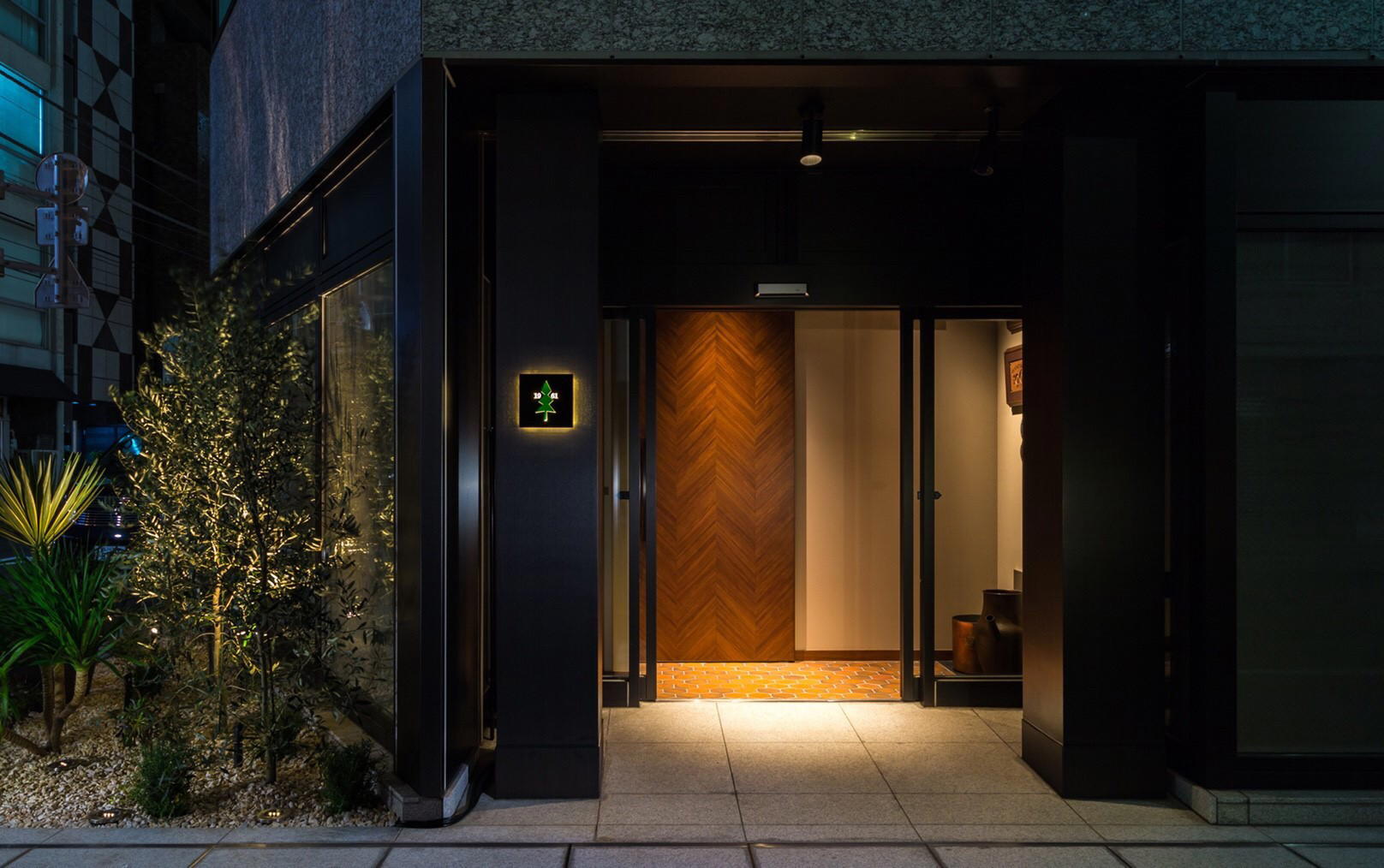
The venue's Tabelog listing categorises its location as a "hideout", a descriptor that captures the physical reality of a small counter on a non-obvious Shinbashi side street, rather than any deliberate exclusivity. For visitors exploring Tokyo beyond the obvious fine-dining corridors, the address places Tomidokoro in a practical cluster with Minato City's broader dining offer. Those wanting to extend a Minato evening with French-inflected cooking can reference L'Effervescence or the innovative French format at Crony. For kaiseki in the same city tier, RyuGin operates a few kilometres north, and Sézanne represents the French fine-dining alternative in the same award bracket.
Chef Naoto Fukasaku and the Regional Ingredient Commitment
Editorial angle here is less about Fukasaku's biography and more about what his Hokkaido provenance produces at the counter level. The use of Obihiro-rooted rice varieties, cooked in a hagama pot, is a technical and philosophical choice with real consequences for the eating experience. Hagama cooking over direct heat produces a different moisture distribution and crust formation than electric or gas rice cookers: the bottom layer caramelises slightly, the grains at the leading retain more individual texture, and the overall batch carries a more complex flavour profile than standardised cooking methods produce. In the context of omakase sushi, where the rice is treated as equal in importance to the fish, this matters. The emphasis on fish sourced with similar care, Tabelog lists the kitchen's approach as "particular about fish", completes a sourcing philosophy that rewards the counter's price point rather than simply relying on proximity to Tsukiji or Toyosu market relationships that any well-capitalised sushi operation can replicate.
Format and Practical Details
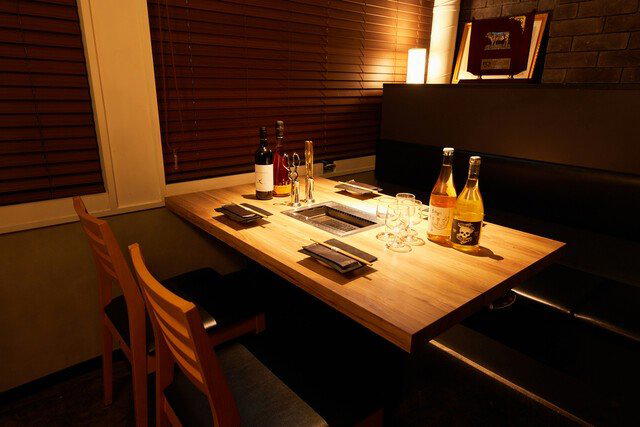
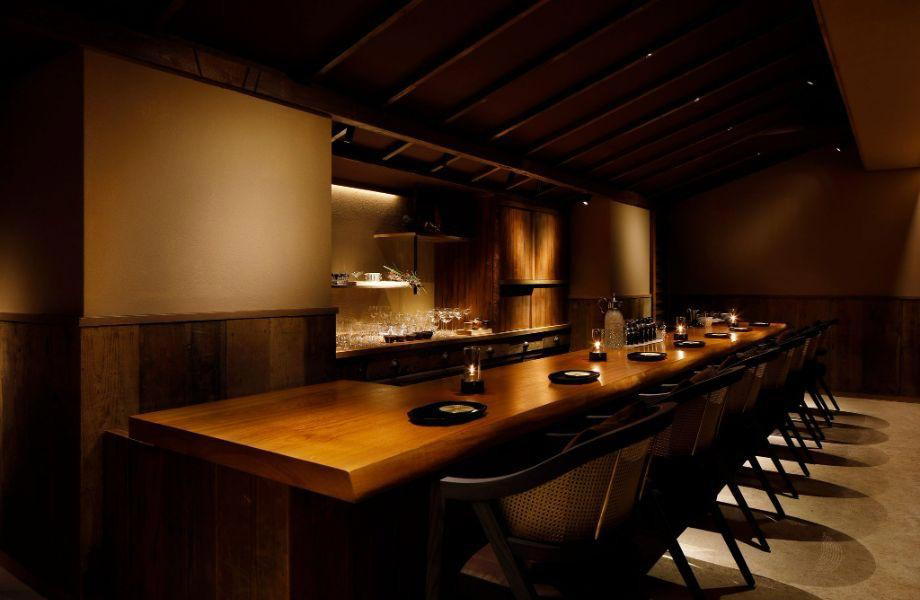
Counter seats eight, and the maximum party size matches that capacity, meaning a full private booking for a group of eight is operationally possible. Private rooms are not available, and the format is counter-only. For solo diners, Tomidokoro carries a specific Tabelog recommendation as a solo-friendly destination, which aligns with the counter format and the direct pace the kitchen maintains. The venue operates seven days a week: lunch runs 11:30 to 13:00, dinner 17:00 to 23:00. Hours and closed days can change, so confirming directly before a visit is advisable.
Dinner spend averages JPY 30,000 to JPY 39,999 per person, while lunch averages JPY 20,000 to JPY 29,999 on the stated scale, with some review-based data suggesting lunch can come in lower, around JPY 15,000 to JPY 19,999. That lunch price point, if accurate for certain menu formats, represents meaningful value for Tabelog Bronze-level sushi in Tokyo. Major credit cards are accepted (Visa, Mastercard, JCB, Amex), though electronic money and QR code payments are not. The venue operates a BYO drinks policy and maintains a sake and shochu list, with a particular emphasis on nihonshu. The space is non-smoking throughout.
Reservations are required, walk-ins are not the format here, and the phone number on record is +81-3-6876-0646. There is no official website listed.
Where Tomidokoro Sits in the Broader Tokyo Sushi Context
Tokyo's sushi offer is wide enough to sustain meaningful comparison across multiple price tiers, formats, and regional philosophies. At the ¥¥¥¥ end, counters like Harutaka operate with a different competitive logic, where Michelin stars and allotment-style reservations define the experience. Tomidokoro at ¥¥¥ holds Tabelog Bronze and Plate recognition, placing it in a tier that serious sushi travellers treat as a primary destination rather than a consolation. The consistent five-year recognition record, three Tabelog 100 selections across 2021, 2022, and 2025, and back-to-back Bronze Awards, is not the profile of a counter that coasts on an early reputation. It is a counter that has maintained standards across a period that saw significant disruption to Tokyo's restaurant scene and continued to attract enough informed reviewer attention to sustain its Tabelog score at 3.90.
For visitors building a broader Japan itinerary, the comparison set extends beyond Tokyo. The large-cut, abundance-forward style of nigiri practiced here occupies a different register than the French-Japanese precision of HAJIME in Osaka or the kaiseki craft of Gion Sasaki in Kyoto. Those planning time in Nara, Fukuoka, Yokohama, or Okinawa can extend their research through EP Club's Japan-wide editorial: akordu in Nara, Goh in Fukuoka, 1000 in Yokohama, and 6 in Okinawa. For a global counterpoint on fish-forward precision cooking, Le Bernardin in New York City and the Korean-American tasting menu at Atomix offer useful reference points across different national traditions. Full Tokyo guides, restaurants, hotels, bars, wineries, and experiences, are available for those planning more extended visits.
Frequently asked questions
Who runs the kitchen at Tomidokoro?
The chef associated with Tomidokoro is Naoto Fukasaku.
Does Tomidokoro have a Michelin star or similar recognition?
Tomidokoro has received recognition including:
What's the signature dish at Tomidokoro?
Tomidokoro does not promote a single headline item, but the kitchen's defining characteristic is thick-cut nigiri served over generously portioned vinegared rice cooked from Obihiro-origin Hokkaido varieties in a traditional hagama pot. The approach prioritises fish flavour through volume rather than the restrained thin-slice aesthetic common at comparable Tokyo counters. Tabelog reviewers and the platform's Sushi TOKYO 100 selection panels, which included Tomidokoro in 2021, 2022, and 2025, consistently point to this large-cut format as the counter's central identity.
What style of cooking does Tomidokoro do?
What does dinner at Tomidokoro typically cost?
Pricing at Tomidokoro is listed as ¥¥¥.
Reputation Context
Comparable venues nearby, for context on price, style, and recognition.
| Venue | Cuisine | Price | Awards | Notes |
|---|---|---|---|---|
| TomidokoroThis venue (the venue you are viewing) | Edomae Sushi Omakase | $200–300 | Michelin Plate · Tabelog Bronze #466 | Not listed |
| Edosoba Hosokawa | Traditional Edo Soba | $30–50 | Michelin Bib Gourmand · Tabelog 100 #41 | Sumida |
| Sushi Taichi | Traditional Edomae Sushi Omakase | $50–100 | Michelin Plate · Tabelog 100 #58 | Chūō |
| Mejiro Zorome | Edo-style Unagi with Kyosui Eel | $50–100 | Michelin Bib Gourmand | Toshima |
| Yaesu Unagi Hashimoto | Edomae Unagi (Grilled Eel) | $50–100 | Michelin Bib Gourmand | Chūō |
| Sobakappo Nagano | Soba Kappo | $50–100 | Michelin Bib Gourmand | Sumida |
Recognition history
Dated appearances from independent guides and award organizations, with the underlying list record or original source where available.
Michelin Plate
Michelin
Opinionated About Dining Top Restaurants in Japan Recommended
Opinionated About Dining
Tabelog Bronze #466
Tabelog
Full recognition history (8 entries)
Michelin Plate
Michelin
Opinionated About Dining Top Restaurants in Japan Ranked #506
Opinionated About Dining
Tabelog 100 #39 · No. 39
Tabelog · Tabelog 100 - Sushi - TOKYO - 2025
Tabelog Bronze
Tabelog
Michelin Plate
Michelin