
Nagoya’s ramen scene rewards specialists, and tokyo miso style IKEDA sits in the miso lane with Tabelog Ramen AICHI 100 selection in 2025. The appeal is not luxury theatre but a compact, counter-led format in Nakamura-ku, where critical recognition, low pricing, and solo-friendly service put it in a sharper category than casual noodle shops built only for convenience.
Pearl is the En Primeur Club membership app — saves, bookings, and concierge access live there. Same editors, same standards.
- Address
- 愛知県名古屋市中村区畑江通7-8-1
- Phone
- +81524828689
- Website
- tabelog.com
 Saves & bookings on Pearl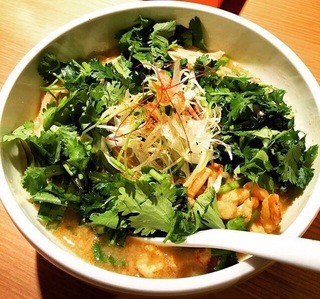
Serious ramen in Nagoya is often modest: small frontage, short decision cycle, and a room built for eating, not lingering. In Nakamura-ku, shops compete less through ceremony than repetition, seasoning balance, and the discipline of turning a bowl quickly without making it feel anonymous. tokyo miso style IKEDA belongs to that compact urban tradition, where the counter is operational: diners sit close to the kitchen rhythm, order with intent, and leave ready for the next seat to turn.
Miso ramen sits apart from lighter shio and shoyu styles that often dominate tourist shorthand around Japanese noodles. It asks more of tare and broth structure: salt, fermentation, fat, and heat must land with force without blurring into heaviness. In Aichi, where strong seasonings and fermented soybean traditions have deep resonance, a miso-led ramen shop has a natural audience. The point is not novelty, but whether the bowl can carry intensity with enough control to make repeat custom plausible.
Miso ramen in Nagoya is a specialist lane, not a tourist shortcut
The Tabelog Ramen AICHI 100 selection for 2025 gives this shop a clear external marker in a crowded prefectural field. That matters because ramen criticism in Japan is unusually granular: diners compare broth weight, noodle texture, topping restraint, queue tolerance, and value with the seriousness other cities reserve for tasting menus. A Tabelog score of 3.58 places it where local attention has moved beyond neighbourhood convenience. It is not a luxury signal; it is credibility inside a category where small differences are heavily policed.
That distinction matters for Nagoya visitors planning around better-known regional dishes. Miso katsu, hitsumabushi, and kishimen dominate short-stay itineraries, but ramen shows another side of the city: everyday dining under intense local scrutiny. For a broader read on how this address fits the city’s restaurant map, see Our full Nagoya restaurants guide. Travellers building a wider trip can pair that with Our full Nagoya hotels guide, Our full Nagoya bars guide, Our full Nagoya wineries guide, and Our full Nagoya experiences guide.
Within the comparison set, the category spread is instructive. Yasui sits in a far higher spend bracket, while Curry Senmon Ten cafe New Delhi occupies a similarly low-price band in a different culinary lane. Ohtani and Otani show how Nagoya dining searches group small-format local names even when the meal type changes. Ramen recognition must be read inside its own discipline, not against kaiseki, beef, curry, or café formats. A low ticket does not make the meal casual in the critical sense; it changes the stakes.
The counter format makes the value argument sharper
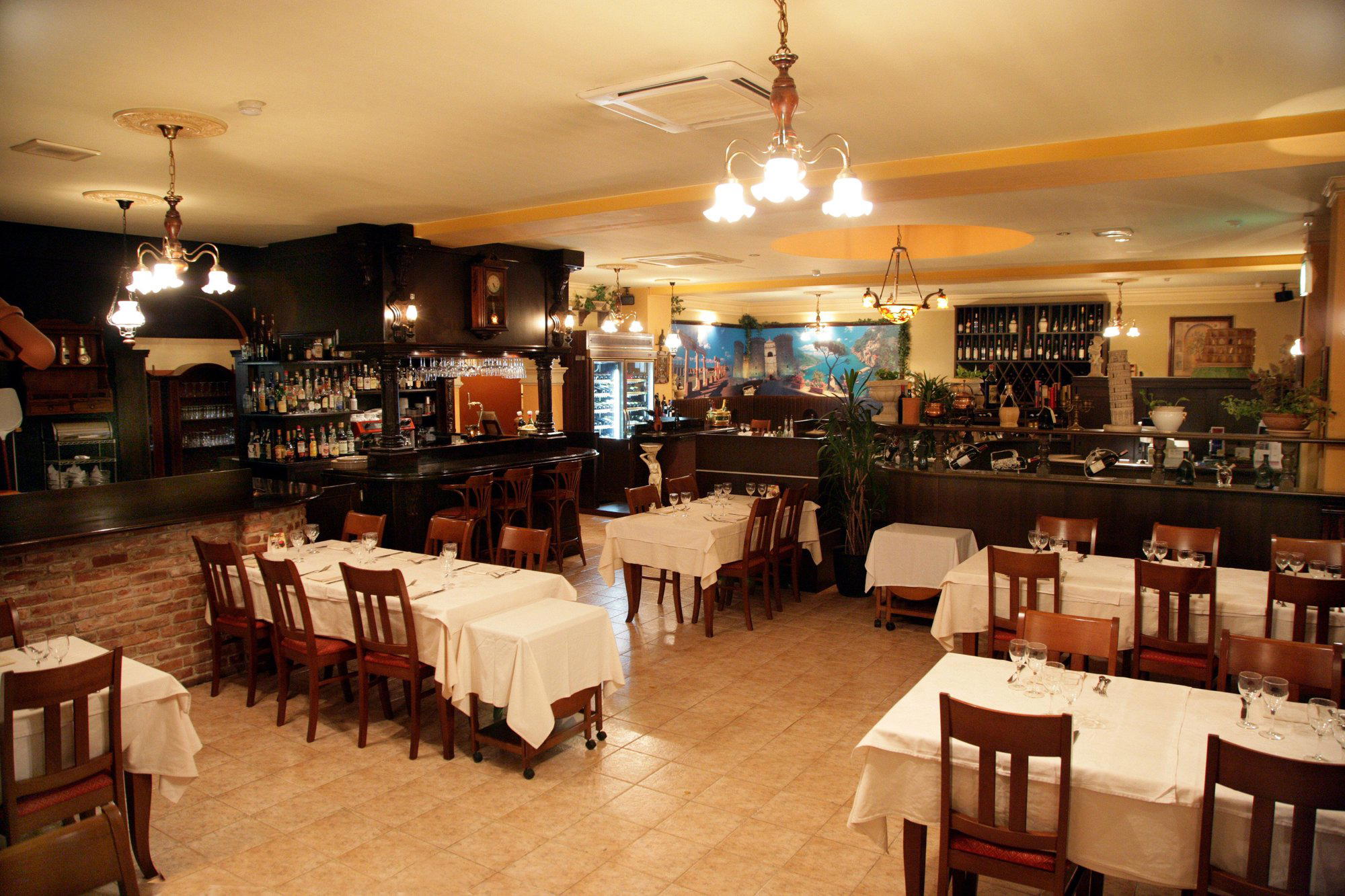
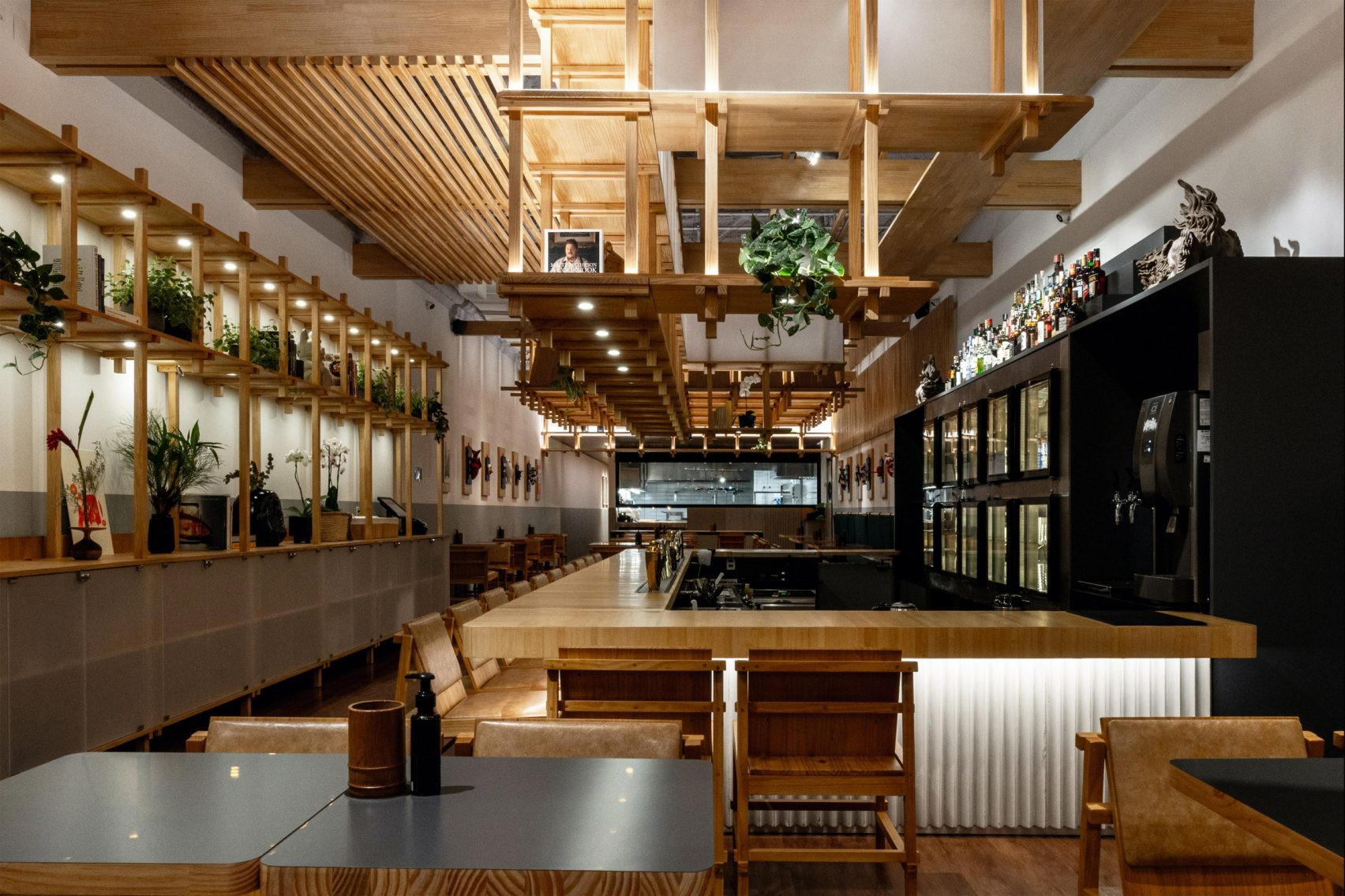
Compact ramen rooms succeed when format and price tier align. Here, the room is listed at 18 seats with counter seating, no private rooms, and a non-smoking policy. Those details shape the experience more than décor language. A small ramen counter compresses the meal into essentials: order, bowl, pace, exit. It also makes solo dining culturally seamless, one reason this type of shop works well for travellers moving through Nagoya without a group reservation plan.
The house-restaurant setting adds city context. Nagoya’s stronger casual addresses are often not in hotel dining rooms or entertainment complexes; they can sit on ordinary streets, trading on regulars, station access, and reputation lists rather than international visibility. This side of Japanese dining rewards treating a sub-¥1,000 ramen shop with the same seriousness as a multi-course counter. The evaluation criteria change, but the editorial question stays the same: does the format know exactly what it is trying to do?
Based on recognition and format signals, the answer is yes. tokyo miso style IKEDA is not a grand occasion address. It is a focused ramen stop with enough critical validation to justify leaving a default station-area meal plan. Reservations are unavailable, payment is cash-oriented, and the shop runs on a small-seat model, so treat it as a timed meal rather than a flexible fallback. Those constraints are the grammar of respected ramen shops in Japan.
For readers comparing across Japan, the same logic applies: match the venue to the category, then judge the execution signals. EP Club’s wider restaurant archive includes different formats, from 1022, 451, Aaron, Alan., and All Day Dining Montmartre to regional Japanese addresses such as -Grilled beef Sukiyaki- KAMAKURA TANUKIAN 鎌倉 たぬき庵 in Kamakura. 鮪と炭火焼き うお炭 秋葉原店 in Tokyo.cafe in Osaka.know in Kumamoto, (Shoku) Vietnam in Kawasaki, [Curry Senmon Ten] Maruyama Kyoju. in Sapporo, plus overseas Japanese-adjacent rooms such as Jōdo Saké Bar in Los Angeles and Onigiri Time in Pasadena. The common thread is not cuisine type but whether the format has a credible reason to occupy a traveller’s limited meal count.
Who should make room for it
This is stronger for ramen-literate travellers than for diners seeking a long evening. The evidence points to a short, focused meal: ramen category recognition, compact seating, solo-friendly use, and a low-risk price tier. In a city where many visitors default to Nagoya specialties with heavier name recognition, a miso ramen address with prefecture-level selection is a useful counterweight. It gives the itinerary a local, everyday register without abandoning curation.
The editorial call is sharper: make room for it when the day already puts you near Nakamura-ku or the Higashiyama Line, and do not force it into a schedule requiring leisurely pacing. Ramen rewards timing, appetite, and tolerance for small-room logistics. Those who understand that rhythm will read the Tabelog selection correctly, not as a trophy pasted onto a casual shop, but as a sign that a low-priced bowl has earned attention in one of Japan’s more competitive everyday dining categories.
Booking and Cost Snapshot
Comparable venues at the same tier.
| Venue | Cuisine | Price | Notes |
|---|---|---|---|
| tokyo miso style IKEDAThis venue — the venue you are viewing | Nakamura, Tokyo-style miso ramen shop | $ | Not listed |
| Chuka Soba Ueda Seimen Ten | Naka, Japanese Ramen | $ | Not listed |
| Kanmidokoro Shibafuku | Naka, Japanese Sweets | $ | Not listed |
| Taylor Tail | Higashi, Japanese Bakery-Cafe | $ | Not listed |
| Heritage | Not listed | $ | Tenpaku, Traditional Nagoya Eel (Hitsumabushi) |
| Raa Men Sora | Tenpaku, Ramen shop | $ | Not listed |
Recognition history
Dated appearances from independent guides and award organizations, with the underlying list record or original source where available.
Tabelog 100 #68 · No. 68
Tabelog · Tabelog 100 - Ramen - AICHI - 2025
Continue exploring
More in Nagoya
Restaurants in Nagoya
Browse all →

At a Glance
- Modern
- Cozy
- Trendy
- Solo
- Casual Hangout
- After Work
- Late Night
- Standalone
- Design Destination
Small 18-seat, non-smoking ramen shop with a stylish, modern interior and counter-focused seating that suits quick, solo meals in a lively yet relaxed atmosphere.