
Kanmidokoro Shibafuku sits in Nagoya’s quieter sweet-shop register: a Japanese sweets cafe and kakigori specialist with Tabelog 100 recognition for traditional sweets cafes in 2023. The appeal is less about spectacle than timing, capacity, and the old-fashioned pleasure of planning a daytime stop around shaved ice and wagashi culture.
Pearl is the En Primeur Club membership app — saves, bookings, and concierge access live there. Same editors, same standards.
- Address
- 1-45 Oicho, Naka Ward, Nagoya, Aichi 460-0015, Japan
- Phone
- +81 52-331-5611
- Website
- instagram.com
 Saves & bookings on Pearl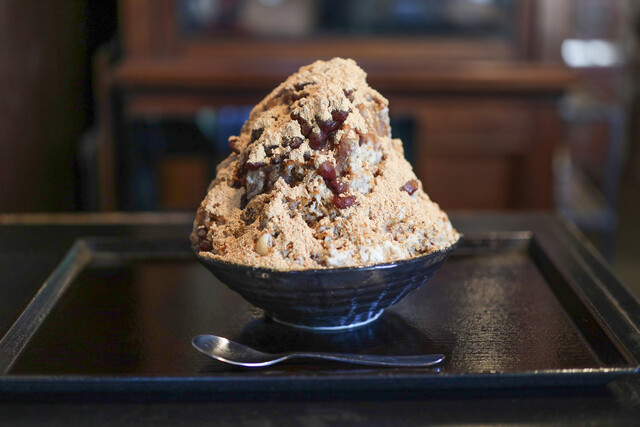
Approaching a Japanese sweets cafe in Nagoya changes the tempo of the day. The city’s louder food shorthand tends to be miso katsu, hitsumabushi, kishimen, and coffee-shop breakfasts, but the kanmidokoro tradition works on a different clock: daytime, compact rooms, patient pacing, and a narrower idea of appetite. Kanmidokoro Shibafuku belongs to that register, a cafe for Japanese sweets and kakigori rather than a restaurant built around a full meal.
That distinction matters. In Japan, shaved ice is not merely a summer fairground snack; in specialist hands it becomes a cafe format with its own logic of texture, temperature, syrup, tea, queue discipline, and limited seating. Nagoya’s strength is that these places often sit outside the grand-dining circuit. They reward travelers who read the day correctly: arrive with a light appetite, treat dessert as the main event, and avoid trying to squeeze the visit between fixed restaurant bookings.
Shaved ice as a daytime discipline, not an afterthought
The serious kakigori shop has become one of Japan’s more revealing low-price luxury formats. It does not need linen, wine pairings, or a chef’s counter to create scarcity. It needs enough seats, enough ice, and enough customers willing to wait for a short service window. Kanmidokoro Shibafuku’s Tabelog 100 selection for Japanese traditional sweets and Japanese sweets cafes in the EAST 2023 list places it inside a national conversation about everyday confections that have been treated with unusual care.
The useful comparison in Nagoya is not a tasting-menu room. It is the city’s broader casual-specialist culture. Menya Kitara and Fujimi Tei Honten sit in a low-to-mid casual bracket, while Teuchi Menpo Maruichi occupies a similarly inexpensive lane. Reconnaissance, by contrast, belongs to a higher dining tier, and THE RISCO points toward the city’s Western casual side. Against that spread, this sweet-shop format asks a different question: how much satisfaction can a focused daytime stop deliver without the weight of dinner planning?
For travelers building a Nagoya eating day, the answer is often practical. A sweets cafe can sit between temples, department stores, and train transfers in a way that a long lunch cannot. It also gives structure to an afternoon without committing the evening. The format is especially useful in a city where many serious food experiences are hyper-specific rather than broadly touristic.
The booking question is a timing question
Small Japanese sweets cafes put pressure on logistics before they put pressure on spending. A 24-seat room is not designed for leisurely indecision, and table composition matters: four tables for four and one table for eight create a room that can fill unevenly when pairs and groups arrive at the same time. The experience therefore rewards clean planning more than concierge theatrics.
Payment habits also signal the kind of place this is. Cash-only operations remain common among older or small-format Japanese food businesses, especially outside the hotel-dining circuit. That is not nostalgia; it is operational focus. For visitors moving through Nagoya with transit cards and credit cards, the smarter move is to carry yen for specialist cafes, ramen counters, kissaten, and wagashi stops that run with lean systems.
Recognition adds another layer. Tabelog’s Hyakumeiten lists are not Michelin-style star ratings; they function more like category maps for deeply followed local formats. A sweets cafe appearing on the 2023 Japanese traditional sweets list signals that local and national diners are paying attention to a category many overseas visitors still under-plan. It is a useful marker precisely because it points away from the obvious dinner itinerary.
Where it fits in a Nagoya food day
Nagoya’s dining identity is often described through hearty dishes and commuter-friendly formats, but its cafe culture deserves equal attention. The city’s kissaten tradition shaped how residents use cafes: for breakfast sets, conversation, pause, and routine. A kanmidokoro folds into that rhythm while narrowing the offer to sweets, tea-time appetite, and seasonal temperature play. Even when kakigori is available year-round, the format still reads as a controlled interruption in the day.
The editorial case for Kanmidokoro Shibafuku is strongest for travelers who already have Nagoya’s famous savory dishes covered and want a more local-feeling afternoon stop. It is also a useful counterweight to higher-spend meals. A day that moves from a casual noodle counter to a sweets cafe and then into a serious dinner says more about Nagoya than a sequence of expensive reservations.
Use the wider city guides to build that rhythm rather than treating one stop as the whole plan: Our full Nagoya restaurants guide, Our full Nagoya hotels guide, Our full Nagoya bars guide, Our full Nagoya wineries guide, and Our full Nagoya experiences guide. Nearby restaurant research can also branch through 1022, 451, Aaron, Alan., and All Day Dining Montmartre.
For a wider Japan and Japanese-dining map, compare the sweet-shop format with -Grilled beef Sukiyaki- KAMAKURA TANUKIAN 鎌倉 たぬき庵 in Kamakura. 鮪と炭火焼き うお炭 秋葉原店 in Tokyo.cafe in Osaka.know in Kumamoto, (Shoku) Vietnam in Kawasaki, [Curry Senmon Ten] Maruyama Kyoju. in Sapporo, Jōdo Saké Bar in Los Angeles, and Onigiri Time in Pasadena. The through-line is format literacy: know when the venue is asking for a meal, a snack, a drink, or a pause, then plan accordingly.
Cuisine Context
Comparable venues in the metro at similar price points.
| Venue | Cuisine | Price | Notes |
|---|---|---|---|
| Kanmidokoro ShibafukuThis venue — the venue you are viewing | Japanese Sweets | $ | Not listed |
| Masago | Traditional Nagoya ramen (chuka soba) counter | $ | Naka |
| Minochu Honten | Traditional Nagoya Wagashi (Japanese Confectionery) | $ | Naka |
| Ramen Aoba | Japanese Ramen | $ | Atsuta |
| Chuka Soba Raian | Ramen shop near Nagoya Station | $ | Nakamura |
| Banrai Tei | Traditional Yokohama Iekei Ramen | $ | Midori |
Recognition history
Dated appearances from independent guides and award organizations, with the underlying list record or original source where available.
Tabelog 100 #7 · No. 7
Tabelog · Tabelog 100 - Japanese traditional sweets / Japanese sweets cafe - EAST - 2023
Continue exploring
More in Nagoya
Restaurants in Nagoya
Browse all →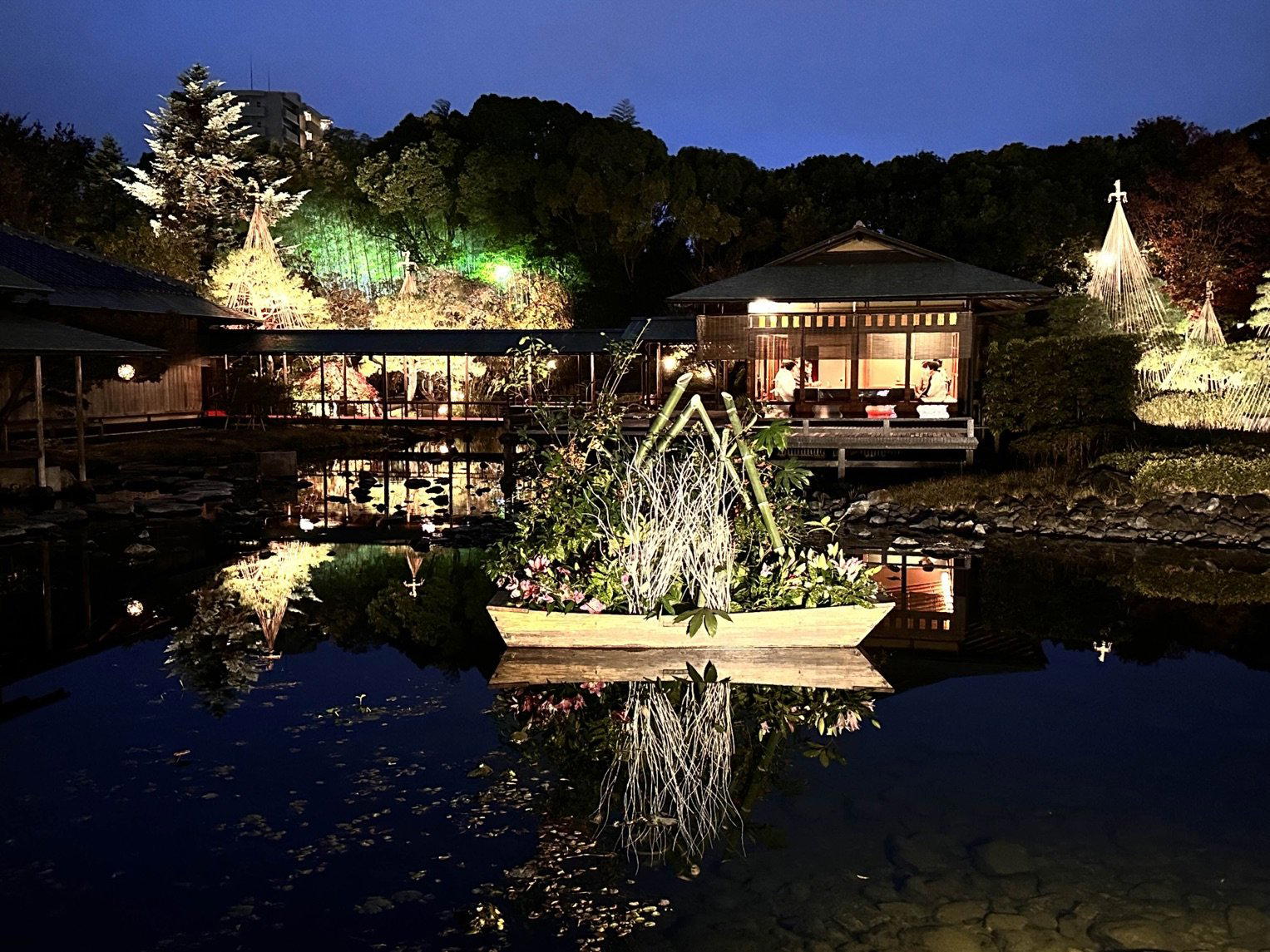
At a Glance
- Cozy
- Classic
- Quiet
- Intimate
- Solo
- Casual Hangout
- Standalone
Current opening hours
- Monday
- Closed
- Tuesday
- Closed
- Wednesday
- 12–5 PM
- Thursday
- 12–5 PM
- Friday
- 12–5 PM
- Saturday
- 12–5 PM
- Sunday
- 12–5 PM
Hours can change for holidays and private events. Last verified .
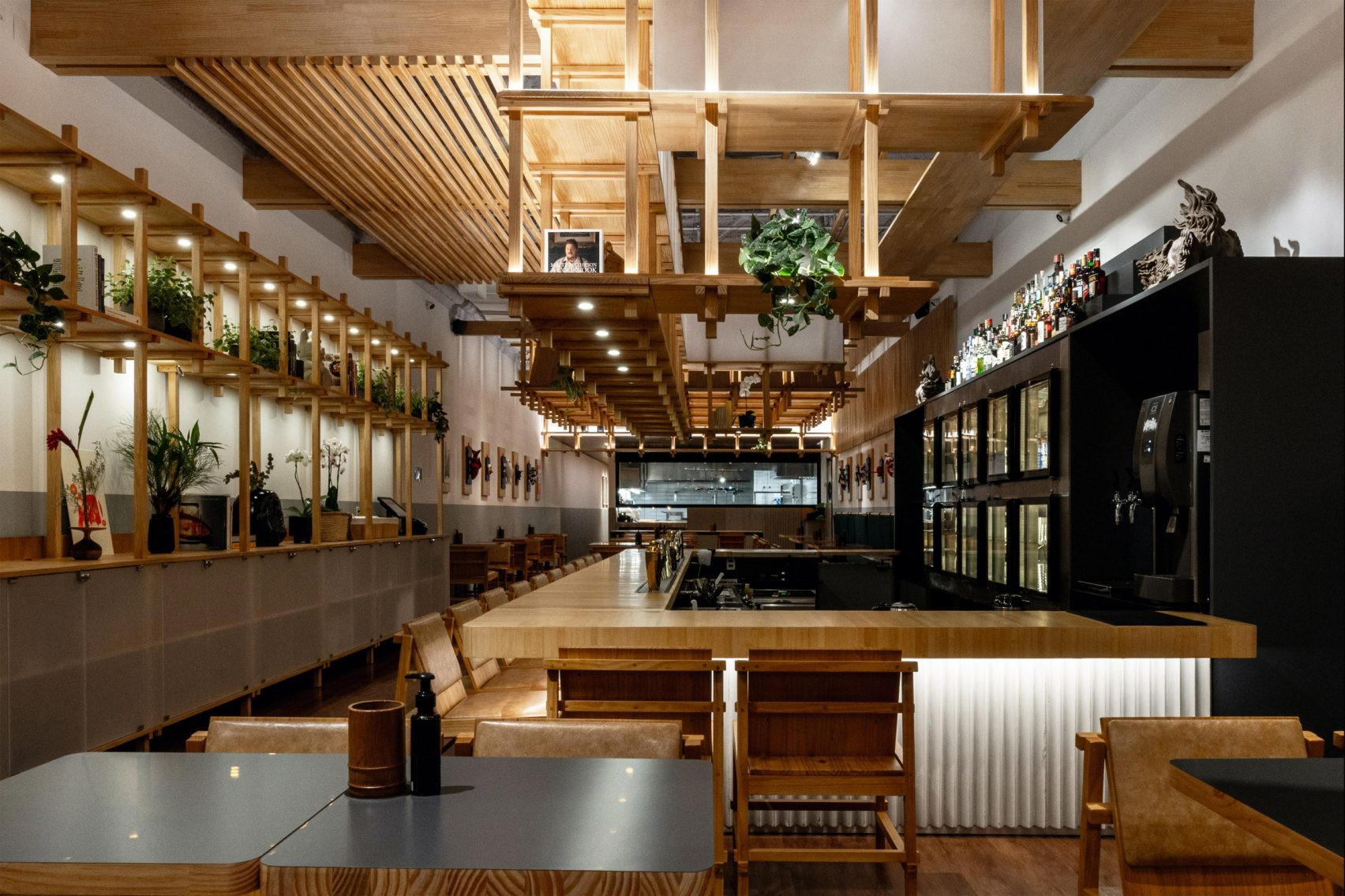
Retro and homey, with a traditional-house feel that gives the space a calm, nostalgic atmosphere.