Tabelog Bronze #464
Our verdict
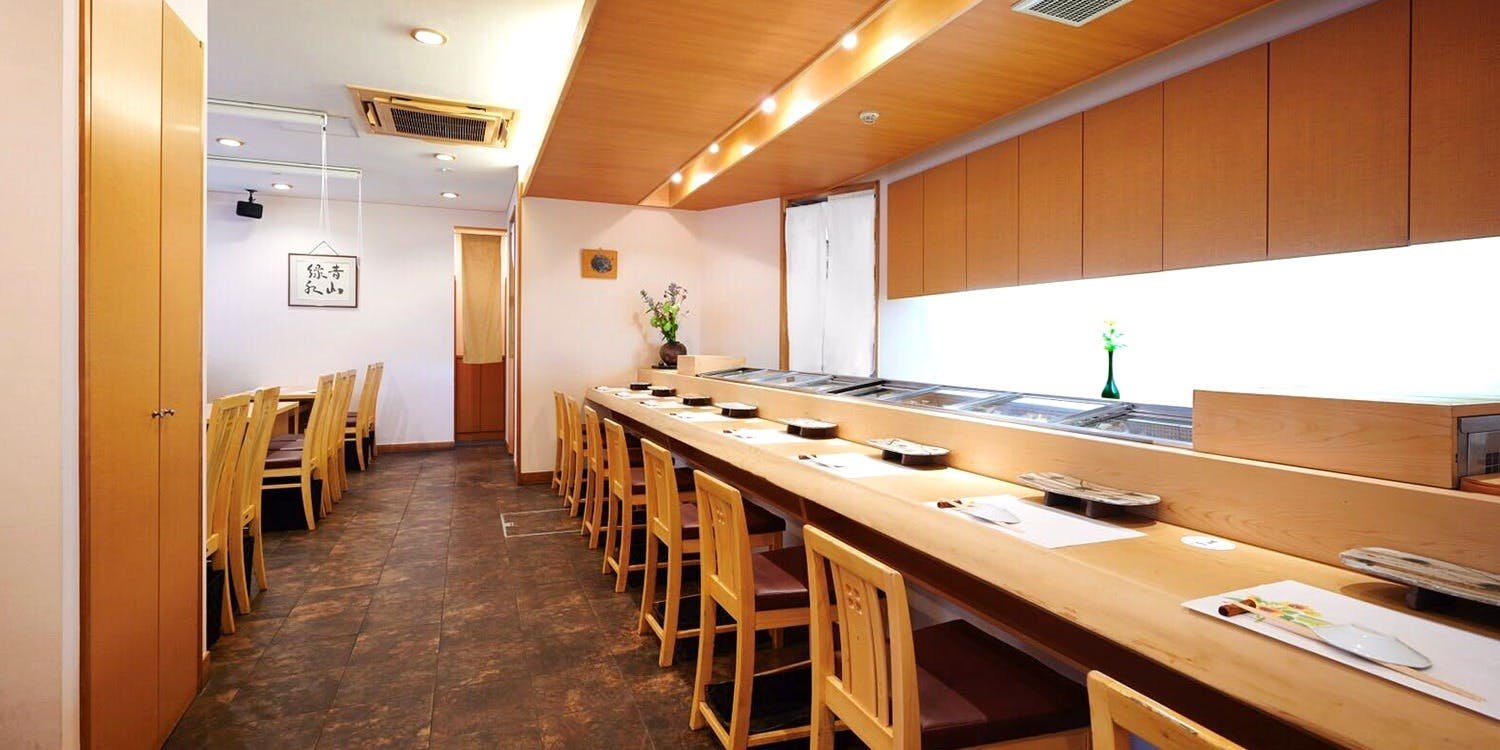
A 16-seat reservation-only yakiniku counter in Ginza's 5-chome block, Tokyo En has earned consecutive Tabelog 100 selections every year from 2020 through 2025, plus the Tabelog Award 2026 Bronze. Dinner runs JPY 8,000–9,999, cash only, with service from 18:00. For Ginza-grade yakiniku at a fraction of the district's high-end omakase prices, the recognition-to-cost ratio is hard to argue with.

Pearl is the En Primeur Club membership app, where members save venues, book tables and use the concierge.
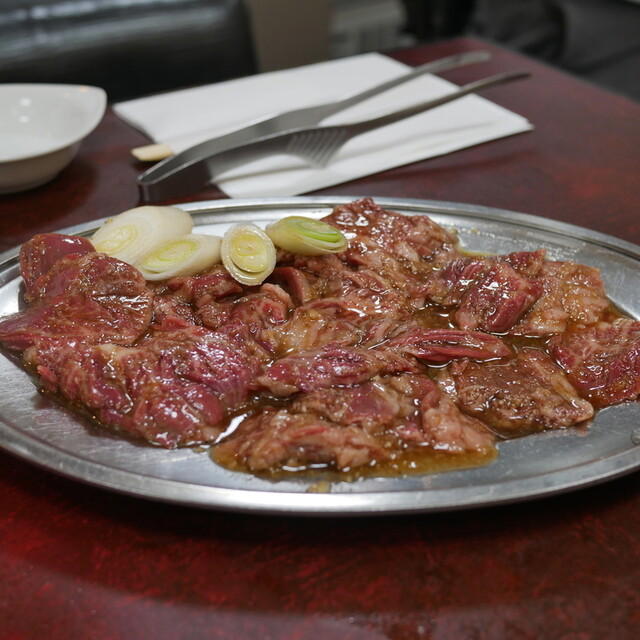
The case for Ginza yakiniku, and why Tokyo En belongs at the front of it
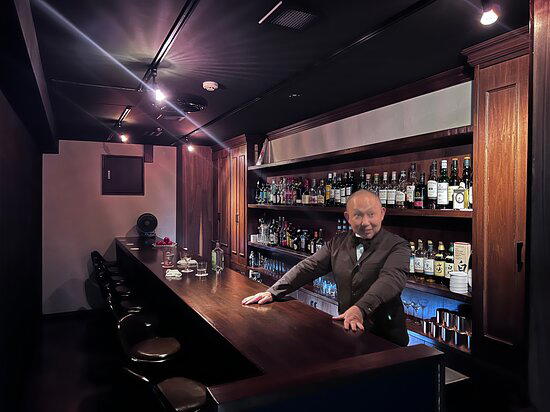
If you do one thing in Ginza that isn't sushi or kaiseki, make it a yakiniku dinner at Tokyo En. That is not an easy claim to make in a district where Harutaka and RyuGin command the conversation, where French tasting menus at L'Effervescence and Sézanne set the benchmark for formal dining, and where innovative formats like Crony attract the city's most agenda-driven diners. But the yakiniku category operates on different logic, and Tokyo En's sustained recognition places it in a tier that most Ginza-adjacent yakiniku restaurants simply don't reach.
Six consecutive years of Tabelog Yakiniku Tokyo 100 selections, 2020 through 2025, followed by the Tabelog Award 2026 Bronze at a score of 3.88 constitute a consistency record that matters more than a single-year accolade. In Tabelog's review ecosystem, where scores are aggregated from thousands of verified diners rather than awarded by a single critic, reaching and holding 3.88 over multiple years in a category as competitive as Tokyo yakiniku reflects a proposition that keeps performing. That is the editorial argument for Tokyo En before you've considered a single cut of meat.
Where the format sits in Tokyo's yakiniku hierarchy
Tokyo's premium yakiniku scene has quietly undergone a structural shift over the past decade. The dominant model used to favour larger, theatrical rooms where tableside service and cuts from a broad wagyu menu coexisted under one roof. The more recent movement runs in the opposite direction: smaller counters, tighter menus, and a sourcing-first logic that positions quality of ingredient above volume of choice. At 16 seats, Tokyo En belongs to this second cohort.
That seat count is a meaningful data point. It places Tokyo En in the same spatial register as an omakase sushi counter in terms of capacity management, even though the category and price point are different. Compare that to the expansive yakiniku palaces in Roppongi or the basement restaurants along Shinjuku's entertainment corridors, and the gap in format philosophy becomes clear. Sixteen seats means the kitchen is managing a small number of covers per service, which allows for a degree of attention to ingredient handling that larger operations cannot replicate at volume. The reservation-only structure reinforces this: Tokyo En is not capturing walk-in trade from Ginza's foot traffic. It is running a deliberate, appointment-based dining format in a district that is increasingly organised around exactly that model.
The sourcing argument at the centre of yakiniku
Yakiniku's fundamental tension is this: the format is inherently democratic, fire, meat, table, but the ingredient behind it can be among the most expensive and regionality-dependent in Japanese cooking. Premium wagyu, whether Kuroge Washu from certified Japanese cattle or prefectural designations like Matsusaka, Omi, or Saga, is a supply-chain story as much as a cooking one. The cattle's feed, the length of fattening, the grading under Japan Agricultural Standards, and the regional brand under which it's sold all inform what arrives at the table before the grill is lit.
At the price point Tokyo En operates, JPY 8,000 to JPY 9,999 per person at dinner, it sits in a bracket that signals serious sourcing without crossing into the JPY 20,000-plus territory occupied by the most rarefied wagyu omakase counters in Tokyo and Osaka. For context, HAJIME in Osaka and Gion Sasaki in Kyoto operate at the upper register of Japanese fine dining where per-person costs regularly exceed that threshold several times over. Tokyo En's dinner range represents a deliberate position: enough to source from established suppliers with traceable provenance, but structured to be accessible to a broader segment of Ginza's dining public than the omakase circuit allows.
This price-to-sourcing relationship is one of the defining questions in contemporary Tokyo dining. Restaurants like akordu in Nara and Goh in Fukuoka have built reputations partly on translating serious local sourcing into formats that don't require a JPY 30,000 commitment. Tokyo En addresses the same question within the yakiniku category: what does honest, award-consistent yakiniku look like when the sourcing is taken seriously but the cover price remains in four figures?
A Ginza address with no-frills logistics
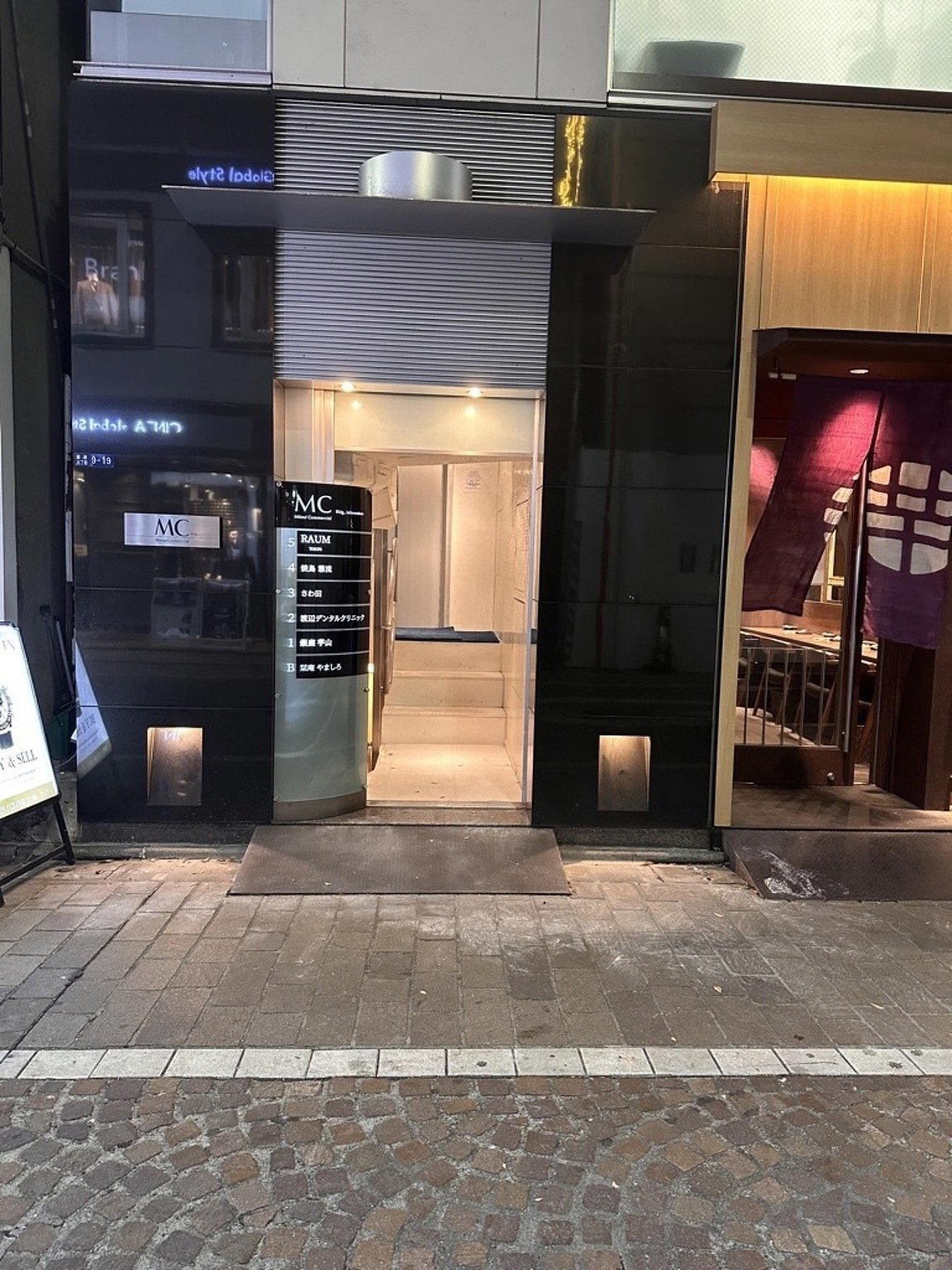
The Ginza 5-chome address, accessible from Higashi-Ginza Station on the Toei Asakusa Line within a three-minute walk, puts Tokyo En in the central district without the retail theatre of Chuo-dori. This part of Ginza runs quieter in the evening, which suits a 16-seat counter that isn't competing for visibility. Service runs every night from 18:00 to midnight, seven days a week, which gives Tokyo En more flexibility than many comparable-size counters in the city that close mid-week.
Two logistical points require clear attention before booking. First, Tokyo En does not accept credit cards, electronic money, or QR code payments. For visitors accustomed to cashless dining elsewhere in Tokyo, or for those who rely on the payment infrastructure common at hotel restaurants like those covered in our Tokyo hotels guide, this is a genuine preparation requirement, not a minor detail. A dinner for two runs approximately JPY 16,000–20,000; arrive with sufficient yen. Second, the restaurant is reservation-only. There is no walk-in option, and given the six-year Tabelog 100 track record, availability moves quickly.
How Tokyo En compares logistically to peer venues
| Venue | Category | Avg. Dinner (per person) | Seat Count | Reservation Required | Payment |
|---|---|---|---|---|---|
| Tokyo En | Yakiniku | JPY 8,000–9,999 | 16 | Yes | Cash only |
| Harutaka | Sushi (Omakase) | ¥¥¥¥ | Small counter | Yes | Varies |
| RyuGin | Kaiseki | ¥¥¥¥ | Multi-room | Yes | Varies |
| L'Effervescence | French | ¥¥¥¥ | Mid-size | Yes | Varies |
| Sézanne | French | ¥¥¥¥ | Mid-size | Yes | Varies |
Tokyo En's dinner average places it at a lower price ceiling than most of its Ginza fine-dining peers, making it a credible entry point for serious eating in the district without the JPY 20,000-plus commitment that omakase and kaiseki formats typically demand. For broader context on where this fits in Tokyo's dining map, see our full Tokyo restaurants guide, and for adjacent explorations, our guides to Tokyo bars, Tokyo experiences, and Tokyo wineries offer comparable depth.
Frequently asked questions
What's Tokyo En known for in terms of accolades?
Tokyo En has received recognition including:
Where is Tokyo En in Tokyo?
Tokyo En is located at 東京都中央区銀座5-9-5, 1040061, Japan, Tokyo.
What should I eat at Tokyo En?
Tokyo En is a yakiniku restaurant, meaning the meal centres on tableside-grilled beef cuts. At this award tier in Ginza, Tabelog 3.88 and six consecutive Tabelog Yakiniku Tokyo 100 selections, the focus is premium domestic beef grilled over charcoal at the table. Specific menu items are not published, so confirm current offerings directly with the restaurant when booking.
Should I book Tokyo En in advance?
Yes, with real lead time. Tokyo En is reservation-only across 16 seats, carries a Tabelog score of 3.88, and has appeared on the Tabelog Yakiniku Tokyo 100 every year from 2020 through 2025. That combination of a small room and sustained recognition means same-week availability is rarely realistic. Call +81-3-3571-1680 to reserve.
What's Tokyo En best at?
Consistency. Six consecutive Tabelog Yakiniku Tokyo 100 selections from 2020 to 2025, capped by the Tabelog Award 2026 Bronze, point to a venue that has held its standard across a period when many Ginza restaurants cycled through hype and decline. For a 16-seat room operating dinner-only, that kind of sustained peer recognition is the credible signal.
Can Tokyo En handle vegetarian requests?
Yakiniku is structurally a meat-centred format, and Tokyo En's entire Tabelog recognition record, including the Tabelog Award 2026 Bronze and six Yakiniku Tokyo 100 selections, sits within that category. There is no documented vegetarian or plant-based menu available. Guests with dietary restrictions should check the venue's official channels at +81-3-3571-1680 before booking.
Does Tokyo En accept credit cards or other cashless payments?
Tokyo En does not accept credit cards, electronic money, or QR code payments, the restaurant operates on cash only. For a Ginza address charging JPY 8,000–9,999 per person at dinner, arriving without sufficient yen is a straightforward way to lose a hard-won reservation. Draw cash from an ATM before the meal, not after you arrive.
Fast Comparison
Comparable venues nearby, for context on price, style, and recognition.
| Venue | Cuisine | Price | Awards | Notes |
|---|---|---|---|---|
| Tokyo EnThis venue (the venue you are viewing) | Japanese | $10–20 | Tabelog Bronze #464 | Not listed |
| Kajitsuen Riberu | Fruit Parlor | $10–20 | Not listed | Meguro |
| 花蝶 | Tonkatsu | Not listed | Not listed | Chūō |
| Godaime Hanayama Udon Ginza ten | Traditional Japanese Udon | $10–20 | Tabelog 100 #18 | Chūō |
| CENTRE THE BAKERY | Japanese Bakery Cafe | $10–20 | Tabelog 100 #65 | Chūō |
| Tsukiji Nagaya 6-7-7 | Fugu-focused Japanese Tachinomi | $30–50 | Tabelog 100 #33 | Chūō |
Recognition history
Dated appearances from independent guides and award organizations, with the underlying list record or original source where available.
Tabelog Bronze #464
Tabelog
Full recognition history (2 entries)
Tabelog 100 #31 · No. 31
Tabelog · Tabelog 100 - Yakiniku - TOKYO - 2025