
Nagoya’s station bakeries serve a different kind of occasion dining: quick, portable, and tied to arrivals, departures, and gifts carried across the city. Kokoro ni Amai Anpanya JR nagoya ten belongs to that category, with Tabelog Bread EAST “Tabelog 100” 2022 recognition placing it above ordinary transit-counter bread shops.
Pearl is the En Primeur Club membership app — saves, bookings, and concierge access live there. Same editors, same standards.
- Address
- Japan, 〒450-0002 Aichi, Nagoya, Nakamura Ward, Meieki, 1 Chome−1−4 名古屋駅構内
- Phone
- +81 52-565-0980
- Website
- cascade-tokai.com
- Directions
- Get directions
 Saves & bookings on Pearl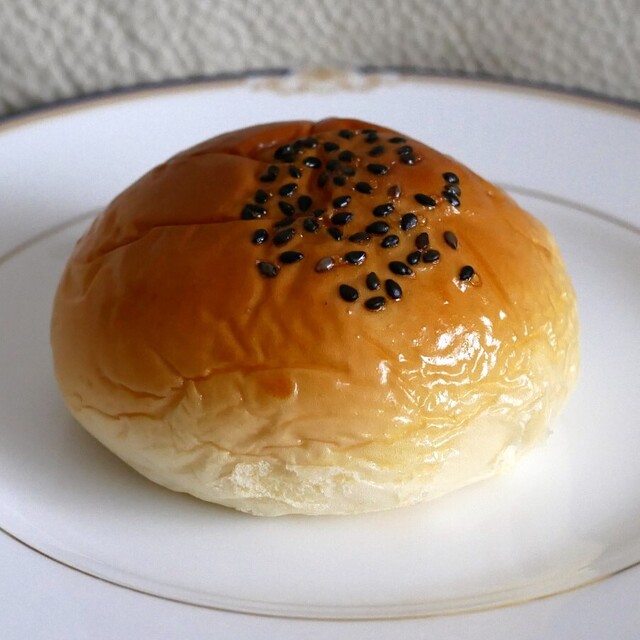
The approach is pure Nagoya Station rhythm: commuters moving in lines, shopping bags in hand, train announcements cutting through the concourse, and bakery counters doing brisk trade with people who have minutes rather than an evening. In Japan, bread shops inside major stations are not afterthoughts. They sit inside a gift economy where a small box or paper bag can carry the same social weight as a reservation dinner, especially when the occasion is a home visit, office return, family stopover, or train-platform send-off.
That is the useful way to read Kokoro ni Amai Anpanya JR nagoya ten. It is not competing with a white-tablecloth room such as MIKUNI NAGOYA, nor with high-spend Japanese dining rooms like Nako Tei or Taka Fuku Nagoya JR sentoraru tawāzu ten. It belongs to Nagoya’s lower-friction food culture, where speed, portability, and reliability matter. Tabelog’s Bread EAST “Tabelog 100” 2022 selection gives the shop a credential in a category often overlooked by visitors who only chase formal meals.
Station bread as Nagoya occasion food
Celebration dining in Japan does not always require a long table. A bakery purchase can mark smaller social moments: something carried home after work, a sweet handover before boarding, a compact thank-you after a meeting, or a treat for children on a family transfer day. Anpan, the red-bean-filled bread that became part of Japan’s modern bakery canon, sits neatly in that middle ground between snack and gift. It is inexpensive, easy to share, and familiar enough to please across generations.
That familiarity is the point. Nagoya’s station dining scene splits between destination rooms and transit-native counters. At one end are formal restaurants priced for planned meals; at the other are take-away specialists built around immediacy. Kokoro ni Amai Anpanya JR nagoya ten sits firmly in the second group, but the Tabelog bread recognition separates it from anonymous concourse convenience. For a traveler building a day around restaurants, it works as a small occasion rather than a main event: breakfast before a train, a sweet stop between hotel check-in and dinner, or a low-ceremony gift when the schedule leaves no room for a department-store search.
The comparison with nearby casual operators matters. Kounan JR sentoraru tawazu ten and ESTMARE occupy affordable station-area territory, but they answer different needs: sit-down refueling, light meals, or casual dining. A bread counter has a narrower job and a clearer advantage. It can be folded into an itinerary without turning the day around it. That is why station bakeries remain so useful in Japanese cities with major rail hubs: they solve timing, etiquette, and appetite at once.
Why the recognition matters in a casual category
Tabelog’s Hyakumeiten lists are not Michelin-style fine-dining judgments; they are category selections that often catch specialists with deep local followings. In the bread category, that distinction is useful because quality is rarely communicated through décor or ceremony. A station bakery may share visual language with dozens of others, yet selection for Bread EAST “Tabelog 100” 2022 signals that this counter belongs in a more serious conversation about Japanese baking.
For visitors, the award changes the decision. Nagoya has enough high-priced dining to fill a weekend, but a city is better understood through its small formats as well as its reservation rooms. Bread culture in Japan is hybrid by nature: European techniques filtered through local preferences for softness, sweetness, filled buns, curry breads, milk breads, and seasonal bakery cases. The anpan shop format is especially Japanese, built around a filling that predates modern café culture and a bread style absorbed into everyday life.
There is no chef narrative to lean on here, and that absence is useful. The craft is expressed through format discipline rather than personality branding. The counter is take-away only, which keeps the emphasis on selection, packaging, and movement through the station. In an age when casual food is often inflated into lifestyle theatre, this is a cleaner proposition: a recognized bread specialist in the middle of a transport hub, useful for people who want a small food memory tied to Nagoya rather than another seated meal.
How to fit it into a Nagoya food day
The strongest use case is not dinner replacement. It is punctuation. Pair a morning stop with a later restaurant booking, use it between trains, or treat it as the edible equivalent of a station omiyage. Families also make sense here because the format is low-pressure: no private room calculus, no tasting-menu pacing, no dress expectations shaping the decision. The occasion is modest, but that is not a weakness. Japanese travel eating often works through these calibrated pauses.
For a broader itinerary, place it beside the city’s other dining registers rather than inside a single ranking. A visitor comparing Nagoya options might look at 1022, 451, Aaron, Alan., and All Day Dining Montmartre for different meal structures, then use Our full Nagoya restaurants guide to sort the city by format and occasion. Travel planning around the station also benefits from Our full Nagoya hotels guide, Our full Nagoya bars guide, Our full Nagoya wineries guide, and Our full Nagoya experiences guide.
Seen against Japan’s wider casual-food map, the appeal becomes clearer. The same itinerary logic that makes.cafe in Osaka.know in Kumamoto, (Shoku) Vietnam in Kawasaki, [Curry Senmon Ten] Maruyama Kyoju. in Sapporo, -Grilled beef Sukiyaki- KAMAKURA TANUKIAN 鎌倉 たぬき庵 in Kamakura, and. 鮪と炭火焼き うお炭 秋葉原店 in Tokyo useful is format clarity. Even outside Japan, compact specialists such as Jōdo Saké Bar in Los Angeles and Onigiri Time in Pasadena show how narrow concepts can carry cultural information efficiently. In Nagoya Station, a recognized anpan counter does the same work at smaller scale.
The Quick Read
Comparable venues by cuisine and price in the same metro.
| Venue | Cuisine | Price | Notes |
|---|---|---|---|
| Kokoro ni Amai Anpanya JR nagoya tenThis venue — the venue you are viewing | Not listed | $ | Not listed |
| Joshin Ya | Nakamura, Classic Nagoya Ramen Shop | $ | Not listed |
| BUCYO COFFEE | Not listed | $ | Nakamura, Nagoya kissaten café with Ogura toast |
| Udon Nishiki | Not listed | $ | Naka, Nagoya curry udon & wheat noodles counter |
| Niboshi Chuka Soba Gyogyo | Kita, Niboshi-focused Ramen & Tsukemen | $ | Not listed |
| Heritage | Not listed | $ | Tenpaku, Traditional Nagoya Eel (Hitsumabushi) |
Recognition history
Dated appearances from independent guides and award organizations, with the underlying list record or original source where available.
Tabelog 100 #73 · No. 73
Tabelog · Tabelog 100 - Bread - EAST - 2022
Continue exploring
More in Nagoya
Restaurants in Nagoya
Browse all →
At a Glance
- Lively
- Solo
- Family
- After Work
- Casual Hangout
- Standalone
Current opening hours
- Monday
- 8 AM–10 PM
- Tuesday
- 8 AM–10 PM
- Wednesday
- 8 AM–10 PM
- Thursday
- 8 AM–10 PM
- Friday
- 8 AM–10 PM
- Saturday
- 8 AM–10 PM
- Sunday
- 8 AM–10 PM
Hours can change for holidays and private events. Last verified .
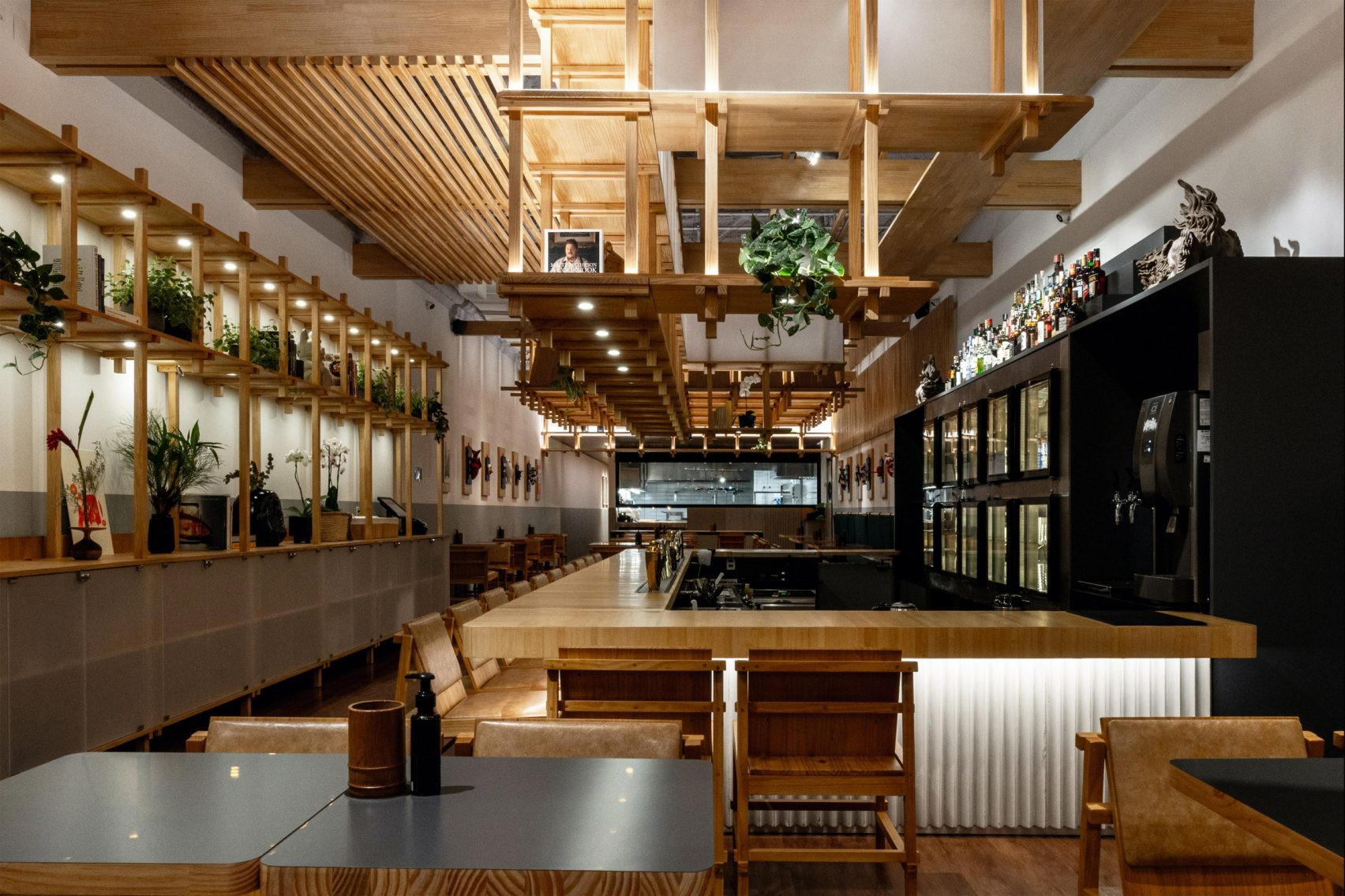
Bright, functional station-front bakery with a constant flow of customers picking up take-out bread; more about efficient service and display cases of sweet buns than sit-down comfort.