

Michelin Bib Gourmand · Tabelog 100 #89
Our verdict
toi Inshokuten is an Indian restaurant in Nara's Hanashiba district, holding the Michelin Bib Gourmand in both 2024 and 2025, a consecutive recognition that positions it among the city's most consistent value-led tables.

Pearl is the En Primeur Club membership app, where members save venues, book tables and use the concierge.
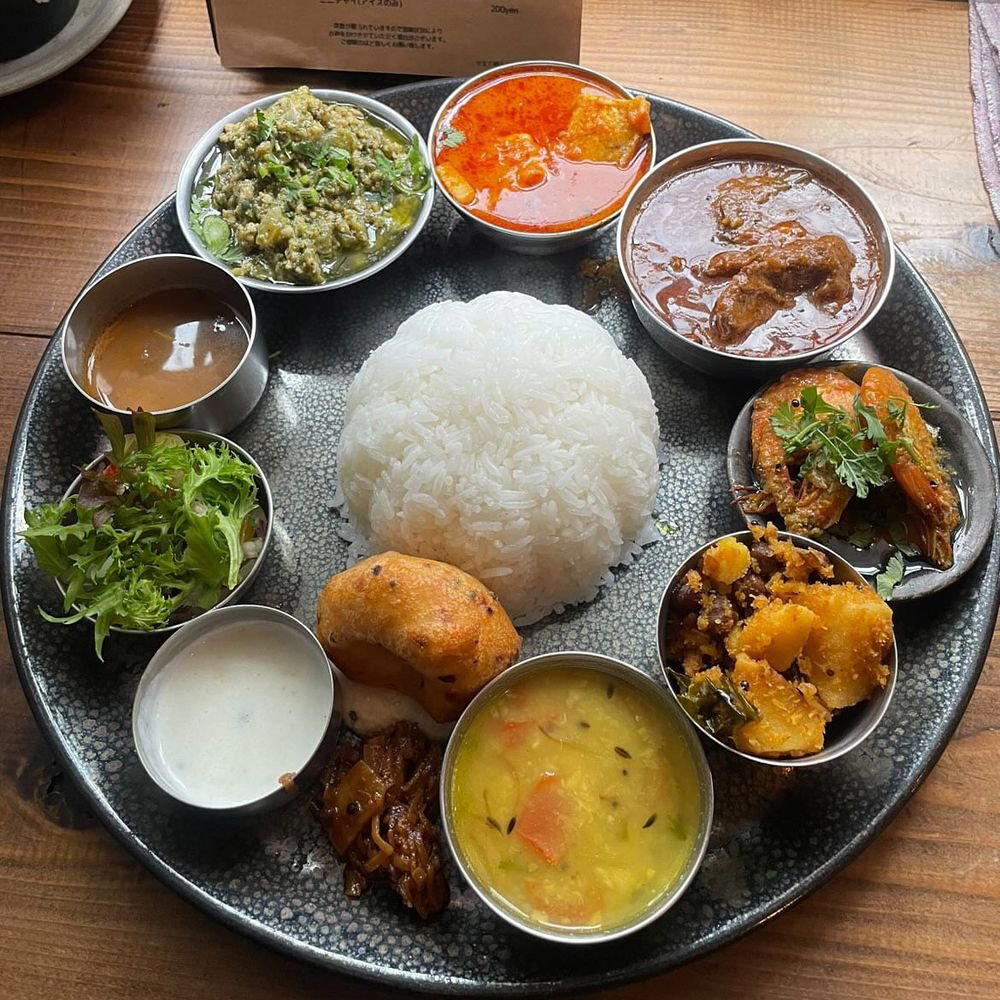
Indian Cooking in a City Built on Temples and Tofu
Nara's restaurant culture tilts heavily toward the traditions you'd expect from a UNESCO-protected city: kaiseki counters, tofu cuisine rooted in Buddhist temple cooking, and sushi bars that attract visitors from Osaka and Kyoto on day trips. Indian cooking lands in that context as a genuine outlier. And yet toi Inshokuten, on a quiet stretch at 30-3 Hanashibacho, has earned consecutive Michelin Bib Gourmand recognition in 2024 and 2025, a signal that Michelin's inspectors found something here worth returning to track. The Bib Gourmand designation, which Michelin awards specifically for good cooking at moderate prices, is a different credential than a star: it measures value as part of the verdict. In a city where ¥¥¥ kaiseki is the prestige marker, a low-price-tier Indian kitchen drawing that recognition represents a meaningful anomaly in Nara's dining makeup.
The Drink Question at an Indian Table in Japan
Across the global Indian dining scene, wine pairings have become a serious conversation in the past decade. At the high end of the category, places like Trèsind Studio in Dubai and Opheem in Birmingham, sommeliers construct lists around the tension between spice, acidity, and tannin in ways that have reshaped how the cuisine is consumed at premium tables. The argument those programs make is that Indian food, far from being wine-hostile, rewards careful selection: lower-tannin reds, aromatic whites with residual sweetness, and sparkling options that cut through fat and spice.
toi Inshokuten operates at the opposite end of that price spectrum, which means elaborate sommelier programming almost certainly isn't the story here. Japan's lower-price restaurant tier typically leans on draft beer, shochu, and sake as default beverage choices, with wine lists that are either short or absent. What makes this worth noting is the contrast it creates: the Michelin Bib Gourmand framework evaluates food quality and price value together, but a thoughtful drinks offering at this price point, even a short list of well-chosen bottles, would represent an above-expectation signal. What the Bib Gourmand does confirm is that the cooking meets a documented standard, and that standard, applied to Indian cuisine in a Japanese city of this scale, positions the drinks question as one worth asking when you book.
Chef Francesco Torcasio and the Cross-Cultural Signal
The chef on record is Francesco Torcasio, an Italian name cooking Indian food in a Japanese city. That demographic fact is not ornamental: it places toi Inshokuten in a category of cross-cultural restaurants that earn their credibility through cooking outcome rather than through assumed cultural authority. In Japan, foreign chefs running non-Japanese kitchens have a specific track record with Michelin, the guide's local editions have historically assessed such places on technical execution and consistency rather than nationality credentials. Two consecutive Bib Gourmands suggest the kitchen has passed that test repeatedly, which is more meaningful than a single recognition. In the Nara dining scene, where the comparison set includes kaiseki specialists like Oryori Hanagaki and Tsukumo, a budget-tier Indian kitchen holding its own in Michelin's annual assessments is an editorial point about Nara's openness to category diversity, not just about one chef's background.
Where toi Inshokuten Sits in Nara's Dining Tiers
Nara's Michelin-recognised restaurants cluster toward the higher price bands. akordu, the Spanish-innovative table, sits at ¥¥¥. NARA NIKON is positioned in the same tier. The kaiseki counters that define Nara's prestige dining, those comparable to what you find at Gion Sasaki in Kyoto or three-star houses like HAJIME in Osaka, operate at price points that assume a certain kind of dedicated dining trip. toi Inshokuten, priced at ¥, sits structurally below all of those, and the Bib Gourmand is precisely the mechanism Michelin uses to surface value within that lower tier. For broader context on how this fits into Nara's restaurant mix, our full Nara restaurants guide maps the city's full tier range. Masala an TAKUMI is the other Indian address worth cross-referencing in the city for anyone building a thematic itinerary around the cuisine.
The Neighbourhood and Getting There
The address, 30-3 Hanashibacho, Nara, places the restaurant in the city proper rather than in the tourist corridor immediately around Nara Park and Todai-ji. Nara is compact enough that most central addresses are walkable from the main train stations, with JR Nara Station and Kintetsu Nara Station both serving as arrival points from Osaka and Kyoto, each a 30-to-45-minute ride depending on service type. The city's low-rise density means finding a specific address typically requires more attention than in a grid-planned city like Kyoto, but the scale never becomes disorienting. Visitors planning around dining should note that Nara works well as a standalone dinner stop on a Kansai circuit rather than as a full accommodation base, though our full Nara hotels guide covers options for those staying overnight. For non-restaurant programming, our Nara experiences guide and bars guide round out the picture.
Indian Restaurants and the Michelin Recognition Pattern in Japan
Japan has become one of the more interesting testing grounds for Indian cooking's global reach. Tokyo's Indian restaurant tier has grown substantially over the past decade, with Michelin-recognised addresses now appearing across multiple price bands, from budget curry houses that have held Bib Gourmands for years to higher-concept tasting menus that sit closer to the premium end of the scene tracked at places like Harutaka in Tokyo or Goh in Fukuoka in terms of dining-event status. The pattern in smaller Japanese cities is sparser, which makes the Nara case worth attention. When a non-Japanese cuisine earns consecutive Bib Gourmand recognition in a city whose culinary identity is almost entirely defined by domestic traditions, it says something specific about the kitchen's execution rather than about category momentum. toi Inshokuten sits in that narrower reading. For readers building a broader Japan itinerary, 1000 in Yokohama and 6 in Okinawa offer reference points for how regional dining scenes absorb non-Japanese influences at different price and format levels. Our Nara wineries guide is available for those extending the trip into the region's wine and sake production context.
Planning Your Visit
The price point (¥) means a meal here sits comfortably below what most visitors budget for a Michelin-recognised table in Japan, which makes spontaneous or walk-in attempts more plausible than at starred restaurants. That said, the 4.5 rating and consecutive Bib Gourmand status mean demand likely exceeds what a small Indian restaurant in a secondary Japanese city would otherwise attract. Booking ahead is advisable, particularly for evenings and weekend slots. As a frame of reference, Nara's higher-tier comparison set, kaiseki houses in the ¥¥¥ range, typically requires reservations weeks or months in advance and imposes more formal presentation expectations. toi Inshokuten reads as the low-barrier entry point into Nara's Michelin-tracked dining, and that accessibility, combined with the credentialing, is the clearest argument for adding it to a Kansai itinerary.
Frequently asked questions
Does toi Inshokuten work for a family meal?
At ¥ pricing in Nara, a city whose premium restaurants sit several tiers above this price band, toi Inshokuten represents one of the lower-cost Michelin-recognised dining options available. That accessibility makes it a practical option for groups including children, particularly given the cuisine's broad appeal and the absence of a formal dress code on record. Indian food tends to span a wider flavour-intensity range than kaiseki or sushi omakase, which can make it easier to accommodate mixed groups.
What kind of setting is toi Inshokuten?
The venue sits at a budget price point (¥) in a mid-sized Japanese city recognised primarily for its temple heritage and traditional dining culture. Nara's Michelin-tracked dining scene is dominated by kaiseki and Japanese formats at higher price tiers, venues like akordu at ¥¥¥ and the Japanese counters covered in our Nara guide. Within that context, toi Inshokuten's Indian format and low price band position it as an informal, accessible table rather than a formal dining event.
What do people recommend at toi Inshokuten?
Chef Francesco Torcasio runs an Indian kitchen in a city with limited competition in that cuisine category, and the repeat Michelin recognition implies a consistent standard across the menu rather than one standout dish. For Indian cooking references at higher price tiers globally, Trèsind Studio in Dubai and Opheem in Birmingham offer a point of contrast.
Price and Recognition
| Venue | Cuisine | Price | Awards | Notes |
|---|---|---|---|---|
| toi InshokutenThis venue (the venue you are viewing) | Authentic South Indian Thali | $20–30 | Michelin Bib Gourmand · Tabelog 100 #89 | Not listed |
| akordu | Modern Spanish with Nara Influences | $150–200 | 2 Michelin Stars · La Liste Top Restaurants | Spanish, Innovative |
| Wa Yamamura | Traditional Kaiseki | $100–150 | 1 Michelin Star | Kaiseki, Japanese |
| Araki | Seasonal Japanese Tempura and Kaiseki | $100–150 | Michelin Plate · Tabelog Bronze #23 | Not listed |
| Tama | French with Local Nara Ingredients | $50–100 | Michelin Plate | Not listed |
| NARA NIKON | Kaiseki | $150–200 | 2 Michelin Stars · La Liste Top Restaurants | Japanese |
Recognition history
Dated appearances from independent guides and award organizations, with the underlying list record or original source where available.
Michelin Bib Gourmand
Michelin
Tabelog 100 #89 · No. 89
Tabelog · Tabelog 100 - Asian cuisine / Ethnic cuisine - WEST - 2024
Full recognition history (4 entries)
Michelin Bib Gourmand
Michelin
Michelin Bib Gourmand
Michelin
Continue exploring
More in Nara
Restaurants in Nara
All restaurants in Nara →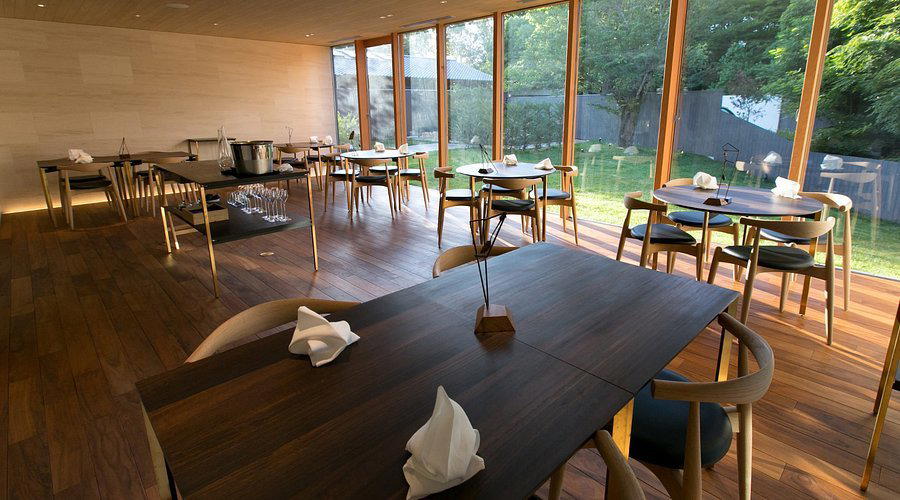


Bars in Nara
All bars in Nara →
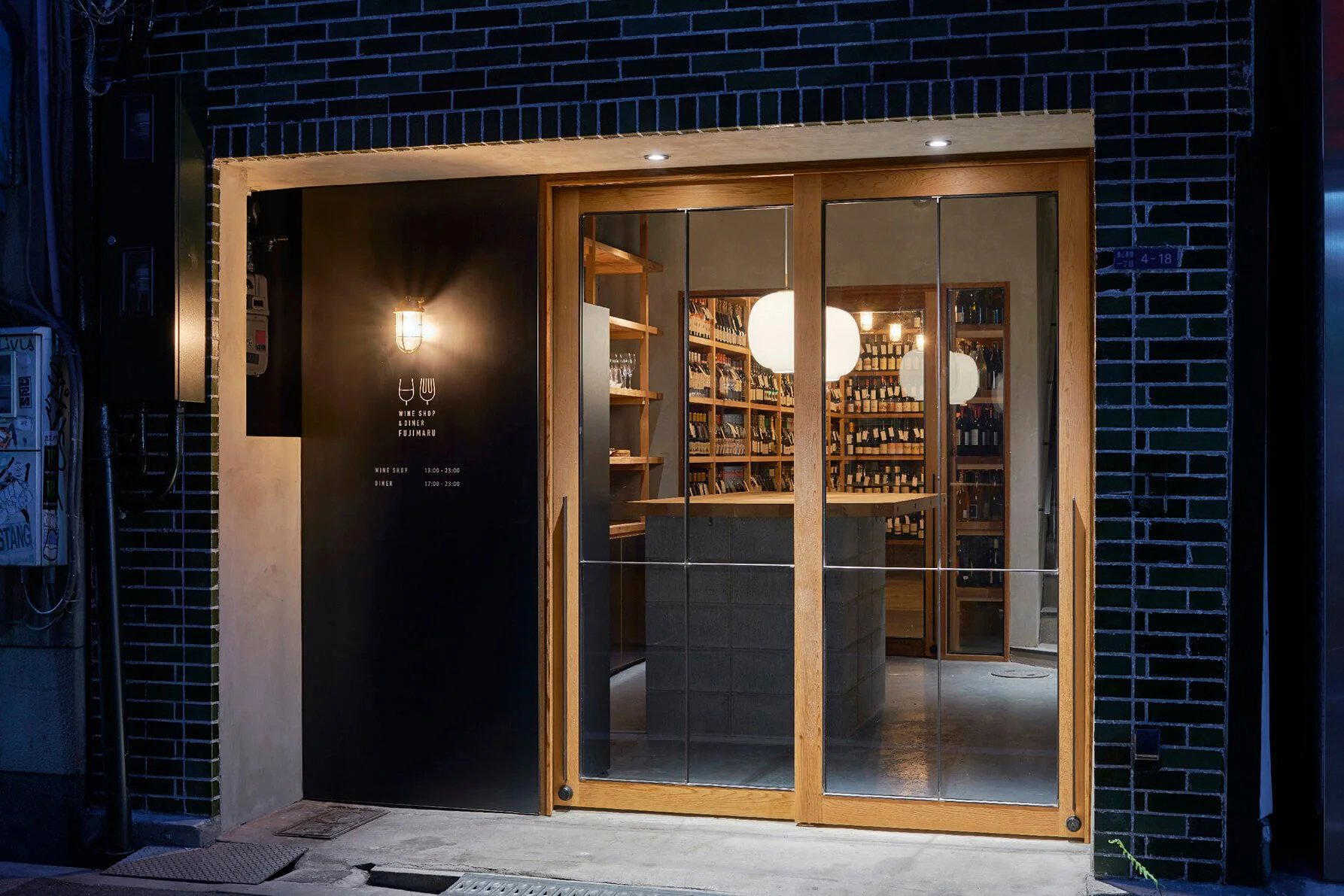
Hotels in Nara
All hotels in Nara →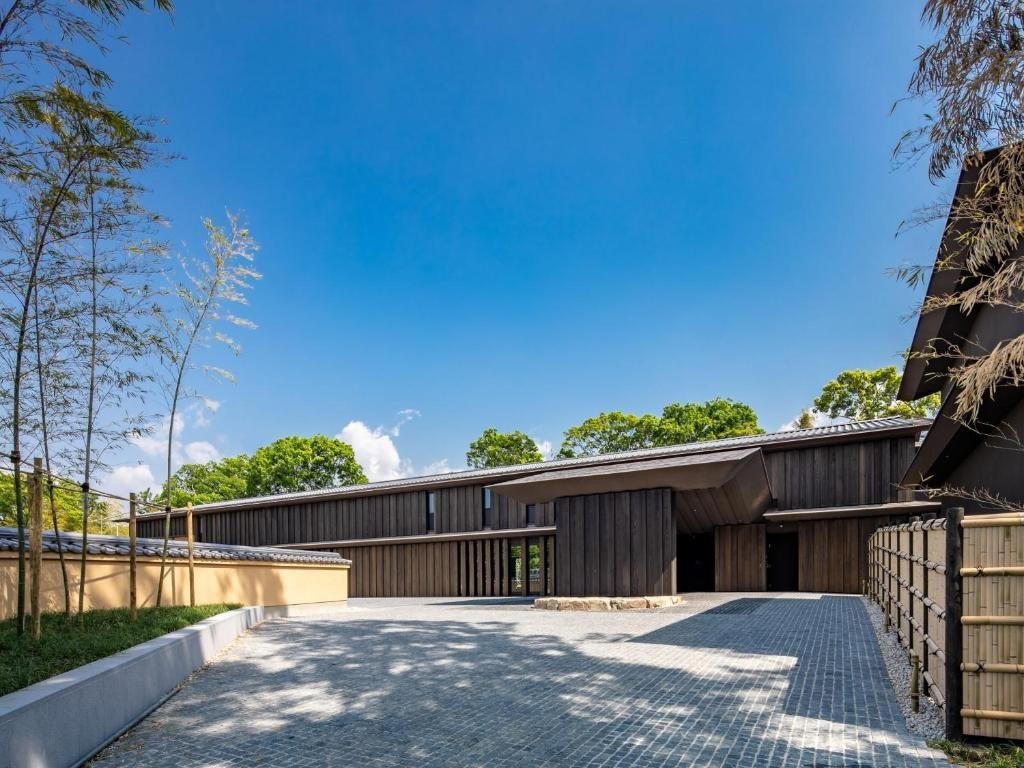

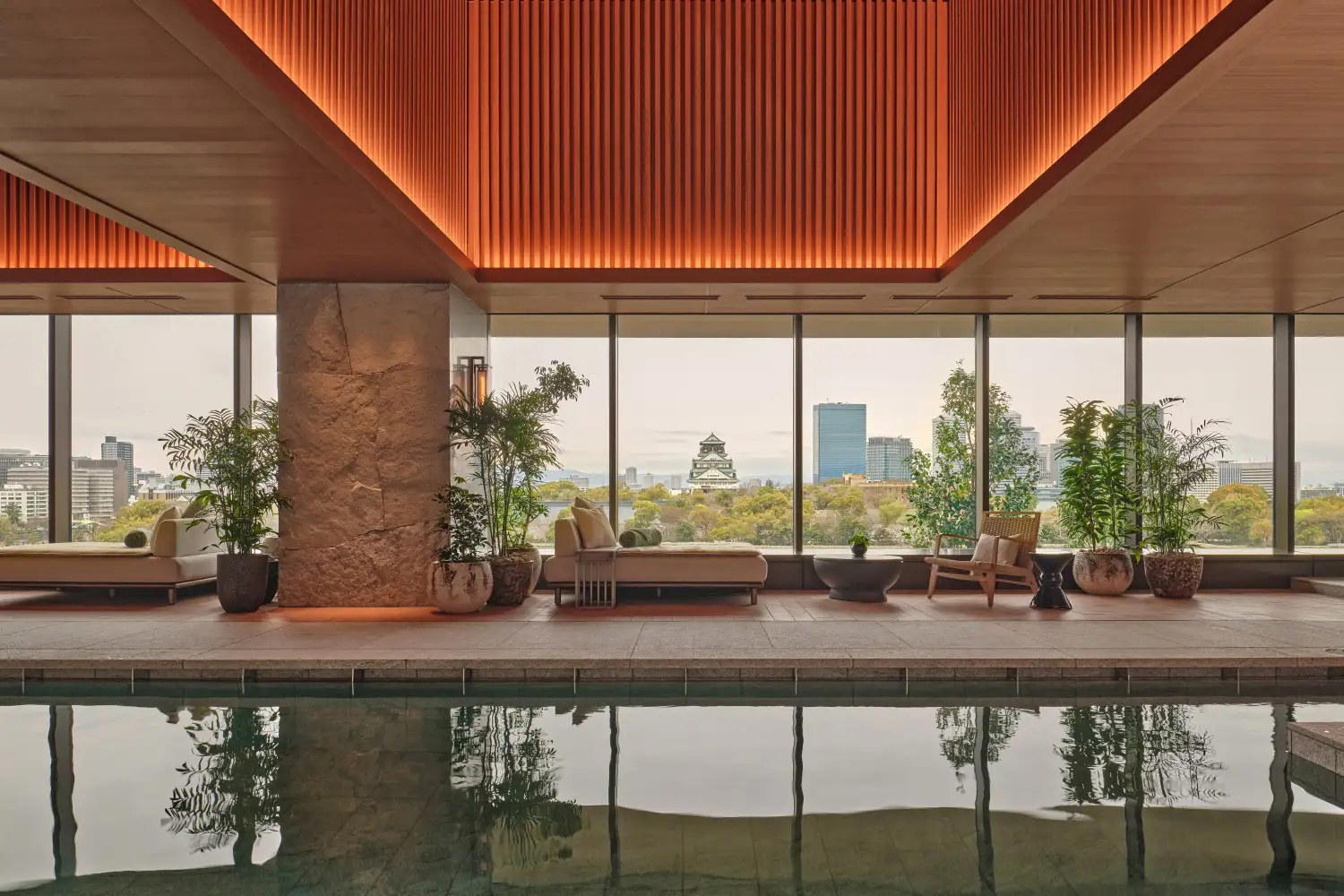


Wineries in Nara
Browse all →
Details
- Cozy
- Intimate
- Casual Hangout
- Sake Program
- Small Plates
- Vegetarian Friendly
Current opening hours
- Monday
- Closed
- Tuesday
- Closed
- Wednesday
- 11:30 AM–2:30 PM
- Thursday
- 11:30 AM–2:30 PM
- Friday
- 11:30 AM–2:30 PM, 5:30–8 PM
- Saturday
- 11:30 AM–2:30 PM, 5:30–8 PM
- Sunday
- Closed
Hours can change for holidays and private events. Hours as of .
Cozy and tasteful interior with a welcoming, intimate atmosphere.