
A Sichuan-trained chef meets Nara's local produce at this casual izakaya-style Chinese bar in Kashihara. The menu pivots around spicy chicken and mapo tofu while drawing on hyper-local ingredients, Gojo pork for steamed dumplings, Kasa-area soba worked into the repertoire. Nara sake and shochu anchor the drinks list, making this as much a drinking destination as a dining one.
Pearl is the En Primeur Club membership app — saves, bookings, and concierge access live there. Same editors, same standards.
- Address
- Japan, 〒634-0804 Nara, Kashihara, Naizencho, 4 Chome−4−5 かとうビル
- Phone
- +81 744-25-7288
- Website
- facebook.com
- Directions
- Get directions
 Saves & bookings on Pearl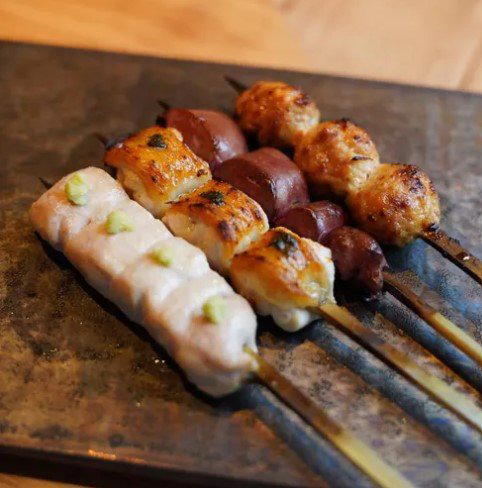
Where Sichuan Heat Meets Nara's Pantry
Kashihara sits in the quieter southern spread of Nara Prefecture, a city better known for its deer parks and ancient temples than for Chinese cooking with a Sichuan edge. That context matters when reading Shunsai Chuka Bar Mitsukan, because what the venue represents is a particular strand of regional Chinese dining that has taken root across provincial Japan: the izakaya-inflected Chinese bar, where the drinking culture of the neighbourhood absorbs the heat and intensity of Sichuan technique, and the two coexist without either diluting the other. This is not the Cantonese banquet tradition, nor the Tokyo-style ramen counter. It occupies a more informal register, one where you arrive expecting to drink well and eat seriously, in roughly equal measure.
The Menu as a Map of Two Traditions
The menu architecture at Mitsukan is the clearest signal of what the kitchen is actually doing. On one axis sits Sichuan orthodoxy: spicy chicken and mapo tofu serve as the structural anchors, dishes that require genuine command of doubanjiang balance and the management of mala, the numbing, oily heat that defines the regional tradition at its most direct. These are not approximations or toned-down adaptations for a Japanese audience. The Sichuan specialist background in the kitchen means the spice register is treated seriously.
On the other axis sits a commitment to Nara Prefecture's own agricultural identity. Gojo pork, a brand-name product from the city of Gojo in the southern part of the prefecture, goes into the steamed dumplings. This is a meaningful sourcing decision: Gojo is known among Japanese producers for a particular quality of pork, and using it for gyoza-style dumplings rather than in a more elaborate preparation suggests a kitchen that lets ingredients carry weight rather than burying them in technique. The other local integration is more unusual still: Kasa-soba, the buckwheat noodle from the Kasa area of Sakurai city, appears on the menu. Kasa-soba has a distinct regional identity within Nara, and its incorporation into a Chinese bar format speaks to a genuine interest in place rather than a perfunctory nod to local sourcing.
What this dual structure reveals is a menu that refuses to treat Chinese cuisine and Nara regionalism as separate tracks. The kitchen synthesises them, using Sichuan technique as the grammar and Nara produce as the vocabulary. That combination is less common than the ingredients list might suggest. Most Chinese restaurants in provincial Japanese cities either import everything from metropolitan suppliers or adopt local ingredients in superficial ways. The cross-referencing here reads as more considered.
Chugokusai Naramachi Kuko represents another angle on Chinese cooking in Nara, while akordu and SHUN-GYO demonstrate how Nara's dining scene is increasingly willing to hold serious technique at accessible price points. Mitsukan operates in the same accessibility register, its single-yen price tier places it well below the kaiseki and fine-dining options that define much of Nara's higher-end reputation, venues like Oryori Hanagaki or NARA NIKON.
The Drinks List as the Third Column
In izakaya-inflected formats across Japan, the drinks program is not an afterthought, it is frequently the reason locals return. Mitsukan's stated focus on Nara sake and shochu positions the bar as a local product advocate within a Chinese cooking context. Nara has a long claim on sake production: the prefecture is among the oldest sake-making regions in Japan, with some historical accounts tracing systematic brewing practices to Nara-area temples centuries before Fushimi or Nada developed their industrial-scale industries. Drinking Nara sake alongside mapo tofu is not a gimmick; it reflects how seriously the venue weights its local identity.
The shochu selection adds a second register to the drinks architecture. Where sake pairs naturally with lighter preparations and dumplings, shochu, particularly the imo and mugi varieties common in Japanese casual dining, can hold its own against the chilli oil and doubanjiang backbone of Sichuan dishes. The decision to be deliberate about both categories suggests the kitchen and bar are conceived as one integrated offer rather than a restaurant that happens to sell drinks.
This positioning places Mitsukan in an interesting peer comparison when viewed against Chinese bar formats in major cities. Restaurant Tim Raue in Berlin and Mister Jiu's in San Francisco both demonstrate how Chinese culinary frameworks can anchor serious hospitality programs in non-Chinese cities. Mitsukan operates at a completely different scale and price point, but the underlying logic, Chinese technique as a primary frame rather than a secondary or fusion element, connects them across categories.
Setting and Practical Considerations
The venue occupies a building in Kashihara's Naizencho district, a low-density residential and commercial zone in the southern prefecture that sees significantly less tourist foot traffic than central Nara city or the Naramachi district. This matters for visit planning: Kashihara is accessible from central Nara and from the Kintetsu rail network that links Nara to Osaka and Kyoto, but travellers staying in central Nara should factor in travel time. The ¥ price point makes it an accessible stop in a multi-venue day, and the bar-first atmosphere means solo diners and small groups are the natural fit.
The izakaya register means the experience is informal: expect counter or table seating calibrated for drinking alongside eating, not a prolonged multi-course progression. Reservations are recommended, and the bar is open Monday through Saturday from 5 PM to midnight, with Sunday closed.
Elsewhere in the Kansai and broader Japan network, Gion Sasaki in Kyoto, HAJIME in Osaka, Harutaka in Tokyo, Goh in Fukuoka, 1000 in Yokohama, and 6 in Okinawa map the range of serious dining across the country.
Where the Accolades Land
Comparable venues nearby, for context on price, style, and recognition.
| Venue | Cuisine | Price | Awards | Notes |
|---|---|---|---|---|
| Shunsai Chuka Bar MitsukanThis venue — the venue you are viewing | Sichuan Chinese Bar | $$ | Bib Gourmand | Not listed |
| Pizzeria Luna Nuova | Neapolitan Pizza | $$ | Bib Gourmand | Nara |
| Noto Toto Teuchisoba Tabiki | Handmade Teuchi Soba | $$ | Bib Gourmand | Nara |
| GENMAIAN | Dining | Not listed | Michelin Plate | Nara |
| Shikinoaji Enzu | Seasonal Kappo | $$ | Bib Gourmand | Nara |
| Nidaime Izumosoba Dandan | Izumo Soba | $$ | Michelin Plate | Nara |
Recognition history
Dated appearances from independent guides and award organizations, with the underlying list record or original source where available.
Michelin Bib Gourmand
Michelin
Continue exploring
More in Nara
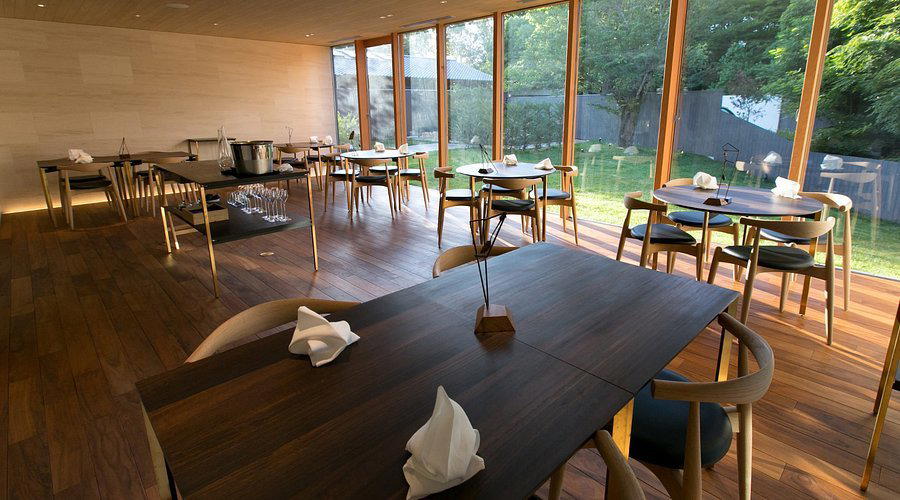




Bars in Nara
Browse all →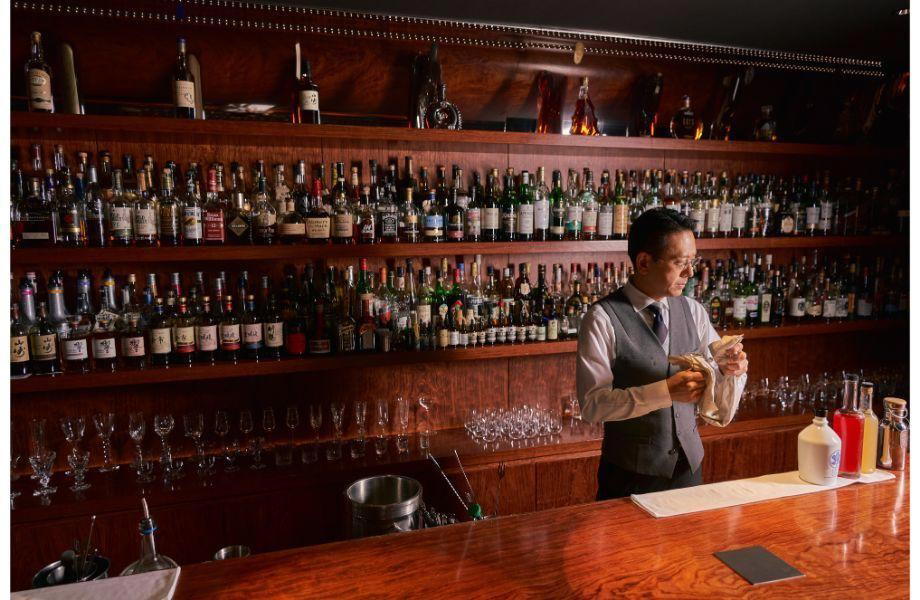
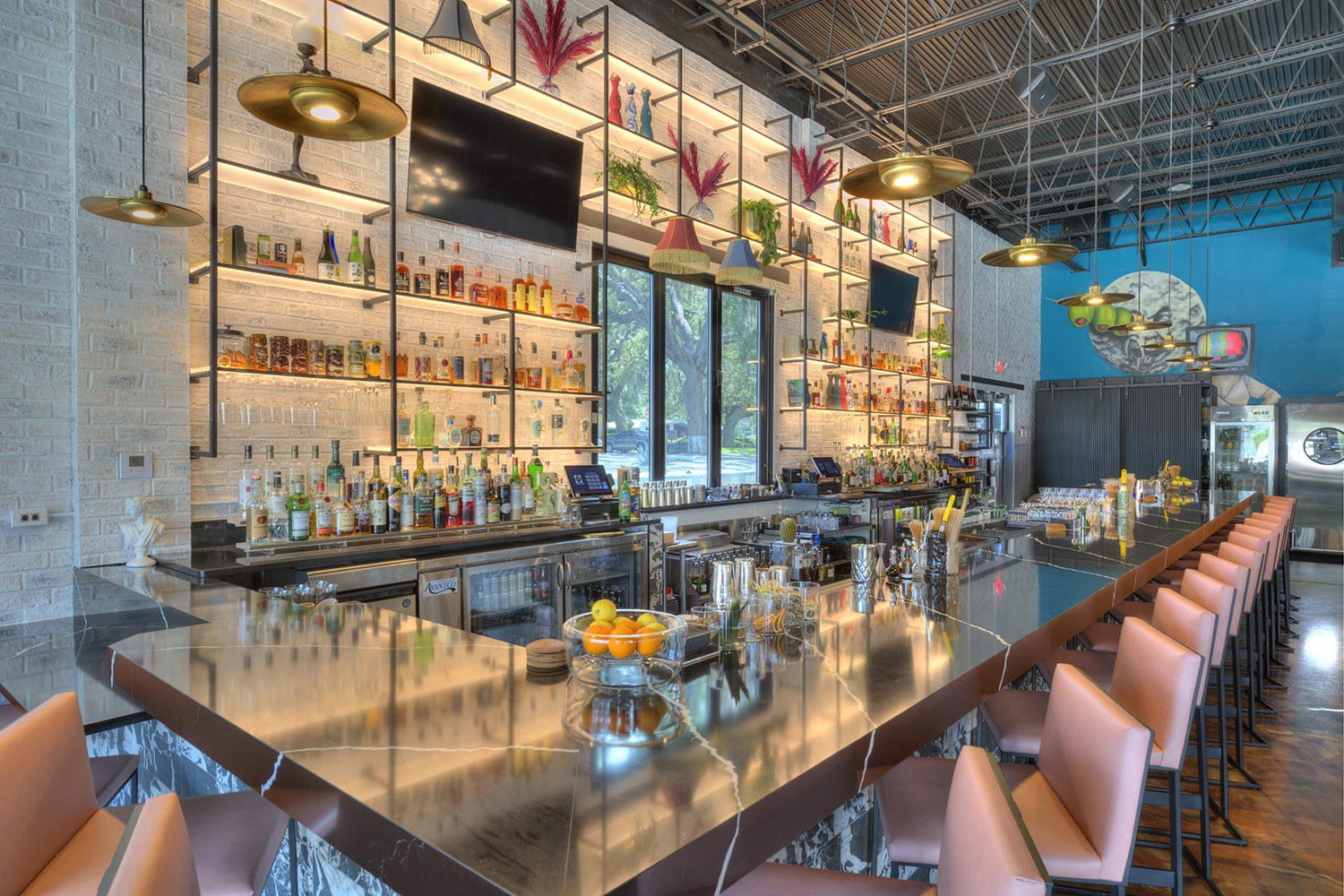

Hotels in Nara
Browse all →




Wineries in Nara
Browse all →
At a Glance
- Lively
- Casual
- Cozy
- Casual Hangout
- After Work
- Group Dining
- Sake Program
- Local Sourcing
Current opening hours
- Monday
- 5 PM–12 AM
- Tuesday
- 5 PM–12 AM
- Wednesday
- 5 PM–12 AM
- Thursday
- 5 PM–12 AM
- Friday
- 5 PM–12 AM
- Saturday
- 5 PM–12 AM
- Sunday
- Closed
Hours can change for holidays and private events. Last verified .
Casual izakaya-like atmosphere with a lively, relaxed vibe focused on drinking and dining.