A trattoria address on Via Santa Maria in Carrara's historic centre, Tognozzi draws its identity from the Apuan coast and marble-country hinterland that surrounds it. In a city better known for its quarries than its restaurant scene, it represents the kind of neighbourhood anchor that keeps local culinary tradition in circulation without chasing trend or spectacle.
Pearl is the En Primeur Club membership app — saves, bookings, and concierge access live there. Same editors, same standards.
- Address
- Via Santa Maria, 12, 54033 Carrara MS, Italy
- Phone
- +393958571750
- Directions
- Get directions
 Saves & bookings on Pearl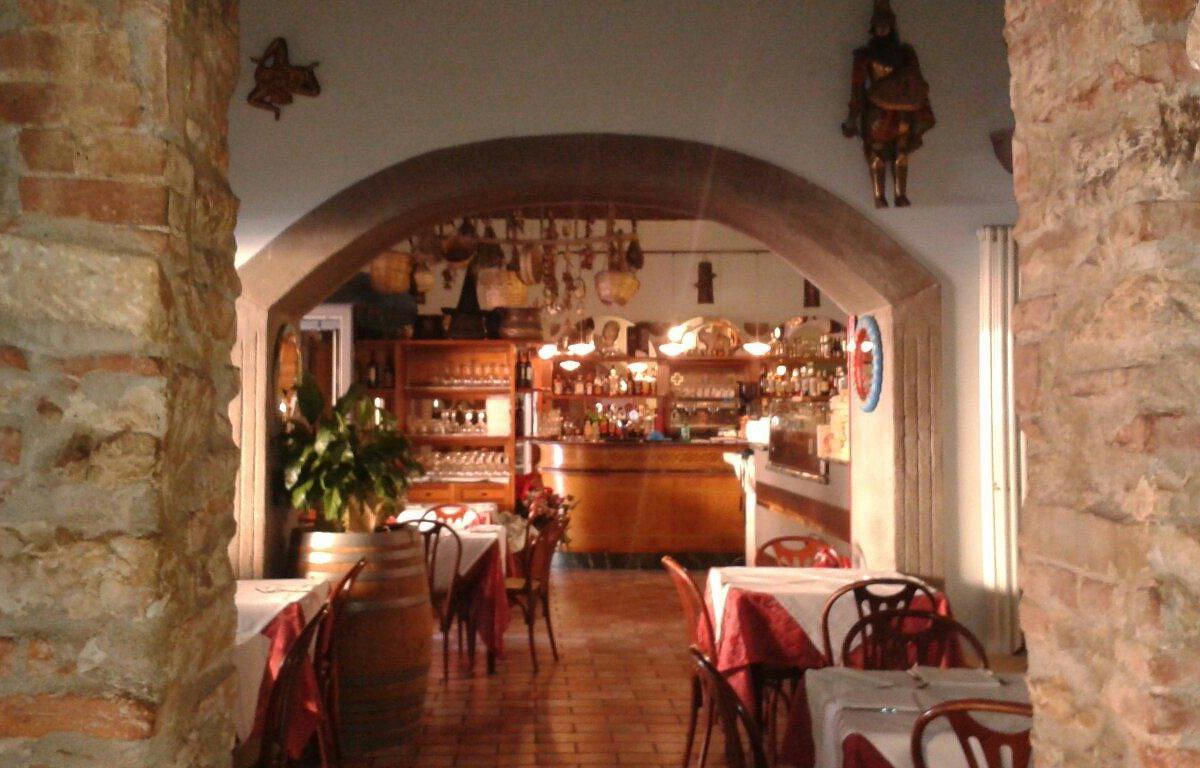
Where Marble Country Meets the Table
Carrara sits at an unusual intersection: a working industrial city whose white stone has filled the world's great sculpture studios for two millennia, and a coastal Tuscan town close enough to the Ligurian border that its food draws from two distinct regional traditions. The city's dining scene has never courted the attention that Modena, Florence, or Alba attract, venues like Osteria Francescana in Modena or Piazza Duomo in Alba sit in a different category entirely, in cities where gastronomy is part of the civic identity. Carrara's relationship with food is less performative and more functional: it feeds quarrymen, marble traders, and sculptors, and the leading tables here tend to be ones that have absorbed that unpretentious register without abandoning craft.
Tognozzi, at Via Santa Maria 12 in the city's historic core, occupies that register. The address places it in the older fabric of Carrara rather than on the seafront strip toward Marina di Carrara, which matters: this is the part of the city where the marble dust still settles on the streets and the lunch crowd is more likely to be local than tourist. Approaching the address, you are in the company of stone, carved doorways, pale facades, the particular silence of a city built from its own quarried landscape.
Ingredient Geography: What the Apuan Arc Puts on the Plate
The editorial angle for understanding Carrara's serious tables is always ingredient geography. The city is flanked on one side by the Apuan Alps, whose high pastures and chestnut forests produce distinct larder items, lardo di Colonnata, Italy's most studied cured fat, comes from a village barely five kilometres into those hills. On the other side, the Ligurian Sea delivers the same catch that supplies coastal kitchens from La Spezia down through the Cinque Terre: anchovies, sea bass, octopus, and the smaller rockfish that go into the region's brodetti.
This dual sourcing logic, mountain and sea compressed into a short radius, is what distinguishes the better trattorie in this part of Tuscany from their counterparts further south. At restaurants anchored to this geography, you tend to find lardo used not as a novelty ingredient but as a structural one, the same way chefs in Emilia use butter or those in Liguria use oil. Tognozzi sits within that local supply logic.
Contrast this with the sourcing frameworks of Italy's most-discussed fine dining addresses: Atelier Moessmer Norbert Niederkofler in Brunico has built its identity explicitly around Alpine-only ingredients as a declared philosophy, and Dal Pescatore in Runate draws from the Po Valley's agricultural depth. Carrara's trattorie rarely articulate their sourcing in those conceptual terms, but the geographic constraints are no less real: the Apuan coast and hinterland is a short supply chain by physical necessity.
The Carrara Dining Tier and What It Implies
Carrara's restaurant scene operates at a different price register than Italy's destination dining cities. The fine dining bracket, the €€€€ tier occupied by Enoteca Pinchiorri in Florence, Le Calandre in Rubano, or Enrico Bartolini in Milan, is largely absent here. What Carrara has instead is a mid-market trattoria culture that can occasionally deliver cooking of real quality precisely because it is not trying to compete in that national conversation.
Tognozzi fits within this pattern. The address and context place it in the neighbourhood-trattoria category rather than in any destination-dining bracket. For the reader calibrating expectations: this is Carrara on Carrara's own terms, not a scaled-down version of what you would find at Uliassi in Senigallia or Quattro Passi in Marina del Cantone.
Within Carrara itself, the comparison set includes Extra and Il Narciso, both of which represent the Italian Contemporary direction that has gained ground in smaller Tuscan cities. Tognozzi's positioning relative to those addresses is one of the more interesting local-tier questions for anyone spending meaningful time in the city.
What the Setting Tells You
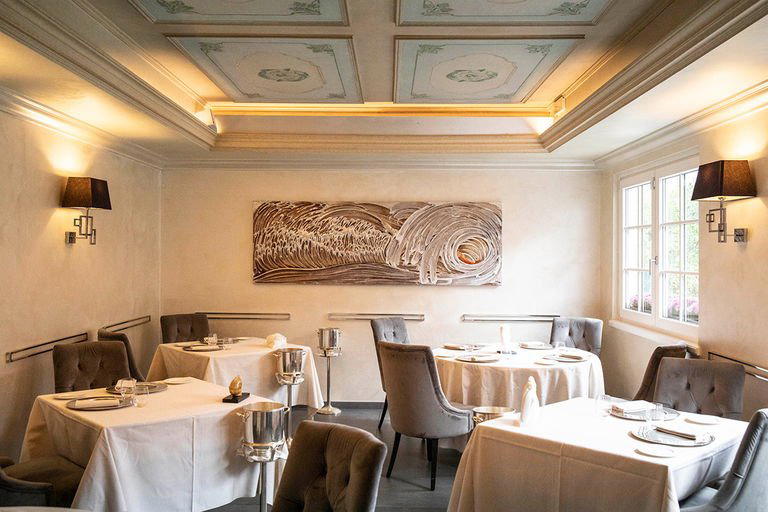
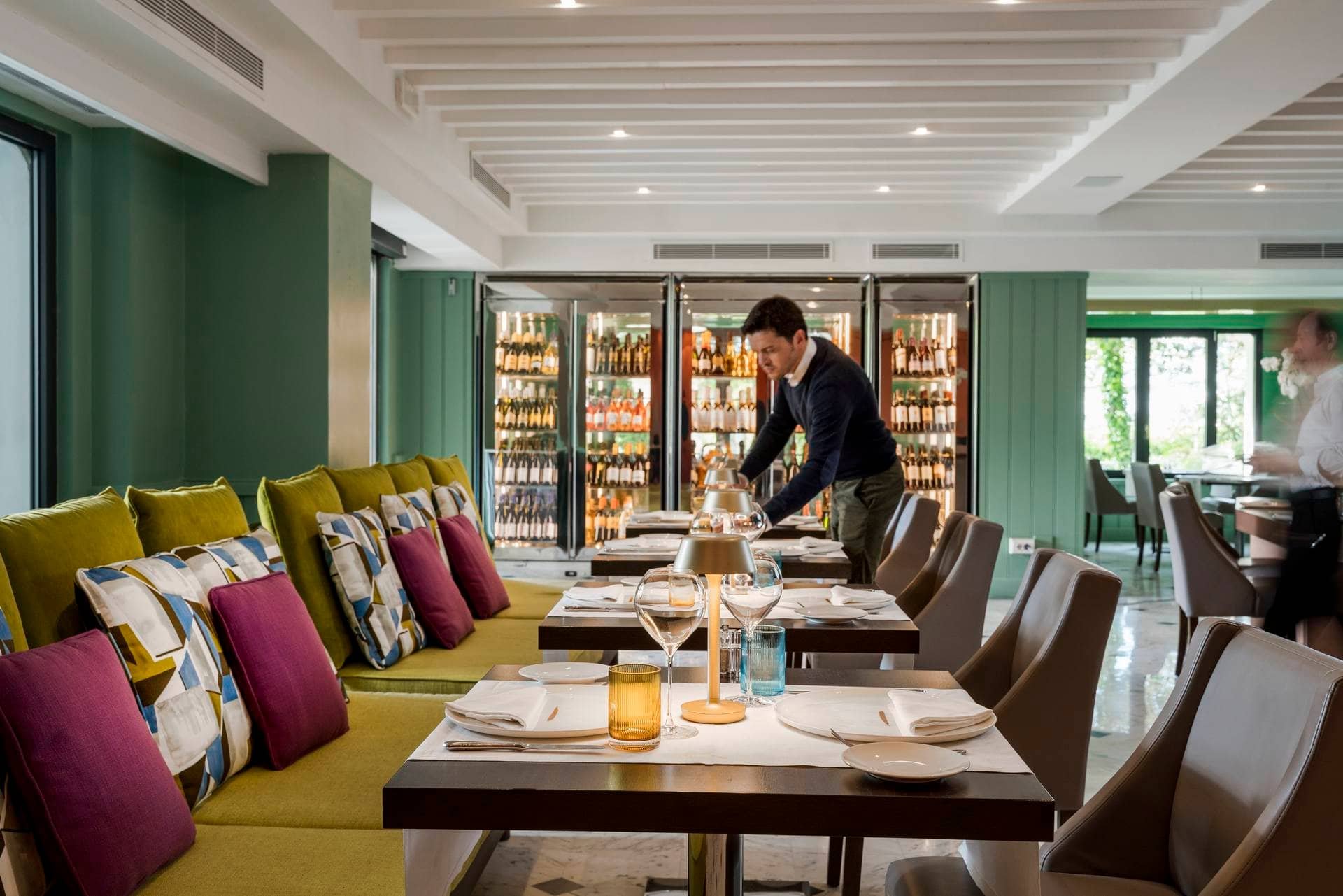
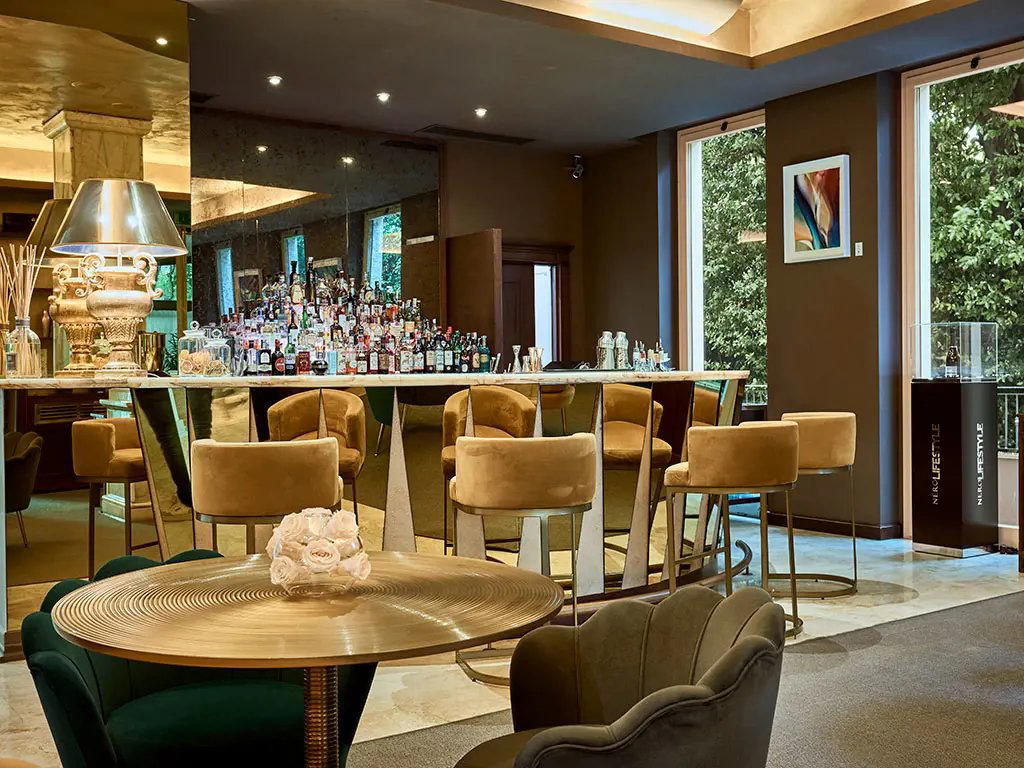
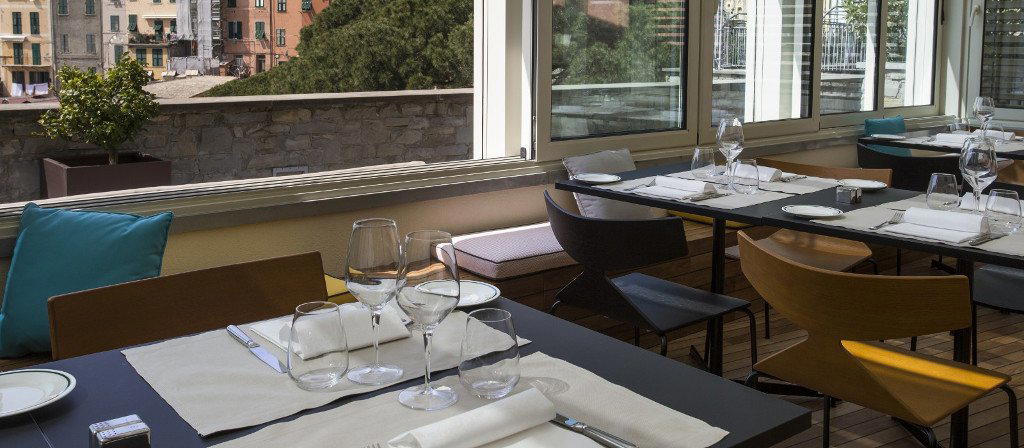
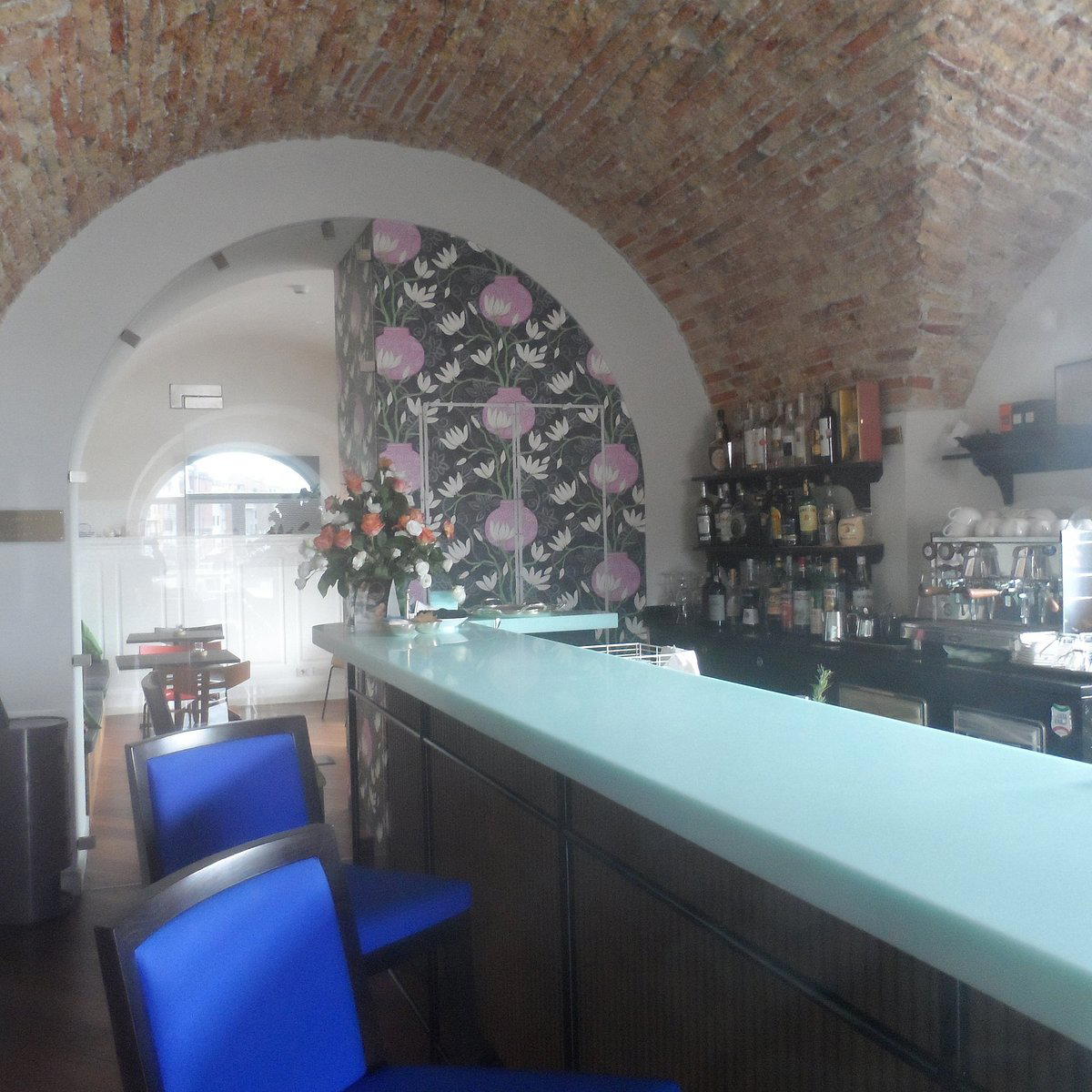
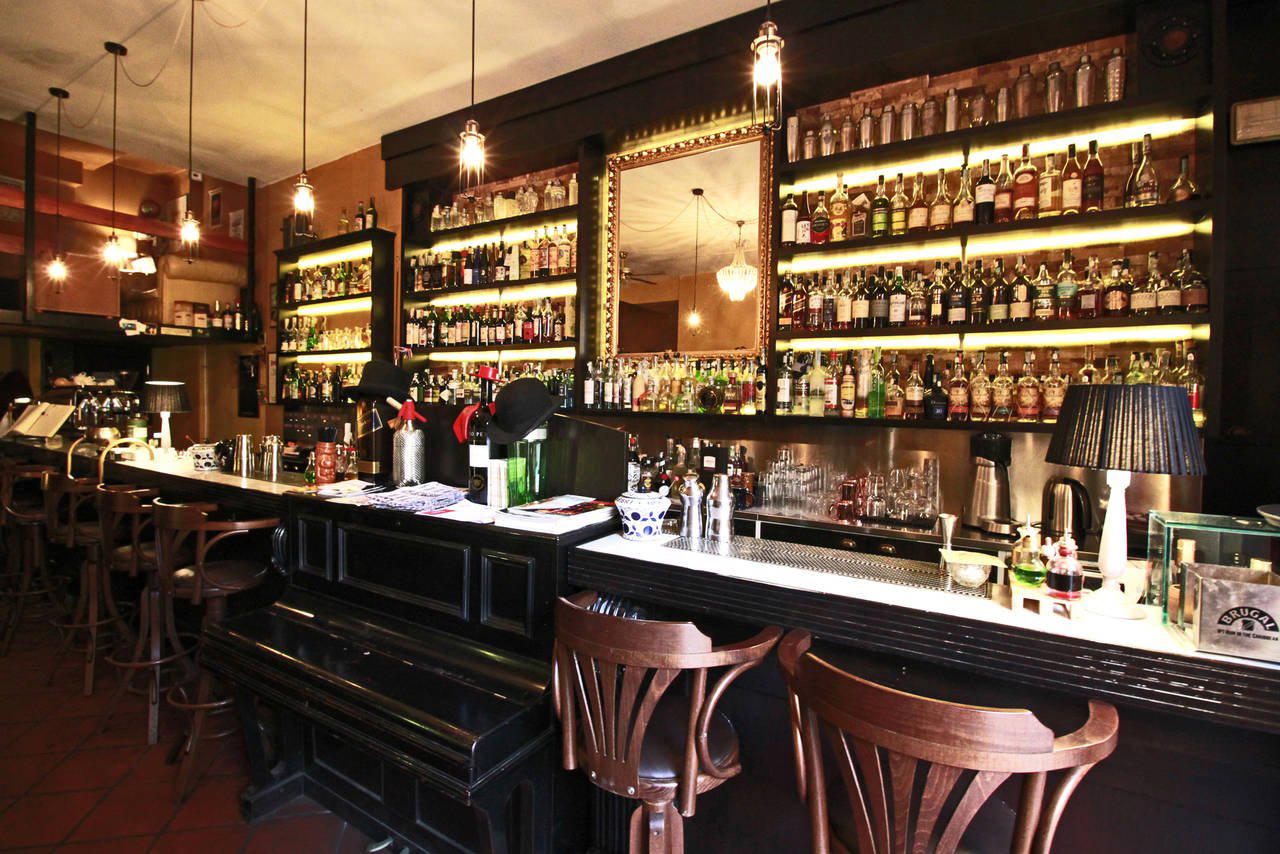
Trattorie in cities like Carrara tend to carry a physical legibility that their counterparts in major food cities have lost. The room often communicates the menu before you read it: mismatched chairs, handwritten specials boards, tables close enough together that the conversation at the next table functions as a live review. This is the anti-design school of Italian restaurant aesthetics, and it has produced some of the country's most consistent cooking over the past century, because the absence of interior investment tends to concentrate resources on the plate.
The Via Santa Maria address in the historic centre is consistent with that kind of long-established neighbourhood anchor rather than a designed room built for a particular demographic. That distinction matters when planning a visit: the atmosphere here is a function of place and local habitual use, not of a deliberate hospitality concept.
Planning a Visit
Carrara is most practically reached from Pisa Airport, which serves a range of European carriers and sits roughly forty kilometres south. The city has a train station on the main Pisa-La Spezia line, making it accessible from both Tuscan and Ligurian bases. Via Santa Maria is in the walkable historic centre, which means no car is needed once in the city.
The practical recommendation is to make contact through the venue directly on arrival in Carrara. In a city at this scale, walk-in culture at lunchtime is often more viable than at comparably-priced addresses in larger Italian cities. The venue is walk-in friendly, with hours of Mon: 8:30 AM to 8:30 PM; Tue: 8:30 AM to 8:30 PM; Wed: 8:30 AM to 8:30 PM; Thu: 8:30 AM to 8:30 PM; Fri: 8:30 AM to 8:30 PM; Sat: 8:30 AM to 9 PM; Sun: Closed.
For readers building a wider Italian itinerary around serious restaurant visits, Carrara works as a detour from a Ligurian or northern Tuscan circuit rather than as a primary destination. The city's marble heritage gives it a legitimate draw independent of its food, and venues like Reale in Castel di Sangro, Casa Perbellini 12 Apostoli in Verona, or Da Vittorio in Brusaporto represent the kind of destination-dining anchors around which a longer Italian route can be built, with Carrara as a local-flavour counterpoint rather than a peer comparison.
Comparable Spots, Quickly
Comparable venues nearby, for context on price, style, and recognition.
| Venue | Cuisine | Price | Awards | Notes |
|---|---|---|---|---|
| TognozziThis venue — the venue you are viewing | Traditional Italian Pizzeria | $ | Not listed | Not listed |
| Extra | Modern Italian Seafood | $$$ | Michelin Plate | Marina di Carrara |
| Il Narciso | Contemporary Italian Seafood | $$$ | Michelin Plate | Marina di Carrara |
| Semel Street Food | Tuscan Street Food Panini | $ | Not listed | Ricorboli |
| Venchi Cioccogelateria | Italian Chocolate Gelateria | $$ | Not listed | San Marco |
| Ristorante da Cherubino | Traditional Venetian Trattoria | $$ | Not listed | San Marco |
At a Glance
- Historic
- Rustic
- Cozy
- Casual Hangout
- Family
- Historic Building
Current opening hours
- Monday
- 8:30 AM–8:30 PM
- Tuesday
- 8:30 AM–8:30 PM
- Wednesday
- 8:30 AM–8:30 PM
- Thursday
- 8:30 AM–8:30 PM
- Friday
- 8:30 AM–8:30 PM
- Saturday
- 8:30 AM–9 PM
- Sunday
- Closed
Hours can change for holidays and private events. Last verified .
Historic and warmly decorated space evoking an 80s inn with kind, welcoming staff.