Sciabola

Inside the St. Mauritius hotel on Via XX Settembre, Sciabola brings chef Alessandro Ferrarini's seafood-led cooking to one of Forte dei Marmi's quieter dining rooms. The menu runs both tasting and à la carte formats, with a Mediterranean focus on local catch alongside a handful of land-based options. Service is led by an experienced maître working with a young front-of-house team.
Pearl is the En Primeur Club membership app — saves, bookings, and concierge access live there. Same editors, same standards.
- Address
- Via XX Settembre, 28, 55042 Forte dei Marmi LU, Italy
- Phone
- +39 0584 787157
- Website
- ristorantesciabola.it
- Directions
- Get directions
 Saves & bookings on Pearl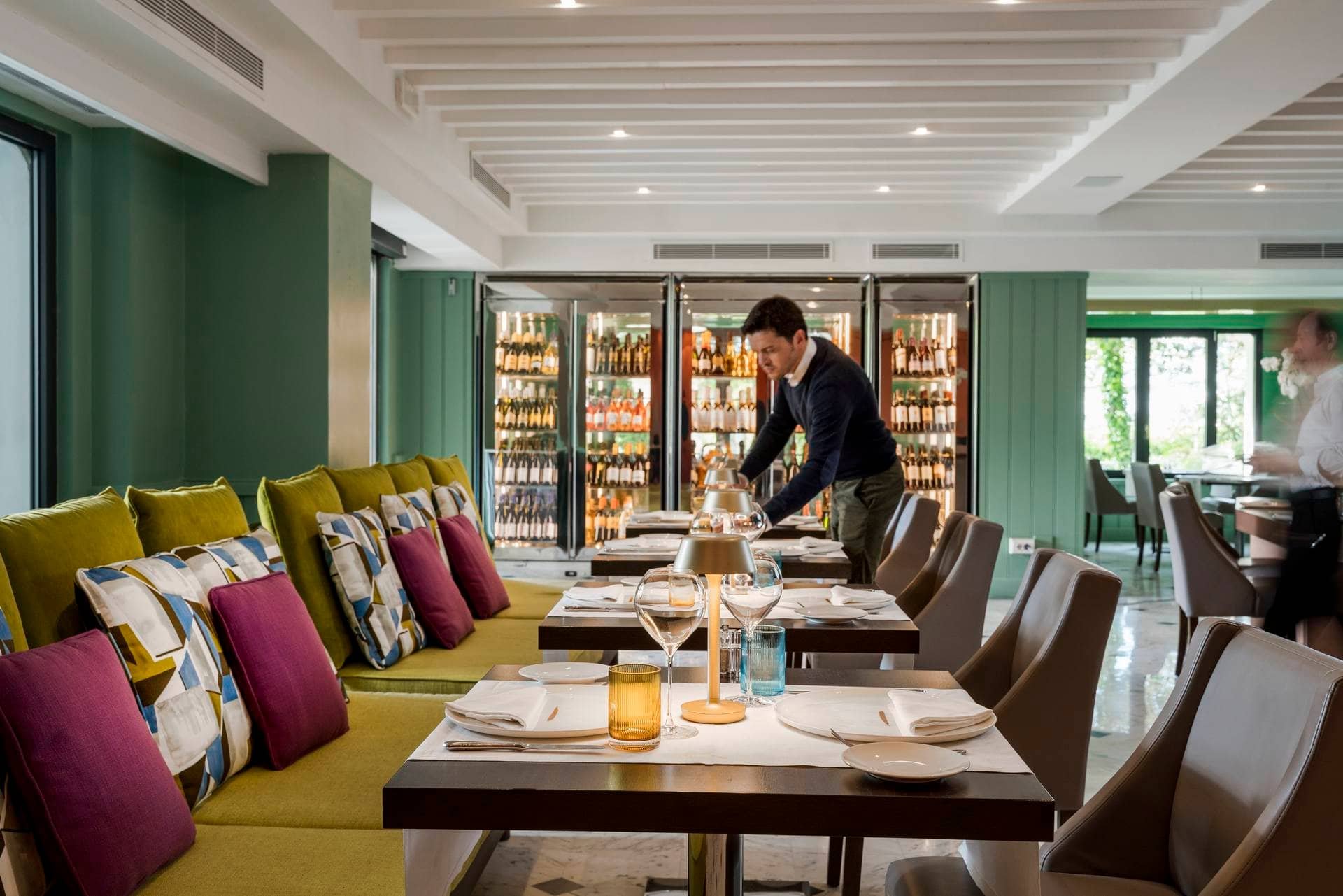
The Hotel Dining Room as a Distinct Format
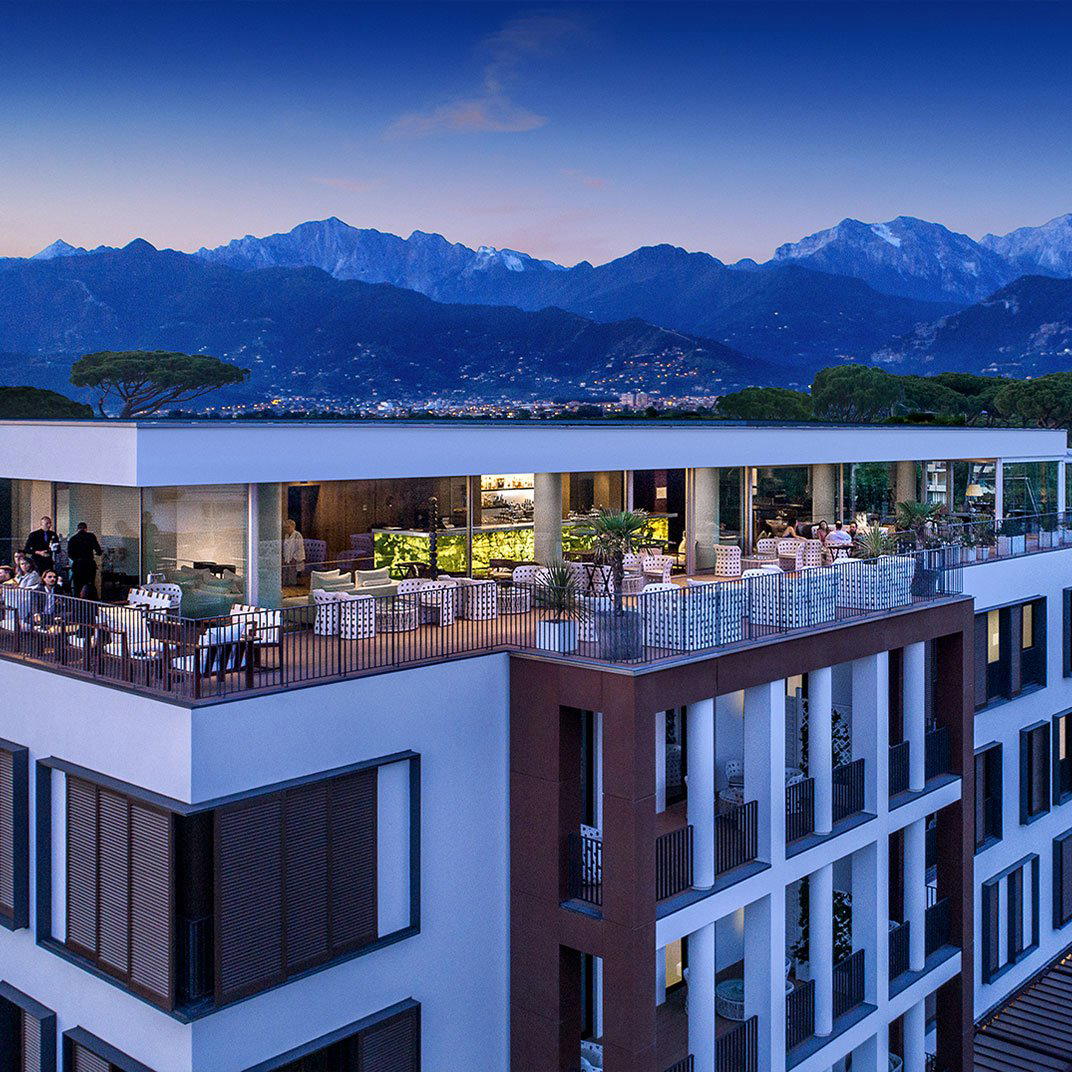
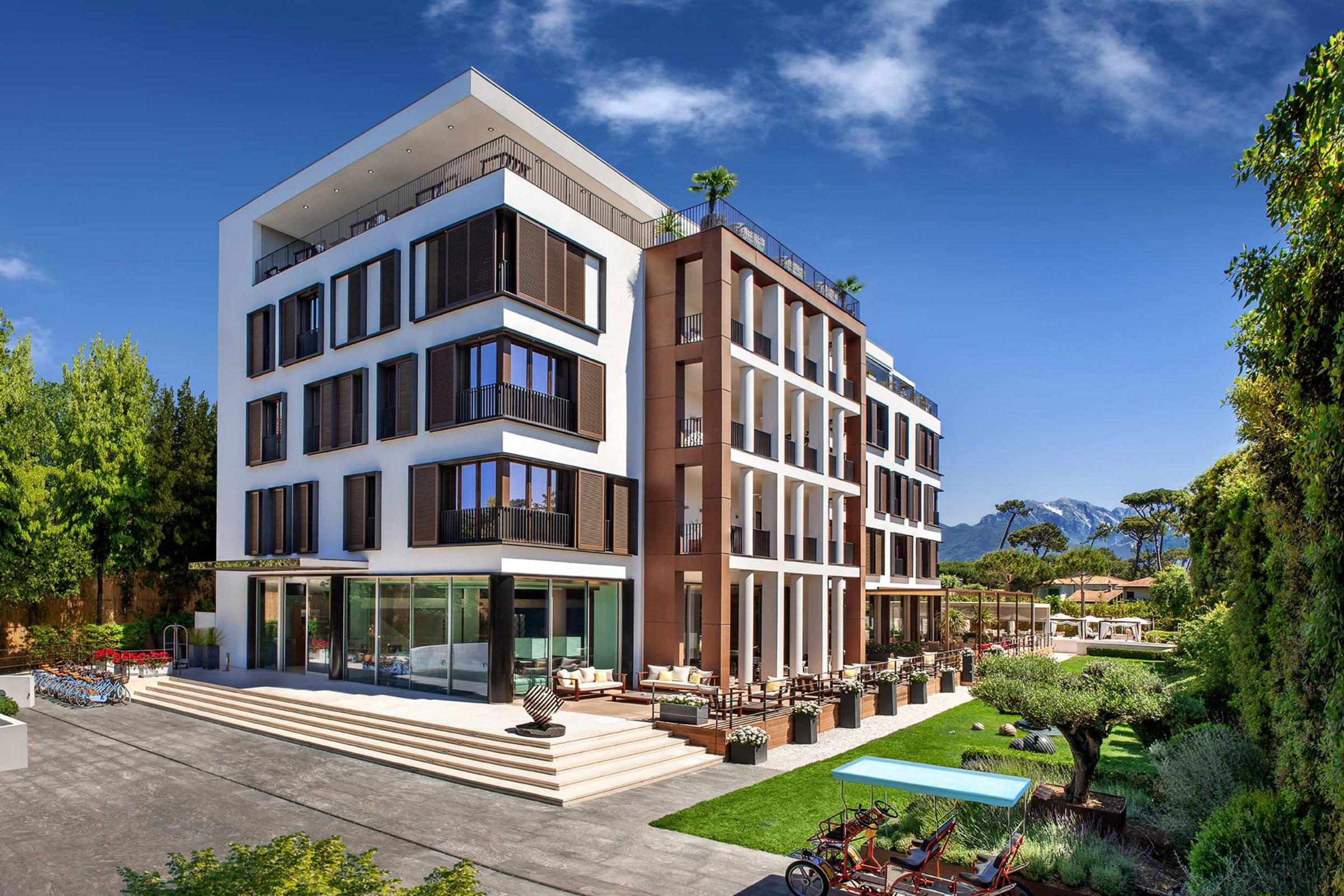
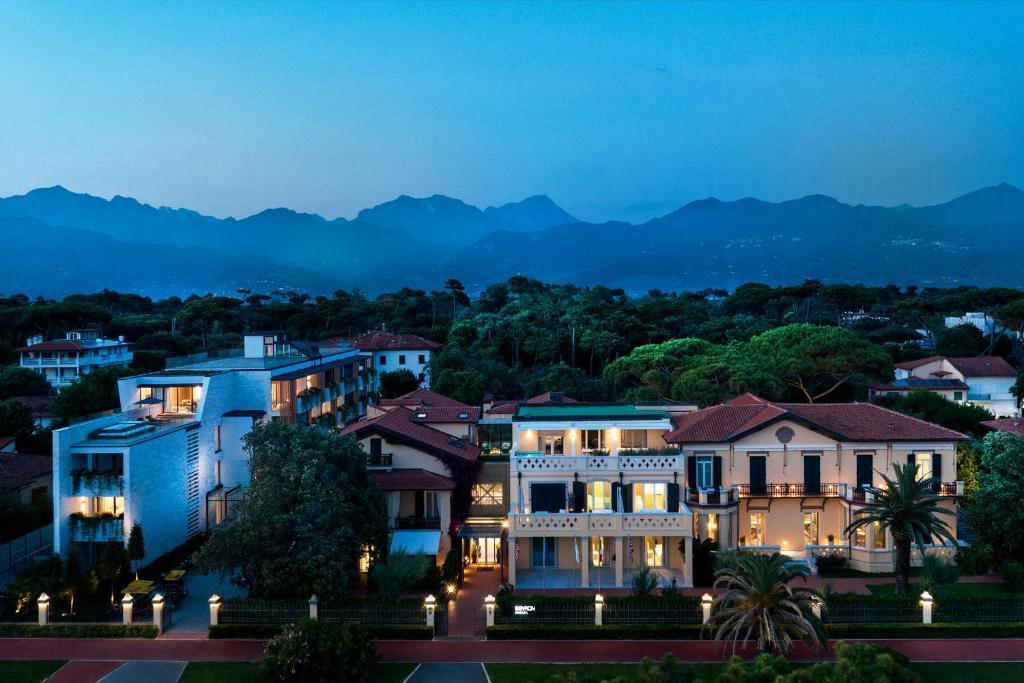
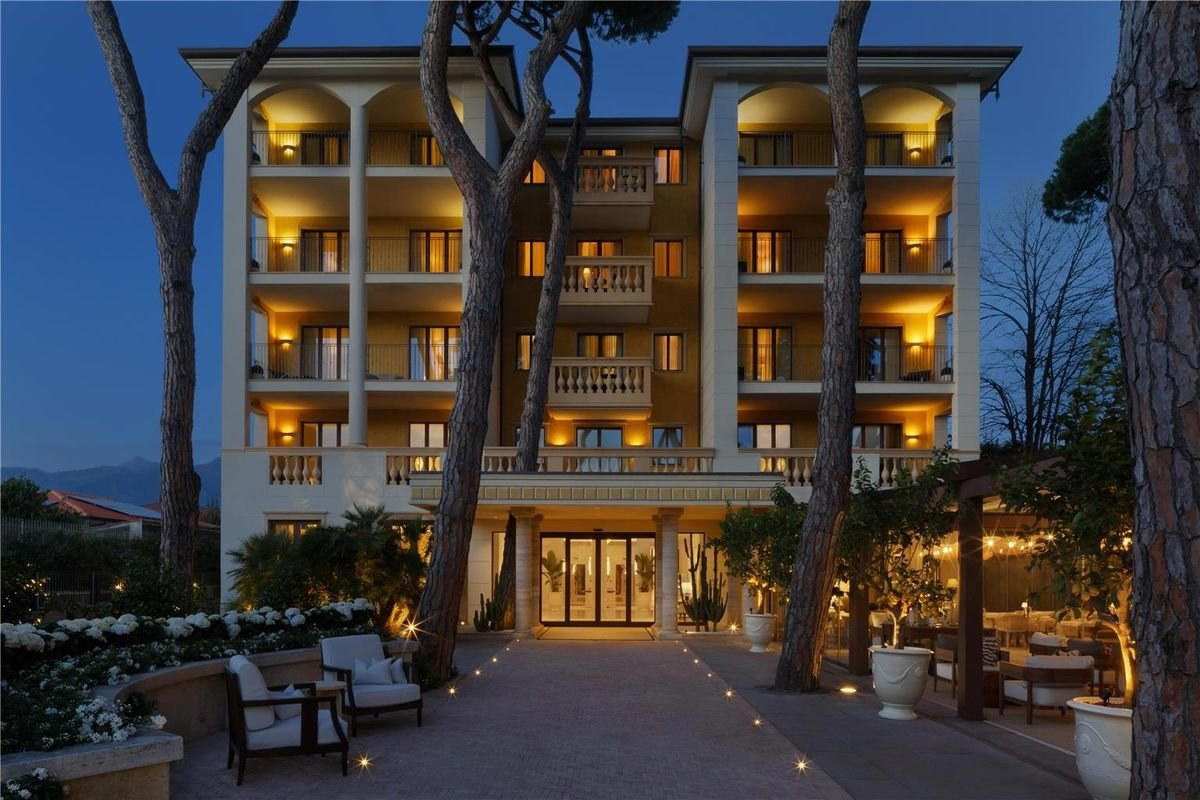
Forte dei Marmi's restaurant scene divides fairly cleanly between freestanding destination addresses and hotel dining rooms that draw as much from their guest list as from walk-in trade. The latter category tends toward polish and reliability over provocation, and the better examples in the town, Sciabola among them, use that stability productively. Operating inside the St. Mauritius hotel on Via XX Settembre, the restaurant sits in a context where the physical setting does a significant amount of the atmospheric work before a single dish arrives. The elegance of the hotel frames the meal; the kitchen's job is to meet that register, and here it largely does. Sciabola holds one Michelin star and sits at a roughly $120 per person price point.
This positioning places Sciabola in a different competitive conversation from freestanding addresses like Lorenzo, which carries decades of institutional seafood authority, or Lux Lucis, where the creative program operates with deliberate distance from tradition. What Sciabola offers is something closer to the middle register: technically grounded cooking that reads as refined without demanding that the diner decode it.
How the Menu Is Built
Sciabola's menu tells you something about its priorities. The availability of both a tasting menu and an à la carte format signals that the kitchen is working for two different kinds of diner simultaneously. The tasting format suits guests who want the full arc of Ferrarini's thinking on a given evening; the à la carte suits those who want the same kitchen's output on their own terms. Hotels that run only one format tend to prioritize operational ease; running both requires more coordination but broadens the room's utility.
The menu's organizing logic is Mediterranean seafood, and the dishes that have drawn attention reflect that clearly. The anchovy butter ravioli with bread and raisins places an assertive, briny fish at the center of a pasta format that balances fat and sweetness against salt, a construction that requires some confidence to get right. The Mediterranean-style sea bass with cherry tomatoes, olives, and capers pulls from a more familiar flavor vocabulary but points to a kitchen that values coherence over novelty. Both dishes demonstrate an interest in balance: nothing in those combinations is accidental, and the restraint involved in not over-complicating either plate is itself a decision worth noting.
Inclusion of land-based options alongside the seafood program matters for practical reasons. A hotel restaurant serves a captive audience to a degree that freestanding restaurants do not, and a menu that accommodates non-seafood preferences without making them feel like afterthoughts is a logistical and culinary discipline. That Sciabola manages this without letting the land section undermine the seafood identity is a sign of menu architecture that has been thought through rather than assembled by committee.
By comparison, the Versilia coast has a tradition of seafood restaurants that read as Italian coastal fine dining, an idiom that operates differently from the hyper-local specificity of addresses like Uliassi in Senigallia, where the Adriatic's particular character drives everything, or the ingredient-first discipline of Atelier Moessmer Norbert Niederkofler in Brunico. Sciabola's Mediterranean frame is broader and more accessible, which suits the hotel context and Forte dei Marmi's particular clientele.
The Room and the Service Dynamic
Hotel dining rooms carry a particular social contract. Guests expect a degree of formality in the physical environment, but they also want to feel that the room is active and that the service is present without being overbearing. Sciabola's service structure, an experienced maître coordinating a younger team, is a model that appears across Italian fine dining at this level: it pairs institutional knowledge at the front of the room with energy and adaptability in the broader team. When it works, it produces service that is both technically grounded and warm enough to prevent the room from feeling stiff.
The ingredient quality that the kitchen emphasizes, local where possible, consistently sourced, connects Sciabola to a broader conversation happening across Italian coastal fine dining about provenance as a baseline rather than a marketing point. At addresses like Quattro Passi in Marina del Cantone, proximity to the water is part of the restaurant's foundational claim. In the Versilia context, where Forte dei Marmi's restaurants compete as much on atmosphere and occasion as on ingredient sourcing, the local emphasis reads as a statement of culinary intent.
Forte dei Marmi's Dining Context
Forte dei Marmi sits within a Versilia dining scene that has accumulated serious fine dining weight over the decades. The town draws an Italian and Northern European clientele through the summer months, and the restaurant tier that operates at the level of Sciabola and its peers is calibrated for that audience: polished, seasonal, and oriented toward occasion dining rather than everyday use. Bistrot and La Magnolia both operate within that same tier, each with their own structural logic and clientele emphasis.
Globally, the format of seafood-led Mediterranean cooking in a hotel fine dining context has a clear comparable set. The discipline required to execute it at a consistent level, whether at Le Bernardin in New York City, where the fish-only tasting format is a defining constraint, or at Italian institutions like Dal Pescatore in Runate, involves kitchen organization and sourcing relationships that are not visible on the plate but determine what is possible there. Sciabola operates at a different scale and with a different set of ambitions than those addresses, but the underlying logic of seafood precision and menu balance connects them.
Planning a Visit
Sciabola is located at Via XX Settembre, 28, 55042 Forte dei Marmi, within the St. Mauritius hotel. The dual tasting menu and à la carte format means visits can be structured to different lengths and levels of commitment.
Reputation First
Comparable venues nearby, for context on price, style, and recognition.
| Venue | Cuisine | Price | Awards | Notes |
|---|---|---|---|---|
| SciabolaThis venue — the venue you are viewing | Modern Mediterranean Seafood Fine Dining | $$$$ | Michelin 1 Star | Not listed |
| La Magnolia | Modern Italian Fine Dining | $$$$ | Michelin 1 Star | Forte dei Marmi |
| Bistrot | Modern Italian Seafood Bistro | $$$$ | Michelin 1 Star | Forte dei Marmi |
| Lux Lucis | Michelin-Starred Contemporary Italian | $$$$ | Michelin 1 Star | Forte dei Marmi |
| Lorenzo | Classic Italian Seafood | $$$$ | Michelin 1 Star | Forte dei Marmi |
| Anima | Modern Italian Fine Dining | $$$$ | Michelin 1 Star | Porta Garibaldi - Porta Nuova |
Recognition history
Dated appearances from independent guides and award organizations, with the underlying list record or original source where available.
Michelin 1 Star
Michelin
Continue exploring
More in Forte dei Marmi
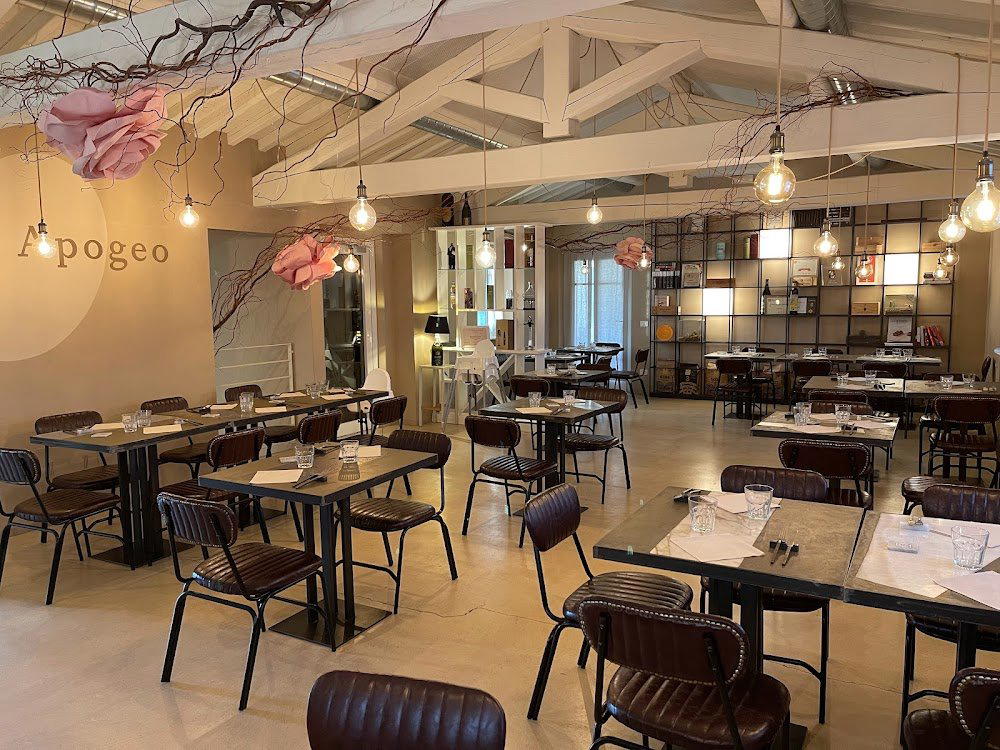
Restaurants in Forte dei Marmi
Browse all →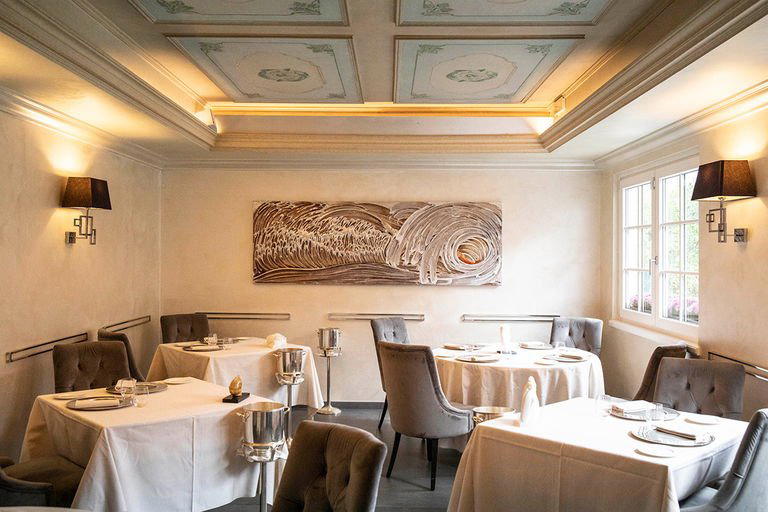
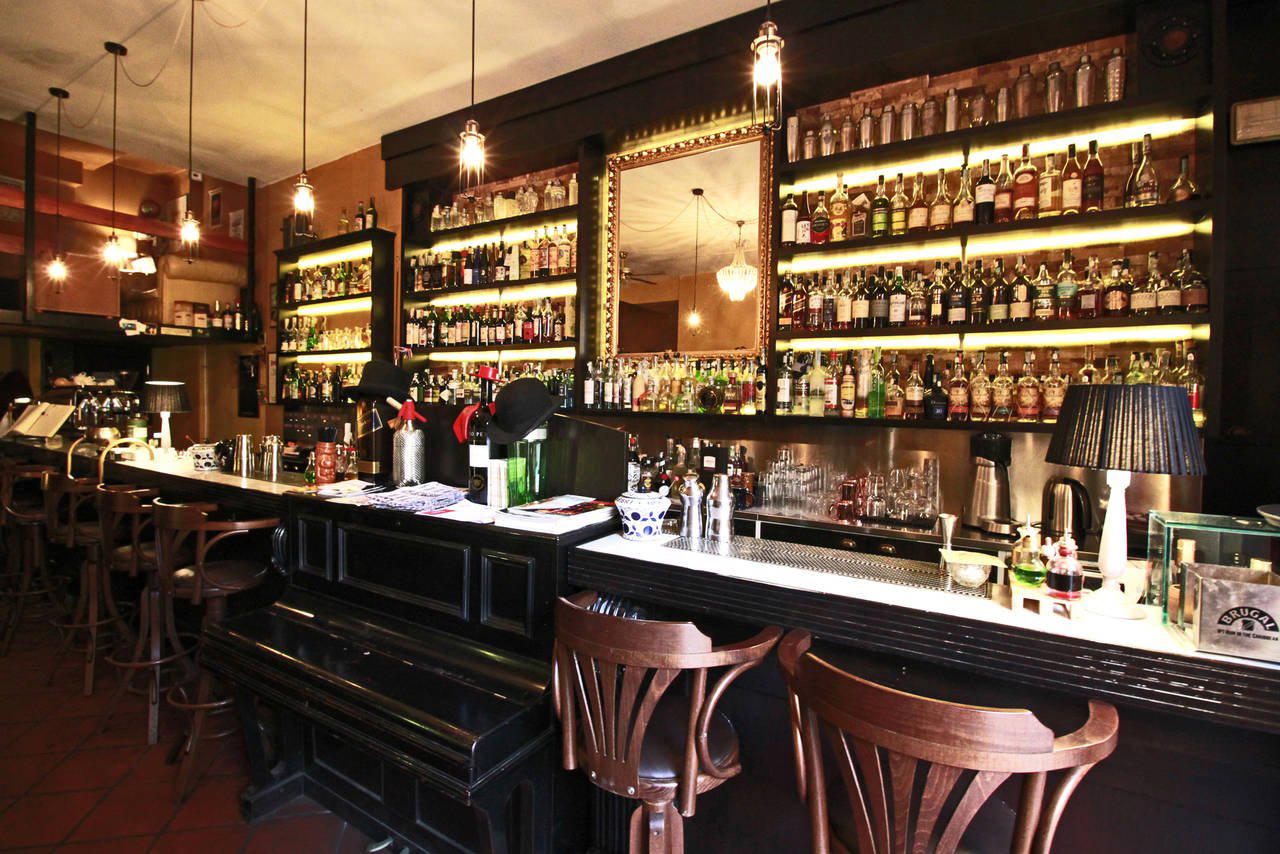
Bars in Forte dei Marmi
Browse all →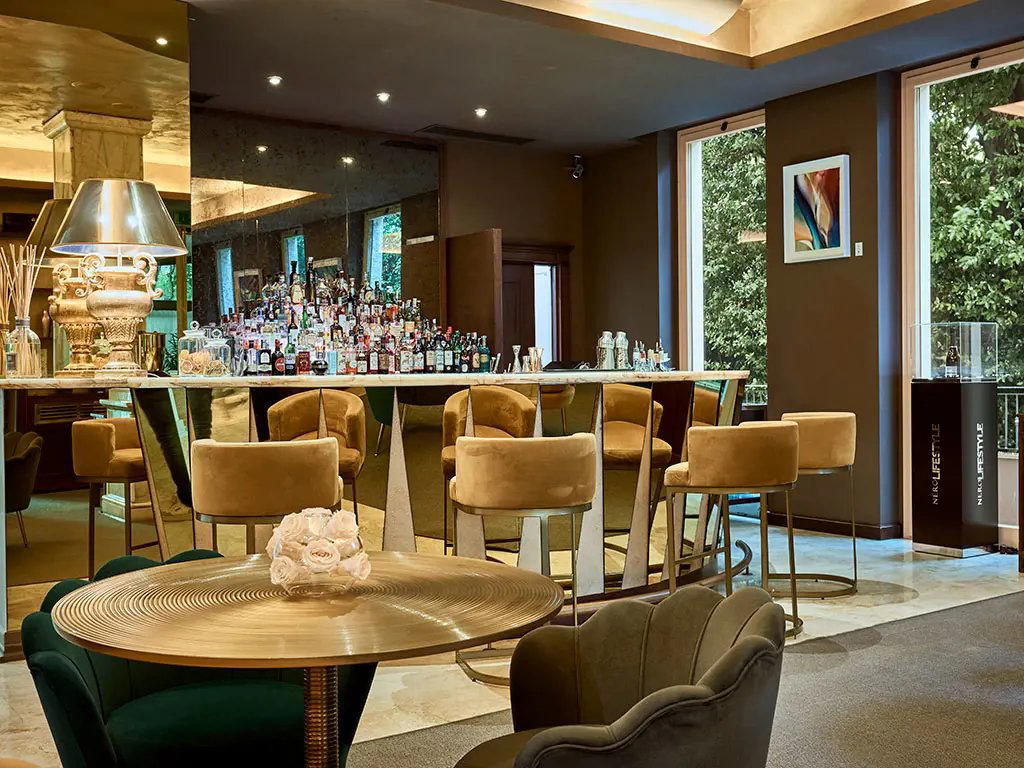
Hotels in Forte dei Marmi
Browse all →

At a Glance
- Elegant
- Sophisticated
- Intimate
- Date Night
- Special Occasion
- Hotel Restaurant
- Extensive Wine List
- Local Sourcing
- Garden
Current opening hours
- Monday
- 7:30–10 PM
- Tuesday
- Closed
- Wednesday
- 7:30–10 PM
- Thursday
- 7:30–10 PM
- Friday
- 7:30–10 PM
- Saturday
- 7:30–10 PM
- Sunday
- 7:30–10 PM
Hours can change for holidays and private events. Last verified .
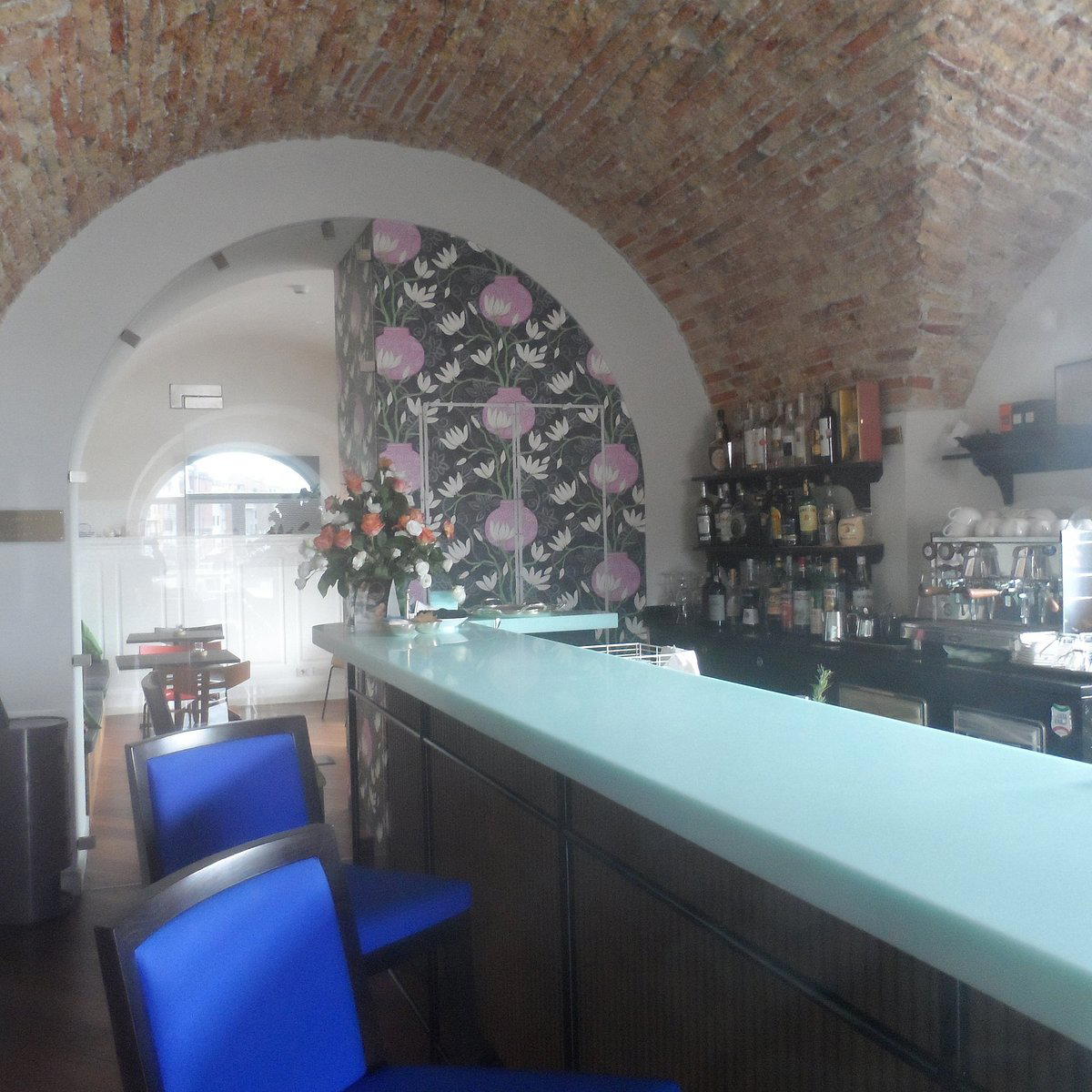
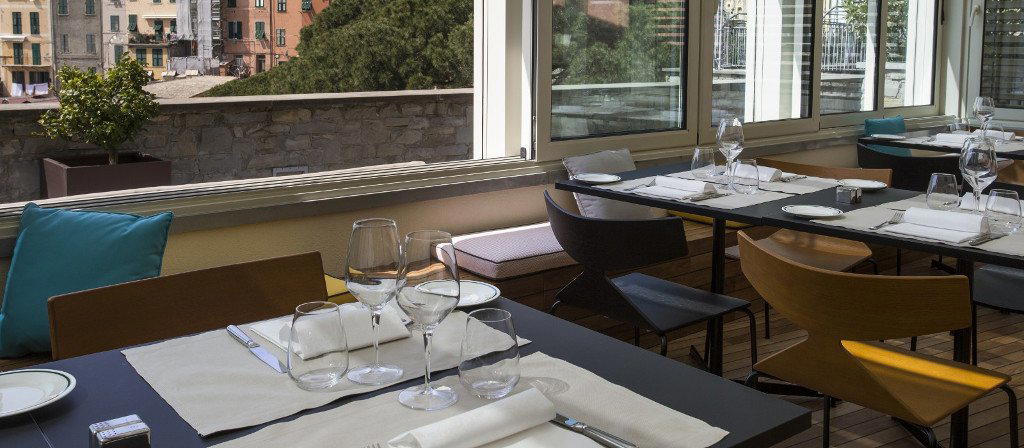
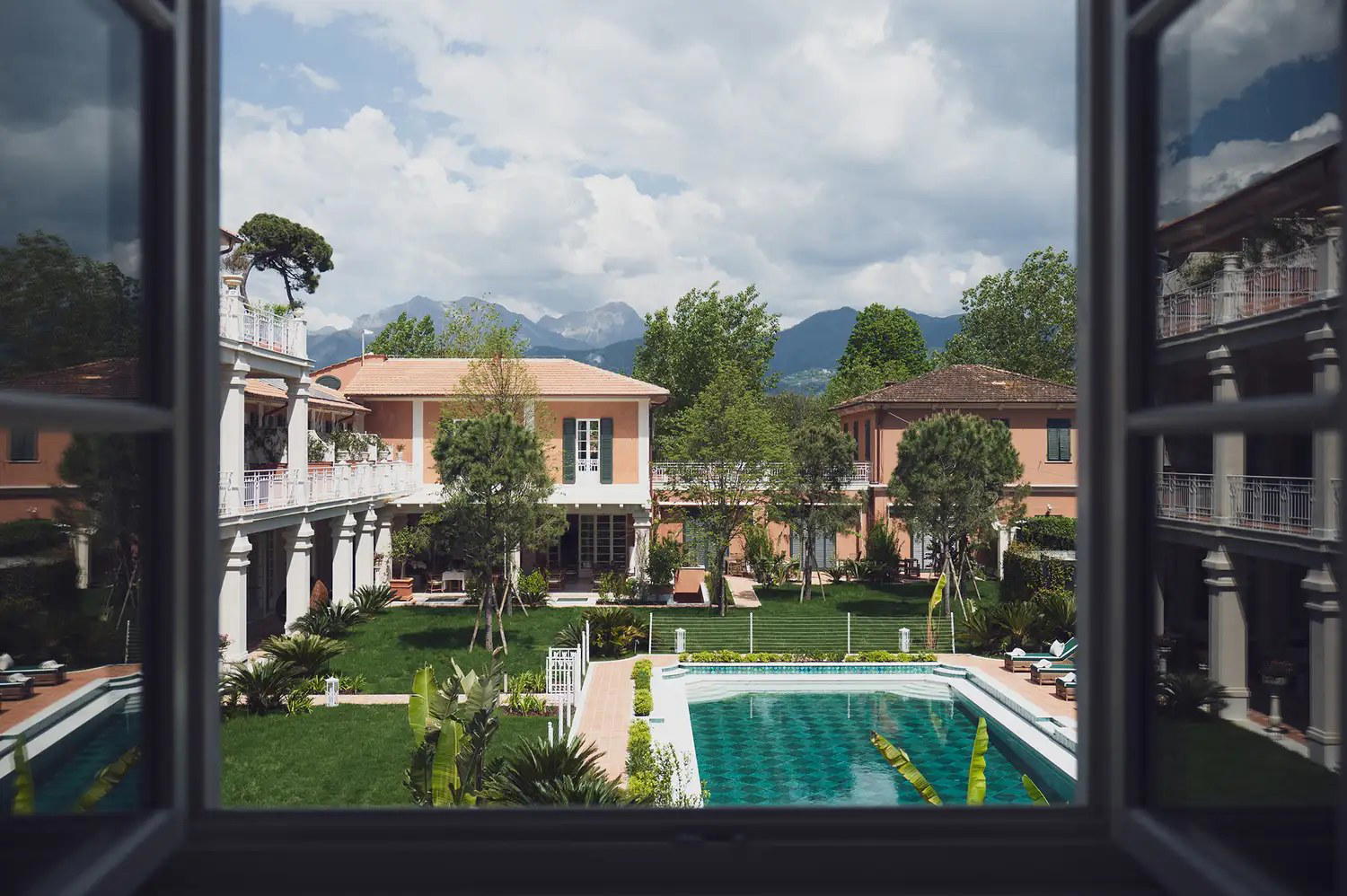
Elegant and essential with an welcoming atmosphere of vivid colors, fresh, spacious decor, and a relaxed yet magical setting amid pine trees and greenery.