Perched above the Ligurian Apennines in the medieval village of Fosdinovo, Castello Malaspina is among the more intact feudal fortresses in northwestern Tuscany, with a construction history spanning the eleventh to sixteenth centuries. The castle's layered stonework, frescoed halls, and commanding hilltop position place it in a distinct category of Italian heritage sites where architectural evidence does most of the talking.
Pearl is the En Primeur Club membership app — saves, bookings, and concierge access live there. Same editors, same standards.
- Address
- Via Papiriana, 2, 54035 Fosdinovo MS, Italy
- Phone
- +39 349 816 3641
- Website
- castellodifosdinovo.it
- Directions
- Get directions
 Saves & bookings on Pearl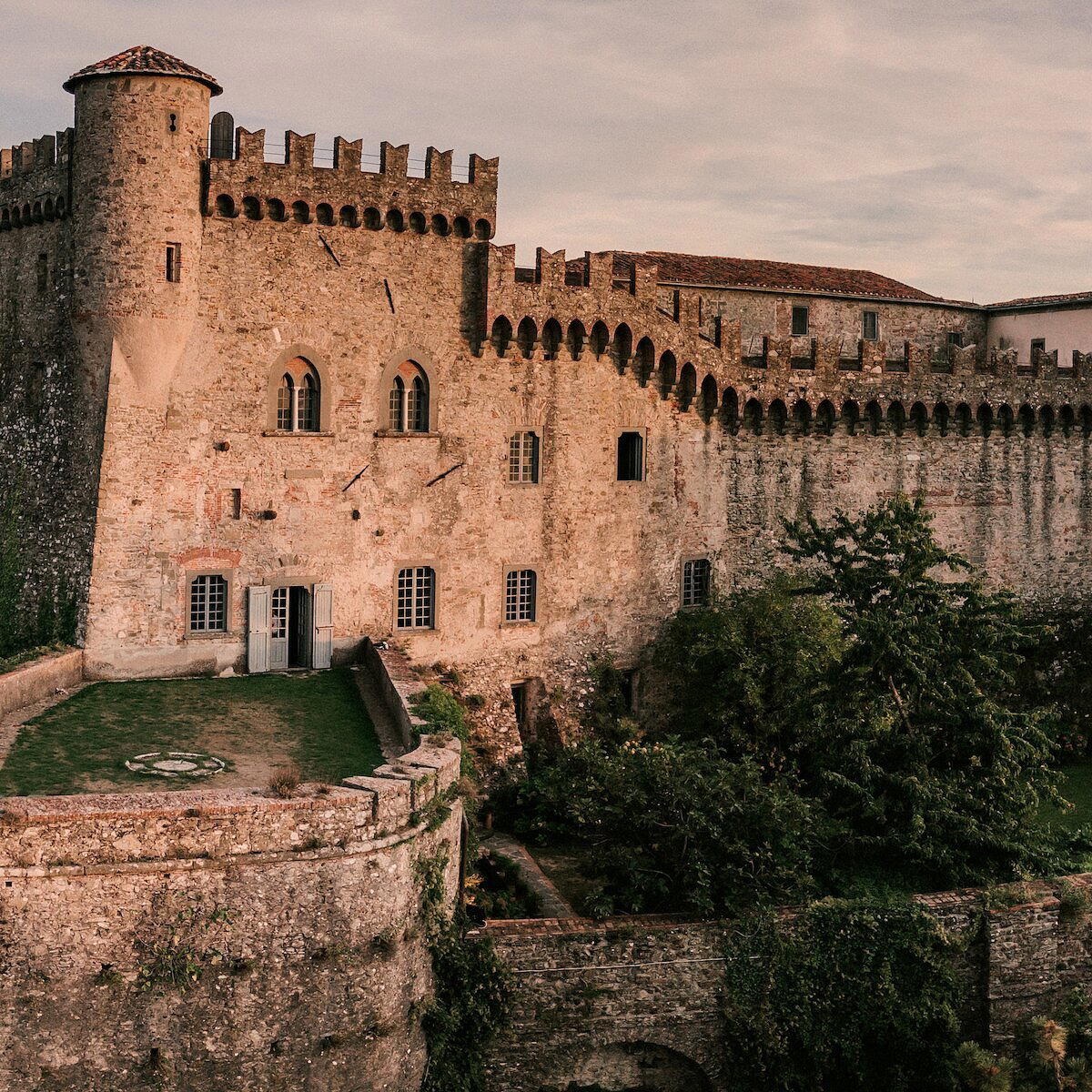
Stone, History, and the Apuan Alps: What Castello Malaspina Tells You About Medieval Tuscan Architecture
The approach to Fosdinovo prepares you well. The road climbs through chestnut forests and terraced vineyards on the northern edge of Tuscany, where the province of Massa-Carrara meets the Ligurian border in a landscape defined by altitude and grey stone. By the time the village comes into view, Castello Malaspina has already appeared on the ridge above it, a compact military silhouette against the Apuan Alps that reads less as decoration and more as a serious statement about medieval defensive logic. This is not a castle converted into something easier. It is, in literal architectural sense, still itself.
A Fortress in Its Context: The Malaspina Dynasty and the Architecture of Control
Medieval fortified architecture along the Ligurian-Tuscan border followed a consistent grammar: hilltop position, commanding sight lines, walls thick enough to absorb siege, and a tower that served as both watchtower and last refuge. Castello Malaspina adheres to that grammar with unusual completeness. The Malaspina family, among the more powerful feudal dynasties of northern Italy during the medieval period, held territories across what is now Liguria, Tuscany, and Emilia-Romagna. Their castles were instruments of territorial control as much as residences, and Fosdinovo was among their more strategically placed holdings, positioned to monitor the salt and trade routes connecting the coast to the Po Valley interior.
What distinguishes this particular structure within the broader Malaspina portfolio is its state of preservation and the degree to which its spatial logic remains legible. Many castles of comparable age in the region have been substantially rebuilt, romanticised in the nineteenth century, or absorbed into private estates that restrict access. Fosdinovo's castello has been open to the public as a heritage site and, in part, as a functioning residence. That dual status gives visitors a relatively direct encounter with the original spatial hierarchy: the distinction between defensive outer walls, the cortile or courtyard that served as the social heart, the reception halls with their vaulted ceilings, and the private chambers above.
For those comparing Italian castle visits in terms of architectural authenticity, Fosdinovo occupies a different tier than, say, the extensively renovated properties operated as luxury hotels. Properties such as Castello di Reschio in Lisciano Niccone or Castelfalfi in Montaione offer the castle aesthetic within a hospitality framework. Castello Malaspina is closer to primary source material: architecture encountered rather than curated for comfort.
The Dante Question: Historical Presence and the Problem of Romantic Attribution
Fosdinovo is one of several locations in the Malaspina domains that claims a connection to Dante Alighieri, who was famously hosted by the family during his years of exile from Florence in the early fourteenth century. Dante's gratitude to Moroello Malaspina is documented in his correspondence, and the Commedia itself contains generous treatment of the dynasty in Purgatorio. Whether the poet spent time specifically within the walls of the Fosdinovo castello or at another Malaspina seat is a question that historical scholarship has not resolved definitively. What the association does accurately indicate is the castello's position within the broader cultural geography of medieval northern Tuscany, a region where the intellectual and political worlds of early Italian literature were physically present.
Reading the Rooms: Interior Spaces and Architectural Detail
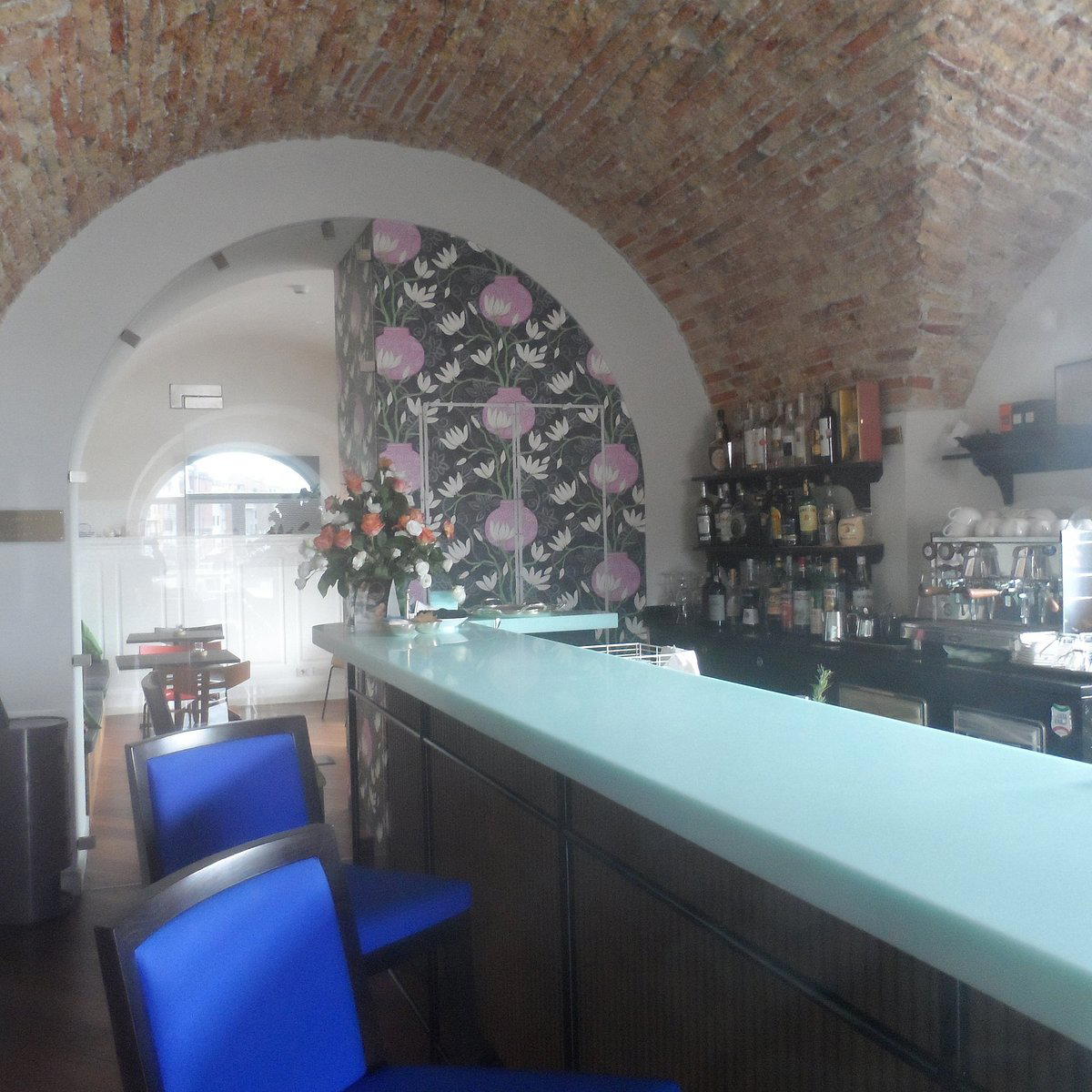
The interior of the hotel rewards the kind of attention that resists hurrying. The vaulted halls carry the proportional logic of medieval construction: low by the standards of later Renaissance architecture, but with a weight and enclosure that reads as deliberate rather than primitive. Stone floors, exposed timber ceiling structures where they survive, and the arrangement of window openings that prioritised defensive function over light or view all speak to an era in which architecture was first a security technology and second a display of status.
The courtyard, where it exists, is the architectural pivot around which the other spaces orient. In Tuscan and Ligurian medieval construction, the cortile served as the primary circulation and gathering space, mediating between the exposed exterior and the private interior. At Fosdinovo, the relationship between these zones remains readable in a way that more heavily restored sites sometimes obscure.
Visitors making extended trips through Italian heritage architecture might use the hotel as a useful comparative reference point before or after spending time at the more amenity-rich end of the Italian property spectrum. Staying at Four Seasons Hotel Firenze in Florence, with its Renaissance palazzo context, or at Rosewood Castiglion Del Bosco in Montalcino, makes the architectural contrast legible: what happens to medieval and Renaissance structures when they are adapted for contemporary hospitality versus what they look like when left closer to their original condition.
Getting to Fosdinovo: Logistics and Regional Position
Fosdinovo sits in Massa-Carrara province, which places it at the northern margin of Tuscany and practical driving distance from La Spezia and the Cinque Terre coast to the northwest, as well as from Lucca and Pisa to the south. The nearest major rail hub is La Spezia, from which the village is reachable by car. The road up to Fosdinovo itself is narrow and requires some confidence on switchbacks; arriving in the morning allows the leading light on the castle's exterior stonework and avoids the warmest hours in the unshaded upper village. For visitors building a longer northern Tuscan or Ligurian itinerary, Fosdinovo pairs naturally with Carrara's marble quarries and the coastal arc of the Gulf of Poets. Those staying along the Ligurian coast or in the Cinque Terre can reach the castello as a half-day excursion without significant detour.
The surrounding region is part of the Lunigiana, a sub-territory of Massa-Carrara with its own distinct food traditions, including testaroli pasta and chestnut-based preparations that pre-date Tuscany's better-known culinary exports.
Visitors planning wider Italian itineraries that include premium accommodation might also consider properties such as Passalacqua in Moltrasio on Lake Como, Borgo Egnazia in Savelletri di Fasano in Puglia, or Aman Venice in Venice for those extending northeast. For Tuscan stays within reasonable reach, Borgo San Felice Resort in Castelnuovo Berardenga and Castel Fragsburg in Merano occupy the design-led castello-adjacent end of Italian hospitality, each offering a more comfortable base for regional exploration than Fosdinovo village itself currently provides. Other notable Italian properties worth considering for a broader itinerary include Il Pellicano in Porto Ercole, Borgo Santandrea on the Amalfi Coast, Casa Maria Luigia in Modena, Portrait Milano in Milan, Bulgari Hotel Roma in Rome, Corte della Maestà in Civita di Bagnoregio, Il San Pietro di Positano in Positano, JK Place Capri in Capri, Bellevue Syrene 1820 in Sorrento, EALA My Lakeside Dream in Limone sul Garda, Forestis Dolomites in Plose, and Grand Hotel Tremezzo in Tremezzo. For those extending their travels further afield, The Fifth Avenue Hotel in New York City, Aman New York in New York City, and Amangiri in Canyon Point represent reference points at the higher end of international hospitality.
Comparable Venues
Comparable venues nearby, for context on price, style, and recognition.
| Venue | Cuisine | Price | Awards | Notes |
|---|---|---|---|---|
| Castello MalaspinaThis venue — the venue you are viewing | Historic castle converted to intimate boutique bed and breakfast maintaining medieval character and period authenticity. | $$ | 1-Star | Not listed |
| The Hoxton, Florence | Renaissance palazzo meets postmodern architecture | $$$ | Not listed | Piazza della Libertà |
| Palazzo Contarini del Bovolo | Historic Gothic palace from the 15th century with Renaissance additions. | Not listed | Not listed | San Marco |
| Feuerstein Nature Family Resort | Hotel | Not listed | Not listed | Brennero |
| Gourmet- und Boutiquehotel, Restaurant Tanzer | Small boutique retreat blending modern exterior with natural interior furnishings | $$$$ | Not listed | Falzes |
| Iuta Farm | Sustainable farmstay with glamping lodges and restored masseria suites | $$$ | Not listed | Contrada Bochini |

At a Glance
- Romantic
- Classic
- Scenic
- Intimate
- Historic
- Romantic Getaway
- Honeymoon
- Weekend Escape
- Historic Building
- Garden
- Terrace
- Panoramic View
- Wi Fi
- Bar
- Room Service
- Garden
- Mountain
- Wi Fi
- Bar
- Room Service
- Garden
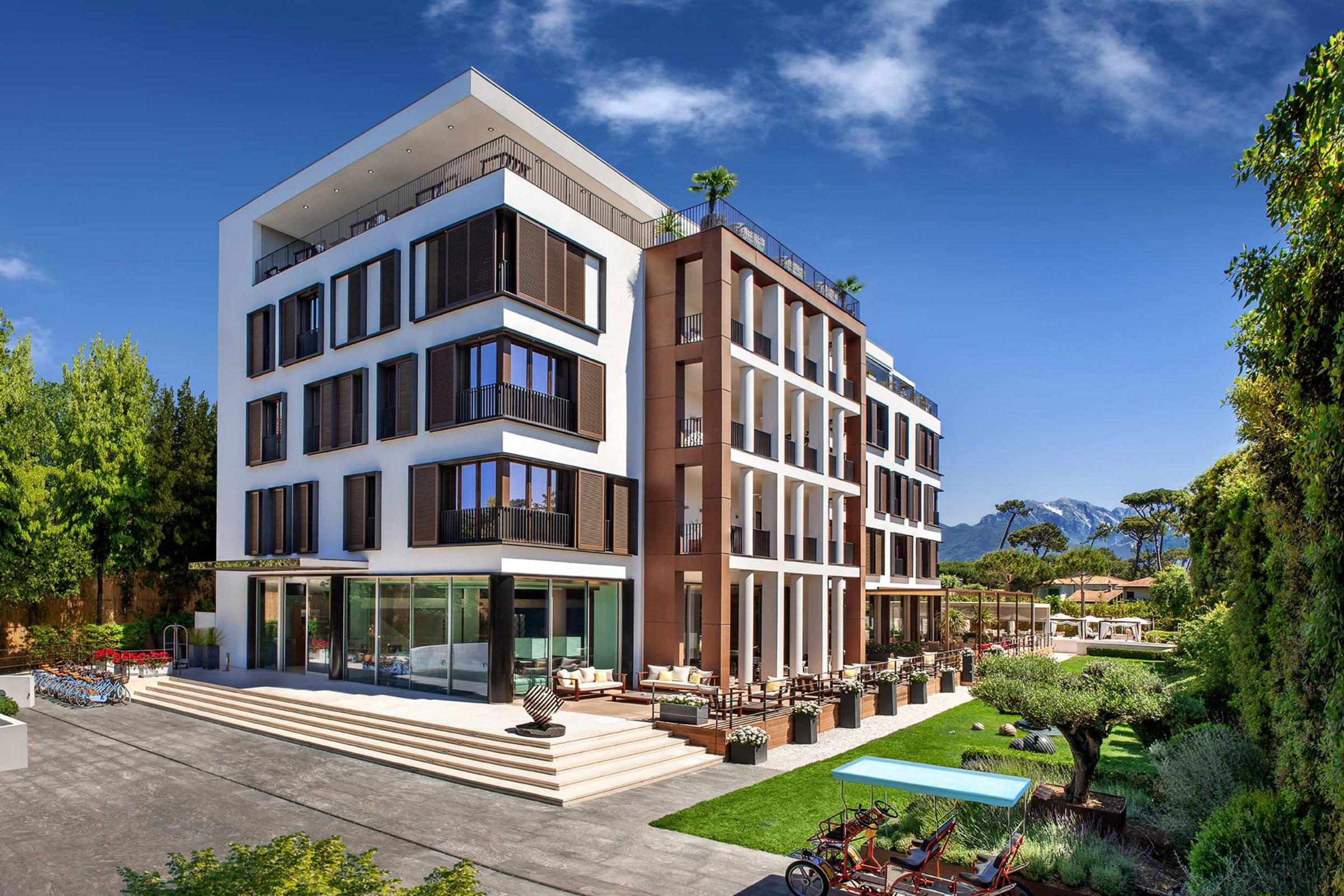
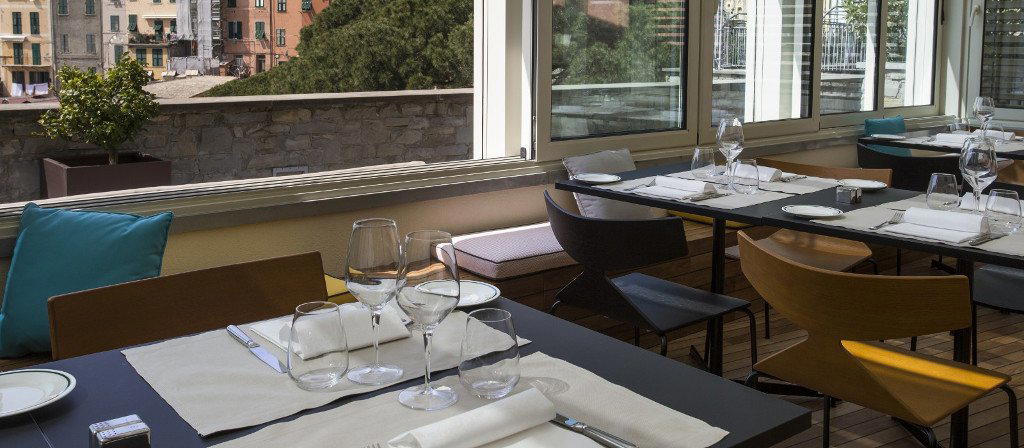
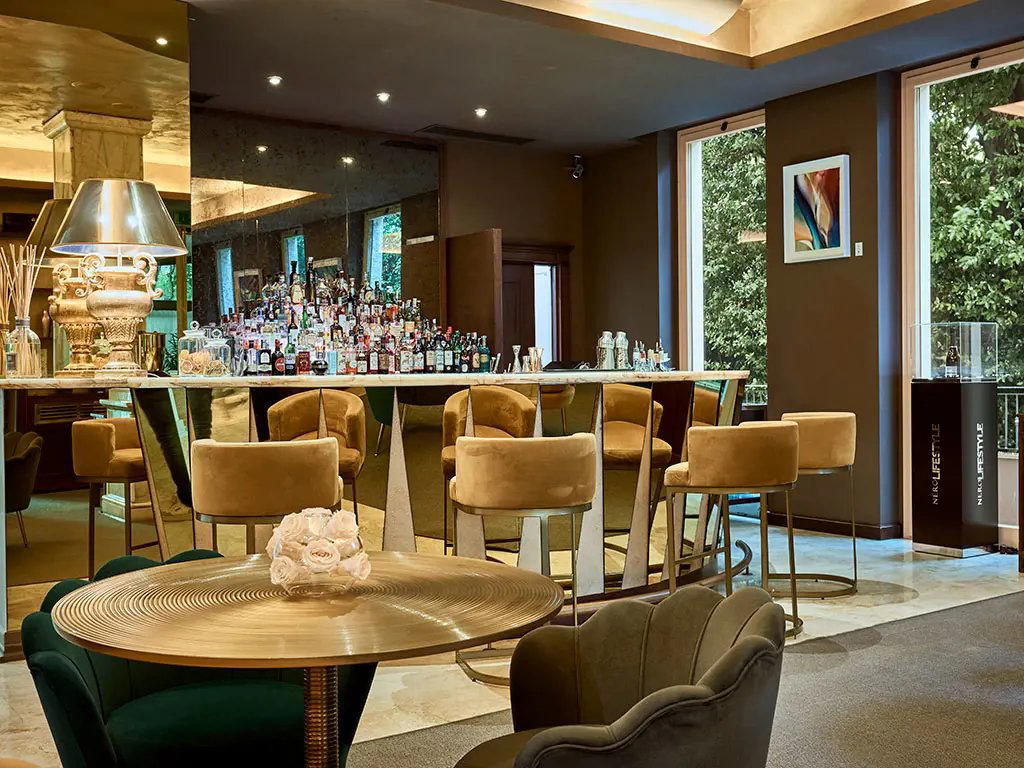
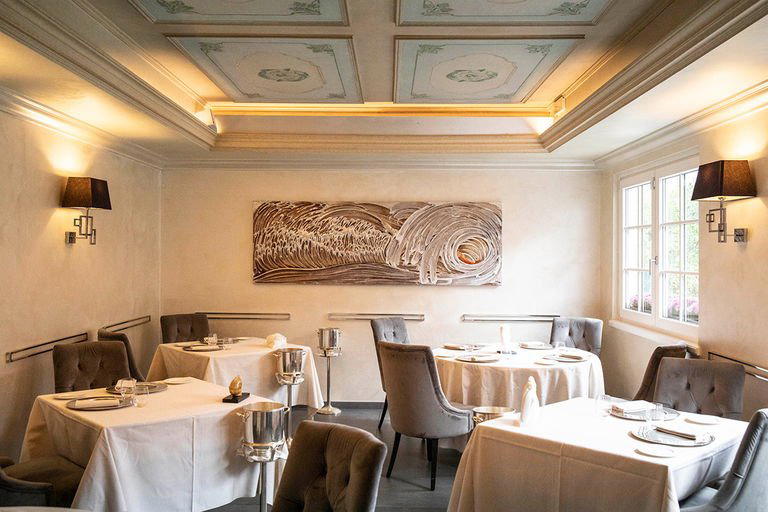
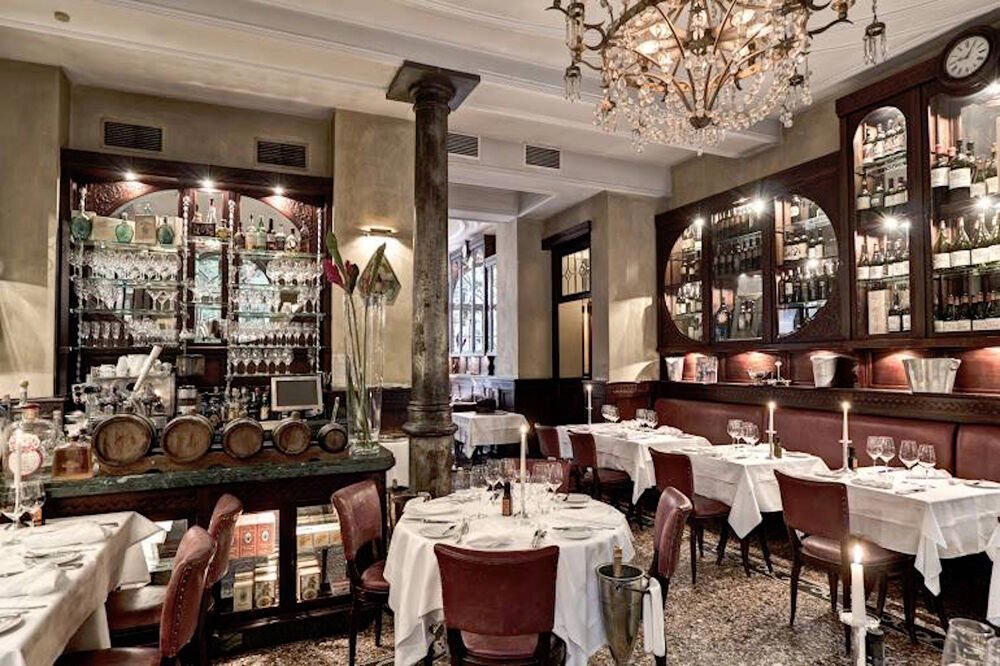
Historic and romantic with period furnishings, Renaissance architecture, and intimate castle ambiance enhanced by natural light from sea and mountain views.