
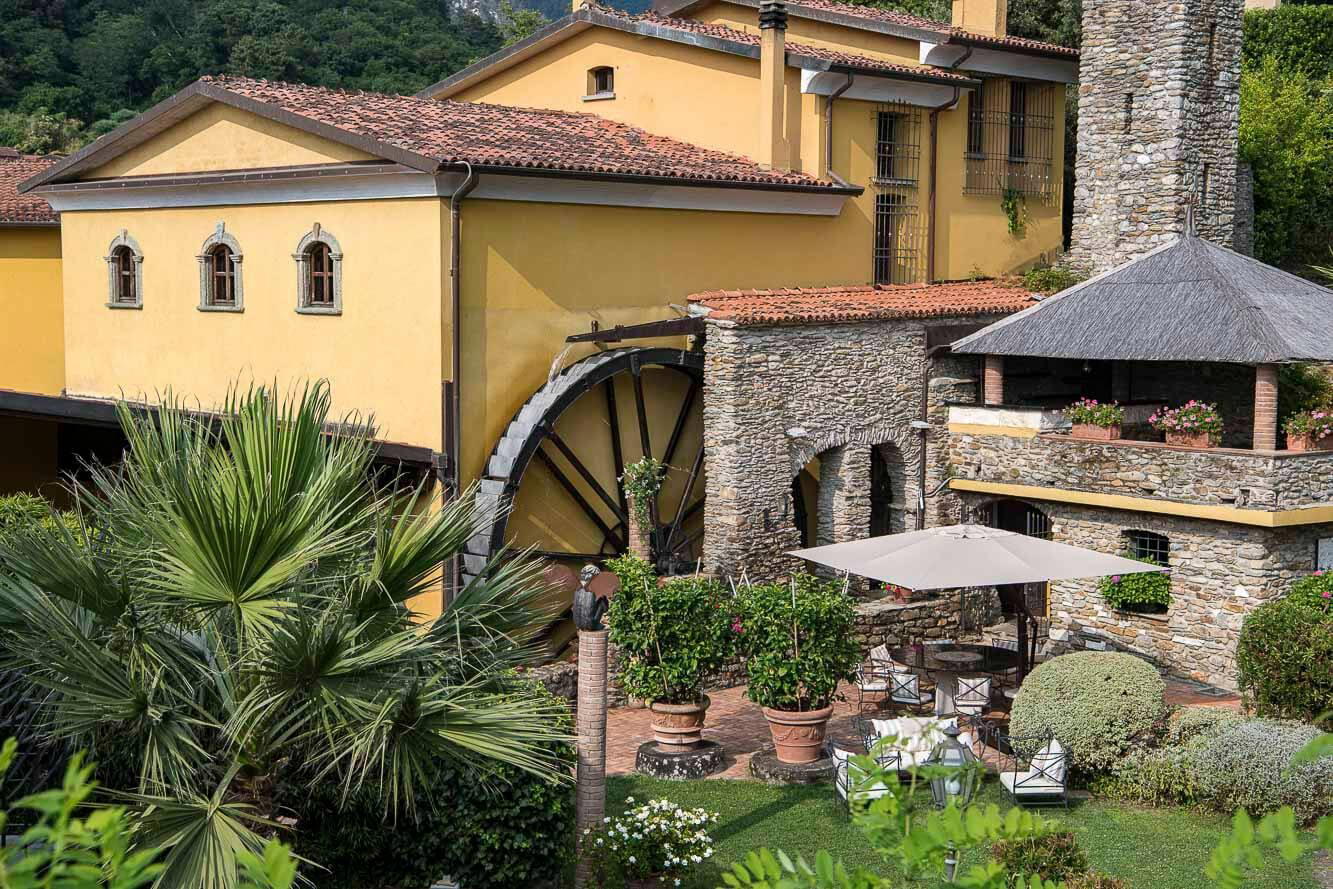
A 17th-century farmhouse on the Fosdinovo hillside, Locanda de Banchieri earned its Michelin star in 2024 by cooking squarely within Lunigiana tradition while drawing almost entirely from its own farm. Vegetables and extra-virgin olive oil come from the land surrounding the building; meat and fish are sourced from the valley and the nearby Ligurian coast. The panoramic veranda, with sea views, is the place to sit when the season allows.
Pearl is the En Primeur Club membership app — saves, bookings, and concierge access live there. Same editors, same standards.
- Address
- Via Porredo, 32, 54035 Fosdinovo MS, Italy
- Phone
- +39 333 184 9263
- Website
- locandadebanchieri.it
- Directions
- Get directions
 Saves & bookings on Pearl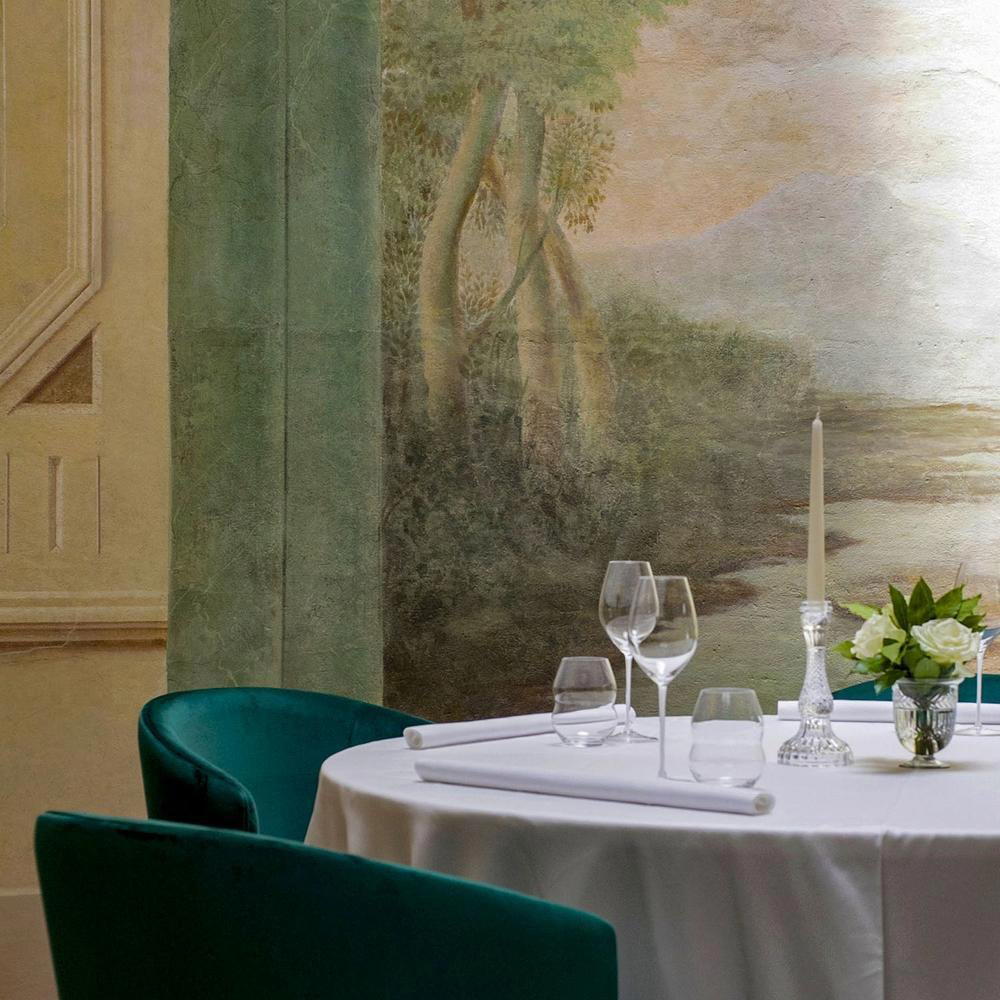
Where the Apuan Hills Meet the Ligurian Sea
The road up to Fosdinovo climbs through terraced olive groves and chestnut woods before the medieval village comes into view above the Magra valley. This is the Lunigiana, a strip of northern Tuscany that sits between the Apuan Alps and the Ligurian border, and it has always cooked differently from both neighbours: heavier on spelt, chestnut flour, and cured meats than the Florentine tradition, more inland-inflected than the fish-forward cooking of La Spezia just to the west. The farmhouse at Via Porredo sits within that culinary geography in a literal sense. The building dates to the 17th century, and from the veranda on a clear day you can see the coastline beyond Fosdinovo.
A Farm That Feeds the Kitchen Directly
Ingredient sourcing has become a fashionable frame for Italian restaurant marketing, but at Locanda de Banchieri the supply chain is short enough to be verifiable at a glance. The kitchen grows its own vegetables and presses its own extra-virgin olive oil on the property. That arrangement is not cosmetic: it sets the menu's calendar and its constraints. What the farm produces in a given week shapes what appears on the table, which is a different proposition from a restaurant that procures locally but still writes the menu first. The meat comes from inland Lunigiana producers; the fish from the Ligurian coast nearby. The result is a plate that reads as a cross-section of the immediate terrain rather than a curated selection from a broader Italian larder.
This sourcing logic places Locanda de Banchieri in a specific tradition within Italian country cooking: the locanda model, where the inn and the farm are inseparable and the guest's experience is anchored in the productive land around the building. It is a different register from the urban Italian contemporary restaurants that have accumulated the majority of Italy's Michelin stars in recent years. Compare the €€€€ tasting menus at, say, Osteria Francescana in Modena or Enrico Bartolini in Milan, where the editorial ambition is explicitly progressive and the sourcing is one element among many conceptual layers. At Locanda de Banchieri, the sourcing is the concept.
The Michelin Recognition and What It Signals
The kitchen received one Michelin star, which positions it at the entry point of Italy's recognised table rather than its summit. For context, the top end of that scale includes three-star institutions like Le Calandre in Rubano or Piazza Duomo in Alba. The single star at Locanda de Banchieri signals something different: a kitchen working at a consistent technical level within a defined regional tradition, rather than one stretching toward a broader creative programme. That distinction matters for managing expectations. The cooking here is described in Michelin's own notes as creative cuisine drawing on Lunigiana flavours and seasonal ingredients, which is a precise description of a particular Italian one-star register: rooted, produce-led, technically competent, and geographically specific.
Within that register, the kitchen's cooking reflects a strong command of seasonality and place. It is not the kind of biography that makes the chef the story; it is the kind that explains why the kitchen has authority over its particular subject matter.
Comparable one-star country cooking formats in northern Italy include 21.9 in Piobesi d'Alba and Andrea Monesi at Locanda di Orta in Orta San Giulio, both of which operate within the locanda tradition while maintaining the technical floor that Michelin's single star implies. Against the more maximalist Italian creative end, represented by Atelier Moessmer Norbert Niederkofler in Brunico or Reale in Castel di Sangro, the restaurant is the quieter, more grounded proposition.
The Veranda, the Season, and the Setting
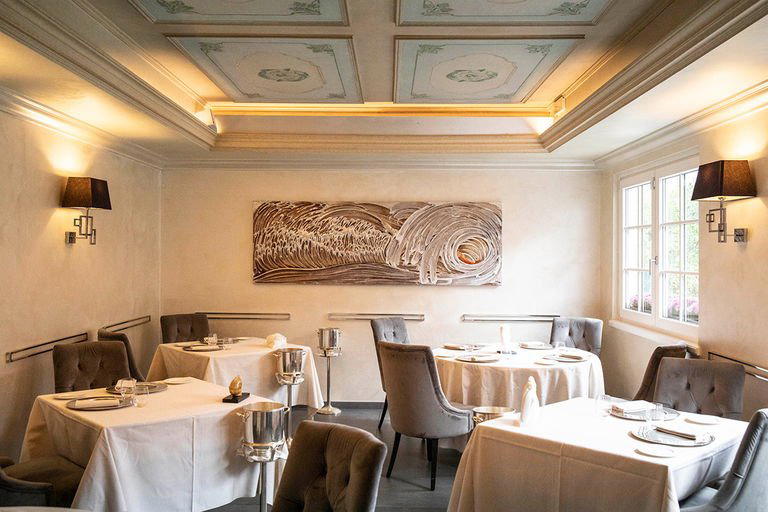
The physical setting does significant editorial work here. A 17th-century farmhouse converted into an inn with guestrooms situates the dining experience within a longer stay rather than a single-evening event. The panoramic veranda, which faces toward the sea and the coast, is the room that earns greater attention from guests: the combination of Ligurian light, inland agricultural smells, and the distant coastline that provides the fish on the table is a coherent sensory argument for eating in this specific location. That argument is harder to make from a city dining room, which is partly why the locanda format has survived and why Michelin continues to recognise it as a distinct category worth tracking.
The farmhouse setting also frames the price point. At €€€ in a region where the comparable urban stars tend to run at €€€€, the restaurant occupies a middle tier that reflects both the rural cost base and the inn's format. It is not priced as a destination tasting menu; it is priced as a serious regional table that happens to hold a Michelin star.
The Lunigiana Context
Lunigiana deserves a brief note as a culinary territory, because it remains less documented than the Tuscan and Ligurian cooking that bookend it. The region's cooking relies heavily on products that don't travel well or photograph glamorously: spelt soups, testaroli (a thin pasta cooked on terracotta discs), wild herbs, and cured meats from the mountain valleys. The extra-virgin olive oil produced in the area tends toward the lighter, fruitier Ligurian style rather than the more peppery Tuscan varieties, which influences how sauces and dressings read on the plate. For a kitchen growing its own oil and vegetables in this specific microclimate, those are the actual flavour parameters, not a marketing choice.
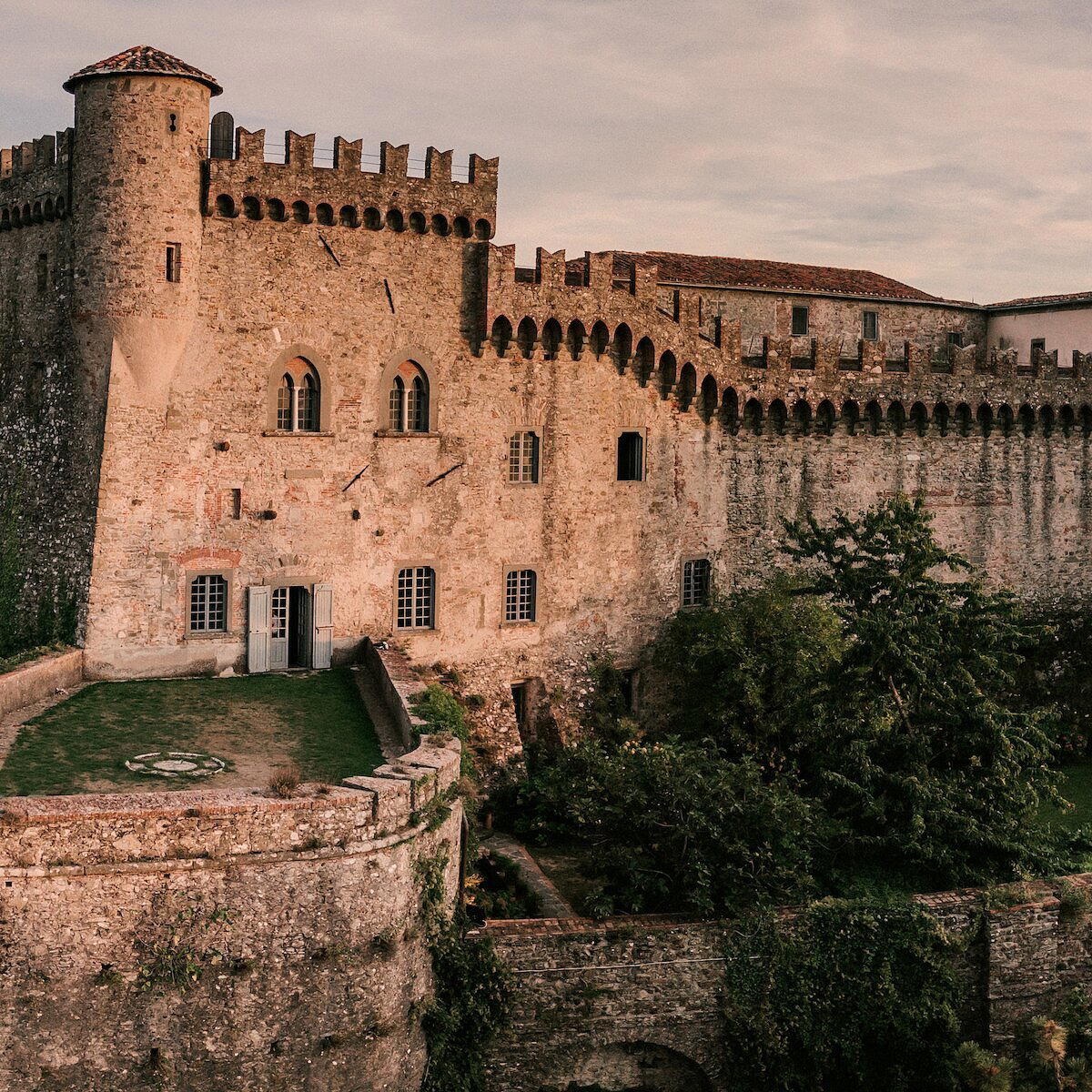
Presence of a Michelin-starred kitchen in Fosdinovo also raises the profile of a town that most international visitors pass through only as a stop en route to the Cinque Terre or the marble quarries of Carrara. Fosdinovo's own Malaspina castle dominates the village's skyline; the area's history as a crossroads between Lombard, Ligurian, and Tuscan spheres of influence is visible in the architecture and, less obviously, in the layered culinary references of its cooking.
Planning Your Visit
The inn offers guestrooms, which makes an overnight stay a practical option for those travelling from Genoa, La Spezia, or Florence, all of which are within reasonable driving distance of Fosdinovo.
Elsewhere in Italy's Michelin tier, Dal Pescatore in Runate, Quattro Passi in Marina del Cantone, Uliassi in Senigallia, Enoteca Pinchiorri in Florence, and Casa Perbellini 12 Apostoli in Verona represent the broader range of Italian fine dining worth understanding as a peer landscape.
In Context: Similar Options
Comparable venues nearby, for context on price, style, and recognition.
| Venue | Cuisine | Price | Awards | Notes |
|---|---|---|---|---|
| Locanda de BanchieriThis venue — the venue you are viewing | Modern Italian Fine Dining | $$$$ | Michelin 1 Star | Not listed |
| L'Erba del Re | Modern Emilian Fine Dining | $$$$ | Michelin 1 Star | Piazzetta della Pomposa |
| Moebius Sperimentale | Modern Italian Avant-Garde Tasting Menu | $$$$ | Michelin 1 Star | Stazione Centrale - Ponte Seveso |
| Gabbiano 3.0 | Modern Italian Seafood Fine Dining | $$$$ | Michelin 1 Star | Porto Turistico |
| Nin | Modern Italian Fine Dining with Lake Garda Influences | $$$$ | Michelin 1 Star | Porto di Brenzone |
| La Rucola 2.0 | Modern Italian Fine Dining | $$$$ | Michelin 1 Star | Historic Centre (Centro Storico) |
Recognition history
Dated appearances from independent guides and award organizations, with the underlying list record or original source where available.
Michelin 1 Star
Michelin
Michelin 1 Star
Michelin
Michelin 1 Star
Michelin
Continue exploring
More in Fosdinovo
Restaurants in Fosdinovo
Browse all →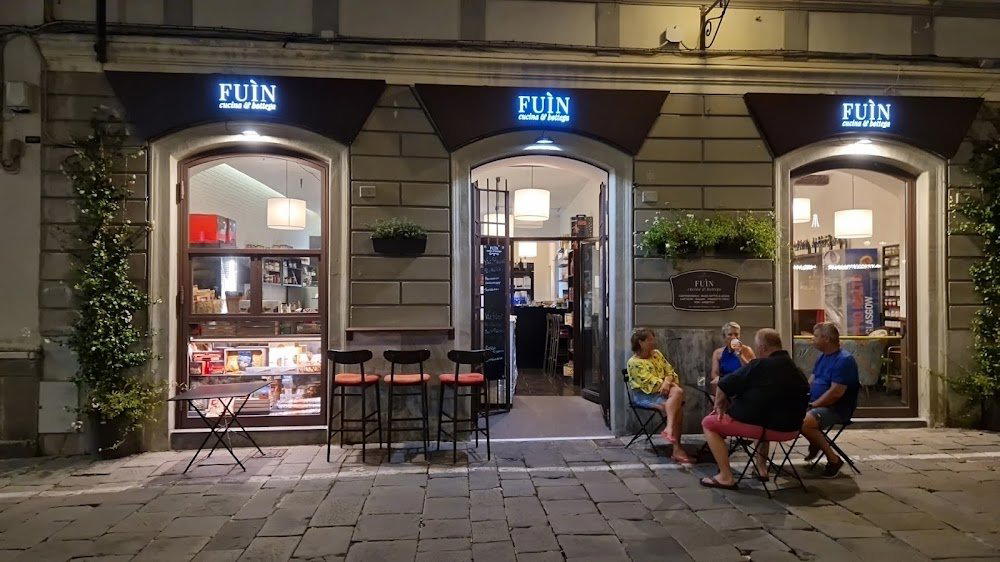
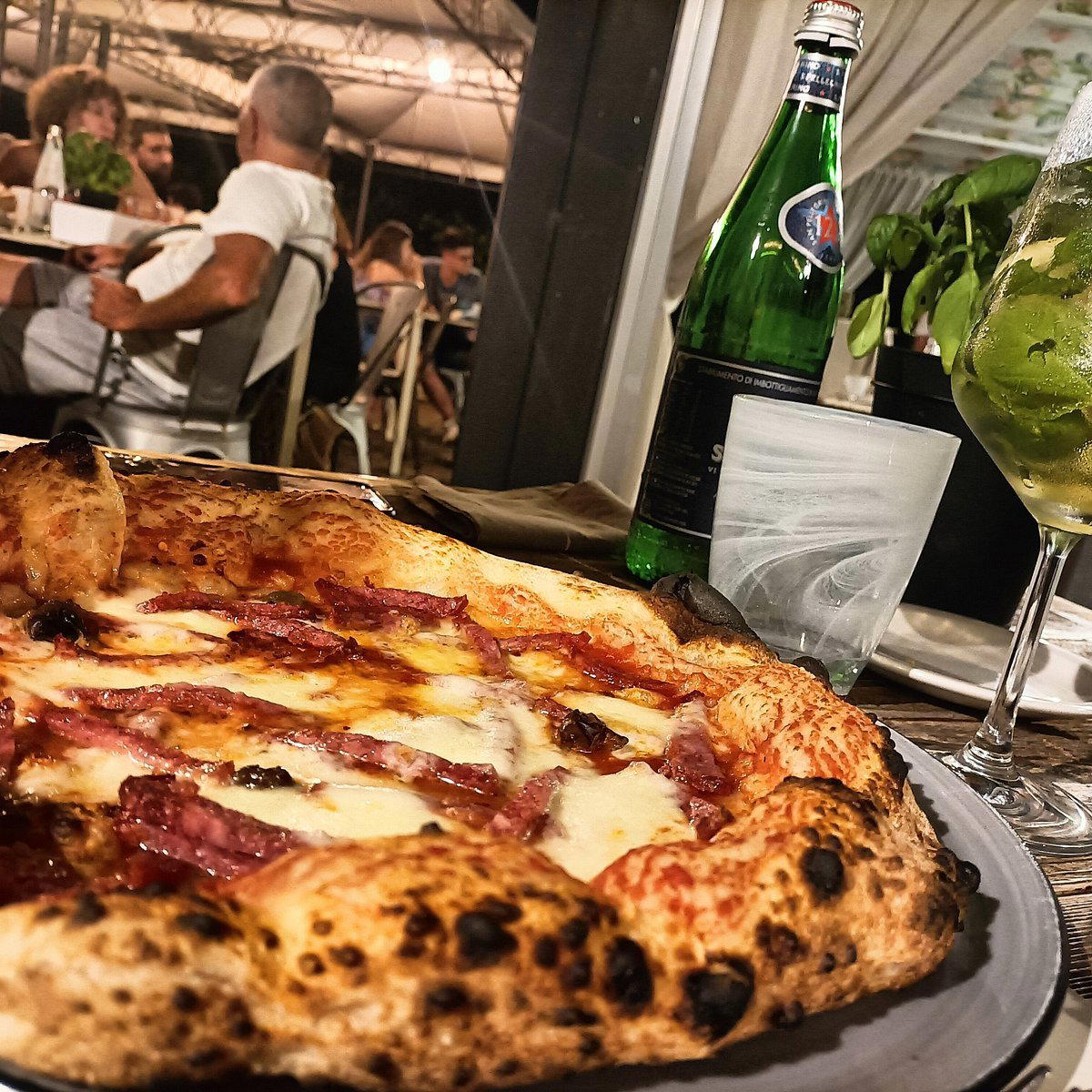
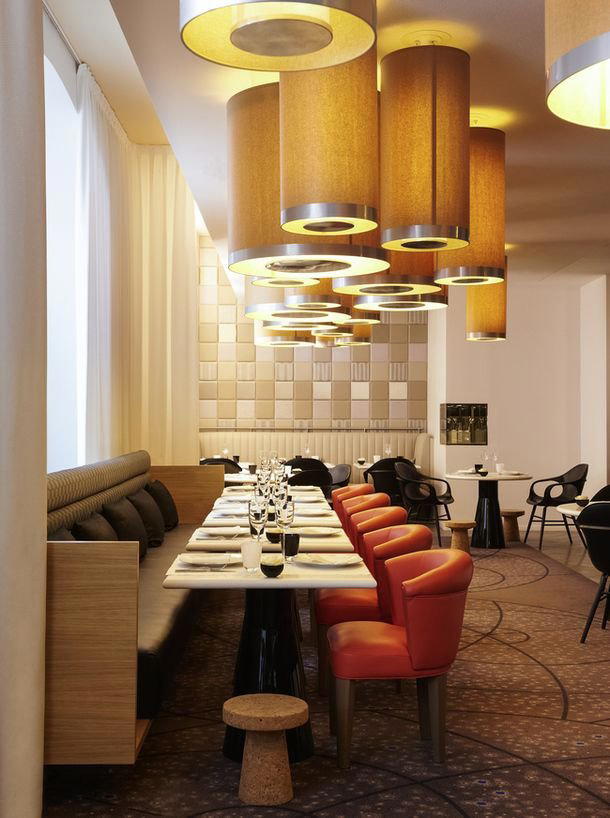
Bars in Fosdinovo
Browse all →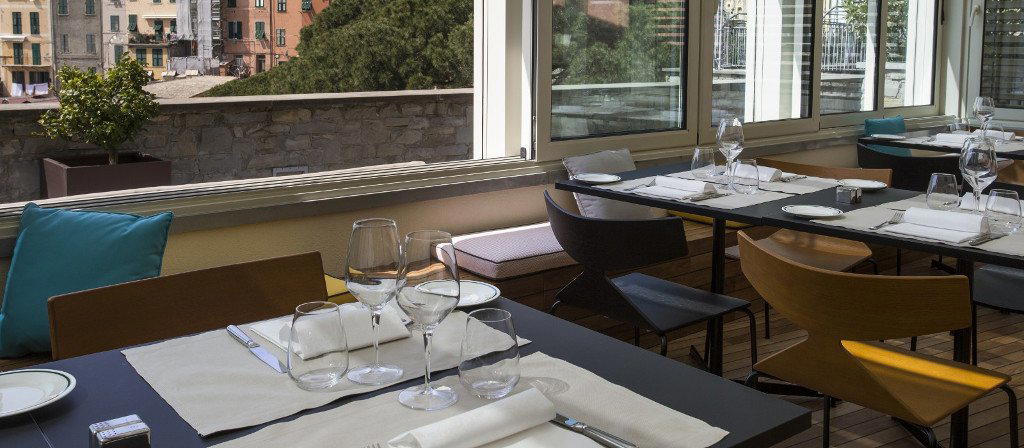
At a Glance
- Romantic
- Elegant
- Rustic
- Intimate
- Cozy
- Scenic
- Date Night
- Special Occasion
- Celebration
- Historic Building
- Terrace
- Panoramic View
- Extensive Wine List
- Local Sourcing
- Farm To Table
- Mountain
- Street Scene
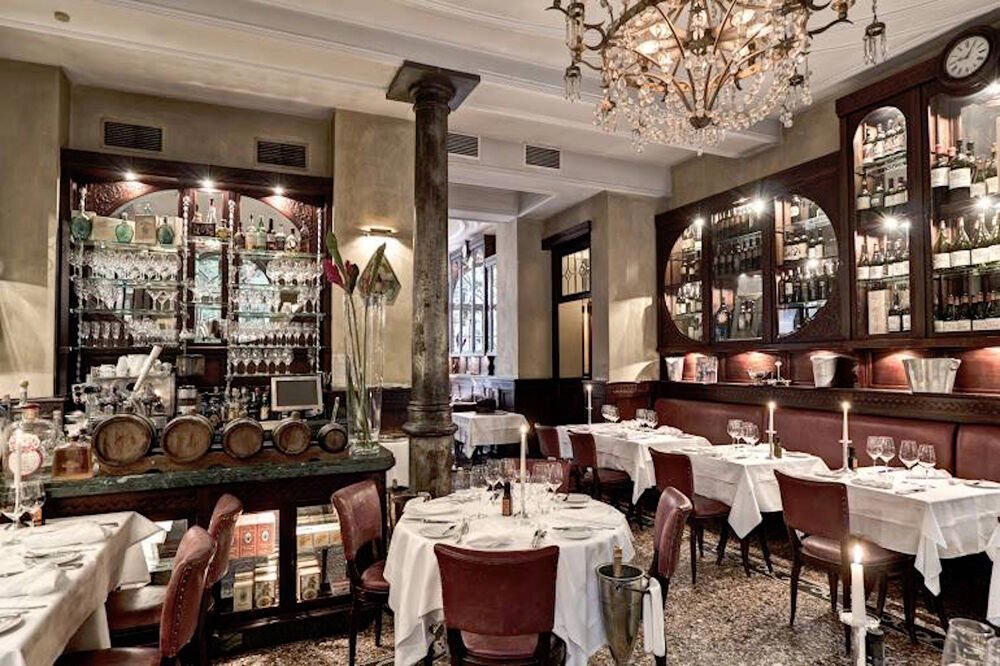
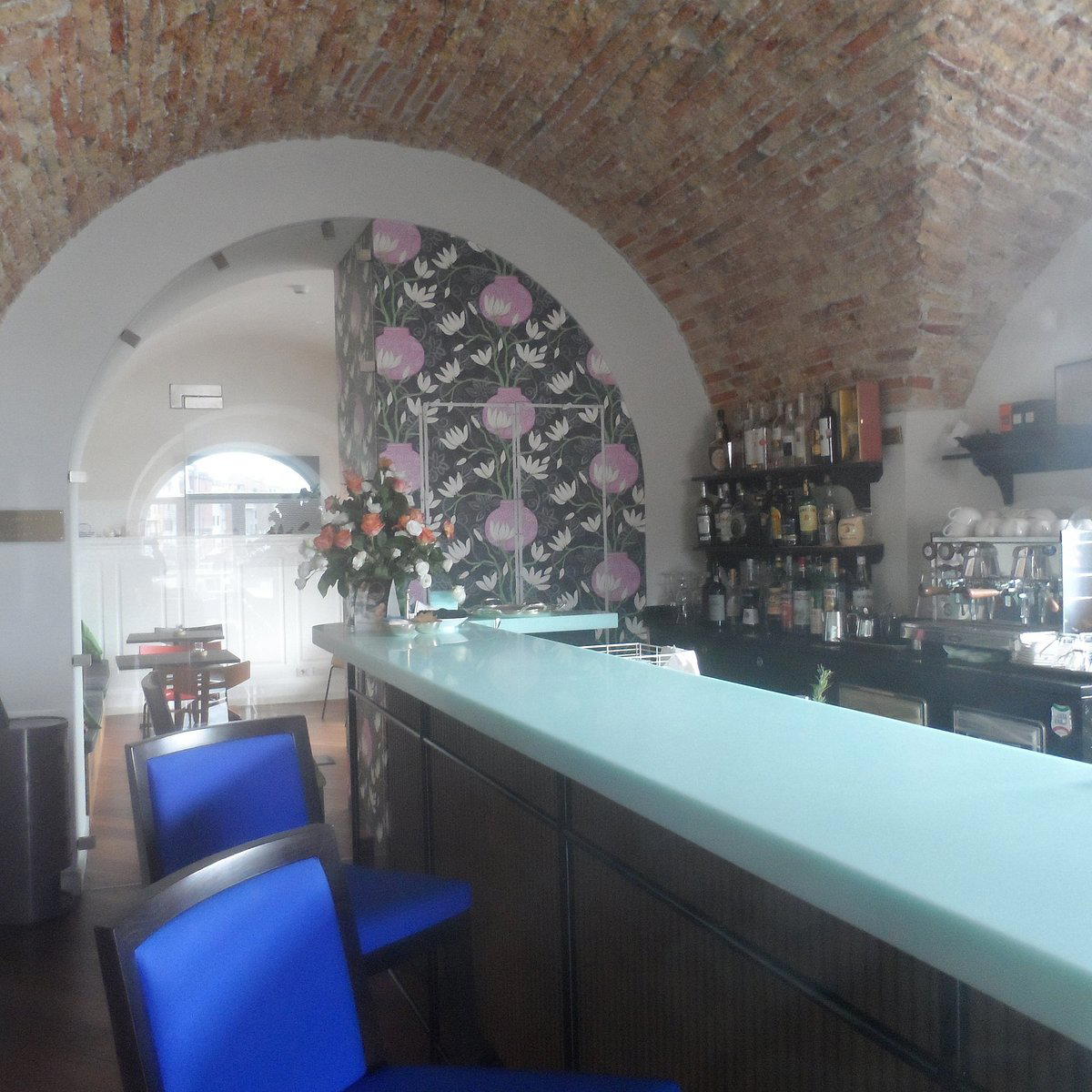
Refined rustic atmosphere in historic manor house with stained glass windows overlooking Lunigiana countryside, well-spaced tables, serene and intimate with terrace views of the Gulf of Poets.