Riomaggiore
Riomaggiore is the southernmost village of the Cinque Terre, where terraced vineyards meet the Ligurian coast and the aperitivo hour carries genuine local weight. The bar scene here is small and unhurried, shaped more by the rhythms of the fishing harbour than by any metropolitan cocktail trend. For travellers moving between Italy's major drinking cities, it offers a counterpoint worth understanding.

Pearl is the En Primeur Club membership app — saves, bookings, and concierge access live there. Same editors, same standards.
- Address
- 19017 Riomaggiore, SP, Italy
- Phone
- +39 0187 921037
- Hours
- Mon ClosedTue 9 AM–9:30 PMWed 8:30 AM–9 PMThu–Sat 9 AM–9 PMSun 9 AM–9:30 PM
- Directions
- Get directions
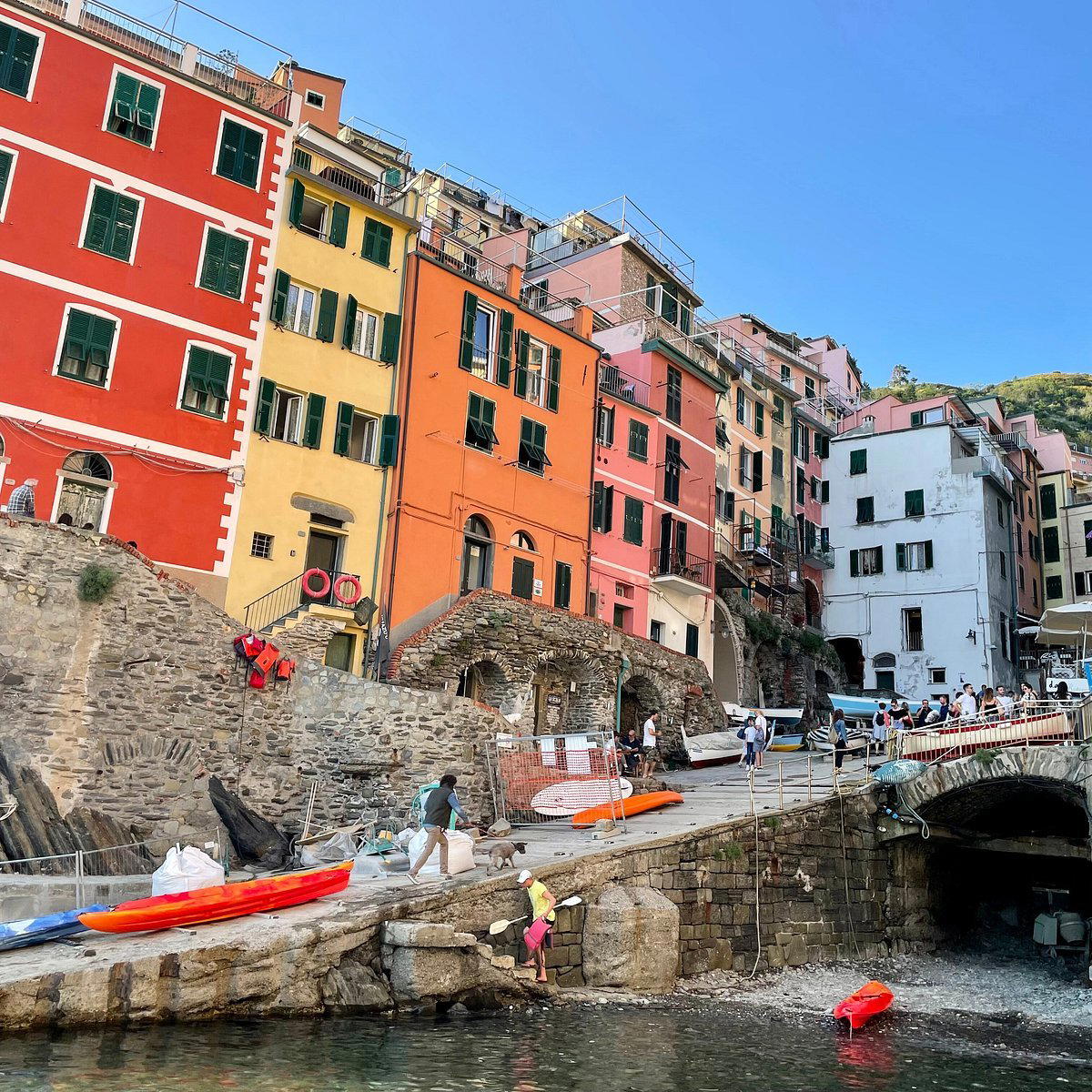
Where the Ligurian Coast Sets the Terms
The Cinque Terre operates on a different clock to Milan or Rome. In Riomaggiore, the southernmost of the five villages, the social hour is defined by the waterfront and the steep caruggi that funnel foot traffic toward the harbour. Bars here do not compete on cocktail programme prestige in the way that 1930 in Milan or Drink Kong in Rome do. The frame of reference is different: what matters is cold Sciacchetrà-based pours, local Vermentino, and the kind of informal hospitality that comes from a village where the same families have been serving travellers since the railway arrived in the nineteenth century.
That context matters if you are arriving from Italy's more technically ambitious bar circuit. Riomaggiore does not position itself against Gucci Giardino in Florence or L'Antiquario in Naples. It operates in an entirely different register, one shaped by geography, the harvest calendar, and a tourist economy that peaks sharply between May and October before retreating to something closer to its original village character.
The Drinking Tradition in Cinque Terre
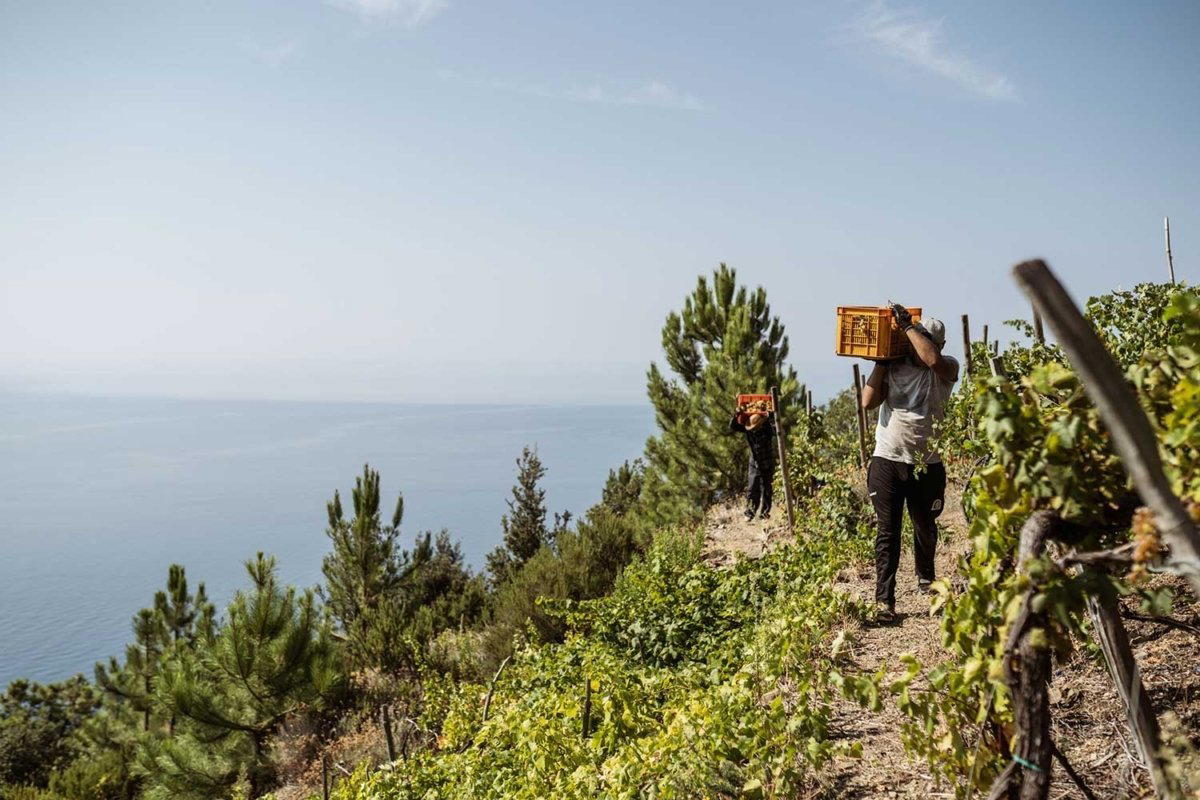
Liguria's wine identity is built around difficult terrain. The terraced vineyards above Riomaggiore are among the steepest cultivated land in Europe, producing small quantities of Bosco, Albarola, and Vermentino grapes. The resulting Cinque Terre DOC whites are dry, mineral, and relatively low in alcohol, designed historically for the fishermen who needed to work after lunch. Sciacchetrà, the passito dessert wine made from the same grapes dried on racks, is the prestige product of the appellation and commands attention in any bar serious about the local tradition.
In the village bars, this regional identity translates into a drinks list that prioritises local wine over imported spirits. Aperitivo in Riomaggiore tends toward a glass of the local white or, increasingly, a Spritz variant using regional producers. The cocktail culture that has transformed cities like Rome and Naples over the past decade has arrived here in a muted form, present in the more tourist-facing establishments but not yet defining the character of the scene in the way it does at venues like Lost and Found in Nicosia or Al Covino in Venice.
Atmosphere and Physical Setting
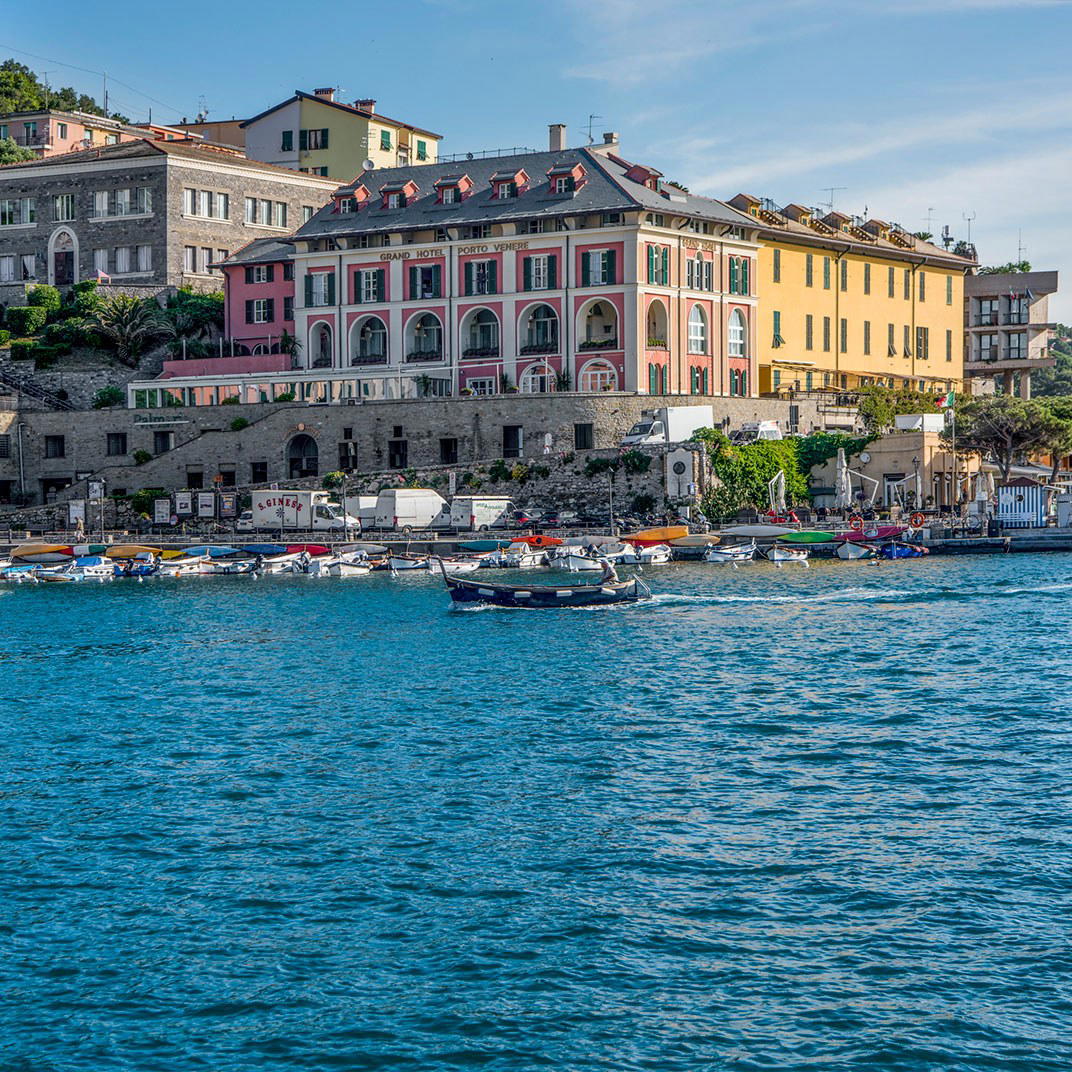
Approaching Riomaggiore by train, the village appears suddenly through a short tunnel cut into the cliff face, the coloured buildings stacked against the hillside and the harbour visible below. The sensory compression of the place is immediate: narrow stone lanes, the smell of the sea, and the sound of Italian mixing with a dozen other languages in the high season.
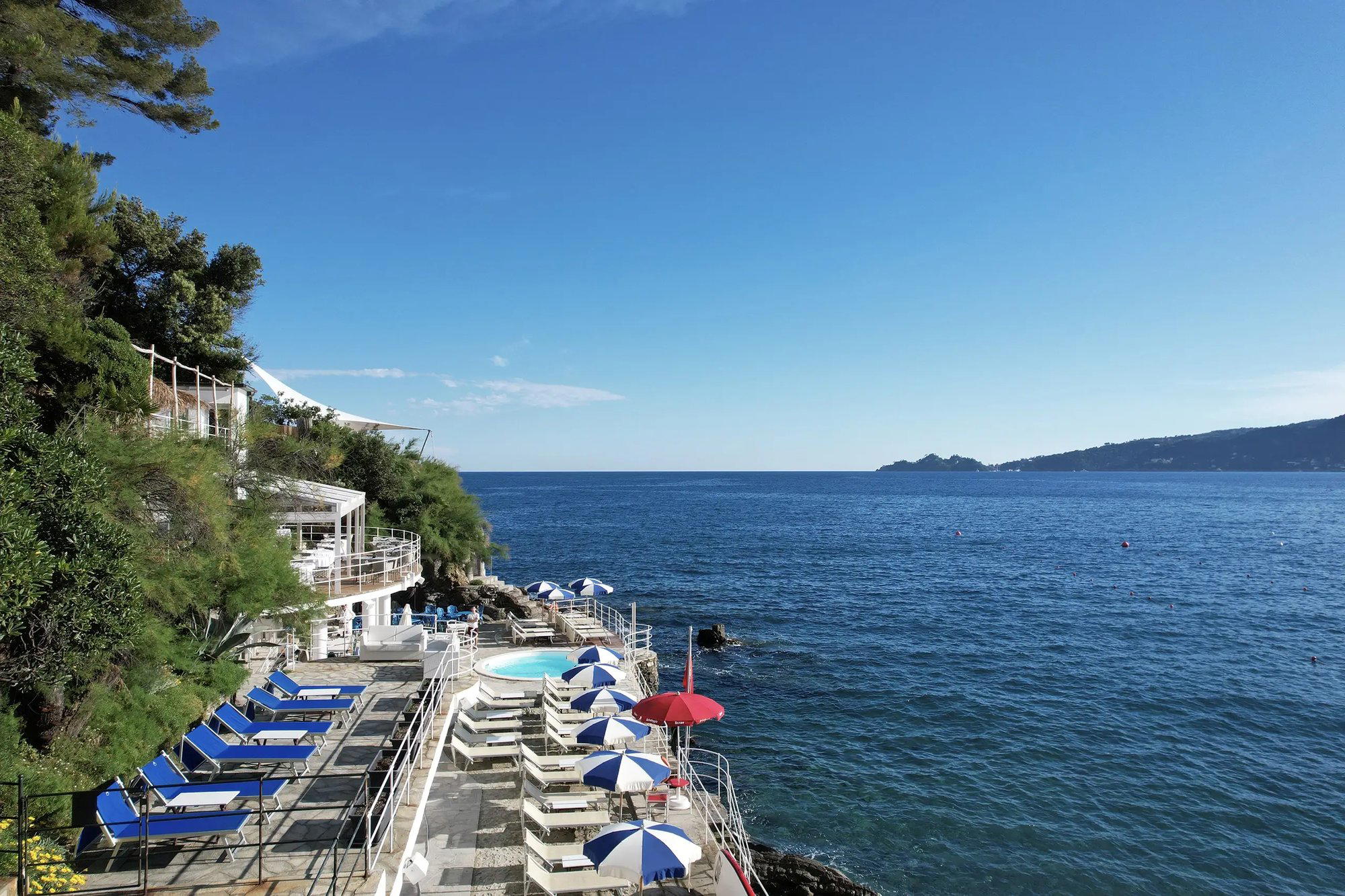
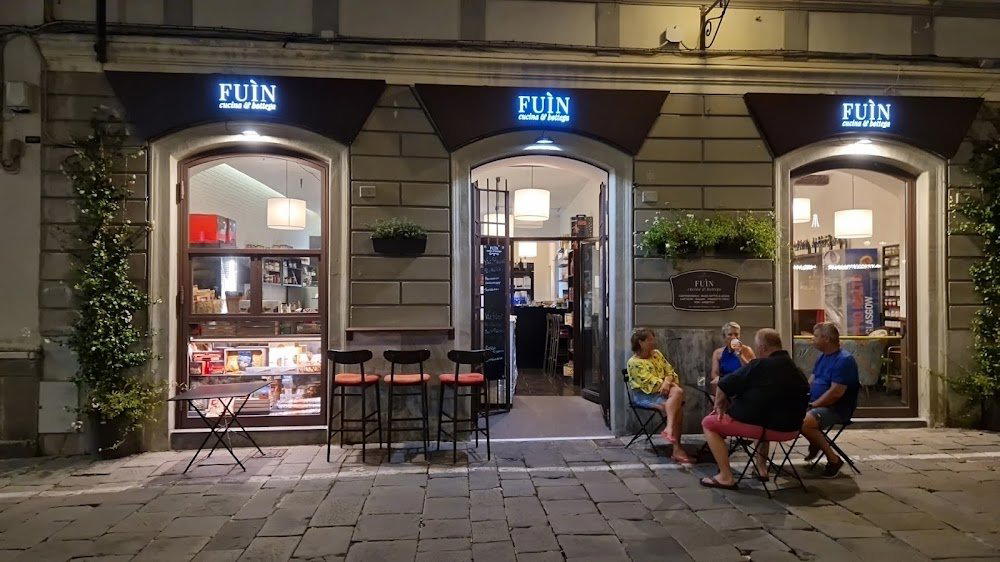
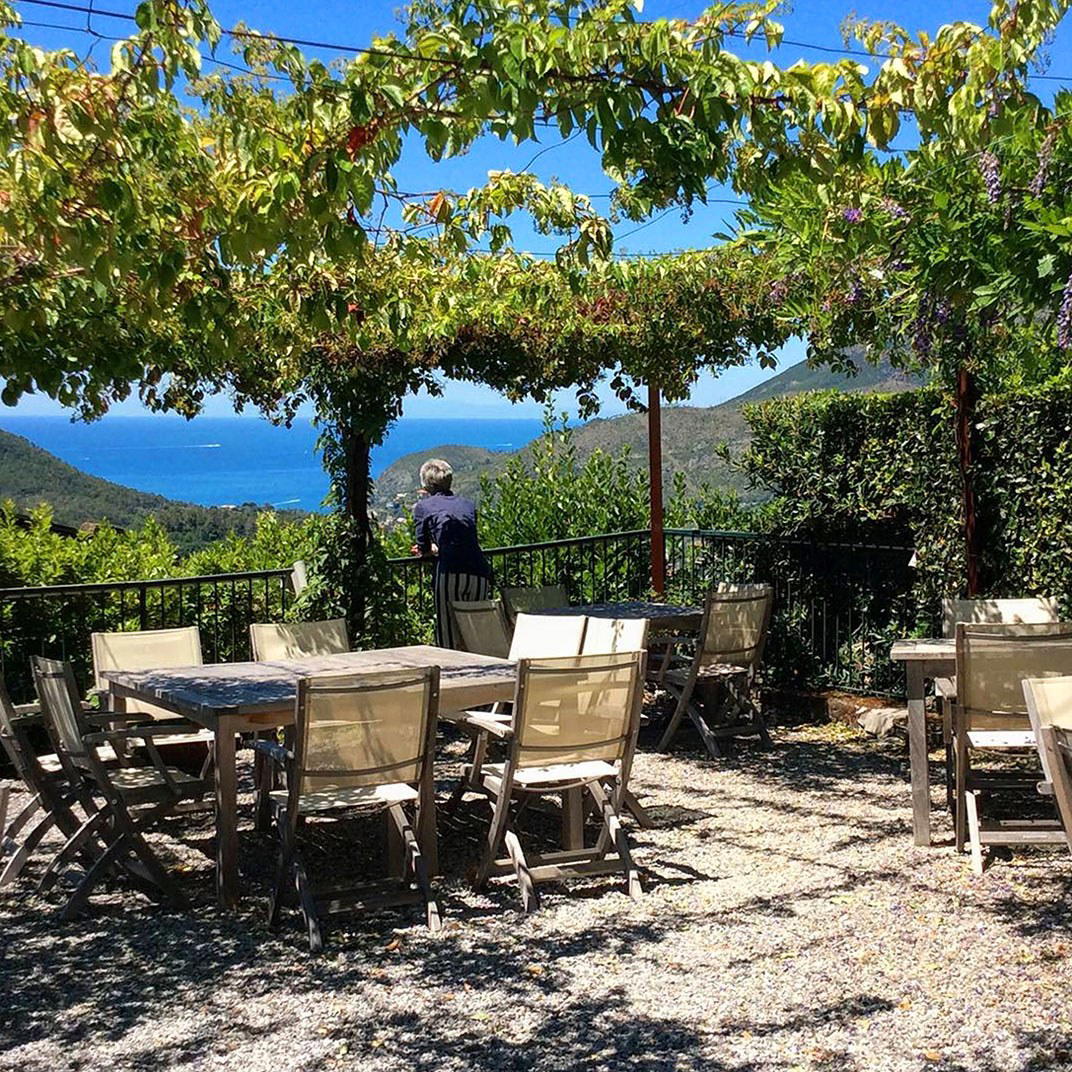
Bar terraces here tend to be small, often a few tables on a landing or a section of lane barely wide enough for two chairs. The harbour area has the most concentrated social energy, with views across the Ligurian Sea that alter the pace of drinking in a way that no amount of interior design can replicate. The atmosphere is fundamentally outdoor and informal, which means it rewards visitors who arrive outside peak summer months when those spaces are not competing with large tour groups for the same square metres.
For a comparative sense of scale: venues like Fauno Bar in Sorrento operate in a similar coastal-tourist register but with significantly more infrastructure behind the drinks programme. Riomaggiore's bar scene is more stripped back, and that restraint is the point rather than a limitation.
Seasonal Patterns and When to Visit
The Cinque Terre receives the majority of its annual visitors between June and August, during which period bar queues and terrace waits are genuine planning considerations. The shoulder months of April, May, September, and October offer materially better conditions: the light on the water is sharper in autumn, the local wine harvest runs through September and into October, and the bars revert to something closer to the pace of their off-season clientele.
Winter in Riomaggiore is a different proposition entirely. Many tourist-facing establishments reduce hours significantly or close, and the village functions as a small working community rather than a destination. For the specific purpose of drinking well and slowly in coastal Liguria, late September or early October represents the window where seasonal produce, harvest energy, and manageable visitor numbers converge most usefully.
This seasonal logic applies across Italy's coastal bar scene. Cascate del Mulino in Manciano operates on a similar seasonal rhythm, and the principle of timing a visit to a destination-driven bar around shoulder periods rather than peak summer holds consistently across the peninsula.
Placing Riomaggiore in the Italian Bar Circuit
Italy's drinks scene, viewed from the major cities, has polarised between technically serious cocktail programmes and the kind of place-driven, wine-forward drinking culture that the country does better than almost anywhere. Enoteca Storica Faccioli in Bologna and Bistrot Torrefazione Samambaia in Turin represent urban iterations of that wine-led tradition, with more depth behind the list and year-round operation. Riomaggiore sits at the experiential end of the same spectrum, where the setting and the regional product do the work that technique and curation perform elsewhere.
That is not a criticism. For the traveller who has already spent time at the programme-driven end of the Italian bar circuit, a few hours drinking local Vermentino on a Ligurian harbour terrace provides a meaningful contrast. The comparison is not about quality hierarchy but about different things drinking can be for. Bar Leather Apron in Honolulu operates in a similarly context-dependent register, where place accounts for a significant share of the experience.
For travellers planning a broader Ligurian itinerary, Riomaggiore connects easily to the rest of the Cinque Terre by regional train, with the five-village stretch navigable in a single day. The village is also accessible from La Spezia in under ten minutes by rail, which makes it a realistic addition to routes between Tuscany and the Ligurian coast. See our full Riomaggiore restaurants and bars guide for broader planning context across the village.
Quick Comparison
| Venue | Price | Awards |
|---|---|---|
| RiomaggioreThis venue — the venue you are viewing | $20–30 | Not listed |
| Drink Kong | $50–100 | World's 50 Best #32 · Falstaff Bar - 96 Falstaff Points |
| Freni e Frizioni | $10–20 | World's 50 Best #31 · Falstaff Bar - 94 Falstaff Points |
| L'Antiquario | $20–30 | World's 50 Best #28 · Top 500 Bars Best Bars #65 |
| Nottingham Forest | $10–20 | World's 50 Best #38 · Top 500 Bars Best Bars #268 |
| 1930 | Not listed | World's 50 Best #22 · Pinnacle Guide 1 Pin |
Continue exploring
More in Riomaggiore
Bars in Riomaggiore
Browse all →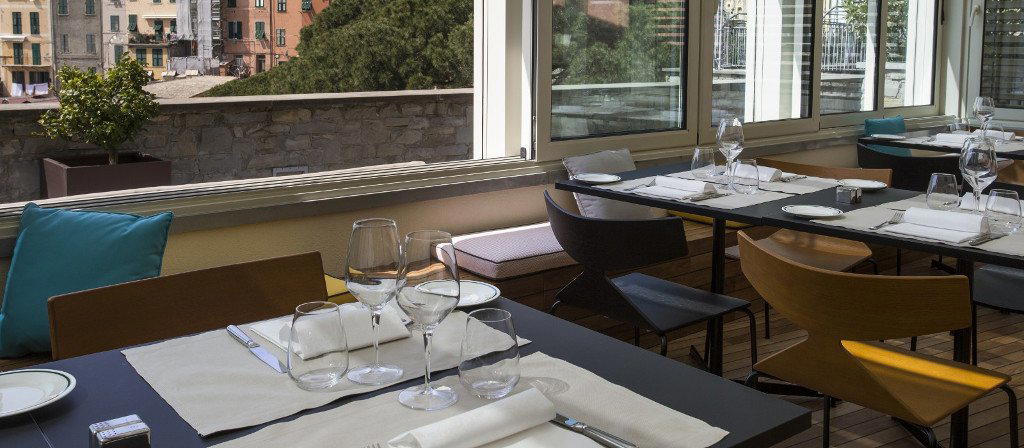
Restaurants in Riomaggiore
Browse all →
Hotels in Riomaggiore
Browse all →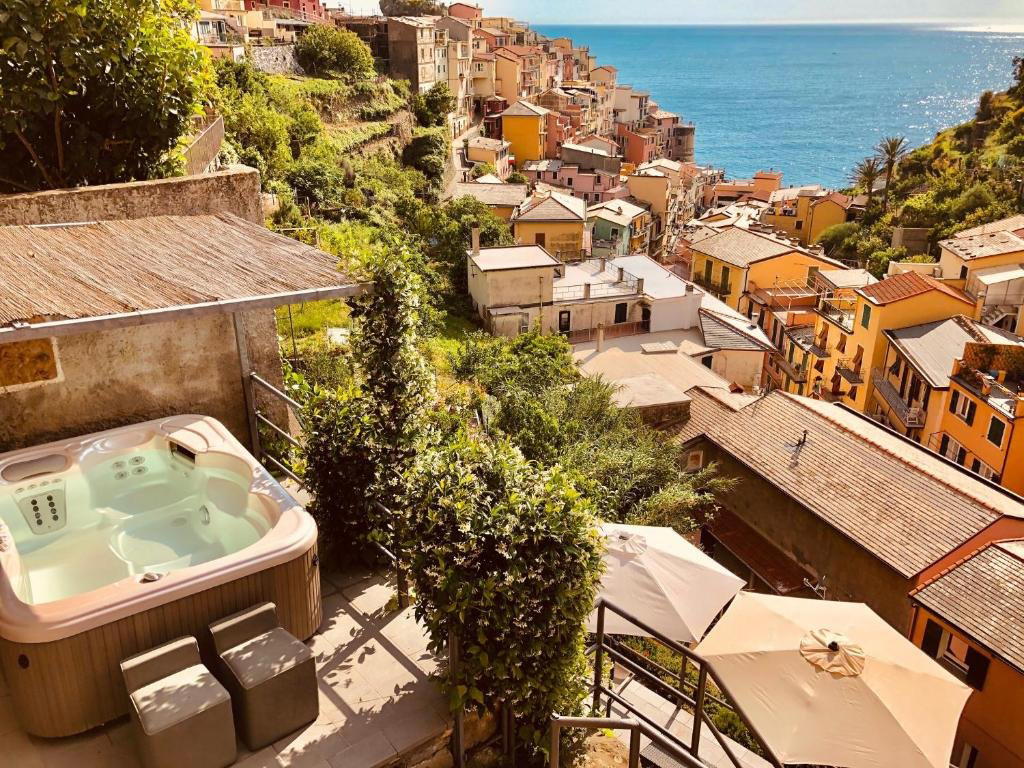

Details
- Scenic
- Cozy
- Rustic
- Lively
- Date Night
- Casual Hangout
- Late Night
- Waterfront
- Terrace
- Panoramic View
- Outdoor Terrace
- Lounge Seating
- Classic Cocktails
- Frozen
- Waterfront
- Mountain
Current opening hours
- Monday
- Closed
- Tuesday
- 9 AM–9:30 PM
- Wednesday
- 8:30 AM–9 PM
- Thursday
- 9 AM–9 PM
- Friday
- 9 AM–9 PM
- Saturday
- 9 AM–9 PM
- Sunday
- 9 AM–9:30 PM
Hours can change for holidays and private events. Last verified .
Warm and inviting with terrace seating overlooking the Mediterranean.